
V
ehicle storage costs range from $50 to $500 or more per month, depending on storage type, location, and vehicle size. Indoor units run $100 to $400 monthly for cars and $300 to $800 for RVs, while outdoor parking costs $50 to $150. Covered parking falls in between at $75 to $250 monthly for standard vehicles.
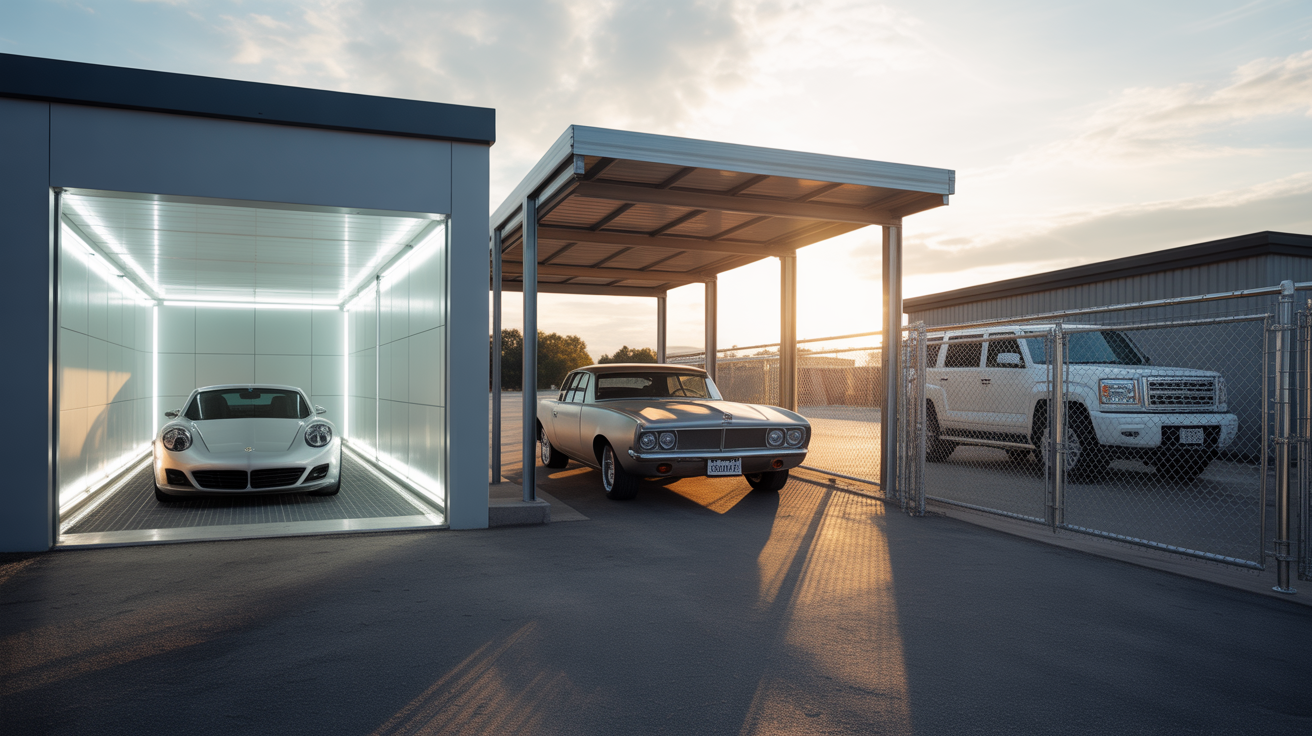
Types of Vehicle Storage and What They Cost
Choosing the right storage type depends on your budget, how long you need storage, and how much protection your vehicle requires. Here in Crested Butte and throughout the Gunnison Valley, weather conditions make storage decisions particularly important during winter months.
Indoor Self-Storage Units
Indoor storage provides maximum protection from weather, theft, and vandalism. These enclosed units keep your vehicle completely sheltered and typically include enhanced security features like gated access and surveillance cameras.
Monthly costs:
$100 to $400 for cars; $300 to $800 for RVs and boats. At Elk Mountain Storage, our 10x20 drive-up units
accommodate most standard vehicles at $405 per month, with a current promotion offering 50% off one month when you rent online.
Best for:
Classic cars, luxury vehicles, motorcycles, and long-term storage exceeding six months. Indoor units eliminate concerns about UV damage, hail, snow accumulation, and temperature fluctuations.
Outdoor Parking Lots
Outdoor parking offers the most affordable option, providing a designated space on gravel or asphalt with basic perimeter fencing. These spaces work well for vehicles you access frequently or store short-term.
Monthly costs:
$50 to $150 for cars; $100 to $300 for RVs and trailers. Our 20x15 open parking spaces at Elk Mountain Storage run $295 monthly and accommodate boats, RVs, and larger vehicles.
Best for:
Budget-conscious storage, work trucks, trailers, and vehicles you need to access regularly. Keep in mind that outdoor storage exposes vehicles to rain, snow, sun damage, and temperature extremes.
Covered Parking
Covered parking provides a middle ground between indoor and outdoor options. A roof or canopy protects against rain, snow, and direct sunlight while keeping costs lower than fully enclosed units.
Monthly costs:
$75 to $250 for cars; $150 to $400 for RVs. This option typically costs 25% to 40% less than indoor storage while offering meaningful weather protection.
Best for:
Seasonal vehicles, boats with covers, and situations where you want weather protection without paying premium indoor rates.
Private Garage Rentals
Peer-to-peer platforms like Neighbor and Spacer connect vehicle owners with homeowners renting garage space. This option works well in residential areas where traditional storage facilities are limited.
Monthly costs:
$100 to $500, typically 20% to 40% cheaper than commercial facilities. Availability varies significantly by location, and you should verify insurance coverage before committing.
Best for:
Urban areas with limited commercial storage, renters seeking flexible arrangements, and those who prefer dealing with individuals rather than corporations.
Specialty and Valet Storage
High-end facilities cater to luxury, exotic, and collectible vehicles with premium amenities. Services often include climate control, battery tenders, periodic engine starts, detailing, and comprehensive insurance.
Monthly costs:
$200 to $1,000 or more. These facilities target owners of vehicles worth $50,000 and up who need museum-quality storage conditions.
Best for:
Classic car collectors, exotic vehicle owners, and anyone storing vehicles valued at $100,000 or more where proper storage protects significant investments.
Vehicle Storage Cost Comparison Table
Typical U.S. monthly ranges for a standard passenger vehicle (your Crested Butte rate will vary with unit size and season). Use this as a planning snapshot, then check live pricing for downtown Elk Mountain options.
For local RV and boat options downtown, see our Crested Butte RV & boat storage page
or rent online.
Factors That Affect Vehicle Storage Costs
Understanding what drives pricing helps you find the best value for your specific situation. Several variables influence monthly rates beyond just the storage type.
Location and Regional Pricing
Geography plays a significant role in storage costs. Coastal and metropolitan areas like Los Angeles, New York, and San Francisco charge 30% to 50% more than rural locations. California averages exceed $200 monthly, while Midwest facilities often charge around $100.
In mountain communities like Crested Butte, pricing reflects local demand from seasonal residents and visitors who need secure storage during off-seasons. Our locally owned facility
serves the Gunnison Valley with competitive rates designed for the community.
Vehicle Size Requirements
Larger vehicles require larger units, directly impacting cost. A standard sedan fits in a 10x20 unit, while trucks and small RVs need 10x30 spaces. Full-size RVs and boats may require 12x40 or larger accommodations.
Size guidelines:
- Motorcycles and ATVs: 5x10 units ($100 to $200 monthly)
- Compact and mid-size cars: 10x15 to 10x20 units ($125 to $250 monthly)
- Trucks and SUVs: 10x20 to 10x25 units ($150 to $300 monthly)
- Small RVs and boats: 10x30 units ($250 to $400 monthly)
- Large RVs (Class A): 12x40+ units ($400 to $800 monthly)
Climate Control Considerations
Climate-controlled units maintain temperatures between 55 and 80 degrees Fahrenheit, protecting vehicles from extreme heat and cold. This feature adds $20 to $50 monthly but prevents significant damage to leather interiors, electronics, rubber seals, and paint.
Consider climate control if you are storing vehicles for longer than six months, keeping classic or collectible cars, or storing in regions with temperature swings exceeding 50 degrees between seasons. Our interior units
are not climate controlled, so factor mountain temperature swings into how you prepare your vehicle.
Access and Security Features
Drive-up access, 24/7 availability, and enhanced security features affect pricing. Units with direct vehicle access typically cost 15% to 20% more than those requiring elevator or hallway navigation.
Security features to look for include gated entry with individual access codes, CCTV surveillance systems, on-site management, and well-lit facilities. At Elk Mountain Storage, we provide 24/7 secure access to all units, giving you flexibility to retrieve your vehicle whenever needed.
Storage Duration and Discounts
Many facilities offer discounts for longer commitments. Prepaying three to six months often saves 5% to 15%, while annual payments may reduce costs by 10% to 20%. Month-to-month flexibility typically comes at premium rates.
Watch for promotional offers, especially during slower seasons. Our current promotion provides 50% off one month when you rent online, reducing initial costs for new customers.
Hidden Fees and How to Avoid Them
The advertised monthly rate rarely tells the complete story. Understanding potential additional charges helps you budget accurately and avoid surprises.
Common Additional Charges
Administration fees:
Many facilities charge $20 to $50 at move-in for paperwork processing. Some waive this fee during promotions or for online reservations.
Security deposits:
Refundable deposits of $50 to $200 protect facilities against damage or unpaid rent. Not all facilities require deposits; Elk Mountain Storage requires no deposit for rentals.
Insurance requirements:
Most facilities require proof of insurance or purchase of their protection plan. Storage insurance typically costs $10 to $30 monthly. Learn about our tenant protection options
for coverage details.
Lock purchases:
Some facilities require specific lock types, charging $10 to $25. Others include locks with rental.
Rate Increase Practices
National chains frequently advertise low introductory rates, then increase prices after three to six months. Industry data shows some facilities raise rates 10% to 25% annually for existing tenants, counting on the hassle of moving to retain customers.
Before signing, ask about rate increase policies and get commitments in writing. Look for facilities offering price locks or those with transparent, consistent pricing histories. Locally owned facilities often provide more stable pricing than national corporations focused on quarterly earnings.
Frequently Asked Questions About Vehicle Storage Costs
How much does it cost to keep a vehicle in storage?
Vehicle storage costs $50 to $500 or more monthly depending on storage type and location. The national average for a standard 10x20 drive-up unit suitable for most cars runs $125 to $200 per month. Indoor climate-controlled storage costs $150 to $400, while basic outdoor parking ranges from $50 to $150.
Can you negotiate storage unit prices?
Yes, negotiation is possible, especially during slower rental periods (typically winter months in most regions) or when facilities have high vacancy rates. Ask about move-in specials, waived admin fees, or discounts for prepaying multiple months. Mentioning competitor pricing often prompts facilities to match or beat rates.
What is the average cost of storage per month?
The national average for vehicle-appropriate storage (10x20 units) is $139 to $200 monthly as of 2026. This varies significantly by region: expect $100 to $150 in rural Midwest areas and $200 to $350 in major metropolitan markets. Climate control adds $20 to $50 to any base rate.
How much do you pay monthly for storage?
Monthly storage payments depend on unit size, features, and location. Budget $100 to $200 for standard car storage, $200 to $400 for trucks and small RVs, and $300 to $800 for large RVs and boats. Add $10 to $30 for insurance if not using your auto policy.
What is the cheapest way to store my car long-term?
Outdoor parking lots offer the lowest rates at $50 to $150 monthly. However, calculate potential repair costs from weather exposure before choosing the cheapest option. For vehicles worth over $10,000, the $50 to $100 monthly premium for indoor storage often pays for itself by preventing paint damage, interior deterioration, and mechanical issues from temperature extremes.
Are climate-controlled units worth it for vehicle storage?
Climate control is worth the extra $20 to $50 monthly if you are storing for more than six months, keeping vehicles with leather interiors, storing classic or collectible cars, or living in areas where temperatures exceed 90 degrees or drop below 32 degrees. The controlled environment prevents cracked dashboards, deteriorating rubber seals, battery damage, and paint oxidation.
What should I look for in a secure vehicle storage facility?
Prioritize facilities with gated access using individual codes, 24/7 video surveillance, adequate lighting, on-site management during business hours, and a clean, well-maintained appearance. Ask about their security incident history and whether they have on-site or remote monitoring. Insurance requirements also indicate facilities that take security seriously.
Can I get vehicle storage insurance, and how much does it cost?
Vehicle storage insurance costs $10 to $30 monthly through facility protection plans. Alternatively, your existing auto insurance may cover stored vehicles; contact your provider to confirm. Comprehensive coverage typically applies to stored vehicles, but liability coverage may lapse after 30 days without use. Specialty insurers like Hagerty offer agreed-value policies for classic cars at $150 to $500 annually.
Preparing Your Vehicle for Storage
Proper preparation prevents costly damage regardless of which storage option you choose. Taking these steps before storing extends vehicle life and reduces maintenance needs when you retrieve it.
Short-Term Storage (Under 30 Days)
- Fill the gas tank to prevent moisture accumulation
- Check tire pressure (inflate to maximum recommended PSI)
- Clean interior and exterior to prevent staining
- Remove valuables and important documents
Long-Term Storage (30+ Days)
- Change oil and filter to remove contaminants
- Add fuel stabilizer and run engine for 10 minutes
- Disconnect or use a battery tender
- Place moisture absorbers inside the cabin
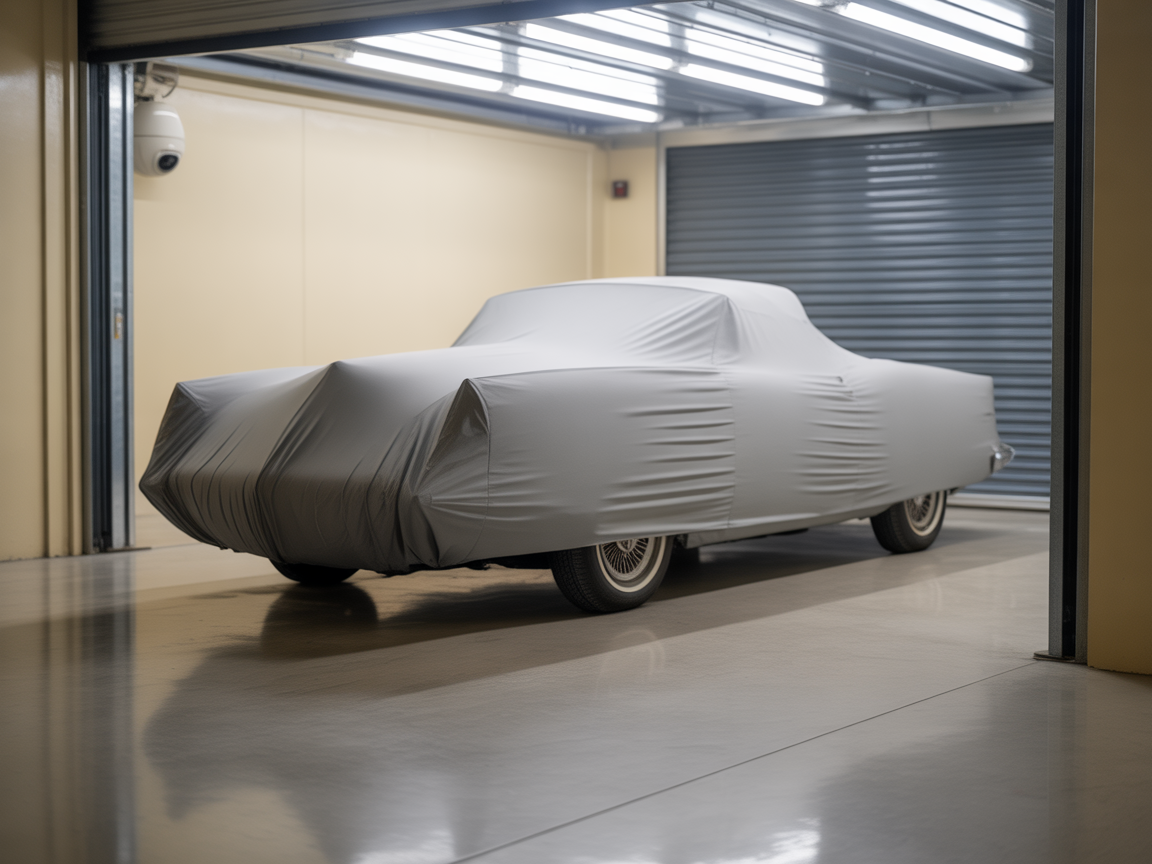
- Cover with breathable fabric (not plastic)
- Consider placing vehicle on jack stands to prevent flat spots
- Stuff exhaust pipe with steel wool to prevent rodent entry
Making Your Decision: Which Storage Type Fits Your Needs
The right choice balances protection level, budget, and access requirements. Use this framework to guide your decision.
Choose outdoor parking if:
You need the lowest cost, plan to access the vehicle frequently, are storing for less than three months, or the vehicle is a daily driver or work truck without collector value.
Choose covered parking if:
You want weather protection at moderate cost, are storing seasonally (four to eight months), or have a vehicle worth $15,000 to $40,000 that warrants some protection.
Choose indoor storage if:
You need maximum security and weather protection, are storing long-term (six months or more), have a vehicle worth over $40,000, or live in areas with extreme weather conditions.
Choose climate-controlled storage if:
You are storing classic, collectible, or luxury vehicles; the vehicle has leather interior or sensitive electronics; storage duration exceeds six months; or local temperatures regularly exceed 90 degrees or drop below freezing.
Vehicle Storage in Crested Butte and Gunnison Valley
Mountain communities present unique storage challenges. Winter temperatures regularly drop below zero, spring brings mud season, and summer sun at altitude intensifies UV damage. These conditions make proper storage particularly important for seasonal residents and visitors.
Elk Mountain Storage offers multiple vehicle storage options designed for local conditions. Our drive-up units provide easy access for loading and unloading, while 24/7 secure access means you can retrieve your vehicle whenever mountain adventures call. As a locally owned facility, we understand the storage needs of Gunnison Valley residents and seasonal visitors.
Current availability includes 10x20 drive-up units at $405 monthly, 10x30 units for larger vehicles at $485 monthly, and 20x15 open parking spaces at $295 monthly for RVs and boats. Online rentals and payments make managing your storage convenient even when you are away from the valley.
Reserve RV or Boat Storage in Crested Butte
Compare open parking and enclosed drive-up options on our RV and boat storage page for Crested Butte, then rent online when you are ready. Downtown at 307 Red Lady Ave with 24/7 access.
Drive times from Mt. Crested Butte base-area condos to Elk Mountain Storage on Red Lady Ave. Winter road notes and soft rent-online next steps.

Compare downtown Crested Butte storage at 307 Red Lady Ave vs driving to Gunnison. Drive times, lifestyle fit, and soft rent-online next steps for Gunnison Valley residents.
Self storage costs $35 to $300 per month in 2026. See exact pricing by unit size and tips to save on storage in Crested Butte.
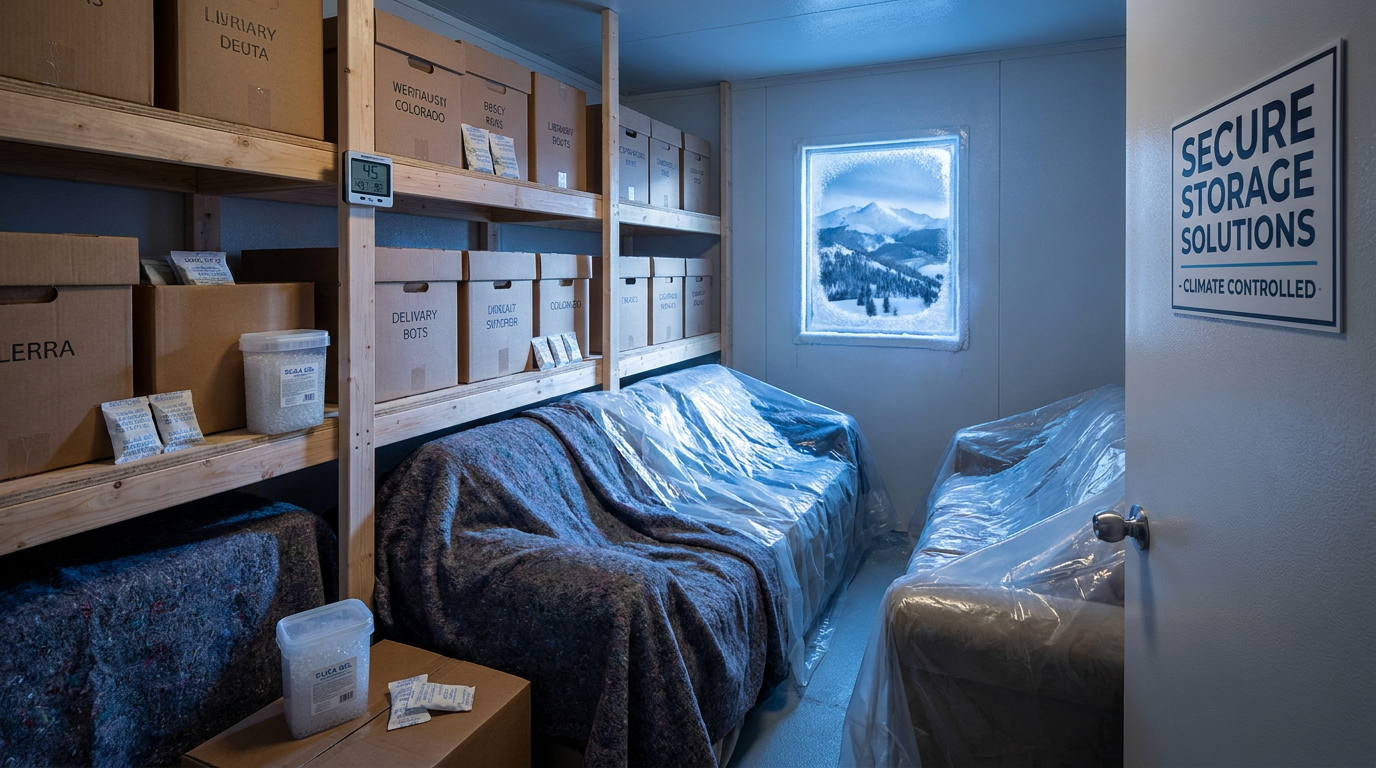
Learn proven methods to protect stored belongings from winter temperature swings. Covers packing, moisture control, and item-specific tips for Colorado storage.
Discover what to store between seasons near Mt. Crested Butte. From ski gear to patio furniture, learn seasonal storage tips for mountain living in 2026.
Elk Mountain Storage is a proud sponsor of Bridges of the Butte 2026, Crested Butte's costumed townie ride raising funds for the Adaptive Sports Center.
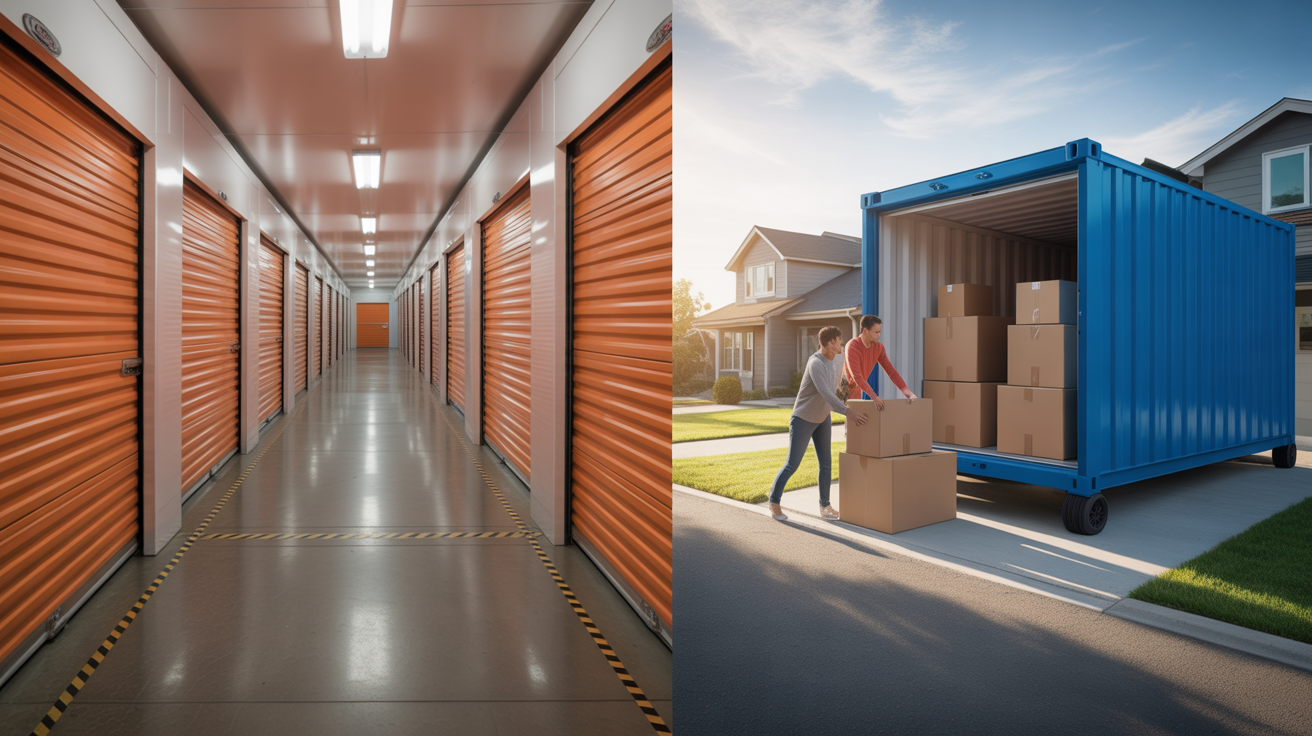
Compare self-storage vs portable storage container costs. Learn which option saves money based on duration, distance, and your specific storage needs in 2026.
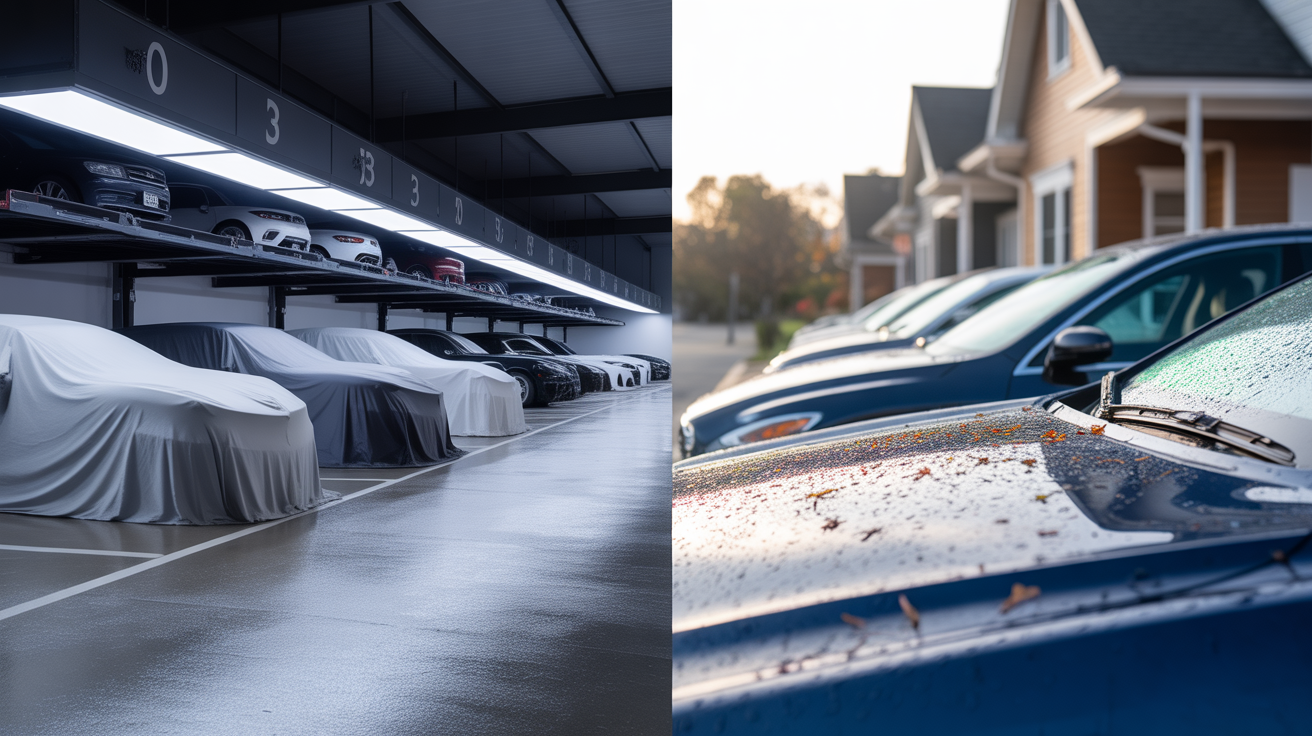
Compare vehicle storage facility costs ($50-$700/month) versus home parking expenses. Includes hidden costs, maintenance savings, and break-even analysis.
Learn typical storage facility access hours (6 AM to 10 PM), 24/7 options, and key convenience factors like drive-up units and security features.
Find the right storage unit size for your needs. Compare 5x5 to 10x30 units with our size chart, calculator tips, and expert recommendations for every situation.