How to Protect Stored Items During Winter Temperature Swings |
| HOW TO PROTECT STORED ITEMS DURING WINTER TEMPERATURE SWINGS
⏱ 16 min read ·
📄 #3,145 words
Learn proven methods to protect stored belongings from winter temperature swings. Covers packing, moisture control, and item-specific tips for Colorado storage.
|
P rotecting stored items during winter temperature swings requires proper packing materials, moisture control, and strategic placement within your storage unit. In mountain communities like Crested Butte, where temperatures can fluctuate 40 to 50 degrees in a single day, these precautions prevent warping, cracking, condensation damage, and mold growth on everything from furniture to electronics.
| Key Points: | |
|---|---|
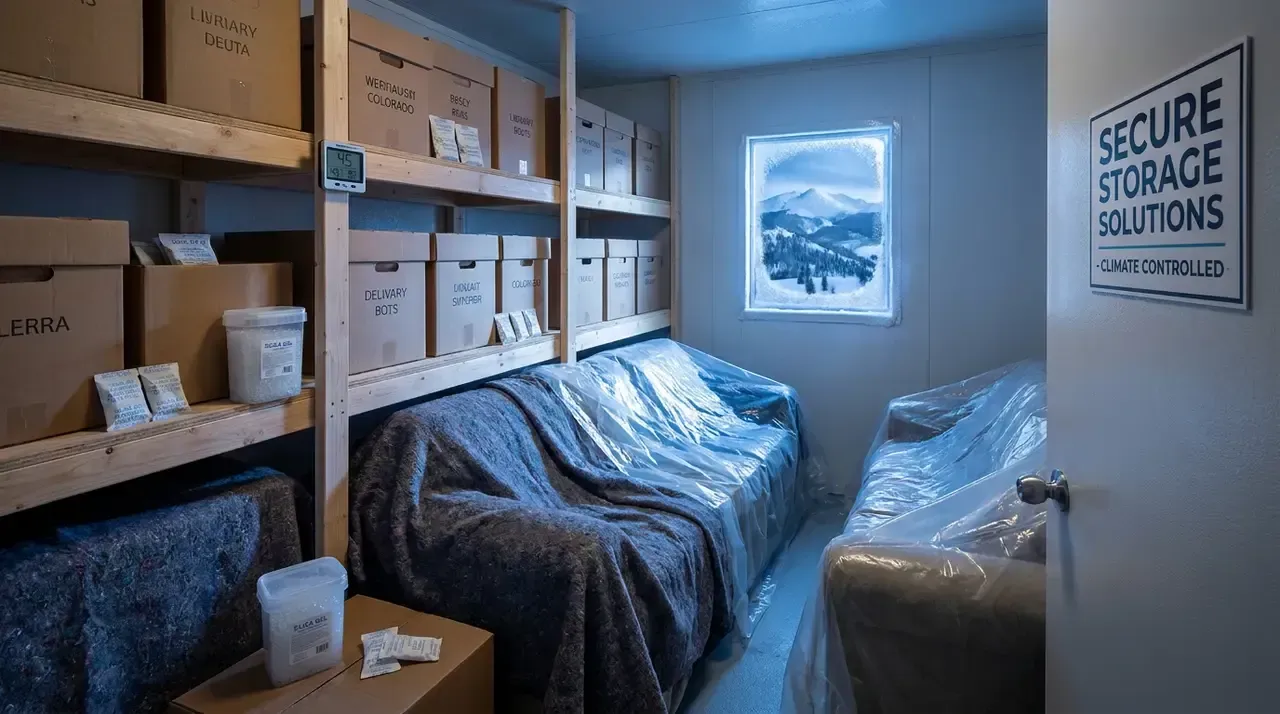
| • | Wrap temperature-sensitive items in moving blankets or bubble wrap to buffer against rapid temperature changes |
| • | Use silica gel packets or moisture absorbers (1 to 2 per storage bin) to prevent condensation damage |
| • | Keep items 4 to 6 inches off concrete floors using pallets or shelving to avoid cold transfer |
| • | Store electronics, wood furniture, and musical instruments away from exterior walls where temperatures fluctuate most |
| • | Check stored items every 4 to 6 weeks during winter months to catch problems early |
Why Winter Temperature Swings Damage Stored Items
Temperature fluctuations cause damage through two primary mechanisms: thermal expansion and condensation. When temperatures drop rapidly, materials contract. When they rise, materials expand. According to the A-Verdi Self Storage research on climate-controlled storage, repeated expansion and contraction cycles cause wood to crack, veneer to peel, and adhesives to fail over time.
Condensation presents an even greater threat. When warm air contacts cold surfaces inside a storage unit, moisture forms on items. The National Oceanic and Atmospheric Administration (NOAA) data shows that Crested Butte experiences average winter temperature swings of 35 degrees Fahrenheit between daytime highs and overnight lows. This creates ideal conditions for condensation to form on stored belongings.
In Gunnison County, winter temperatures regularly drop below zero degrees Fahrenheit at night before climbing into the 30s or 40s during sunny afternoons. This 40 to 50 degree daily swing puts stored items through significant stress. Understanding these conditions helps you take appropriate protective measures.
Items Most Vulnerable to Temperature Swings
Not all stored items face equal risk from temperature fluctuations. Knowing which belongings need extra protection helps you prioritize your packing efforts and decide where to place items within your unit.
Wood Furniture and Antiques
Solid wood furniture is highly susceptible to temperature and humidity changes. Wood absorbs and releases moisture as conditions change, causing it to expand, contract, warp, and crack. Antique furniture with original finishes faces particular risk because older adhesives and finishes become brittle over time. The Vail Airport Storage temperature-sensitive storage guide recommends maintaining wood items between 55 and 75 degrees Fahrenheit when possible.
Veneer furniture presents additional challenges. The thin wood layer bonded to a substrate can separate when temperature swings cause the two materials to expand at different rates. Particle board and MDF furniture also absorb moisture readily, leading to swelling and permanent damage.
Electronics and Appliances
Electronics face two winter storage threats: condensation on circuit boards and battery damage from freezing. Lithium-ion batteries, found in laptops, power tools, and portable speakers, can suffer permanent capacity loss when stored below 32 degrees Fahrenheit. The Consumer Electronics Association notes that electronics should be stored between 50 and 80 degrees Fahrenheit for optimal longevity.
Appliances with water lines or reservoirs, such as refrigerators, washing machines, and coffee makers, must be completely drained before winter storage. Any remaining water can freeze, expand, and crack internal components. This damage often remains hidden until you reconnect the appliance months later.
Musical Instruments
Guitars, violins, pianos, and other wooden instruments are extremely sensitive to temperature and humidity changes. A guitar stored in fluctuating conditions can develop neck warping, bridge lifting, and finish cracking within a single winter season. The National Association of Music Merchants recommends storing instruments between 65 and 75 degrees Fahrenheit with 45 to 55 percent relative humidity.
Photographs, Documents, and Books
Paper products absorb moisture readily, leading to warping, yellowing, and mold growth. Family photographs stored improperly can stick together permanently. According to the Library of Congress preservation guidelines, paper items should be stored below 70 degrees Fahrenheit with relative humidity between 30 and 40 percent for long-term preservation.
Essential Packing Materials for Winter Storage
The right packing materials create a buffer between your belongings and the fluctuating temperatures inside a storage unit. Investing in quality supplies pays dividends by preventing costly damage to your items.
| Material | Best For | Cost Range | Winter Protection Level |
|---|---|---|---|
| Moving blankets | Furniture, large items | $10 to $25 each | High |
| Bubble wrap | Fragile items, electronics | $15 to $30 per roll | Medium to High |
| Plastic storage bins | Clothing, documents, small items | $8 to $20 each | High |
| Silica gel packets | Moisture-sensitive items | $8 to $15 per pack | High |
| Furniture covers | Upholstered furniture | $15 to $40 each | Medium |
| Wooden pallets | Floor protection | $5 to $15 each (often free) | High |
Plastic Bins vs. Cardboard Boxes
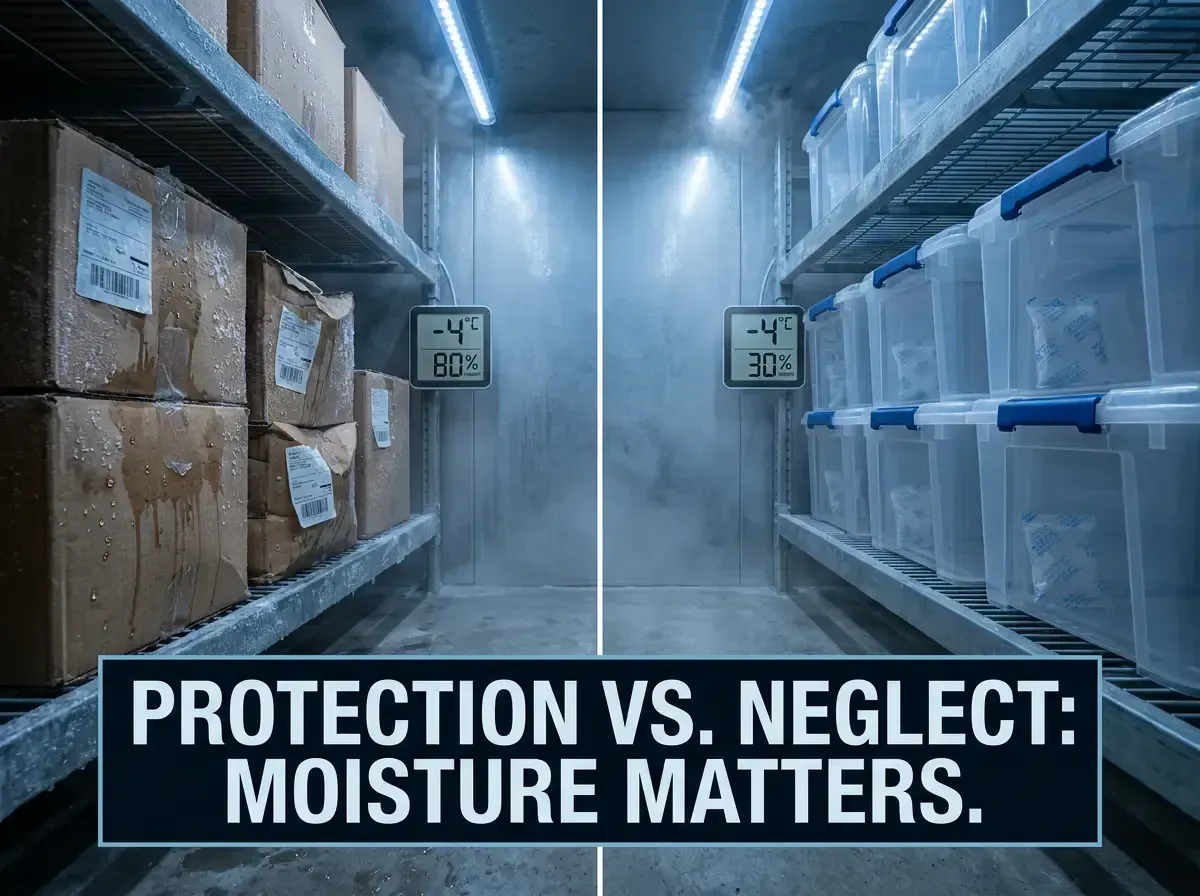
For winter storage, plastic bins outperform cardboard boxes in nearly every scenario. Cardboard absorbs moisture from the air, weakens over time, and provides minimal insulation against temperature changes. Plastic bins with tight-fitting lids create a sealed environment that protects contents from humidity fluctuations and pest intrusion.
Reserve cardboard boxes for lightweight, non-sensitive items that you plan to access within a few months. For anything stored through an entire winter season, plastic bins provide superior protection. The Storage Outlet seasonal storage guide recommends choosing bins with gasket seals for maximum moisture protection.
Strategic Unit Organization for Temperature Protection
How you arrange items within your storage unit significantly impacts their exposure to temperature fluctuations. Following these placement strategies minimizes risk to your most vulnerable belongings.
Keep Items Off the Floor
Concrete floors in storage units conduct cold directly from the ground. During winter, floor temperatures can be 10 to 15 degrees colder than air temperature at chest height. Place wooden pallets, plastic shelving, or 2x4 lumber on the floor to create an air gap beneath your items. This simple step prevents cold transfer and protects against any moisture that might seep under the unit door during snowmelt.
Distance from Exterior Walls
Exterior walls experience the greatest temperature swings because they are directly exposed to outdoor conditions. Position your most temperature-sensitive items toward the center of the unit, at least 6 inches away from any exterior wall. This creates a buffer zone where temperatures remain more stable.
Create Air Circulation Paths
Stagnant air promotes condensation and mold growth. Leave 2 to 3 inch gaps between stacked items and avoid pushing furniture flush against walls. This allows air to circulate throughout the unit, reducing moisture buildup on surfaces. If your unit has good ventilation, these air paths become even more effective.
Item-Specific Protection Methods
Different items require different protection strategies. These detailed instructions cover the most commonly stored items that face winter damage risks.
Protecting Furniture
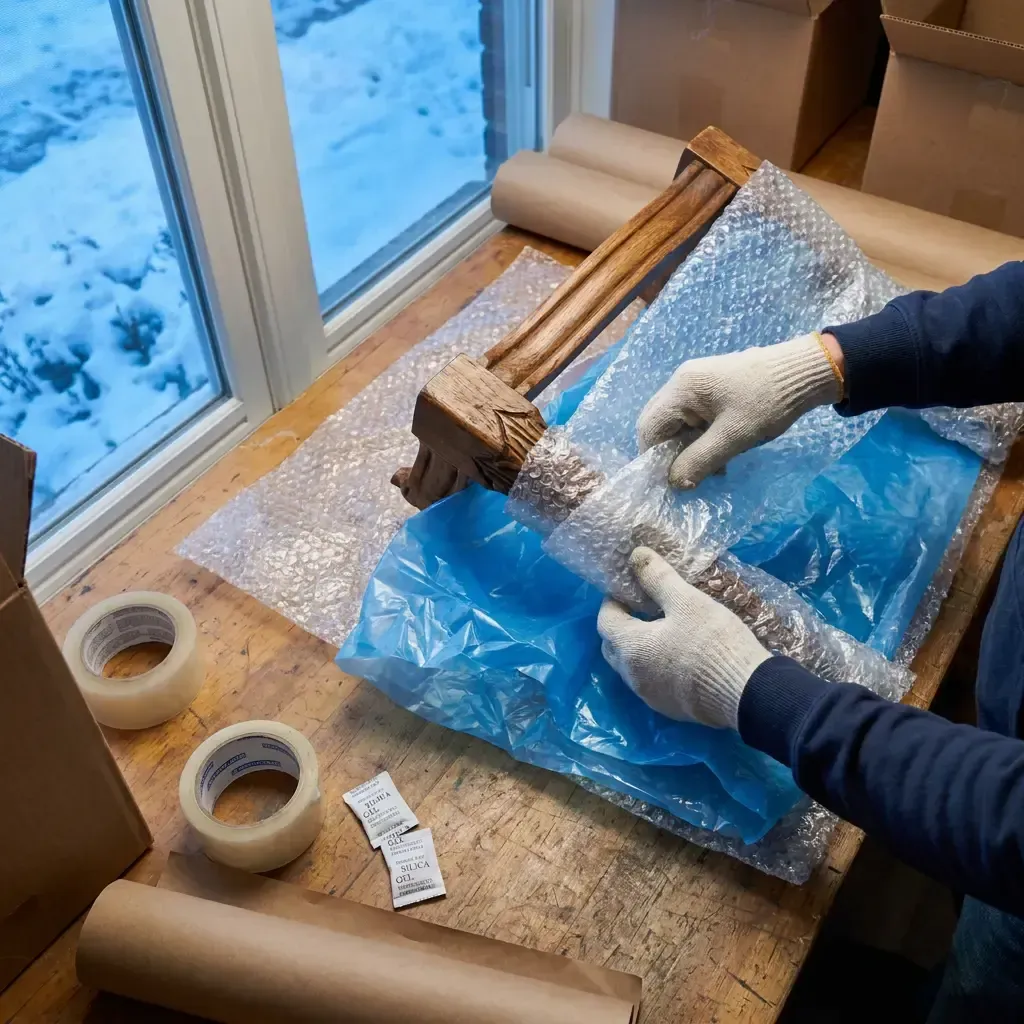
Disassemble furniture when possible to reduce stress on joints during temperature fluctuations. Remove legs from tables, take apart bed frames, and separate shelving units. Wrap each piece individually in moving blankets, securing with packing tape or stretch wrap. For upholstered furniture, use breathable fabric covers rather than plastic, which can trap moisture against the fabric.
Apply furniture polish or wax to wood surfaces before storage. This creates a protective barrier that helps wood retain moisture and resist the drying effects of cold air. Avoid storing furniture with items resting on top, as uneven pressure combined with temperature changes can cause permanent indentations.
Protecting Electronics
Remove batteries from all electronic devices before storage. Batteries left in devices can leak corrosive chemicals when exposed to freezing temperatures, destroying circuit boards and contacts. Store batteries separately in a sealed container at room temperature if possible.
Wrap electronics in anti-static bubble wrap, then place them in their original boxes if available. Original packaging is designed to protect items during shipping and provides excellent insulation. If original boxes are unavailable, use sturdy plastic bins lined with packing material. Include 2 to 3 silica gel packets per container to absorb any moisture that forms during temperature swings.
Protecting Clothing and Textiles
Clean all clothing before storage. Body oils, food residue, and other organic matter attract pests and can cause permanent staining over time. Use vacuum-sealed bags for bulky items like winter coats and comforters to reduce volume and create an airtight seal against moisture.
Store clothing in plastic bins rather than cardboard boxes. Add cedar blocks or lavender sachets for natural pest deterrence. Avoid storing leather items in plastic bags, as leather needs to breathe. Instead, wrap leather goods in cotton sheets or muslin cloth. Our guide on storing holiday decorations by season includes additional tips for organizing seasonal clothing and textiles.
Protecting Photographs and Documents
Place photographs in acid-free archival boxes or sleeves. Never store photos in regular plastic bags, which can trap moisture and cause photos to stick together. For valuable documents, use waterproof document cases with silica gel packets inside.
Store paper items in the most temperature-stable location within your unit, typically the center of the unit away from exterior walls. Consider scanning irreplaceable documents and photos before storage as a backup precaution.
Moisture Control Strategies
Moisture is the primary enemy of stored items during winter temperature swings. When temperatures fluctuate, condensation forms on surfaces, creating conditions for mold, mildew, rust, and water damage.
Desiccants and Moisture Absorbers
Silica gel packets are the most effective moisture absorbers for storage applications. Place 1 to 2 packets in each storage bin and 5 to 10 packets throughout a 10x10 storage unit. Rechargeable silica gel canisters can be dried out in an oven and reused, making them cost-effective for long-term storage.
Calcium chloride moisture absorbers, sold under brands like DampRid, work well for larger spaces. A single container can absorb moisture from 100 to 150 square feet for 30 to 60 days. Replace these absorbers monthly during winter months when condensation risk is highest.
Ventilation Considerations
Storage units with good ventilation experience fewer moisture problems than sealed units. At Elk Mountain Storage, our drive-up storage units feature designs that allow air circulation while maintaining security. When visiting your unit, open the door for 10 to 15 minutes to exchange humid air with fresh air.
Moisture Barriers
Lay plastic sheeting or tarps on the floor before placing pallets or shelving. This creates an additional barrier against ground moisture. For particularly valuable items, consider wrapping them in plastic sheeting before covering with moving blankets. The plastic provides moisture protection while the blankets provide temperature insulation.
What Not to Store in Unheated Spaces During Winter
Some items should never be stored in spaces subject to freezing temperatures, regardless of protective measures taken. Understanding these limitations helps you make informed decisions about what to store and where.
Items That Should Not Be Stored in Cold Garages or Unheated Units
Latex paint freezes at 32 degrees Fahrenheit and becomes unusable after thawing. Canned goods can freeze, causing cans to burst or seals to fail. Wine stored below 45 degrees Fahrenheit can develop sediment issues and flavor changes. Medications and cosmetics often have temperature requirements printed on their packaging; check these before storing.
Propane tanks should never be stored in enclosed spaces due to safety concerns. Aerosol cans can explode when frozen. Fresh produce and perishable foods attract pests and create health hazards. Houseplants cannot survive freezing temperatures and should be relocated during winter months.
The Four Ps of Winter Safety for Storage
Emergency preparedness experts reference the "four Ps" of winter safety: People, Pets, Plants, and Pipes. For storage applications, this translates to protecting items that are irreplaceable (like family heirlooms), living (plants), liquid-containing (pipes, appliances), and temperature-sensitive (electronics, wood). Prioritize protection for items in these categories.
Can Electronics Be Stored in a Cold Garage?
Electronics can be stored in cold garages or unheated storage units with proper precautions, but risks exist. The primary concerns are condensation damage when items are brought back into warm environments and battery degradation from freezing temperatures.
If you must store electronics in cold conditions, remove all batteries first. Allow electronics to acclimate slowly when moving them between temperature extremes. Before plugging in a device that has been stored in cold conditions, let it sit at room temperature for 24 hours to allow any internal condensation to evaporate.
For valuable electronics like computers, televisions, and audio equipment, consider whether the replacement cost justifies the storage risk. A tenant protection plan can provide peace of mind for stored electronics and other valuable items.
Monitoring Your Stored Items During Winter
Regular inspection catches problems before they become catastrophic. Plan to visit your storage unit every 4 to 6 weeks during winter months to check on your belongings.
What to Check During Visits
Look for signs of moisture: water stains, musty odors, visible condensation on surfaces, or mold growth. Check that moisture absorbers have not become saturated. Inspect packaging materials for signs of pest activity, including droppings, gnaw marks, or nesting materials.
Test that items have not shifted during temperature changes. Wood furniture can warp, causing stacked items to become unstable. Verify that protective coverings remain in place and have not slipped or torn.
Temperature and Humidity Monitoring
Inexpensive digital thermometer and hygrometer combos cost $10 to $20 and provide valuable data about conditions inside your unit. Place one near your most sensitive items and check readings during each visit. Ideal storage conditions are 50 to 70 degrees Fahrenheit with 30 to 50 percent relative humidity. Readings outside these ranges indicate a need for additional protective measures.
Special Considerations for Mountain Storage
Storage in mountain communities like Crested Butte presents unique challenges beyond typical winter storage concerns. Elevation, extreme temperature ranges, and heavy snowfall all impact how you should protect stored items.
Altitude Effects
At Crested Butte's elevation of 8,909 feet, air pressure is approximately 25 percent lower than at sea level. This affects sealed containers, which may bulge or deform. Partially open lids on plastic containers before storing to equalize pressure. Aerosol products may behave unpredictably at altitude and should be stored with extra caution.
Snow Load and Access
Heavy snowfall can limit access to storage units for days or weeks at a time. At Elk Mountain Storage, we provide 24/7 drive-up access with LED lighting and snow removal to ensure year-round accessibility. When choosing a storage facility, verify their snow removal policies and access guarantees.
Plan your storage organization so that items you might need during winter are accessible near the front of your unit. Ski equipment, snow removal tools, and winter clothing should be positioned for easy retrieval without unpacking the entire unit.
Local Storage Options
For Gunnison Valley residents, choosing storage close to where you need your items reduces exposure time during transport. The 28-mile drive between Gunnison and Crested Butte exposes items to significant temperature changes, especially when transporting temperature-sensitive belongings in an unheated vehicle during winter.
Preparing Items for Retrieval After Winter Storage
How you remove items from winter storage matters as much as how you stored them. Rapid temperature changes during retrieval can cause the same damage you worked to prevent during storage.
Gradual Acclimation
When retrieving items from cold storage, allow them to acclimate gradually to warmer temperatures. This is especially important for electronics, wood furniture, and musical instruments. Leave items in their protective wrapping for 12 to 24 hours after bringing them into a heated space. This allows internal temperatures to equalize slowly, preventing condensation from forming inside devices or on wood surfaces.
Inspection Before Use
Inspect all items carefully before use. Check electronics for signs of corrosion on contacts and ports. Examine wood furniture for cracks, warping, or finish damage. Test appliances in a safe location before returning them to regular service. Any items showing damage should be evaluated by a professional before use.
Choosing the Right Storage Unit Size
Proper unit sizing affects your ability to implement protective measures. A unit that is too small forces you to stack items tightly, eliminating air circulation and making it impossible to keep items away from walls. Our storage unit size guide helps you determine the right fit for your belongings while leaving room for protective organization.
For winter storage specifically, consider sizing up from the minimum required space. The extra room allows for proper air circulation, keeps items away from exterior walls, and provides access for regular inspections. A 10x10 unit that would normally hold a one-bedroom apartment's contents might work better as a 10x15 when accounting for winter storage best practices.
Cost Considerations for Winter Storage Protection
Protecting stored items requires an investment in materials and potentially upgraded storage options. Understanding these costs helps you make informed decisions based on the value of your stored belongings.
| Protection Level | Materials Cost | Best For |
|---|---|---|
| Basic | $25 to $50 | Durable items, seasonal decorations |
| Standard | $75 to $150 | Furniture, household goods |
| Premium | $200 to $400 | Antiques, electronics, musical instruments |
Compare protection costs against the replacement value of your items. Spending $150 on premium packing materials to protect $5,000 worth of furniture represents a 3 percent insurance cost. For valuable items, this investment makes financial sense. For items with low replacement value, basic protection may suffice.
Learn more about self-storage costs in Colorado mountain communities to understand the full picture of storage expenses, including monthly unit rates and protection investments.
Frequently Asked Questions
Can I leave food outside in 30 degree weather?
Food should not be stored in unregulated outdoor conditions, even in cold weather. Temperatures fluctuate throughout the day, potentially rising above safe food storage thresholds. The USDA recommends keeping perishable foods below 40 degrees Fahrenheit consistently. Outdoor temperatures in mountain areas can swing from 30 degrees at night to 50 degrees during sunny afternoons, creating unsafe conditions for food storage.
What are the four Ps of winter safety?
The four Ps of winter safety are People, Pets, Plants, and Pipes. For storage applications, this framework reminds you to protect irreplaceable items (family heirlooms, photographs), living things (plants cannot survive in unheated storage), liquid-containing items (drain all appliances and pipes), and temperature-sensitive belongings (electronics, wood furniture, musical instruments).
What should not be stored in a garage during winter?
Items that should not be stored in an unheated garage during winter include: latex paint (freezes and becomes unusable), canned goods (can burst when frozen), wine (flavor and quality degradation below 45 degrees Fahrenheit), medications (check temperature requirements on packaging), propane tanks (safety hazard in enclosed spaces), aerosol cans (explosion risk when frozen), and electronics with batteries installed (battery damage and leakage risk).
How often should I check on stored items during winter?
Visit your storage unit every 4 to 6 weeks during winter months. Check for moisture accumulation, pest activity, and shifting items. Replace saturated moisture absorbers and verify that protective coverings remain in place. More frequent visits may be warranted if you notice any concerning conditions during inspections.
|