Vehicle Storage vs Home Parking: Complete Cost Analysis 2026 |
| VEHICLE STORAGE VS HOME PARKING: COMPLETE COST ANALYSIS
⏱ 13 min read ·
📄 #2,516 words
Compare vehicle storage facility costs ($50-$700/month) versus home parking expenses. Includes hidden costs, maintenance savings, and break-even analysis.
|
V ehicle storage facilities cost $50 to $700 monthly depending on type and location, while home parking appears free but carries hidden expenses of $500 to $2,000 annually in weather damage, theft risk, and maintenance. Professional storage typically saves money for vehicles stored longer than six months by preventing deterioration that costs more to repair than monthly rental fees.
| Key Points: | |
|---|---|
| • | Outdoor vehicle storage costs $50 to $120 monthly; indoor climate-controlled runs $150 to $700 |
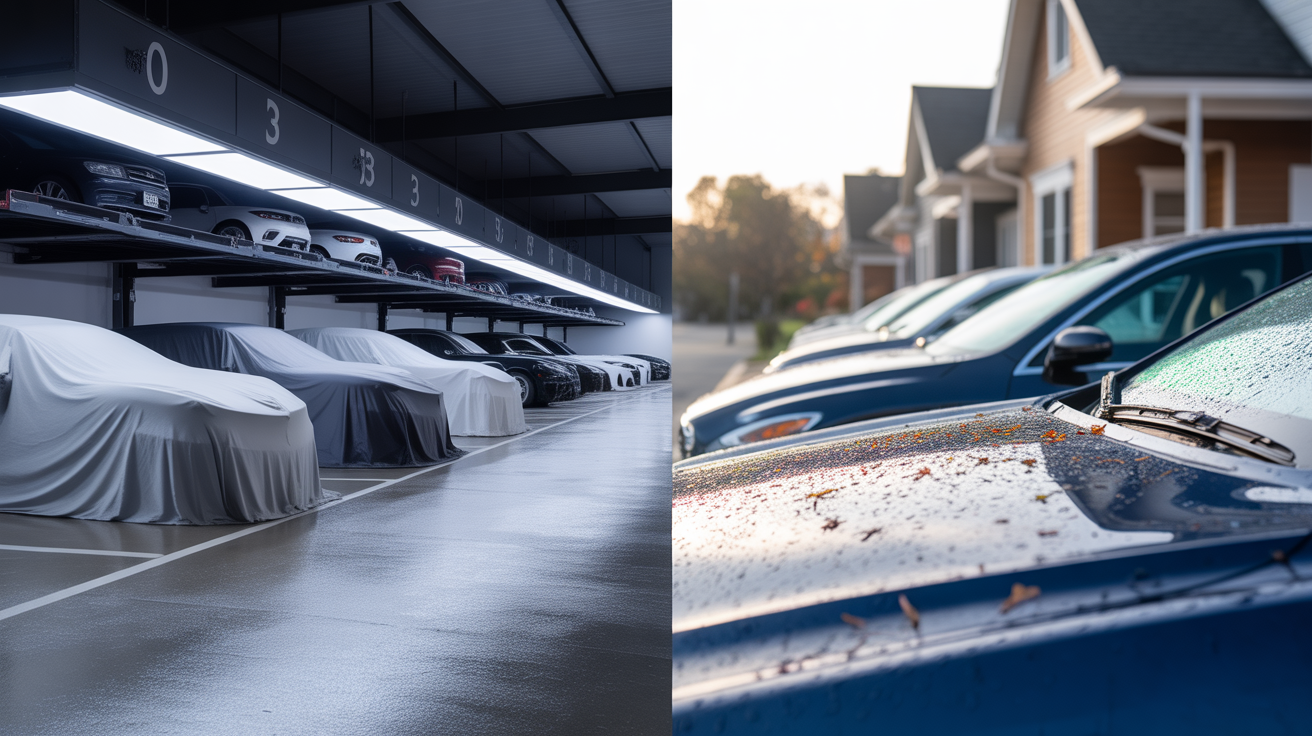
| • | Home street parking causes $500 to $2,000 in annual weather damage and repair costs |
| • | Building a home garage costs $28,000 to $90,000 upfront plus $600 to $2,300 yearly in taxes and utilities |
| • | Professional storage breaks even within 6 to 24 months for vehicles prone to weather damage |
| • | Security features at storage facilities reduce theft risk by up to 85% compared to street parking |
Vehicle Storage Facility Costs by Type
Storage facility pricing varies significantly based on protection level, location, and vehicle size. According to data from Extra Space Storage and Storage.com, outdoor parking represents the most affordable option while indoor climate-controlled units command premium rates. Urban markets like Los Angeles and Miami typically charge 40% to 60% more than rural facilities.
The Self Storage Association reports that vehicle storage demand increased 23% between 2023 and 2025, driven by housing density increases and HOA restrictions. This demand surge has pushed prices upward in metropolitan areas while rural markets remain competitive.
| Storage Type | Monthly Cost Range | Best For | Protection Level |
|---|---|---|---|
| Outdoor Uncovered | $50 to $120 | Short-term, budget storage | Basic security only |
| Covered Parking | $100 to $300 | RVs, boats, trucks | Weather protection |
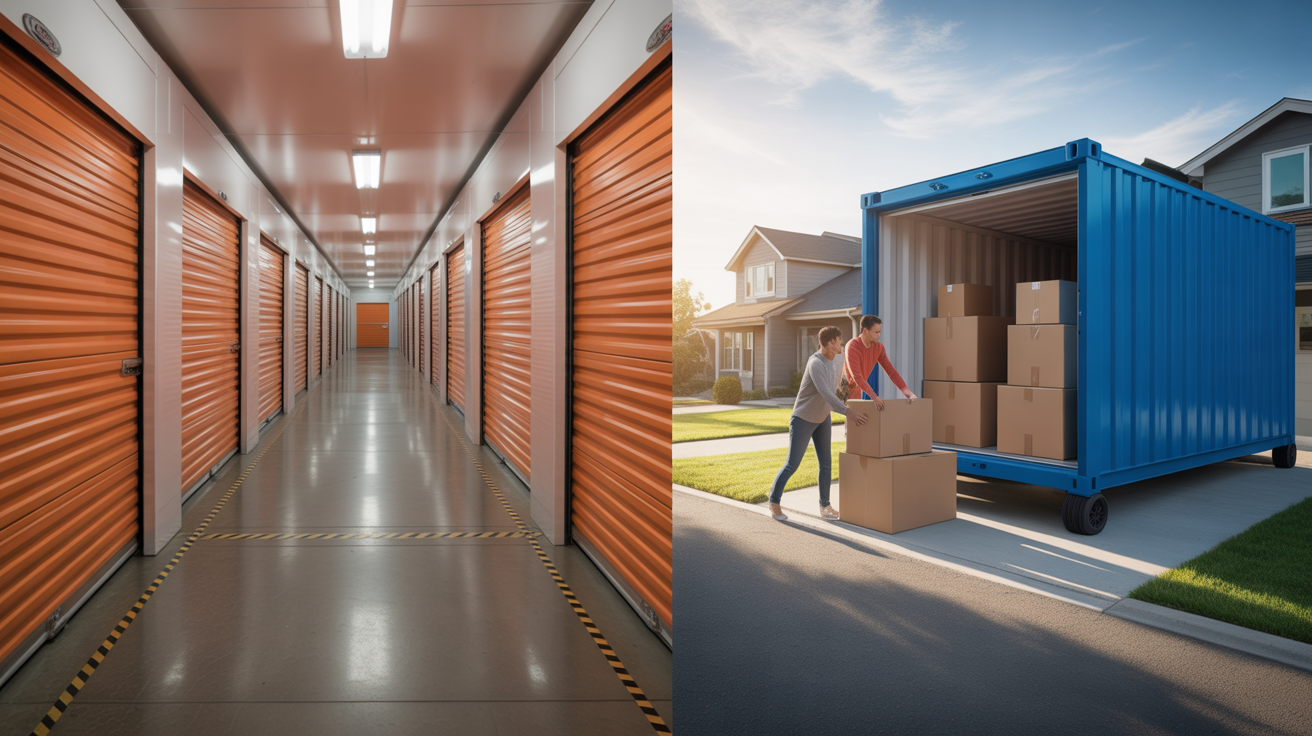
| Indoor Standard | $150 to $400 | Classic cars, motorcycles | Full enclosure |
| Climate-Controlled | $200 to $700 | High-value, vintage vehicles | Temperature and humidity regulation |
Outdoor and Uncovered Storage Pricing
Outdoor storage provides the most economical option for vehicle owners. Facilities in Memphis charge $16 to $84 monthly, while Atlanta ranges from $18 to $120 according to SpareFoot market data. These spaces typically include perimeter fencing, gate access, and basic surveillance but offer no protection from sun, rain, or temperature extremes.
The primary drawback involves accelerated wear from UV exposure and precipitation. Paint oxidation, tire degradation, and battery drain occur faster without shelter. For vehicles stored longer than three months, these damage costs often exceed the savings compared to covered options.
Covered and Carport Storage Pricing
Covered storage costs 30% to 60% more than outdoor options but provides meaningful protection from direct sunlight and precipitation. A 10x25 covered space averages $259 monthly nationwide according to Neighbor.com marketplace data. This option works well for RVs, boats, and trucks that exceed standard garage dimensions.
The roof structure prevents the most damaging weather exposure while maintaining lower costs than fully enclosed options. Covered storage particularly benefits vehicles in regions with intense sun exposure, where UV damage can cost $1,500 or more in paint correction annually.
Indoor and Climate-Controlled Storage Pricing
Indoor storage ranges from $150 to $400 monthly for standard enclosed units, with climate-controlled options adding $25 to $50 to the base rate. Los Angeles facilities charge $164 to $356 for indoor spaces, while smaller markets offer rates 30% to 40% lower according to Extra Space Storage pricing data.
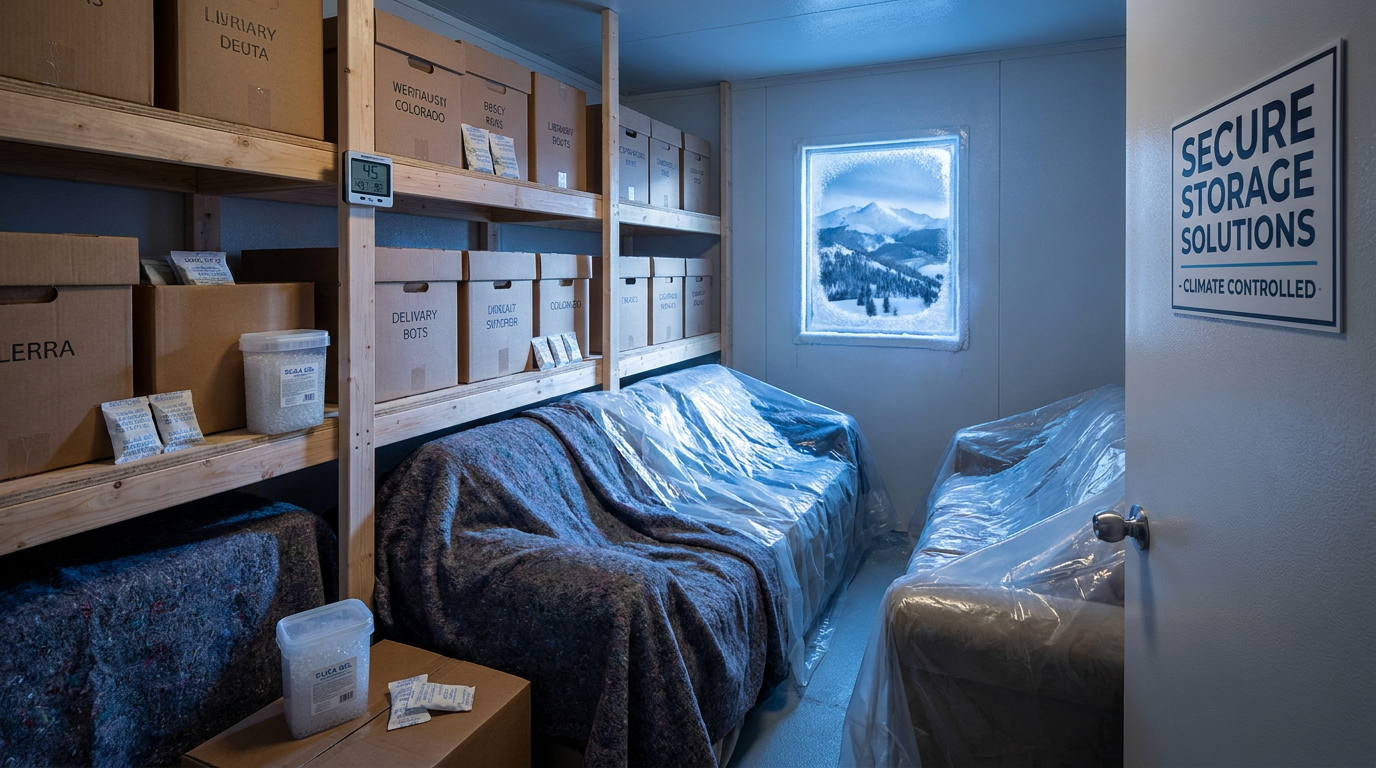
Climate-controlled units maintain temperatures between 55 and 80 degrees Fahrenheit with humidity levels below 50%. These conditions prevent leather cracking, rubber deterioration, and electronic component damage that plague vehicles in extreme climates. For classic cars valued above $50,000, the premium cost represents less than 1% of vehicle value annually.

Home Parking True Cost Breakdown
Home parking appears free on the surface but carries substantial hidden expenses that many vehicle owners overlook. According to research from the Victoria Transport Policy Institute, parking costs average approximately $1,200 annually per space when accounting for property costs, maintenance, and opportunity expenses. Street parking without shelter generates the highest indirect costs through accelerated vehicle deterioration.
Street and Driveway Parking Costs
Parking vehicles on streets or driveways costs nothing directly but generates $500 to $2,000 in annual damage-related expenses. Sun exposure causes paint fading that requires $300 to $800 in correction services. Rain and humidity accelerate rust formation, particularly on brake components and undercarriage elements, costing $200 to $600 in preventive treatment or repairs.
Theft and vandalism risk increases substantially without enclosed storage. The National Insurance Crime Bureau reports that vehicles parked on streets face 340% higher theft rates than those in secured facilities. Comprehensive insurance premiums reflect this risk, adding $100 to $300 annually for street-parked vehicles in urban areas.
Battery drain represents another hidden cost. Vehicles sitting outdoors for extended periods experience faster battery degradation from temperature cycling. Replacement batteries cost $150 to $400, with street-parked vehicles requiring replacement 18 to 24 months sooner than garaged counterparts according to Interstate Batteries service data.
Existing Home Garage Costs
Homeowners with existing garages face ongoing expenses beyond the initial property investment. Property taxes on garage square footage add $200 to $800 annually depending on local tax rates and home values. A 400 square foot garage in a market with 1.5% property tax rates on a $300,000 home contributes roughly $450 yearly to the tax bill.
Utility costs for lighting, climate control, and electrical outlets range from $50 to $150 monthly for active use. Maintenance including door repairs, concrete sealing, and pest control averages $200 to $500 annually. Homeowners insurance typically includes garage coverage, but high-value vehicle storage may require additional riders costing $100 to $300 per year.
New Garage Construction Costs
Building a new garage represents a significant capital investment with ongoing carrying costs. According to HomeAdvisor 2025 data, detached two-car garage construction costs $28,000 to $50,000 for basic builds. Three-car garages with finished interiors range from $50,000 to $90,000. Enthusiast-grade facilities with climate control, specialized flooring, and security systems reach $75,000 to $200,000.
Financing a $50,000 garage construction at 7.5% interest over 15 years adds $463 monthly to housing costs, totaling $83,340 over the loan term. Property value increases typically recover 50% to 70% of construction costs at resale according to Remodeling Magazine's Cost vs. Value Report, leaving $15,000 to $25,000 as a net expense for a mid-range project.
| Home Parking Option | Upfront Cost | Annual Ongoing Cost | Hidden Expenses |
|---|---|---|---|
| Street Parking | $0 | $0 direct | $500 to $2,000 damage |
| Existing Garage | Included in home | $600 to $2,300 | Taxes, utilities, maintenance |
| New 2-Car Garage | $28,000 to $50,000 | $1,200 to $3,000 | Financing, depreciation |
| New 3-Car Garage | $50,000 to $90,000 | $1,800 to $4,500 | Financing, depreciation |
Direct Cost Comparison: Storage vs Home Parking
Comparing total costs over one year reveals that professional storage often costs less than home parking when accounting for all expenses. The following analysis uses mid-range pricing for a standard passenger vehicle in a mid-size U.S. market like Denver, Phoenix, or Atlanta.
One-Year Cost Analysis
Outdoor storage at $75 monthly totals $900 annually plus a typical $50 to $100 deposit. This option provides security features that reduce theft risk and eliminates HOA conflicts, though vehicles remain exposed to weather. For budget-conscious owners storing daily drivers seasonally, outdoor storage delivers the lowest total cost.
Covered storage at $200 monthly totals $2,400 annually. The weather protection prevents approximately $800 to $1,200 in annual paint and rubber damage, creating an effective net cost of $1,200 to $1,600 when accounting for avoided repairs. This option suits RV and boat owners who cannot accommodate large vehicles at home.
Indoor climate-controlled storage at $300 monthly totals $3,600 annually. For vehicles valued above $40,000, this cost represents less than 10% of potential depreciation from improper storage. Classic car owners report that climate control prevents $2,000 to $5,000 in annual deterioration according to Hagerty Insurance claims data.
Street parking at $0 direct cost generates $500 to $2,000 in indirect expenses through damage, higher insurance premiums, and accelerated maintenance needs. The true annual cost ranges from $500 for newer vehicles with quality paint protection to $2,000 for older vehicles susceptible to weather damage.
Five-Year Cost Projection
Extended timeframes reveal the compounding effects of storage decisions. Over five years, street parking generates $2,500 to $10,000 in cumulative damage costs. Indoor storage at $18,000 total prevents this damage while providing consistent security and convenience.
Building a new garage for $45,000 with $8,000 in five-year carrying costs totals $53,000. This investment makes financial sense only when storing multiple vehicles long-term or when property value appreciation in the local market exceeds 3% annually. For single-vehicle storage, professional facilities deliver better value.
Break-Even Analysis: When Storage Pays Off
Professional storage becomes more economical than home parking within specific timeframes depending on vehicle type, local climate, and storage duration. Understanding these break-even points helps owners make informed decisions.
Short-Term Storage Under Six Months
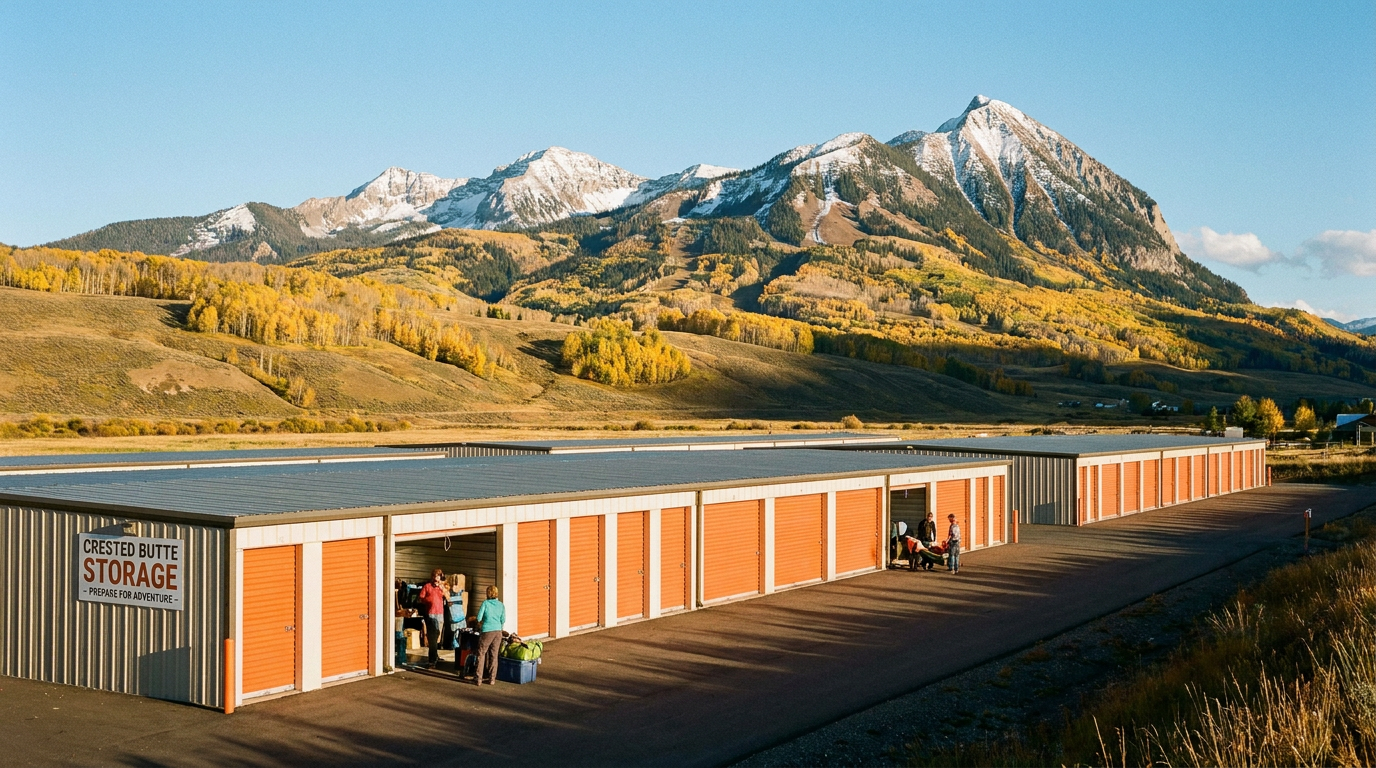
For storage periods under six months, home parking typically costs less unless the vehicle faces specific risks. Seasonal visitors to Colorado's Gunnison Valley, for example, benefit from professional storage during winter months when street parking exposes vehicles to salt damage, snow load, and extreme cold that accelerates battery and fluid degradation.
The break-even point for short-term storage occurs when monthly facility costs fall below projected damage costs. In harsh climates, this threshold arrives at approximately three months. In mild climates with low theft rates, home parking remains more economical for periods under six months.
Long-Term Storage Six Months or Longer
Storage periods exceeding six months favor professional facilities for most vehicle types. Weather damage compounds over time, with paint oxidation, tire flat-spotting, and fluid degradation accelerating after the initial months of exposure. Professional facilities prevent these issues through shelter and, in climate-controlled units, temperature regulation.
Classic and collector vehicles reach break-even almost immediately. A 1967 Ford Mustang valued at $45,000 loses approximately 2% to 3% of value annually from improper storage according to Hagerty valuation data. Climate-controlled storage at $400 monthly costs $4,800 annually, well below the $900 to $1,350 in prevented depreciation plus avoided restoration costs.
Vehicle Type Considerations
RVs and boats present unique cost calculations due to their size and specialized storage requirements. Home storage often proves impractical due to HOA restrictions, driveway limitations, and municipal regulations. According to RV Industry Association surveys, 68% of RV owners use professional storage facilities rather than home parking.
Motorcycles benefit disproportionately from indoor storage due to their vulnerability to theft and weather damage. A motorcycle cover provides minimal protection compared to enclosed storage, and theft rates for street-parked motorcycles exceed those for cars by 180% according to National Highway Traffic Safety Administration data.
Security Comparison: Facilities vs Home
Security represents a critical factor beyond direct costs. Professional storage facilities invest in layered security systems that individual homeowners cannot economically replicate. These features reduce theft, vandalism, and unauthorized access risks substantially.
Professional Facility Security Features
Modern storage facilities employ multiple security layers including perimeter fencing with controlled access gates, 24-hour video surveillance, individual unit alarms, and on-site management. According to the Self Storage Association, facilities with comprehensive security systems report 85% fewer theft incidents than properties with basic measures only.
Access control systems log every entry and exit, creating accountability that deters criminal activity. Many facilities require unique PIN codes, key fobs, or biometric verification. This documentation also assists insurance claims if incidents occur.
At Elk Mountain Storage in Crested Butte, 24/7 secure access combines with comprehensive surveillance to protect stored vehicles. This level of security proves particularly valuable for seasonal residents who cannot monitor their vehicles during extended absences.
Home Security Limitations
Residential security systems provide some protection but cannot match commercial-grade installations. Home cameras cover limited angles, and most residential alarm systems do not extend to driveways or street parking. Insurance companies recognize this gap, charging higher comprehensive premiums for vehicles stored outside secured facilities.
Neighborhood crime rates significantly impact home parking risk. Urban areas with vehicle theft rates above 400 per 100,000 residents present substantially higher risk than secured storage facilities. Owners in high-crime areas often find that insurance savings from facility storage offset a meaningful portion of monthly rental costs.
Frequently Asked Questions
How Much Does It Cost to Keep a Car in Storage for a Year?
Annual car storage costs range from $600 to $8,400 depending on storage type and location. Outdoor storage averages $50 to $100 monthly, totaling $600 to $1,200 annually. Indoor climate-controlled storage runs $200 to $700 monthly, reaching $2,400 to $8,400 per year. Most facilities offer discounts of 5% to 15% for annual prepayment.
Is a 10x20 Storage Unit Big Enough for a Car?
A 10x20 storage unit accommodates most standard vehicles with room for additional items. This 200 square foot space fits sedans, SUVs, and small trucks up to 18 feet long. Full-size pickup trucks and large SUVs may require 10x25 or 10x30 units. Check our storage unit size guide for specific vehicle dimensions and recommendations.
What Is the Difference Between Parking and Storage?
Parking refers to temporary vehicle placement, typically for hours or days, in open lots or structures. Storage involves longer-term safekeeping with additional protections including security monitoring, weather shelter, and often climate control. Storage facilities require rental agreements and provide dedicated spaces, while parking operates on shorter-term or hourly basis without reserved positions.
How Much Does a Carport Cost vs Garage?
Carports cost $3,000 to $12,000 for standard installations, while detached garages range from $28,000 to $90,000. Attached carports run $2,000 to $6,000, and attached garages cost $20,000 to $50,000. Carports provide weather protection at 75% to 85% lower cost but offer no security or climate control benefits that enclosed garages deliver.
What Maintenance Savings Come from Professional Vehicle Storage?
Professional storage prevents $500 to $3,000 in annual maintenance costs depending on climate and vehicle type. Covered storage eliminates paint oxidation requiring $300 to $800 correction. Climate control prevents rubber and leather degradation costing $200 to $600 to address. Indoor storage reduces battery replacement frequency, saving $150 to $400 every 18 to 24 months.
How to Calculate Long-Term Costs of Home vs Facility Vehicle Storage?
Calculate facility costs by multiplying monthly rate by storage duration and adding deposits or fees. For home costs, sum property tax allocation for garage space, utilities, maintenance, and insurance premiums. Add indirect costs including projected weather damage, theft risk premium, and accelerated depreciation. Compare five-year totals for accurate long-term assessment.
Making the Right Storage Decision
The optimal storage choice depends on vehicle value, storage duration, local climate, and available home facilities. High-value vehicles, extended storage periods, and harsh climates favor professional facilities. Daily drivers stored short-term in mild climates may cost less at home.
Consider protection requirements carefully. Learn about storage protection plans that safeguard your investment against unexpected events. These plans often cost less than the deductible on personal auto insurance policies while providing specialized coverage for stored vehicles.
For Gunnison Valley residents and seasonal visitors, professional storage addresses unique challenges including extreme winter temperatures, limited residential parking, and extended absence periods. Local facilities understand regional conditions and provide appropriate protection levels for mountain climate storage needs.

|