
S
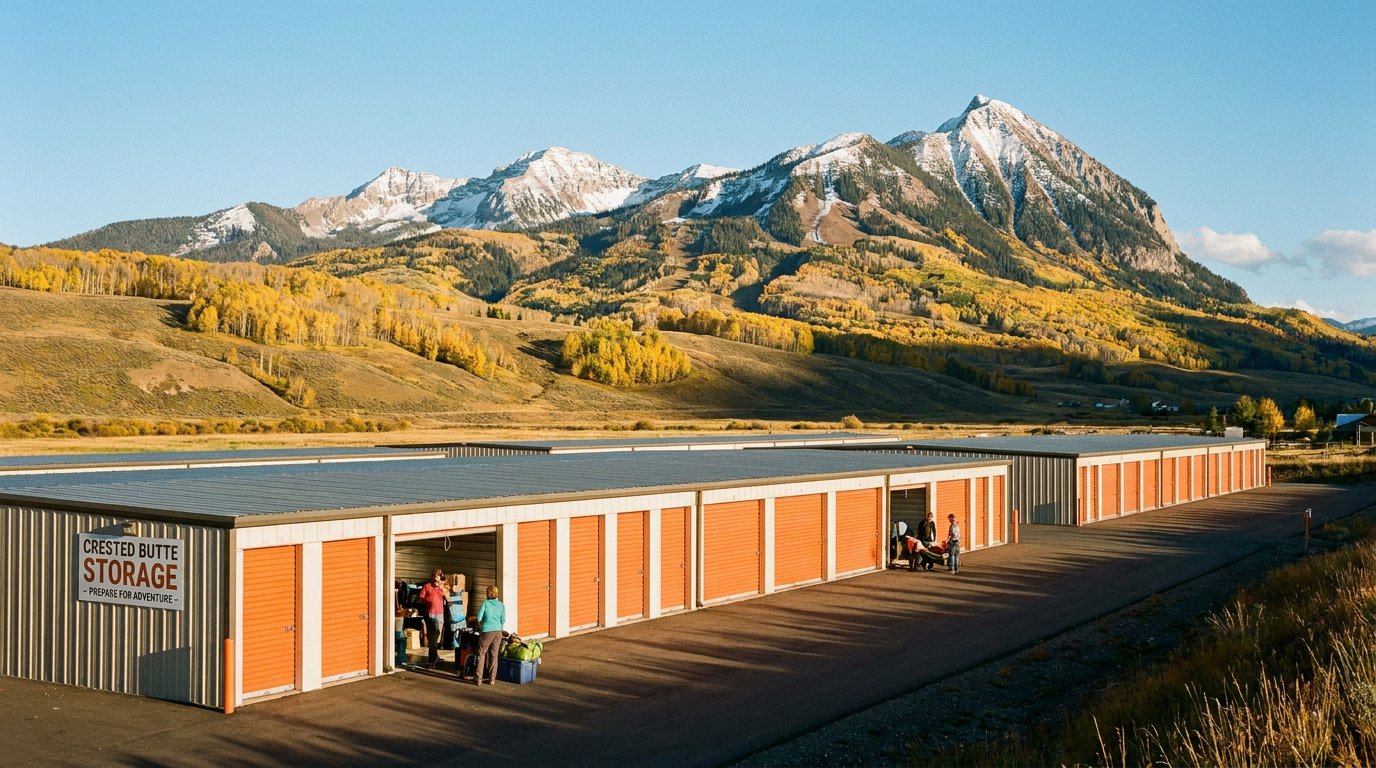
easonal residents and locals near Mt. Crested Butte typically store ski equipment, mountain bikes, patio furniture, kayaks, paddleboards, and holiday decorations between seasons. A 5x10 unit ($235-$255/month) holds gear for most households, while RV and boat owners need 10x30 spaces or dedicated parking spots ranging from $295-$485/month at downtown Crested Butte facilities.
Why Mt. Crested Butte Residents Need Seasonal Storage
Mt. Crested Butte sits at 9,375 feet elevation, creating extreme seasonal demands on residents. Winter temperatures drop to -20°F while summer highs reach 75°F. This 95-degree temperature swing means gear that works perfectly in January becomes useless by June, and vice versa.
The Crested Butte Mountain Resort reports over 300 inches of annual snowfall, according to local storage providers in downtown Crested Butte. This powder paradise requires dedicated winter equipment that takes up significant space during the off-season. Meanwhile, summer brings world-class mountain biking on 750+ miles of trails, kayaking on the Slate River, and hiking in the Maroon Bells-Snowmass Wilderness.
Second-home owners face unique challenges. The Self Storage Association reports that 65% of vacation property owners use storage facilities to manage seasonal transitions. In mountain communities like Crested Butte, that percentage climbs higher due to the dramatic gear differences between seasons.
Complete Winter Storage Checklist: What to Store November Through April
When snow starts falling on Mt. Crested Butte (typically mid-October), summer gear needs protection from freezing temperatures, moisture, and rodents seeking shelter. Here is what experienced locals store during the 6-month winter season.
Outdoor Recreation Equipment
Mountain bikes represent the largest summer storage item for most Crested Butte residents. The town hosts the Fat Tire Bike Week festival annually, and local shops estimate 85% of households own at least one mountain bike. Store bikes with tires deflated to 50% pressure, chains lubricated, and frames cleaned of trail debris.
Water sports equipment requires careful preparation. Kayaks, paddleboards, and inflatable rafts should be completely dry before storage to prevent mold growth. Store paddleboards flat or on edge; never leave them leaning at an angle for extended periods as this warps the foam core. A 5x10 unit accommodates 2-3 kayaks or paddleboards stored vertically along with additional gear.
Patio and Outdoor Furniture
Crested Butte's harsh winters destroy outdoor furniture left exposed. UV degradation, freeze-thaw cycles, and heavy snow loads cause $500-$2,000 in damage annually to unprotected furniture. Store cushions in sealed plastic bins with moisture absorbers. Metal frames need a light coating of WD-40 on joints and hinges.
Grills and smokers require special attention. Disconnect propane tanks (store separately), clean grates thoroughly, and cover all openings to prevent rodent nesting. A standard Weber Genesis grill measures 60 inches wide and fits comfortably in a 5x7 drive-up unit alongside other patio items.
Lawn and Garden Equipment
Gas-powered equipment needs winterization before storage. Drain fuel or add stabilizer, change oil, and remove spark plugs. The business storage solutions
page notes that landscapers and property managers frequently store commercial mowers and equipment during the November-April off-season.
Complete Summer Storage Checklist: What to Store May Through October
Once Crested Butte Mountain Resort closes (typically mid-April), winter gear transitions to storage. Summer storage differs from winter storage because items face less extreme temperature swings but require protection from dust, UV exposure, and the occasional summer thunderstorm that brings hail.
Ski and Snowboard Equipment
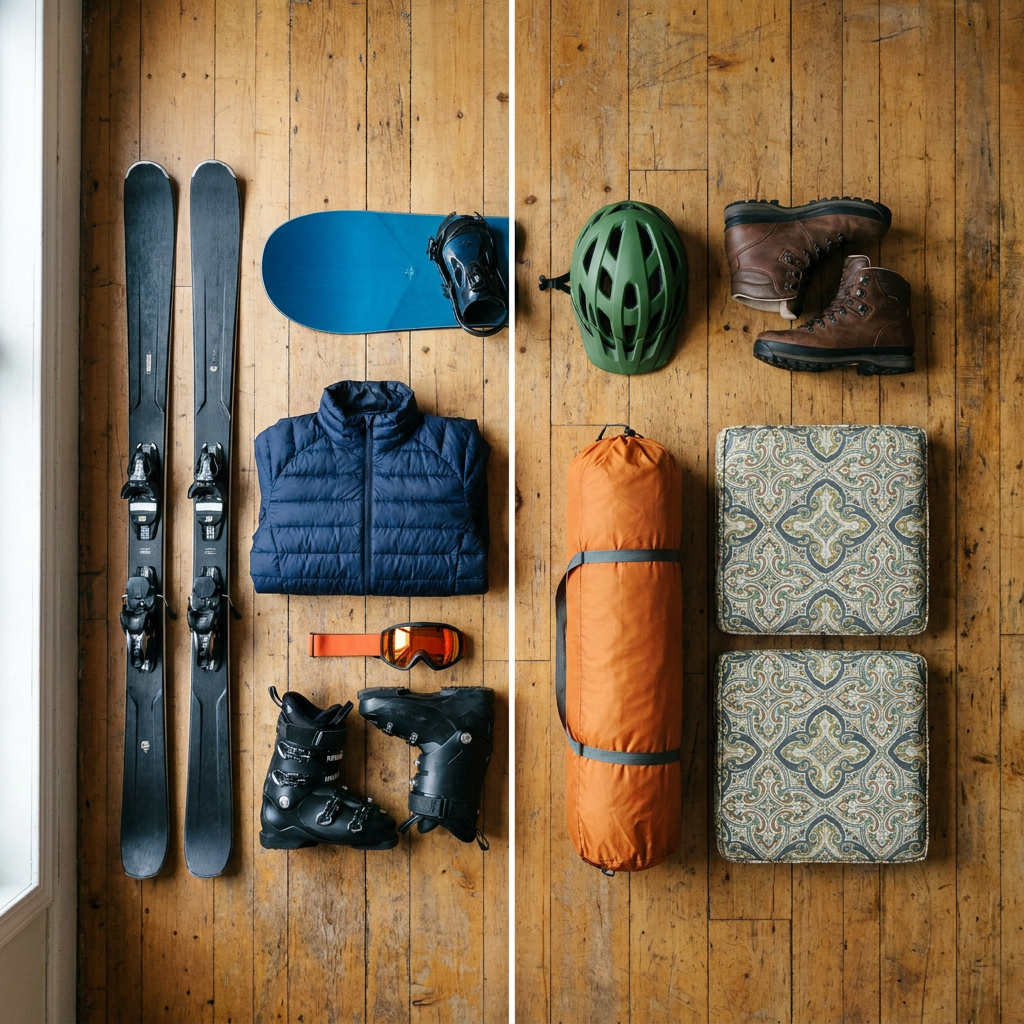
Proper ski storage extends equipment life by 3-5 years. The Professional Ski Instructors of America recommends storing skis with edges waxed, bindings released to zero tension, and bases protected with a thick layer of storage wax. Never store skis in direct sunlight or areas exceeding 90°F, as this degrades the epoxy binding between layers.
A family of four with 8 pairs of skis, 4 snowboards, boots, helmets, and poles needs approximately 25-30 cubic feet of storage space. This fits comfortably in a 5x6 interior unit ($155/month) with room for additional seasonal items. Use our storage unit size guide
to calculate exact space requirements.
Winter Tires and Vehicle Accessories
Colorado Department of Transportation chain law requirements mean most Mt. Crested Butte residents maintain dedicated winter tires. A set of four mounted tires measures approximately 4x4x4 feet when stacked. Store tires in a cool, dark location away from electric motors (ozone degrades rubber). Stack horizontally if mounted on rims; store vertically if unmounted.
Roof racks, ski boxes, and cargo carriers add another 10-15 cubic feet of storage needs. Thule and Yakima boxes range from 12-22 cubic feet internally and should be stored with locks open to prevent seal compression.
Snow Removal Equipment
Snowblowers require summer storage preparation similar to lawn equipment. Run the carburetor dry, change the oil, and lubricate all moving parts. A standard two-stage snowblower measures 30 inches wide by 60 inches long. Snow shovels, ice scrapers, roof rakes, and de-icing supplies add another 5-10 cubic feet.
Holiday Decorations
Christmas decorations represent a significant storage category for Crested Butte homes. The average American household owns 20 cubic feet of holiday decorations, according to the National Retail Federation. Our guide on storing holiday decorations by season
details organization systems that make annual retrieval simple.
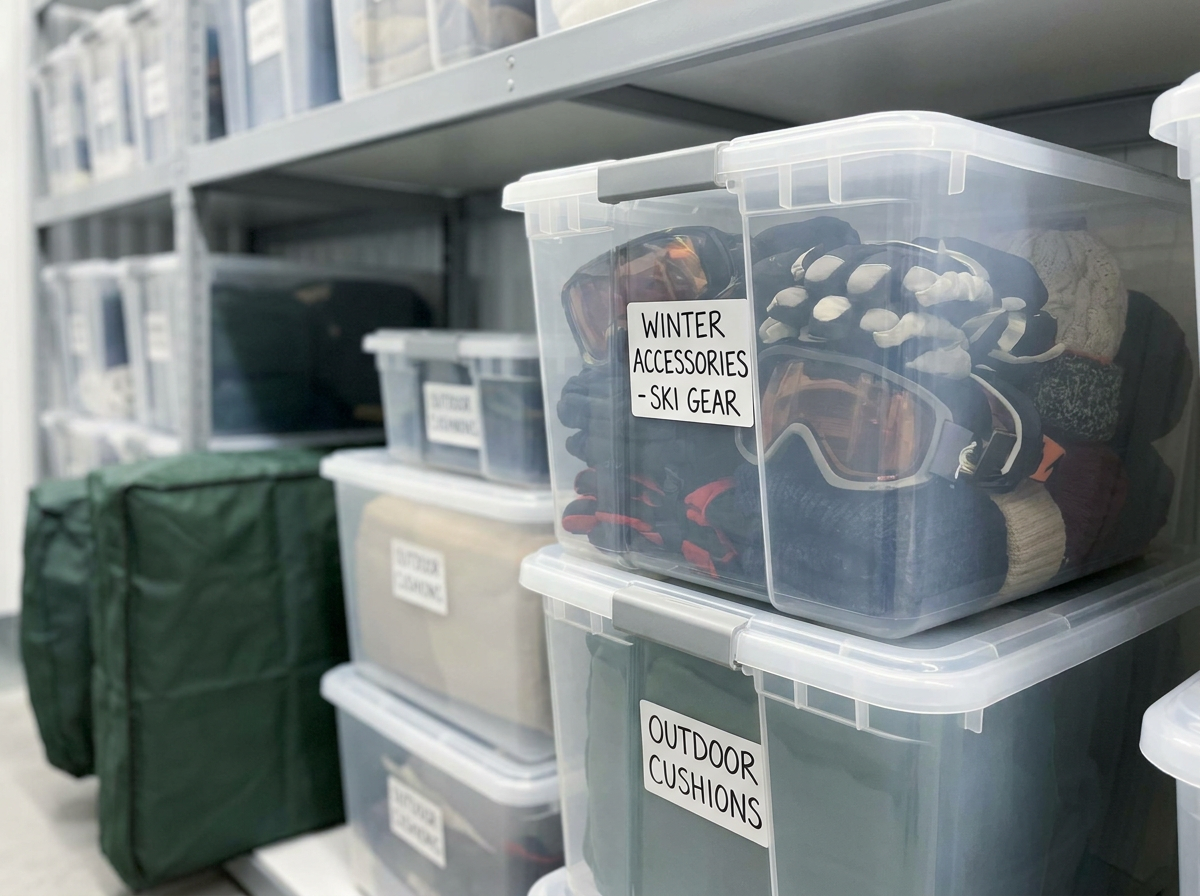
Store artificial trees in original boxes or tree bags. Wrap lights around cardboard to prevent tangling. Use clear plastic bins (not cardboard) to prevent moisture damage and allow visual identification of contents.
Storage Unit Size Guide for Mt. Crested Butte Seasonal Needs
Choosing the right unit size prevents paying for unused space while ensuring everything fits. Elk Mountain Storage offers units from 5x6 feet (30 square feet) to 10x30 feet (300 square feet), plus 20x15 open parking for RVs, boats, and trailers, covering every seasonal storage scenario.
RV and Boat Storage Near Mt. Crested Butte
Recreational vehicles and boats present the largest storage challenge for mountain residents. A 24-foot travel trailer requires 300+ square feet of covered or uncovered storage. The average RV owner spends $150-$500 monthly on storage, according to RV Industry Association data from 2025.
Elk Mountain Storage offers RV and boat storage in downtown Crested Butte
with 10x30 drive-up units and 20x15 open parking. This eliminates the 28-mile drive to Gunnison that competitors require. For weekend warriors, having storage within 5 minutes of the ski resort or trailhead means more time recreating and less time commuting.
RV Winterization Checklist
Storing an RV at 9,000+ feet elevation requires thorough winterization. Temperatures at Elk Mountain Storage can drop below 0°F for extended periods. Complete these steps before winter storage:
- Drain all water systems including tanks, water heater, and lines
- Add RV antifreeze to all P-traps and holding tanks (2-3 gallons typical)
- Remove batteries and store indoors or on a trickle charger
- Cover tires to prevent UV damage and flat spots
- Seal all exterior openings to prevent rodent entry
- Turn off propane at the tank valve
Boat Storage Preparation
Boats stored near Mt. Crested Butte face similar winterization requirements. The Colorado Parks and Wildlife department recommends draining all water, fogging the engine, stabilizing fuel, and covering the vessel completely. A 10x30 drive-up unit ($485/month) accommodates boats up to 25 feet on trailers.
Second-Home Owner Storage Solutions
Mt. Crested Butte's second-home owners represent a unique storage demographic. According to Gunnison County Assessor data, approximately 60% of residential properties in the Crested Butte area are second homes or vacation rentals. These owners face distinct challenges: managing two households worth of seasonal gear while visiting only periodically.
The most efficient approach combines a mid-size storage unit (5x10 or 6x10) with strategic organization. Store items in clear, labeled bins organized by season. Position winter gear near the front from May through October, then rotate summer gear forward in November. This system eliminates the need to dig through an entire unit during brief visits.
Storage for Gunnison residents near Crested Butte
also serves second-home owners who want gear accessible without driving 28 miles each direction. The 56-mile round trip to Gunnison storage facilities consumes 90+ minutes, a significant portion of a weekend visit.
Protecting Stored Items in Mountain Conditions
Mountain storage environments differ significantly from sea-level facilities. Humidity levels drop below 20% during winter, causing leather to crack and wood to split. Summer thunderstorms bring sudden humidity spikes. Temperature swings of 40-50 degrees occur within single days during shoulder seasons.
Items Requiring Extra Protection
Leather goods (ski boots, hiking boots, saddles) need conditioning before storage. Apply leather conditioner, stuff boots with newspaper to maintain shape, and store in breathable bags rather than plastic. Musical instruments, artwork, and antique furniture benefit from climate-controlled environments when available.
Electronics face particular risks in mountain storage. Condensation forms when cold items encounter warm, humid air. Allow electronics to reach ambient temperature before powering on after retrieval. Store in original packaging when possible, with silica gel packets to absorb moisture.
Tenant Protection Options
Standard homeowners and renters insurance policies often exclude items in storage facilities, or limit coverage to 10% of total personal property limits. Our tenant protection plans
cover burglary, fire, water damage, and more, starting at $15 monthly, with coverage options from $2,000 to $5,000.
The complete storage insurance guide
explains coverage options, policy types, and how to document stored items for claims purposes. Photographing items before storage creates essential documentation.
Comparing Storage Options Near Mt. Crested Butte
Three primary factors differentiate storage facilities serving the Mt. Crested Butte area: location, access, and amenities. Facilities in downtown Crested Butte cost 15-25% more than Gunnison options but eliminate significant drive time and fuel costs.
For residents accessing storage weekly or more frequently, downtown Crested Butte facilities provide better value despite higher monthly rates. The 56-mile round trip to Gunnison consumes $8-$12 in fuel costs plus 90 minutes of time. Four monthly trips equal $32-$48 in fuel alone, narrowing the price gap significantly.
Frequently Asked Questions About Seasonal Storage Near Mt. Crested Butte
Do I need climate-controlled storage in Crested Butte?
Most seasonal gear does not require climate control. Skis, bikes, kayaks, and outdoor furniture tolerate temperature swings when properly prepared. Climate control benefits electronics, leather goods, wooden instruments, and artwork. According to Elk Mountain Storage, their non-climate-controlled units with proper preparation handle 95% of seasonal storage needs.
How do I access my storage unit during winter storms?
Facilities with guaranteed snow removal provide year-round access regardless of conditions. Elk Mountain Storage maintains LED lighting and cleared driveways throughout winter. Drive-up units allow loading and unloading without carrying items through snow. Interior upstairs units require navigating stairs but offer additional protection from weather.
Can I store a vehicle in a standard storage unit?
Yes, 10x20 drive-up units ($405/month) accommodate most cars, trucks, and SUVs. Measure your vehicle including mirrors before selecting a unit. Allow 6-12 inches of clearance on each side for door opening. Disconnect batteries for storage exceeding 30 days, and consider a fuel stabilizer for the gas tank.
What is the minimum rental period for seasonal storage?
Most Crested Butte storage facilities offer month-to-month leasing with no long-term contracts. This flexibility suits seasonal residents who need storage for 4-6 months annually. Find answers to additional questions in our storage FAQ
or call (970) 316-4811.
How much does seasonal storage cost annually?
A 5x10 drive-up unit at $255/month costs $3,060 annually. However, seasonal users storing gear for 6 months pay approximately $1,530. Learn how Crested Butte storage rates compare to national averages in our 2026 self-storage pricing guide.
Getting Started with Seasonal Storage
The best time to secure seasonal storage near Mt. Crested Butte is 2-4 weeks before peak transition periods. October sees high demand as summer gear moves into storage before ski season. April and May bring another surge as winter equipment gets stored for summer.
Online rental through Elk Mountain Storage
takes approximately 5 minutes and locks in current pricing. The facility at 307 Red Lady Avenue in downtown Crested Butte offers 24/7 drive-up access, digital video surveillance, and flexible month-to-month leasing with no deposit required.
For questions about specific storage needs, contact our team
at (970) 316-4811 or Help@LookingForStorage.com. Local ownership means personalized service from people who understand mountain living and seasonal storage challenges firsthand.
Storage Near Mt. Crested Butte
About 10 minutes from the base area. See units, drive times, and seasonal tips on our storage near Mt. Crested Butte page, or rent online for condo overflow between seasons.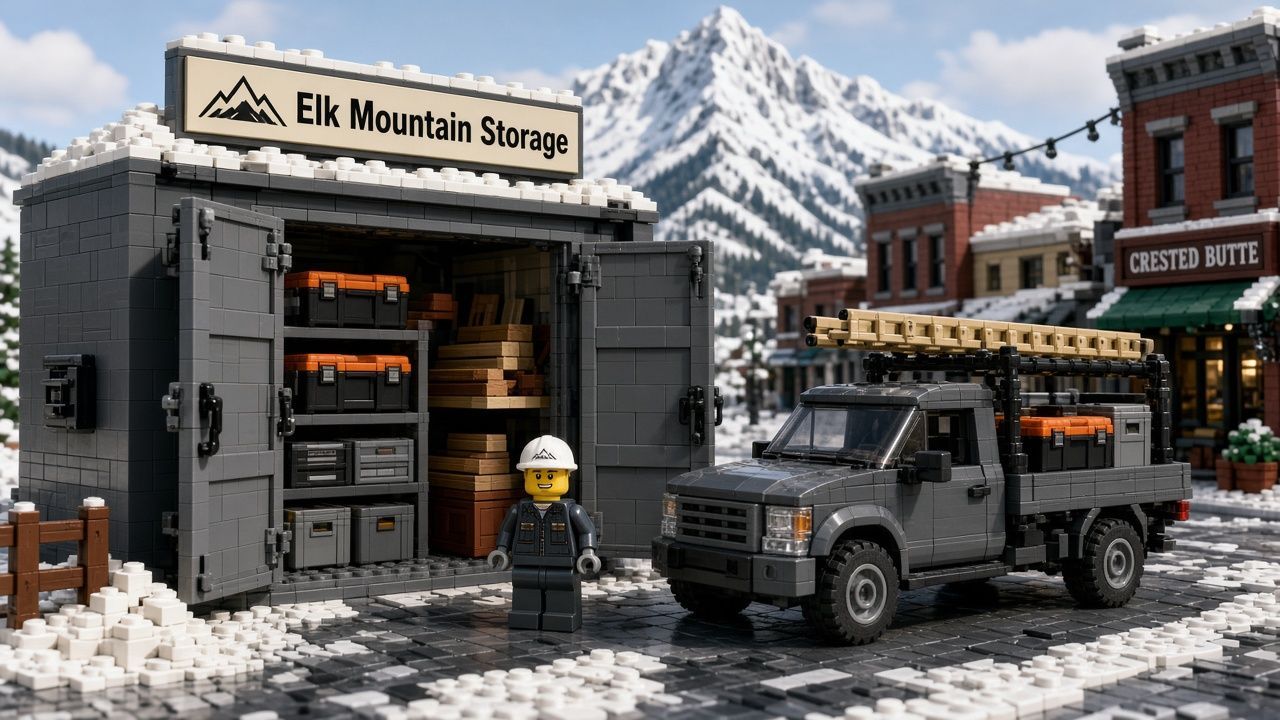
Need contractor storage in Crested Butte? Keep jobsite tools between seasons at Elk Mountain Storage. Call for a quote or rent online.
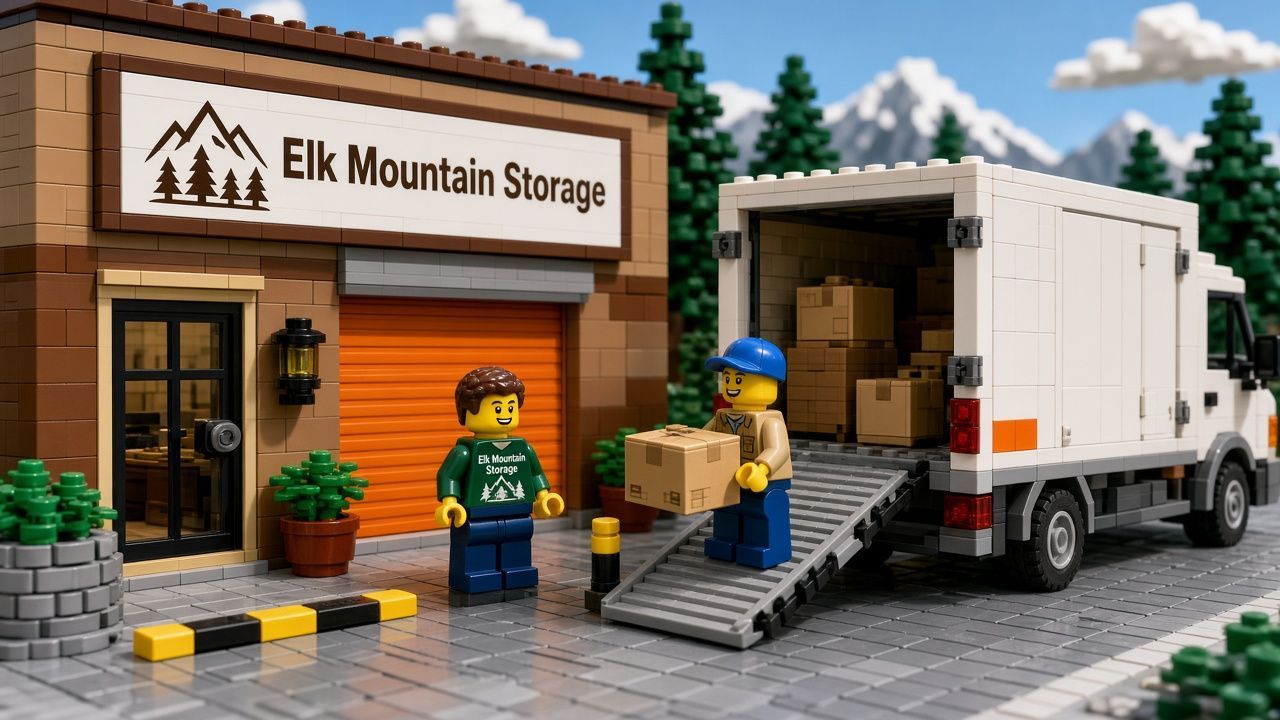
Lease overlap or a delayed closing in Crested Butte or the Gunnison Valley? See how Elk Mountain Storage on Red Lady Ave bridges the gap. Rent online.
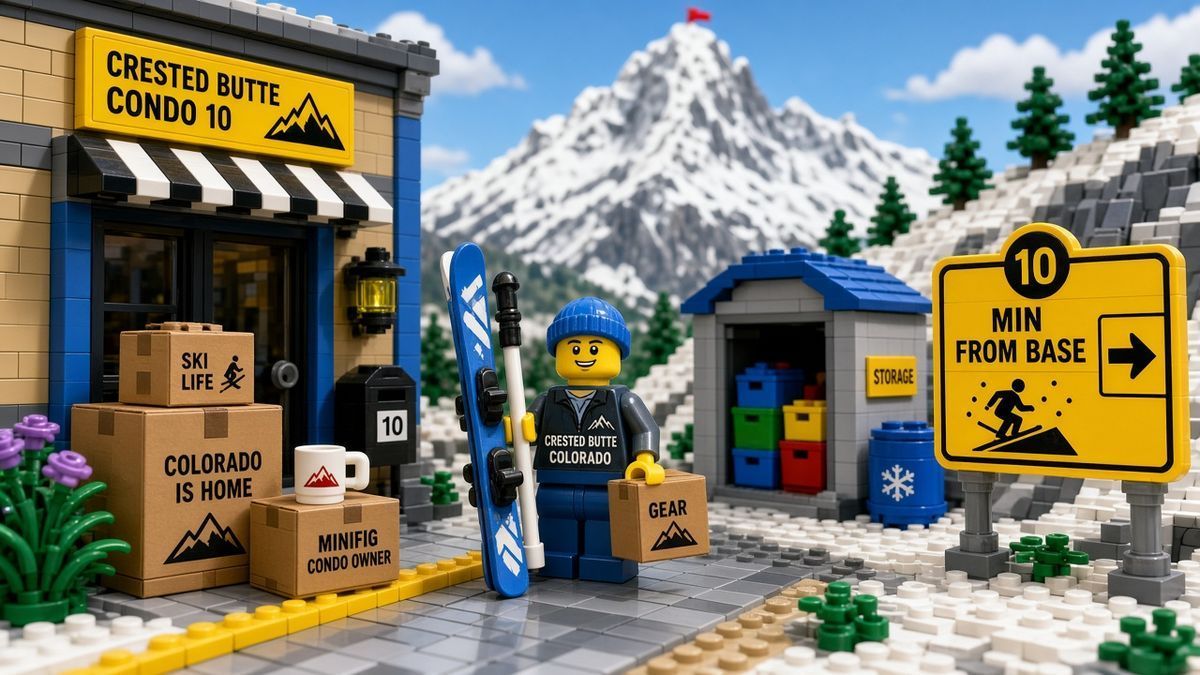
Drive times from Mt. Crested Butte base-area condos to Elk Mountain Storage on Red Lady Ave. Winter road notes and soft rent-online next steps.

Compare downtown Crested Butte storage at 307 Red Lady Ave vs driving to Gunnison. Drive times, lifestyle fit, and soft rent-online next steps for Gunnison Valley residents.

Self storage costs $35 to $300 per month in 2026. See exact pricing by unit size and tips to save on storage in Crested Butte.
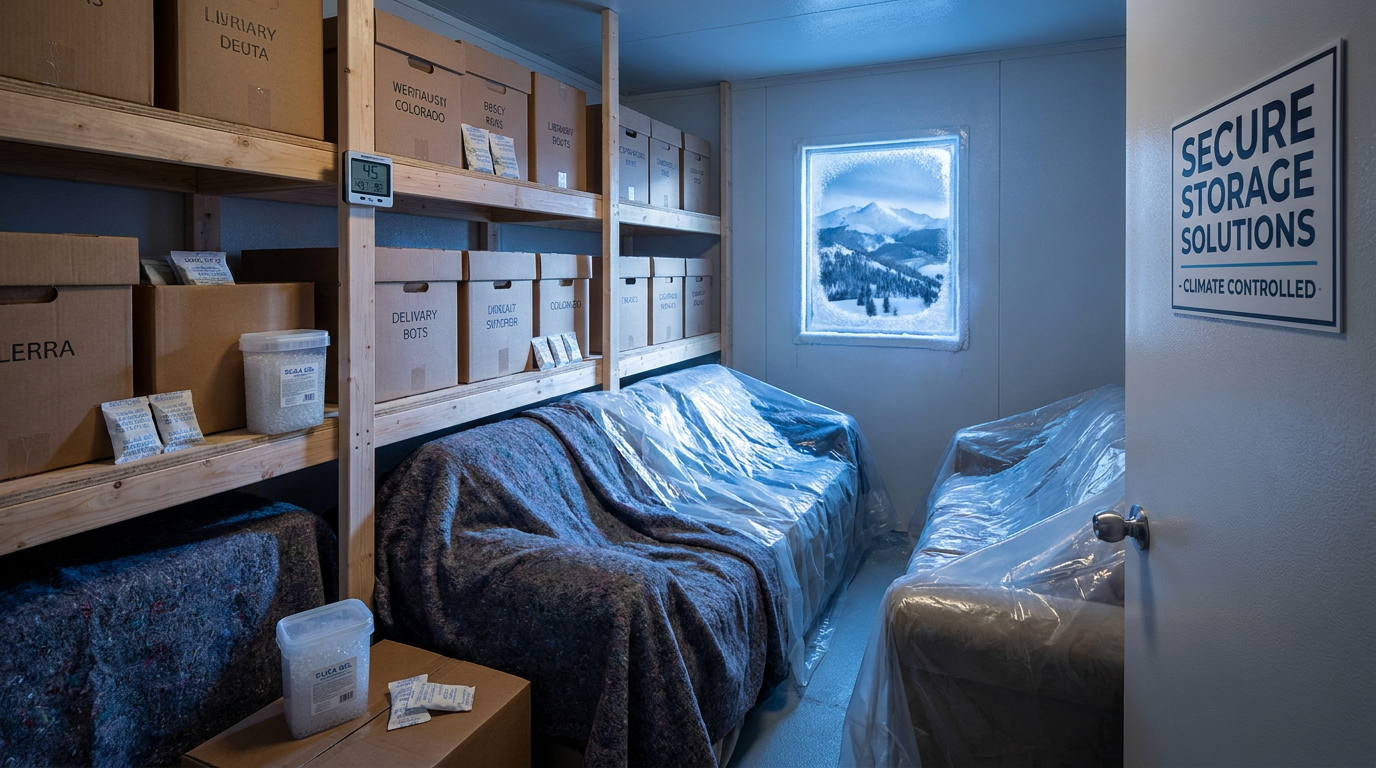
Learn proven methods to protect stored belongings from winter temperature swings. Covers packing, moisture control, and item-specific tips for Colorado storage.
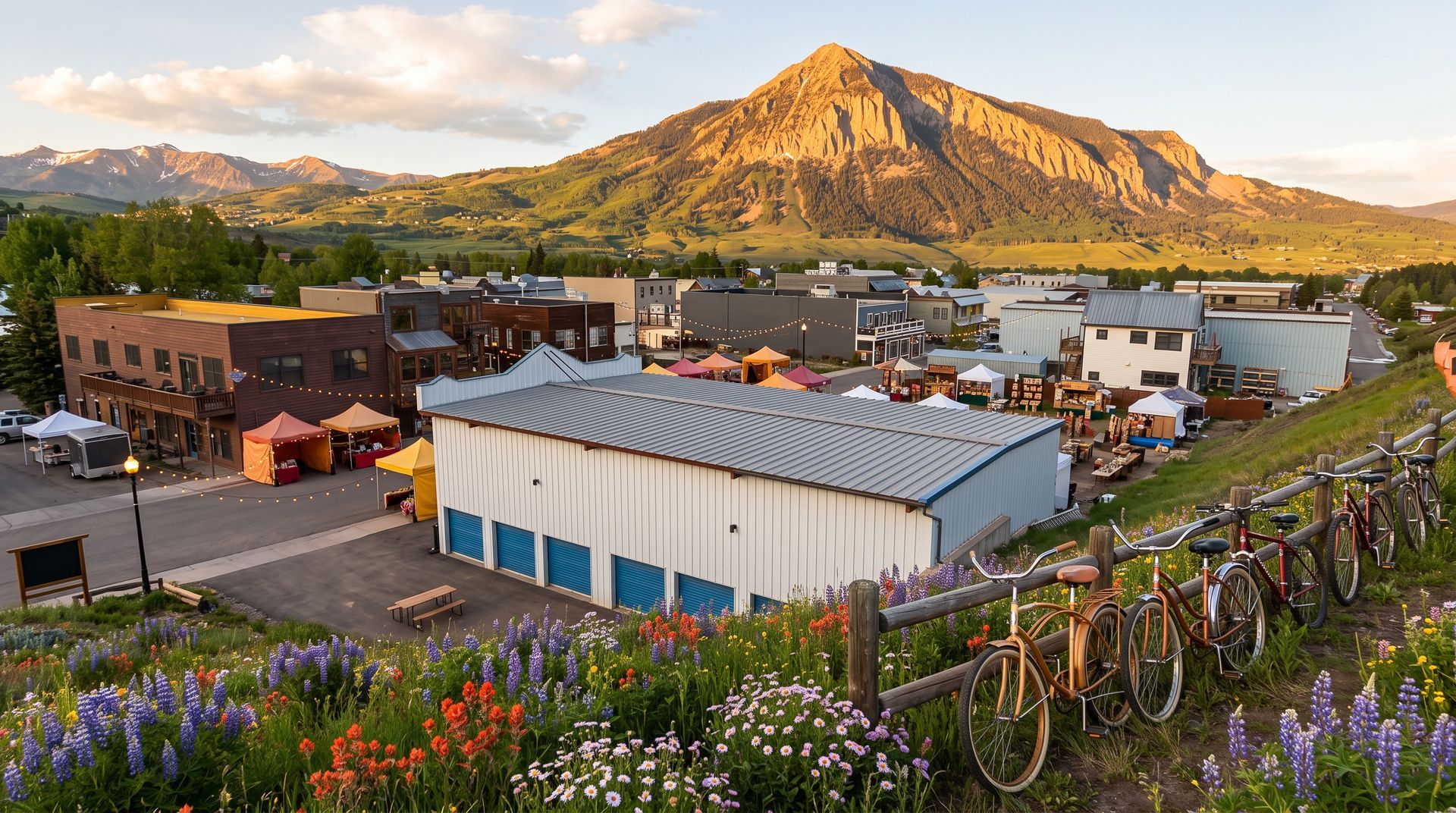
Elk Mountain Storage is a proud sponsor of Bridges of the Butte 2026, Crested Butte's costumed townie ride raising funds for the Adaptive Sports Center.
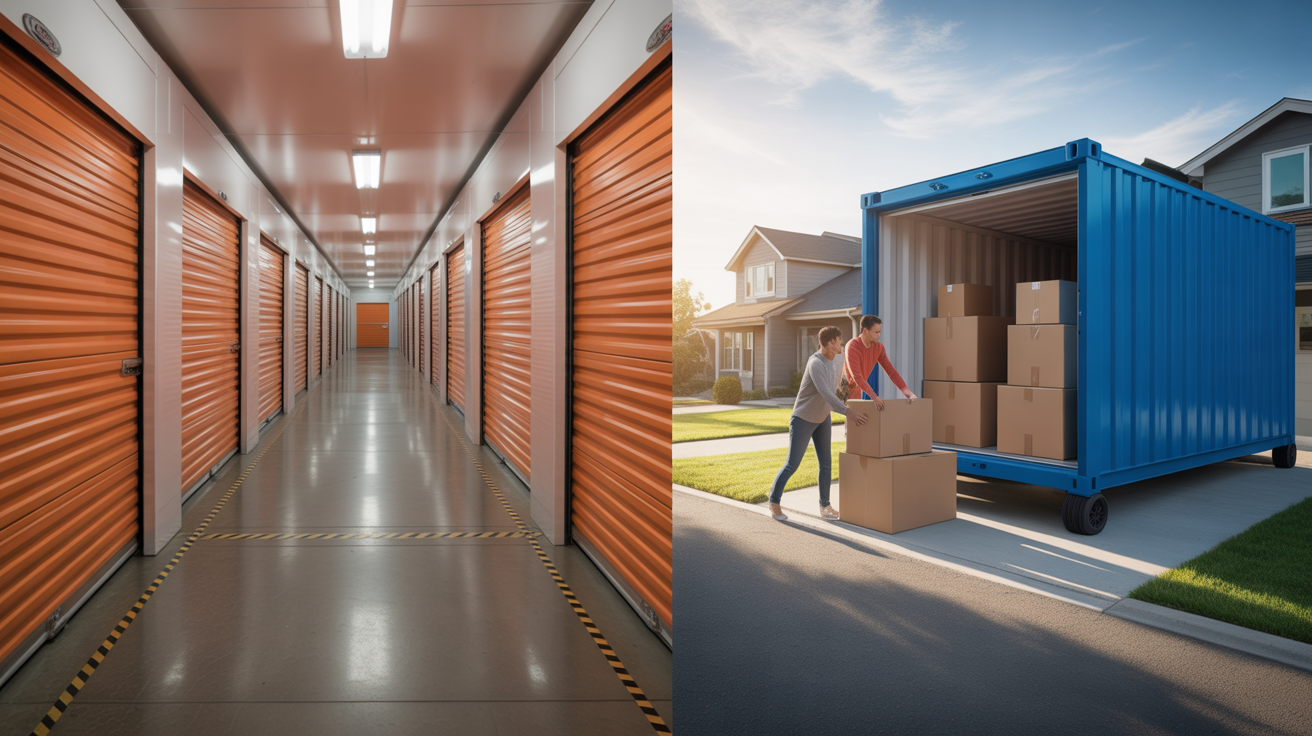
Compare self-storage vs portable storage container costs. Learn which option saves money based on duration, distance, and your specific storage needs in 2026.
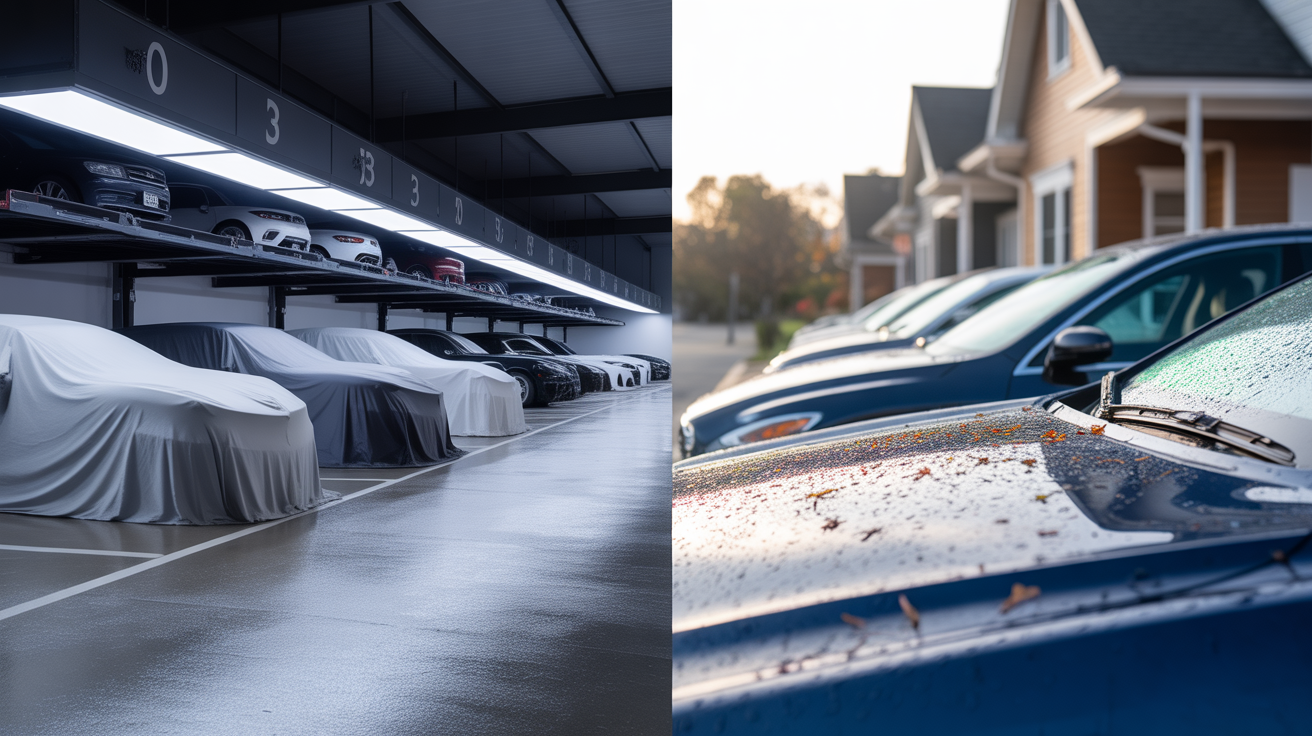
Compare vehicle storage facility costs ($50-$700/month) versus home parking expenses. Includes hidden costs, maintenance savings, and break-even analysis.
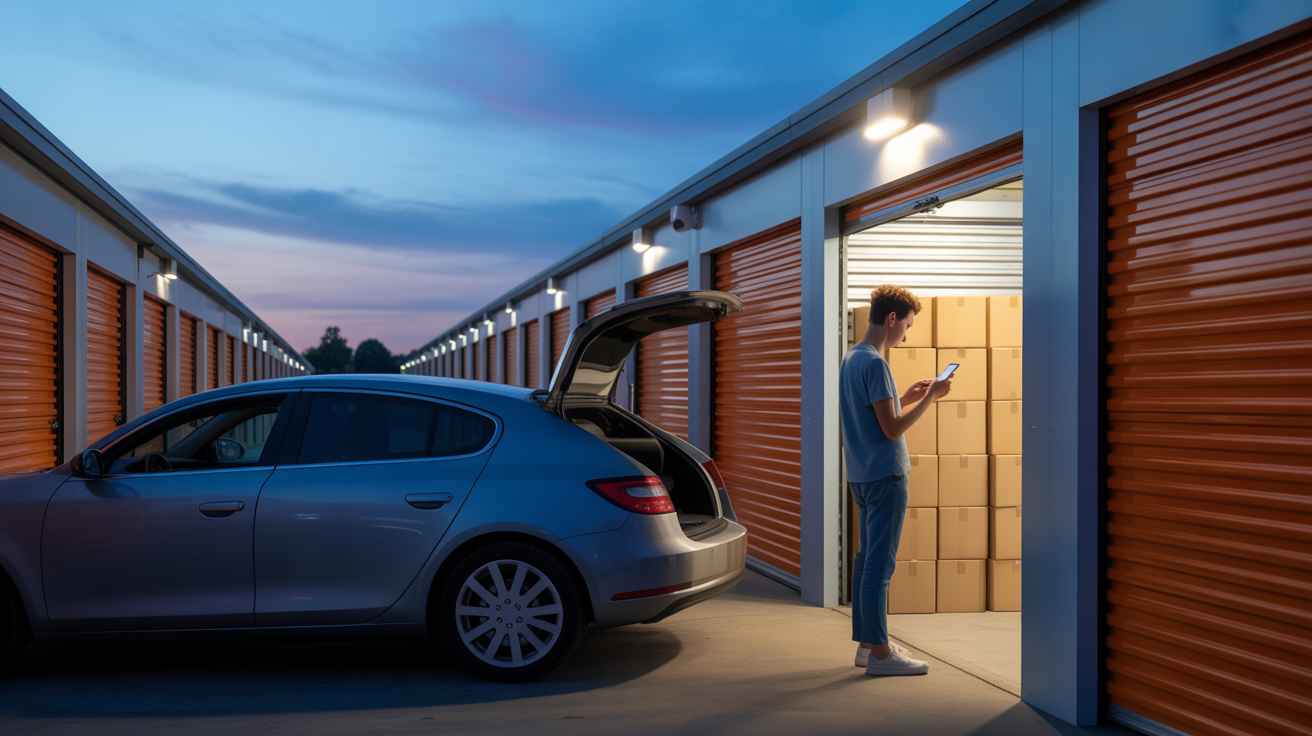
Learn typical storage facility access hours (6 AM to 10 PM), 24/7 options, and key convenience factors like drive-up units and security features.