S
elf storage units cost between $35 and $300 per month in 2026, with the national average sitting at $133 to $136 for a standard 10x10 unit. Your actual price depends on three factors: unit size, location, and whether you need climate control, which adds 20 to 40 percent to the base rate.
Average Self Storage Prices by Unit Size in 2026
Storage unit pricing follows a predictable pattern based on square footage. Smaller units offer better value per square foot, while larger units provide more total space at higher monthly rates. The table below shows current national averages for both standard and climate-controlled options.
A 10x10 storage unit contains 100 square feet, or approximately 800 cubic feet of storage space. This size accommodates the contents of a one to two bedroom apartment and remains the most popular choice among renters. To determine the right size for your needs, consult a storage unit size guide
that matches common household items to unit dimensions.
How Much Does a 10x10 Storage Unit Cost Per Month?
A 10x10 storage unit costs between $100 and $158 per month for standard units, with climate-controlled options running $130 to $200. This size represents the industry benchmark and accounts for the largest share of rentals nationwide. In high-demand urban markets, expect to pay $200 to $340 for the same space.
The 10x10 unit holds approximately 800 cubic feet of belongings. Most renters use this size for storing furniture from a one-bedroom apartment, including a queen bed frame, mattress, dresser, couch, dining table with chairs, and 15 to 20 medium boxes. Business owners often choose this size for inventory, equipment, or document storage.
10x10 Storage Unit Pricing by City
Location dramatically affects what you pay for identical storage space. The same 10x10 unit that costs $88 in Houston runs $339 in Los Angeles. Cities with high real estate values, limited land availability, and strong population growth command premium storage rates.
Climate-Controlled Storage: Is the Extra Cost Worth It?
Climate-controlled storage units maintain temperatures between 55 and 80 degrees Fahrenheit year-round, protecting sensitive items from extreme heat, cold, and humidity. This feature adds 20 to 40 percent to your monthly rate but prevents damage that could cost thousands to repair or replace.
You need climate control if you plan to store electronics, wooden furniture, leather goods, musical instruments, artwork, photographs, wine, or important documents. These items warp, crack, fade, or develop mold when exposed to temperature swings or humidity above 50 percent. Standard units work fine for metal tools, plastic containers, outdoor equipment, and items you access frequently.
When to Choose Climate Control
- Storage duration exceeds 3 months in areas with temperature extremes
- Local temperatures drop below 32 degrees F or exceed 90 degrees F
- Humidity regularly exceeds 50 percent in your region
- Items have sentimental or monetary value above $2,000
- You are storing business inventory that must remain sellable
Mountain communities like those in the Gunnison Valley experience significant temperature swings between seasons. Winter temperatures can drop well below freezing while summer afternoons reach the 80s. If you are storing items long-term in these conditions, climate-controlled units protect against freeze damage and heat-related deterioration. Learn more about storage protection plans
that provide additional coverage for your belongings.
What Factors Affect Storage Unit Pricing?
Seven primary factors determine how much you pay for self storage each month. Understanding these variables helps you find the best value and avoid overpaying for features you do not need.
1. Unit Size
Size has the largest impact on price. A 5x5 unit costs roughly one-third of a 10x10, while a 10x20 costs about double. Measure your belongings before renting to avoid paying for unused space. Many facilities offer free size consultations to help you choose correctly.
2. Geographic Location
Storage costs mirror local real estate prices. Facilities in urban cores, coastal cities, and resort communities charge premium rates due to high land costs and strong demand. Rural areas and smaller cities typically offer rates 30 to 50 percent below the national average.
3. Climate Control
Temperature and humidity regulation adds $15 to $50 per month depending on unit size. This feature requires additional infrastructure, including HVAC systems, insulation, and ongoing energy costs that facilities pass to renters.
4. Access Type
Drive-up units with direct vehicle access typically cost 10 to 20 percent more than interior units requiring elevator or hallway access. The convenience of loading directly from your vehicle justifies the premium for frequent access or heavy items.
5. Floor Level
Ground-floor units command higher prices than upper-level units in multi-story facilities. The difference ranges from $10 to $30 per month. Upper floors work well for lighter items and infrequent access when budget matters most.
6. Security Features
Facilities with 24/7 surveillance, individual unit alarms, gated access, and on-site management charge more than basic facilities. Premium security adds $10 to $40 monthly but provides peace of mind for valuable belongings.
7. Lease Terms and Promotions
Month-to-month leases offer flexibility but cost more than long-term commitments. Many facilities offer first-month discounts of 50 percent or more, free move-in trucks, or waived administrative fees. These promotions can save $50 to $150 on your first few months.
Storage Unit Costs in Mountain and Resort Communities
Mountain towns and resort areas present unique storage challenges that affect pricing. Limited developable land, seasonal population swings, and high construction costs push rates above national averages. Facilities in these areas often maintain waiting lists during peak seasons.
In Colorado mountain communities, expect to pay 15 to 40 percent above Denver metro rates for comparable units. A 10x10 drive-up unit that costs $150 in Denver runs $180 to $210 in mountain towns. Climate control becomes especially valuable where winter temperatures regularly drop below zero.
Seasonal residents and second-home owners drive much of the demand in these markets. Storing recreational equipment, seasonal furniture, and vehicles during off-seasons keeps facilities at high occupancy year-round. Local storage facilities
in the Gunnison Valley understand these specific needs and often offer flexible terms for seasonal renters.
How to Find the Cheapest Storage Unit Near You
Finding affordable storage requires comparing multiple facilities and timing your rental strategically. These seven tactics can reduce your monthly costs by 20 to 50 percent without sacrificing quality or security.
Compare at Least 5 Facilities
Prices vary significantly between facilities in the same area. Online comparison tools show current rates, but calling facilities directly often reveals unadvertised specials. Spend 30 minutes comparing options before committing.
Look for First-Month Discounts
Most facilities offer 50 percent off the first month, and some extend this to the first three months. A 10x10 unit at $140 per month with three months at half price saves $210 over your first year compared to paying full rate.
Consider Location Trade-offs
Facilities 10 to 15 minutes outside city centers often charge 20 to 30 percent less than downtown locations. If you access your unit monthly rather than weekly, the extra drive time saves significant money annually.
Choose the Right Size
Renting a unit 25 percent larger than needed wastes $20 to $60 monthly. Use facility size guides or schedule a consultation to match your belongings to the smallest adequate unit. Downsizing from a 10x15 to a 10x10 saves $40 to $80 per month.
Skip Features You Do Not Need
Climate control, drive-up access, and ground-floor locations all add cost. Evaluate whether you genuinely need each feature. Storing outdoor furniture or holiday decorations rarely requires climate control.
Ask About Long-Term Discounts
Some facilities offer 5 to 15 percent discounts for prepaying 6 or 12 months. If you know you need storage for an extended period, prepayment locks in current rates and reduces your effective monthly cost.
Negotiate
Facilities with vacancies often match competitor prices or extend promotional rates. Ask directly: "Can you match the $99 rate I found at the facility down the street?" The worst they can say is no.
Self Storage vs. PODS and Portable Storage Costs
Portable storage containers like PODS offer an alternative to traditional self storage, with different pricing structures and use cases. Understanding the cost differences helps you choose the right option for your situation.
PODS storage costs $149 to $349 per month for an 8-foot container and $199 to $449 for a 16-foot container, depending on your location. These prices include delivery, pickup, and storage at a PODS facility. Keeping the container at your home adds $50 to $100 monthly in most areas.
Traditional self storage makes more financial sense when you need frequent access to your belongings, require specific unit sizes, or plan to store items for more than 6 months. PODS work better for moves, renovations, or situations where loading at your home provides significant convenience.
Frequently Asked Questions About Storage Unit Costs
How much does it cost per month to keep items in storage?
Storage costs range from $35 per month for a small 5x5 unit to $300 or more for large 10x20 or 20x20 units. The national average for a 10x10 unit sits at $133 to $136 monthly. Your location, unit features, and lease terms all affect the final price.
What is the average cost of storage per month?
The average American pays $133 per month for self storage as of late 2025, according to RentCafe data. This figure represents a standard 10x10 unit without climate control. Climate-controlled units average $165 to $180 for the same size.
How much is it to store furniture for a month?
Storing furniture from a one-bedroom apartment requires a 5x10 or 10x10 unit costing $60 to $158 monthly. A full household needs a 10x20 unit at $170 to $250 per month. Climate control adds 20 to 40 percent but protects wood furniture from warping and cracking.
What size storage unit do I need for a one-bedroom apartment?
A 5x10 or 10x10 unit accommodates most one-bedroom apartments. The 5x10 (50 square feet) works for minimalist apartments, while the 10x10 (100 square feet) handles fully furnished spaces with additional boxes and belongings. Expect to pay $60 to $158 monthly depending on size and features.
Are self-storage prices higher in big cities like NYC or LA?
Yes, significantly. Los Angeles 10x10 units average $339 monthly, while New York City ranges from $280 to $350. Compare this to Houston at $88 or Las Vegas at $88 for the same size. Urban land costs and high demand drive these premiums.
Making the Right Storage Decision for Your Budget
Self storage costs have stabilized in 2025 and 2026 after years of increases, with the national average holding steady around $133 for a standard 10x10 unit. Your actual costs depend on choosing the right size, evaluating whether you need climate control, and taking advantage of promotional pricing.
Start by measuring your belongings and using a size calculator to avoid renting more space than necessary. Compare at least five facilities in your area, paying attention to first-month discounts that can save $50 to $150. Consider whether features like drive-up access and climate control genuinely benefit your specific items.
For those in the Gunnison Valley and Crested Butte area, local facilities understand the unique storage needs of mountain communities, from ski equipment and seasonal gear to long-term vehicle storage during off-seasons. Facilities offering 24/7 secure access, flexible unit sizes, and no-deposit rentals provide the best combination of value and convenience for both residents and seasonal visitors.
Looking for current Crested Butte rates?
See live local pricing on our Crested Butte storage cost page.
Lease overlap or a delayed closing in Crested Butte or the Gunnison Valley? See how Elk Mountain Storage on Red Lady Ave bridges the gap. Rent online.
Drive times from Mt. Crested Butte base-area condos to Elk Mountain Storage on Red Lady Ave. Winter road notes and soft rent-online next steps.

Compare downtown Crested Butte storage at 307 Red Lady Ave vs driving to Gunnison. Drive times, lifestyle fit, and soft rent-online next steps for Gunnison Valley residents.
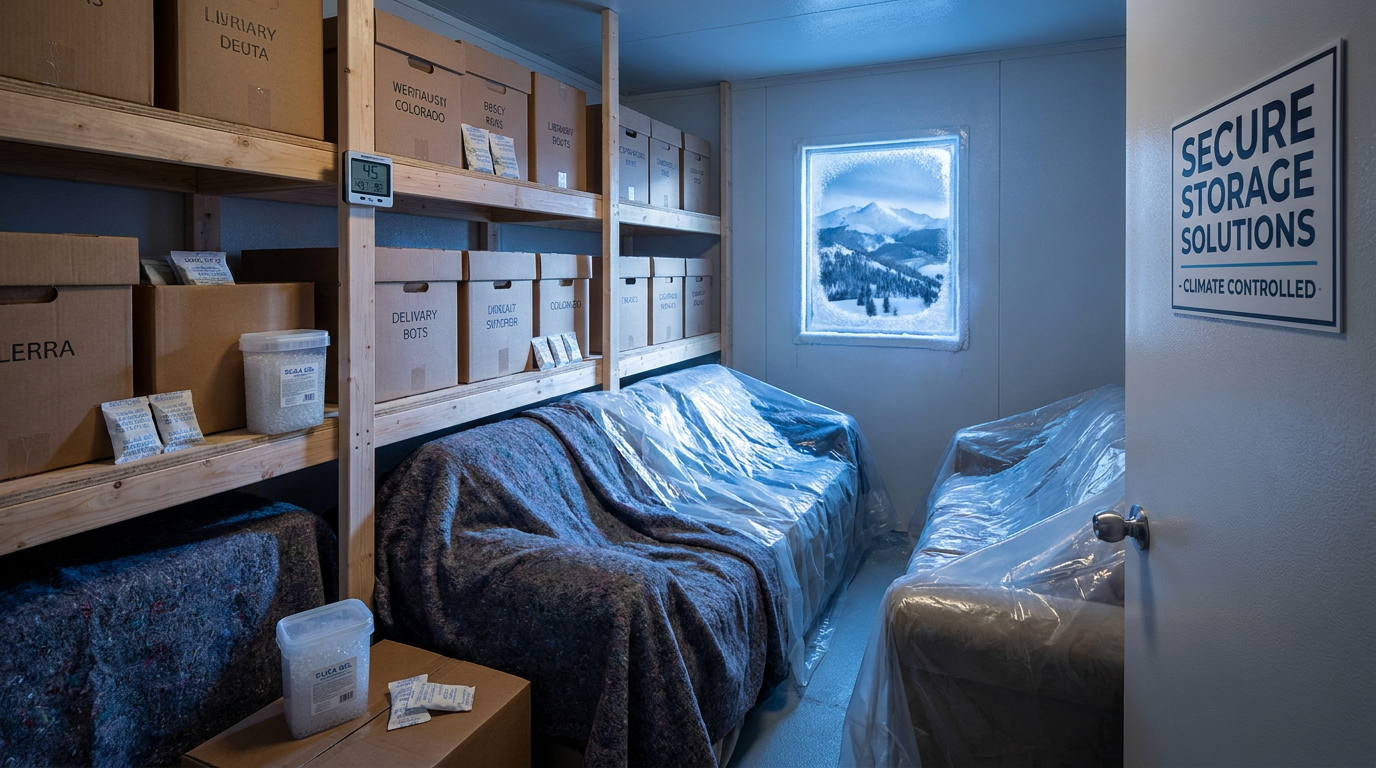
Learn proven methods to protect stored belongings from winter temperature swings. Covers packing, moisture control, and item-specific tips for Colorado storage.
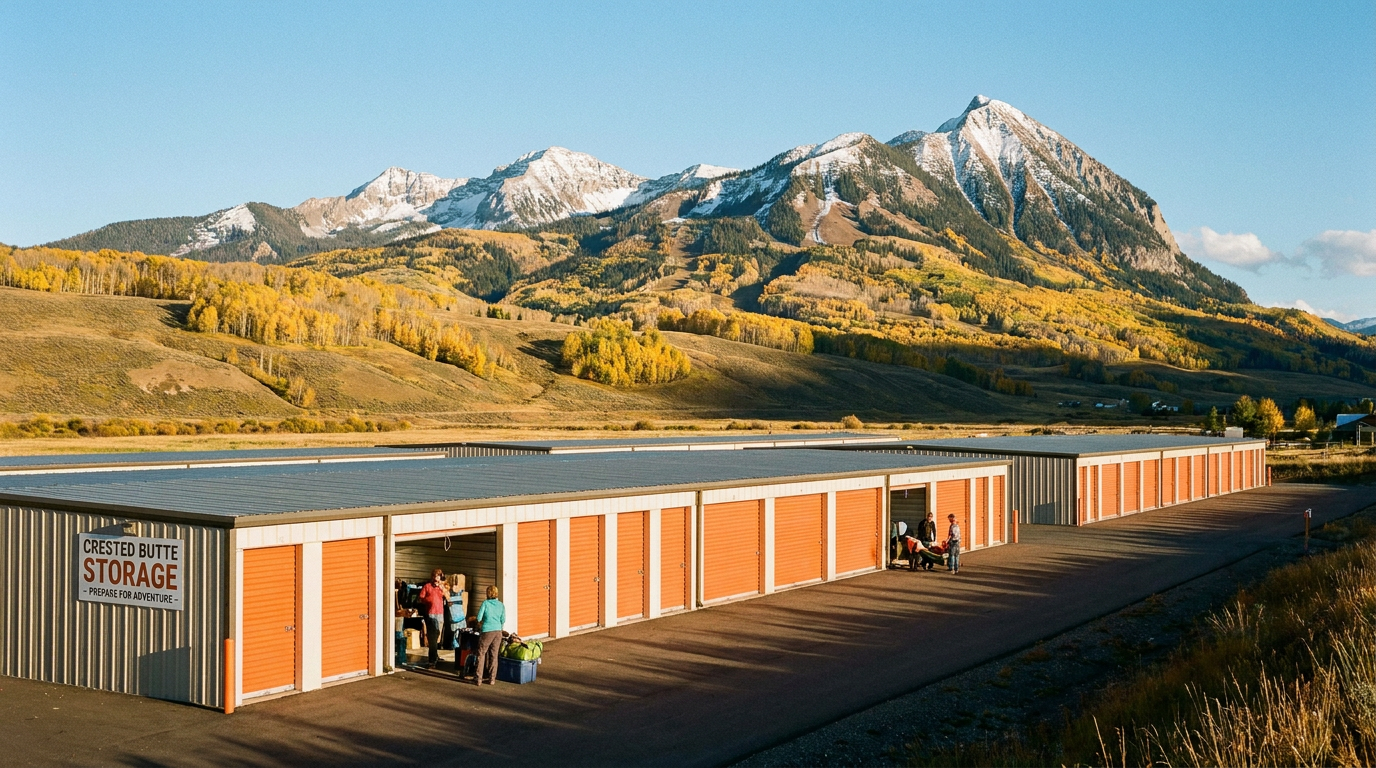
Discover what to store between seasons near Mt. Crested Butte. From ski gear to patio furniture, learn seasonal storage tips for mountain living in 2026.
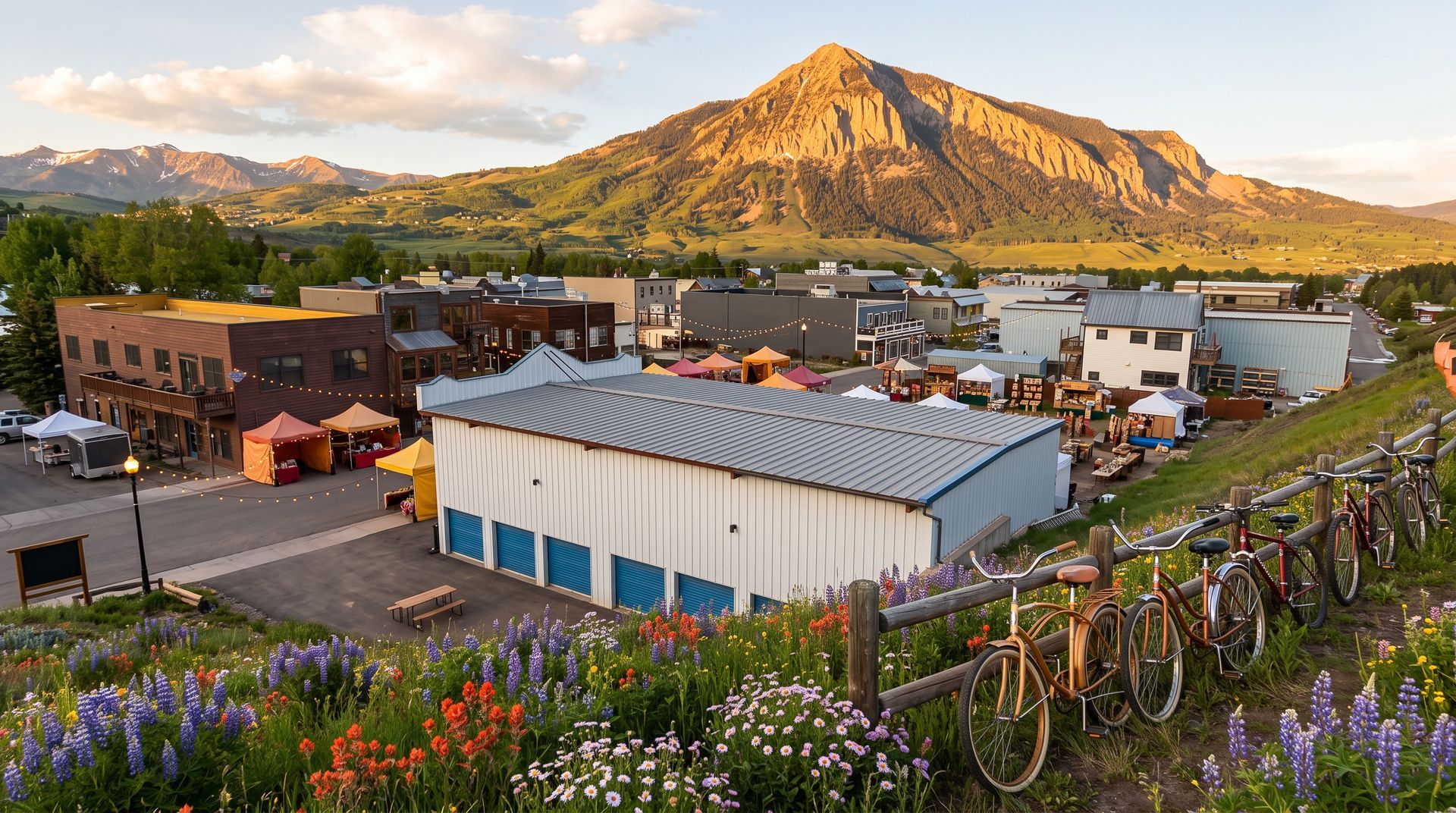
Elk Mountain Storage is a proud sponsor of Bridges of the Butte 2026, Crested Butte's costumed townie ride raising funds for the Adaptive Sports Center.
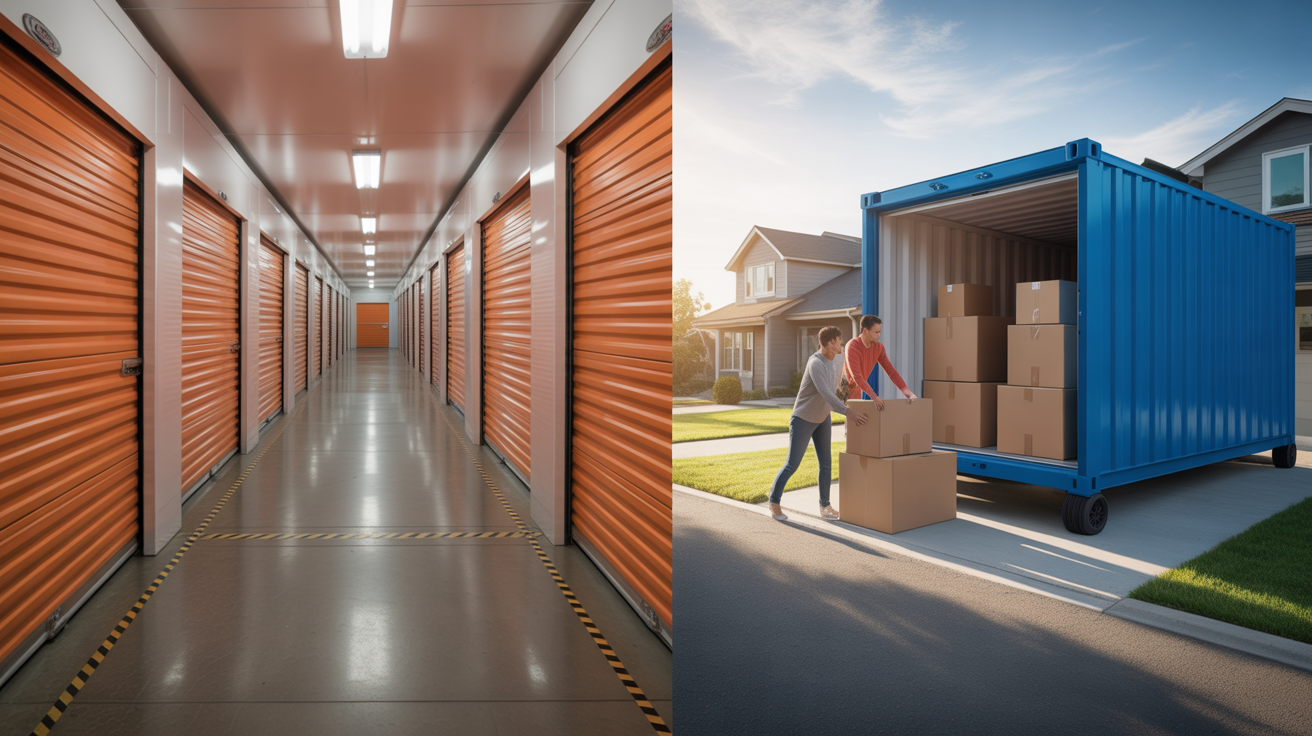
Compare self-storage vs portable storage container costs. Learn which option saves money based on duration, distance, and your specific storage needs in 2026.
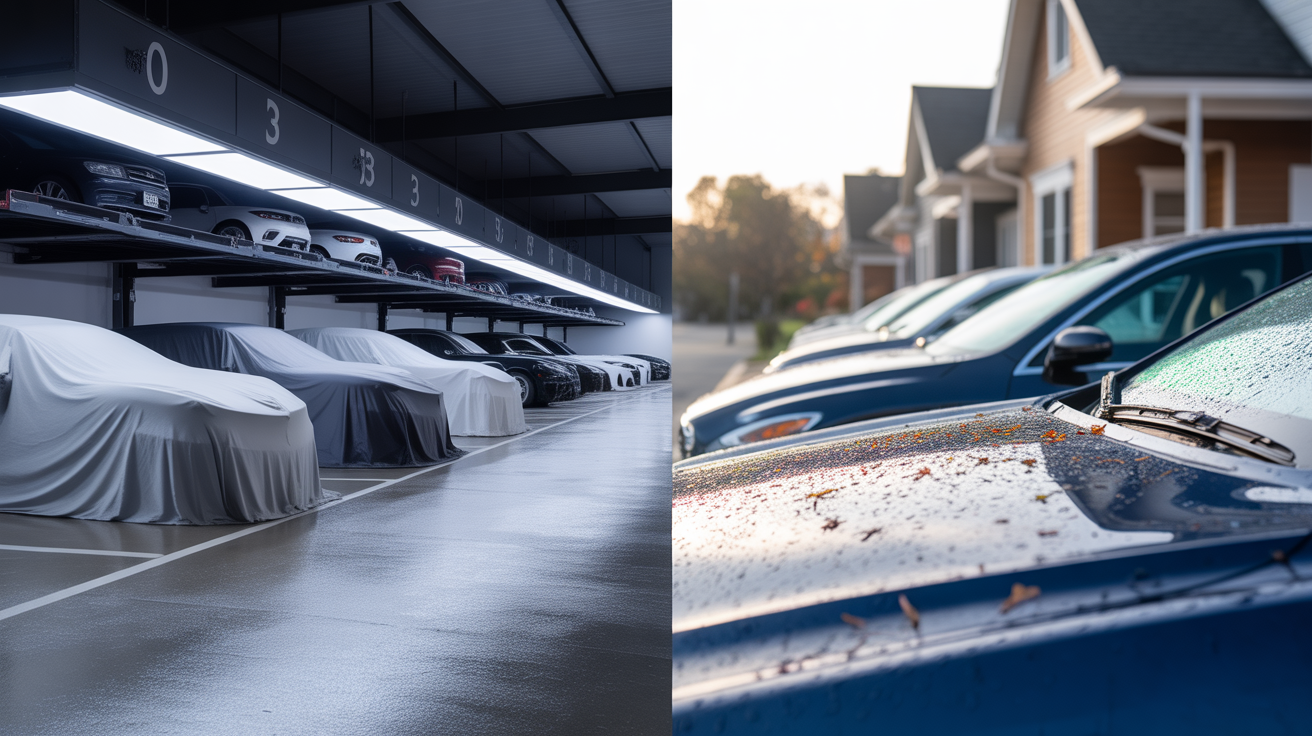
Compare vehicle storage facility costs ($50-$700/month) versus home parking expenses. Includes hidden costs, maintenance savings, and break-even analysis.
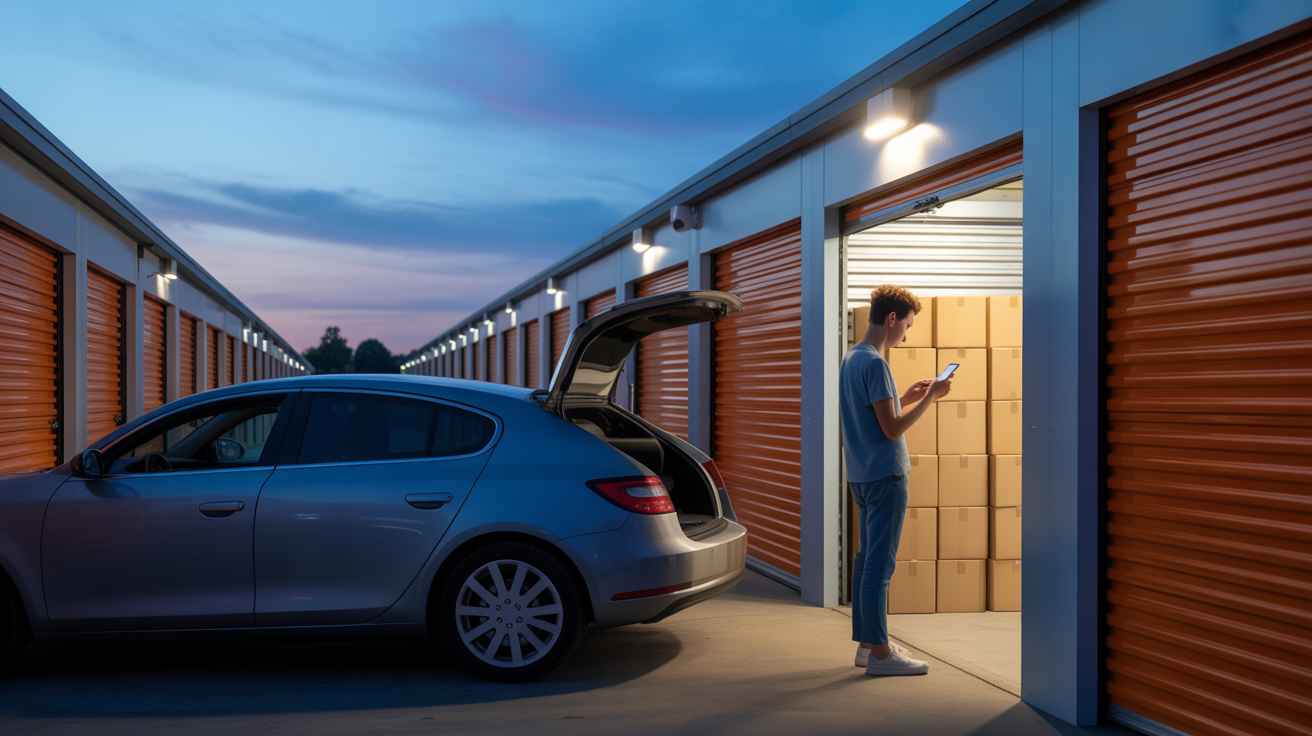
Learn typical storage facility access hours (6 AM to 10 PM), 24/7 options, and key convenience factors like drive-up units and security features.
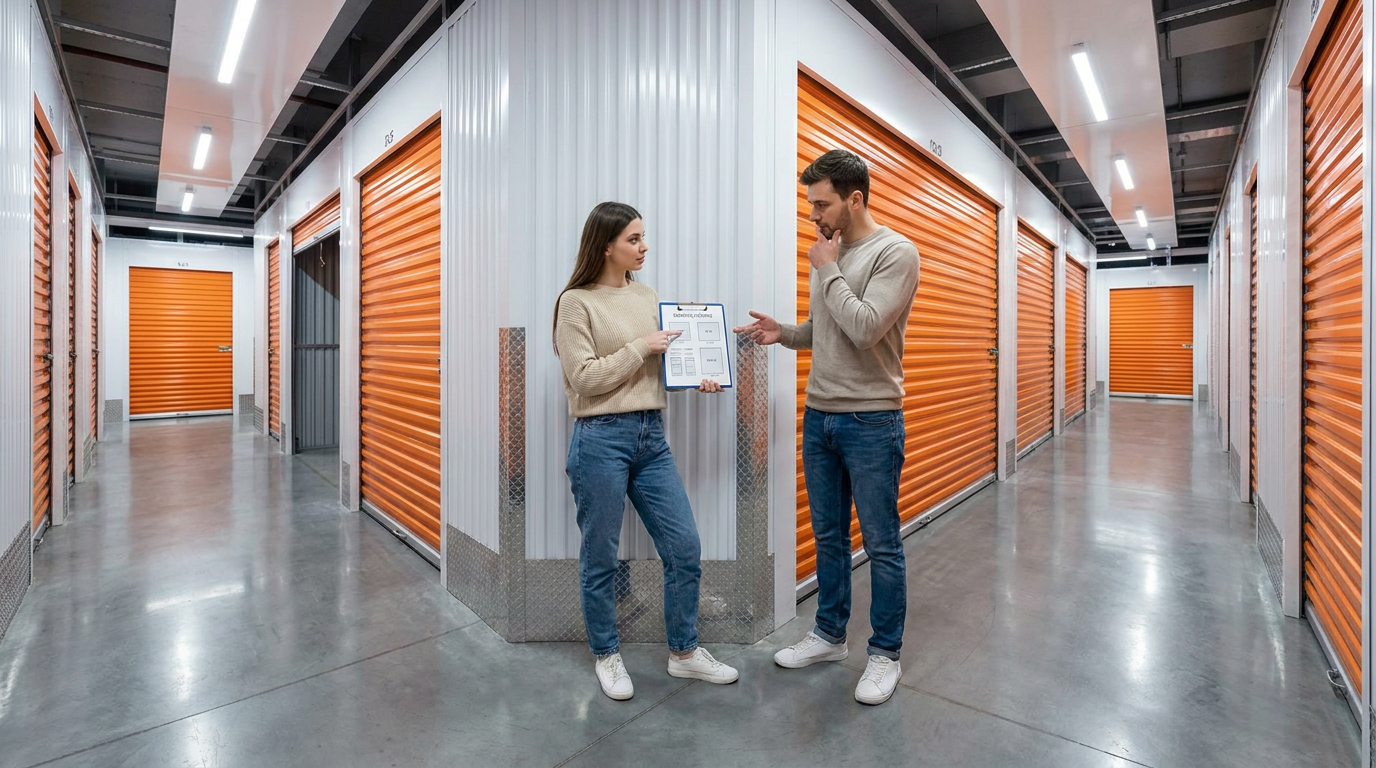
Find the right storage unit size for your needs. Compare 5x5 to 10x30 units with our size chart, calculator tips, and expert recommendations for every situation.