Winter Storage Checklist for Mountain Resort Areas (2026) |
| WINTER STORAGE CHECKLIST FOR MOUNTAIN RESORT AREAS
⏱ 11 min read ·
📄 #2,053 words
Complete winter storage checklist for mountain resort areas. Protect vehicles, ski gear, and property from snow, cold, and moisture in Crested Butte and beyond.
|
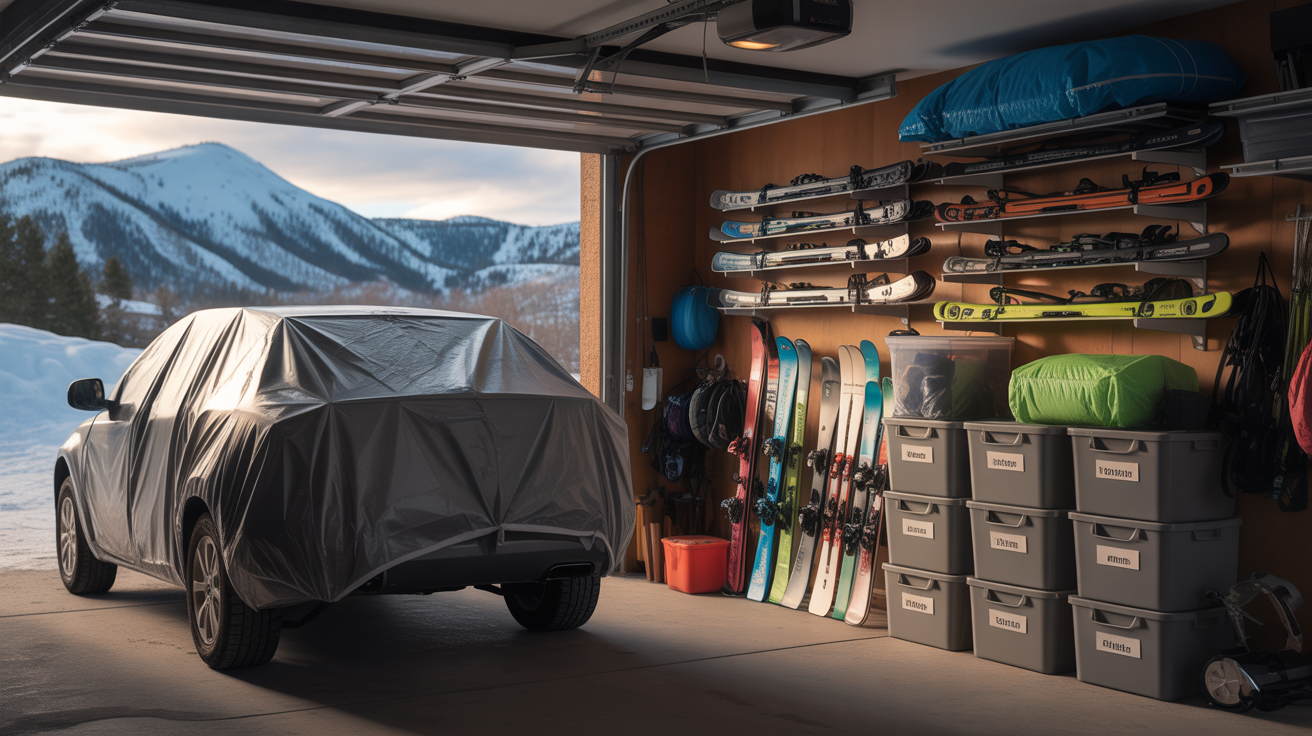
M ountain resort storage requires protection against temperatures dropping to minus 20 degrees Fahrenheit, annual snowfall exceeding 200 inches, and humidity fluctuations that damage gear within weeks. This checklist covers vehicles, ski equipment, recreational vehicles, and property preparation specific to high-altitude locations like Crested Butte, Park City, and Sun Valley.
| Key Points: | |
|---|---|
| • | Vehicles need battery disconnection, fuel stabilizer, and breathable covers secured against 50+ mph winds |
| • | Ski and snowboard gear requires thorough drying within 24 hours to prevent mold growth |
| • | Interior storage buffers the sharpest temperature swings and protects sensitive items from freeze damage |
| • | RVs and boats need complete water system drainage and antifreeze treatment before storage |
| • | Property winterization includes pipe insulation, thermostat settings at 55 degrees minimum, and rodent prevention |
Vehicle Storage Preparation for Mountain Winters
According to AAA Colorado, vehicles stored in mountain resort areas face unique challenges from temperature swings of 60 degrees or more within 24 hours. The Gunnison Valley, including Crested Butte, regularly records temperatures below minus 10 degrees Fahrenheit from December through February. These conditions demand specific preparation beyond standard winterization.
Start with the battery, which loses 35 percent of its capacity at 32 degrees and up to 60 percent at zero degrees, according to Interstate Batteries research. Disconnect the negative terminal or connect a trickle charger rated for cold weather use. For vehicles stored more than 30 days, remove the battery entirely and store it in a temperature-controlled environment.
Fluid Management and Fuel System
Add fuel stabilizer like Sta-Bil or Sea Foam to a full tank before storage. A full tank prevents moisture condensation that causes fuel line corrosion. The National Institute for Automotive Service Excellence recommends running the engine for 10 to 15 minutes after adding stabilizer to circulate it through the system.
Check antifreeze concentration using a refractometer or test strips. Mountain resort vehicles need protection to minus 35 degrees Fahrenheit, requiring a 60/40 antifreeze to water ratio. Top off windshield washer fluid with a minus 20 degree rated formula.
Exterior Protection and Tire Care
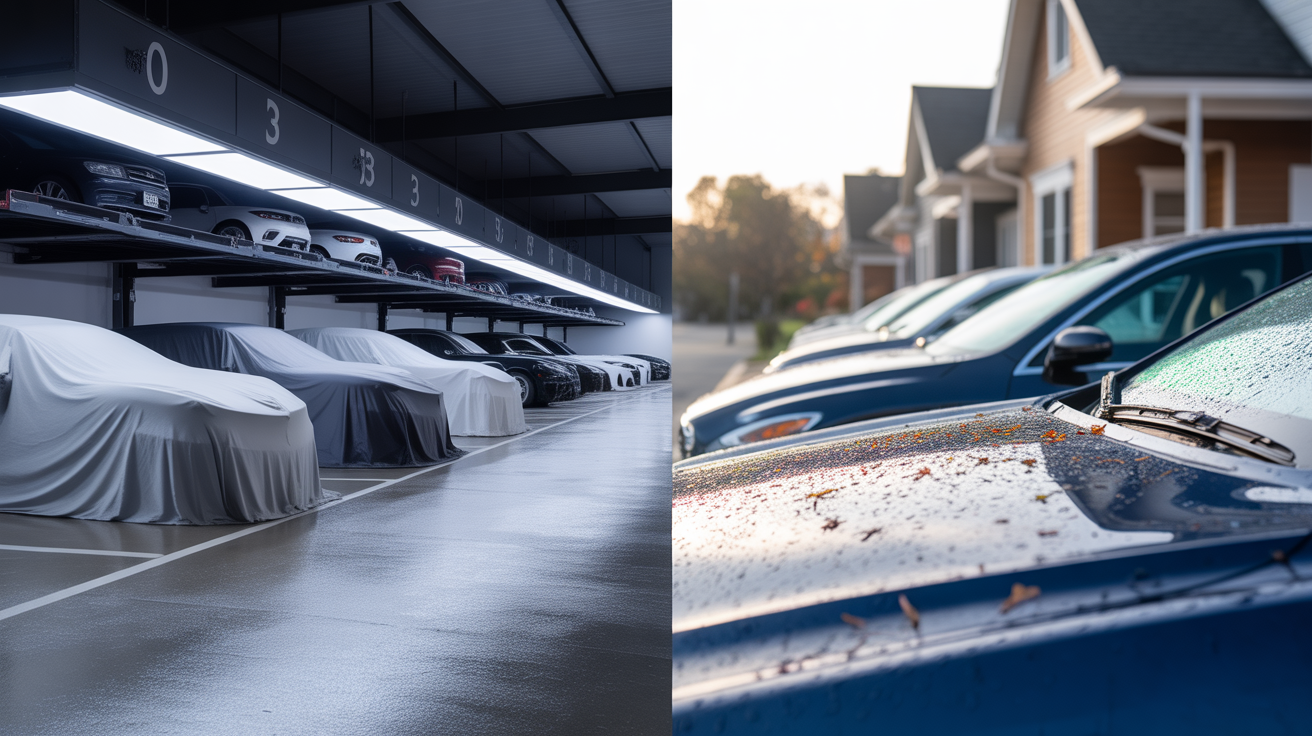
Use a breathable, waterproof car cover secured with straps or weights. Plastic tarps trap moisture and cause paint damage within weeks. The cover must withstand wind gusts exceeding 50 mph common at elevations above 9,000 feet.
Inflate tires to the maximum sidewall pressure before storage. Tires lose approximately one PSI per month, and underinflated tires develop flat spots within 30 days. For storage exceeding three months, place the vehicle on jack stands to prevent permanent flat spotting.
| Vehicle Component | Preparation Task | Time Required |
|---|---|---|
| Battery | Disconnect or install trickle charger | 15 minutes |
| Fuel System | Fill tank, add stabilizer, run engine | 20 minutes |
| Coolant | Test and adjust to minus 35 degrees protection | 10 minutes |
| Tires | Inflate to max PSI, consider jack stands | 30 minutes |
| Exterior | Wash, wax, install breathable cover | 2 hours |
Ski and Snowboard Gear Storage
The Professional Ski Instructors of America reports that improper storage causes 40 percent of equipment damage, more than actual use on the slopes. Moisture is the primary enemy, leading to rust on edges, mold in boots, and delamination of boards within a single season.
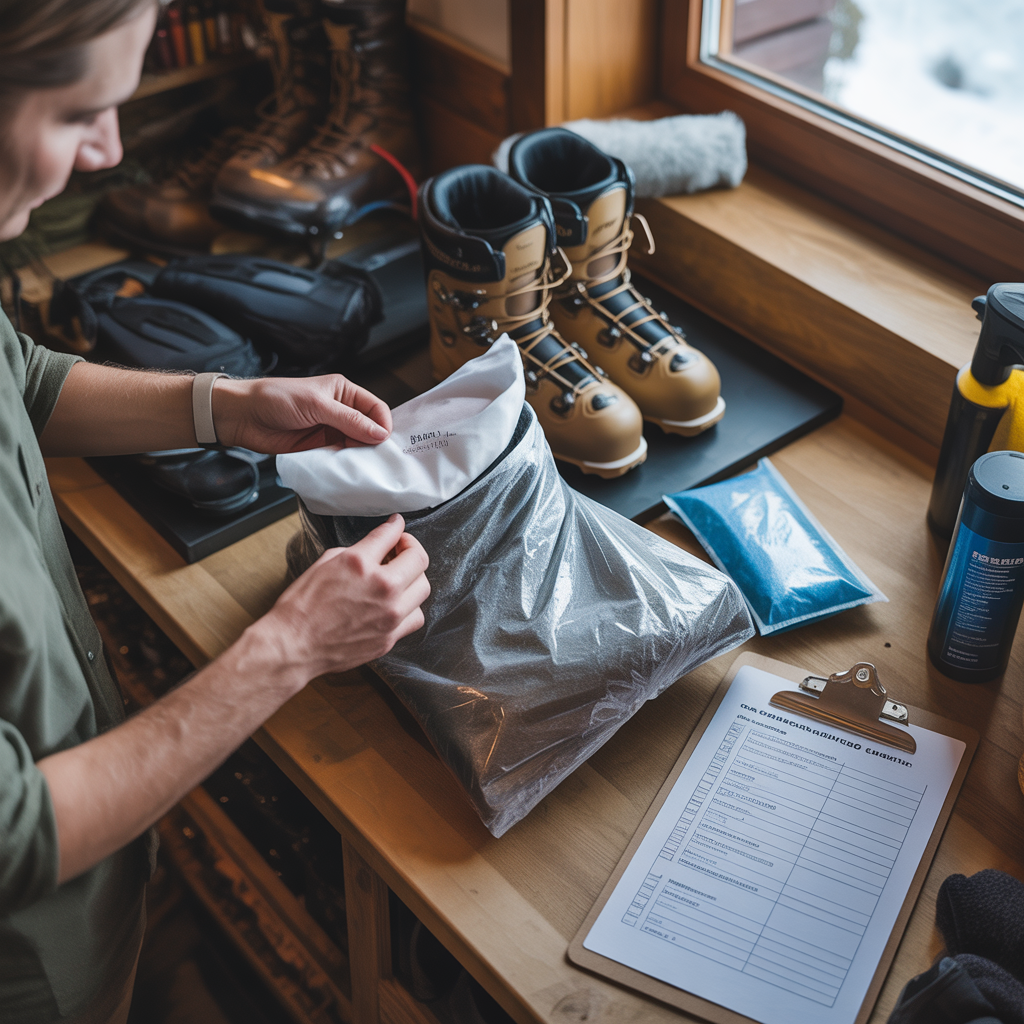
Dry all gear within 24 hours of use. Remove boot liners and insoles, placing them in a well-ventilated area at room temperature. Boot dryers like DryGuy or Peet accelerate the process, reducing drying time from 12 hours to 2 hours. Never use direct heat sources like space heaters, which damage boot materials.
Ski and Snowboard Maintenance
Apply storage wax to bases before seasonal storage. Unlike regular hot wax, storage wax remains on the base throughout the off-season, preventing oxidation and base damage. Swix, Toko, and Dakine all produce specific storage wax formulations. Do not scrape this wax until the next season begins.
Loosen binding DIN settings by two to three points to reduce spring tension during storage. This extends binding life by 20 to 30 percent according to Marker Bindings technical documentation. Store skis and boards vertically or horizontally on a rack, never leaning against walls where they can warp.
Accessory and Clothing Storage
Goggles require lens-down storage in padded cases with silica gel packets. The Smith Optics care guide recommends replacing silica packets monthly in humid environments. Never store goggles in direct sunlight, which degrades anti-fog coatings within weeks.
Wash all base layers and outerwear before storage. Nikwax Tech Wash maintains waterproof membrane integrity better than standard detergents. Reapply DWR (durable water repellent) treatment to shells using Nikwax TX.Direct or Grangers Performance Repel. Store clothing in breathable garment bags, not plastic containers that trap moisture.
RV and Boat Winter Storage Checklist
The RV Industry Association reports that freeze damage costs RV owners an average of $3,500 in repairs annually. Mountain resort areas present elevated risk due to extended periods below freezing and rapid temperature changes that stress plumbing systems.
Water System Winterization
Drain all water tanks, including fresh, gray, and black water holding tanks. Open all faucets and flush toilets to remove standing water. The Camping World service department recommends using an air compressor at 30 to 40 PSI to blow out remaining water from lines.
Add RV antifreeze (propylene glycol, not automotive ethylene glycol) to the system. A typical Class C motorhome requires 2 to 3 gallons of antifreeze. Pour one cup down each drain to protect P-traps, and add antifreeze to the toilet bowl and holding tank.
Engine and Mechanical Systems
Change oil and filter before storage. Used oil contains acids and contaminants that corrode engine components during extended storage. Fill the fuel tank and add stabilizer, running the engine for 15 minutes to circulate treated fuel through the system.
Disconnect house and chassis batteries, storing them in a climate-controlled environment if possible. For batteries remaining in the RV, install battery disconnect switches and connect to a smart charger like the NOCO Genius or Battery Tender Plus.
Interior and Exterior Preparation
Remove all food, including canned goods that can freeze and burst. Clean refrigerator and freezer compartments, leaving doors propped open to prevent mold. Place moisture absorbers like DampRid throughout the interior, using one container per 100 square feet.
Cover exterior vents and openings with breathable mesh to prevent rodent entry while allowing air circulation. Steel wool packed into small openings deters mice and squirrels. Place rodent deterrent sachets containing peppermint oil in cabinets and storage compartments.
Tire Chain and Winter Equipment Storage
Colorado Department of Transportation data shows that tire chains extend vehicle traction by 300 to 400 percent on packed snow. Proper storage between uses maintains chain integrity and ensures reliable performance during emergencies.
Clean chains immediately after use, removing road salt and debris that accelerate corrosion. Soak chains in a bucket of warm water with automotive degreaser for 30 minutes. Rinse thoroughly and hang to dry completely before storage, typically 24 to 48 hours in a dry environment.
Apply a light coating of WD-40 or chain lubricant to prevent rust during storage. Store chains in breathable fabric bags, not sealed plastic containers that trap moisture. Check chain links and cross members for damage before each season, replacing worn components.
Property Winterization for Mountain Homes
The Insurance Institute for Business and Home Safety reports that frozen pipe damage averages $15,000 per incident. Mountain resort properties face heightened risk during vacancy periods when heating systems may fail or power outages occur.
Plumbing Protection
Insulate exposed pipes in crawl spaces, attics, and exterior walls using foam pipe insulation rated for temperatures below minus 20 degrees. Heat tape with built-in thermostats provides additional protection for vulnerable sections. The Frost King and EasyHeat brands offer products specifically designed for mountain applications.
Locate and test the main water shutoff valve before winter. For extended vacancy, shut off water at the main and drain the system completely. Open all faucets and flush toilets to remove standing water. Pour RV antifreeze into toilet bowls and drain traps.
Heating and Ventilation
Set thermostats to a minimum of 55 degrees Fahrenheit during vacancy. Smart thermostats like Nest, Ecobee, or Honeywell Home allow remote monitoring and adjustment. Install low-temperature alarms that send alerts when interior temperatures drop below safe levels.
Change furnace filters before winter and schedule professional HVAC inspection. Clean dryer vents and exhaust ducts to prevent ice buildup that restricts airflow. Ensure carbon monoxide detectors function properly, replacing batteries before the heating season.
Exterior and Structural Preparation
Arrange professional snow removal for driveways and roofs. Crested Butte receives an average of 216 inches of snowfall annually according to NOAA data, requiring regular clearing to prevent structural damage. Roof snow loads exceeding 30 pounds per square foot risk collapse in older structures.
Secure outdoor furniture, grills, and decorations against high winds. Store cushions and fabric items indoors or in appropriately sized storage units to prevent moisture damage. Disconnect and drain garden hoses, shutting off exterior water supply valves.
Indoor vs Drive-Up Storage for Mountain Winters
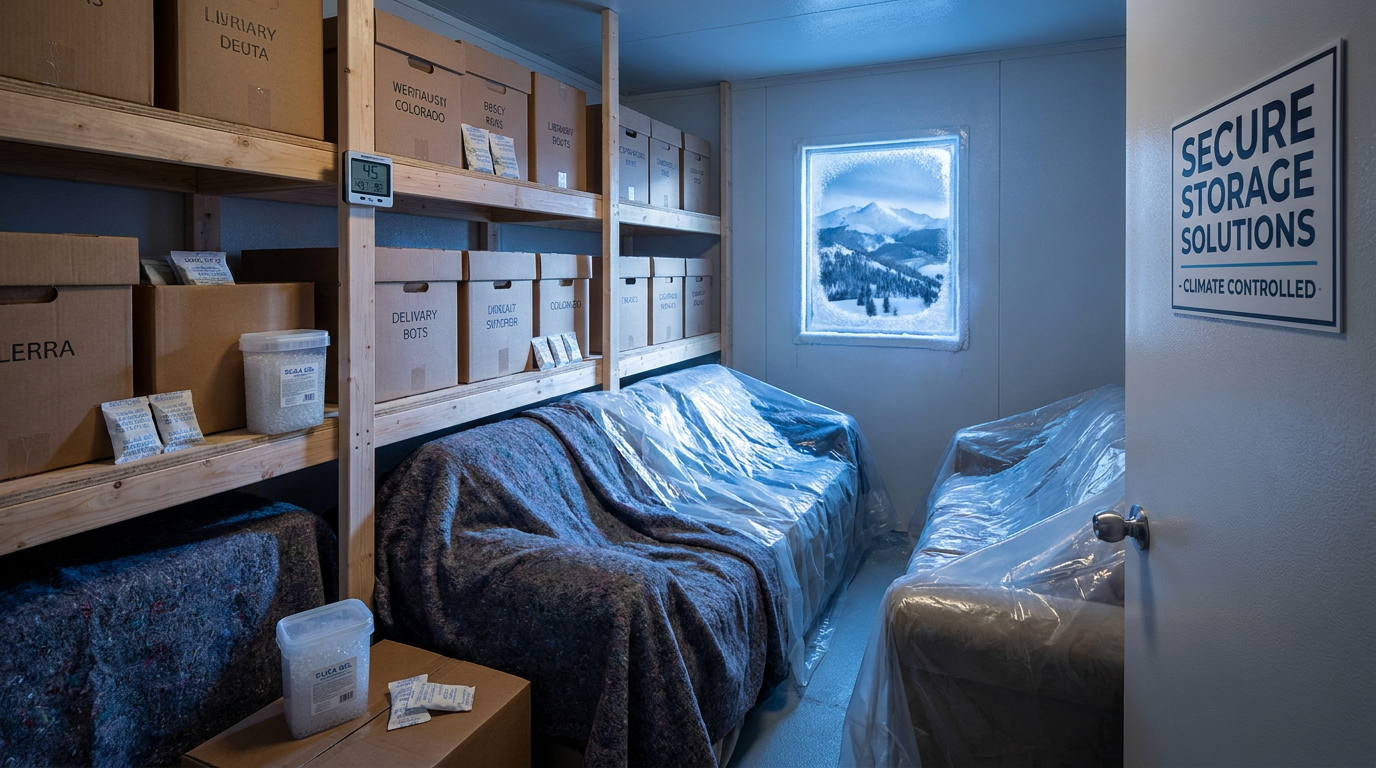
Storage units in mountain resort areas experience temperature swings from minus 20 to plus 90 degrees Fahrenheit throughout the year. Interior units buffer the sharpest swings because the building itself absorbs the first hit of a cold snap, while drive-up units trade that buffer for the fastest possible loading of skis, snowmobiles, and winter tires.
Electronics, musical instruments, artwork, and leather goods do best in an interior unit when storage runs beyond 30 days in mountain environments. Fully climate-controlled space is limited across the Gunnison Valley, which makes the winterization steps in this checklist even more important: a properly prepped item in an interior unit handles a Crested Butte winter far better than an unprepared item in any unit.
Consider storage protection plans for valuable items. These plans typically cover damage from temperature extremes, moisture, and other environmental factors not included in standard renter's insurance policies.
| Item Category | Drive-Up Unit | Interior Unit |
|---|---|---|
| Ski/Snowboard Gear | Ideal for quick seasonal swaps | Best for off-season storage |
| Electronics | Not recommended for winter | Recommended |
| Furniture (wood) | Risk of warping/cracking | Recommended |
| Seasonal Clothing | Suitable with moisture control | Ideal for long-term |
| Documents/Photos | Not recommended for winter | Recommended |
Frequently Asked Questions
What Should I Pack for a Mountain Trip in Winter?
Essential items include layered clothing (merino wool base layers, insulating mid-layers, waterproof outer shells), winter boots rated to minus 25 degrees, tire chains for vehicles, emergency supplies (blankets, flashlight, first aid kit), and hand/toe warmers. Pack goggles, helmets, and gloves in padded bags to prevent damage during transport.
Can You Leave Bedding in a Camper Over Winter?
Leaving bedding in a camper over winter invites mold growth and rodent nesting. Remove all fabric items including mattress toppers, pillows, and blankets. Store bedding in sealed plastic containers with moisture absorbers in a dry indoor space. If removal is impossible, elevate bedding on wire racks and place multiple moisture absorbers throughout the sleeping area.
Can You Store an RV in Snowy Winter Conditions?
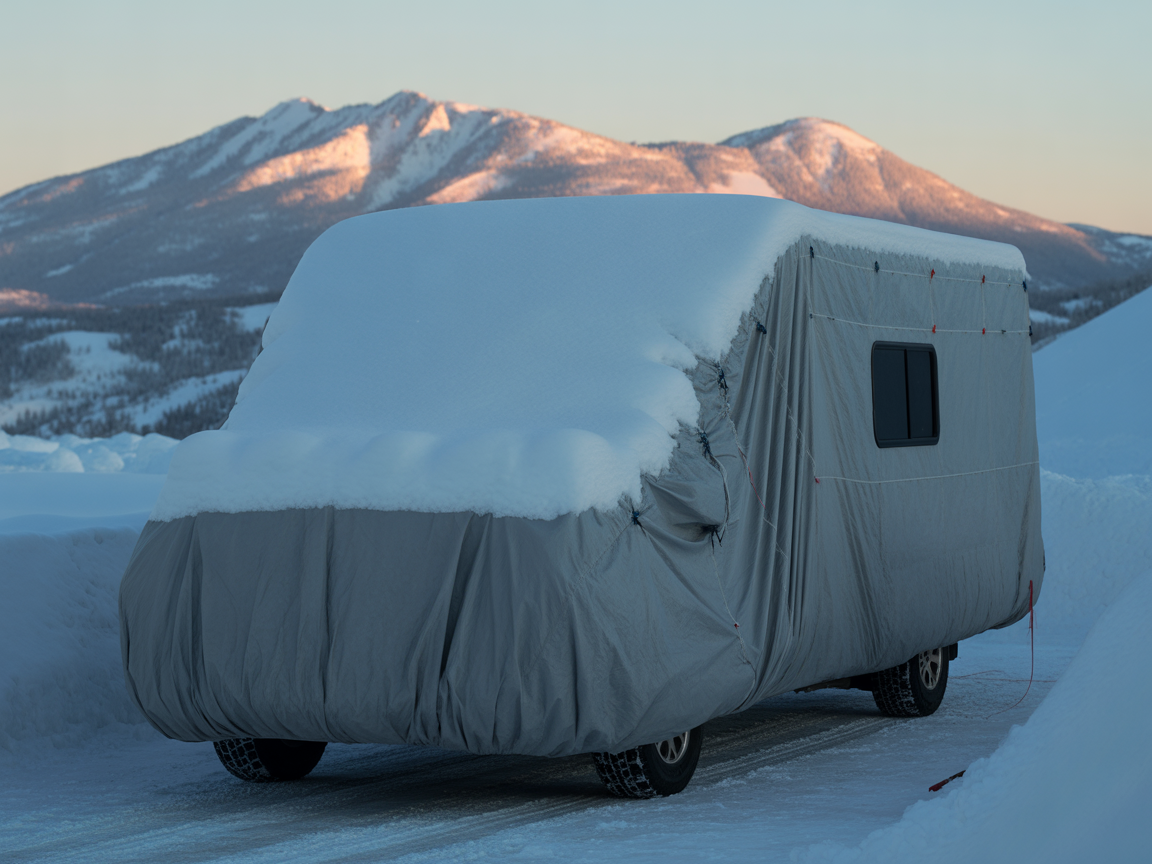
RVs can be stored outdoors in snowy conditions with proper preparation. Complete winterization of water systems, disconnect batteries, cover exterior vents, and use a breathable RV cover rated for snow loads. Clear snow accumulation from the roof when it exceeds 12 inches to prevent structural damage. Covered or indoor storage provides superior protection and reduces spring preparation time by 4 to 6 hours.
Do You Need to Winterize an RV Stored Inside?
Indoor storage does not eliminate winterization requirements unless the facility maintains temperatures above 32 degrees Fahrenheit consistently. Most indoor storage facilities are unheated, meaning water systems still freeze. Complete standard winterization procedures regardless of storage location. Climate-controlled RV storage, while more expensive at $200 to $400 per month, eliminates freeze risk and reduces overall winterization requirements.
Local Storage Solutions in the Gunnison Valley
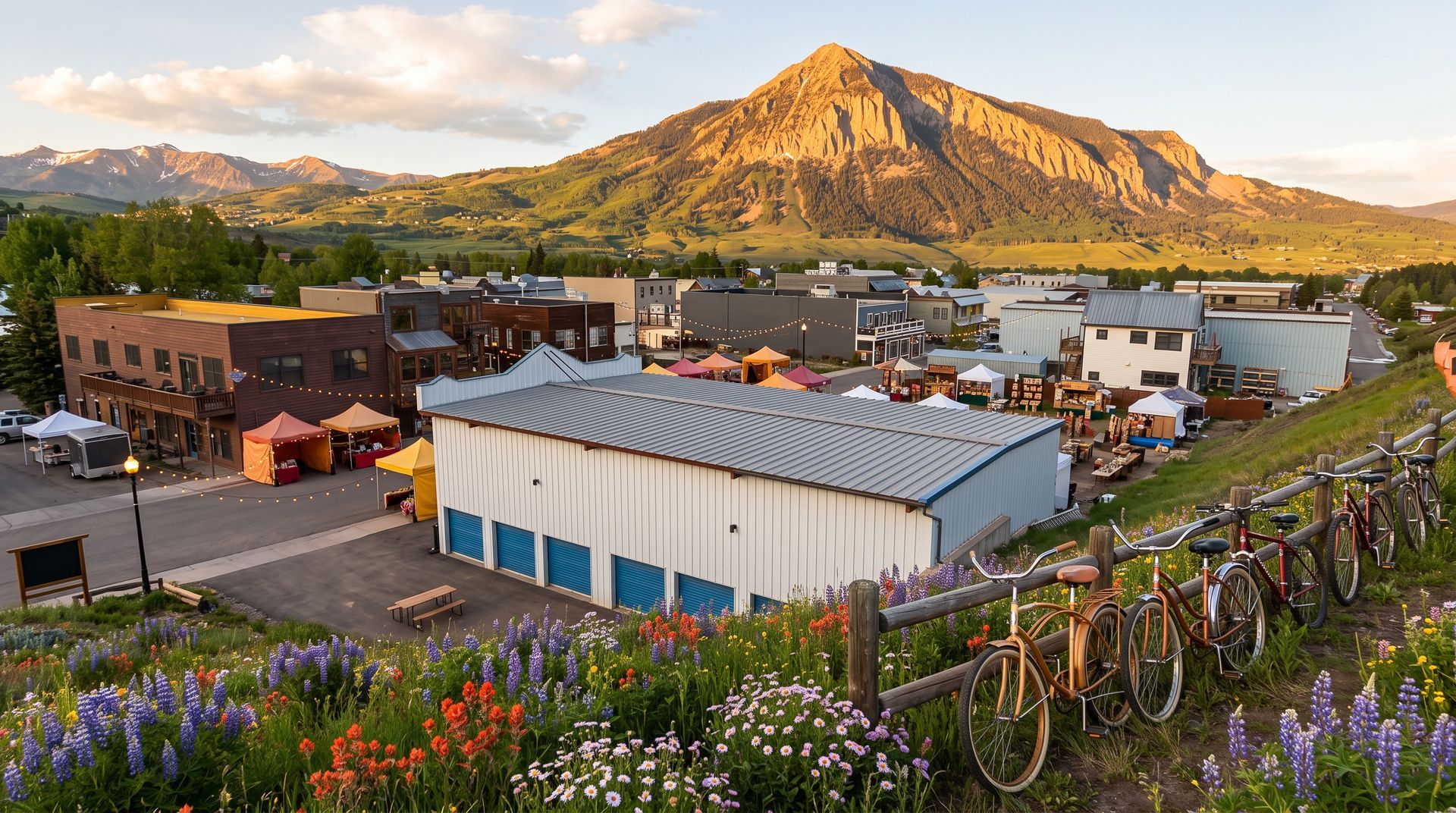
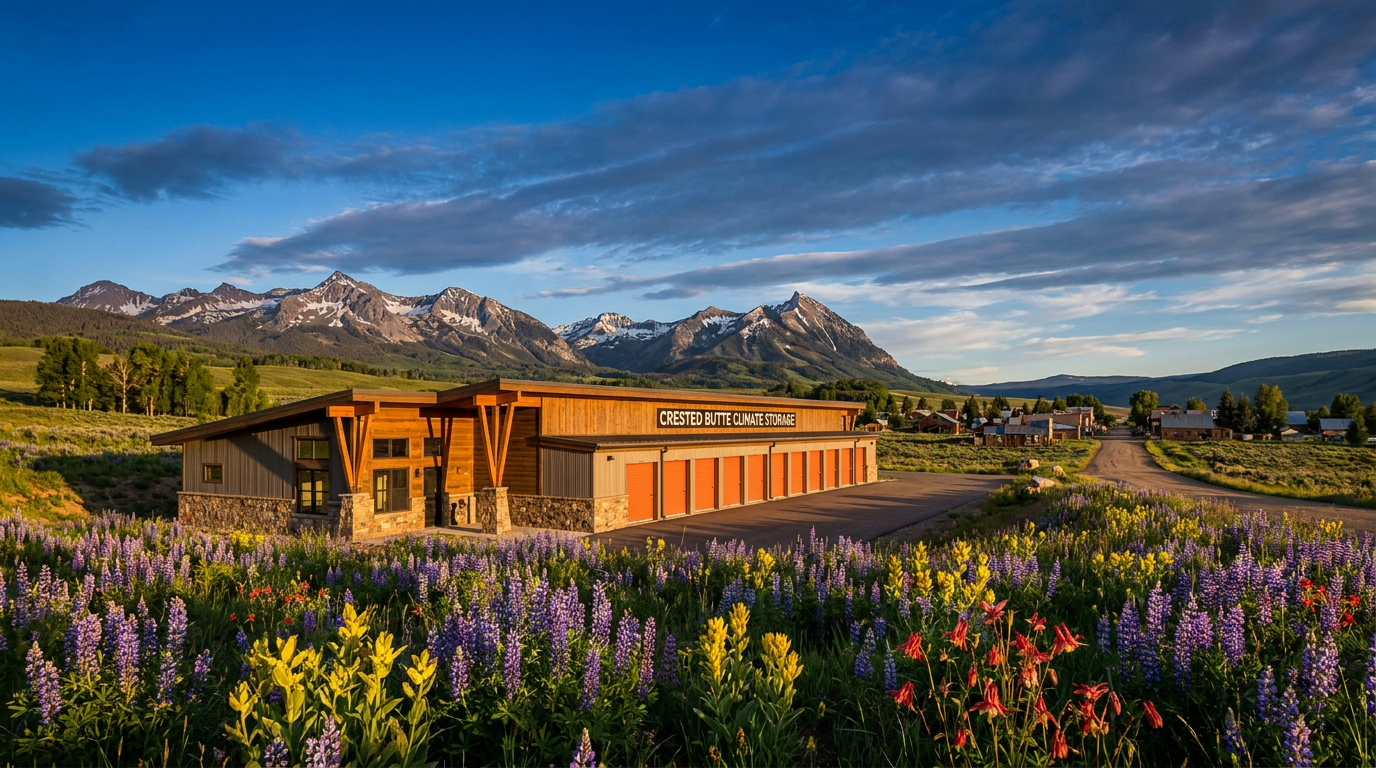
Seasonal visitors and residents in Crested Butte and the surrounding Gunnison Valley face unique storage challenges. With 216 inches of average annual snowfall and temperatures regularly dropping below zero, proper storage facilities become essential for protecting vehicles, gear, and personal belongings.
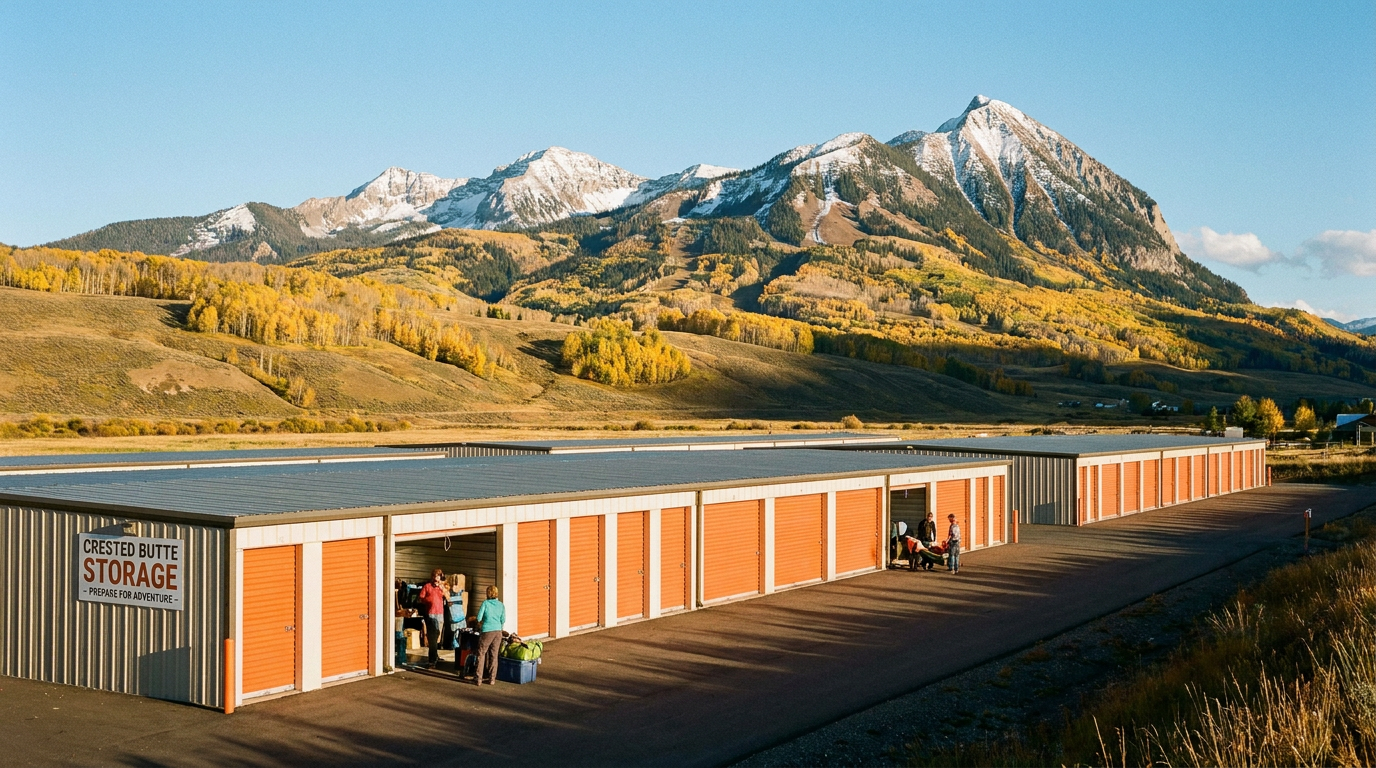
Locally owned storage facilities understand these regional challenges and provide solutions designed for mountain conditions. Features like 24/7 secure access allow retrieval of gear before early morning ski trips or emergency situations. Drive-up units simplify loading heavy equipment like skis, snowboards, and winter tires.
For seasonal visitors storing items between trips, interior units shield sensitive electronics and valuables from the harshest temperature swings. The convenience of online rentals and payment options means managing storage remotely without requiring in-person visits during busy ski season weekends.
|