Storage Facility for Sale: How to Evaluate and Buy in 2026 |
| STORAGE FACILITY FOR SALE
⏱ 7 min read ·
📄 #1,395 words
Learn how to evaluate a storage facility for sale, including cap rates, occupancy metrics, and pricing factors. Complete buyer's guide with 2026 market data.
|
A storage facility for sale typically ranges from $500,000 for small 50-unit properties to $10 million or more for large 300+ unit facilities in high-demand markets. The median asking price for established storage facilities in 2026 is approximately $867,500, with cap rates averaging 6-8% for stabilized properties in primary markets.
| Key Points: | |
|---|---|
| • | Storage facility prices range from $79,300 for small properties to $10.5 million for large portfolios |
| • | Target occupancy rates of 85-90% indicate a stabilized, profitable facility |
| • | Cap rates between 6-8% are standard for self-storage investments in 2026 |
| • | Major listing platforms include Crexi, LoopNet, BizBuySell, and Realmo |
| • | Key markets include Texas, Florida, California, Michigan, and Pennsylvania |
What Makes a Storage Facility a Good Investment?
Self-storage facilities generate consistent monthly revenue with relatively low operational costs compared to other commercial real estate. According to BizBuySell's marketplace data, storage facilities maintain occupancy rates above 85% in most U.S. markets. The industry benefits from recession-resistant demand, as people need storage during both economic growth (accumulating belongings) and downturns (downsizing homes).
The Self Storage Association reports that 10.6% of American households rent a storage unit. This translates to approximately 13.5 million households actively paying monthly storage fees. For investors, this consistent demand creates predictable cash flow with minimal tenant management compared to residential or office properties.
How to Evaluate a Storage Facility for Sale
Evaluating a self storage facility for sale requires analyzing both financial performance and physical assets. Buyers should examine at least 24 months of operating statements, current rent rolls, and local market comparables before making offers.
Financial Metrics to Review
Net Operating Income (NOI) is the primary metric for storage facility valuation. Calculate NOI by subtracting operating expenses from gross revenue. A healthy storage facility maintains expense ratios between 30-40% of gross revenue. Properties with higher expense ratios may indicate deferred maintenance or inefficient operations.
Cap rate (capitalization rate) determines the expected return on investment. Divide the annual NOI by the purchase price to calculate cap rate. For example, a facility generating $100,000 NOI selling for $1.25 million has an 8% cap rate. According to LoopNet's self-storage listings, cap rates for stabilized facilities currently range from 5.5% in premium markets to 9% in secondary locations.
| Metric | Target Range | Red Flag |
|---|---|---|
| Occupancy Rate | 85-92% | Below 75% |
| Cap Rate | 6-8% | Below 5% or above 10% |
| Expense Ratio | 30-40% | Above 50% |
| Price Per Square Foot | $40-80 | Above $100 without premium features |
Physical Property Assessment
Beyond financials, inspect the physical condition of buildings, doors, roofing, paving, fencing, and security systems. Roof replacement costs $8-15 per square foot for metal buildings. Unit door replacement runs $300-800 per door. Factor these capital expenditures into your purchase price negotiations.
Security features directly impact insurance costs and tenant retention. Facilities with digital video surveillance, gated access, and LED lighting command 10-15% higher rents than properties without these amenities. Our tenant protection plans demonstrate how security features translate to customer peace of mind.
Where to Find Storage Facilities for Sale
Multiple commercial real estate platforms list self storage facilities for sale across the United States. Each platform serves different buyer profiles and property types.
Realmo's marketplace shows thousands of self-storage properties currently available, with prices in Oklahoma alone ranging from $79,300 to $10.5 million. This range illustrates the diversity of investment opportunities, from small owner-operated facilities to large institutional-grade portfolios.
Major Listing Platforms Compared
| Platform | Best For | Typical Listing Size |
|---|---|---|
| Crexi | Commercial investors, detailed analytics | $500K-$5M |
| LoopNet | Institutional buyers, large portfolios | $1M-$10M+ |
| BizBuySell | Owner-operators, turnkey businesses | $200K-$2M |
| Realmo | First-time buyers, regional searches | $100K-$3M |
How Much Does It Cost to Buy a Storage Facility?
Purchase prices for self storage facilities for sale vary dramatically based on location, size, occupancy, and condition. A 50-unit facility in a rural area might sell for $300,000, while a 200-unit property in a suburban growth corridor could exceed $3 million.
Beyond the purchase price, budget for closing costs (2-3% of purchase price), due diligence expenses ($5,000-15,000 for inspections and appraisals), and working capital reserves (3-6 months of operating expenses). For financing, expect to provide 20-30% down payment for SBA loans or 25-35% for conventional commercial loans.
Cost Breakdown by Facility Size
Small facilities with 50-100 units typically sell for $300,000-$800,000. These properties suit first-time buyers seeking owner-operator opportunities. Mid-size facilities with 100-200 units range from $800,000-$2.5 million and often attract regional investors. Large facilities exceeding 200 units command $2.5 million to $10 million or more, primarily attracting institutional buyers and REITs.
Understanding self-storage pricing in different markets helps buyers assess whether a facility's current rates align with local demand. Facilities charging below-market rates may offer value-add opportunities through strategic rent increases.
Key Markets for Storage Facility Investment
Texas, Florida, California, Michigan, and Pennsylvania consistently lead in storage facility transaction volume. Population growth, housing turnover, and business formation rates drive demand in these states.
Texas offers strong fundamentals with 1.5% annual population growth and business-friendly regulations. Florida benefits from retirement migration and tourism-driven seasonal storage needs. California commands premium prices but faces higher operating costs and regulatory requirements. Michigan and Indiana present value opportunities with lower entry costs and stable Midwest demand.
Regional Price Variations
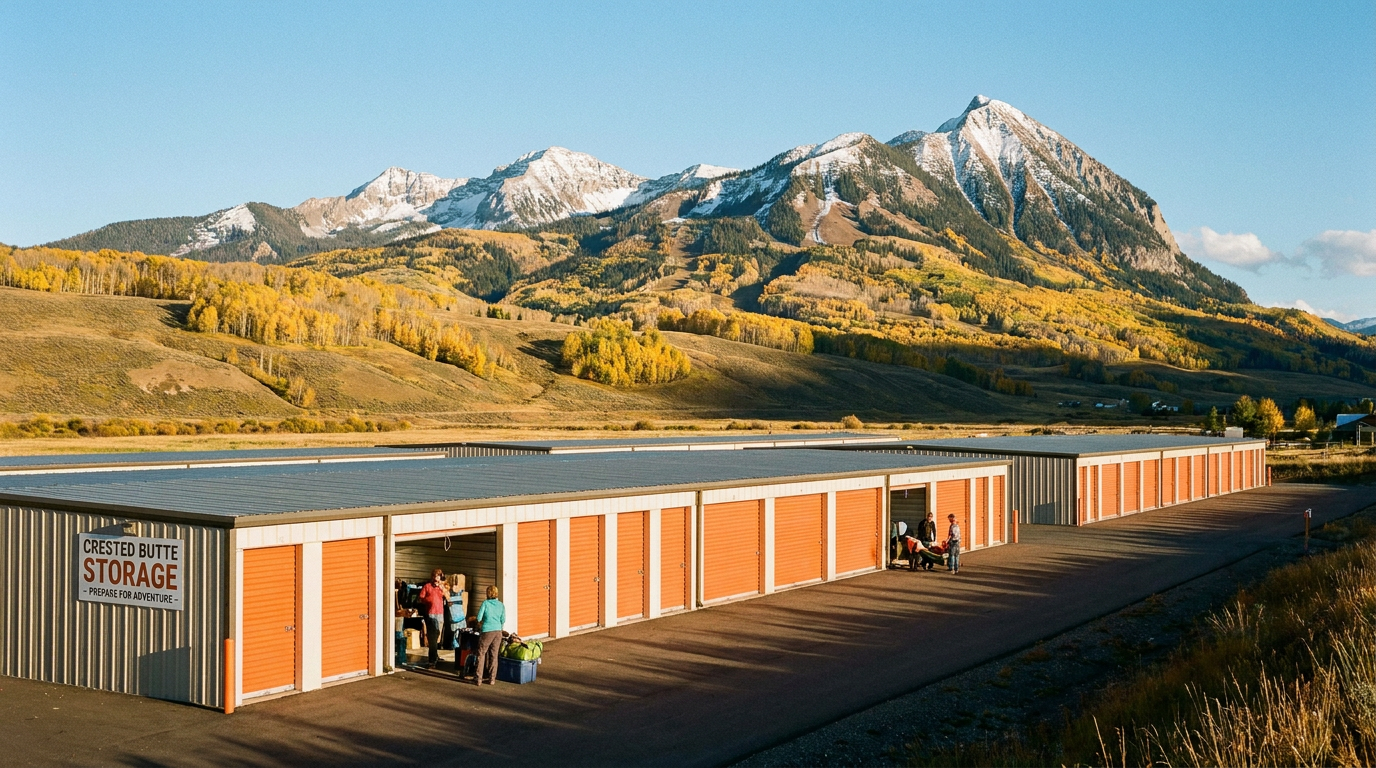
Storage facility prices per square foot range from $35-45 in rural Midwest markets to $80-120 in coastal metropolitan areas. Mountain resort communities like Crested Butte, Colorado present unique opportunities where limited land availability and seasonal population fluctuations create strong demand for both personal and business storage solutions.
What Should I Look for When Buying a Self-Storage Business?
Successful storage facility acquisitions require thorough due diligence across operations, market conditions, and growth potential. Beyond financial statements, investigate tenant demographics, competitive landscape, and expansion possibilities.
Operational Considerations
Review the tenant mix for concentration risk. A facility where 20% of revenue comes from one tenant faces significant risk if that tenant leaves. Examine lease terms, payment history, and delinquency rates. Facilities with online rental capabilities and automated payment systems operate more efficiently and attract tech-savvy customers.
Staffing requirements vary by facility size. Properties under 200 units often operate with part-time management or remote monitoring. Larger facilities may require full-time on-site staff, increasing operating expenses by $40,000-60,000 annually.
Expansion Potential
Properties with unused land or development rights offer value-add opportunities. Adding 50 units to an existing facility typically costs $15,000-25,000 per unit for construction, compared to $30,000-50,000 per unit for ground-up development. Zoning verification and local permitting timelines should be confirmed before closing.
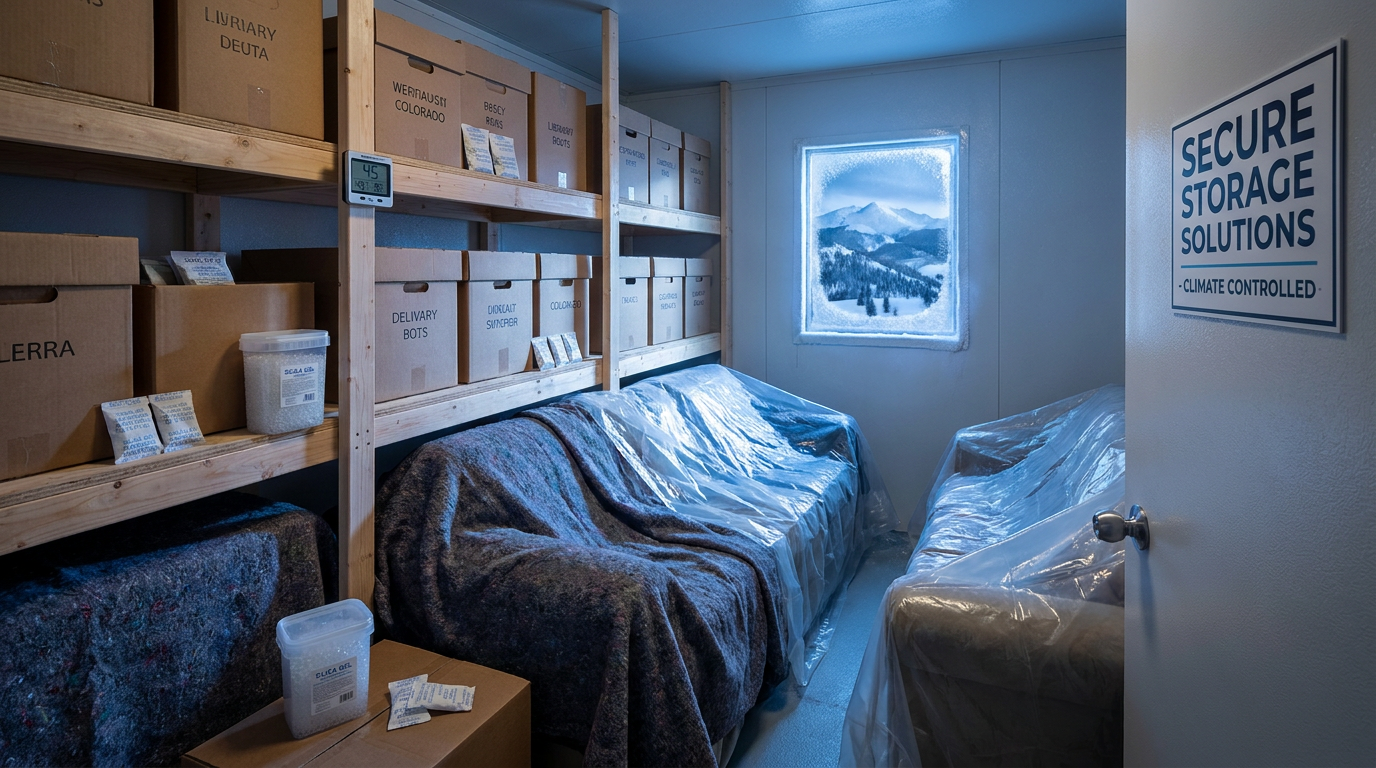
Climate-controlled storage commands 25-50% higher rents than standard units. Converting existing space or adding climate-controlled buildings can significantly increase revenue per square foot. Review our storage unit size guide to understand how different unit configurations serve various customer needs.
Frequently Asked Questions
Is self-storage a good investment in 2026?
Self-storage remains attractive in 2026 due to consistent demand, low management intensity, and recession-resistant characteristics. Industry occupancy rates average 87% nationally. However, new supply in some markets has compressed cap rates, making thorough market analysis essential before purchasing.
What is a good cap rate for a self-storage property?
Cap rates between 6-8% indicate fair market value for stabilized storage facilities in 2026. Properties in primary markets with strong demographics may trade at 5-6% cap rates. Value-add opportunities with below-market occupancy might offer 8-10% going-in cap rates with potential for improvement.
How much money do you need to buy a storage facility?
Minimum investment for a small storage facility starts around $100,000-150,000 for down payment and reserves on a $400,000-500,000 property. Mid-size acquisitions typically require $300,000-750,000 in equity. SBA 7(a) loans allow 10-15% down for qualified buyers, while conventional financing requires 25-35% equity.
Can I find self storage facilities for sale by owner?
Owner-sold facilities represent approximately 15-20% of storage transactions. These deals often offer negotiating advantages but require more buyer due diligence. Check local classified listings, industry Facebook groups, and direct mail campaigns to facility owners in target markets.
What are the ongoing costs of owning a storage facility?
Annual operating expenses typically include property taxes (1-2% of assessed value), insurance ($3,000-15,000), utilities ($500-2,000 monthly), maintenance (5-10% of revenue), management (if not owner-operated, 5-8% of revenue), and marketing (3-5% of revenue). Our storage FAQ addresses common operational questions.
|