Is Indoor Storage Worth It for Electronics and Documents? |
| IS INDOOR STORAGE WORTH THE EXTRA COST FOR ELECTRONICS AND DOCUMENTS
⏱ 13 min read ·
📄 #2,541 words
Indoor climate-controlled storage costs 20-30% more but prevents costly damage to electronics and documents. See the full cost breakdown and when it pays off.
|
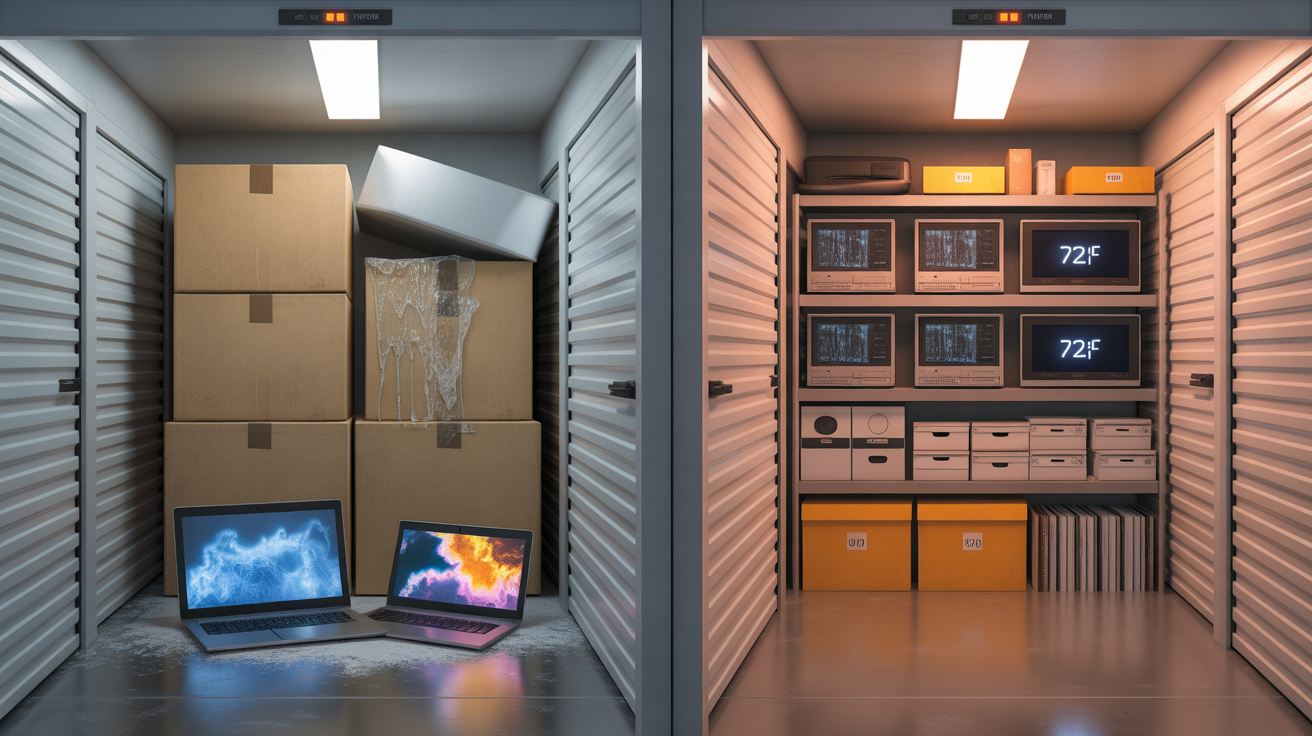
I ndoor climate-controlled storage is worth the extra 20-30% cost for electronics and documents in most cases. The premium, typically $30-60 more per month, prevents damage from temperature swings, humidity, and moisture that can destroy circuit boards, warp paper, and cause mold growth. For items valued over $500 or irreplaceable records, the math strongly favors climate control.
| Key Points: | |
|---|---|
| • | Climate-controlled units cost $140-180/month for a 10x10 space versus $100-120 for standard units |
| • | Electronics fail when exposed to temperatures below 32°F or above 90°F for extended periods |
| • | Paper documents develop mold at humidity levels above 60%, which indoor units prevent by maintaining 30-50% humidity |
| • | The break-even point occurs when stored items exceed $1,500-2,000 in replacement value |
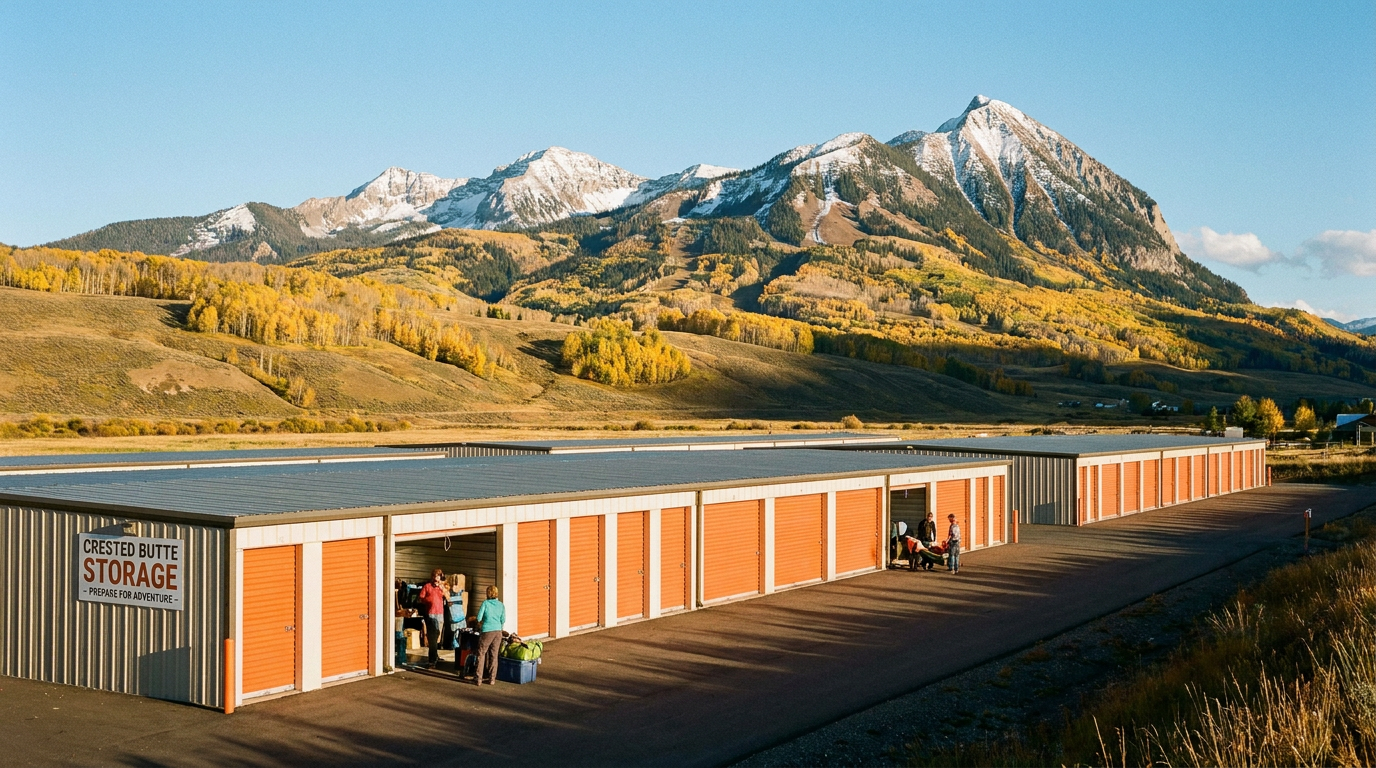
| • | Crested Butte's elevation (8,885 feet) creates temperature swings of 40°F or more between day and night |
What Climate-Controlled Storage Actually Provides
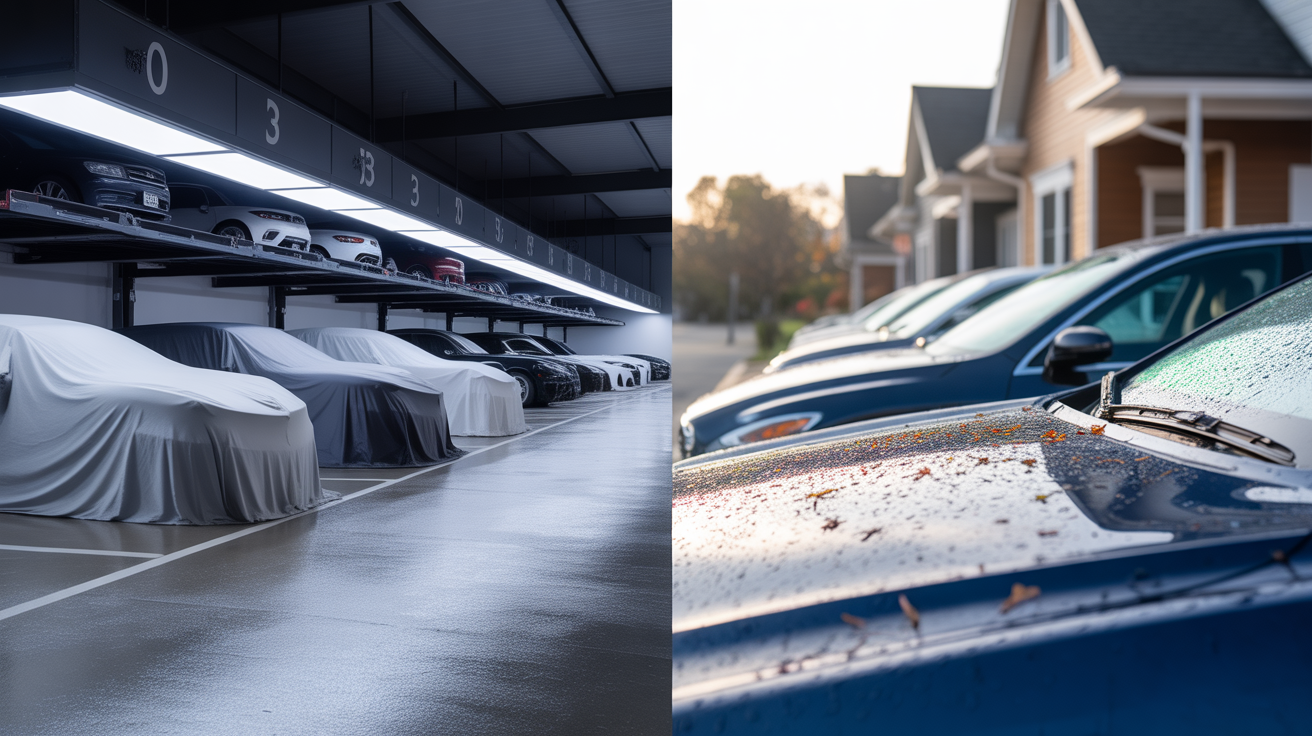
Climate-controlled storage maintains temperatures between 55-80°F year-round and keeps humidity levels between 30-50%. According to the Self Storage Association's 2025 industry report, these conditions prevent 94% of temperature and humidity-related damage to stored items. Standard outdoor units in mountain regions like the Gunnison Valley can experience temperature fluctuations exceeding 50°F in a single 24-hour period.
Indoor units at facilities like Elk Mountain Storage provide an additional layer of protection beyond temperature control. The enclosed building structure shields items from dust, pests, and the intense UV exposure common at high altitudes. The Consumer Electronics Association notes that UV degradation causes 23% of premature electronics failures in storage.
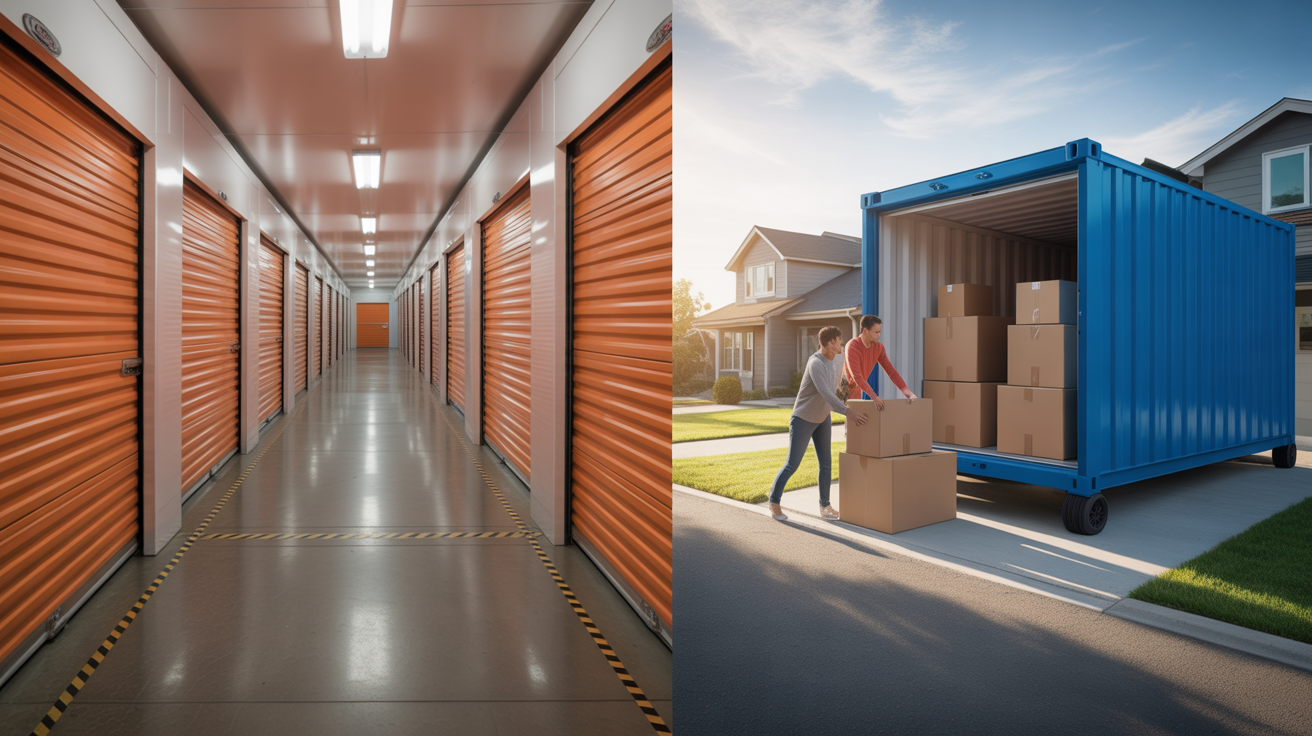
The distinction between "indoor" and "climate-controlled" matters. Some indoor units simply sit inside a building without active heating or cooling. True climate control includes HVAC systems that regulate both temperature and humidity. When evaluating options, ask specifically about temperature ranges and humidity monitoring.
Cost Comparison: Indoor vs. Standard Storage Units
The price difference between climate-controlled and standard storage varies by location and unit size. National averages from SpareFoot's 2025 storage index show climate control adds 20-30% to monthly costs. In mountain communities with extreme weather, the premium can reach 35-40% due to higher heating costs during winter months.
| Unit Size | Standard (Drive-Up) | Climate-Controlled | Monthly Premium |
|---|---|---|---|
| 5x8 | $150-180 | $177 | $0-27 |
| 5x10 | $229-259 | $236-271 | $7-42 |
| 10x10 | $561 | $140 (upstairs) | Savings of $421 |
Local pricing at Elk Mountain Storage demonstrates an interesting pattern. The 10x10 Interior Upstairs unit at $140/month actually costs less than comparable drive-up options while providing climate control benefits. This pricing reflects the trade-off between ground-floor convenience and environmental protection. For electronics and documents that do not require frequent access, upstairs interior units offer exceptional value.
Why Electronics Require Temperature Control
Electronics contain components that expand and contract with temperature changes. According to research published by the Institute of Electrical and Electronics Engineers (IEEE), repeated thermal cycling causes solder joints to crack and circuit boards to warp. A television stored in a non-climate-controlled unit through a Colorado winter experiences the equivalent stress of 15-20 years of normal household use.
Specific temperature thresholds matter for different devices. Hard drives fail when temperatures drop below 41°F, as lubricants in the spindle motor thicken and prevent proper operation. LCD screens can develop permanent dark spots when frozen. Lithium-ion batteries in laptops and tablets degrade rapidly above 86°F, losing up to 35% of their capacity in six months according to Battery University's testing data.
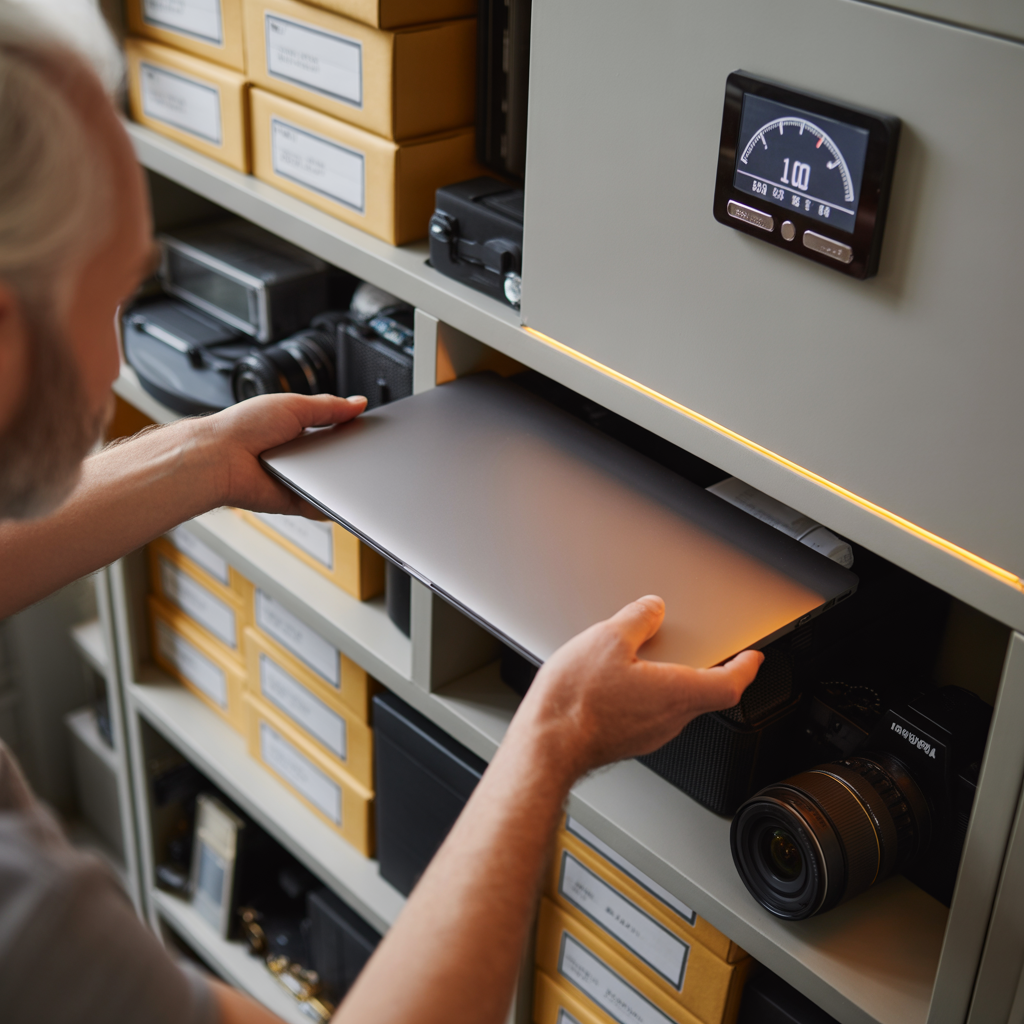
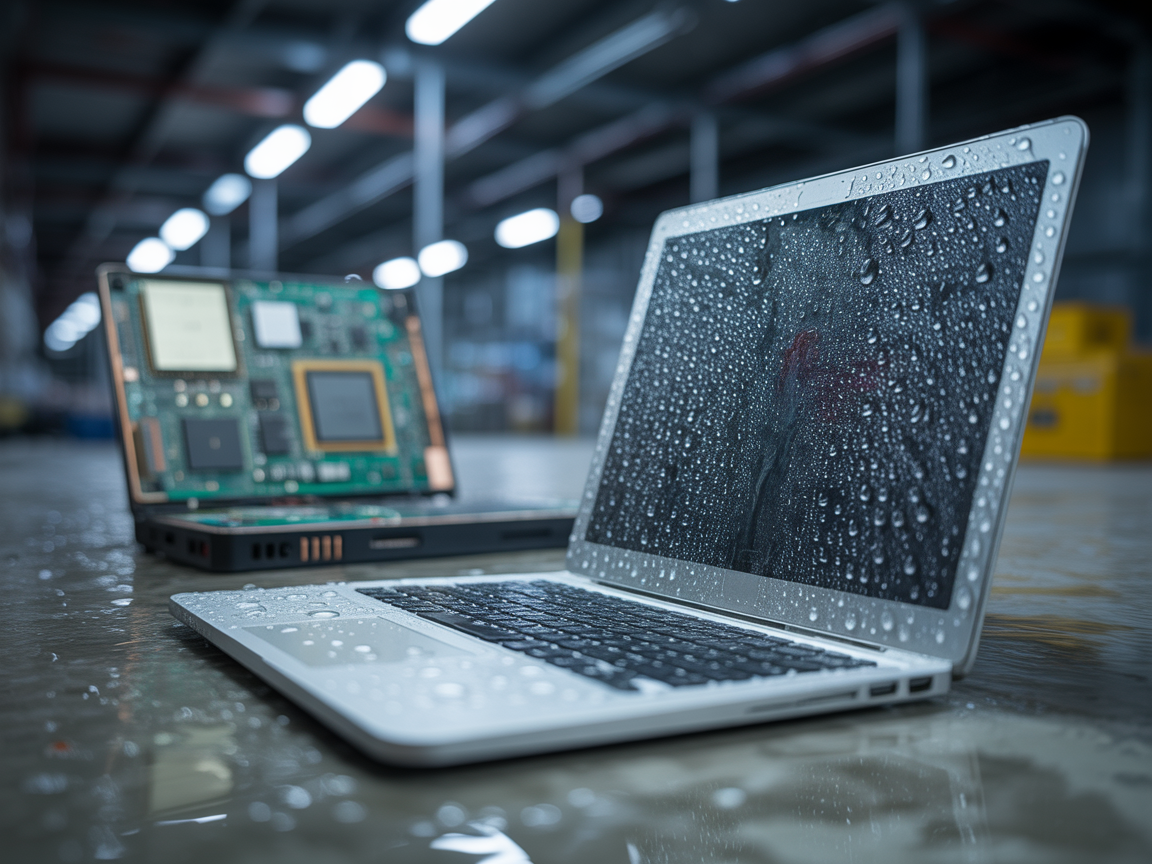
Humidity creates equally serious problems. The Electronics Industries Alliance sets 60% relative humidity as the maximum safe level for stored electronics. Above this threshold, corrosion begins forming on copper traces and connector pins within 30 days. In the Gunnison Valley, summer monsoon season can push outdoor humidity above 70% even in typically dry conditions.
Electronics Most Vulnerable to Storage Damage
Certain electronics categories face higher risk than others. Televisions with LED or OLED displays contain liquid crystal components that permanently degrade when frozen. Gaming consoles like PlayStation 5 and Xbox Series X have thermal paste that can separate from processors during extreme temperature swings, causing overheating on next use.
Computer equipment requires particular attention. Solid-state drives (SSDs) can lose data when stored in cold conditions for extended periods, as the electrical charge in memory cells dissipates faster at low temperatures. Western Digital and Samsung both recommend storage temperatures between 50-85°F for their SSD products.
Musical instruments with electronic components, such as keyboards and digital pianos, combine the vulnerabilities of both electronics and wood. The Yamaha Corporation recommends climate-controlled storage for all electronic instruments, noting that warranty claims related to storage damage increased 340% between 2020 and 2025.
Document Storage Requirements and Risks
Paper documents face different but equally serious threats in non-climate-controlled storage. The National Archives and Records Administration (NARA) maintains strict environmental standards for document preservation: 65-70°F temperature and 30-40% relative humidity. Documents stored outside these ranges deteriorate at accelerated rates.
Mold growth represents the most common document damage in storage units. According to the American Institute for Conservation, mold spores germinate within 24-48 hours when humidity exceeds 65%. Once mold establishes on paper, remediation costs $3-8 per page for professional treatment, and some documents cannot be saved regardless of intervention.
High temperatures cause chemical degradation of paper fibers. The Library of Congress notes that paper stored at 90°F deteriorates twice as fast as paper kept at 70°F. For archival documents, photographs, and legal records, this accelerated aging can render materials unreadable within 5-10 years rather than the 50-100 year lifespan expected under proper conditions.
Documents That Demand Climate Control
Legal and financial records require climate-controlled storage without exception. Tax documents, which the IRS recommends keeping for 7 years, can become illegible if exposed to humidity cycles. Property deeds, vehicle titles, and insurance policies printed on thermal paper fade completely when stored above 80°F.
Photographs and negatives are particularly vulnerable. Kodak's preservation guidelines specify that color photographs stored above 75°F will show visible fading within 10 years. Black-and-white prints last longer but still require humidity control to prevent silver mirroring, a form of degradation that causes metallic sheen on image surfaces.
Business records including contracts, employee files, and accounting documents often carry legal retention requirements. The Sarbanes-Oxley Act mandates 7-year retention for certain financial records. Storing these documents in conditions that cause deterioration can create compliance issues and legal liability. Consider reviewing storage protection plans for additional coverage on valuable documents.
The Break-Even Calculation for Climate Control
Determining whether climate control is worth the cost requires calculating your specific risk exposure. The formula considers replacement value of stored items, probability of damage in standard storage, and the monthly premium for climate control.
For a practical example: storing a $1,200 television, $800 laptop, and $500 worth of documents (replacement value $2,500 total) in a standard unit carries approximately 15-25% damage risk over 12 months in mountain climates, according to claims data from storage insurance providers. The expected loss equals $375-625. If climate control costs $40 more per month ($480 annually), the investment makes financial sense when stored items exceed roughly $2,000 in value.
The calculation shifts dramatically for irreplaceable items. Family photographs, original legal documents, and discontinued electronics cannot be replaced at any price. For these items, climate control becomes essential regardless of the cost differential. The peace of mind alone justifies the premium for most people storing sentimental or unique items.
When Standard Storage Units Work Fine
Not every storage situation requires climate control. Understanding when standard units provide adequate protection saves money without risking damage. The key factors include storage duration, item sensitivity, and local climate conditions.
Short-term storage under 30 days rarely requires climate control, even for electronics. Temperature and humidity damage accumulates over time, and brief exposure to suboptimal conditions causes minimal harm. Moving situations where items spend 2-4 weeks in storage before reaching their destination typically work fine in standard units.
Certain item categories tolerate temperature variation well. Metal tools, outdoor equipment, holiday decorations (excluding candles and certain ornaments), and most sporting goods store safely in drive-up units. Furniture made from solid hardwood handles temperature swings better than particleboard or laminate, though humidity remains a concern for all wood products.
Seasonal Considerations in Mountain Climates
Crested Butte and the surrounding Gunnison Valley present unique storage challenges. Winter temperatures regularly drop below 0°F, while summer afternoons can exceed 85°F. This 85+ degree annual temperature range exceeds what most consumer electronics are designed to withstand.
The shoulder seasons of spring and fall create additional complications. Rapid temperature swings of 40-50°F between day and night cause condensation inside storage units. This moisture accumulation can damage items even when average temperatures remain acceptable. Standard units without climate control cannot prevent condensation during these transitional periods.
Altitude adds another factor. At 8,885 feet, Crested Butte receives 25% more UV radiation than sea-level locations. Items stored in units with any exterior exposure face accelerated UV degradation. Indoor units provide complete UV protection regardless of climate control status.
Choosing the Right Unit Size for Electronics and Documents
Proper unit sizing ensures adequate protection while controlling costs. Electronics and documents require more careful organization than general household items because stacking and compression can cause damage. The storage unit size guide provides detailed recommendations for different storage scenarios.
A 5x8 climate-controlled unit (40 square feet) accommodates approximately 2-3 televisions, a desktop computer setup, and 10-15 file boxes of documents. This size works well for home office contents or a small electronics collection. Elk Mountain Storage offers this configuration at $177/month with climate control included.
Larger collections require 10x10 units (100 square feet), which hold the equivalent of a one-bedroom apartment's worth of electronics and furniture. The 10x10 Interior Upstairs unit at $140/month provides exceptional value for climate-controlled storage of this size. The upstairs location requires carrying items up stairs but offers lower pricing than ground-floor alternatives.
Preparing Electronics for Climate-Controlled Storage
Even climate-controlled storage requires proper preparation to maximize protection. Electronics should be cleaned before storage, as dust and debris can cause problems over time. Compressed air removes particles from vents and ports, while microfiber cloths clean screens and surfaces without scratching.
Remove batteries from all devices before storage. Batteries can leak corrosive chemicals even in ideal conditions, and the damage spreads to surrounding components. Store batteries separately in sealed containers at room temperature. For devices with non-removable batteries (smartphones, tablets, laptops), charge to 50% capacity before storage, as both full charge and complete discharge stress lithium-ion cells.
Original packaging provides the best protection for electronics. Manufacturers design boxes with custom foam inserts that absorb shock and prevent movement. When original packaging is unavailable, wrap items in anti-static bubble wrap and place in sturdy boxes with adequate padding. Never use newspaper, which transfers ink and provides minimal cushioning.
Document Preparation Best Practices
Documents require acid-free storage materials to prevent long-term degradation. Standard cardboard boxes contain lignin, which breaks down into acids that yellow and weaken paper. Archival-quality boxes from suppliers like Hollinger Metal Edge or Gaylord Archival cost $8-15 each but provide decades of protection.
Photographs should never touch each other directly. Acid-free tissue paper or archival sleeves prevent images from sticking together or transferring chemicals between prints. The Image Permanence Institute at Rochester Institute of Technology recommends storing photographs vertically rather than stacked flat to prevent pressure damage.
Create a detailed inventory of stored documents before placing them in storage. List box contents, document dates, and any retention requirements. This inventory serves both organizational and insurance purposes, making it easier to locate specific items and document losses if damage occurs.
Insurance Considerations for Valuable Storage
Standard renter's or homeowner's insurance policies often exclude items in storage facilities, or provide limited coverage. Review your existing policies before assuming protection extends to stored electronics and documents. Most policies cap off-premises coverage at 10% of total coverage limits.
Storage facility protection plans offer an alternative. These plans, typically costing $10-25/month, provide coverage specifically for stored items. Coverage limits range from $2,000 to $15,000 depending on the plan selected. Read policy details carefully, as some plans exclude electronics or require itemized inventories for claims.
For high-value electronics collections or irreplaceable documents, consider scheduled personal property coverage through your insurance provider. This coverage lists specific items with agreed-upon values, eliminating disputes during claims. The additional premium typically runs 1-2% of item value annually but provides comprehensive protection including accidental damage.
Frequently Asked Questions
What temperature do climate-controlled storage units maintain?
Climate-controlled units maintain temperatures between 55-80°F year-round. This range keeps electronics within manufacturer specifications and prevents the freeze-thaw cycles that damage documents. Humidity levels stay between 30-50%, preventing both mold growth and the excessive dryness that causes paper to become brittle.
How much more do climate-controlled units cost than standard ones?
Climate-controlled units typically cost 20-30% more than standard drive-up units of the same size. For a 10x10 unit, this translates to $30-60 additional per month in most markets. However, pricing varies significantly by location and facility. Some interior units, like upstairs options, may cost less than ground-floor drive-up units while still providing climate control.
Can electronics be stored in non-climate-controlled units?
Electronics can survive short-term storage (under 30 days) in non-climate-controlled units during mild weather. However, storage exceeding one month or during temperature extremes risks permanent damage. Hard drives, LCD screens, and lithium batteries are particularly vulnerable. The repair or replacement cost for damaged electronics typically exceeds the savings from choosing standard storage.
Is climate control necessary for paper documents and photos?
Climate control is essential for long-term document and photo storage. Paper develops mold at humidity levels above 60% and degrades twice as fast at 90°F compared to 70°F. Photographs fade visibly within 10 years when stored above 75°F. For documents with legal retention requirements or sentimental photographs, climate control prevents irreversible damage.
What size storage unit do I need for electronics and files?
A 5x8 unit (40 square feet) holds 2-3 televisions, a computer setup, and 10-15 file boxes. A 5x10 unit (50 square feet) accommodates a small home office worth of equipment. For larger collections including furniture, a 10x10 unit (100 square feet) provides adequate space with room for organization and access aisles.
Making the Right Choice for Your Storage Needs
The decision between climate-controlled and standard storage comes down to three factors: item value, storage duration, and local climate conditions. In mountain environments like Crested Butte, where temperature swings regularly exceed 40°F and winter lows drop well below freezing, climate control provides essential protection for electronics and documents.
The cost premium for climate control, while real, pales compared to potential replacement costs. A single damaged television or corrupted hard drive can exceed an entire year's worth of climate control premiums. For irreplaceable items like family photographs or legal documents, no cost comparison applies because replacement is impossible.
Elk Mountain Storage offers both climate-controlled interior units and standard drive-up options, allowing you to match storage type to item requirements. The 24/7 secure access means you can check on stored items anytime, and the locally owned facility provides personalized service that national chains cannot match. For valuable electronics and important documents, the combination of climate control, security, and accessibility makes indoor storage a sound investment.
|