Self Storage Prices in 2026: What Units Cost by Size and Type |
| SELF STORAGE PRICES
⏱ 10 min read ·
📄 #1,917 words
Self storage prices range from $35 to $485+ per month depending on unit size, location, and features. See current rates and what affects your monthly cost.
|
S elf storage prices in 2026 range from $35 to $485 or more per month, with the national average falling between $85 and $130 for a standard 10x10 unit. Your actual cost depends on four primary factors: unit size, geographic location, climate control, and access type. Mountain resort communities and major metropolitan areas typically charge 40% to 100% more than rural markets.
| Key Points: | |
|---|---|
| • | Small units (5x5 to 5x10) cost $35 to $245 per month nationally |
| • | Standard 10x10 units average $90 to $130 monthly, enough for a one-bedroom apartment |
| • | Climate-controlled storage adds 25% to 50% to base prices |
| • | Location drives the biggest price differences, with urban areas costing 2x rural rates |
| • | Drive-up access and 24/7 availability typically increase monthly costs by $15 to $40 |
Average Self Storage Prices by Unit Size
Unit size is the most straightforward pricing factor. According to Move.org's 2025 storage cost analysis, the average monthly rate scales predictably with square footage. A 5x5 unit (25 square feet) holds boxes and small items, while a 10x30 unit (300 square feet) accommodates vehicles and full household contents.
The Self Storage Association reports that 10x10 units represent the most commonly rented size, accounting for approximately 38% of all rentals nationwide. This popularity keeps pricing competitive in most markets.
| Unit Size | Square Feet | National Average | Best For |
|---|---|---|---|
| 5x5 | 25 sq ft | $35 to $75 | Boxes, seasonal decor, small furniture |
| 5x10 | 50 sq ft | $55 to $125 | Studio apartment, mattress, dresser |
| 10x10 | 100 sq ft | $90 to $175 | One-bedroom apartment contents |
| 10x20 | 200 sq ft | $150 to $300 | Two-bedroom home, vehicle storage |
| 10x30 | 300 sq ft | $200 to $485 | Large household, RV, boat |
Understanding what size storage unit you need prevents overpaying for unused space. A 10x10 unit fits approximately 3 furnished rooms, while a 10x20 handles 5 to 7 rooms comfortably.
How Location Affects Storage Unit Prices
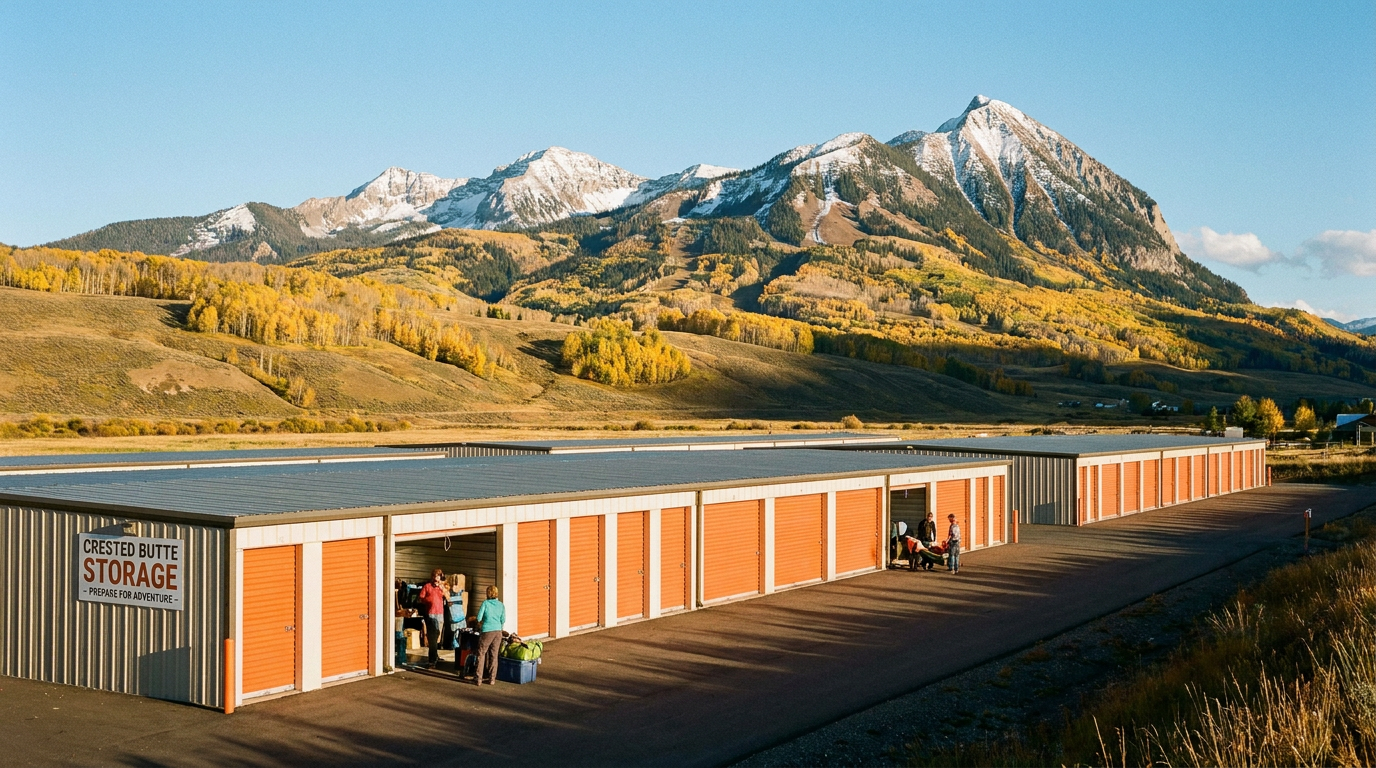
Geographic location creates the widest price variations in self storage. Data from Extra Space Storage shows that a 10x10 unit in Sacramento averages $109, while the same size in New York City exceeds $300. Mountain resort communities like Crested Butte, Aspen, and Park City fall between these extremes due to limited real estate and seasonal demand spikes.
Urban density, local real estate costs, and competition among facilities all influence pricing. Markets with fewer than three storage facilities within 5 miles typically charge 15% to 30% more than competitive markets. Rural areas with abundant land generally offer the lowest rates.
Regional Price Comparison
| Market Type | 10x10 Average | Example Cities |
|---|---|---|
| Major Metro | $175 to $350 | New York, San Francisco, Los Angeles |
| Resort/Mountain | $150 to $275 | Crested Butte, Aspen, Jackson Hole |
| Mid-Size City | $90 to $150 | Denver, Minneapolis, Sacramento |
| Suburban | $75 to $120 | Gunnison, suburban Phoenix, Boise suburbs |
| Rural | $50 to $85 | Small towns, agricultural areas |
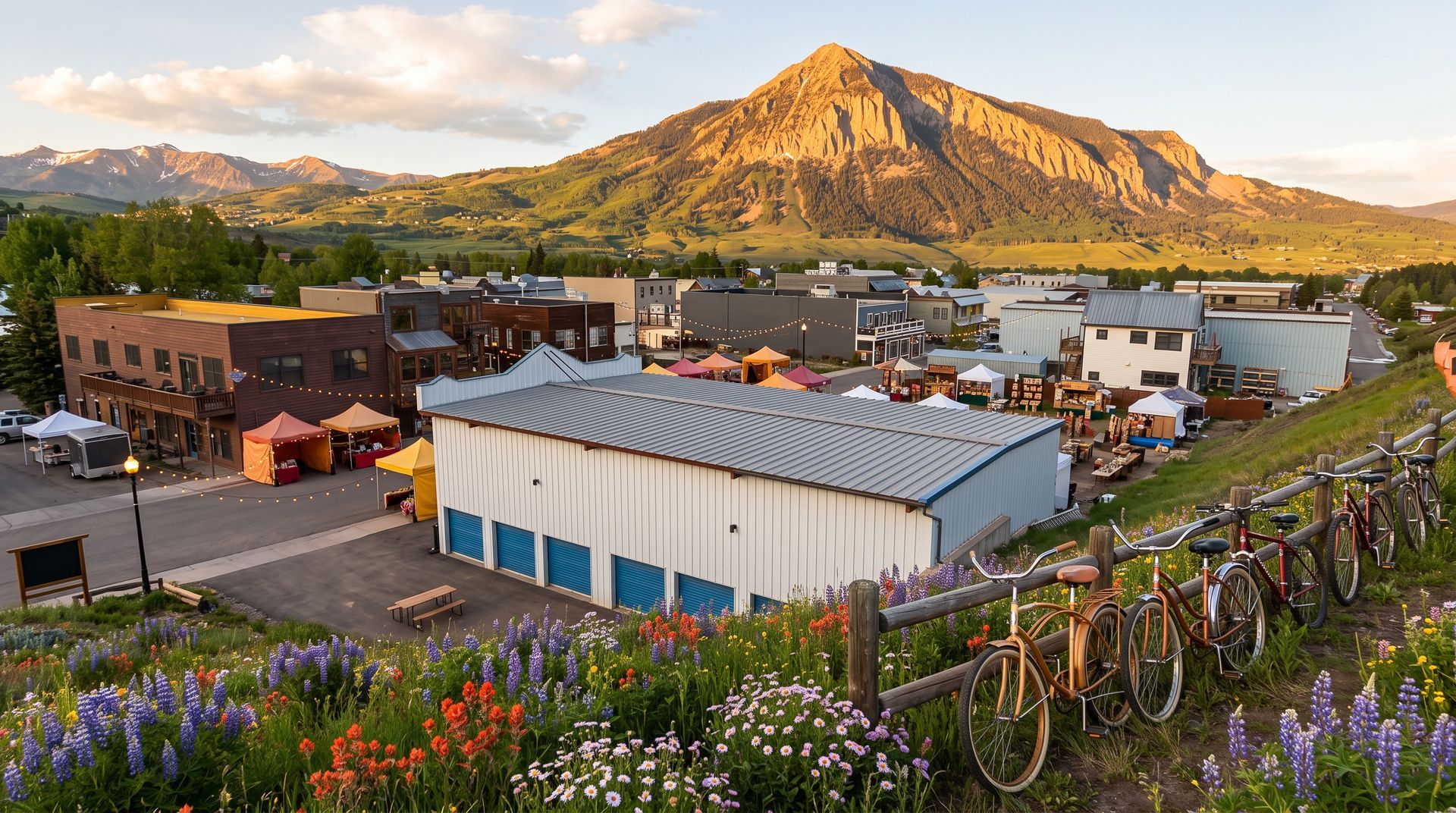
For Gunnison Valley residents, choosing between Gunnison and Crested Butte facilities involves weighing price against convenience. A 28-mile drive each way adds time and fuel costs that can offset lower monthly rates.
Climate-Controlled Storage: Is the Extra Cost Worth It?
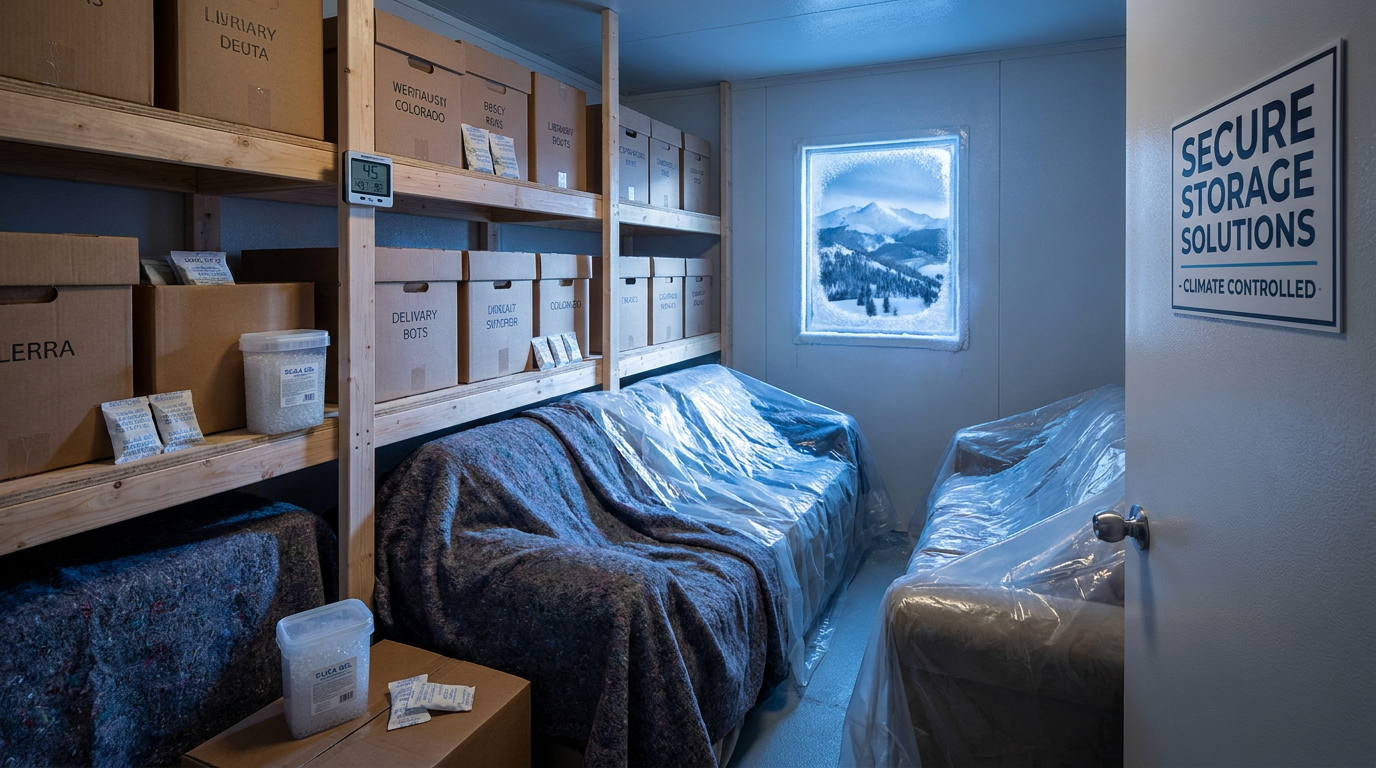
Climate-controlled units maintain temperatures between 55 and 80 degrees Fahrenheit year-round, with humidity levels typically held below 55%. This protection costs 25% to 50% more than standard units. A $100 standard unit becomes $125 to $150 with climate control.
The investment makes sense for temperature-sensitive items stored longer than 3 to 6 months. Electronics, wooden furniture, leather goods, photographs, vinyl records, and wine all benefit from stable conditions. In mountain climates where winter temperatures drop below 0 degrees Fahrenheit and summer highs exceed 90 degrees, climate control prevents warping, cracking, and moisture damage.
Items That Require Climate Control
- Electronics and appliances: Temperature swings cause condensation inside circuits
- Wooden and leather furniture: Expands and contracts with humidity changes
- Musical instruments: Wood warps, strings corrode, pads deteriorate
- Photographs and documents: Paper yellows, photos stick together
- Wine and collectibles: Temperature fluctuations degrade quality
- Artwork and antiques: Paint cracks, finishes dull
Standard drive-up units work well for outdoor equipment, tools, seasonal decorations, and items you access frequently. Learn more about storage unit pricing in mountain communities to compare options.
Drive-Up vs. Indoor Storage Pricing
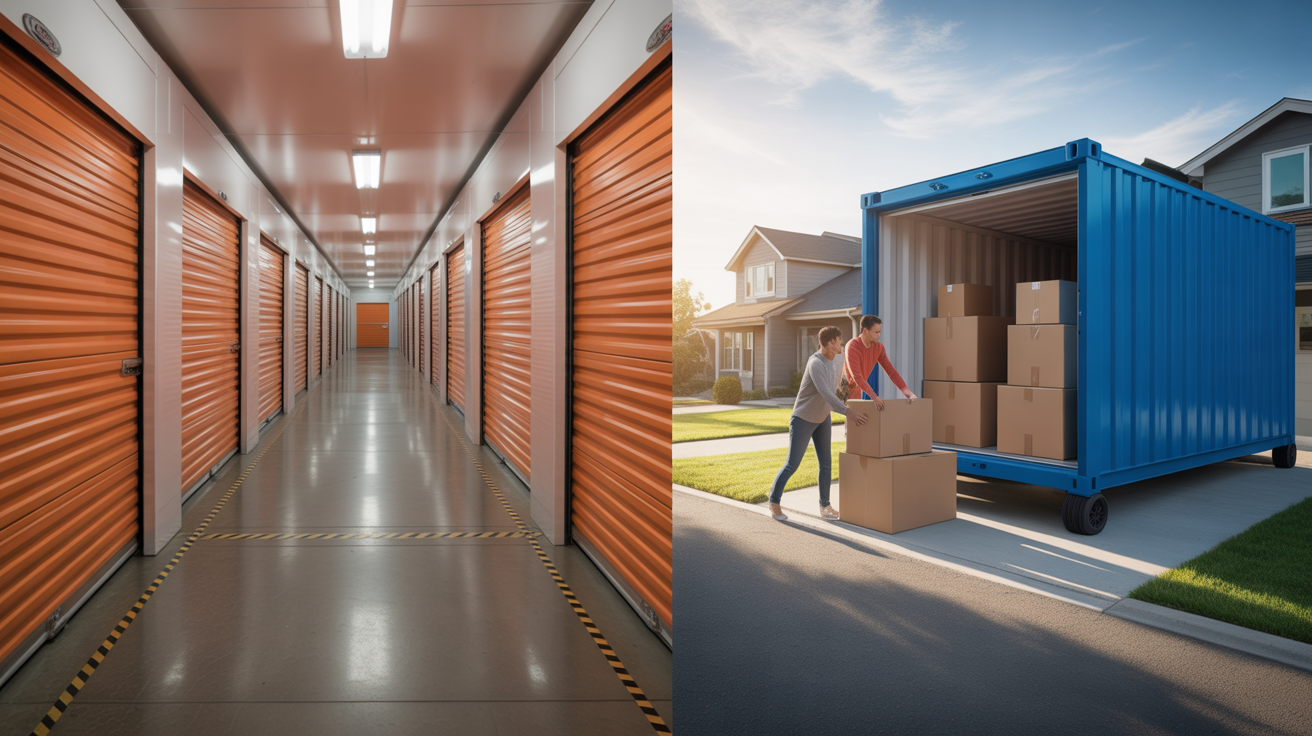
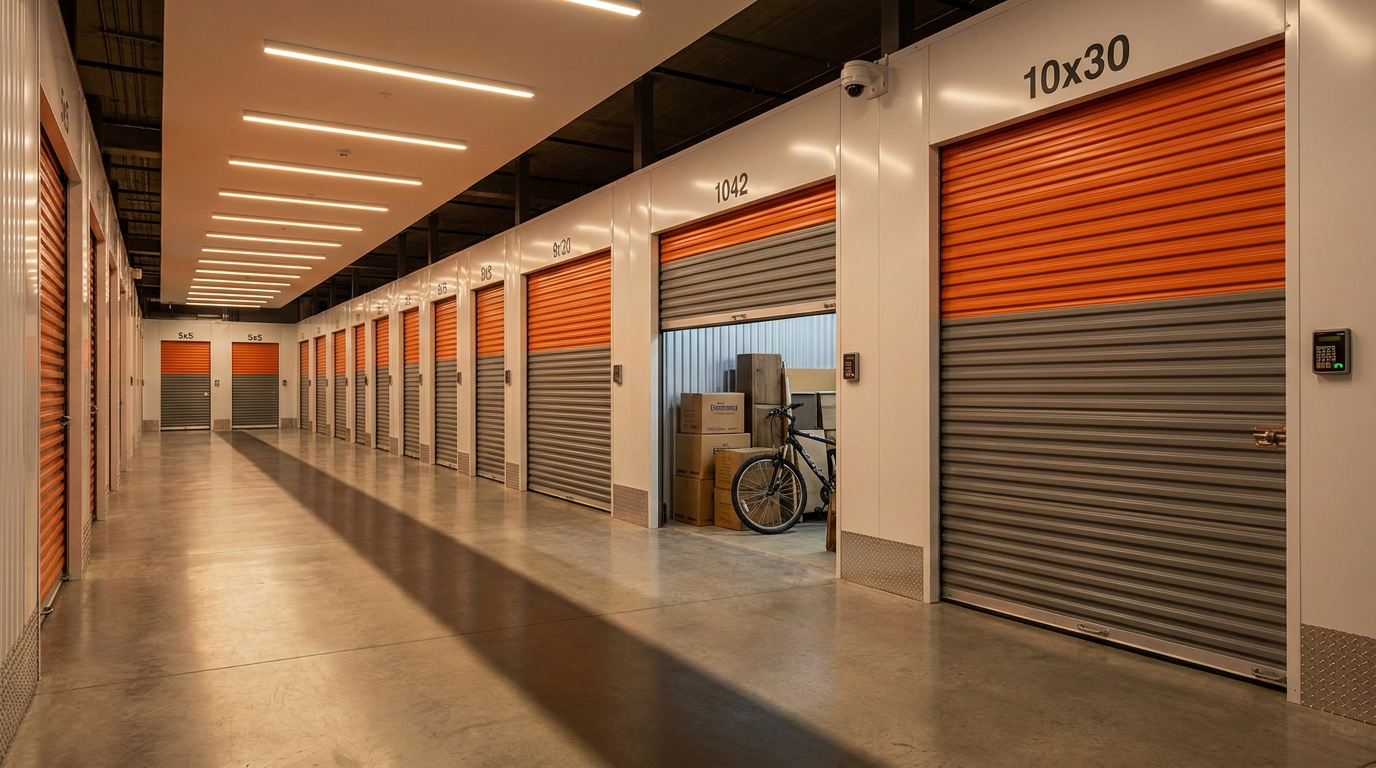
Access type affects both price and convenience. Drive-up units allow you to pull a vehicle directly to your unit door, simplifying loading and unloading of heavy items. Indoor units require navigating hallways and elevators but offer better protection from weather and temperature extremes.
Drive-up access typically adds $15 to $40 per month compared to interior units of the same size. The premium reflects the convenience factor and the additional facility space required for vehicle lanes. For renters who access their unit weekly or more frequently, drive-up access often justifies the extra cost.
According to SpareFoot, approximately 62% of self storage customers prefer drive-up access when available. The preference increases to 78% among customers storing furniture, appliances, or business inventory.
Hidden Fees That Affect Your Total Storage Cost
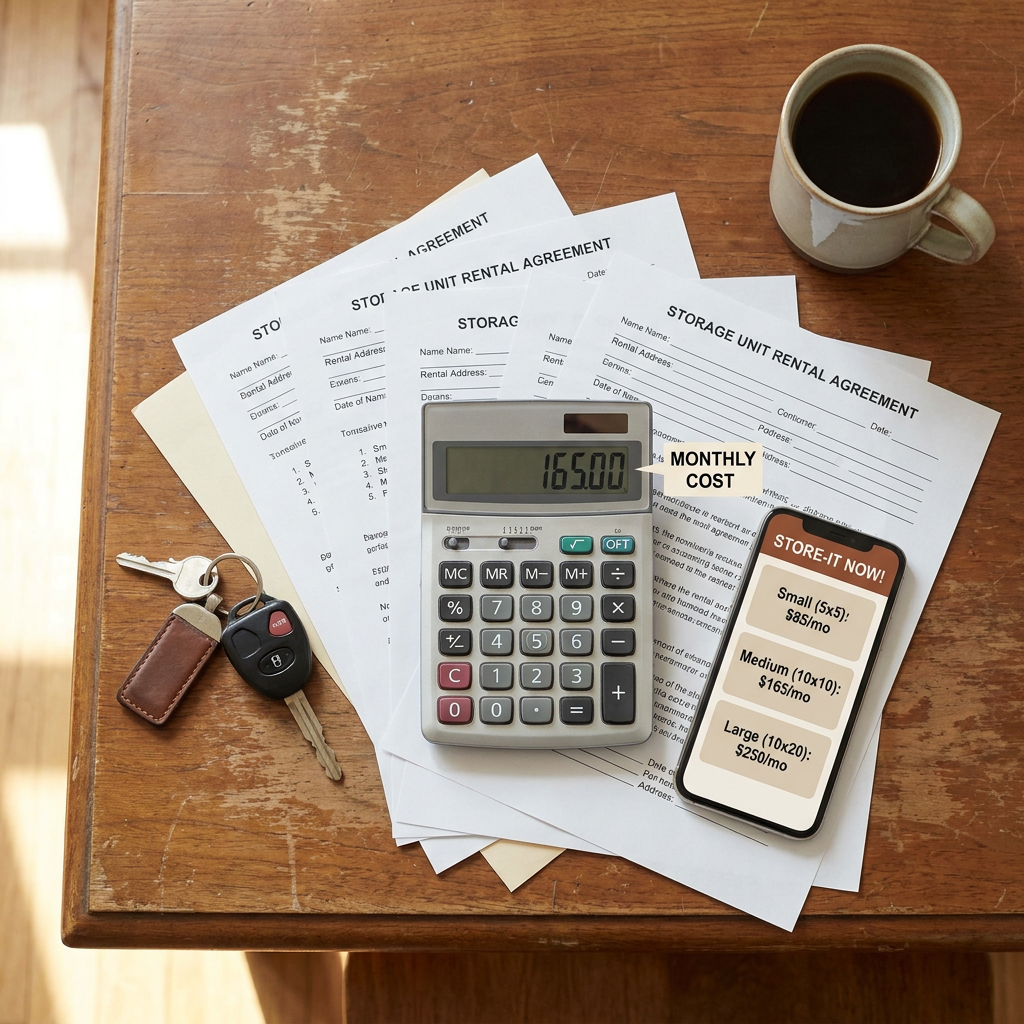
The advertised monthly rate rarely represents your complete cost. Most facilities add administrative fees, require insurance or protection plans, and may charge for locks, late payments, or after-hours access. Understanding these fees prevents budget surprises.
Common Additional Charges
| Fee Type | Typical Cost | Notes |
|---|---|---|
| Admin/Setup Fee | $15 to $30 one-time | Often waived with online booking |
| Security Deposit | $0 to $50 | Some facilities require none |
| Insurance/Protection | $10 to $25 monthly | May use existing renters insurance |
| Lock Purchase | $12 to $25 one-time | Disc locks recommended |
| Late Payment | $20 to $50 | Auto-pay avoids this entirely |
Review the tenant protection options before signing a lease. Some facilities require their protection plan regardless of existing coverage, while others accept proof of renters or homeowners insurance.
Promotional Pricing: What to Watch For
National chains like Public Storage, Extra Space Storage, CubeSmart, and U-Haul frequently advertise "first month free" or "50% off first month" promotions. These offers reduce initial costs but require understanding the long-term rate structure.
A facility advertising $49 for the first month may charge $149 starting month two. Over a 12-month rental, the effective monthly rate becomes $140.67, not $49. Always calculate your expected total cost based on rental duration.
Questions to Ask About Promotions
- What is the standard monthly rate after the promotional period?
- Does the facility implement annual rate increases? How much?
- Is there a minimum rental period to qualify for the promotion?
- Are promotional rates available for all unit sizes?
- Can the promotion be combined with other discounts?
Industry data from the Self Storage Association indicates that facilities increase rates by 8% to 12% annually for existing tenants. A unit starting at $100 may cost $112 after year one and $125 after year two. Factor potential increases into long-term storage decisions.
RV, Boat, and Vehicle Storage Costs
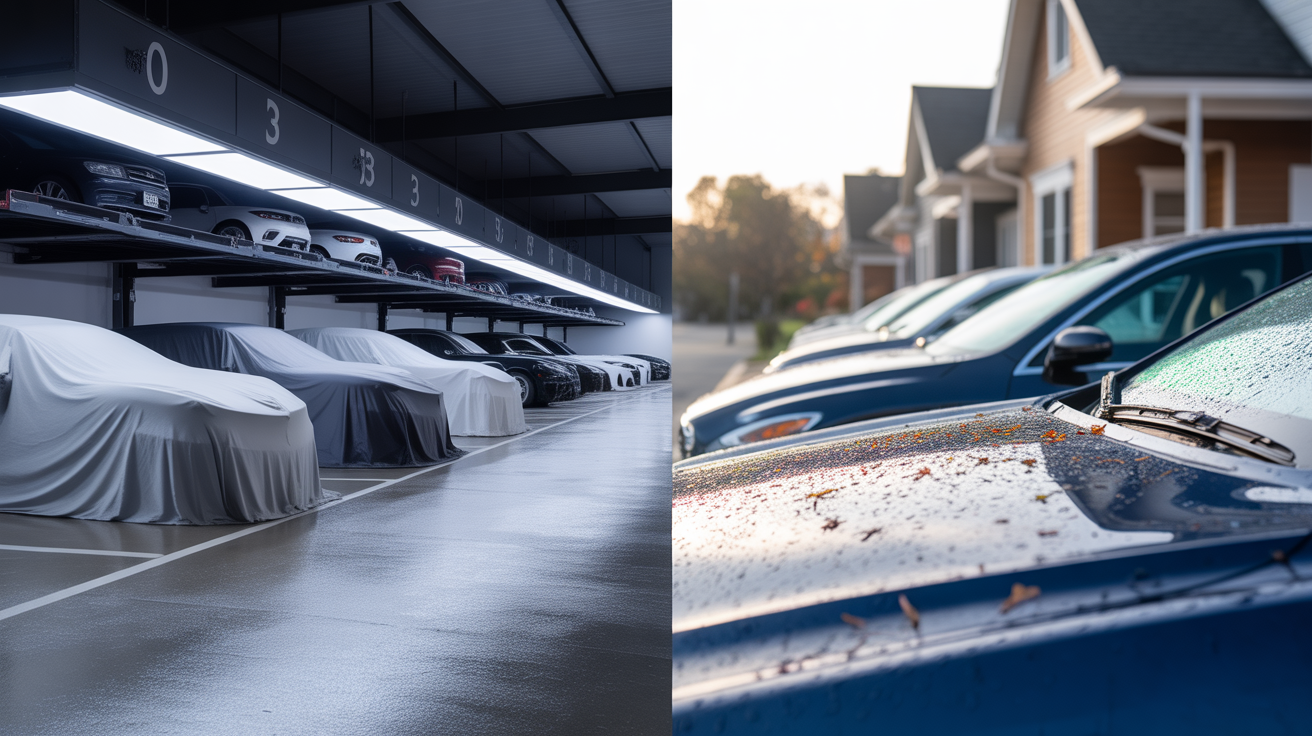
Vehicle storage represents a distinct pricing category with three main options: open parking, covered parking, and enclosed units. Prices vary dramatically based on protection level and vehicle size.
Open parking spots for cars, motorcycles, and small trailers range from $50 to $150 monthly. Covered carports protecting from sun and precipitation cost $100 to $250. Fully enclosed units for RVs and boats measuring 10x30 or larger range from $200 to $500 or more.
In mountain communities, enclosed vehicle storage commands premium pricing due to heavy snowfall and limited availability. Storing an RV in downtown Crested Butte eliminates the need to tow it 28 miles from Gunnison each time you want to use it, a convenience factor that justifies higher rates for many owners.
How to Find the Cheapest Storage Unit Near You
Finding affordable storage requires comparing more than advertised rates. The cheapest option balances monthly cost against location convenience, access hours, security features, and lease flexibility.
Cost-Reduction Strategies
Choose the right size. Renting a 10x10 when a 5x10 suffices wastes $30 to $75 monthly. Use a storage unit size guide to estimate needs accurately.
Skip climate control when possible. Items like outdoor furniture, tools, holiday decorations, and sporting equipment tolerate temperature variations. Reserve climate control for genuinely sensitive belongings.
Consider location trade-offs. A facility 10 miles away may cost 20% less than one nearby. Calculate whether the savings justify additional driving time and fuel costs over your expected rental period.
Book online. Many facilities offer $10 to $30 discounts for online reservations. Some waive administrative fees entirely for digital bookings.
Ask about long-term discounts. Prepaying 6 or 12 months sometimes reduces the effective monthly rate by 5% to 15%. This works best when you know your storage duration in advance.
Negotiate. Independent facilities often have pricing flexibility that national chains lack. Ask if they can match a competitor's rate or waive the setup fee.
Frequently Asked Questions About Storage Prices
How much should I pay for self storage?
Expect to pay $50 to $150 monthly for a standard 10x10 unit in most U.S. markets. Urban areas and resort communities run 50% to 100% higher. A reasonable rate falls within 15% of the local average for comparable unit size and features. Check storage FAQ resources for market-specific guidance.
What is the cheapest way to get storage?
The cheapest storage option combines accurate size selection, standard (non-climate-controlled) units, and facilities slightly outside high-demand areas. Booking online, avoiding premium features you do not need, and choosing month-to-month leases without deposits all reduce costs. Compare at least three facilities before committing.
How much is monthly payment for storage?
Monthly storage payments range from $35 for small 5x5 units to $500 or more for large vehicle storage. The national average for all unit types is approximately $130 per month. Your payment includes base rent plus any required insurance or protection plan, typically adding $10 to $25 monthly.
What's the cheapest storage company?
No single company offers the lowest prices everywhere. National chains like Public Storage, Extra Space Storage, and CubeSmart compete on promotional pricing but may have higher standard rates. Local independent facilities often provide better long-term value. According to RecNation Storage, comparing 3 to 5 nearby facilities typically reveals 20% to 40% price differences for identical unit sizes.
Do storage prices go up after the first month?
Yes. Promotional rates apply only to the initial period, typically 1 to 3 months. Standard rates then apply and may increase annually. Ask about rate increase policies before signing. Some facilities guarantee rates for 6 to 12 months, while others adjust quarterly based on demand.
How big is a 10x10 storage unit?
A 10x10 storage unit provides 100 square feet of floor space, roughly equivalent to a small bedroom. With 8-foot ceilings, total capacity reaches 800 cubic feet. This size accommodates contents from a one-bedroom apartment, including a sofa, dining set, mattress, boxes, and miscellaneous furniture.
Making the Right Storage Decision
Self storage pricing reflects a balance between space, protection, convenience, and location. The cheapest unit is not always the best value if it requires long drives, lacks security features, or exposes your belongings to damaging conditions.
For business storage needs, factor in time costs for employees accessing inventory. Contractors, retailers, and property managers often find that centrally located facilities with 24/7 access justify premium pricing through operational efficiency.
Seasonal residents and second-home owners in mountain communities face unique considerations. Storing belongings near your property eliminates the need to transport items long distances and ensures access when you need it, regardless of weather conditions or road closures.
|