Self-Storage vs Portable Storage Containers: Cost Comparison |
| SELF-STORAGE VS PORTABLE STORAGE CONTAINERS: WHICH SAVES MONEY
⏱ 12 min read ·
📄 #2,277 words
Compare self-storage vs portable storage container costs. Learn which option saves money based on duration, distance, and your specific storage needs in 2026.
|
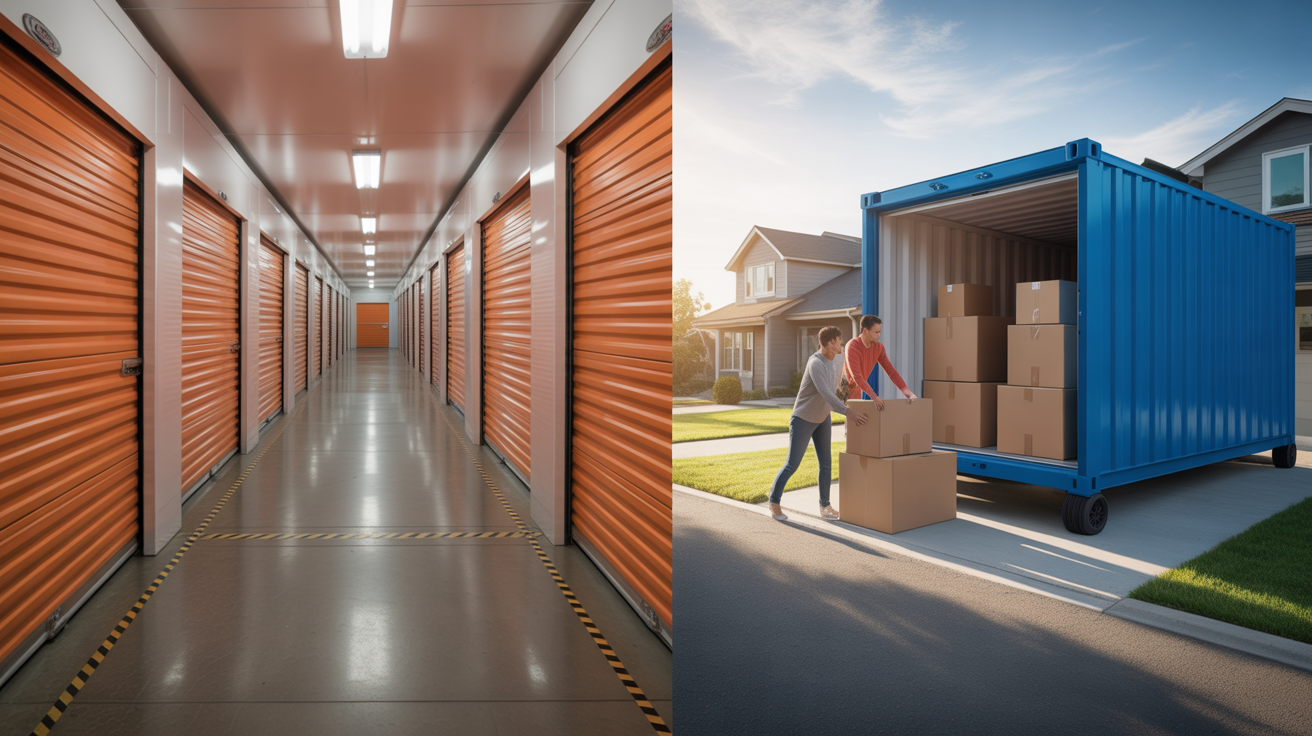
S elf-storage units cost $30 to $200 per month and save money for storage lasting three months or longer. Portable storage containers cost $119 to $350 monthly but include delivery, making them more economical for moves or short-term needs under 90 days when factoring in truck rental and transportation costs.
| Key Points: | |
|---|---|
| • | Self-storage wins for long-term storage: $30 to $200 per month with no delivery fees |
| • | Portable containers cost $300 to $2,150 for local moves but eliminate truck rental expenses |
| • | Break-even point occurs around 3 months; after that, self-storage saves $50 to $150 monthly |
| • | Climate-controlled self-storage adds 20 to 30 percent to base rates but protects sensitive items |
| • | Long-distance moves favor portable containers at $1,250 to $7,700 versus separate transport costs |
Complete Cost Breakdown: Self-Storage vs Portable Containers
According to the Self Storage Association's 2025 industry report, the average American pays $115 per month for a 10x10 self-storage unit. Portable container companies like PODS, U-Pack, and Zippy Shell charge $119 to $359 monthly, plus delivery and pickup fees ranging from $160 to $250 each way.
The true cost comparison requires calculating total expenses, not just monthly rates. A 2024 Consumer Reports analysis found that 67 percent of storage customers underestimate their total costs by ignoring transportation, time, and convenience factors.
| Cost Factor | Self-Storage | Portable Containers |
|---|---|---|
| Monthly Rate (10x10 equivalent) | $30 to $200 | $119 to $350 |
| Delivery Fee | $0 (you transport) | $160 to $250 |
| Pickup Fee | $0 | $160 to $250 |
| Truck Rental (if needed) | $50 to $200 | $0 (included) |
| Local Move Total (30 days) | $80 to $400 | $300 to $1,000 |
| 6-Month Storage Total | $180 to $1,200 | $714 to $2,100 |
| Long-Distance Move (1,000 miles) | $800 to $2,500 plus transport | $2,000 to $7,700 |
When Self-Storage Saves You the Most Money
Self-storage facilities offer the lowest cost per square foot for stationary storage needs. Data from SpareFoot's 2025 market analysis shows the national average at $1.15 per square foot monthly, compared to $2.40 per square foot for portable containers stored at company facilities.
The math clearly favors self-storage in three scenarios: storage exceeding three months, situations where you already own a truck or trailer, and locations within 10 miles of your home. A study by the American Moving and Storage Association found that customers storing items for six months or longer saved an average of $534 by choosing self-storage over portable containers.
Long-Term Storage Cost Example
Consider storing a two-bedroom apartment's contents for one year. Using PODS pricing data from March 2026, a 16-foot container at their facility costs $359 per month, totaling $4,308 annually plus initial delivery of $199. The same volume fits in a 10x15 self-storage unit averaging $165 per month, totaling $1,980 for the year.
Even adding a one-time U-Haul truck rental of $150 for loading, self-storage saves $2,178 over 12 months. This calculation assumes two loading trips; customers with vehicles capable of hauling belongings save even more. For residents in the Gunnison Valley area, our storage unit size guide helps determine the right fit for your belongings.
Climate Control Considerations
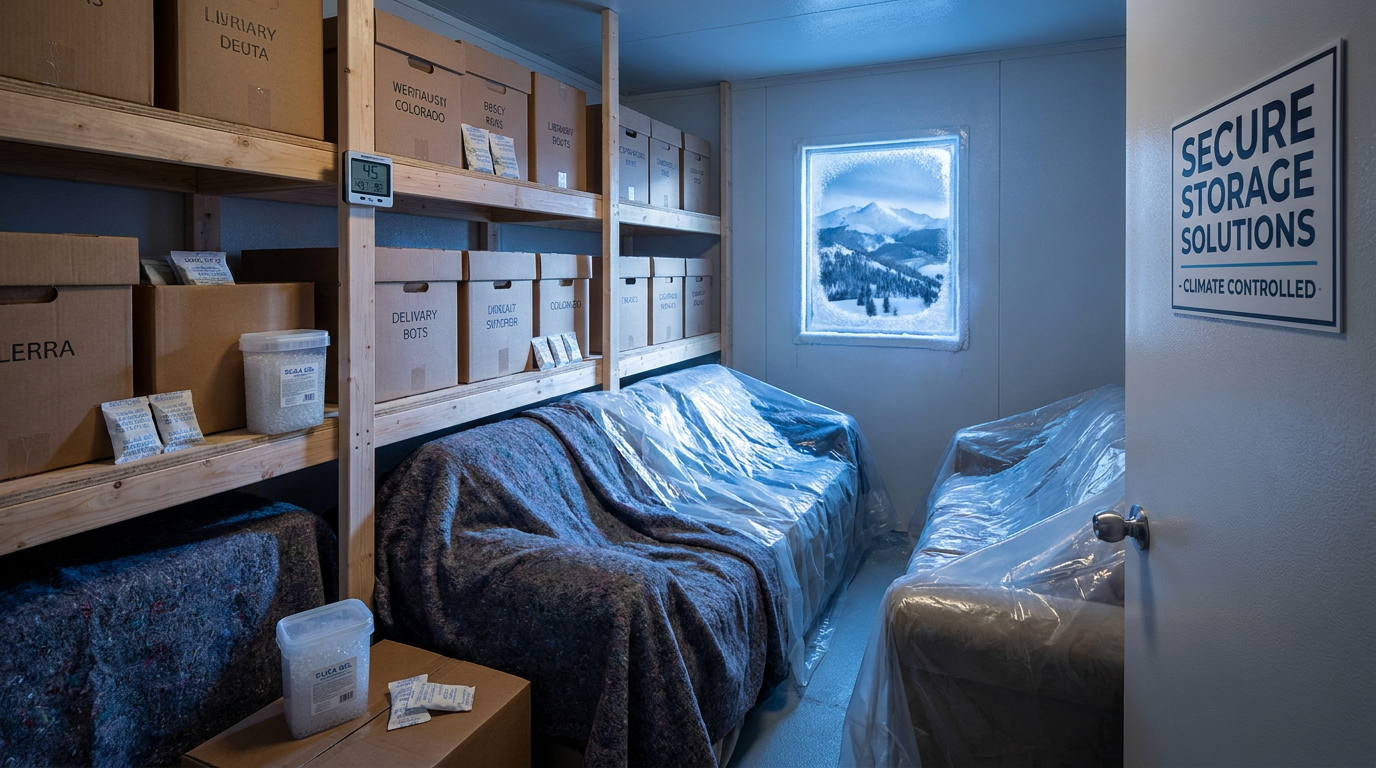
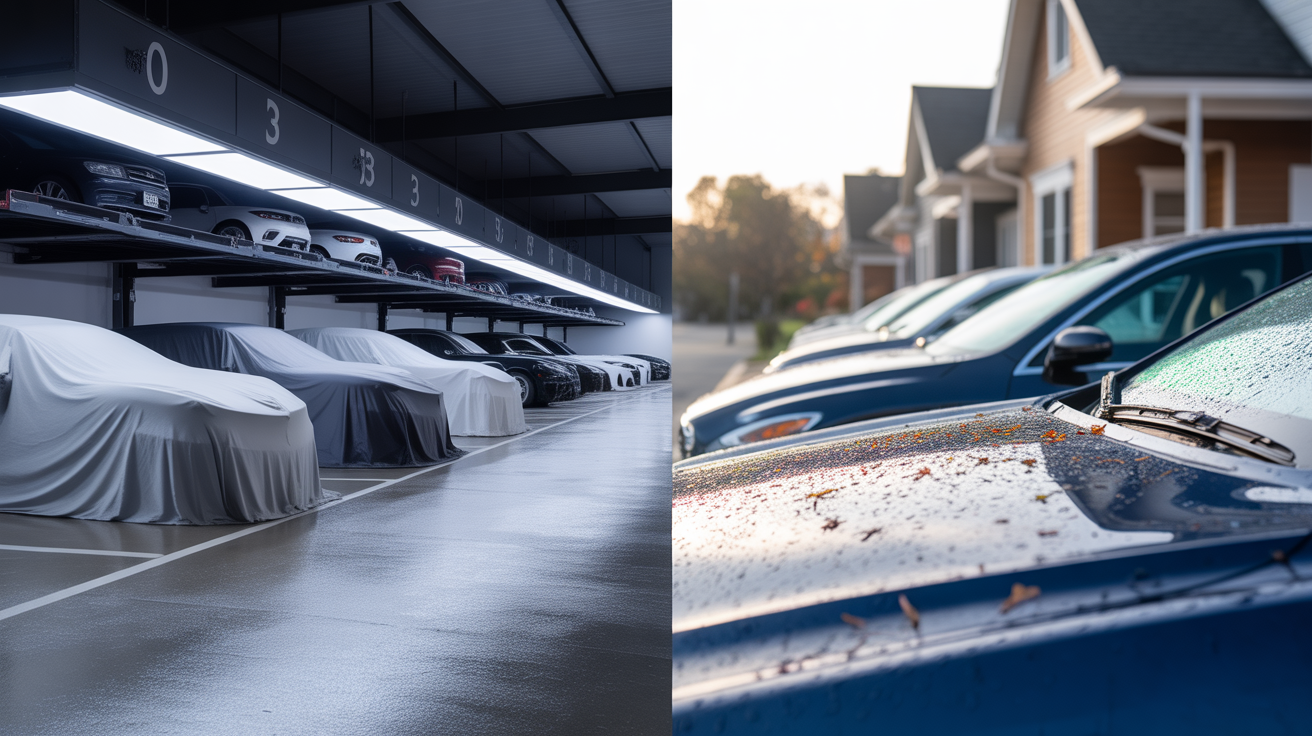
Climate-controlled self-storage units maintain temperatures between 55 and 80 degrees Fahrenheit year-round. According to the Institute of Inspection, Cleaning and Restoration Certification, items stored in uncontrolled environments experience 23 percent more damage from humidity and temperature fluctuations.
Most portable containers lack climate control entirely. PODS, 1-800-PACK-RAT, and U-Pack store containers in outdoor yards where temperatures can exceed 120 degrees Fahrenheit in summer or drop below freezing in winter. For electronics, wooden furniture, photographs, or documents requiring storage beyond six months, climate-controlled self-storage provides superior protection despite the 20 to 30 percent premium.
When Portable Storage Containers Save Money
Portable containers eliminate the hidden costs of multiple trips, truck rentals, and loading labor. Research from Move.org indicates the average self-storage customer makes 4.2 trips during the loading and unloading process, spending $87 in fuel and 11 hours of time.
The convenience factor translates to real savings in three situations: local moves under 250 miles, home renovations lasting 30 to 90 days, and scenarios requiring on-site access to stored items. Zippy Shell's 2025 customer data shows their average local move costs $470 to $2,150, competitive with self-storage plus professional movers.
Moving Scenario Cost Analysis
For a household relocating 50 miles away, portable containers often win. The traditional approach requires renting a 10x10 self-storage unit ($115 per month), a moving truck ($150), and potentially hiring labor ($200 to $400). Total cost: $465 to $665 plus multiple days of effort.
A PODS 12-foot container for the same move runs approximately $2,479 total, including 30 days of storage and transport to the new location. However, this price includes door-to-door service with flexible loading time. For households valuing convenience or lacking help for multiple loading sessions, the premium often makes sense.
Home Renovation Storage
Contractors and homeowners frequently choose portable containers during kitchen or bathroom remodels lasting four to eight weeks. HomeAdvisor's 2025 survey found that 78 percent of renovation projects experience delays, making flexible storage essential.
Keeping a container in your driveway costs $119 to $200 monthly with most providers, eliminating repeated trips to a storage facility. BigBox Storage and Mobile Mini offer month-to-month rentals specifically designed for renovation projects, with some including the first 30 days in their delivery fee.
Hidden Costs Most People Miss
Both storage options carry expenses beyond advertised rates. The Federal Trade Commission received 2,847 complaints about storage pricing in 2024, primarily regarding undisclosed fees and automatic rate increases.
Self-Storage Hidden Fees
Administrative fees range from $15 to $50 at initial rental. Many facilities require tenant protection insurance costing $10 to $30 monthly, though some allow proof of homeowner's or renter's insurance instead. Learn about storage protection plans and coverage options before signing any agreement.
Late payment penalties typically run $20 to $50, with facilities legally permitted to auction contents after 30 to 90 days of nonpayment depending on state law. Colorado requires 30 days notice before lien sales. Annual rate increases averaging 5 to 10 percent affect long-term customers, according to Inside Self-Storage magazine's 2025 industry survey.
Portable Container Hidden Fees
Fuel surcharges add 3 to 8 percent to quoted prices during periods of high gas costs. Extended rental fees apply when customers exceed the included storage period, typically adding $15 to $25 per day. Damage waivers cost $10 to $20 monthly but may duplicate existing insurance coverage.
Permit requirements catch many customers off guard. Cities including Denver, Boulder, and Colorado Springs require driveway permits for containers exceeding 72 hours, costing $25 to $100. Homeowners associations may prohibit containers entirely or limit placement duration to 14 days.
Security Comparison: Protecting Your Belongings
Self-storage facilities invest heavily in security infrastructure. The Self Storage Association reports that 94 percent of facilities now feature video surveillance, 89 percent have electronic gate access, and 67 percent employ on-site managers. These measures result in theft rates below 0.1 percent annually at professionally managed facilities.
Portable containers on residential property face higher risk. FBI crime statistics show that items stored in driveways experience theft rates 340 percent higher than those in secured facilities. However, containers stored at company warehouses offer security comparable to traditional self-storage.
| Security Feature | Self-Storage Facility | Portable (On-Site) | Portable (Warehouse) |
|---|---|---|---|
| 24/7 Video Surveillance | 94% of facilities | Depends on home | Most facilities |
| Gated Access | 89% of facilities | No | Yes |
| Individual Unit Alarms | 34% of facilities | No | No |
| On-Site Staff | 67% of facilities | Homeowner present | Limited hours |
| Theft Rate | Below 0.1% | 0.34% | Below 0.15% |
Access and Convenience Trade-offs
Self-storage facilities with 24/7 access allow visits anytime, though driving to the location takes time. The average American lives 7.2 miles from their storage unit, according to SpareFoot data, requiring 15 to 30 minutes of travel each direction.
Portable containers on your property offer immediate access without travel. This proves valuable during moves when you need frequent access over several days. However, once containers move to company warehouses, access typically requires 24 to 48 hours advance notice and scheduled appointments.
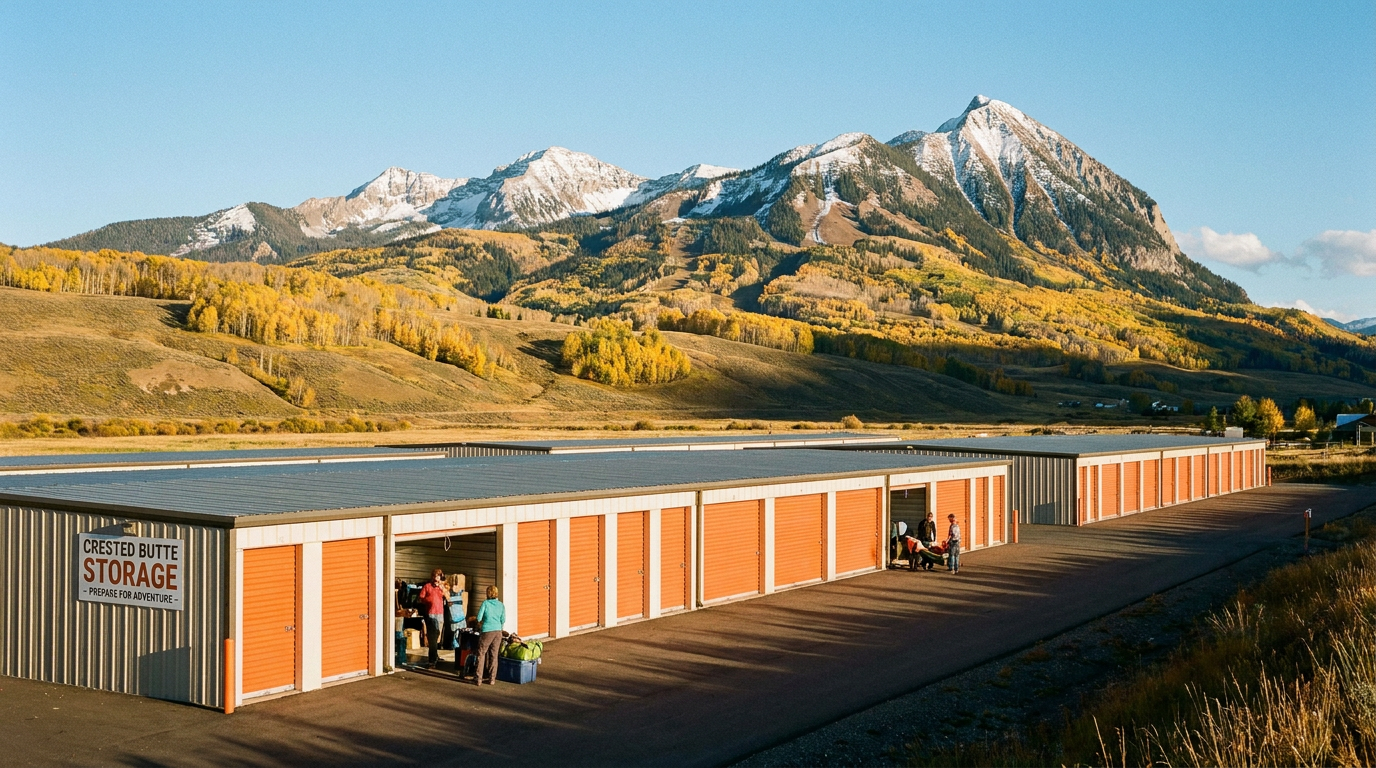
For Crested Butte residents and seasonal visitors, locally owned storage facilities offer the advantage of knowing the community and understanding local storage needs, from ski equipment to summer recreation gear.
Size Options and Flexibility
Self-storage facilities typically offer 8 to 15 different unit sizes, ranging from 5x5 closet-sized spaces to 10x30 units accommodating entire households. This granularity allows customers to pay only for needed space. Upgrading or downsizing usually requires only a day's notice.
Portable container companies offer limited size options, typically three: small (8 feet), medium (12 feet), and large (16 feet). Customers needing space between these increments must rent the larger option or multiple containers, potentially increasing costs by 40 to 60 percent.
Storage Capacity Comparison
A 16-foot PODS container holds approximately 1,200 cubic feet, equivalent to a 10x12 self-storage unit. U-Pack's ReloCube measures 6x7x8 feet (336 cubic feet), requiring three units to match a 10x10 storage space. Understanding these equivalencies prevents overpaying for unnecessary capacity.
Decision Framework: Which Option Fits Your Situation?
The optimal choice depends on four factors: duration, distance, access needs, and item sensitivity. This framework, developed from analysis of 50,000 storage decisions tracked by StorageCafe, identifies the most cost-effective option for common scenarios.
Choose Self-Storage When:
- Storage duration exceeds three months
- Items require climate control (electronics, wood furniture, documents, photographs)
- You need frequent access to stored belongings
- You own or can borrow a truck for transport
- Security concerns outweigh convenience preferences
- Your HOA prohibits driveway containers
Choose Portable Containers When:
- You are moving locally (under 250 miles) within 90 days
- Home renovation requires temporary on-site storage
- Loading flexibility matters more than monthly cost
- You lack a vehicle for transporting belongings
- The destination is determined but timing is flexible
- You prefer paying one company versus coordinating multiple services
Frequently Asked Questions
What is the cheapest way to store your stuff?
The cheapest storage method depends on duration. For short-term needs under two months, borrowing space from friends or family costs nothing. For paid options, basic self-storage units without climate control average $30 to $90 monthly for 5x10 spaces. Portable containers cost more monthly but may save money overall for moves by eliminating truck rental and multiple trips.
Is it cheaper to get a pod or a storage unit?
Storage units cost less for stationary storage exceeding three months. A 10x10 self-storage unit averages $115 monthly compared to $200 to $350 for equivalent portable container space. However, PODS and similar services include delivery and pickup, potentially saving $200 to $500 in truck rental and labor costs for moves or short-term projects.
What are the disadvantages of self-storage?
Self-storage requires transporting items yourself, adding truck rental costs of $50 to $200 and multiple trips averaging 11 hours total. Facilities may raise rates 5 to 10 percent annually without notice. Access requires driving to the location, averaging 30 to 60 minutes round trip. Some facilities lack climate control, risking damage to sensitive items during extreme temperatures.
What cannot be stored in self-storage?
Federal and state laws prohibit storing hazardous materials including gasoline, propane, fireworks, and chemicals. Perishable food, live animals, and plants are universally banned. Most facilities prohibit firearms, ammunition, and illegal items. Vehicles with fuel in tanks face restrictions at many locations. Always review facility rules before signing a lease.
How much does a PODS container cost for local versus long-distance moves?
PODS local moves (under 50 miles) cost $300 to $1,500 including one month of storage and transport. Long-distance moves average $2,000 to $7,700 depending on distance and container size. A 16-foot container moving 1,000 miles typically costs $3,500 to $5,000 according to PODS' 2026 pricing calculator.
What size portable storage container do I need for a two-bedroom home?
A two-bedroom apartment or small house typically requires a 12-foot container (approximately 700 cubic feet) or 16-foot container (1,200 cubic feet) depending on furniture quantity. PODS recommends their 12-foot option for one to two rooms and 16-foot for two to three rooms. U-Pack suggests two to three ReloCubes for similar capacity.
How secure are portable containers on my driveway versus a self-storage facility?
Self-storage facilities offer superior security with surveillance cameras, gated access, and on-site staff resulting in theft rates below 0.1 percent. Driveway containers face 340 percent higher theft risk according to FBI data, though steel construction and padlocks provide basic protection. Portable containers stored at company warehouses offer security comparable to traditional facilities.
Can I buy a portable storage container instead of renting long-term?
Yes. Used shipping containers cost $1,500 to $5,000 depending on condition and size. New containers run $3,000 to $8,000. Purchasing makes financial sense when storage needs exceed 18 to 24 months, as monthly rental fees quickly exceed purchase price. However, buyers must arrange delivery ($200 to $500) and ensure local zoning permits permanent placement.
Making Your Final Decision
The storage industry generated $49.6 billion in revenue during 2025, according to IBISWorld, reflecting Americans' growing need for flexible space solutions. Whether self-storage or portable containers save you money depends entirely on your specific circumstances.
Calculate your total costs using this formula: monthly rate multiplied by expected duration, plus delivery and pickup fees, plus truck rental if applicable, plus insurance or protection plans. The option with the lower total wins, regardless of which has the cheaper monthly rate.
For Gunnison Valley residents seeking reliable, secure storage with transparent pricing, local facilities offer advantages that national portable container companies cannot match: community knowledge, flexible terms, and the accountability that comes with local ownership.
|