Storage Unit Access Hours: What to Know Before You Rent |
| STORAGE FACILITY ACCESS HOURS AND CONVENIENCE FACTORS
⏱ 13 min read ·
📄 #2,568 words
Learn typical storage facility access hours (6 AM to 10 PM), 24/7 options, and key convenience factors like drive-up units and security features.
|
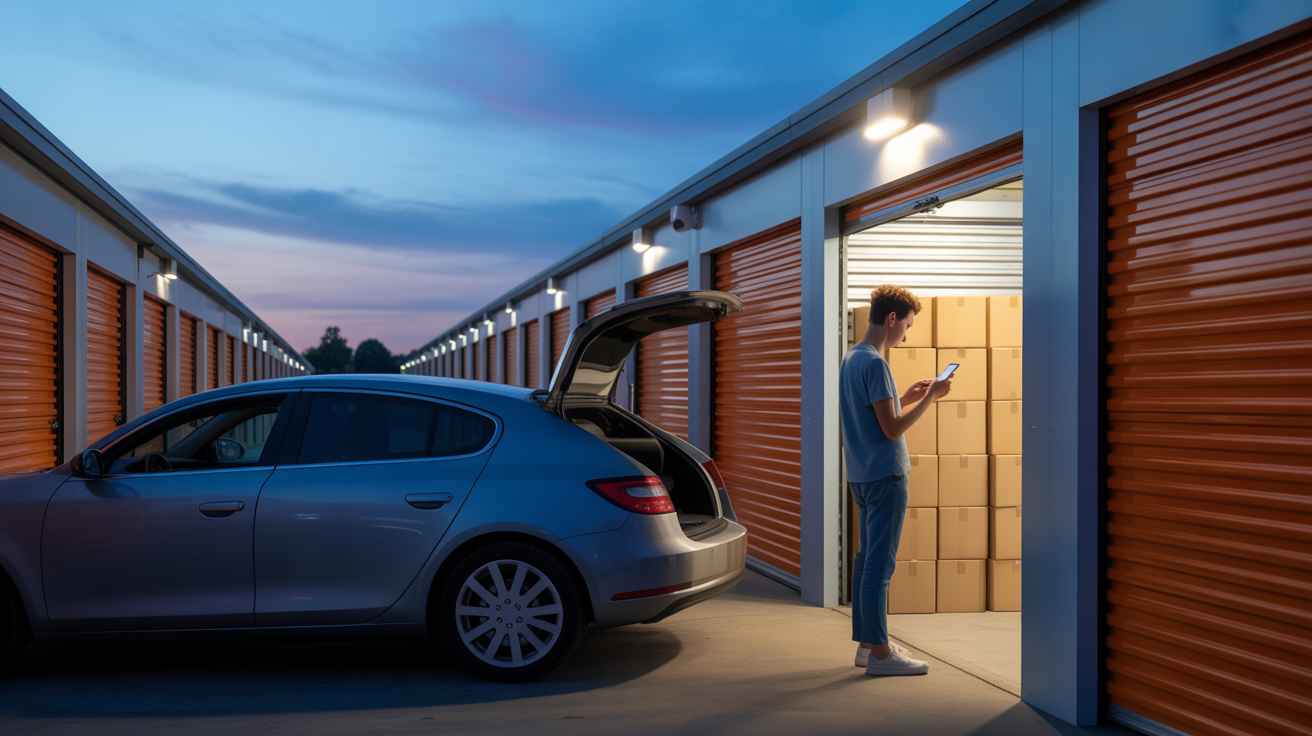
M ost storage facilities offer access between 6:00 AM and 10:00 PM daily, with office hours typically running 9:00 AM to 6:00 PM. Some facilities provide 24/7 gate access through keypad codes or mobile apps, while others restrict overnight entry for security reasons. Your choice depends on work schedule, storage frequency, and whether you need drive-up convenience or climate protection.
| Key Points: | |
|---|---|
| • | Standard access hours run 6:00 AM to 10:00 PM, with 24/7 options available at select facilities |
| • | Drive-up units reduce loading time by 60% compared to interior units requiring elevator access |
| • | 40% of renters prefer touchless entry via mobile apps according to 2025 Self Storage Association data |
| • | Gate access and office hours differ; you can often enter after staff leaves |
| • | Security features like cameras and electronic gates enable safer extended-hour access |
Standard Storage Facility Access Hours Explained
According to the Self Storage Association's 2025 industry report, 78% of storage facilities in the United States maintain access hours between 6:00 AM and 10:00 PM. This 16-hour window accommodates early morning visits before work and evening access after typical business hours. Facilities choose these boundaries to balance tenant convenience with security monitoring costs.
Office hours operate on a shorter schedule, typically 9:00 AM to 6:00 PM Monday through Friday, with reduced weekend availability. During office hours, staff can assist with payments, unit changes, and lock purchases. Gate access extends beyond these times, allowing you to enter using your personal access code even when no employees are present.
Weekend access follows the same pattern at most facilities. Saturday hours often mirror weekday schedules, while Sunday access may start an hour later at 7:00 AM. Public Storage, Extra Space Storage, and CubeSmart all maintain similar weekend policies across their national networks.
Why Facilities Limit Overnight Access
Security concerns drive the decision to close gates between 10:00 PM and 6:00 AM. Industry data from StorageCafe shows that facilities with unrestricted overnight access report 34% more security incidents than those with limited hours. Insurance providers like Deans and Homer offer lower premiums to facilities that restrict late-night entry.
Operational costs also factor into access decisions. Facilities must balance electricity for lighting, camera monitoring expenses, and potential security staffing against tenant demand. A 2024 survey by Inside Self-Storage found that only 12% of tenants visit their units between 10:00 PM and 6:00 AM.
24/7 Access Storage: Benefits and Considerations
Facilities offering round-the-clock access provide maximum flexibility for shift workers, business owners needing inventory access, and anyone with unpredictable schedules. According to U-Haul's 2025 market analysis, 24/7 facilities charge 15-25% more than comparable limited-hour locations.
Technology enables secure 24/7 operations without on-site staff. Electronic gate systems from companies like PTI Security Systems and Nokē Smart Entry track every entry with timestamps and unit-specific codes. If your code opens the gate at 3:00 AM, facility records show exactly when you arrived and departed.
| Access Type | Typical Hours | Price Premium | Best For |
|---|---|---|---|
| Standard Access | 6 AM to 10 PM | Base rate | Regular 9-5 schedules |
| Extended Access | 5 AM to 11 PM | 5-10% more | Early risers, evening workers |
| 24/7 Access | Unrestricted | 15-25% more | Shift workers, businesses |
Who Actually Needs 24/7 Access
Healthcare workers, airline employees, and emergency responders working rotating shifts benefit most from unrestricted hours. A nurse finishing a 12-hour overnight shift at 7:00 AM might need to grab moving boxes before heading home. Standard 6:00 AM openings work, but 24/7 access removes scheduling stress entirely.
Small business owners storing inventory represent another key demographic. According to the National Federation of Independent Business, 23% of small retailers use self-storage for overflow inventory. When a customer orders a product at midnight and expects next-day delivery, 24/7 access becomes a business necessity.
Recreational users storing boats, RVs, or motorcycles rarely need overnight access. If you visit your storage unit once monthly to retrieve camping gear, paying a 20% premium for 24/7 availability wastes money. Match access hours to your actual usage patterns.
Drive-Up Units: The Ultimate Convenience Factor
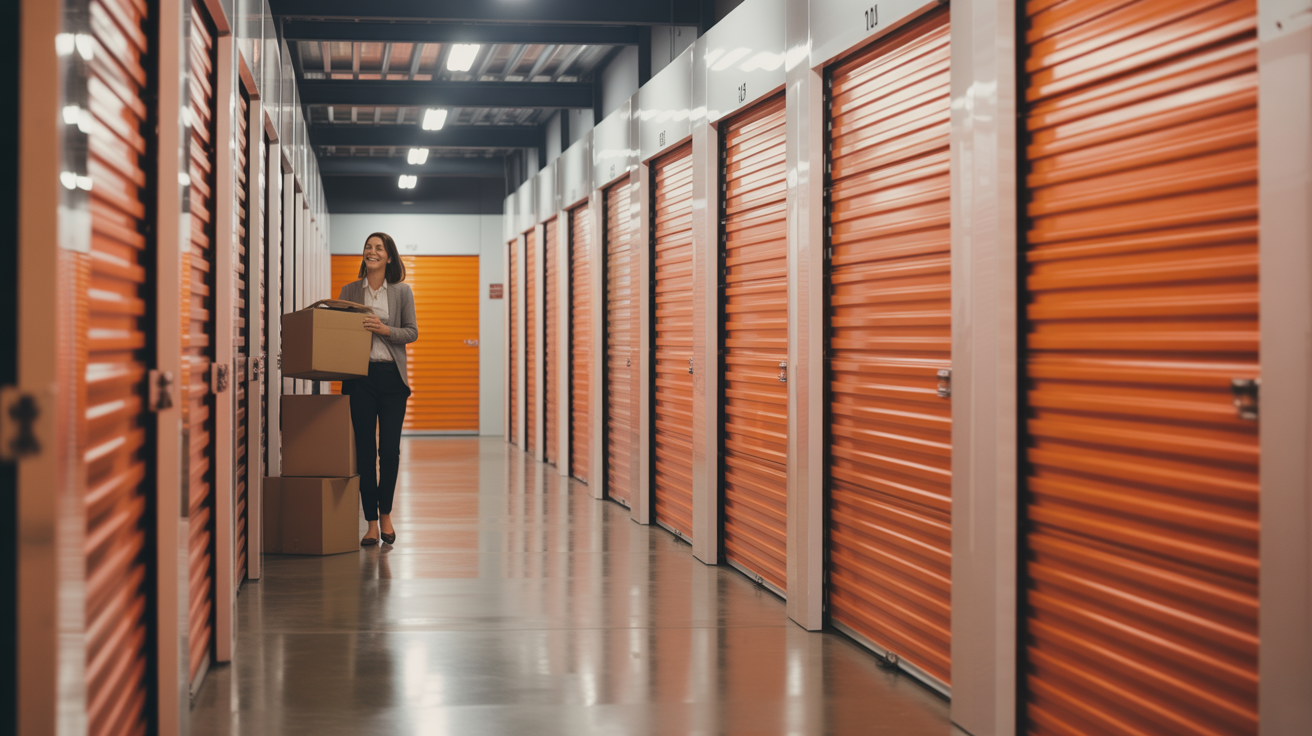
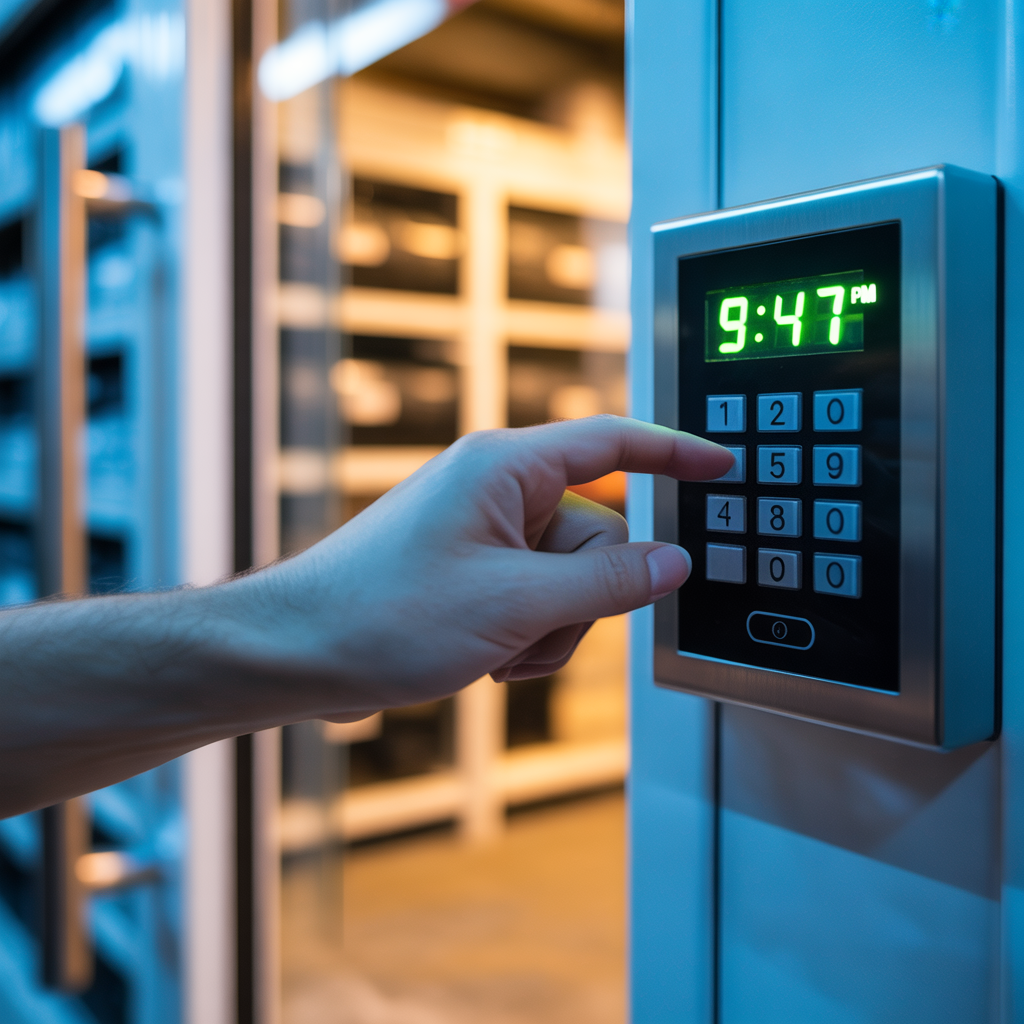
Drive-up storage units allow you to park your vehicle directly in front of your unit door, eliminating hallway navigation, elevator waits, and cart transportation. According to SpareFoot's 2025 consumer survey, renters rate drive-up access as the second most important feature after price, with 67% willing to pay more for this convenience.
Loading and unloading times drop dramatically with drive-up access. Moving a couch from your truck to an interior third-floor unit takes 15-20 minutes including elevator trips. The same task at a drive-up unit takes 3-5 minutes. For frequent visitors storing business materials or seasonal items, this time savings compounds significantly.
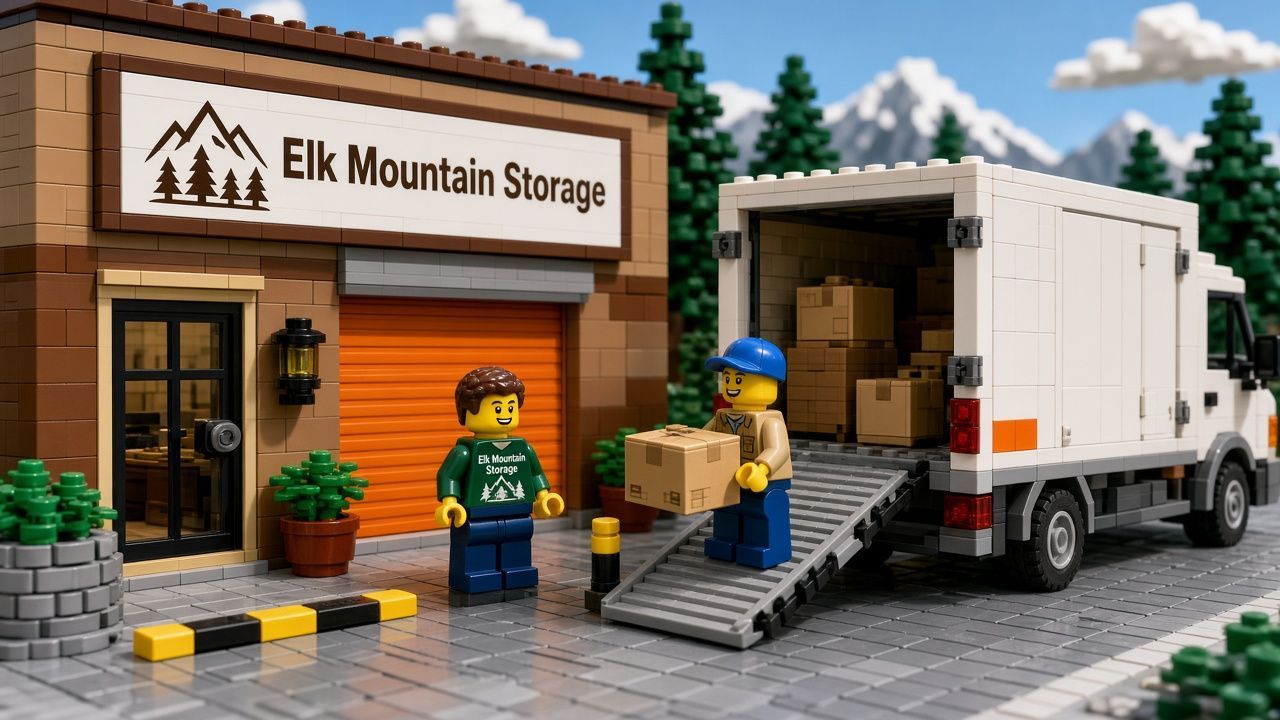
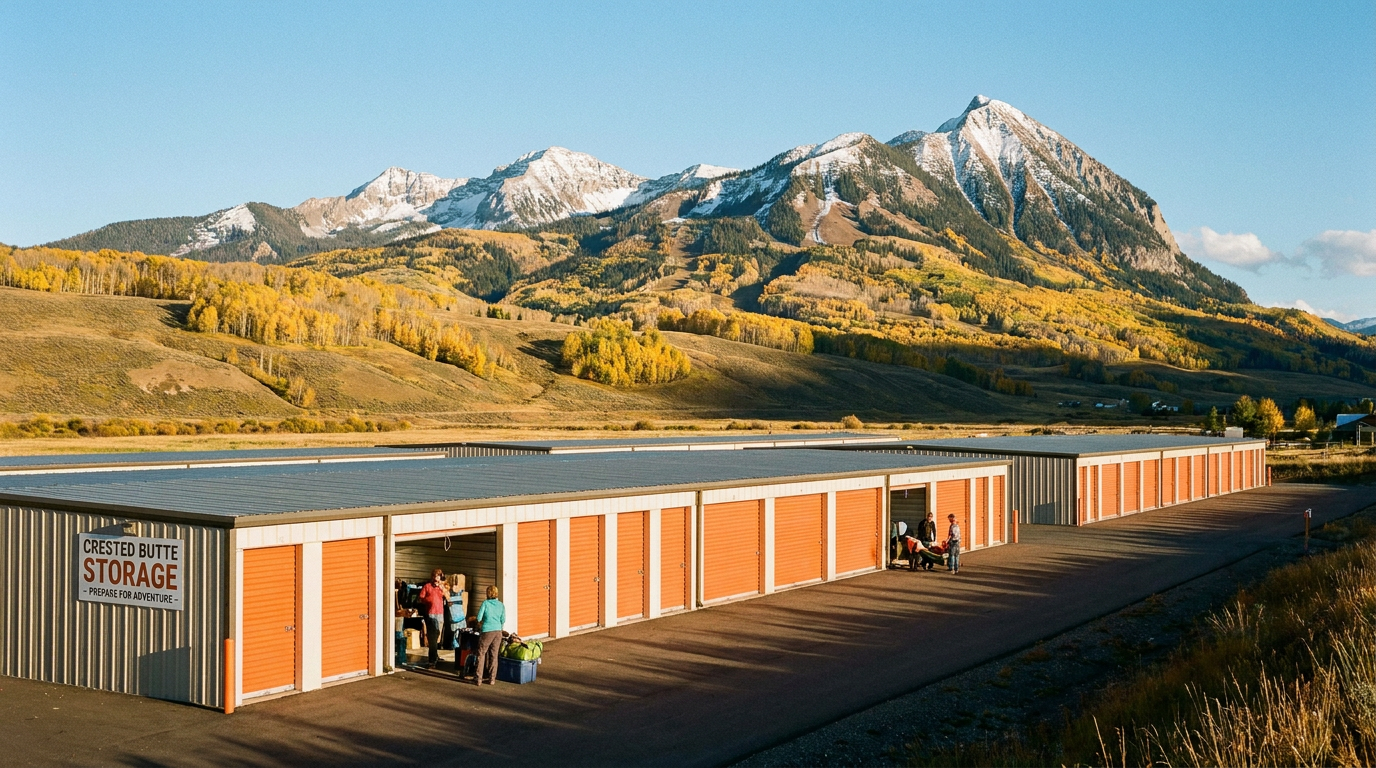
At Elk Mountain Storage in Crested Butte, Colorado, drive-up units range from compact 5x7 spaces at $225 per month to large 10x30 units at $485 per month. These ground-floor units feature direct vehicle access, making them ideal for storing skis, mountain bikes, and outdoor recreation equipment common in the Gunnison Valley area. Check our storage unit size guide to find the right fit for your belongings.
Drive-Up vs. Interior Unit Comparison
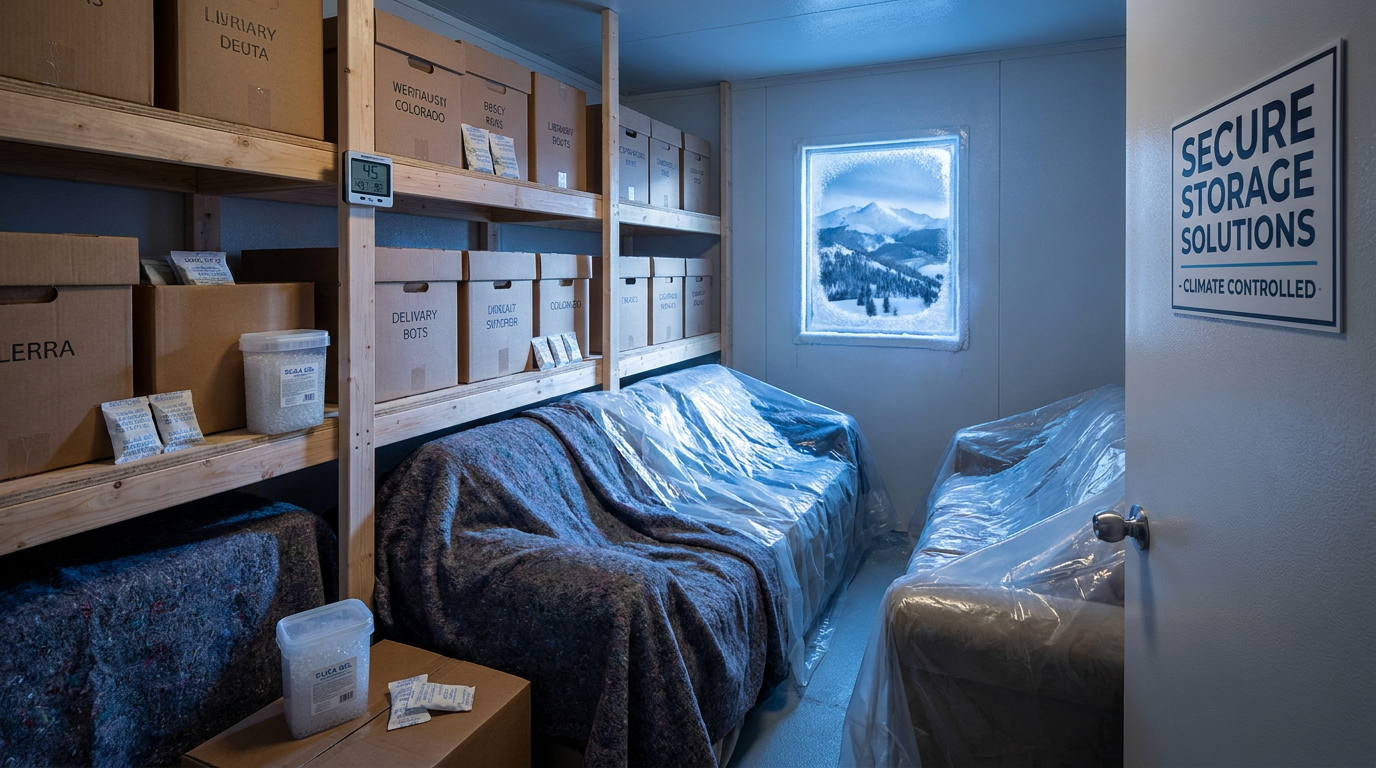
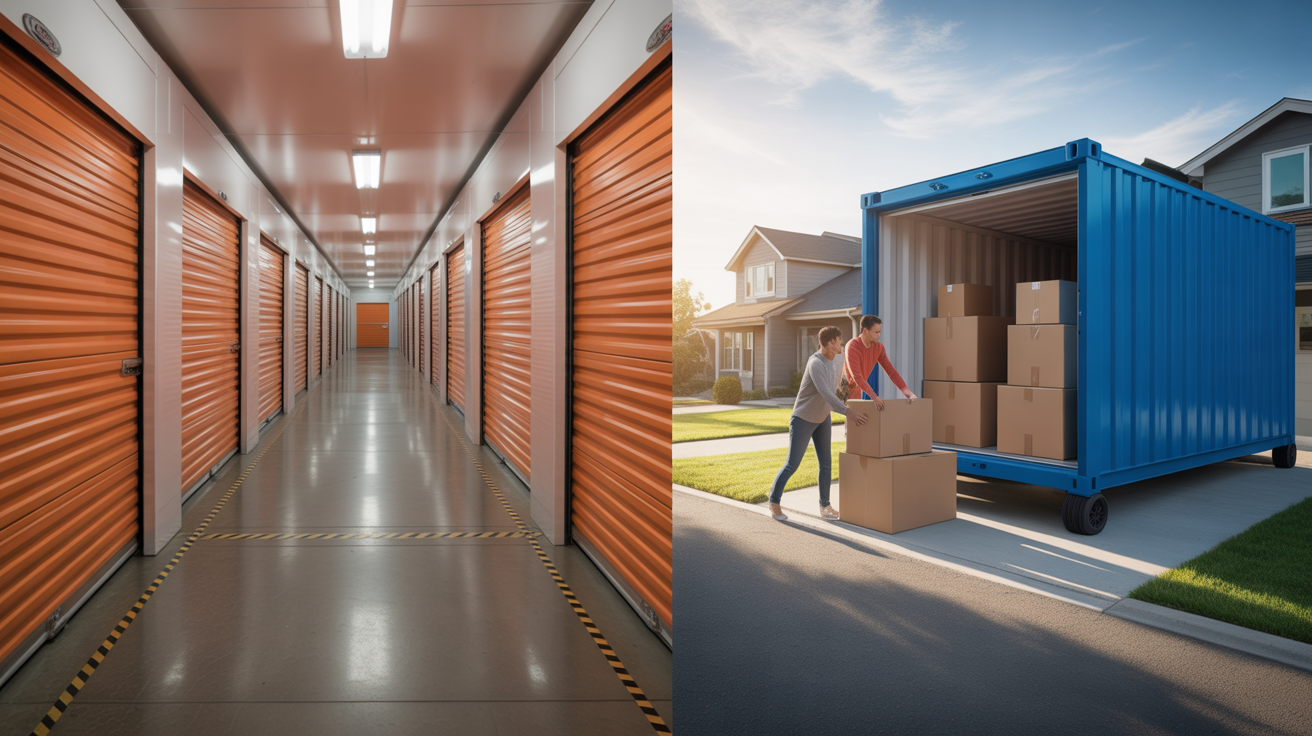
Interior units, particularly those on upper floors, cost 15-30% less than comparable drive-up spaces. This price difference reflects the convenience premium and the higher construction costs associated with ground-level, exterior-access buildings. Climate-controlled interior units offer temperature regulation that most drive-up units lack.
| Feature | Drive-Up Units | Interior Units |
|---|---|---|
| Vehicle Access | Direct, park at door | Parking lot, then walk |
| Loading Time | 3-5 minutes per trip | 15-25 minutes per trip |
| Climate Control | Rarely available | Often included |
| Price Range (10x10) | $150-250/month | $100-180/month |
| Weather Exposure | During loading only | Protected throughout |
| Best For | Frequent access, heavy items | Long-term, sensitive items |
Technology-Driven Access: Apps, Codes, and Smart Locks
Modern storage facilities increasingly offer app-based entry systems that eliminate physical key cards and memorized codes. According to a 2025 survey by the Self Storage Association, 40% of renters now prefer fully touchless experiences, including mobile app gate access, online payments, and digital lock monitoring.
Companies like Nokē Smart Entry, Janus International, and OpenTech Alliance provide Bluetooth-enabled locks and gate systems. Your smartphone becomes your access key; the app communicates with facility hardware to open gates and verify your identity. These systems log every entry, providing both security documentation and usage data.
QR code entry represents another touchless option. Instead of typing a code on a keypad, you scan a unique QR code displayed on your phone. This method prevents code sharing and allows facilities to issue temporary access codes for movers or family members without compromising long-term security.
Traditional vs. Smart Access Systems
Keypad codes remain the industry standard, used by approximately 85% of facilities according to Inside Self-Storage magazine. You receive a 4-6 digit code at move-in that opens the main gate. Some facilities assign unit-specific codes that also track which specific unit you accessed.
Smart lock systems cost facilities $75-150 per unit to install, according to PTI Security Systems pricing data. This investment translates to slightly higher rents but provides benefits including remote lock checks, automatic overlocking for delinquent accounts, and elimination of cut-lock fees when tenants forget combinations.
Elk Mountain Storage provides 24/7 secure access to all units, combining electronic gate entry with well-lit facilities and comprehensive camera coverage. This approach ensures you can retrieve your belongings whenever your schedule demands, whether that means early morning ski trips or late evening equipment pickups.
Security Features That Enable Extended Access
Facilities offering extended or 24/7 access invest heavily in security infrastructure to protect both tenants and property. According to the Security Industry Association, storage facilities with comprehensive security systems experience 73% fewer break-ins than those with minimal protection.
Video surveillance represents the foundation of storage security. Modern facilities deploy 20-50 cameras covering gates, hallways, unit doors, and parking areas. Cloud-based systems from companies like Verkada and Eagle Eye Networks store footage for 30-90 days, providing evidence if incidents occur.
Individual unit alarms add another protection layer. When you close and lock your unit, a door sensor arms automatically. Any unauthorized opening triggers an alert to facility management and, in some cases, local law enforcement. This technology from providers like PTI and Sentinel Systems costs facilities $25-50 per unit but significantly reduces theft.
Lighting and Perimeter Security
Adequate lighting deters criminal activity and makes late-evening visits feel safer. The Illuminating Engineering Society recommends 5-10 foot-candles of illumination in storage facility common areas. LED fixtures from manufacturers like Cree and Acuity Brands provide this brightness while reducing facility electricity costs by 40-60% compared to older metal halide systems.
Perimeter fencing with controlled access points prevents unauthorized entry. Most facilities use 6-8 foot chain-link or wrought iron fencing topped with barbed wire or privacy slats. Gates employ either rolling or swinging designs with electronic controls that log every vehicle entry and exit.
Learn more about protecting your stored belongings with our storage protection plans, which provide coverage against theft, fire, and other unexpected events.
Location Convenience: Beyond Access Hours
Access hours matter less if reaching the facility requires a 45-minute drive. According to SpareFoot research, 72% of storage renters choose facilities within 10 miles of their home or workplace. The average American drives 5.3 miles to their storage unit, with urban renters traveling shorter distances than rural customers.
Traffic patterns affect practical accessibility. A facility with 6:00 AM to 10:00 PM hours located on a congested commuter route may prove less convenient than a 7:00 AM to 9:00 PM facility on a quiet side street. Consider when you will actually visit and what traffic conditions exist during those times.
Proximity to moving resources adds convenience value. Facilities near U-Haul dealers, Home Depot locations, or packing supply stores simplify move-in day logistics. You can rent a truck, buy boxes, and complete your storage move in a single trip rather than multiple errands across town.
Seasonal Access Considerations
In mountain communities like Crested Butte, seasonal factors significantly impact storage convenience. Winter road conditions may add 15-30 minutes to facility visits. Facilities with covered loading areas or interior drive-through designs protect you and your belongings from snow and ice during transfers.
Elk Mountain Storage serves local residents, businesses, and seasonal visitors throughout the Gunnison Valley. As a locally owned and operated facility, we understand the unique storage needs of mountain living, from ski equipment requiring quick weekend access to summer recreation gear stored during off-seasons.
Office Hours vs. Gate Access: Understanding the Difference
New storage renters often confuse office hours with access hours, leading to frustration when they arrive at 7:00 PM expecting staff assistance. Office hours indicate when employees are present to handle rentals, payments, and customer service. Gate access hours indicate when you can physically enter the facility to reach your unit.
Typical office hours run 9:00 AM to 6:00 PM on weekdays, with reduced Saturday hours (10:00 AM to 4:00 PM) and Sunday closures common. Gate access extends several hours beyond in both directions. You can enter at 6:00 AM or 9:00 PM, but no staff will be available to assist.
Online rental platforms from companies like SiteLink, storEDGE, and Tenant Inc. reduce office-hour dependency. You can rent a unit, sign contracts, and make payments entirely online at any hour. Some facilities now operate with minimal staffing, relying on call centers and video kiosks for customer interactions.
What Requires Office-Hour Visits
Certain transactions still require in-person staff interaction. Purchasing a new lock, changing unit sizes, disputing charges, or accessing a unit after forgetting your code typically require office-hour visits. Plan these needs accordingly rather than assuming 24/7 service availability.
Move-out inspections at some facilities require staff presence. Before your final departure, an employee checks the unit for damage and confirms you have removed all belongings. Facilities increasingly waive this requirement, but confirm your specific location's policy before assuming you can move out at 8:00 PM on a Sunday.
Frequently Asked Questions About Storage Access
Can I get into my storage unit at any time?
Access depends on your specific facility's policies. Approximately 25% of storage facilities offer true 24/7 access, while 75% maintain restricted hours, typically 6:00 AM to 10:00 PM. Before signing a lease, confirm access hours match your schedule needs. Facilities with 24/7 access charge 15-25% premiums over comparable limited-hour locations.
What are the 4 D's of self storage?
The 4 D's refer to the primary reasons people rent storage: Death (estate storage during probate), Divorce (splitting household belongings), Downsizing (moving to smaller homes), and Dislocation (job transfers, military moves). Industry analysts at Marcus and Millichap use this framework to predict storage demand, noting these life events drive 55-60% of new rentals.
How likely is it to get bed bugs from a storage unit?
Bed bug transmission from storage units is rare but possible. The National Pest Management Association reports that storage facilities account for less than 2% of bed bug infestations. Risks increase when storing upholstered furniture or mattresses previously in infested homes. Preventive measures include using sealed plastic bins, avoiding cardboard boxes, and inspecting items before storage.
What are common storage unit mistakes?
The five most common mistakes include: underestimating needed space (requiring mid-lease upgrades), skipping insurance coverage, using improper packing materials, failing to create an inventory list, and choosing price over convenience. According to Consumer Reports, 34% of storage renters wish they had selected a larger unit, while 28% regret not purchasing protection coverage.
Do storage facilities offer 24/7 access?
Yes, but availability varies by location and operator. National chains like Extra Space Storage and CubeSmart offer 24/7 access at select locations, typically in urban areas with higher demand. Independent facilities vary widely. Always confirm access hours before signing, as policies differ even between locations operated by the same company.
Are storage office hours different from gate access times?
Yes, these are distinct schedules. Office hours (typically 9:00 AM to 6:00 PM) indicate staff availability for rentals, payments, and assistance. Gate access hours (typically 6:00 AM to 10:00 PM or 24/7) indicate when tenants can enter the facility. You can access your unit during gate hours even when the office is closed.
Choosing the Right Access Schedule for Your Needs
Evaluate your realistic usage patterns before prioritizing access hours. If you work a standard 9-to-5 schedule and plan to visit your unit on occasional weekends, 6:00 AM to 10:00 PM access provides ample flexibility. Paying extra for 24/7 access you will never use wastes money better spent on a larger unit or climate control.
Business users should prioritize extended access. If you run an e-commerce operation and might need inventory at unpredictable hours, 24/7 access becomes a business expense rather than a luxury. Calculate the cost of missed orders against the access premium to determine value.
Seasonal users in mountain communities face unique considerations. Ski season might require early morning access before hitting the slopes, while summer storage of winter gear needs only occasional visits. Elk Mountain Storage's 24/7 secure access accommodates both patterns, whether you need your skis at 5:30 AM or your camping gear after work.
Consider drive-up convenience alongside access hours. A facility with slightly shorter hours but drive-up units may prove more practical than a 24/7 interior-only location. The time saved loading and unloading often outweighs an extra hour of theoretical access you rarely use.
|