
T
he storage unit size you need depends on what you are storing: a 5x10 unit fits a studio apartment, a 10x10 unit holds 1 to 2 bedrooms of furniture, and a 10x20 unit accommodates a 3 to 4 bedroom home or a vehicle. Most renters find that 10x10 units (100 square feet) meet their needs for typical household storage.
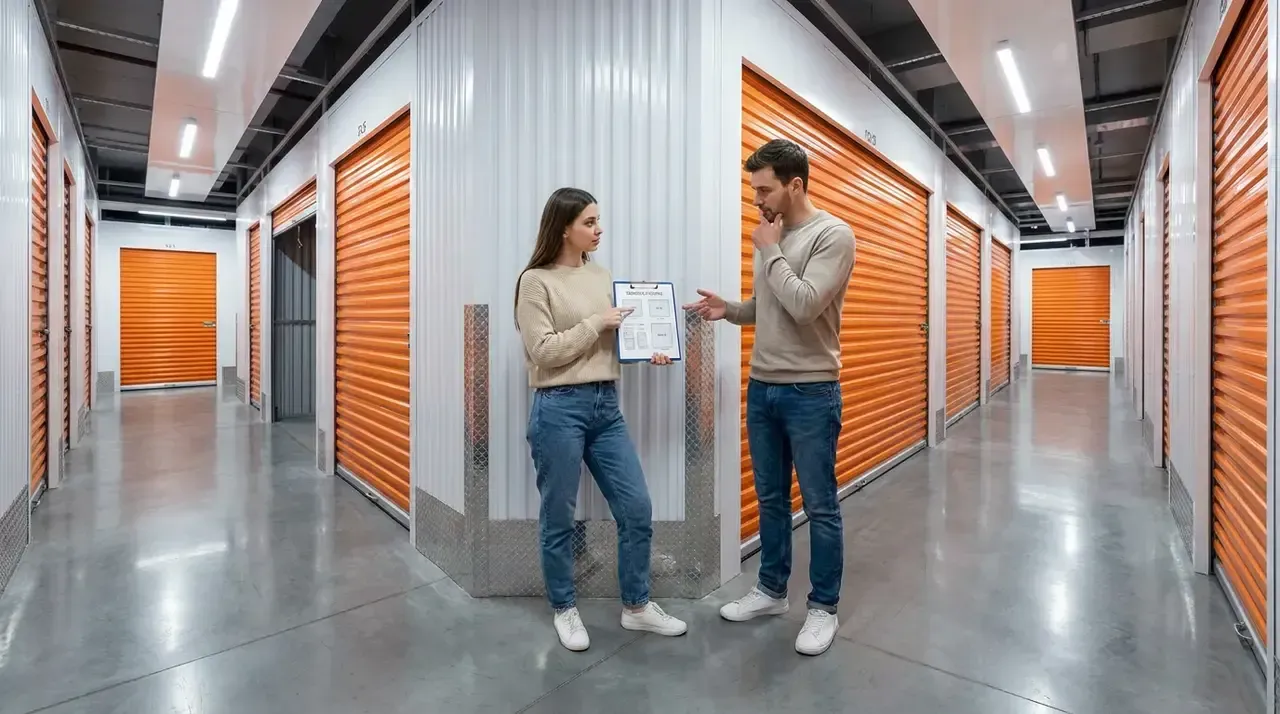
Storage Unit Size Chart: Quick Reference Guide
Storage units are measured in feet (width by depth), with square footage calculated by multiplying these dimensions. A 10x10 unit provides 100 square feet of floor space. According to the Self Storage Association via SpareFoot, the 10x10 remains the industry's most rented size, accounting for roughly 25% of all unit rentals nationwide.
Understanding standard sizes helps you avoid paying for unused space or cramming belongings into a unit that is too small. The following chart breaks down each common size with real-world comparisons.
How to Figure Out What Size Storage Unit You Need
Calculating your storage needs involves four steps: inventory your items, estimate total volume, account for access needs, and factor in special items. This systematic approach prevents the common mistake of renting too small and needing a second unit later.
Step 1: Create a Complete Inventory
List everything you plan to store, grouping items by category. Include furniture (beds, sofas, tables, chairs), appliances (refrigerators, washers, dryers), boxes (estimate quantity and size), and specialty items (bikes, skis, kayaks, tools). Be thorough; most people underestimate by 20% to 30%.
For a typical 2-bedroom apartment, expect 15 to 25 medium boxes, a bed frame and mattress, dresser, couch, dining table with chairs, and various small items. This combination requires approximately 100 to 150 square feet of floor space.
Step 2: Use a Storage Unit Size Calculator Method
While online calculators exist, a simple formula works well: count the number of furnished rooms you are storing and multiply by 50 square feet. A furnished 2-bedroom apartment equals roughly 100 square feet (2 rooms x 50). Add 25 square feet for each major appliance and 10 square feet for every 10 medium boxes.
This calculation provides a baseline. Round up to the next standard size for safety. If your calculation suggests 110 square feet, choose a 10x15 (150 sq ft) rather than squeezing into a 10x10.
Step 3: Account for Access and Aisle Space
If you need regular access to items, plan for a 2 to 3 foot walkway down the center of your unit. This effectively reduces usable space by 15% to 20%. Someone storing items for 6 months with monthly access needs more floor space than someone storing items untouched for a year.
Drive-up units at facilities like Elk Mountain Storage
make frequent access easier since you can pull a vehicle directly to your door. This matters significantly when storing heavy outdoor gear or business inventory.
Step 4: Factor in Bulky or Unusual Items
Certain items disproportionately consume space. A queen mattress stored flat takes 33 square feet; standing on edge reduces this to about 6 square feet. Sectional sofas often require 10-foot-wide units to fit through the door. Kayaks, paddleboards, and skis need length more than width.
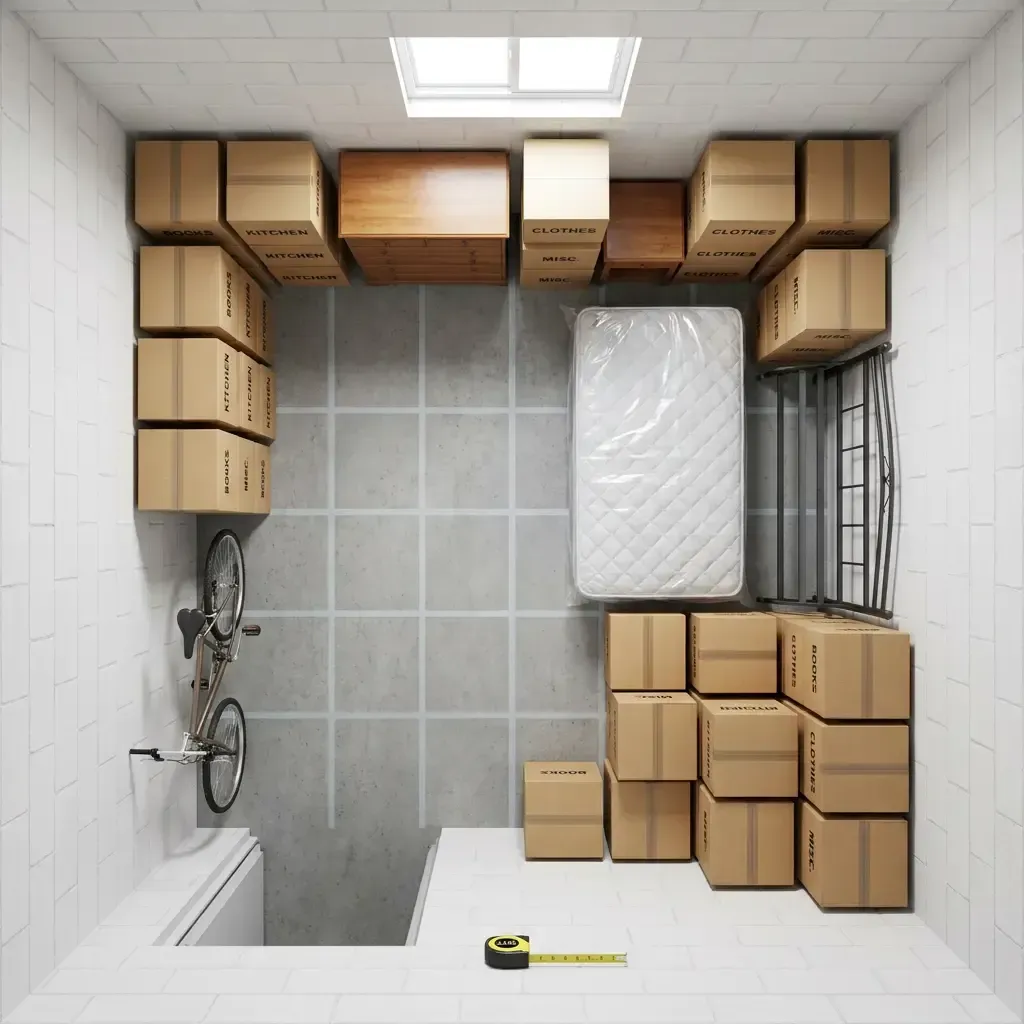
How Big Is a 10x10 Storage Unit?
A 10x10 storage unit provides 100 square feet of floor space, roughly equivalent to a standard bedroom or half a one-car garage. With typical 8-foot ceilings, total volume reaches 800 cubic feet. This size accommodates the contents of a 1 to 2 bedroom apartment when packed efficiently.
According to Public Storage's size guide, a 10x10 unit typically holds a mattress set, dresser, dining table with chairs, couch, and 20 to 30 medium boxes. The key to maximizing this space lies in vertical stacking and strategic placement of large items first.
Are 10x10 Storage Units Actually 10x10?
Unit dimensions can vary by 2 to 6 inches due to wall thickness and construction methods. A unit advertised as 10x10 might measure 9 feet 10 inches by 9 feet 8 inches internally. This minor difference rarely impacts storage capacity significantly, but measuring your largest items against actual unit dimensions prevents surprises.
When visiting a facility, bring a tape measure. Check both width and depth, and note any obstructions like support columns or HVAC equipment that reduce usable space.
Is a 10x20 Storage Unit Big Enough?
A 10x20 storage unit (200 square feet) holds the contents of a 3 to 4 bedroom home or a standard vehicle plus additional belongings. This size functions as a single-car garage equivalent and represents the largest unit most residential customers need.
For vehicle storage specifically, a 10x20 accommodates sedans, SUVs, and most pickup trucks. Compact cars may fit in a 10x15, while extended cab trucks or larger SUVs require the full 10x20 length. Always measure your vehicle: most sedans are 15 to 17 feet long, while full-size trucks reach 19 to 22 feet.
What Fits in a 10x20 Unit
Typical contents include: living room furniture (couch, loveseat, coffee table, entertainment center), bedroom furniture for 3 to 4 rooms, dining set, major appliances (refrigerator, washer, dryer), 40 to 60 medium boxes, and outdoor equipment. With careful packing, you can store an entire household while maintaining a small access aisle.
How Much Will a 20x20 Storage Unit Hold?
A 20x20 storage unit provides 400 square feet, equivalent to a two-car garage. This size holds the contents of a 5 to 7 bedroom home, multiple vehicles, or significant business inventory. Most residential customers do not need this much space; it primarily serves businesses, contractors, and those storing vehicles alongside household goods.
At 400 square feet with 10-foot ceilings (4,000 cubic feet), a 20x20 unit can hold approximately 4 to 5 rooms of furniture, 100+ boxes, multiple large appliances, and still leave room for a vehicle or workspace. Monthly costs for this size range from $200 to $400 depending on location and features.
Storage Unit Sizes for Specific Situations
College Students and Dorm Storage
Students typically need 5x5 to 5x10 units for summer storage. A 5x5 (25 sq ft) holds a dorm room's worth of belongings: mini-fridge, desk chair, bedding, and 10 to 15 boxes. Students with more furniture or planning to store items from an off-campus apartment should consider a 5x10.
For Western Colorado University students in the Gunnison Valley, storing gear in Crested Butte means avoiding the 28-mile drive to Gunnison
when retrieving ski equipment or summer gear between semesters.
Home Staging and Real Estate
When staging a home for sale, decluttering typically requires removing 30% to 50% of furniture and personal items. For a 3-bedroom home, expect to need a 10x10 to 10x15 unit. Store bulky furniture, personal photos, excess decor, and seasonal items to create the open, neutral spaces buyers prefer.
Renovation and Remodeling Projects
Kitchen renovations require 50 to 75 square feet for appliances, cabinets, and contents. Whole-home renovations need 150 to 200 square feet minimum. Choose a unit with drive-up access for easier loading of heavy items like countertops and appliances. Plan for 2 to 4 months of storage for typical renovation timelines.
Business and Contractor Storage
Business storage needs differ from residential because inventory must remain accessible and organized. A retail business storing seasonal merchandise needs 20% to 30% more space than the items technically require. Contractors storing tools and materials benefit from drive-up units with wide doors for loading equipment.
Elk Mountain Storage offers business storage solutions
with 24/7 access, allowing contractors and property managers in Crested Butte to retrieve equipment whenever projects demand.
RV, Boat, and Vehicle Storage Sizing
Vehicle storage requires different considerations than household goods. Length becomes the primary constraint, with most facilities offering dedicated parking spaces measured by length rather than square footage.
In mountain communities like Crested Butte, storing RVs and boats close to recreation areas saves significant time. Rather than towing from Gunnison (28 miles away), local storage means your boat reaches Blue Mesa Reservoir or your RV reaches a trailhead faster.
Mountain Town Storage: Special Considerations
Storage needs in Colorado mountain communities differ from urban areas. Seasonal residents, second-home owners, and outdoor enthusiasts store items that urban facilities rarely see: ski equipment, snowboards, fat bikes, kayaks, paddleboards, camping gear, and snowmobiles.
Seasonal Gear Storage
A family with active outdoor hobbies might store: 4 pairs of skis and poles, 2 snowboards, a roof box, camping equipment for 4, fishing gear, and 2 mountain bikes. This collection requires 25 to 50 square feet depending on organization. A 5x10 unit with wall-mounted hooks and shelving maximizes space for long, awkward items.
Second-Home Owner Needs
Second-home owners in resort communities often need storage for furniture rotation, renovation supplies, or items that do not fit in vacation properties. A 10x10 unit serves most needs, holding extra furniture, seasonal decor, and maintenance supplies while keeping the vacation home uncluttered.
Elk Mountain Storage serves Crested Butte locals, seasonal residents, and second-home owners with flexible month-to-month leases. Check our storage unit size guide
to match your specific needs to available units.
How Many Boxes Fit in Each Storage Unit Size
Box capacity depends on box size and stacking height. Standard medium moving boxes measure approximately 18x18x16 inches (3 cubic feet). With 8-foot ceilings allowing 5 to 6 boxes stacked vertically, capacity increases significantly compared to floor-only estimates.
5x5 unit:
50 to 75 medium boxes when stacked floor to ceiling with no furniture.
5x10 unit:
100 to 120 medium boxes, or 40 to 50 boxes plus small furniture items.
10x10 unit:
200 to 250 medium boxes, or 75 to 100 boxes plus bedroom and living room furniture.
10x20 unit:
400 to 500 medium boxes, or 150 to 200 boxes plus complete household furniture.
These estimates assume efficient packing. Irregularly shaped items, furniture, and the need for access aisles reduce practical capacity by 25% to 40%.
Storage Unit Cost by Size: 2026 Pricing Guide
Storage costs vary significantly by location, with urban areas and resort communities commanding premium rates. According to industry data, national average monthly rates in 2026 range from $90 for a 5x5 to $290 for a 10x20. Mountain resort areas typically run 20% to 40% higher due to limited real estate and seasonal demand spikes.
For detailed local pricing information, our self-storage cost guide
breaks down what influences rates in Colorado mountain communities.
5x10 vs 10x10 Storage Units: Which Should You Choose?
The decision between a 5x10 (50 sq ft) and 10x10 (100 sq ft) unit comes down to furniture size and access needs. A 5x10 costs 25% to 35% less monthly but limits what furniture fits through the narrower 5-foot opening.
Choose a 5x10 when:
You are storing primarily boxes, small furniture, and seasonal items. The contents of a studio or small 1-bedroom apartment fit well. You do not need frequent access or an aisle.
Choose a 10x10 when:
You have large furniture (sectional sofas, king beds, dining tables). You need a 1 to 2 bedroom apartment's worth of space. You want room to walk inside and access items regularly.
The 10-foot width of a 10x10 unit accommodates most furniture pieces without disassembly. A 5-foot-wide unit requires turning sofas on end and may not fit assembled bed frames or large dressers.

Expert Tips for Maximizing Your Storage Space
Proper packing and organization can effectively increase your unit's capacity by 30% to 40%. These strategies help you potentially downsize to a smaller, less expensive unit.
Stack Strategically
Place heavy, sturdy items on the bottom: dressers, appliances, and heavy boxes. Stack lighter boxes on top, keeping the heaviest items no more than waist-high for safety. Use uniform box sizes when possible; mixed sizes create unstable stacks and wasted space.
Disassemble Furniture
Remove legs from tables, disassemble bed frames, and take apart modular furniture. Store hardware in labeled bags taped to the furniture piece. A disassembled bed frame takes 60% less space than an assembled one.
Use Vertical Space
Install freestanding shelving units along walls. Store mattresses and box springs on edge rather than flat. Hang bikes from ceiling hooks or wall-mounted racks. These techniques are especially valuable in mountain communities where storing long items like skis and kayaks vertically saves significant floor space.
Create an Inventory Map
Sketch your unit layout and note where items are located. Number boxes and keep a corresponding list of contents. This prevents unpacking 20 boxes to find one item and reduces the temptation to rent a larger unit "just in case."
Frequently Asked Questions About Storage Unit Sizes
How do I figure out what size storage unit I need?
Count the number of furnished rooms you are storing and multiply by 50 square feet for a baseline estimate. Add 25 square feet for each major appliance. If you need regular access, add 15% to 20% for aisle space. Round up to the next standard size for safety.
What size storage unit do I need for a 1-bedroom apartment?
A 5x10 (50 sq ft) or 10x10 (100 sq ft) unit typically fits a 1-bedroom apartment. Choose the 5x10 if you have minimal furniture and mostly boxes. Choose the 10x10 if you have a full living room set, bedroom furniture, and appliances.
What size storage unit do I need for a 3-bedroom house?
A 10x15 (150 sq ft) to 10x20 (200 sq ft) unit accommodates most 3-bedroom homes. If you have a garage full of tools and equipment in addition to household furniture, lean toward the 10x20 or larger.
Can I fit a car in a 10x15 storage unit?
Compact cars (14 to 16 feet long) may fit in a 10x15 unit, but most sedans and SUVs require a 10x20. Measure your vehicle's length and compare to the unit's depth. Remember to account for opening the door to exit after parking.
Is it better to get a bigger storage unit than I think I need?
Yes, if you plan to access items regularly or store for longer than 6 months. The cost difference between sizes is typically $25 to $50 monthly, while renting a second unit later costs significantly more. Sizing up also reduces the risk of damage from overpacking.
How do drive-up units differ from interior units?
Drive-up units allow vehicle access directly to your unit door, making loading heavy items easier. Interior units are accessed through hallways inside a building, offering more protection from weather but requiring you to carry items further. For bulky outdoor gear, vehicles, or frequent access, drive-up units provide significant convenience advantages.
Choosing the Right Storage Facility
Beyond unit size, facility features impact your storage experience. Security measures (video surveillance, gated access, individual unit alarms), access hours, and location convenience all matter. For mountain communities with harsh winters, look for facilities with snow removal and LED lighting for safe year-round access.
Elk Mountain Storage in downtown Crested Butte offers 24/7 drive-up access, digital video surveillance, and monthly pest control. Our flexible month-to-month leases require no long-term contracts or deposits, and you can manage your account online anytime.
Understanding tenant protection options
also matters. Standard renters insurance may not cover items in storage, and facility policies vary on liability for damage or theft.
Ready to choose the right unit? Compare sizes and what fits on our Crested Butte storage size guide.
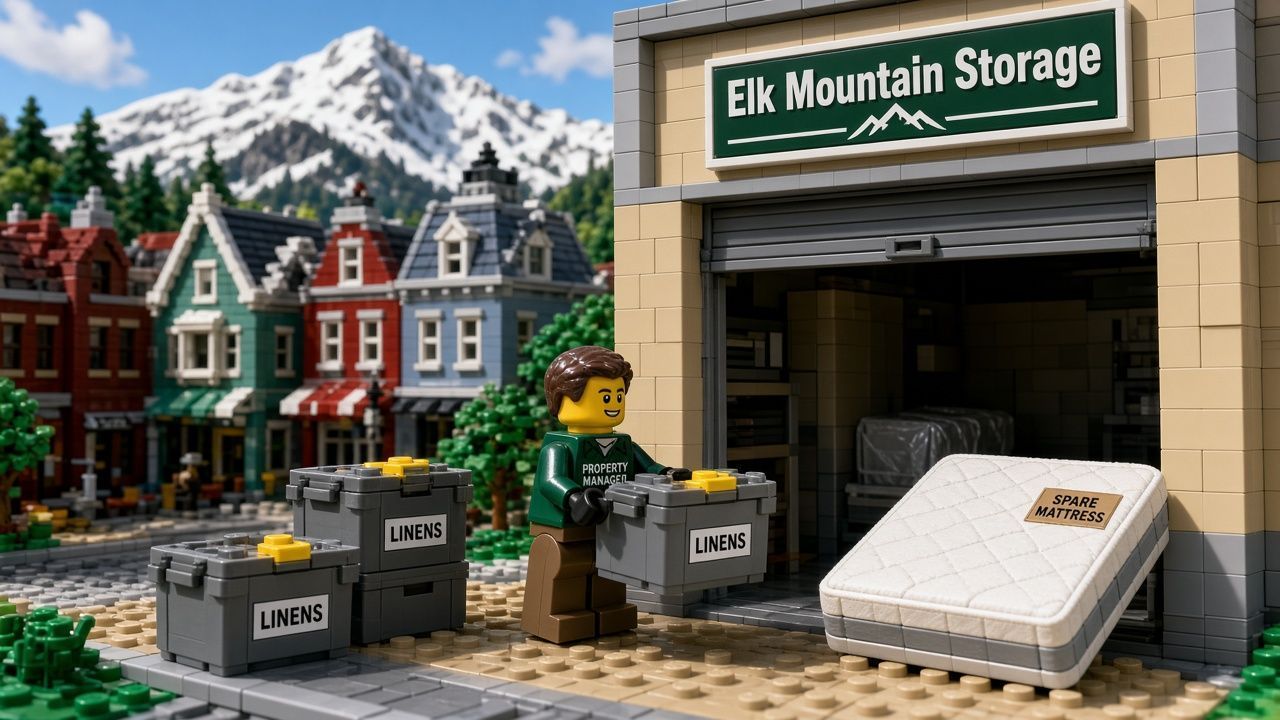
Crested Butte property managers: keep STR linens, spare furniture and turnover kits off-site at Elk Mountain Storage on Red Lady Ave. Rent online.
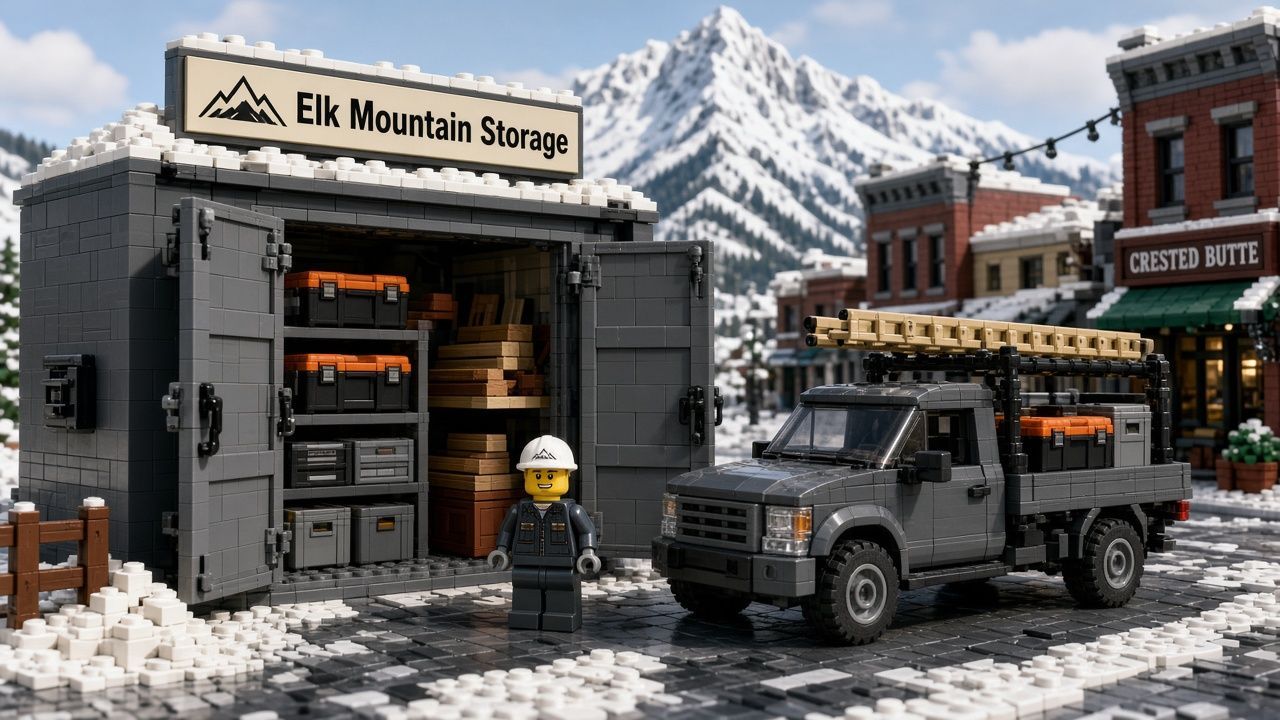
Need contractor storage in Crested Butte? Keep jobsite tools between seasons at Elk Mountain Storage. Call for a quote or rent online.
Lease overlap or a delayed closing in Crested Butte or the Gunnison Valley? See how Elk Mountain Storage on Red Lady Ave bridges the gap. Rent online.
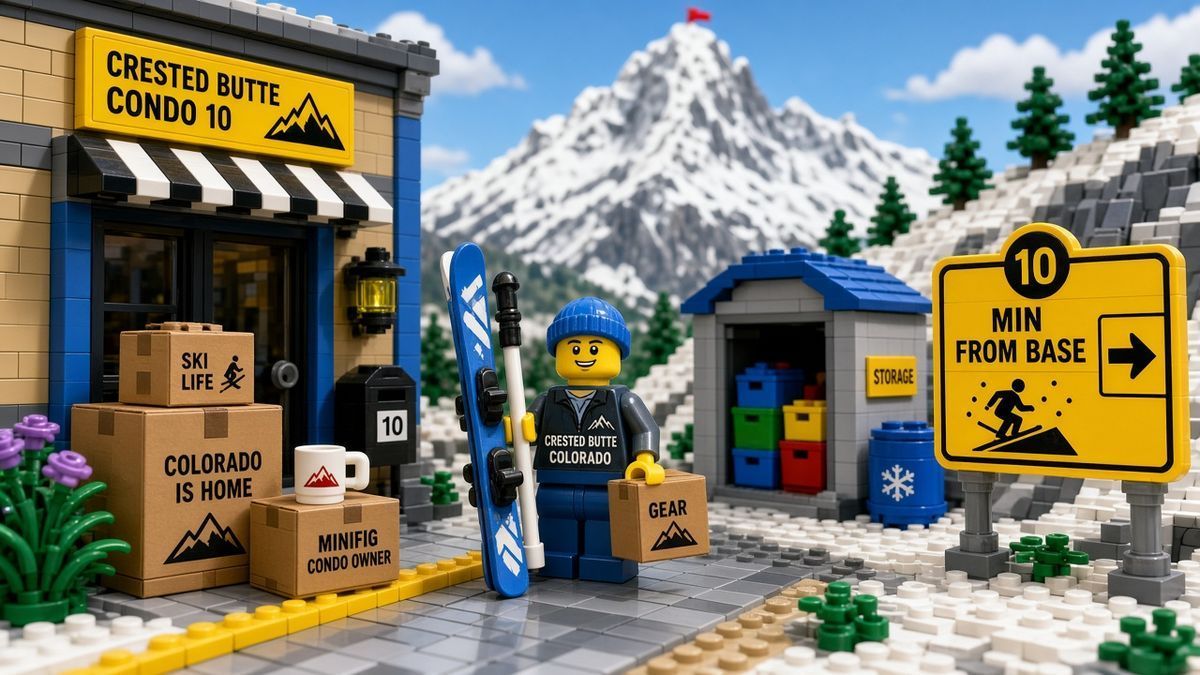
Drive times from Mt. Crested Butte base-area condos to Elk Mountain Storage on Red Lady Ave. Winter road notes and soft rent-online next steps.

Compare downtown Crested Butte storage at 307 Red Lady Ave vs driving to Gunnison. Drive times, lifestyle fit, and soft rent-online next steps for Gunnison Valley residents.
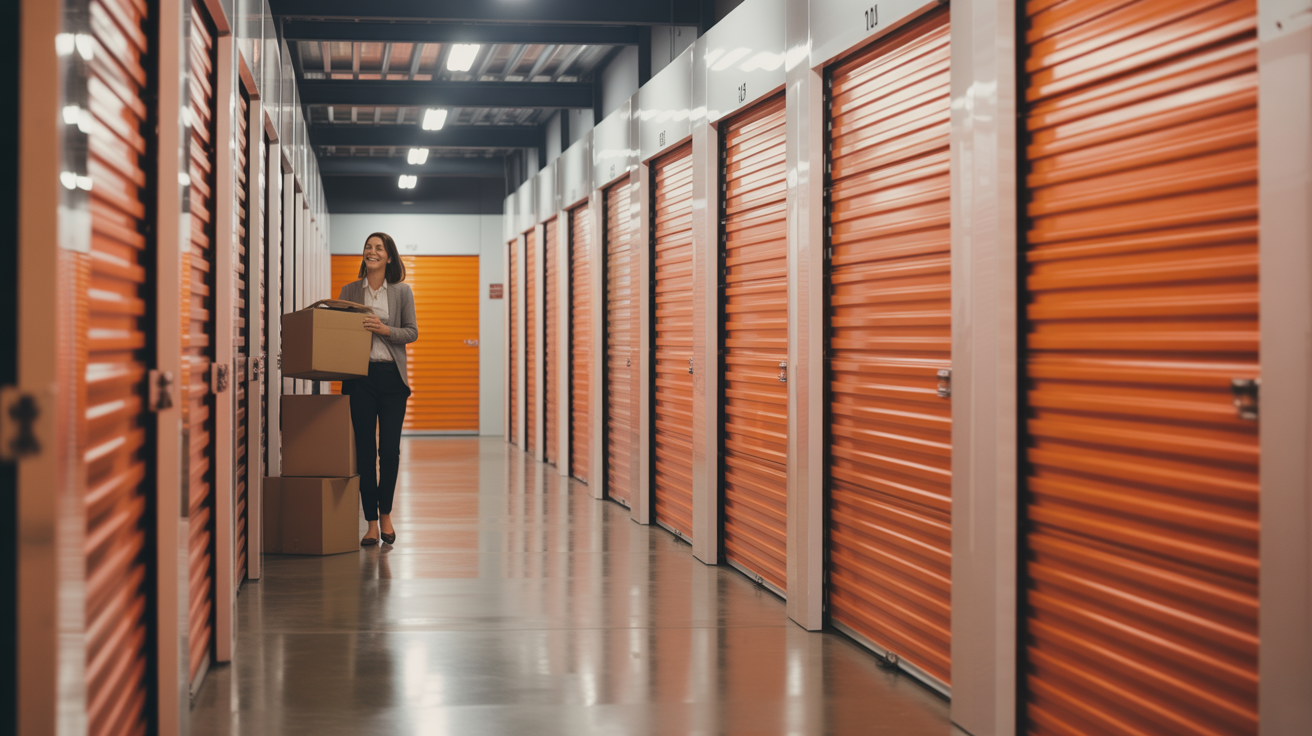
Self storage costs $35 to $300 per month in 2026. See exact pricing by unit size and tips to save on storage in Crested Butte.
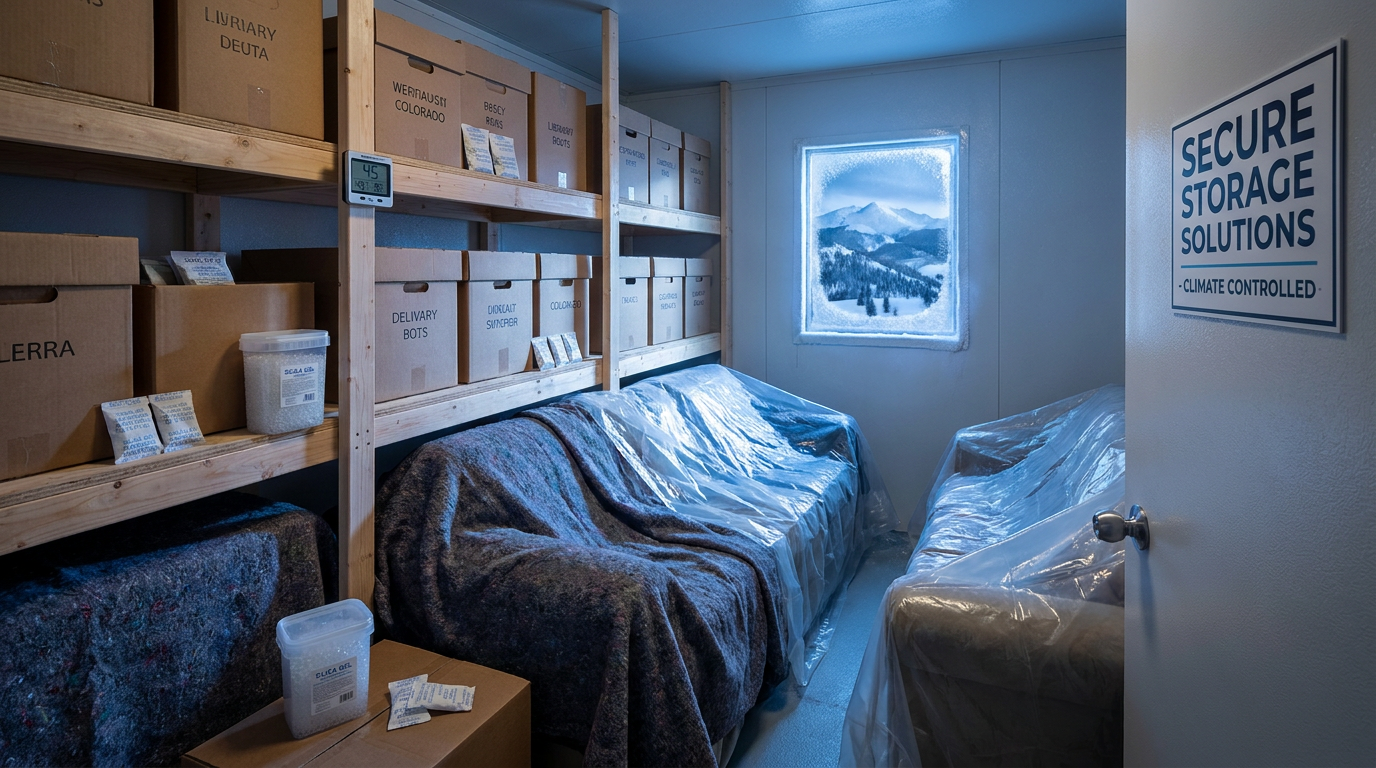
Learn proven methods to protect stored belongings from winter temperature swings. Covers packing, moisture control, and item-specific tips for Colorado storage.
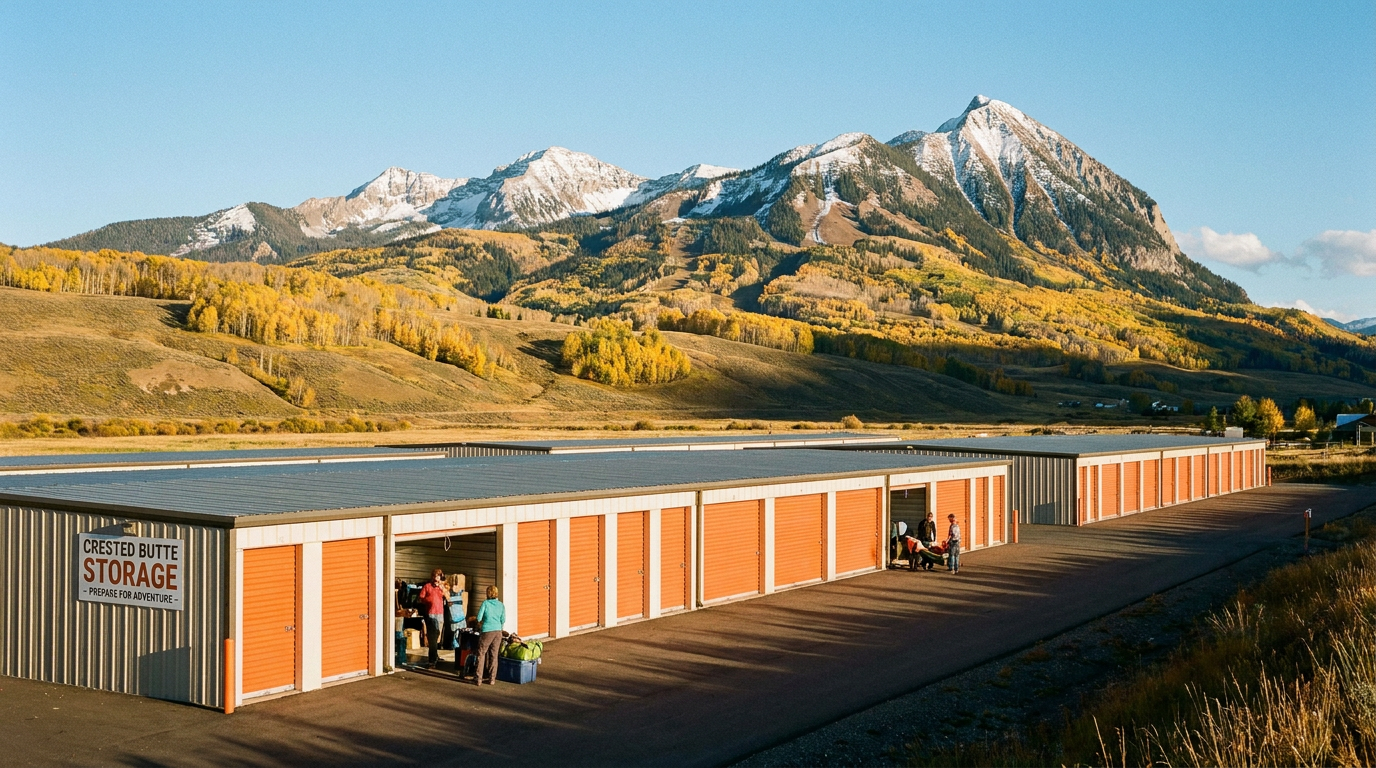
Discover what to store between seasons near Mt. Crested Butte. From ski gear to patio furniture, learn seasonal storage tips for mountain living in 2026.
Elk Mountain Storage is a proud sponsor of Bridges of the Butte 2026, Crested Butte's costumed townie ride raising funds for the Adaptive Sports Center.
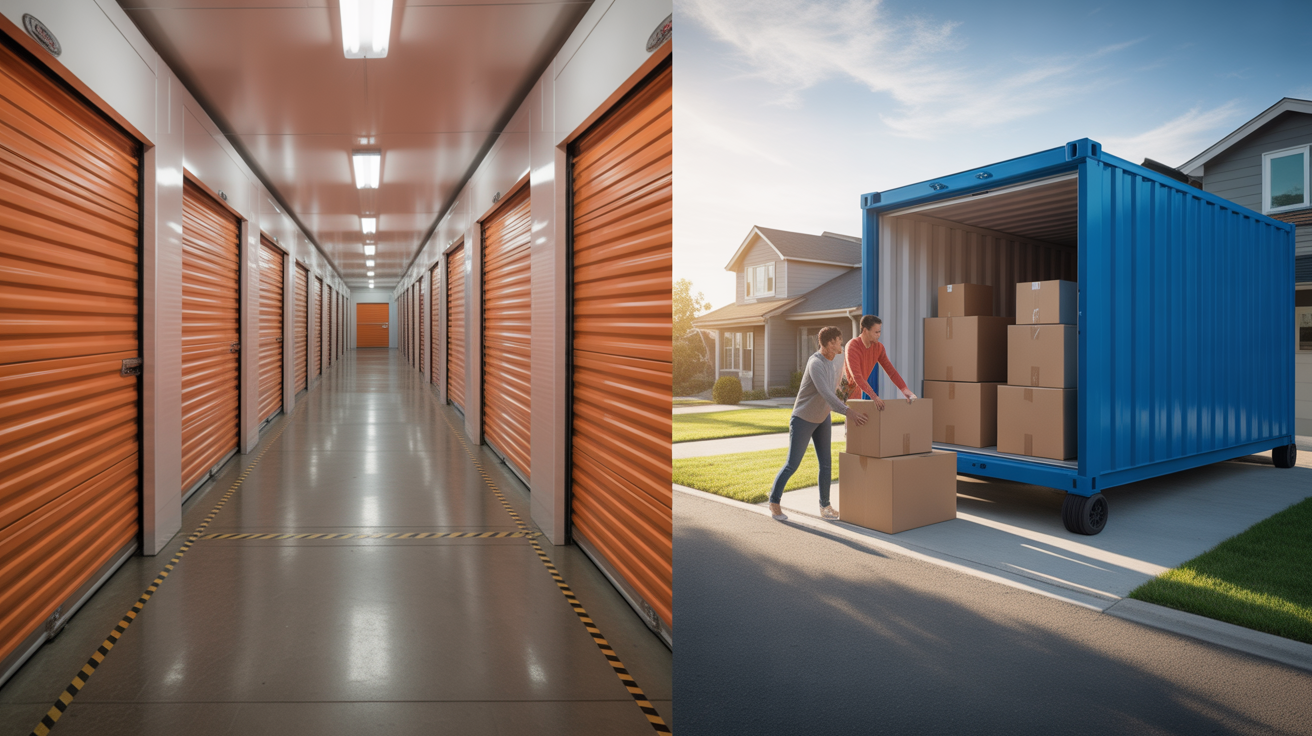
Compare self-storage vs portable storage container costs. Learn which option saves money based on duration, distance, and your specific storage needs in 2026.