How to Protect Furniture in Storage from Humidity and Temperature |
| HOW TO PROTECT FURNITURE IN STORAGE FROM HUMIDITY AND TEMPERATURE
⏱ 13 min read ·
📄 #2,577 words
Learn proven methods to protect furniture from humidity and temperature damage in storage. Expert tips on climate control, desiccants, and proper wrapping.
|
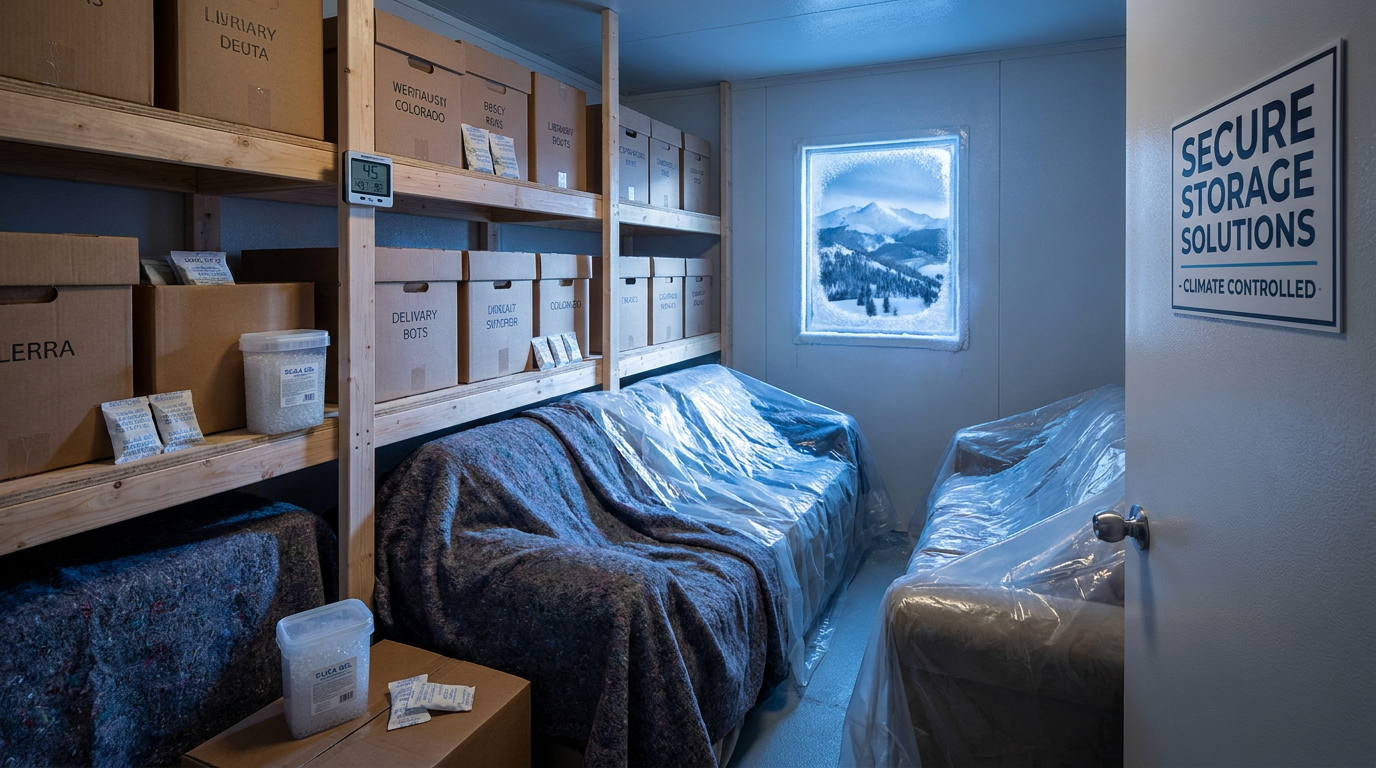
P rotect furniture in storage by maintaining 40 to 55 percent relative humidity and temperatures between 55 and 65 degrees Fahrenheit. Use climate-controlled units for wood and upholstered pieces, elevate items 6 to 12 inches off concrete floors, wrap with breathable cotton covers, and place silica gel desiccants throughout the unit. These steps prevent the warping, mold growth, and cracking that affect 28 percent of stored items annually.
| Key Points: | |
|---|---|
| • | Ideal storage conditions: 50 to 55 percent humidity and 55 to 65 degrees Fahrenheit |
| • | Climate-controlled units prevent 85 to 95 percent of moisture-related furniture damage |
| • | Mold can develop within 24 to 48 hours when humidity exceeds 65 percent |
| • | Elevating furniture on pallets reduces moisture damage risk by up to 80 percent |
| • | Annual inspections reduce long-term storage damage by 15 percent |
Why Humidity and Temperature Damage Furniture in Storage
Wood furniture is hygroscopic, meaning it absorbs and releases moisture based on surrounding humidity levels. According to the USDA Forest Service, wood expands 0.1 to 0.2 percent for every 10 percent increase in relative humidity. This constant expansion and contraction causes joints to loosen, veneers to separate, and finishes to crack over time.
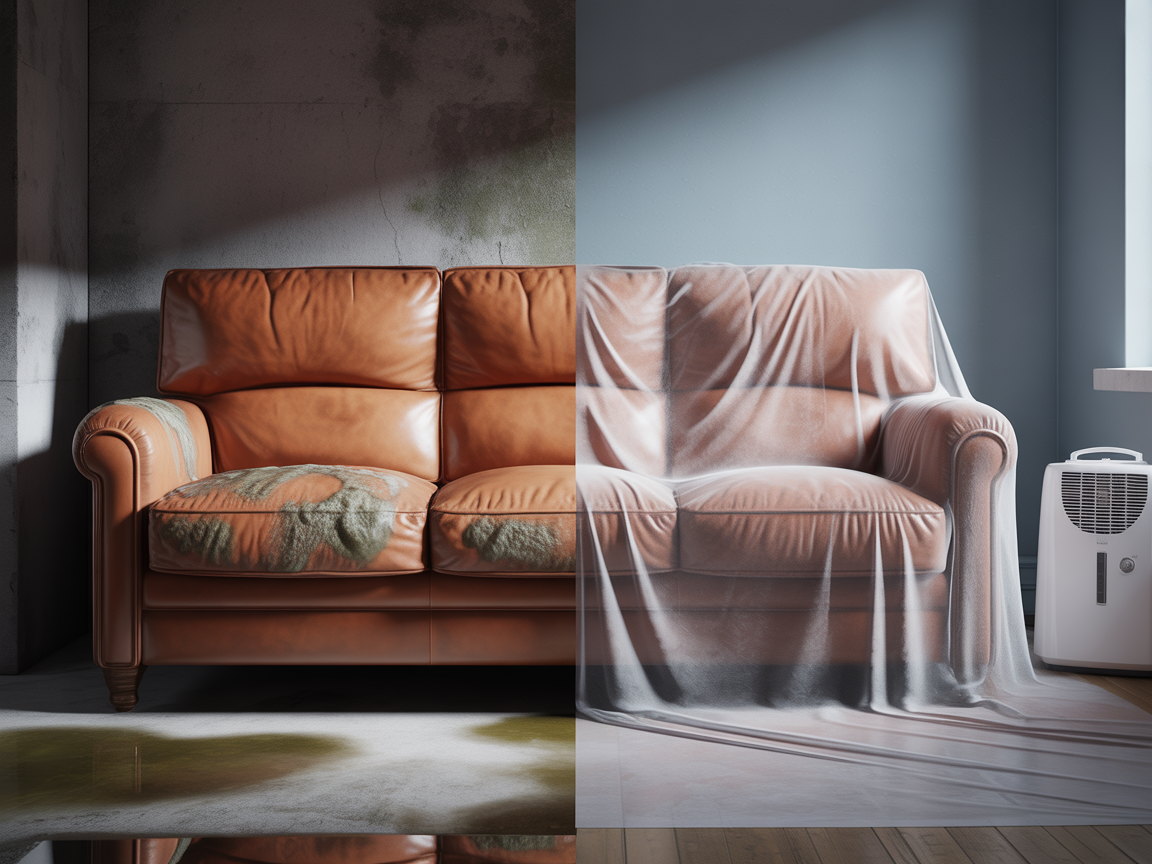
High humidity above 60 percent creates ideal conditions for mold and mildew growth. The Environmental Protection Agency reports that mold colonies become visible within 24 to 48 hours at humidity levels exceeding 65 percent. Leather sofas, fabric upholstery, and wooden antiques are particularly vulnerable to these conditions.
Temperature fluctuations compound humidity problems. When temperatures swing more than 10 degrees Fahrenheit within a single day, furniture experiences uneven expansion. A solid wood tabletop can warp up to one-sixteenth of an inch from these daily cycles. Heat above 80 degrees Fahrenheit accelerates chemical breakdown in vinyl, leather, and synthetic upholstery materials according to ASTM International standards.
Data from SpareFoot's 2024 industry report shows that 40 percent of all storage insurance claims involve moisture damage. In humid climates like Florida and the Gulf Coast, non-climate-controlled units experience double the damage rates compared to temperature-regulated facilities, according to Public Storage research.
Optimal Storage Conditions for Different Furniture Types
The American Society of Heating, Refrigerating and Air-Conditioning Engineers establishes 50 to 55 percent relative humidity and 60 degrees Fahrenheit as the gold standard for furniture preservation. These parameters prevent both moisture absorption and excessive drying that leads to cracking.
| Furniture Type | Ideal Humidity | Ideal Temperature | Maximum Safe Storage |
|---|---|---|---|
| Solid Wood | 40 to 50% | 55 to 70°F | Indefinite with climate control |
| Upholstered | 45 to 55% | 50 to 75°F | 5+ years climate controlled |
| Leather | 40 to 50% | 55 to 70°F | 3+ years climate controlled |
| Antiques | 45 to 55% | 60 to 65°F | Requires annual inspection |
| Metal Frames | Below 50% | Any stable temp | Indefinite if dry |
Dr. Paul Gindratt, a furniture conservator interviewed by Fine Woodworking Magazine in 2025, states that climate control represents insurance against repair bills ranging from $500 to $2,000 per damaged piece. The investment in proper storage conditions pays for itself after preventing damage to just one quality furniture item.
Climate-Controlled Storage: When You Need It
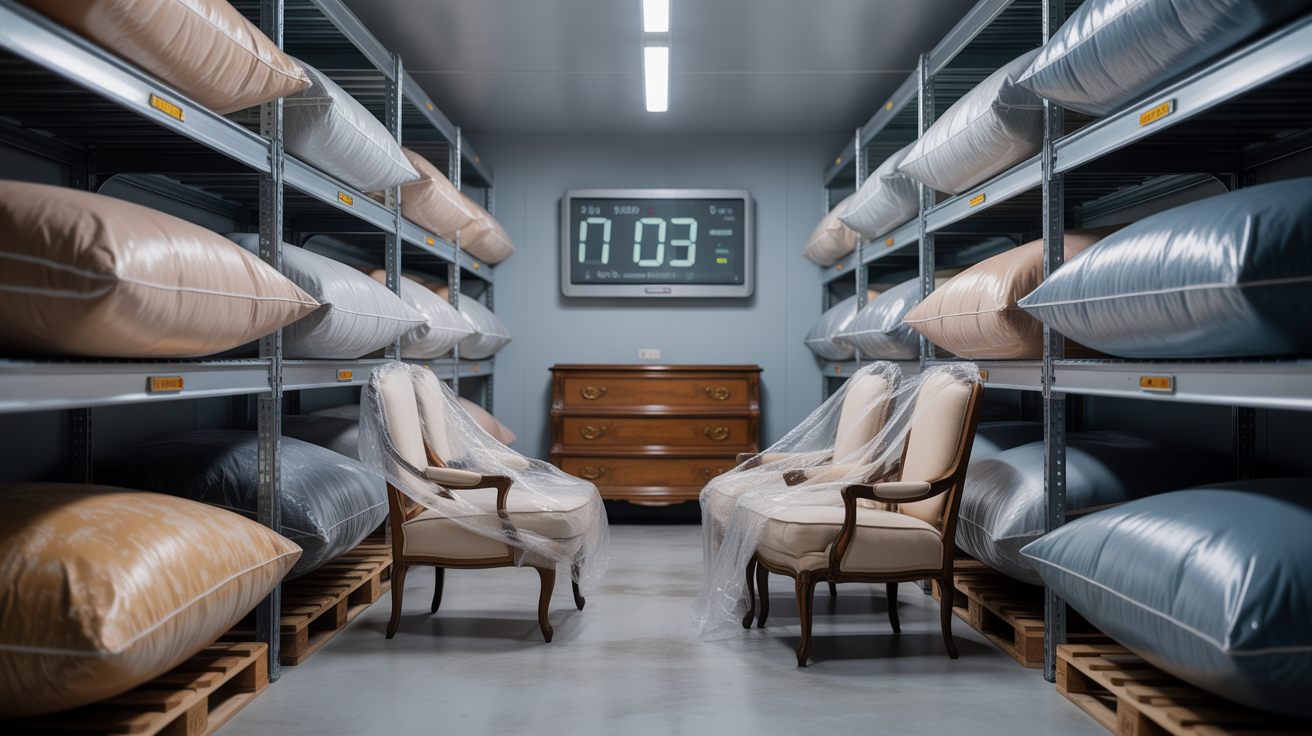
Climate-controlled storage units maintain temperatures between 55 and 80 degrees Fahrenheit year-round while regulating humidity levels. According to a U-Haul study, these units reduce furniture warping by 90 percent compared to standard storage. The cost ranges from $50 to $150 per month more than standard units, according to CubeSmart pricing data.
Choose climate control for any storage period exceeding six months. Wood furniture stored in non-regulated units during summer months in the Gunnison Valley can experience humidity swings from 20 percent in winter to 60 percent during monsoon season. These dramatic shifts cause cumulative damage that becomes irreversible over time.
Elk Mountain Storage offers interior climate-controlled units in multiple sizes, including 10x10 spaces that accommodate bedroom sets and living room furniture. The indoor units maintain consistent conditions regardless of Colorado's extreme temperature variations between seasons.
Extra Space Storage analysis shows that climate-controlled units prevent 85 to 95 percent of humidity-related damage. For furniture valued above $1,000, the additional monthly cost represents less than 1 percent of replacement value, making it a sound financial decision for quality pieces.
What Is the Best Thing to Wrap Furniture in for Storage?
Breathable cotton sheets and moving blankets provide the best protection for stored furniture. These materials shield surfaces from dust and minor scratches while allowing air circulation that prevents moisture buildup. The Smithsonian Institution's preservation guidelines specifically recommend against plastic wrap for long-term storage.
Plastic sheeting and shrink wrap trap moisture against furniture surfaces, creating microclimates where humidity concentrates. Bob Vila's professional storage recommendations suggest using Tyvek housewrap for valuable pieces because it blocks water while allowing vapor transmission. This material prevents condensation that forms when temperature changes occur.
For upholstered furniture, vacuum and clean all fabric surfaces before wrapping. Place cedar blocks inside wrapped pieces to repel pests and absorb excess moisture. The Woodworkers Guild of America reports that proper wrapping combined with cedar reduces fabric degradation by 70 percent over multi-year storage periods.
Avoid using newspaper as padding material. The ink transfers to furniture surfaces and the paper absorbs moisture, creating conditions favorable for mold growth. Use acid-free packing paper or clean cotton fabric instead.
How to Store Furniture in a Non-Climate-Controlled Storage Unit
Non-climate-controlled storage requires additional protective measures to compensate for temperature and humidity fluctuations. EPA research indicates that proper preparation reduces mold risk by 80 percent even in standard units. Follow these steps to maximize protection without climate regulation.
Elevation and Air Circulation
Place all furniture on wooden pallets, concrete blocks, or 2x4 lumber to create 6 to 12 inches of clearance from the floor. Concrete floors transmit moisture through capillary action, and cold concrete creates condensation when warm humid air enters the unit. Public Storage data confirms that elevation alone cuts moisture-related damage by 50 percent.
Leave 4 to 6 inches of space between furniture pieces and unit walls. Position items to allow airflow throughout the unit rather than packing everything tightly together. Consider placing a small battery-powered fan on a timer to circulate air during humid months.
Desiccants and Moisture Absorbers
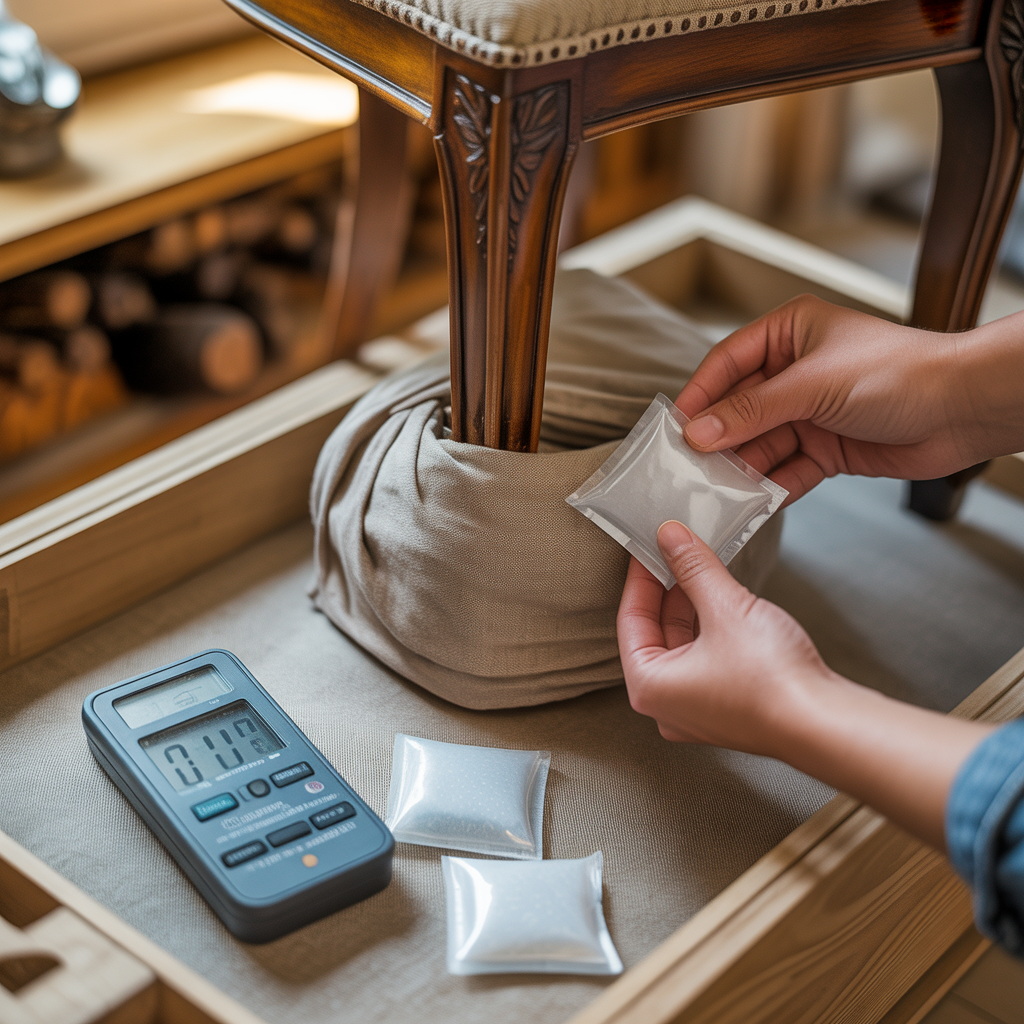
Silica gel packets absorb up to 40 percent of their weight in moisture according to Uline packaging data. Place packets inside drawers, on shelves, and throughout the storage unit. Rechargeable silica gel desiccants outperform salt-based products like DampRid for long-term storage because they can be reactivated by heating.
Industrial Packaging research recommends replacing or recharging desiccants every three months during humid seasons. A 10x10 storage unit requires approximately 2 to 3 pounds of silica gel distributed throughout the space for effective moisture control.
Preparation Before Storage
Clean all furniture thoroughly and allow pieces to dry completely before storing. Any moisture present on surfaces when the unit closes becomes trapped inside. Apply beeswax polish to wood surfaces to seal pores and reduce moisture absorption during storage.
Disassemble furniture when possible. Remove table legs, detach headboards, and take apart bed frames. This reduces stress on joints and makes pieces easier to wrap and position for optimal airflow. Store hardware in labeled plastic bags taped to the corresponding furniture piece.
What Can I Put in My Storage Unit to Keep Moisture Out?
Multiple moisture control products work together to maintain safe humidity levels in storage units. The most effective approach combines absorption, monitoring, and ventilation strategies tailored to your local climate conditions.
| Product | Coverage Area | Duration | Cost |
|---|---|---|---|
| Silica Gel Packs | Per drawer or box | 3 months, rechargeable | $15 to $30 per pound |
| DampRid Containers | Up to 250 sq ft | 30 to 60 days | $5 to $15 each |
| Eva-Dry Dehumidifiers | 333 to 500 sq ft | 20 to 30 days, renewable | $20 to $40 each |
| Molecular Sieve Packs | Per container | 6+ months | $25 to $50 per pound |
| Portable Dehumidifier | Full unit | Continuous with power | $150 to $300 |
Digital hygrometers cost $10 to $20 and provide accurate humidity readings inside your unit. Smart sensors like TempStick or SensorPush send alerts to your phone when humidity exceeds safe thresholds. This monitoring capability allows you to address problems before damage occurs.
For units in the Gunnison Valley area, the dry mountain climate means low humidity is often more concerning than high humidity during winter months. Consider using humidipaks or similar two-way humidity control products that both absorb and release moisture to maintain stable conditions.
How to Pack Furniture for Climate-Controlled Storage
Climate-controlled units provide stable conditions, but proper packing still protects against dust, scratches, and handling damage during moves. The controlled environment allows for slightly different preparation compared to standard units.
Wrap wood furniture in cotton moving blankets secured with packing tape applied only to the blanket, never directly to furniture surfaces. For pieces with glass components, use painter's tape in an X pattern across glass surfaces to prevent shattering during handling.
Upholstered items benefit from fabric protector spray applied one week before storage. This treatment creates a barrier against dust and minor moisture exposure. Vacuum all fabric surfaces immediately before wrapping to remove debris that could attract pests.
Store cushions separately from furniture frames when possible. Place cushions in breathable fabric bags or wrap in cotton sheets. Avoid compressing cushions under heavy items, as this permanently damages foam and fiber filling.
Learn more about storage protection plans that provide additional coverage for valuable furniture pieces during storage.
Regional Considerations for Colorado Mountain Storage
The Crested Butte and Gunnison Valley region presents unique storage challenges due to extreme temperature variations and altitude effects. NOAA climate data shows winter temperatures regularly dropping below zero degrees Fahrenheit while summer afternoons reach the mid-80s.
Altitude affects humidity differently than sea-level locations. The thin mountain air holds less moisture overall, but rapid temperature changes create condensation risks inside storage units. Morning sun warming a cold unit causes moisture in the air to condense on cold furniture surfaces.
Seasonal visitors storing furniture during ski season or summer months should prioritize climate-controlled options. A unit left unattended from October through May experiences temperature swings of over 100 degrees Fahrenheit between seasons. According to StorageCafe's 2025 survey, annual inspections reduce long-term storage damage by 15 percent.
Elk Mountain Storage's locally owned facility understands these regional challenges. The 24/7 secure access allows customers to check on stored items during any season, adjusting protection measures as conditions change.
Long-Term Furniture Storage Strategies
Storage periods exceeding six months require additional planning and periodic maintenance. The Storage Association reports that 28 percent of U.S. households experience some form of storage loss, with 60 percent of those losses related to moisture damage over extended periods.
Inspection Schedule
Visit your storage unit every three months during the first year to assess conditions. Check for musty odors that indicate mold growth, inspect desiccants for saturation, and verify that protective coverings remain in place. Adjust ventilation and moisture control products based on seasonal changes.
Documentation
Photograph all furniture before storage, including close-ups of existing wear, scratches, and hardware. This documentation supports insurance claims if damage occurs and helps identify new problems during inspections. Store digital copies of photographs in cloud storage for easy access.
Insurance Coverage
Standard homeowner's insurance policies often exclude items in storage or provide limited coverage. Neighbor.com claims data shows the average furniture damage claim totals $1,200 per set. Dedicated storage insurance or facility protection plans provide coverage specifically designed for stored belongings.
Preventing Musty Smells in Stored Furniture
Musty odors indicate mold or mildew growth that may not yet be visible. Prevention requires controlling moisture before storage and maintaining proper conditions throughout the storage period. Once odors develop, remediation becomes significantly more difficult and expensive.
Baking soda placed in open containers throughout the unit absorbs odors and excess moisture. Replace baking soda every 30 days for optimal effectiveness. Activated charcoal provides stronger odor absorption for units with existing smell issues.
Cedar blocks and lavender sachets serve dual purposes: they repel fabric pests while providing pleasant scents that mask any developing mustiness. Place these products inside drawers, on shelves, and within wrapped upholstered pieces.
If musty smells develop despite precautions, remove affected items immediately and allow them to air in direct sunlight for several hours. Sunlight kills mold spores and helps eliminate odors. Clean surfaces with a solution of one part white vinegar to three parts water before returning items to storage.
Are Climate-Controlled Storage Units Worth the Extra Cost?
Climate-controlled units cost 25 to 50 percent more than standard storage, translating to an additional $30 to $100 per month for typical furniture storage sizes. Extra Space Storage analysis demonstrates that this investment prevents 85 to 95 percent of temperature and humidity-related damage.
Calculate the value of your stored furniture against annual climate control costs. A bedroom set worth $3,000 stored for two years in a climate-controlled unit at $75 per month premium costs $1,800 in additional fees. If climate control prevents even one major repair or replacement, the investment pays for itself.
For short-term storage under three months, standard units with proper preparation often provide adequate protection in moderate climates. However, the Gunnison Valley's extreme temperature swings make climate control advisable even for shorter periods during winter and summer months.
Elk Mountain Storage offers climate-controlled interior units in multiple sizes; check the live unit list for current availability and rates. This pricing makes climate protection accessible for furniture storage needs of any duration.
Best Desiccants for Furniture Storage
Silica gel remains the most effective and economical desiccant for furniture storage applications. Industrial-grade silica gel absorbs moisture without releasing it back into the air until actively regenerated through heating. Purchase indicating silica gel that changes color when saturated to simplify replacement timing.
Molecular sieve desiccants outperform silica gel in very low humidity environments or when storing items sensitive to even minimal moisture exposure. These synthetic zeolite materials absorb moisture more aggressively but cost two to three times more than standard silica gel.
Calcium chloride products like DampRid work well for initial moisture removal but require frequent replacement and can drip liquid if overfilled. Use these products during the first month of storage when trapped moisture is highest, then transition to silica gel for ongoing protection.
For a 10x10 storage unit, plan on 2 to 3 pounds of silica gel distributed in mesh bags throughout the space. Place larger quantities near the floor where humidity concentrates and inside enclosed furniture pieces like armoires and dressers.
Furniture Storage Checklist
Use this checklist before placing any furniture in storage to ensure maximum protection against humidity and temperature damage.
Two Weeks Before Storage:
- Clean all surfaces with appropriate cleaners for each material type
- Apply fabric protector to upholstered pieces
- Treat wood with beeswax or appropriate polish
- Photograph all items for documentation
Day of Storage:
- Verify all items are completely dry
- Disassemble large pieces and bag hardware
- Wrap in breathable cotton covers
- Place pallets or blocks for elevation
- Position desiccants throughout the unit
- Install hygrometer for monitoring
- Leave space between items and walls
Ongoing Maintenance:
- Check humidity readings monthly via smart sensor or visits
- Replace or recharge desiccants every three months
- Inspect for odors or visible damage quarterly
- Adjust protection measures seasonally
Following this systematic approach protects furniture investments while minimizing the time and cost required for ongoing maintenance. Proper preparation combined with appropriate storage conditions preserves furniture quality for years of future use.
|