Cheapest Storage Unit Options: How to Find Units From $5/Month |
| CHEAPEST STORAGE UNIT
⏱ 11 min read ·
📄 #2,010 words
Find the cheapest storage units near you with prices starting at $5/month. Compare strategies, unit types, and money-saving tips to cut storage costs by 50%.
|
T he cheapest storage units cost $5 to $50 per month for small 5x5 spaces at budget facilities, with ground-level drive-up units at automated locations offering the lowest rates. Comparing prices on aggregator sites like SelfStorage.com and looking for first-month-free promotions can reduce your annual storage costs by 30 to 50 percent.
| Key Points: | |
|---|---|
| • | Smallest units (5x5) start at $5 to $50 monthly; national average is $89.12 for all sizes in 2026 |
| • | Ground-level, non-climate-controlled units cost 20 to 30 percent less than climate-controlled options |
| • | First-month-free promotions save $50 to $200 depending on unit size |
| • | Suburban facilities charge 15 to 40 percent less than downtown locations |
| • | Booking online typically unlocks exclusive discounts of 10 to 50 percent off standard rates |
What Is the Cheapest Storage Option Available?
The cheapest storage option is typically a small, ground-level, non-climate-controlled unit at an automated or independently owned facility. According to industry data from Extra Space Storage, 5x5 units represent the most affordable tier, with prices ranging from $5 in promotional markets to $75 in high-demand urban areas.
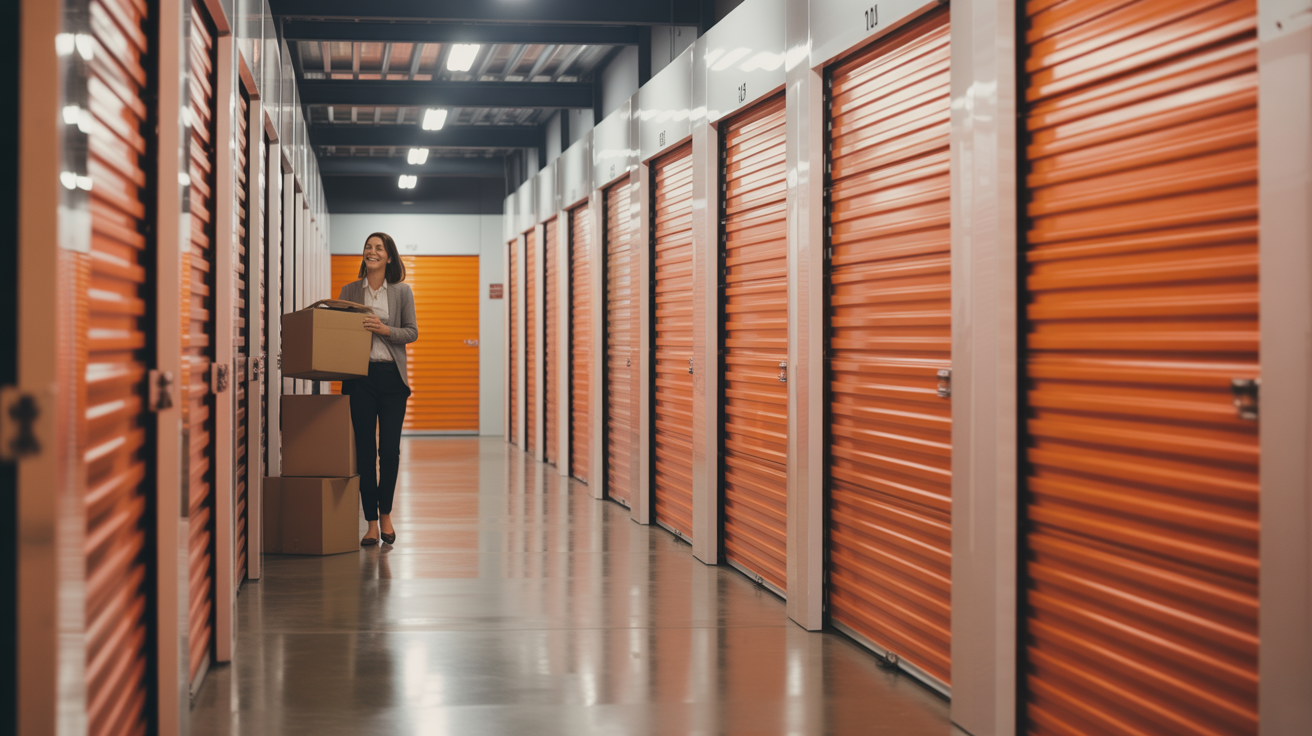
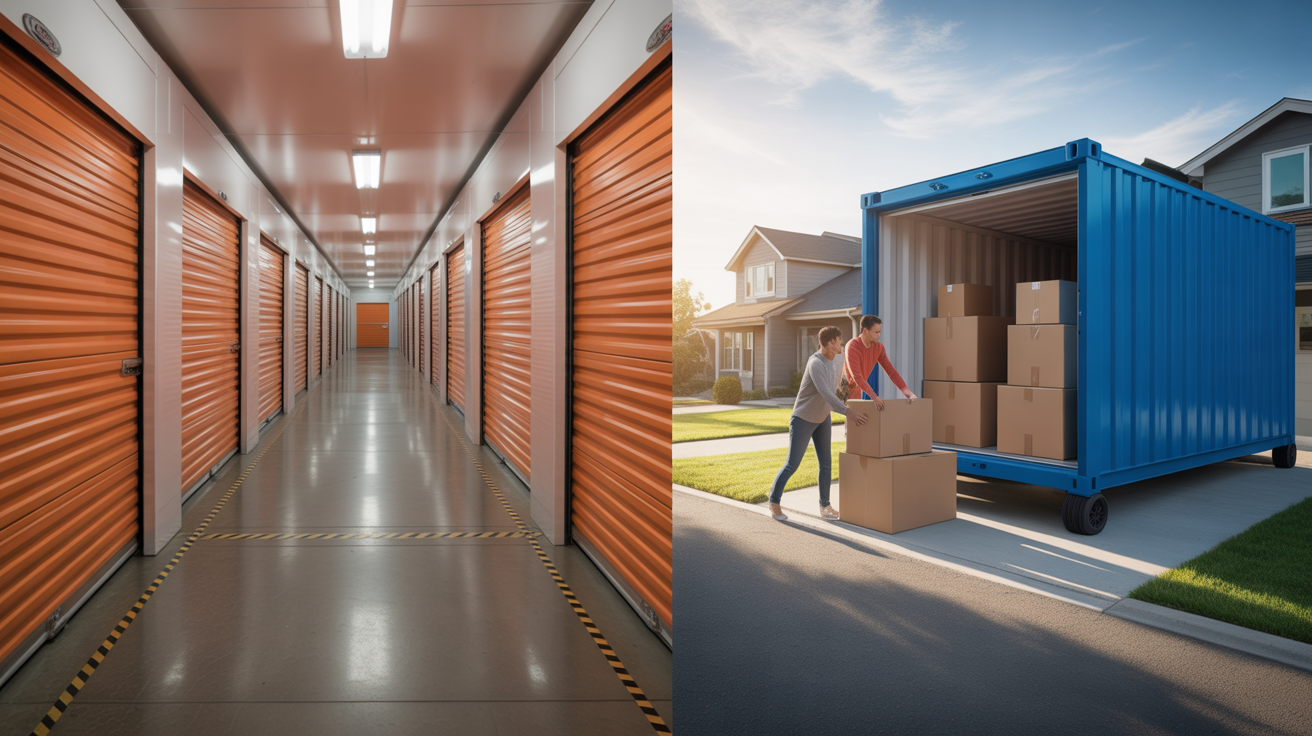
Automated facilities without on-site staff operate with lower overhead costs, passing savings to customers. These locations use digital access codes, security cameras, and online management systems. Container storage and portable units from companies like PODS or U-Pack offer alternatives starting around $99 monthly for local storage.
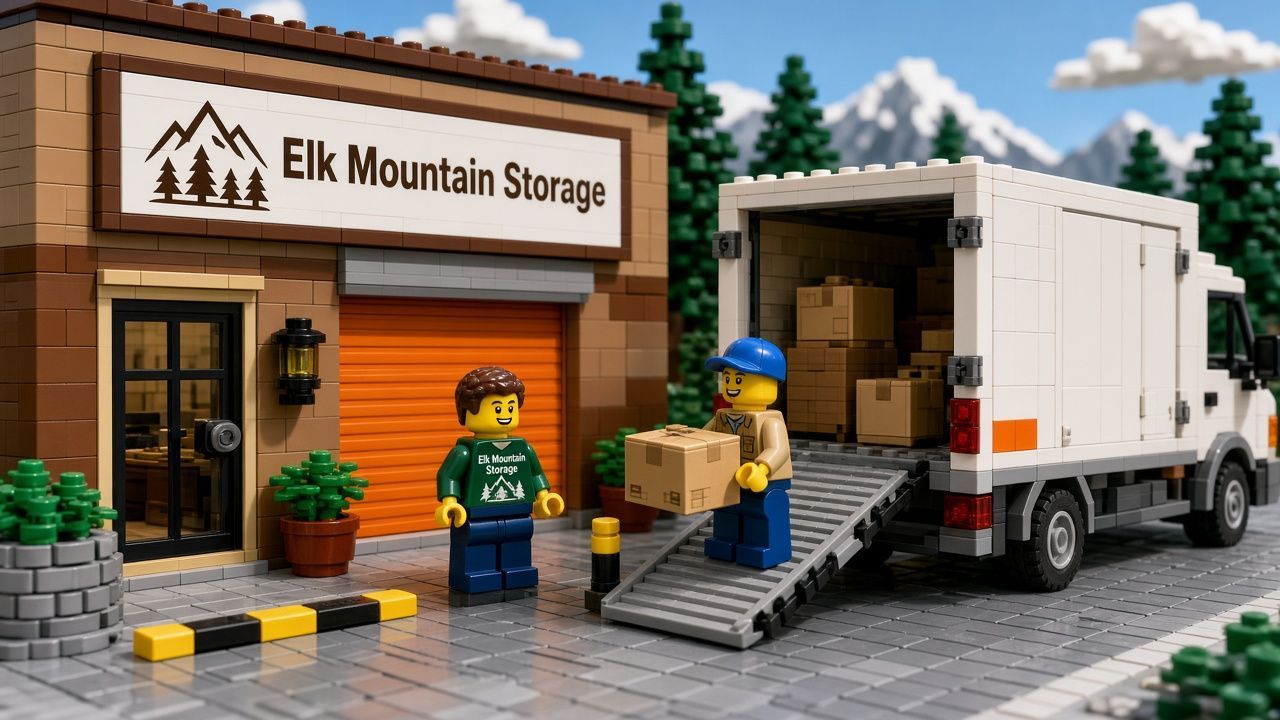
Interior upstairs units, while slightly less convenient, often cost $10 to $30 less than ground-floor equivalents. At Elk Mountain Storage in downtown Crested Butte, interior upstairs units start at $175 monthly, providing secure indoor access for boxes and seasonal items.
Average Storage Unit Costs by Size in 2026
Storage pricing varies significantly based on unit dimensions, with larger spaces offering better per-square-foot value. The Self Storage Association reports that national average prices increased 3.2 percent from 2025 to 2026, though promotional pricing remains aggressive in competitive markets.
| Unit Size | Square Feet | National Average | Budget Range |
|---|---|---|---|
| 5x5 | 25 sq ft | $58/month | $5 to $75 |
| 5x10 | 50 sq ft | $89/month | $35 to $150 |
| 10x10 | 100 sq ft | $129/month | $60 to $225 |
| 10x20 | 200 sq ft | $189/month | $100 to $350 |
| 10x30 | 300 sq ft | $249/month | $150 to $500 |
Mountain resort communities and coastal cities command premium pricing. In Crested Butte, Colorado, a 10x20 drive-up unit at Elk Mountain Storage runs $417 monthly, reflecting limited supply and high seasonal demand from second-home owners and outdoor recreation enthusiasts.
Which Storage Companies Offer the Lowest Prices?
National chains including Public Storage, Extra Space Storage, CubeSmart, and Life Storage compete aggressively on introductory pricing. Extra Space Storage advertises units starting at $8 in select markets like Lansing, Michigan, and Oklahoma City. Public Storage frequently offers first-month rates of $1 to attract new customers.
U-Haul storage facilities provide competitive rates with the added convenience of truck rental integration. Their network spans thousands of locations across the United States and Canada, making them accessible for most renters.
Independent and locally owned facilities often match or beat chain pricing while providing personalized service. These operators have flexibility to negotiate rates, waive fees, and offer loyalty discounts that corporate policies prohibit. In the Gunnison Valley, local options include facilities in both Gunnison and Crested Butte serving residents who need convenient access.
Price Comparison: Major Storage Providers
| Provider | Starting Price | First Month Deal | Notable Feature |
|---|---|---|---|
| Extra Space Storage | $8/month | 50% off first month | Largest U.S. network |
| Public Storage | $41/month | $1 first month | Most locations nationwide |
| CubeSmart | $29/month | First month free | No admin fees |
| Life Storage | $72/month | 50% off second month | Climate control standard |
| U-Haul | $39/month | 30 days free | Truck rental integration |
8 Strategies to Find Cheap Storage Units Near You
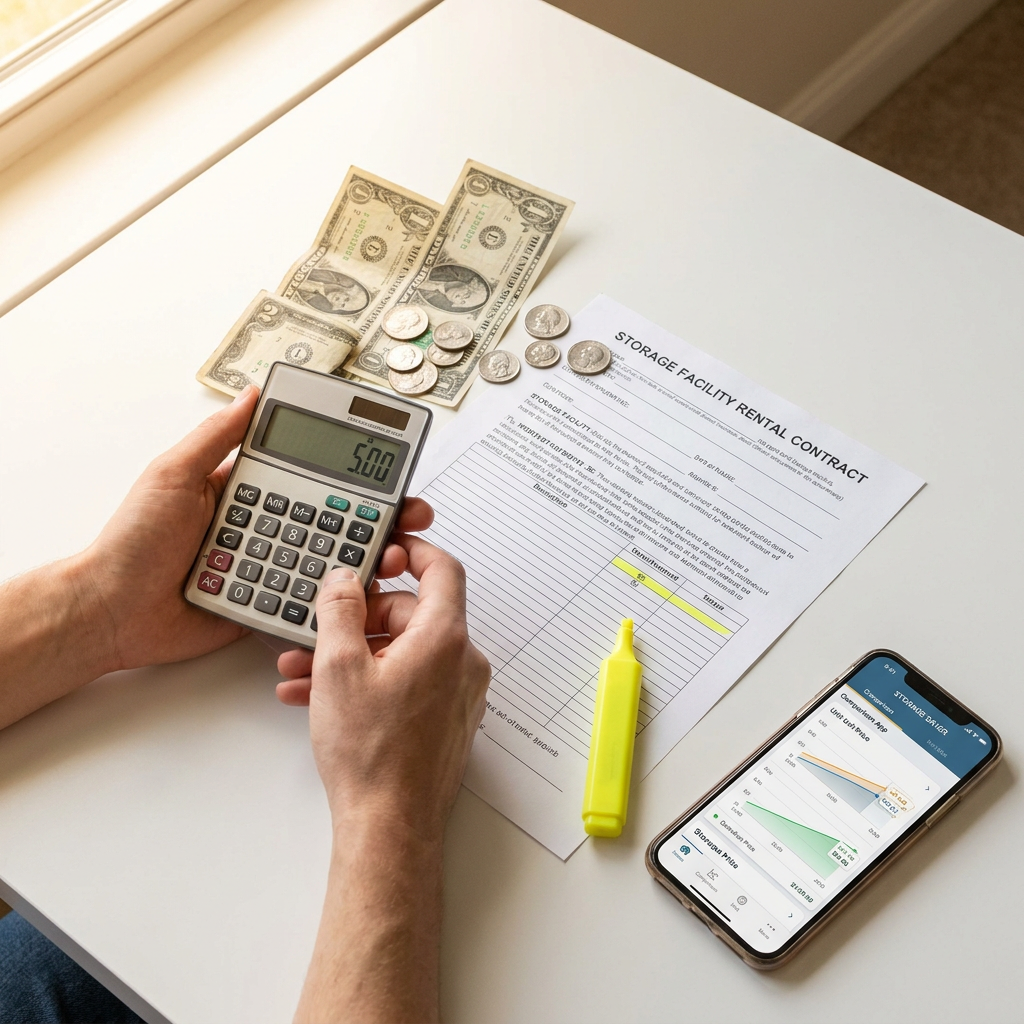
Finding affordable storage requires comparing multiple facilities, timing your rental strategically, and negotiating effectively. These eight approaches consistently deliver the lowest rates.
1. Use Price Comparison Websites
Aggregator platforms like SpareFoot, SelfStorage.com, and Storage.com display real-time pricing from thousands of facilities. These sites negotiate exclusive online rates unavailable through direct booking. StorageCafe research indicates online bookings save customers 10 to 25 percent compared to walk-in rates.
2. Choose Non-Climate-Controlled Units
Climate-controlled storage costs 20 to 50 percent more than standard units. If you are storing durable items like furniture, tools, or seasonal decorations, standard units provide adequate protection in most climates. Reserve climate control for electronics, documents, photographs, wooden instruments, or items stored longer than six months in extreme temperature zones.
Learn more about storage unit pricing in mountain communities to understand how climate affects your storage decisions.
3. Select Ground-Level Drive-Up Access
Drive-up units at automated facilities without elevators or interior hallways operate more efficiently. Facilities pass these savings to renters through lower monthly rates. Drive-up access also eliminates the need for dollies or carts, reducing your moving time and effort.
4. Rent the Smallest Unit Possible
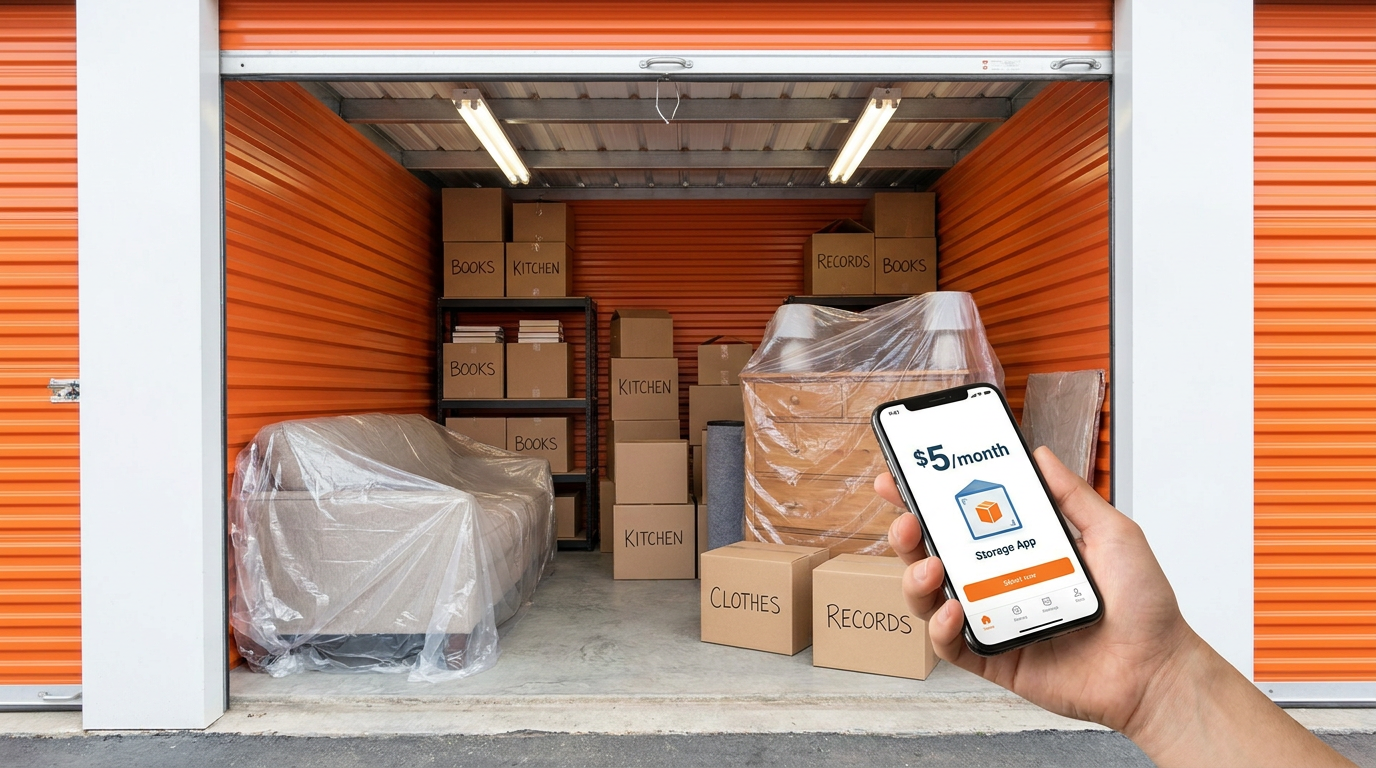
Overestimating space needs wastes money every month. Use a storage unit size guide to calculate your actual requirements. A 5x5 unit holds approximately 20 boxes or a small closet worth of items. A 5x10 accommodates a studio apartment or small office contents.
5. Look for First-Month Promotions
Most storage facilities offer aggressive first-month deals including $1 first month, 50 percent off, or completely free initial periods. Elk Mountain Storage provides 50 percent off the first month for online rentals, immediately reducing your upfront costs.
6. Consider Suburban Locations
Facilities located 10 to 15 miles outside city centers charge significantly less than downtown locations. If you have vehicle access and can tolerate a short drive, suburban storage delivers substantial savings. The price difference often exceeds $50 monthly for equivalent unit sizes.
7. Avoid Long-Term Contracts
Month-to-month leasing provides flexibility to relocate belongings or cancel without penalty. Some facilities offer discounts for prepaying 6 to 12 months, but calculate carefully. Prepayment discounts rarely exceed 10 percent, and you lose flexibility if circumstances change.
8. Negotiate Directly
Call facilities directly and ask about unadvertised specials, price matching, or loyalty discounts. Independent operators have more pricing flexibility than corporate chains. Mention competitor rates and ask if they can match or beat published prices.
How to Get Lots of Storage for Cheap
Maximizing storage value requires strategic organization and smart facility selection. These approaches stretch your storage budget further.
Stack vertically: Use uniform boxes and sturdy shelving to maximize vertical space. A well-organized 5x10 unit can hold contents that would otherwise require a 10x10, saving $40 to $100 monthly.
Disassemble furniture: Remove table legs, bed frames, and shelving units. Flat-packed furniture occupies 30 to 50 percent less space than assembled pieces.
Vacuum-seal soft items: Compression bags reduce clothing, bedding, and fabric volume by up to 75 percent. A $20 investment in vacuum bags can eliminate the need for a larger unit.
Rotate seasonal items: Store only what you need for the current season. Our guide on storing holiday decorations by season explains rotation systems that minimize required space.
Share with others: Split a larger unit with family members or friends. A 10x20 unit shared between two households costs less per person than two separate 5x10 units.
Where Do I Get Cheap Storage in Mountain Communities?
Mountain resort areas present unique storage challenges. Limited real estate, seasonal population fluctuations, and high construction costs drive prices above national averages. However, strategic approaches can reduce costs even in premium markets.
In the Gunnison Valley, residents face a choice between driving 28 miles to Gunnison facilities or paying higher rates for convenient Crested Butte locations. Gunnison residents storing gear near ski areas and trailheads often find the convenience worth the premium, especially for seasonal equipment accessed frequently.
Second-home owners benefit from local storage that eliminates the need to transport items between properties. Storing skis, bikes, and outdoor gear at a facility near your mountain home provides immediate access without vehicle space constraints.
For business storage needs, contractors and seasonal operators can explore commercial storage solutions with drive-up access for tools, equipment, and inventory.
Climate-Controlled vs. Standard Storage: Cost Comparison
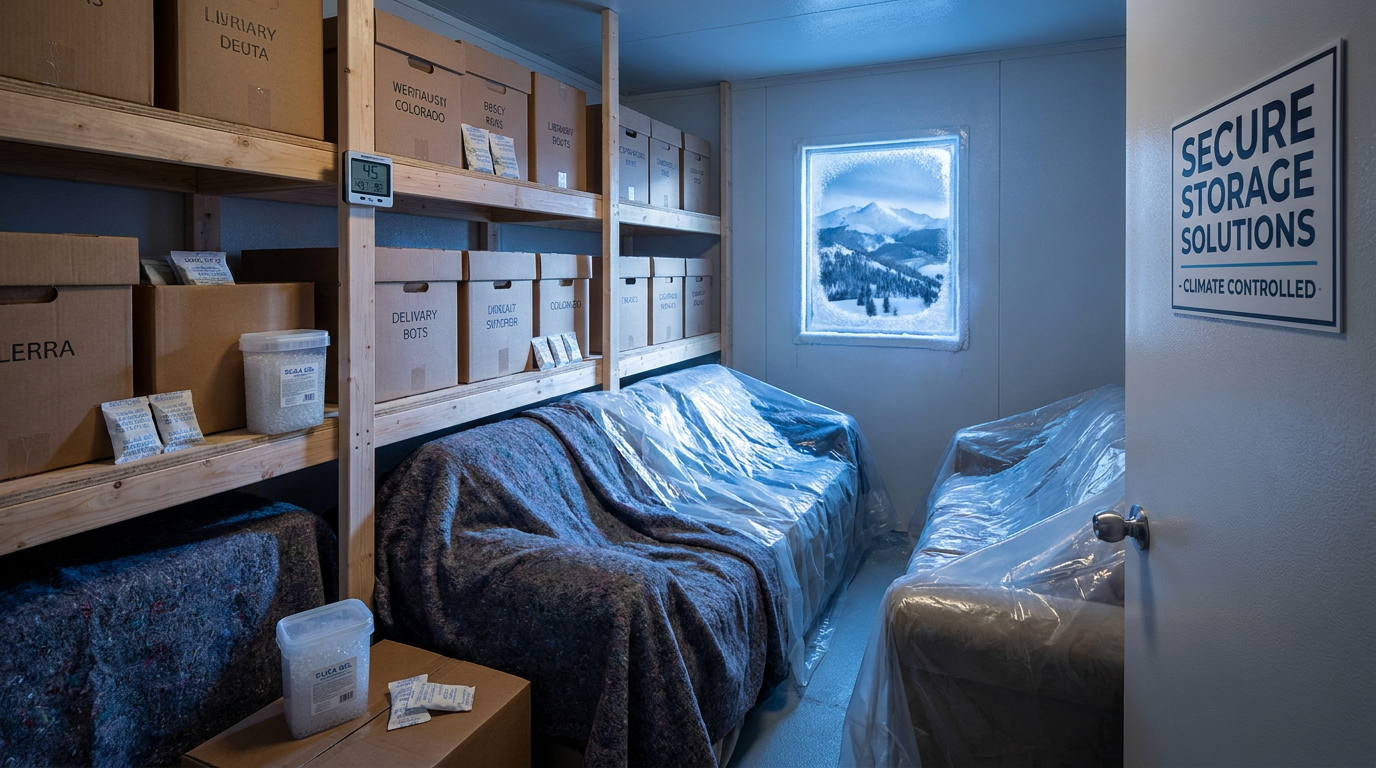
Climate-controlled units maintain temperatures between 55 and 80 degrees Fahrenheit with humidity levels below 55 percent. This protection costs 25 to 50 percent more than standard storage but prevents damage to sensitive items.
Items requiring climate control: Electronics, wooden furniture, musical instruments, artwork, photographs, documents, wine, leather goods, and antiques. These items suffer irreversible damage from temperature extremes and humidity fluctuations.
Items safe in standard storage: Metal tools, plastic containers, outdoor furniture, sporting equipment, vehicles, and durable household goods. These items tolerate temperature variations without degradation.
In mountain climates where temperatures drop below freezing for months, standard units may expose belongings to damaging conditions. Evaluate your specific items and local climate before choosing the cheapest option. Our storage insurance guide explains coverage options for protecting valuable items.
Hidden Fees That Increase Storage Costs
Advertised rates rarely reflect total costs. Watch for these common fees that inflate your monthly bill.
Administration fees: One-time charges of $15 to $50 for processing paperwork and setting up accounts. Ask if these can be waived when booking online.
Security deposits: Refundable deposits ranging from $25 to one month's rent. Some facilities, including Elk Mountain Storage, require no deposit for month-to-month leases.
Insurance requirements: Most facilities require tenant protection coverage costing $10 to $30 monthly. Your existing renters or homeowners insurance may already cover stored items. Review your tenant protection options before purchasing duplicate coverage.
Late payment fees: Charges of $20 to $50 for payments received after the due date. Set up autopay to avoid these penalties.
Lock purchases: Facilities often require specific lock types costing $10 to $25. Bring your own if permitted to avoid markup.
Storage Auctions: An Alternative for Budget Shoppers
Storage auctions occur when tenants default on payments, typically after 30 to 90 days of non-payment. Facilities auction unit contents to recover losses, often selling items well below retail value.
Platforms like StorageTreasures.com and AuctionZip.com list upcoming auctions nationwide. Buyers can find furniture, electronics, collectibles, and household goods at significant discounts. However, auction purchases are final, and contents vary dramatically in quality and value.
This approach works for budget-conscious shoppers seeking specific items rather than storage space. Attending local auctions also reveals which facilities have high turnover, potentially indicating pricing or service issues to avoid.

Frequently Asked Questions
What is the cheapest storage option?
The cheapest storage option is a small 5x5 non-climate-controlled unit at an automated facility, with prices starting at $5 to $50 monthly. Ground-level drive-up units at suburban locations offer the lowest rates. Container storage and shared units provide alternatives for budget-conscious renters.
Which is the cheapest storage company?
Extra Space Storage and Public Storage frequently offer the lowest promotional rates, with units starting at $5 to $8 in select markets. CubeSmart and U-Haul provide competitive pricing with fewer fees. Independent facilities often match or beat chain pricing when contacted directly.
Where do I get cheap storage?
Find cheap storage by comparing prices on aggregator sites like SelfStorage.com and SpareFoot, selecting suburban locations over downtown facilities, and choosing non-climate-controlled units. Booking online typically unlocks exclusive discounts of 10 to 50 percent off standard rates.
How to get lots of storage for cheap?
Maximize affordable storage by stacking boxes vertically, disassembling furniture, using vacuum-seal bags for soft items, and sharing larger units with family or friends. A well-organized 5x10 unit can hold contents that would otherwise require a 10x10, saving $40 to $100 monthly.
Is it worth driving farther for cheaper storage?
Driving 10 to 15 miles to a suburban facility can save $50 to $150 monthly compared to downtown locations. Calculate your gas costs and time value. For items accessed monthly or less, the savings typically justify the extra distance.
Do storage prices increase after the first month?
Yes, most promotional rates apply only to the first month. Standard rates begin in month two. Ask facilities about rate lock guarantees and typical annual increases before signing. Some facilities raise rates 5 to 10 percent annually for existing tenants.
|