Summer Storage Checklist for College Students: Pack and Protect |
| SUMMER STORAGE CHECKLIST FOR COLLEGE STUDENTS: WHAT TO PACK AND PROTECT
⏱ 12 min read ·
📄 #2,382 words
Complete summer storage checklist for college students covering what to pack, protect, and store. Includes packing tips, prohibited items, and storage unit recommendations.
|
C ollege students need to sort belongings into four categories before summer break: items to take home, items requiring storage protection, items for off-campus units, and prohibited items to leave behind. A 5x10 storage unit accommodates a typical dorm room's contents for $140 to $260 monthly, while climate-controlled options protect electronics and textbooks from temperatures exceeding 90 degrees Fahrenheit.

| Key Points: | |
|---|---|
| • | Start packing 2 to 3 weeks before move-out to avoid last-minute stress and booking delays |
| • | Use plastic totes (23x17x17 inches maximum) for dorm storage; cardboard attracts pests and moisture |
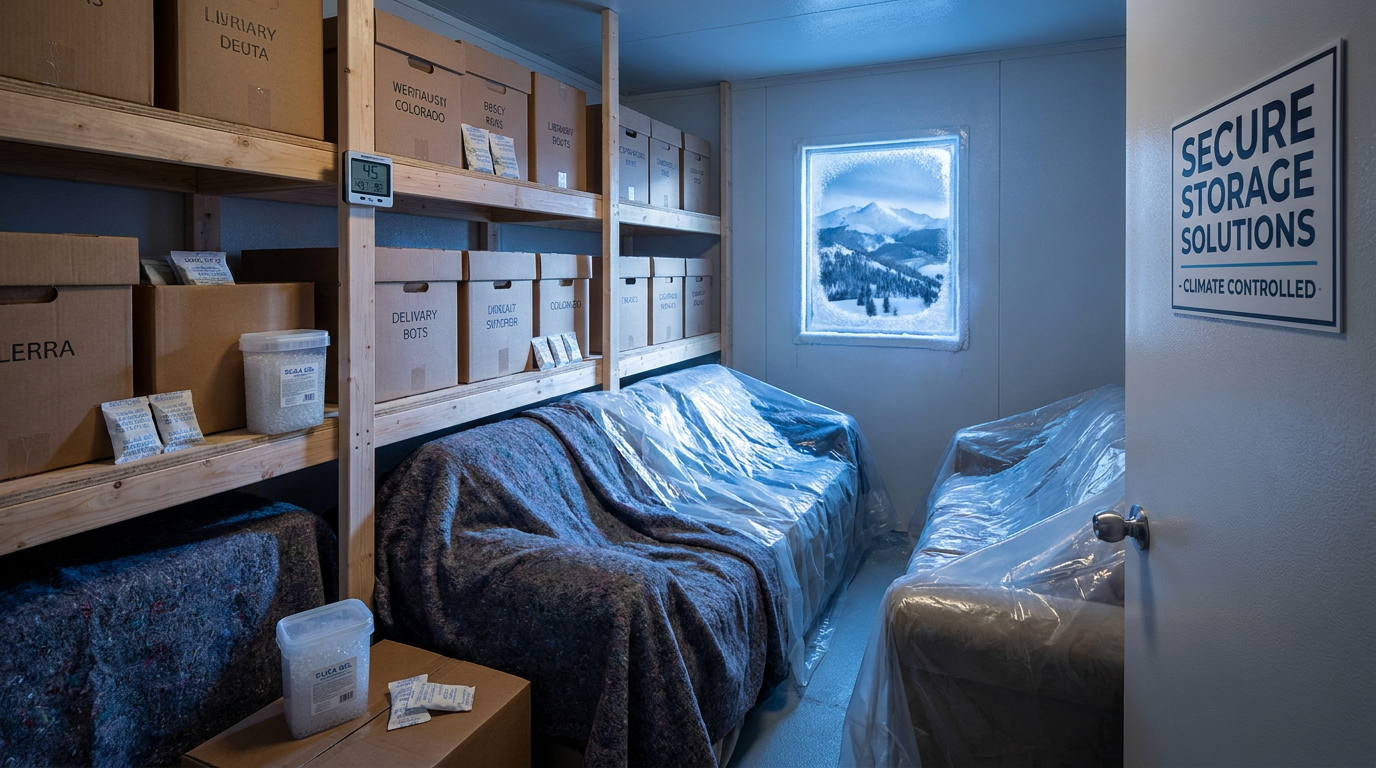
| • | Climate-controlled units maintain 55 to 80 degrees Fahrenheit, protecting electronics and textbooks |
| • | Label boxes on two sides with specific contents: "Kitchen: Plates, Toaster" not just "Kitchen" |
| • | Check dorm storage deadlines; most schools require items removed within 48 hours of commencement |
Essential Items to Take Home for Summer
According to the National Association of College Stores, students spend an average of $1,200 annually on dorm supplies. Taking essential items home eliminates duplicate purchases and storage costs. Focus on daily-use items and irreplaceable documents.
Pack weather-appropriate clothing first. Summer wardrobes require swimsuits, shorts, and lightweight fabrics. Use vacuum compression bags from brands like SpaceSaver or Ziploc to reduce clothing volume by 75 percent. This technique works particularly well for bulky items like hoodies and sweatpants.
Gather all important documents before leaving campus. This includes your student ID, health insurance cards, financial aid paperwork, lease agreements, and passport if applicable. Store these in a waterproof document folder from Staples or Office Depot costing $8 to $15.
Items That Must Go Home
Certain items cannot remain in dorm storage or off-campus units due to safety regulations. The Consumer Product Safety Commission prohibits storing flammable liquids, perishable foods, and lithium batteries in unattended spaces for extended periods.
Take home all prescription medications, as storage facilities cannot maintain pharmacy-grade temperature controls. Personal toiletries, especially aerosol products, pose fire hazards in enclosed spaces. Remove all perishable food items at least one week before move-out to prevent pest infestations.
What to Protect and Pack for Storage
The Self Storage Association reports that 70 percent of college students store summer items, with electronics and textbooks requiring the most protection. Proper packing prevents the $500 to $2,000 replacement costs associated with heat and moisture damage.
Electronics need climate-controlled environments when temperatures exceed 85 degrees Fahrenheit. Wrap laptops, monitors, and gaming consoles in soft clothing or microfiber towels before placing them in original boxes. According to Apple's storage guidelines, MacBooks should be stored between 50 and 95 degrees Fahrenheit with battery charge at 50 percent.
Textbooks and paper documents absorb moisture quickly. A study by the Library of Congress found that paper deteriorates rapidly above 75 degrees Fahrenheit with humidity exceeding 60 percent. Place silica gel packets from Amazon or Uline (approximately $12 for 100 packets) inside boxes containing books.
Packing Supplies Checklist
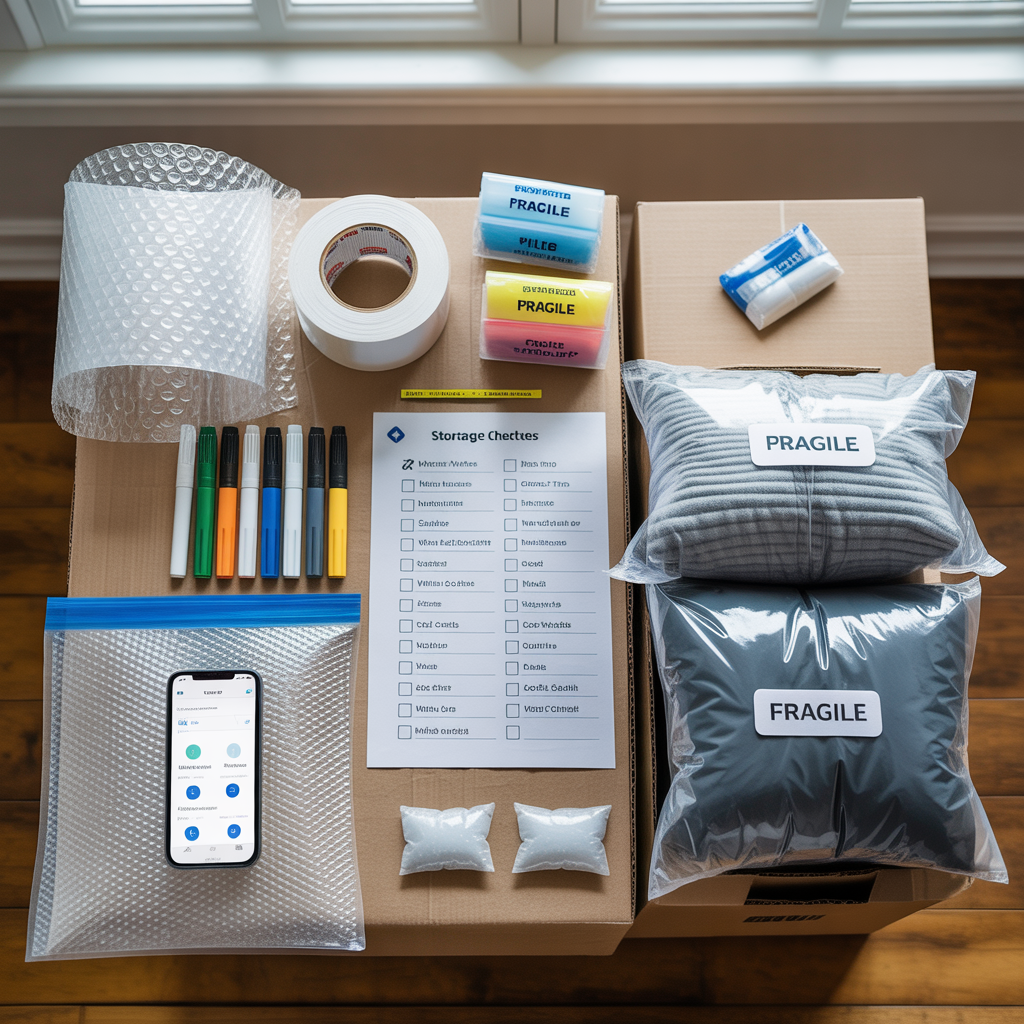
Invest in quality packing materials to protect your belongings. According to U-Haul pricing data, proper supplies cost $50 to $100 but prevent hundreds in damage claims.
| Supply Item | Recommended Quantity | Estimated Cost | Best For |
|---|---|---|---|
| Plastic totes (23x17x17 inches) | 5 to 8 totes | $8 to $15 each | Clothing, linens, books |
| Heavy-duty boxes (18x18x18 inches) | 3 to 5 boxes | $3 to $5 each | Electronics, fragile items |
| Bubble wrap (100 feet) | 1 roll | $15 to $25 | Monitors, dishes, decor |
| Packing tape (3 rolls) | 3 rolls | $10 to $15 | Sealing all boxes |
| Permanent markers | 2 to 3 markers | $5 to $8 | Labeling containers |
| Vacuum storage bags | 6 to 10 bags | $15 to $25 | Bulky clothing, bedding |
Fragile Item Protection Methods
Professional movers from companies like Two Men and a Truck recommend the "clothing cushion" technique for college students on tight budgets. Wrap breakable items in hoodies, towels, or t-shirts instead of purchasing additional bubble wrap. This method saves $20 to $40 while providing equivalent protection.
Label fragile boxes on at least two sides with specific contents. Write "Fragile: Desk Lamp, Picture Frames" rather than simply "Fragile." This specificity helps during unpacking and alerts anyone handling the box to its delicate contents.
Disassemble items when possible. Remove lightbulbs from lamps, detach monitor stands, and separate bed risers from bed frames. Store hardware in labeled ziplock bags taped directly to the corresponding item.
Storage Options Comparison: Dorm vs. Off-Campus Units
Data from SpareFoot indicates that 45 percent of college students use off-campus storage, while 30 percent rely on dorm facilities and 25 percent transport everything home. Each option has distinct advantages depending on your location and summer plans.
Dorm storage typically costs nothing but comes with severe restrictions. Most universities, including institutions like Carleton College and the University of Florida, limit stored items to plastic totes under 23 inches in any dimension. Furniture, bikes, and electronics are prohibited in most campus storage programs.
Off-campus storage units provide flexibility for out-of-state students. A storage unit size guide helps determine the right fit, with 5x10 units accommodating most dorm contents. Climate-controlled interior units, such as Elk Mountain Storage's 10x10 interior option at $140 monthly, protect sensitive items from Colorado's temperature fluctuations.
| Factor | Dorm Storage | Off-Campus Unit | Taking Home |
|---|---|---|---|
| Cost (3 months) | Free to $50 | $210 to $780 | $0 to $300 (transport) |
| Climate Control | Rarely available | Available (55 to 80 degrees) | Home AC dependent |
| Access | Limited hours | 24/7 at most facilities | Anytime |
| Size Limits | 18 to 23 inch containers | 5x5 to 10x30 units | Vehicle capacity |
| Best For | Small items, local students | Out-of-state, furniture | Valuables, daily items |
Prohibited Items: What You Cannot Store
The Self Storage Association's 2025 guidelines identify specific items banned from nearly all storage facilities. Violating these rules can result in lease termination, fines up to $500, and liability for damages to adjacent units.
Perishable food attracts rodents and insects within 48 to 72 hours in enclosed spaces. Even sealed containers cannot prevent pest infestations during three-month storage periods. Donate unopened non-perishables to campus food banks or local organizations like Feeding America affiliates.
Flammable materials pose significant fire hazards. This category includes propane tanks, lighter fluid, aerosol cans, and cleaning solvents. The National Fire Protection Association reports that storage facility fires cause an average of $15 million in annual damages, with flammable liquids as a leading cause.
Complete Prohibited Items List
Review this list before packing to avoid last-minute disposal challenges:
- Perishable foods : All refrigerated items, produce, opened packages
- Flammable liquids : Gasoline, propane, lighter fluid, paint thinner
- Hazardous materials : Batteries, chemicals, fertilizers, pesticides
- Living things : Plants, pets, any living organisms
- Weapons and ammunition : Firearms, explosives, fireworks
- Large furniture : Sofas, mattresses, dining tables (dorm storage only)
- Vehicles : Bikes, scooters, electric vehicles (dorm storage only)
- Valuables without protection : Cash, jewelry, irreplaceable documents
Consider storage protection plans for valuable items that must remain in storage. These plans typically cost $10 to $25 monthly and cover damage from fire, theft, and natural disasters up to specified limits.
Climate Control: When You Need It
Research from the International Association of Certified Home Inspectors indicates that items stored above 90 degrees Fahrenheit for extended periods suffer irreversible damage. Climate-controlled units maintain temperatures between 55 and 80 degrees Fahrenheit year-round.
Electronics require climate control in regions where summer temperatures exceed 85 degrees. Hard drives, according to Seagate's technical specifications, have optimal operating ranges of 41 to 95 degrees Fahrenheit. Prolonged exposure to higher temperatures causes data loss and component failure.
Wooden furniture and musical instruments expand and contract with temperature changes. The Smithsonian Institution recommends storing wooden items at 70 degrees Fahrenheit with 45 percent relative humidity. Guitars, violins, and wooden desks crack when exposed to extreme temperature swings.
Items Requiring Climate Control
Budget for climate-controlled storage if you own any of these items:
- Electronics : Laptops, monitors, gaming consoles, televisions
- Musical instruments : Guitars, keyboards, brass instruments
- Wooden furniture : Desks, bookshelves, bed frames
- Photographs and artwork : Prints, paintings, photo albums
- Leather goods : Jackets, bags, shoes, furniture
- Important documents : Textbooks, notes, certificates
- Vinyl records and media : Records warp above 85 degrees
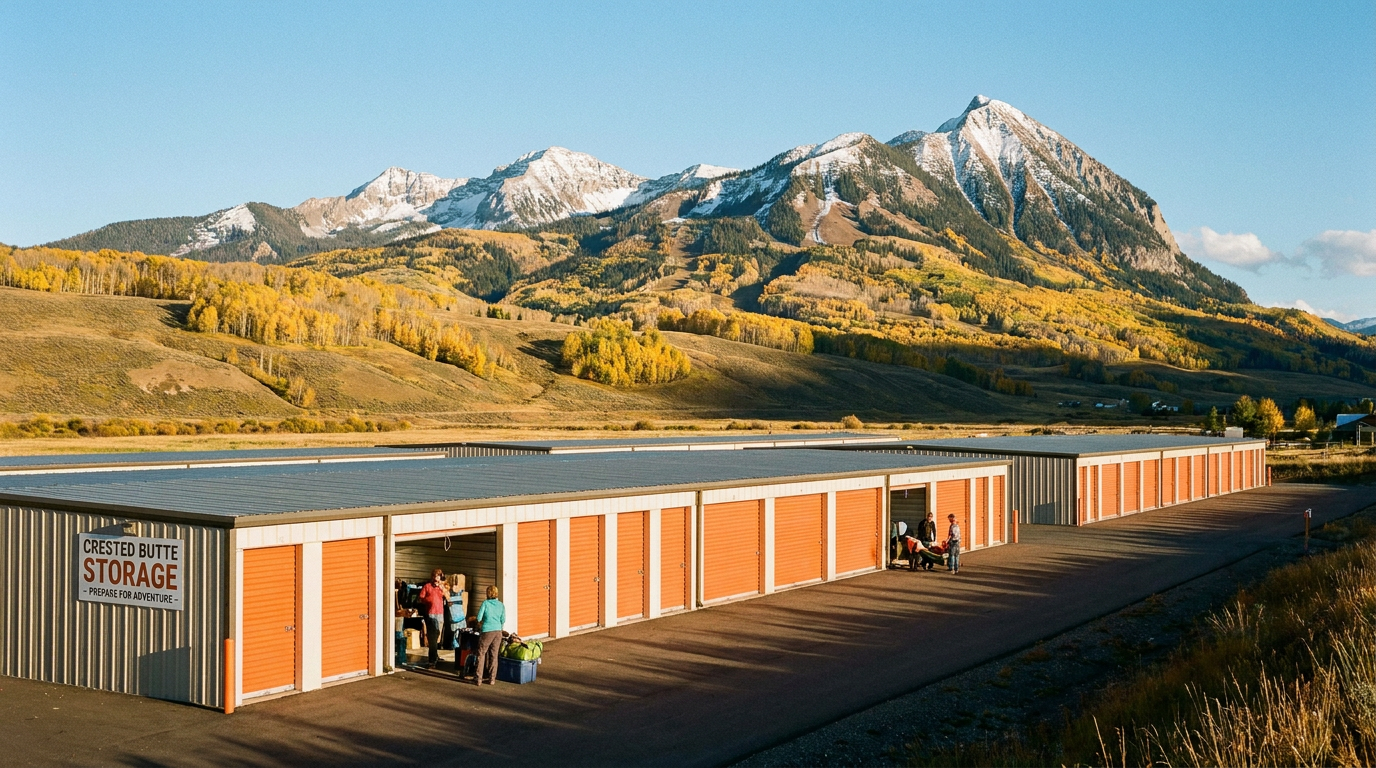
In mountain communities like Crested Butte and the Gunnison Valley, temperature fluctuations between day and night can exceed 40 degrees during summer months. Local facilities offering indoor climate-controlled options provide essential protection for sensitive belongings.

Step-by-Step Packing Timeline
The American Moving and Storage Association recommends starting the packing process 2 to 3 weeks before move-out day. This timeline prevents rushed decisions and allows time to secure storage reservations during peak demand periods.
Three Weeks Before Move-Out
Reserve your storage unit immediately. According to SpareFoot data, storage facilities near college campuses reach 95 percent capacity during May move-out periods. Book early to secure promotional rates; many facilities offer 50 percent off the first three months for new customers.
Create a complete inventory of your belongings using a spreadsheet or app like Sortly. Document item conditions with photographs for insurance purposes. This inventory takes 2 to 3 hours but saves significant time during unpacking and any damage claims.
Coordinate with roommates to avoid duplicate storage costs. Share the expense of a larger unit rather than renting separate small spaces. A 10x10 unit split between two roommates costs less per person than individual 5x5 units.
Two Weeks Before Move-Out
Begin packing non-essential items. Start with seasonal clothing, decorations, and items you will not need during finals week. Pack 3 to 5 boxes daily to maintain momentum without overwhelming your study schedule.
Purchase or gather packing supplies. Check local Facebook Marketplace or campus buy/sell groups for free moving boxes. Graduating seniors often give away supplies, saving $30 to $50 on materials.
Schedule utility disconnections if applicable. Off-campus apartments require 7 to 14 days notice for service termination. Contact your landlord about move-out inspection dates and cleaning requirements.
One Week Before Move-Out
Pack remaining items except daily essentials. Leave out toiletries, one set of sheets, minimal clothing, and study materials. Everything else should be boxed and labeled by this point.
Confirm storage reservation details. Verify access codes, office hours, and any move-in procedures. Ask about available moving equipment such as dollies and carts; most facilities provide these free of charge.
Arrange transportation. Reserve a U-Haul truck ($29.95 plus mileage) or coordinate with friends who have vehicles. Campus move-out days create high demand; book transportation 5 to 7 days in advance.
Move-Out Day
Complete a final room inspection before loading items. Check closets, drawers, and under furniture for forgotten belongings. Take photographs of the empty room for security deposit documentation.
Load heaviest items first when transporting to storage. Place furniture and large boxes at the bottom, with fragile items on top. Fill gaps with soft items like bedding and clothing to prevent shifting during transport.
Organize your storage unit strategically. Place items needed first near the front. Create an aisle down the center for easy access. Stack boxes with labels facing outward for quick identification.
Frequently Asked Questions
What size storage unit do college students need?
Most college students need a 5x5 to 5x10 storage unit, which accommodates a typical dorm room's contents including a small desk, mini-fridge, and 10 to 15 boxes. A 5x10 unit provides 50 square feet and costs $140 to $270 monthly depending on location and features. Students with furniture from off-campus apartments may require a 10x10 unit.
Can I store bikes or furniture over summer break?
Off-campus storage units accept bikes and furniture without restrictions. Dorm storage programs at most universities prohibit these items due to space limitations and liability concerns. Carleton College, for example, explicitly bans bikes, sofas, mattresses, and tables from campus summer storage. Store bikes vertically using wall hooks to maximize unit space.
How do I protect electronics from summer heat in storage?
Rent a climate-controlled unit maintaining 55 to 80 degrees Fahrenheit for electronics storage. Remove batteries from all devices to prevent corrosion. Wrap items in anti-static bubble wrap or original packaging. Store laptops with batteries at 50 percent charge, as recommended by manufacturers like Apple and Dell.
What is the cheapest way to pack dorm items for move-out?
Use free boxes from campus recycling centers, liquor stores, or Facebook Marketplace. Wrap fragile items in clothing instead of purchasing bubble wrap. Vacuum-seal bulky items using $15 compression bags to reduce the number of containers needed. Share packing supplies and storage costs with roommates to split expenses.
Should I use plastic totes or cardboard boxes for summer storage?
Plastic totes outperform cardboard for summer storage, providing superior moisture and pest protection. The Container Store's Weathertight totes cost $15 to $25 each but last for years. Cardboard absorbs humidity and attracts silverfish and roaches. Use cardboard only for short-term storage in climate-controlled units.
Are climate-controlled units necessary for textbooks?
Climate control is essential for textbooks stored longer than 3 months in humid or hot climates. Paper deteriorates at temperatures above 75 degrees Fahrenheit with humidity exceeding 60 percent, according to Library of Congress preservation guidelines. In dry mountain climates like Colorado, standard indoor units may suffice if temperatures remain below 85 degrees.
How early should I book student summer storage?
Reserve storage units 3 to 4 weeks before move-out day. Campus-adjacent facilities reach capacity during May finals periods, with SpareFoot reporting 95 percent occupancy at peak times. Early booking secures promotional rates; Elk Mountain Storage offers 50 percent off the first three months for new renters.
Final Checklist Before Leaving Campus
Print this checklist and verify each item before departing for summer break:
- Storage unit reserved and paid : Confirm reservation number and access codes
- All boxes labeled on two sides : Include specific contents, not just room names
- Fragile items wrapped and cushioned : Use clothing or bubble wrap for protection
- Electronics in climate-controlled storage : Verify unit temperature range
- Inventory completed with photos : Document condition for insurance purposes
- Prohibited items disposed properly : No food, flammables, or hazardous materials
- Roommate coordination complete : Shared items and costs agreed upon
- Dorm room photographed empty : Evidence for security deposit return
- Forwarding address updated : Mail, subscriptions, and important accounts
- Protection plan considered : Coverage for valuable stored items
For students in the Gunnison Valley area, locally owned storage facilities understand the unique needs of seasonal residents and college students. Flexible month-to-month leases accommodate unpredictable academic schedules without long-term commitments.
|