Is Vehicle Storage Worth It for Seasonal Vehicles? Cost Analysis |
| IS VEHICLE STORAGE WORTH IT FOR SEASONAL VEHICLES
⏱ 9 min read ·
📄 #1,721 words
Vehicle storage costs $100-350/month but prevents $500-2,000+ in weather damage to seasonal vehicles. Compare storage types, costs, and protection benefits.
|
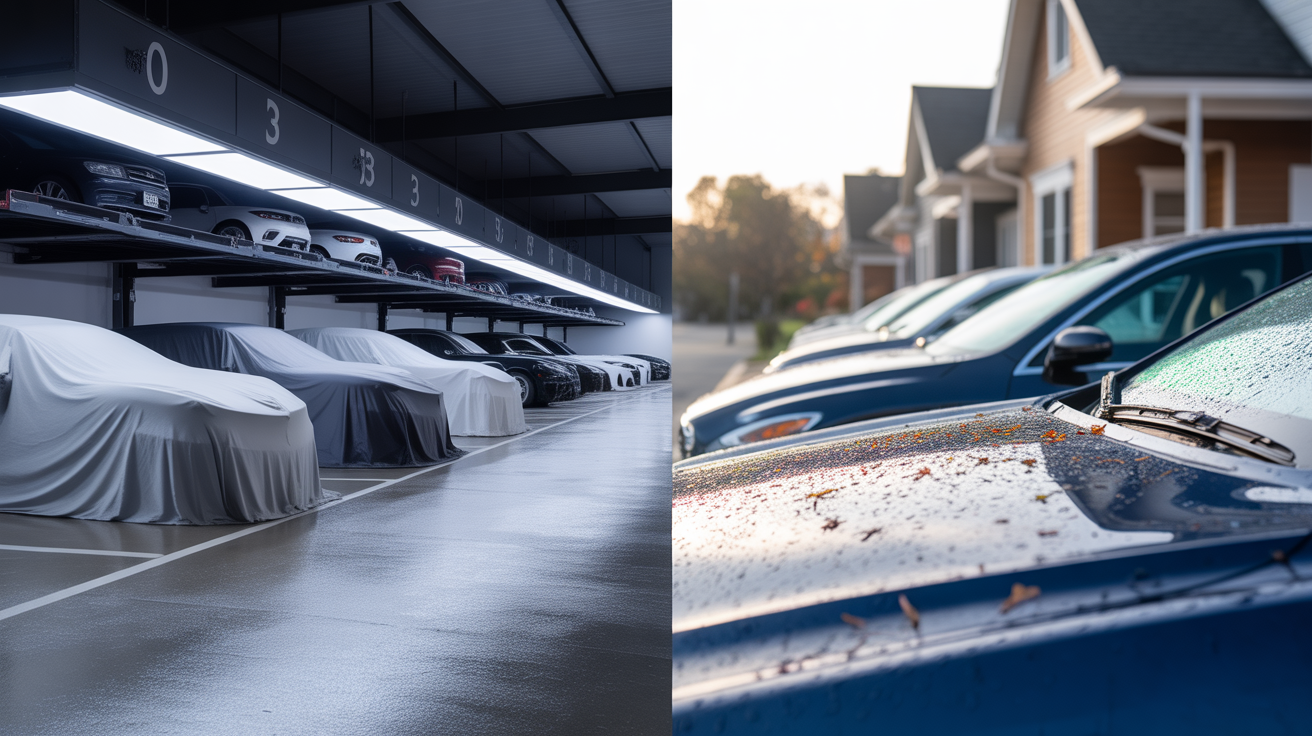
V ehicle storage is worth the investment for seasonal vehicles when you compare storage costs of $100-350 per month against potential repair bills of $500-2,000 or more from weather damage, theft, or deterioration. According to the Insurance Information Institute, vehicles stored improperly experience 40% more claims for weather-related damage than those kept in protected facilities.
| Key Points: | |
|---|---|
| • | Climate-controlled storage costs $150-350/month but prevents $800-3,000 in interior and mechanical damage from temperature extremes |
| • | Outdoor exposure causes 15-25% faster depreciation on seasonal vehicles like convertibles, RVs, and motorcycles |
| • | Professional storage facilities reduce theft risk by 85% compared to street parking, according to National Insurance Crime Bureau data |
| • | Vehicles stored without climate control in regions with temperature swings exceeding 50 degrees experience 3x more rubber seal failures |
| • | The break-even point for storage investment occurs when your vehicle is worth $15,000 or more |
The True Cost of Not Storing Your Seasonal Vehicle
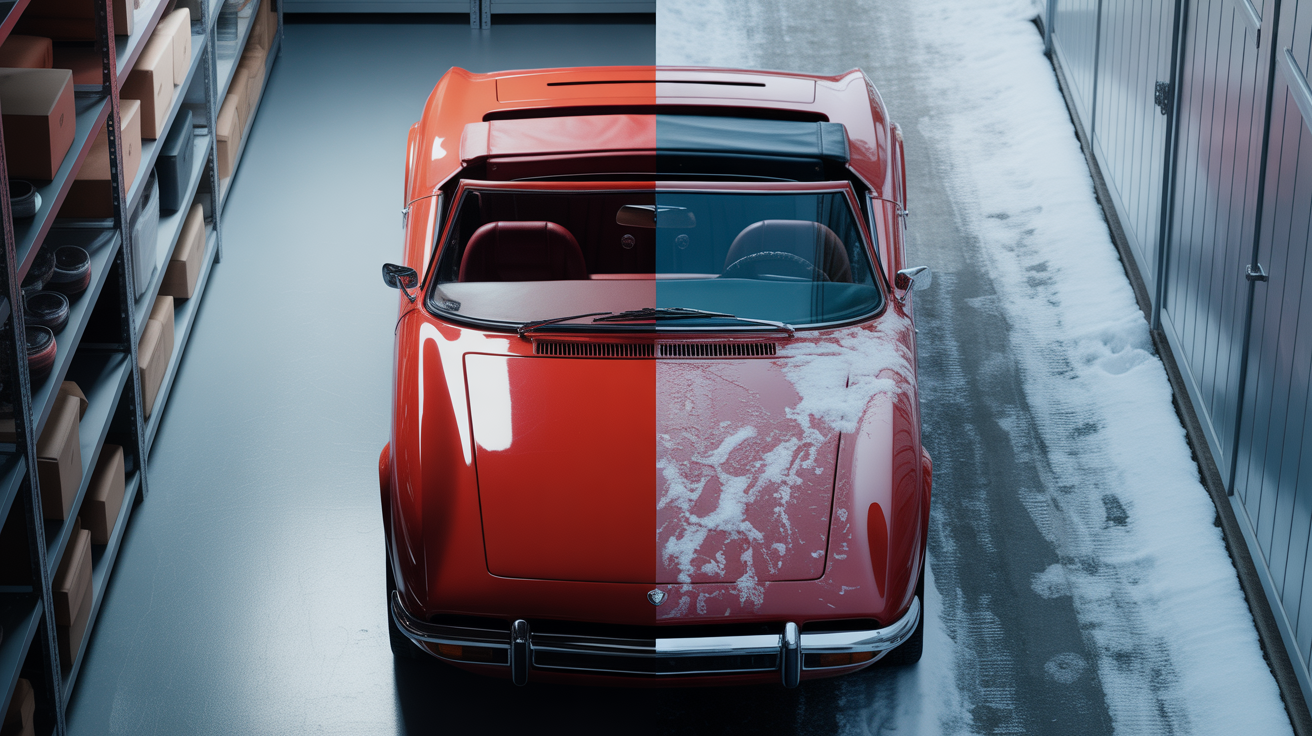
Leaving a seasonal vehicle exposed during off-months creates measurable financial damage that many owners underestimate. A 2024 study by J.D. Power found that convertibles, motorcycles, and classic cars left outdoors during winter months depreciate 18% faster than identical vehicles kept in enclosed storage.
UV radiation from sunlight fades paint at a rate of 0.5-1.5 mils per year of exposure, according to PPG Industries research. This damage becomes visible within 2-3 seasons and costs $2,500-7,000 to correct through professional repainting. Interior materials, particularly leather and vinyl dashboards, crack and fade even faster.
Moisture damage presents an equally serious threat. The American Automobile Association reports that vehicles parked outdoors in humid climates develop rust at rates 4x higher than those in covered storage. Brake rotors can develop surface rust within 48 hours of rain exposure, requiring $200-400 in resurfacing or replacement.
Storage Cost Comparison by Type
Storage facilities offer multiple protection levels at different price points. The right choice depends on your vehicle's value, your local climate, and how long you plan to store it. Here in the Gunnison Valley, where temperatures can swing from 85 degrees in summer to minus 20 in winter, climate considerations matter significantly.
| Storage Type | Monthly Cost | Best For | Protection Level |
|---|---|---|---|
| Open Outdoor Parking | $50-150 | Boats, RVs, trailers | Basic security only |
| Covered Outdoor | $100-200 | Seasonal vehicles, moderate climates | Weather protection, security |
| Enclosed Drive-Up | $150-300 | Cars, motorcycles, classic vehicles | Full weather and security protection |
| Climate-Controlled | $200-400 | Exotic cars, antiques, long-term storage | Temperature and humidity regulation |
At Elk Mountain Storage, our storage unit size guide helps you match your vehicle dimensions to the right space. Current Elk Mountain Storage rates vary by unit size and availability, with the live site listing spaces from $175 per month and a published facility range of $175-$485 per month. Check the live rental page before choosing a space for a car, RV, boat, or trailer.
When Climate-Controlled Storage Becomes Essential
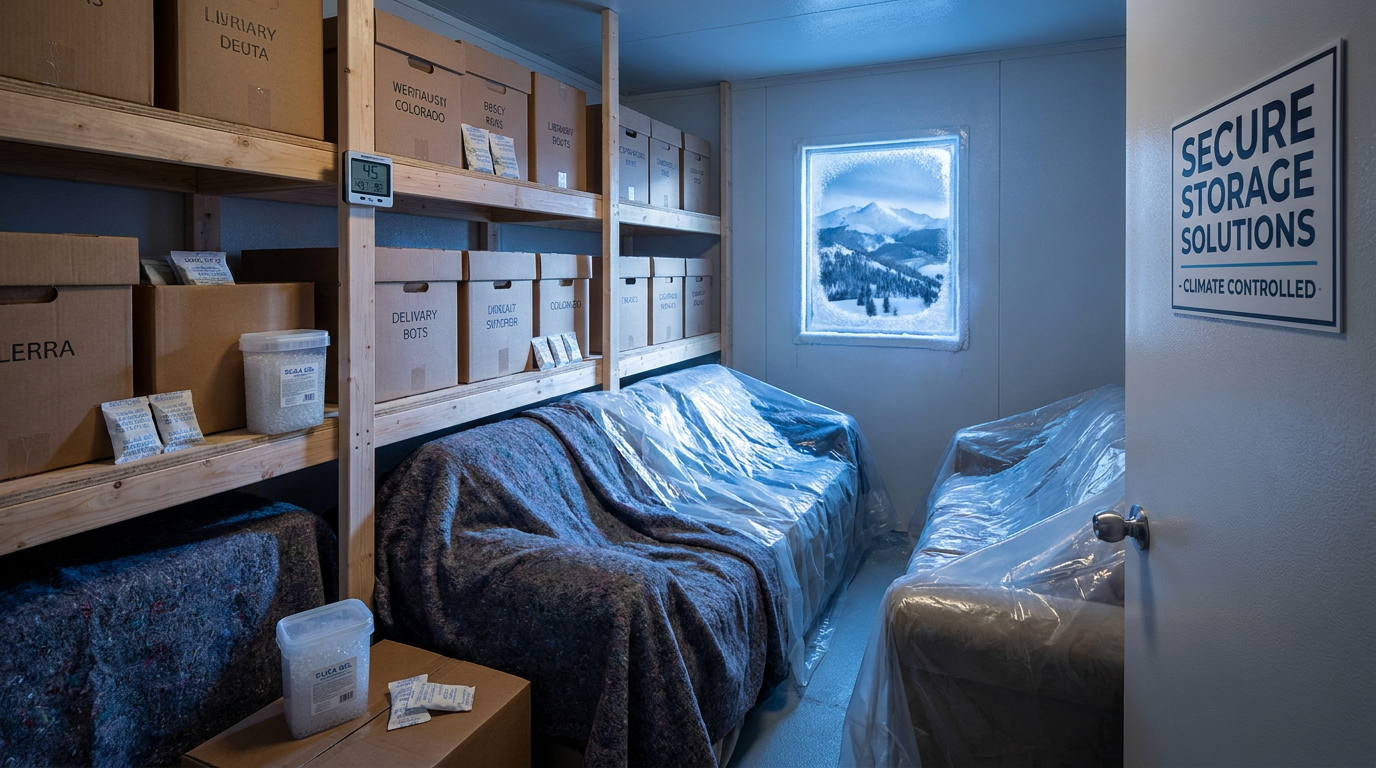
Climate-controlled storage maintains temperatures between 55-80 degrees Fahrenheit year-round, preventing the mechanical damage that extreme temperatures cause. The Society of Automotive Engineers documented that rubber components, including belts, hoses, and seals, begin degrading when exposed to temperatures below 20 degrees or above 95 degrees for extended periods.
Your vehicle needs climate control if any of these conditions apply: storage duration exceeds 6 months, your region experiences temperature swings greater than 60 degrees between seasons, you own a vehicle manufactured before 1990 with original rubber components, or the vehicle contains leather interiors valued above $5,000.
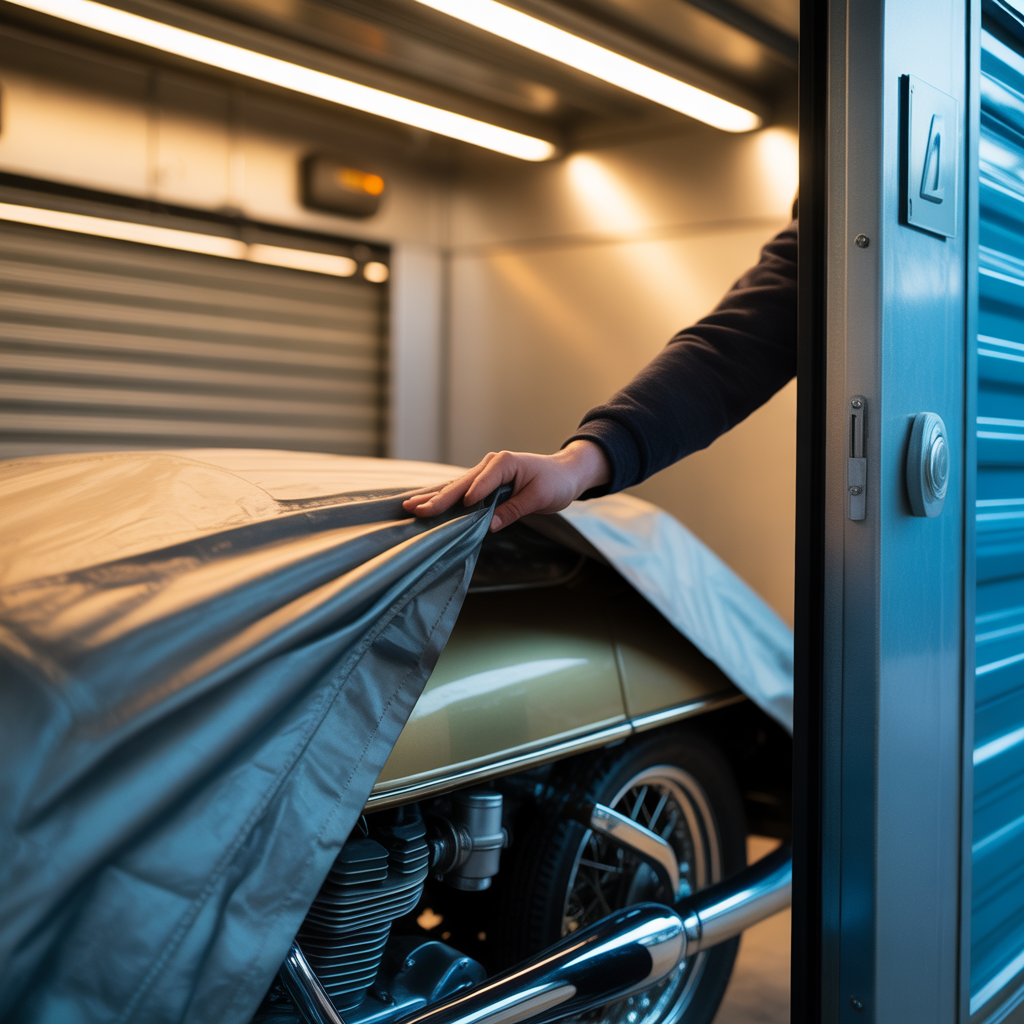
Classic car insurers like Hagerty and Grundy specifically recommend climate-controlled storage for vehicles insured at agreed values above $50,000. Some policies even reduce premiums by 5-15% when owners document proper storage conditions, partially offsetting the higher monthly cost.
What Happens to Vehicles in Extreme Temperatures
Cold weather below 32 degrees causes battery capacity to drop by 20-50%, according to AAA research. Fluids thicken, placing additional strain on starters and pumps. Tire rubber hardens and develops flat spots within 30 days of stationary cold storage.
Heat above 90 degrees accelerates fluid breakdown, with transmission fluid losing viscosity 30% faster than at moderate temperatures. Dashboard materials expand and contract, creating cracks that worsen with each temperature cycle. A study by Consumer Reports found that vehicles stored in hot garages without climate control showed interior damage equivalent to 3 additional years of normal aging after just one summer.
Preparing Your Vehicle for Seasonal Storage
Proper preparation before storage prevents 80% of common storage-related problems, according to the Car Care Council. Complete these steps 1-2 weeks before your storage period begins to ensure your vehicle emerges in the same condition you left it.
Essential Pre-Storage Checklist
Fluid maintenance: Change oil and filter to remove acidic combustion byproducts that corrode engine internals during storage. Top off coolant to the manufacturer-specified mixture, typically 50/50 antifreeze and distilled water. Fill the fuel tank completely and add a fuel stabilizer like Sta-Bil or Sea Foam at a ratio of 1 ounce per 2.5 gallons.
Battery care: Disconnect the negative terminal or connect a battery maintainer like the Battery Tender Junior, which costs $25-40 and prevents the 1-2% daily discharge that kills batteries within 30-60 days. A new battery costs $150-300, making a maintainer a worthwhile investment.
Tire protection: Inflate tires to 5-10 PSI above the recommended pressure to compensate for natural air loss during storage. For storage exceeding 3 months, place the vehicle on jack stands to prevent flat spots, which cost $400-1,200 to correct through tire replacement.
Exterior and interior: Wash and wax the exterior to create a protective barrier against dust and moisture. Clean the interior thoroughly to remove food particles that attract rodents. Place moisture-absorbing products like DampRid containers inside to prevent mildew, which costs $200-500 to remediate professionally.
How Often Should You Check Stored Vehicles?
The National Institute for Automotive Service Excellence recommends inspecting stored vehicles every 2-4 weeks during storage periods. This frequency allows you to catch developing problems before they become expensive repairs.
During each inspection, check tire pressure and add air if needed, verify that the battery maintainer shows a full charge, look for signs of rodent activity or moisture intrusion, and start the engine for 10-15 minutes if storage exceeds 30 days. Running the engine circulates fluids and prevents seals from drying out.
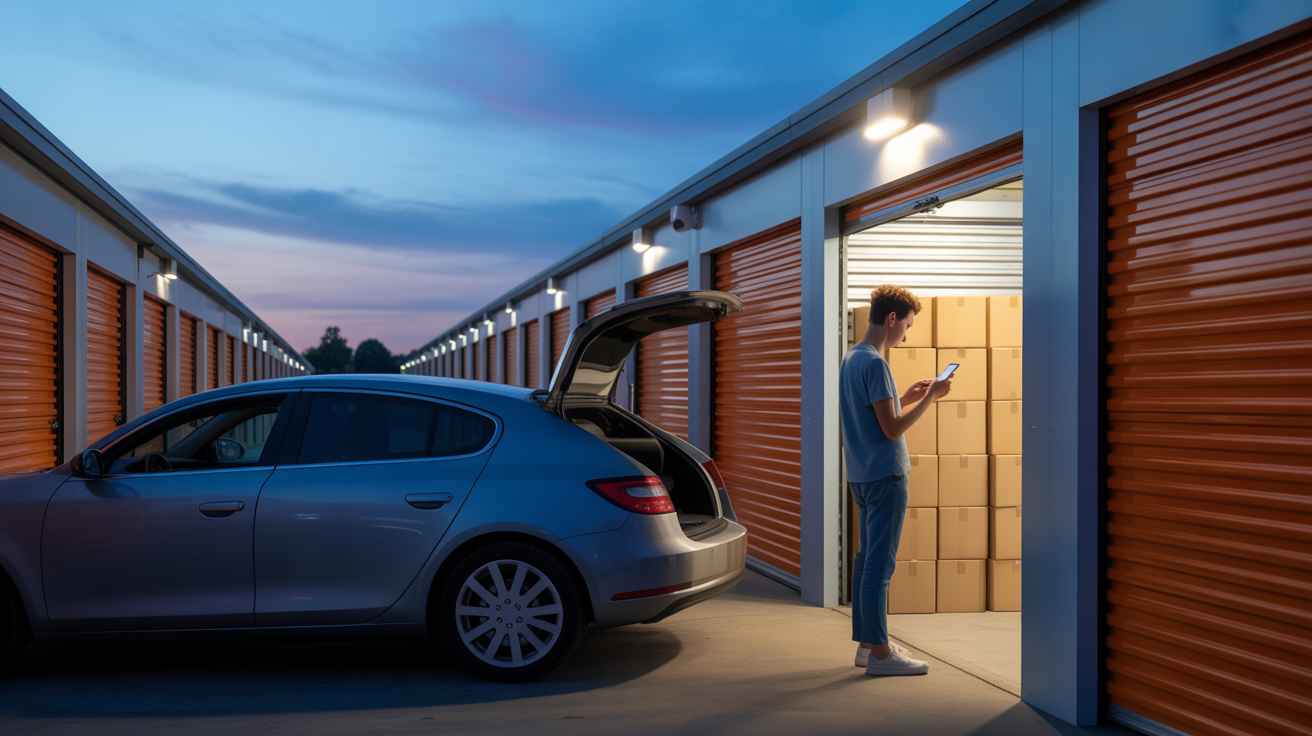
Facilities offering 24/7 secure access, like those at Elk Mountain Storage, make regular check-ins convenient without scheduling appointments or working around limited business hours.
Vehicle Storage vs. Regular Storage Units
Standard self-storage units can accommodate vehicles, but they lack features designed specifically for automotive storage. The Self Storage Association reports that 15% of storage unit renters use their space for vehicle storage, though purpose-built vehicle storage provides better protection.
| Feature | Standard Storage Unit | Vehicle-Specific Storage |
|---|---|---|
| Drive-in access | Sometimes available | Standard feature |
| Floor drainage | Rarely included | Common feature |
| Electrical outlets | Not standard | Often available for battery maintainers |
| Ceiling height | 8-10 feet typical | 12-14 feet for RVs and trucks |
| Door width | 8-10 feet standard | 10-12 feet minimum |
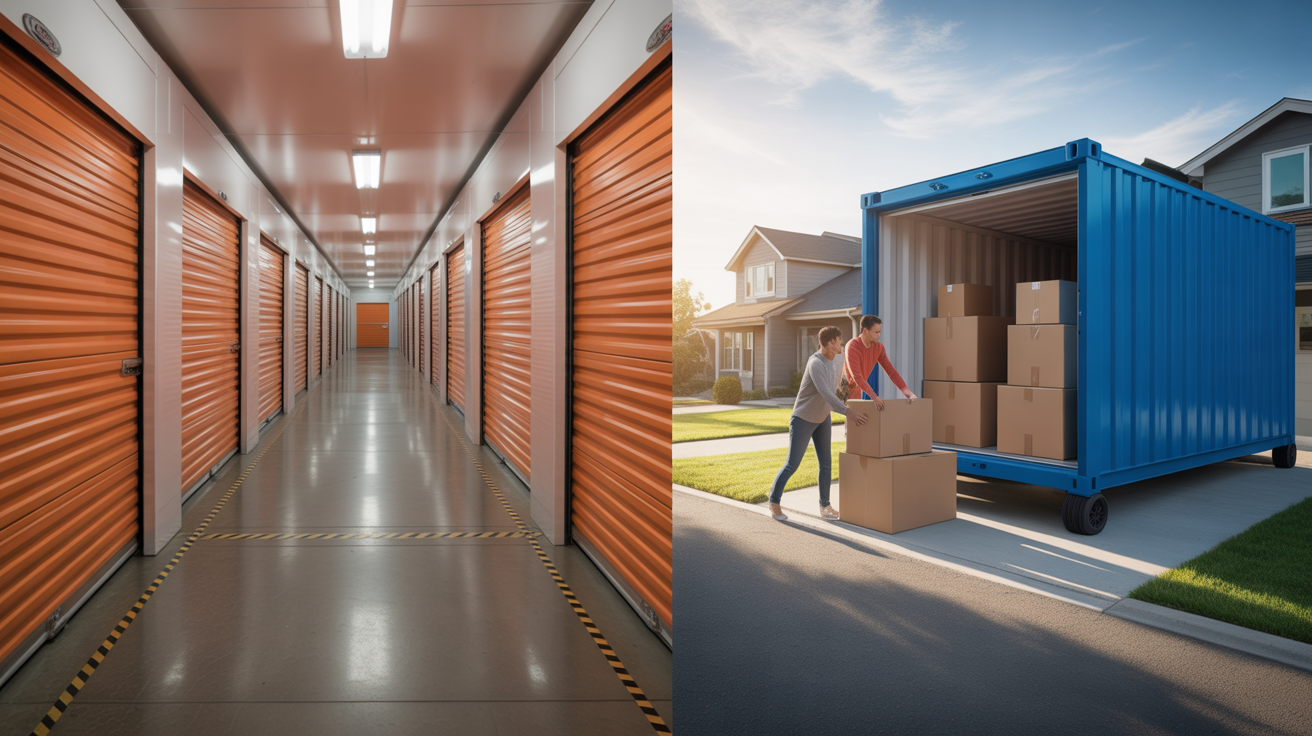
For most seasonal vehicles, a drive-up storage unit with ground-floor access provides the best combination of protection and convenience. Our storage protection plans add an additional layer of security for high-value vehicles.
Insurance Considerations for Stored Vehicles
Your existing auto insurance policy may not fully cover a stored vehicle, creating a gap that storage facility insurance can fill. Progressive, State Farm, and GEICO all offer storage-specific policies that reduce premiums by 10-40% compared to standard coverage while maintaining comprehensive and collision protection.
Contact your insurer before storage begins to discuss coverage adjustments. Many companies allow you to drop collision coverage during storage while maintaining comprehensive coverage for theft, fire, and weather damage. This adjustment typically saves $30-80 per month on a vehicle insured for $25,000.
Storage facilities also offer tenant protection plans that cover damage occurring on-site. These plans typically cost $10-30 per month and provide $2,000-10,000 in coverage, filling gaps that auto policies may exclude for stationary vehicles.
The 30-60-90 Rule for Vehicle Storage
Automotive technicians use the 30-60-90 rule to guide storage maintenance schedules. At 30 days, start the engine and let it reach operating temperature. At 60 days, drive the vehicle for 15-20 minutes if possible, or at minimum cycle all systems including HVAC, windows, and convertible tops. At 90 days, perform a full inspection including fluid levels, tire condition, and battery health.
This schedule prevents the gradual deterioration that occurs even in climate-controlled storage. Seals dry out, fluids separate, and mechanical components develop surface corrosion without periodic operation. Following the 30-60-90 rule extends the safe storage period from 3-4 months to 12 months or longer.
Will Vehicles Rust in Outdoor Storage?
Vehicles stored outdoors will develop rust faster than those in covered or enclosed storage, though the rate depends heavily on climate and preparation. Coastal areas with salt air see rust development 5-10x faster than dry inland regions, according to research by the American Galvanizers Association.
Protective measures reduce outdoor rust risk significantly. Apply a rust inhibitor like Fluid Film or Corrosion X to undercarriage components before storage, costing $50-100 for professional application. Use a breathable car cover rated for outdoor use, typically $100-300 for quality brands like Covercraft or WeatherShield.

Even with these precautions, outdoor storage remains the least protective option. A vehicle worth $20,000 or more typically justifies the additional $50-150 per month for enclosed storage when you calculate the avoided depreciation and repair costs over a 6-month storage period.
Making the Final Decision
Calculate your break-even point by comparing annual storage costs against the expected damage and depreciation from improper storage. For a vehicle valued at $30,000, storage costs of $1,800-3,600 per year represent 6-12% of the vehicle's value. If improper storage causes 15-25% faster depreciation, storage pays for itself within 2-3 years.
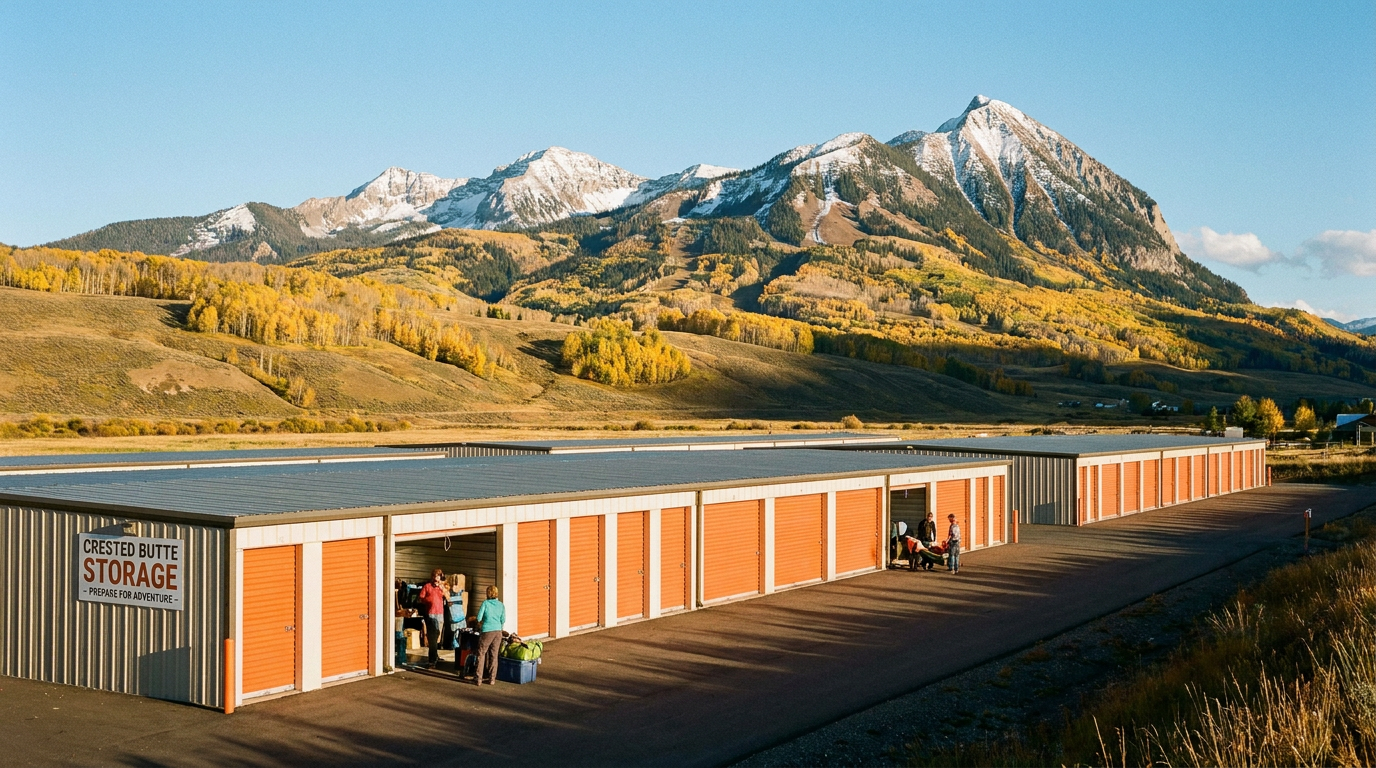
Consider these factors in your decision: vehicle value above $15,000 strongly favors professional storage, classic or collector vehicles benefit from climate control regardless of value, and local climate extremes increase the protection value of indoor storage. Residents of the Crested Butte area face particularly harsh winter conditions that make enclosed storage especially valuable.
For most seasonal vehicle owners, professional storage represents smart financial planning rather than an optional luxury. The combination of security, weather protection, and preserved vehicle value delivers returns that exceed the monthly investment.
|