When to Choose Indoor Storage Over Outdoor Storage Units |
| WHEN TO CHOOSE INDOOR STORAGE OVER OUTDOOR STORAGE
⏱ 12 min read ·
📄 #2,253 words
Indoor storage protects temperature-sensitive items from Crested Butte's extreme weather. Learn when indoor units beat outdoor options for your belongings.
|
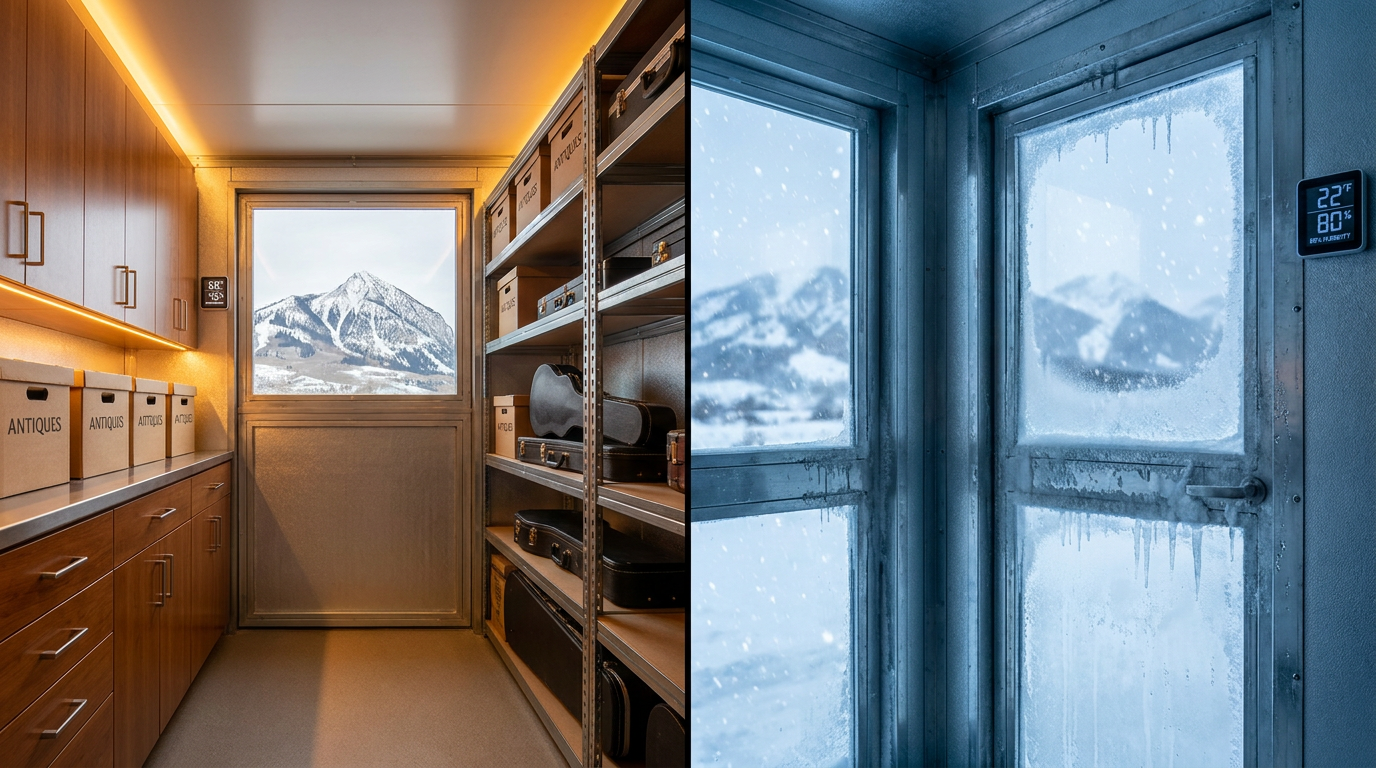
C hoose indoor storage when storing temperature-sensitive items, valuable belongings, or anything you plan to keep for more than three months. Indoor units provide protection from temperature swings between 0°F and 95°F common in mountain climates, shield items from dust and pests, and offer enhanced security through controlled access points.
| Key Points: | |
|---|---|
| • | Indoor storage maintains stable conditions, protecting items from temperature extremes that can reach 130°F inside outdoor units during summer |
| • | Electronics, wood furniture, documents, and artwork require indoor storage for any period longer than 4 to 6 weeks |
| • | Indoor units in Crested Butte range from $175 to $275 per month for 5x6 to 6x10 spaces |
| • | Outdoor drive-up units work best for durable items, vehicles, and belongings accessed weekly or more frequently |
| • | Mountain climates with 100+ degree annual temperature swings make indoor storage essential for most household goods |
Understanding the Core Differences Between Indoor and Outdoor Storage
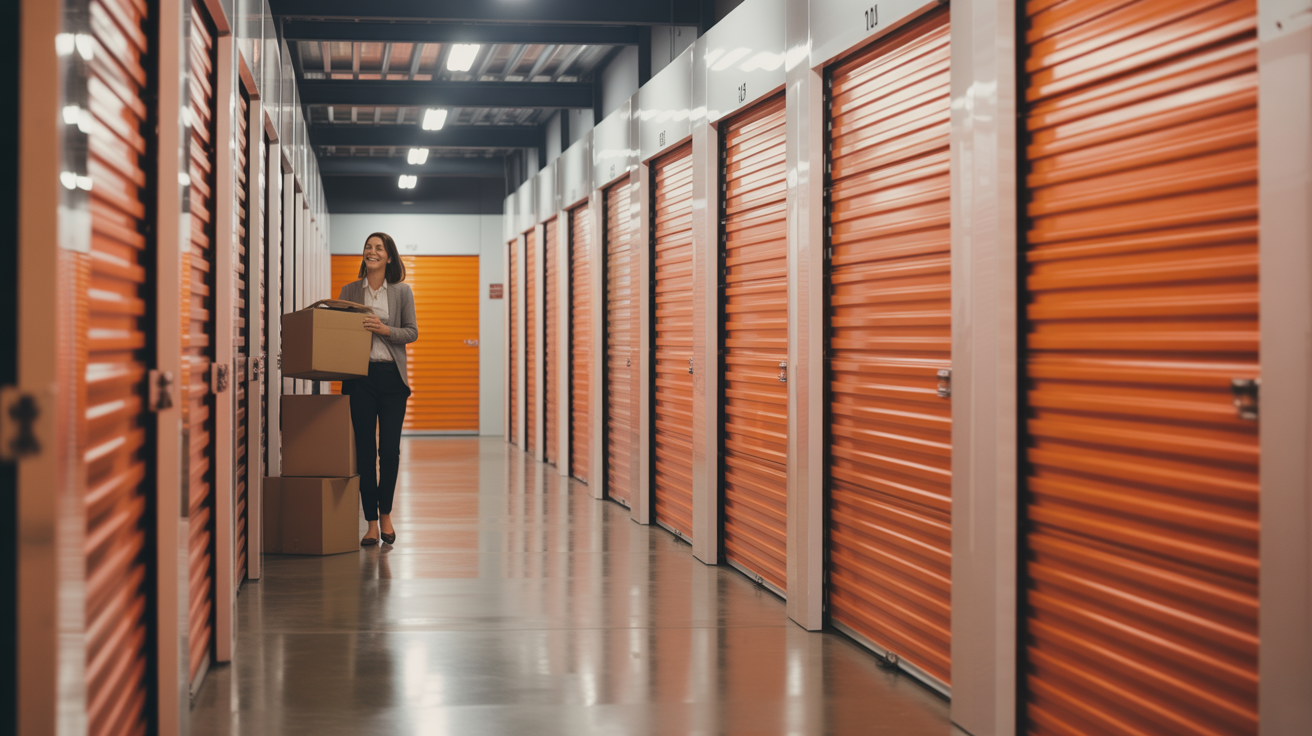
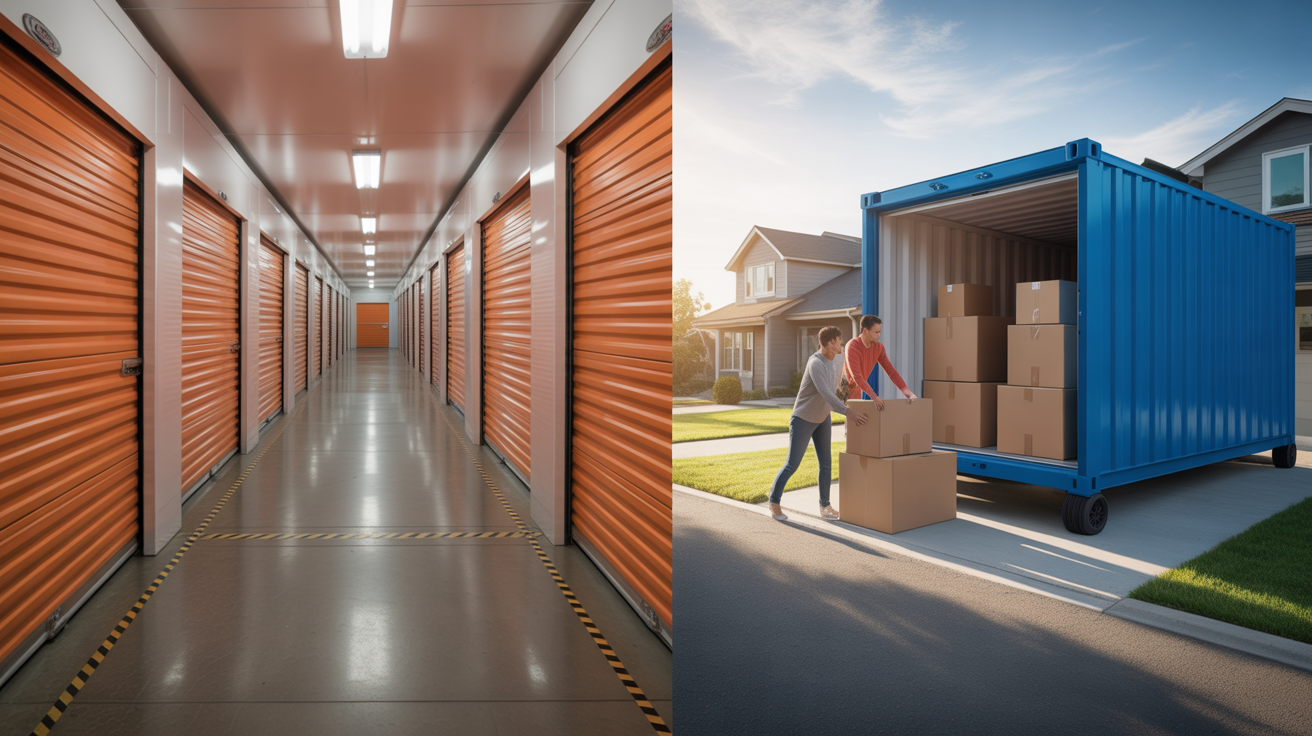
Indoor storage units sit within an enclosed building, accessed through hallways or corridors. These units share climate benefits with the structure itself, maintaining more consistent temperatures year-round. According to Extra Space Storage's comparison guide, indoor units offer ample protection from pests, dust, and extreme temperatures that outdoor units simply cannot match.
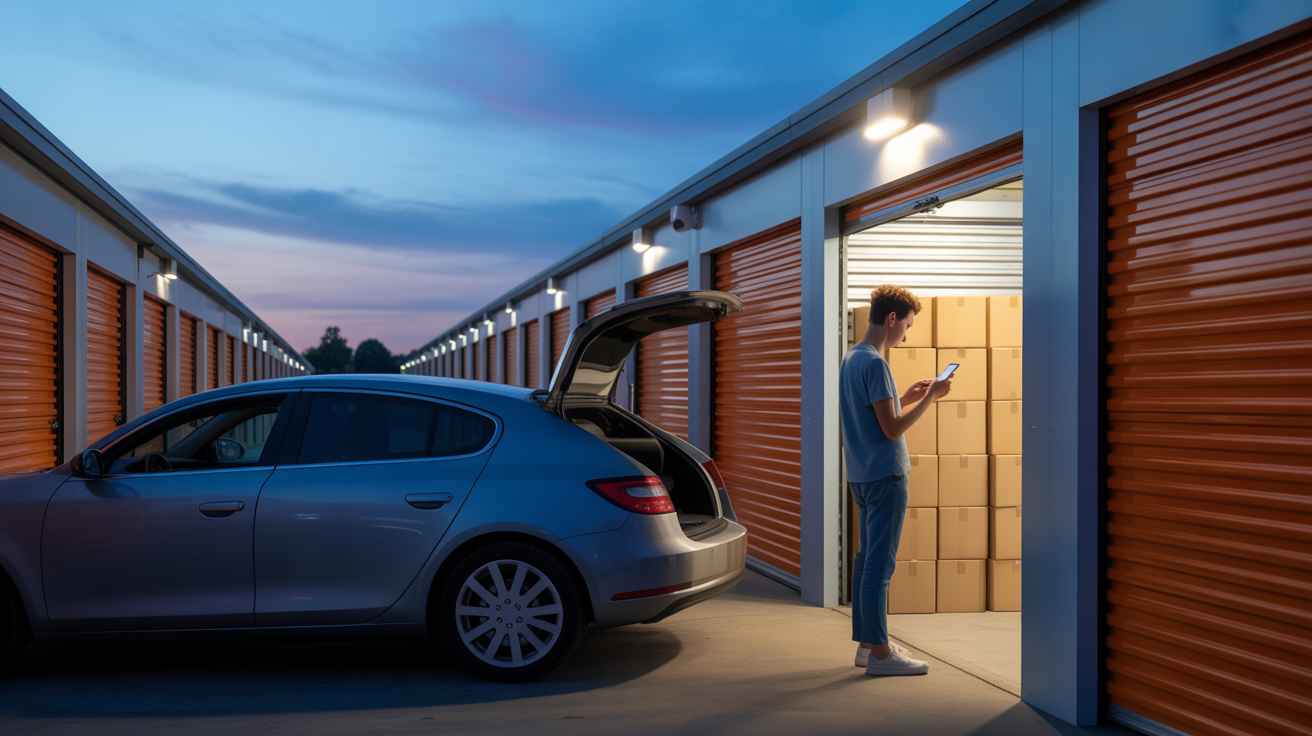
Outdoor storage, often called drive-up storage, features units with doors that open directly to the outside. You can pull your vehicle right up to the unit door, making loading and unloading faster. This convenience comes with trade-offs: direct exposure to weather conditions, temperature fluctuations, and increased dust and pest entry points.
The Self Storage Association reports that approximately 42% of storage renters choose indoor units, while 58% opt for outdoor drive-up access. This split reflects different priorities: convenience versus protection. Your choice depends on what you store, how long you store it, and your local climate conditions.
When Indoor Storage Is the Clear Winner
Indoor storage becomes necessary when your belongings cannot tolerate temperature swings, humidity changes, or environmental exposure. The PODS climate control guide notes that non-climate-controlled units can exceed outside temperatures by 30 to 40 degrees during summer months, creating conditions that damage sensitive items within weeks.
Temperature-Sensitive Items That Demand Indoor Storage
Electronics and appliances contain circuit boards, capacitors, and displays that fail when exposed to temperature extremes. Laptops, televisions, gaming consoles, and small appliances should always go in indoor units. Temperature cycling causes condensation inside devices, leading to corrosion and component failure.
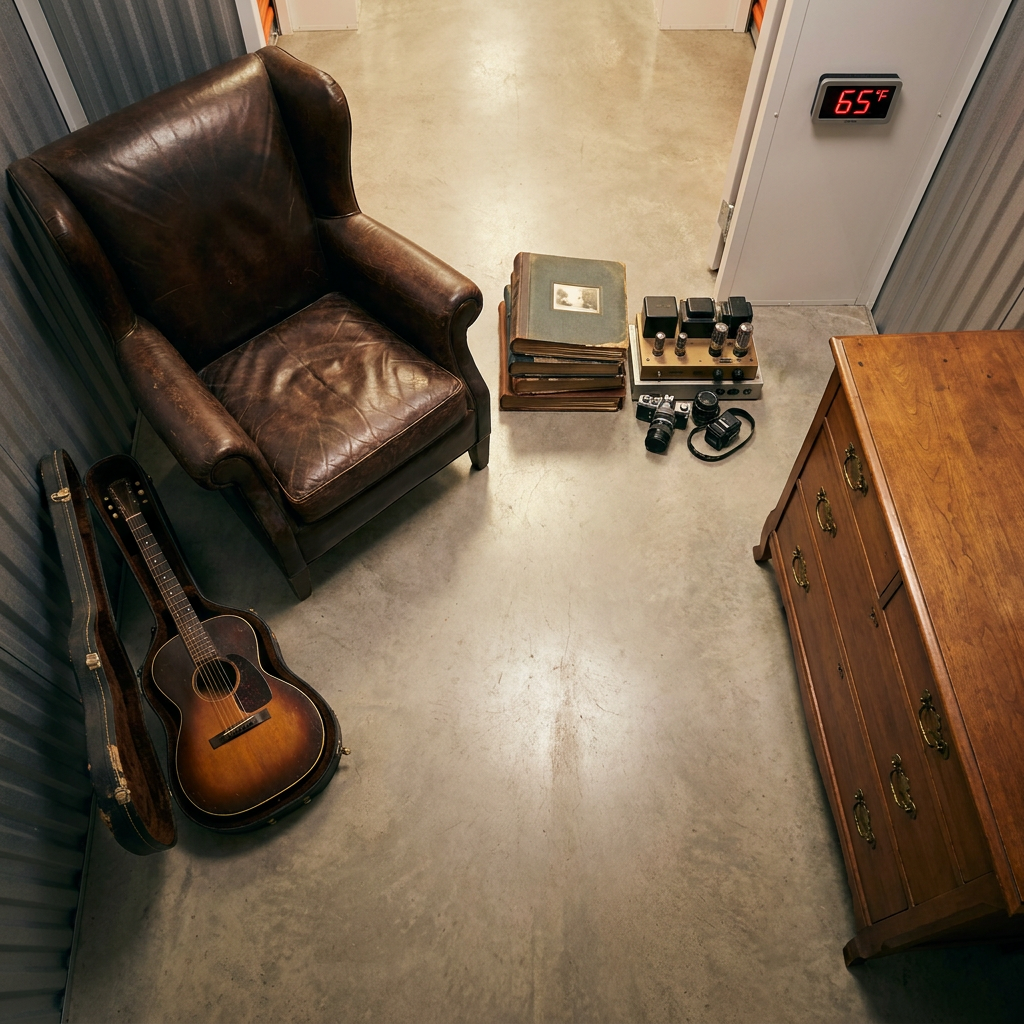
Wood furniture expands and contracts with temperature and humidity changes. Antique dressers, dining tables, and hardwood pieces can crack, warp, or develop loose joints after just one season in an outdoor unit. The National Hardwood Lumber Association recommends storing wood products in environments between 60°F and 80°F with 30% to 50% relative humidity.
Documents, photographs, and books deteriorate rapidly in fluctuating conditions. Paper absorbs moisture, leading to mold growth, yellowing, and permanent damage. The Library of Congress recommends storage temperatures below 75°F and humidity below 65% for paper preservation. Indoor units meet these requirements; outdoor units rarely do.
Musical instruments require stable conditions to maintain proper tuning and structural integrity. Guitars, pianos, violins, and brass instruments can suffer irreparable damage from temperature swings. A single winter in an outdoor unit can crack a guitar's neck or warp a piano's soundboard.
Long-Term Storage Scenarios
Storage duration dramatically affects which unit type you need. For items stored less than four weeks, outdoor units often work fine for durable goods. Beyond that threshold, cumulative exposure begins causing damage that worsens over time.
Second-home owners in Crested Butte typically store belongings for six to eight months during off-seasons. This extended duration makes indoor storage essential for anything beyond basic outdoor gear. Seasonal residents benefit from storage options close to their mountain property that protect furnishings, electronics, and personal items through harsh winters.
Business inventory storage often spans 12 months or longer. Retailers, property managers, and contractors storing products, staging furniture, or equipment need indoor protection to prevent inventory loss. Our business storage solutions address these commercial needs with secure indoor options.
When Outdoor Drive-Up Storage Makes More Sense
Outdoor storage excels in specific situations where convenience outweighs environmental protection. The RecNation Storage comparison highlights that outdoor units provide unmatched ease of access for frequently retrieved items and oversized belongings.
Ideal Candidates for Outdoor Storage
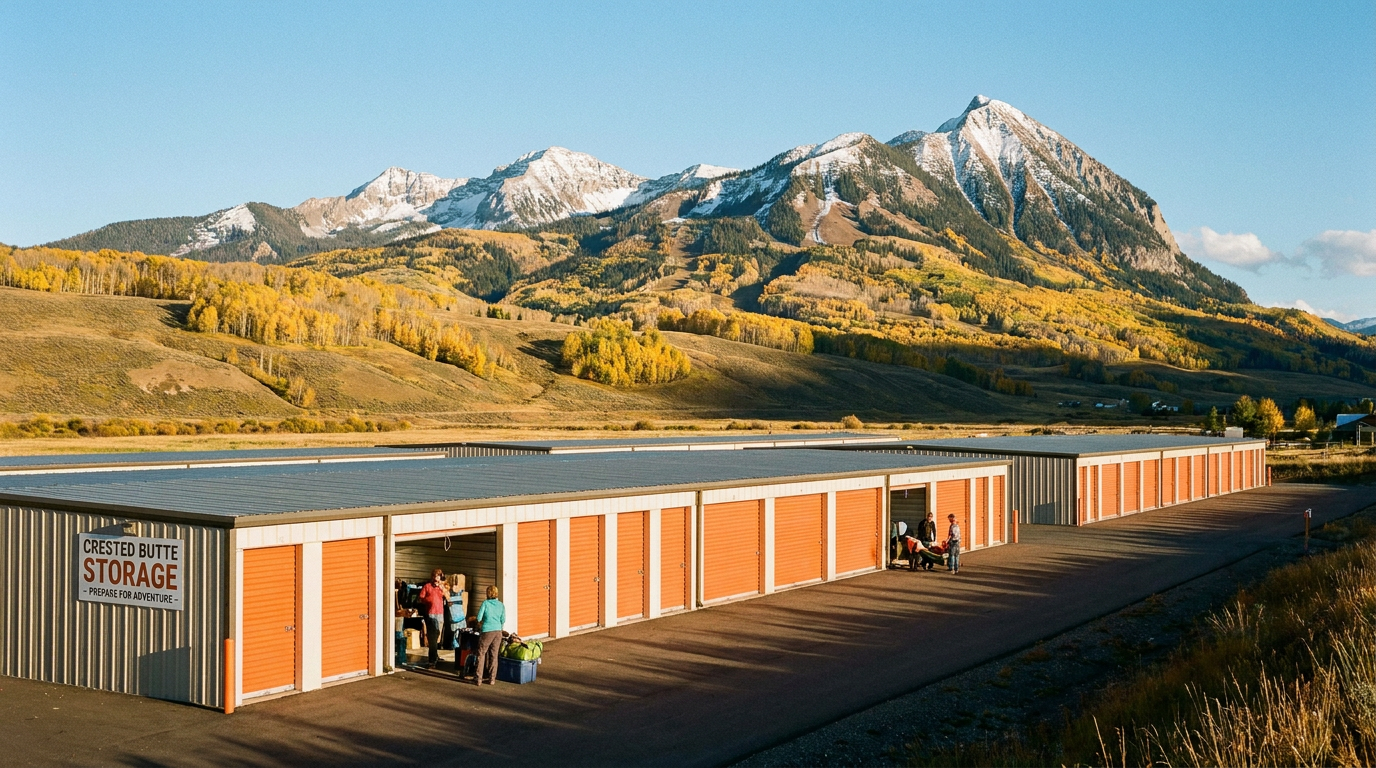
Vehicles, boats, and RVs are designed for outdoor conditions and need drive-up access for practical reasons. You cannot maneuver a 25-foot boat through indoor hallways. Elk Mountain Storage offers RV and boat storage in downtown Crested Butte with units up to 19 by 35 feet, eliminating the 28-mile drive to Gunnison facilities.
Lawn and garden equipment including mowers, tillers, and outdoor power tools handle temperature variations well. These items already live outdoors during use and tolerate storage conditions that would damage indoor furnishings.
Construction materials and tools built for job site conditions rarely need indoor protection. Contractors storing lumber, concrete forms, scaffolding, and heavy equipment benefit from drive-up access that speeds loading and unloading.
Plastic storage bins with durable contents like camping gear, sports equipment, and holiday decorations in sealed containers can survive outdoor storage for moderate periods. However, for guidance on storing holiday decorations by season, indoor units still provide better long-term protection.
Comparison: Indoor vs. Outdoor Storage for Common Items
The following table summarizes storage recommendations based on item type, storage duration, and local climate conditions in mountain communities like Crested Butte:
| Item Category | Recommended Storage | Maximum Outdoor Duration | Key Risk Factor |
|---|---|---|---|
| Electronics | Indoor only | 2 weeks maximum | Condensation, circuit damage |
| Wood furniture | Indoor only | 4 weeks maximum | Warping, cracking, joint failure |
| Documents and photos | Indoor only | Not recommended | Mold, yellowing, deterioration |
| Clothing and textiles | Indoor preferred | 6 to 8 weeks | Mildew, pest damage, odors |
| Metal tools | Outdoor acceptable | 12+ months | Surface rust (preventable) |
| Vehicles and RVs | Outdoor preferred | Indefinite | Tire flat spots, battery drain |
| Lawn equipment | Outdoor acceptable | 12+ months | Fuel system issues |
| Mattresses and upholstery | Indoor only | Not recommended | Mold, odors, pest infestation |
The Mountain Climate Factor: Why Crested Butte Demands Different Thinking
Storage decisions in Crested Butte differ significantly from those in Denver, Phoenix, or coastal cities. At 8,909 feet elevation, Crested Butte experiences temperature swings that stress stored items more severely than lower-altitude locations. Winter temperatures regularly drop below 0°F, while summer days can exceed 80°F, creating an annual range exceeding 100 degrees.
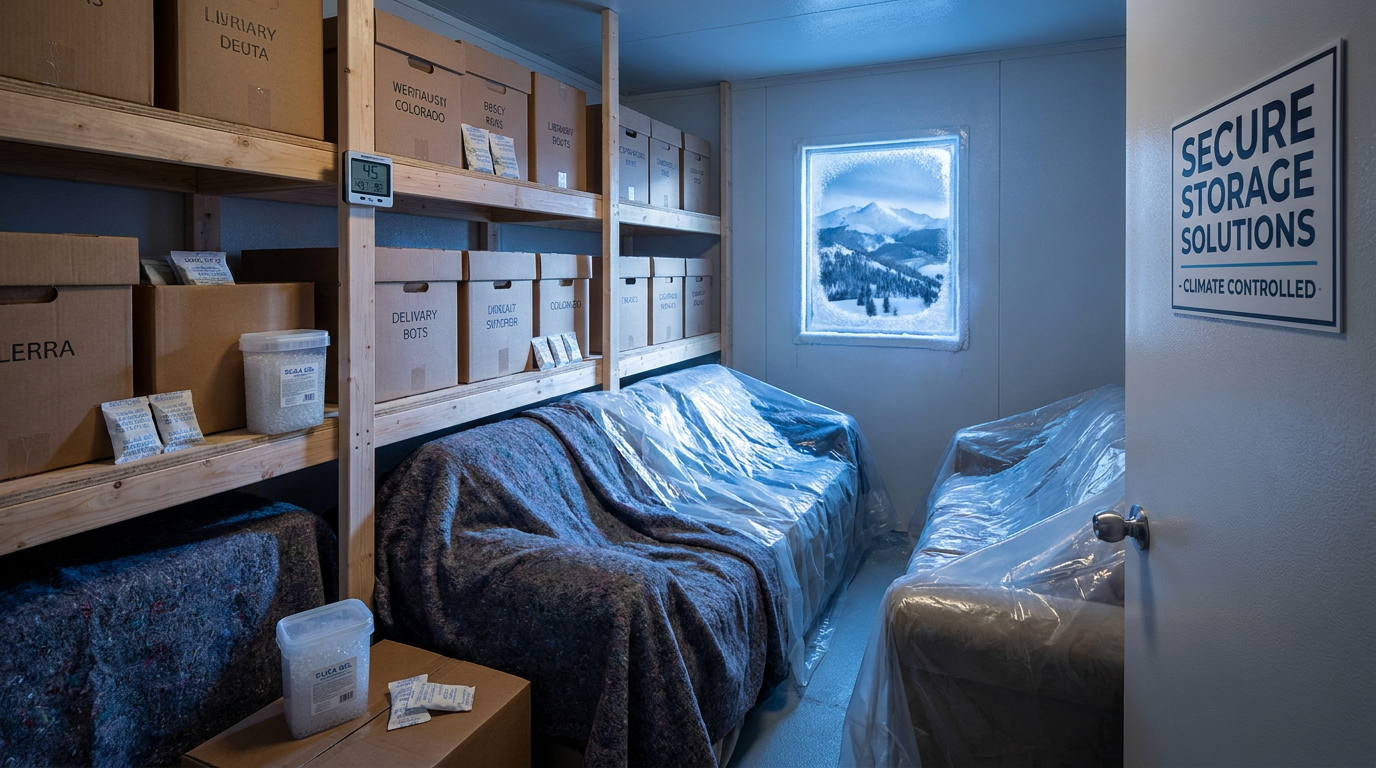
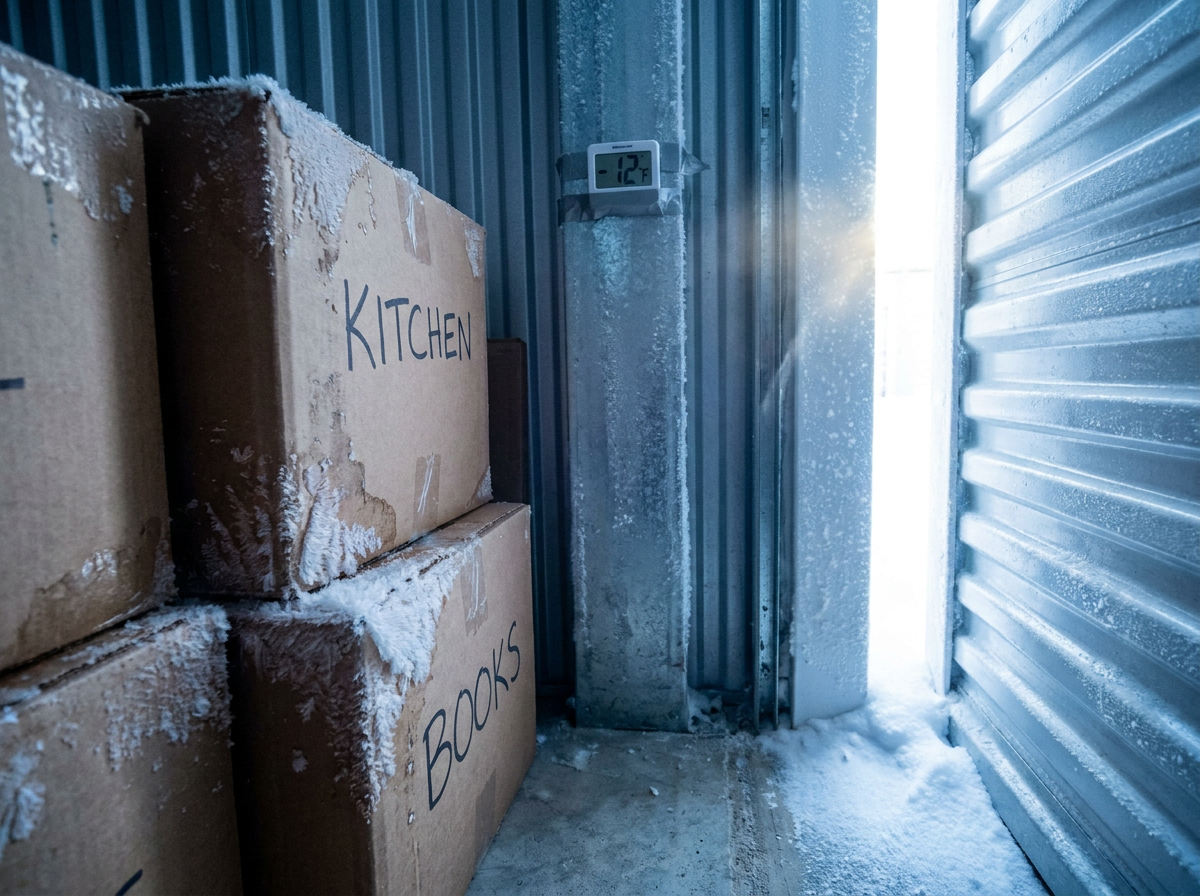
This extreme variation affects outdoor storage units dramatically. Metal unit walls conduct temperature efficiently, meaning outdoor units become ovens in summer and freezers in winter. The Bolt Storage climate control analysis notes that climate-controlled facilities maintain temperatures between 55°F and 85°F year-round, eliminating the damage potential from these swings.
Humidity presents another mountain-specific challenge. Crested Butte's average relative humidity ranges from 35% in winter to 55% in summer. These seasonal shifts cause wood to expand and contract, paper to absorb and release moisture, and metal to develop condensation during temperature transitions.
Seasonal Storage Patterns in Mountain Communities
Crested Butte's population fluctuates dramatically with seasons. Winter brings skiers; summer attracts mountain bikers, hikers, and festival attendees. This pattern creates unique storage needs that differ from year-round communities.
Seasonal residents storing furnishings between visits need indoor protection for six to nine months. Short-term renters often store personal belongings during lease transitions. Western Colorado University students require storage during summer breaks. Each scenario benefits from indoor units that protect belongings through multiple seasonal cycles.
Local businesses face similar challenges. Ski shops store summer inventory; bike shops store winter stock. Tour operators rotate equipment seasonally. Property managers store staging furniture between rentals. These commercial applications require indoor storage to protect valuable inventory from climate damage.
Do Indoor Storage Units Have Bugs and Pests?
Indoor storage units experience significantly fewer pest problems than outdoor units, though no storage environment is completely immune. The enclosed building structure creates multiple barriers that pests must penetrate before reaching individual units.
Professional storage facilities implement pest control measures that outdoor units cannot match. Monthly pest control treatments, sealed building envelopes, and climate control all reduce pest populations. Elk Mountain Storage maintains monthly pest control schedules alongside digital video surveillance and LED lighting throughout the facility.
Your preparation matters regardless of unit type. Store items in sealed plastic containers rather than cardboard boxes. Avoid storing food products, scented items, or organic materials that attract pests. Clean items before storage to remove crumbs, residue, or odors. These practices reduce pest attraction in both indoor and outdoor environments.
Understanding the Four Main Types of Storage Facilities
The storage industry categorizes facilities into four primary types, each serving different needs:
Traditional self-storage facilities offer a mix of indoor and outdoor units in various sizes. These facilities provide the broadest selection and typically include both climate-controlled and standard options. Most facilities in the Gunnison Valley fall into this category.
Climate-controlled facilities specialize in temperature and humidity-regulated storage. All units maintain consistent conditions, making them ideal for sensitive items but typically costing 20% to 50% more than standard facilities.
Portable storage involves containers delivered to your location, filled at your convenience, then transported to a storage facility or new address. Companies like PODS and U-Pack popularized this model. Portable units typically lack climate control.
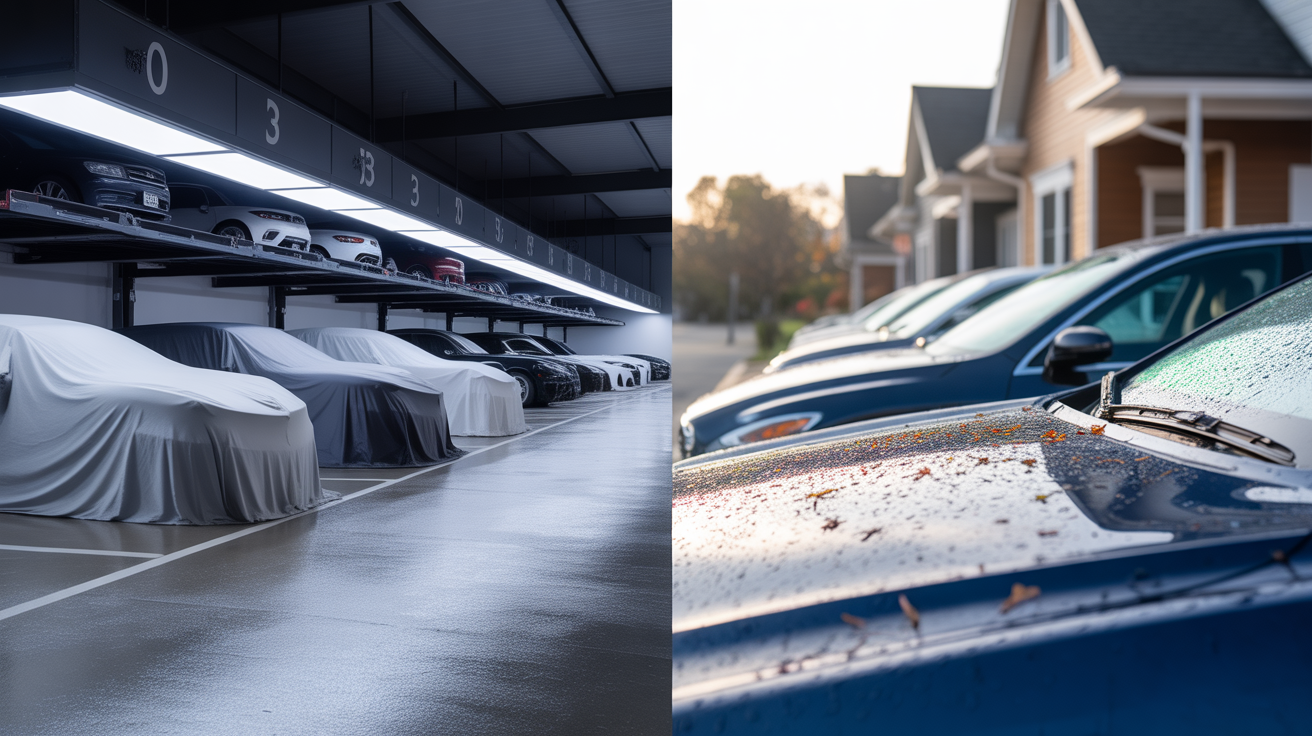
Vehicle storage facilities focus on cars, RVs, boats, and trailers. These range from open parking lots to fully enclosed, climate-controlled garages. Pricing varies from $50 per month for open parking to $500 or more for premium enclosed spaces.
Use our storage unit size guide to determine which unit dimensions fit your specific belongings.
Are Outside Storage Units Worth the Lower Cost?
Outdoor storage units typically cost 15% to 30% less than indoor units of equivalent size. This savings can add up over extended storage periods. However, the value calculation depends entirely on what you store and for how long.
Consider this cost-benefit analysis: A 10x10 indoor unit might cost $275 per month versus $230 for an outdoor unit, saving $45 monthly or $540 annually. If that outdoor unit damages a $2,000 leather sofa through temperature stress, the savings disappear instantly. Worse, you lose an irreplaceable item.
Outdoor units deliver genuine value when storing appropriate items. Vehicles, durable equipment, and weather-resistant materials benefit from drive-up convenience without suffering climate damage. For these items, outdoor storage provides better value than paying premium prices for unnecessary protection.
Review our 2026 self-storage pricing guide to understand how Crested Butte rates compare to regional and national averages.
Security Considerations: Indoor vs. Outdoor Units
Indoor storage facilities typically offer enhanced security through controlled access points. Visitors must pass through main entrances, often requiring key codes or electronic access credentials. This creates a documented trail of facility access that outdoor units cannot replicate.
Outdoor units, while often within fenced perimeters, have more access points and less visibility. Individual unit doors face exterior spaces where activity is harder to monitor. However, modern facilities mitigate these concerns through comprehensive video surveillance, quality lighting, and secure fencing.
Both unit types benefit from tenant protection coverage. Our tenant protection plans cover burglary, fire, water damage, and other risks regardless of whether you choose indoor or outdoor storage.
Making Your Decision: A Practical Framework
Use this decision framework to determine which storage type fits your situation:
Choose indoor storage if:
- You are storing electronics, wood furniture, documents, artwork, or musical instruments
- Storage duration exceeds six weeks
- Items have high replacement cost or sentimental value
- You live in a mountain climate with extreme temperature swings
- Security and controlled access are priorities
Choose outdoor drive-up storage if:
- You are storing vehicles, boats, RVs, or trailers
- Items are durable and weather-resistant
- You need frequent access for loading and unloading
- Storage duration is less than four weeks
- Budget constraints outweigh protection needs
Many storage users benefit from combining both types. Store sensitive household items in an indoor unit while keeping your RV in an outdoor space. This hybrid approach optimizes both protection and convenience while managing costs effectively.
Frequently Asked Questions
Is it better to have a storage unit inside or outside?
Indoor units provide better protection for most household belongings, especially in mountain climates. Choose indoor storage for anything sensitive to temperature, humidity, dust, or pests. Reserve outdoor units for vehicles, durable equipment, and items you access frequently.
What items should never go in outdoor storage?
Never store electronics, wood furniture, leather goods, documents, photographs, musical instruments, wine, candles, medications, or anything with batteries in outdoor units. These items suffer irreversible damage from temperature extremes and humidity fluctuations common in outdoor storage environments.
How much more does indoor storage cost?
Indoor storage typically costs 15% to 30% more than equivalent outdoor units. At Elk Mountain Storage, indoor units start at $175 per month for a 5x6 space, while drive-up units start at $235 per month for a 5x7.5 space. The price difference reflects the additional protection and building infrastructure costs.
Can I switch from outdoor to indoor storage later?
Yes, most facilities allow unit transfers based on availability. If you start with outdoor storage and realize your items need more protection, contact facility management about available indoor units. Month-to-month leasing, like that offered at Elk Mountain Storage, provides flexibility to change unit types without long-term contract penalties.
Find answers to additional questions in our storage FAQ or call us at (970) 316-4811.
|