Storage Insurance Guide: What's Covered and What You Need |
| STORAGE INSURANCE GUIDE: WHAT'S COVERED AND WHAT YOU NEED
⏱ 10 min read ·
📄 #1,907 words
Learn what storage insurance covers, including theft, fire, vandalism, water damage, costs, exclusions, policy options, and coverage limits before renting.
|
S torage unit insurance protects your belongings against theft, fire, vandalism, and water damage while stored at a self-storage facility. Coverage costs $8 to $60 per month depending on protection limits, which typically range from $2,000 to $50,000. Your existing renters or homeowners policy may already cover stored items, but facility-specific insurance fills gaps that standard policies miss.

| Key Points: | |
|---|---|
| • | Basic storage insurance costs $8-15/month for $2,000-5,000 coverage; premium plans run $30-60/month for up to $50,000 |
| • | Most policies cover fire, theft with forced entry, vandalism, and burst pipes but exclude floods, earthquakes, and gradual deterioration |
| • | Renters and homeowners insurance often extends to storage units at 10% of your policy's contents coverage limit |
| • | High-value items like jewelry, firearms, and fine art require scheduled riders with limits of $1,000-2,500 without add-ons |
| • | Vehicle storage requires comprehensive-only coverage, which costs less than full auto insurance |
What Storage Unit Insurance Actually Covers
Storage unit insurance, according to the Insurance Information Institute (III), provides protection against specific perils that could damage or destroy your belongings while in a storage facility. Standard policies from providers like Allstate, State Farm, and facility-offered plans through companies like Bader Company cover a core set of risks.
Fire and smoke damage represent the most commonly claimed perils, as noted by ABP Insurance in their 2024 Virginia storage claims analysis. A fire in a neighboring unit can spread smoke damage throughout a facility, making this coverage essential even in well-maintained buildings.
Theft coverage requires evidence of forced entry in most policies. According to Extra Space Storage's insurance guidelines, "mysterious disappearance" without break-in evidence typically falls outside coverage. This distinction matters when filing claims.
Water damage from burst pipes and roof leaks is covered under most plans. However, the source matters significantly. Facility negligence, such as failing to repair a known roof leak, falls under customer goods legal liability, which protects you when the storage company is at fault.
Standard Coverage Perils
The following perils appear in most storage insurance policies offered through facilities and third-party insurers:
- Fire and smoke damage from any source, including neighboring units
- Theft with forced entry requiring visible signs of break-in
- Vandalism causing intentional damage to your belongings
- Wind and hail damage affecting items in drive-up or outdoor units
- Water damage from burst pipes, sprinkler malfunctions, or roof leaks
- Lightning strikes causing fire or electrical damage
- Explosion from any covered cause

Coverage Types and Cost Comparison
Storage insurance comes in several forms, each with different coverage limits, costs, and claim processes. Understanding these options helps you choose appropriate protection without overpaying. Data from StorageStar and Rock Solid Storage's 2025 insurance guides informed the following comparison.
| Coverage Type | Typical Limits | Monthly Cost | Best For |
|---|---|---|---|
| Basic Facility Plan | $2,000-5,000 | $8-15 | Low-value household items |
| Standard Facility Plan | $5,000-15,000 | $15-30 | Furniture, electronics, seasonal gear |
| Premium Facility Plan | $15,000-50,000 | $30-60 | Valuable collections, business inventory |
| Renters/Homeowners Extension | 10% of contents limit | Included in policy | Those with existing coverage |
| Standalone Third-Party | Custom limits | $12-45 | Gap coverage, high-value items |
Renters and Homeowners Policy Extensions
Your existing renters or homeowners insurance likely includes off-premises personal property coverage. According to Allstate's policy guidelines, this coverage typically extends to storage units at approximately 10% of your total contents coverage limit. A policy with $30,000 contents coverage would provide roughly $3,000 for stored items.
Contact your insurance provider before assuming coverage applies. Some policies restrict off-premises coverage to items temporarily away from home, which may exclude long-term storage. State Farm, Progressive, and USAA each have different interpretations of "temporary" in their policy language.
Deductibles from your primary policy apply to storage claims. If your homeowners deductible is $1,000, a $2,500 storage claim would net you only $1,500 after the deductible.
Facility-Provided Protection Plans
Most storage facilities offer protection plans directly to tenants. These plans, technically called "tenant protection" rather than insurance in many states, provide coverage without affecting your personal insurance claims history.
Facility plans typically feature lower deductibles of $50-100 compared to homeowners policy deductibles of $500-2,500. Claims processing is often faster since the facility handles everything directly with their insurance administrator.
What Storage Insurance Does Not Cover
Understanding exclusions prevents unpleasant surprises during the claims process. According to U.S. News and World Report's 2025 insurance analysis, the following items and perils fall outside standard storage insurance coverage.
Common Policy Exclusions
Floods and earthquakes require separate riders costing $20-100+ per month depending on your location's risk level. FEMA flood maps and USGS seismic data determine pricing. Colorado's Gunnison Valley faces minimal flood risk but should consider coverage during spring runoff season.
Gradual deterioration from temperature fluctuations, humidity, or age falls outside coverage. Items that slowly degrade over months or years cannot be claimed. This makes choosing the right storage environment critical for sensitive belongings.
Pest and vermin damage is typically excluded unless caused by facility negligence. Mice, insects, and mold resulting from your own packing methods are your responsibility.
Cash, securities, and important documents have zero coverage in most policies. Bank safe deposit boxes remain the appropriate storage method for these items.
Items Requiring Special Coverage
High-value items face strict sublimits in standard policies. Without scheduled riders, expect the following maximum payouts according to the Insurance Information Institute:
- Jewelry and watches: $1,000-2,500 total
- Firearms: $2,000-2,500 total
- Fine art and antiques: $1,500-2,500 per item
- Furs: $1,000-2,000 total
- Collectibles: Actual cash value only, not replacement cost
Scheduled personal property riders from providers like Chubb, PURE, or your primary insurer add specific items at appraised values. Expect to pay 1-2% of the item's value annually for this coverage.
Vehicle Storage Insurance Requirements
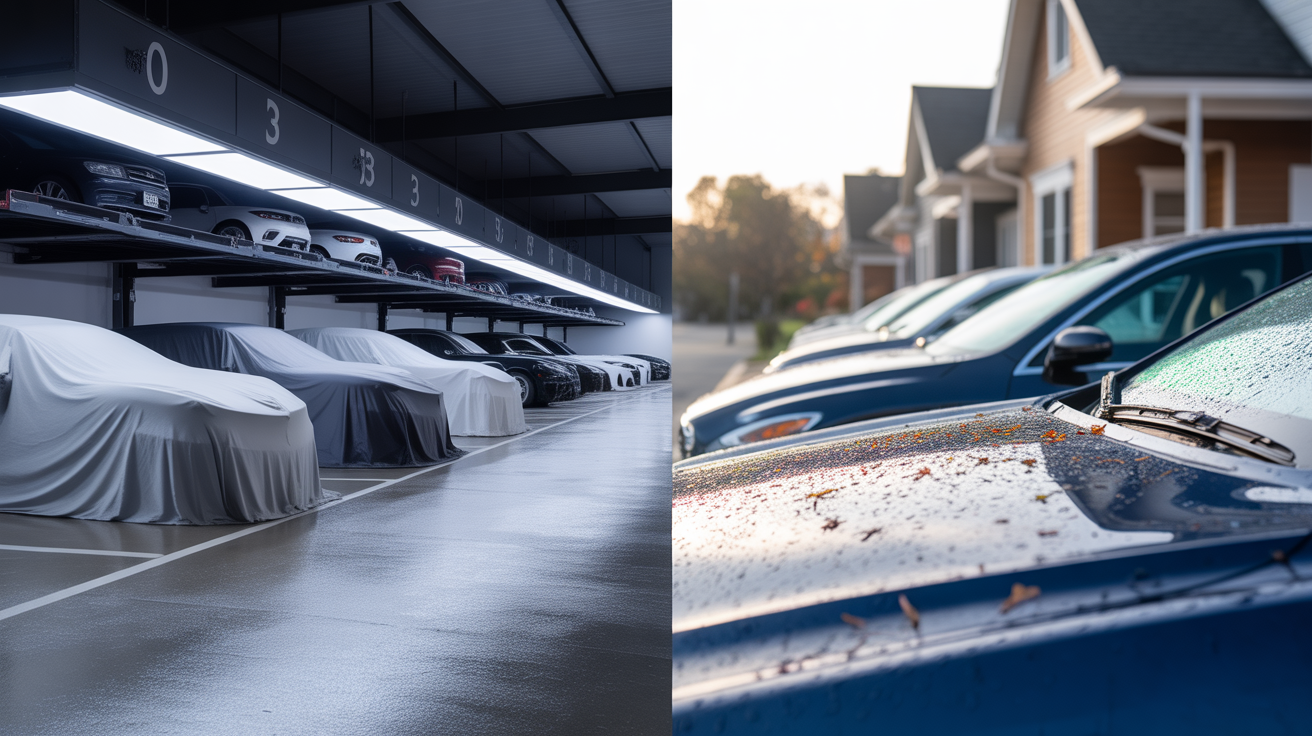
Storing vehicles, boats, and RVs at a storage facility requires different coverage than household goods. According to Progressive's 2025 vehicle storage guidelines, comprehensive-only coverage protects parked vehicles against theft, vandalism, fire, and weather damage without the cost of full liability coverage.
Comprehensive-only policies through Progressive, GEICO, and State Farm cost 40-60% less than full coverage since liability and collision are unnecessary for non-driven vehicles. A vehicle with $150/month full coverage might drop to $60-90/month for storage-only comprehensive.
Maintain continuous coverage even during storage. Gaps in insurance history can increase future premiums by 10-25% according to data from The Zebra's 2025 auto insurance analysis.
Moving and Transit Storage Coverage
Storage-in-transit insurance protects belongings held temporarily at moving company warehouses. The Federal Motor Carrier Safety Administration (FMCSA) requires moving companies to offer two coverage options.
Released value protection comes at no additional cost but provides only $0.60 per pound per item. A 50-pound television worth $1,500 would receive just $30 in compensation.
Full-value protection costs 1-2% of your declared shipment value and replaces items at current market value or repairs them. A $50,000 shipment would cost $500-1,000 for full protection.
Florida requires moving and storage companies to maintain minimum $500,000 general liability coverage, according to state Department of Agriculture regulations. However, claims often exceed these minimums due to legal and medical costs, making personal coverage essential.
How to Determine Your Coverage Needs
Calculate the replacement value of everything you plan to store before selecting coverage limits. The National Association of Insurance Commissioners recommends creating a home inventory that includes photos, receipts, and estimated values.
Coverage Selection Framework
Use this decision framework based on your stored items' total value:
Under $3,000 total value: Basic facility plan at $8-15/month provides adequate coverage. Verify your renters or homeowners policy first, as existing coverage may suffice.
$3,000-10,000 total value: Standard facility plan at $15-30/month or confirm off-premises coverage on your existing policy meets this threshold.
$10,000-25,000 total value: Premium facility plan or standalone third-party policy. Consider splitting coverage between facility protection and a personal policy umbrella.
Over $25,000 total value: Consult an independent insurance agent. You likely need scheduled coverage for specific high-value items plus a premium facility plan for general contents.
Climate-Controlled Storage Considerations
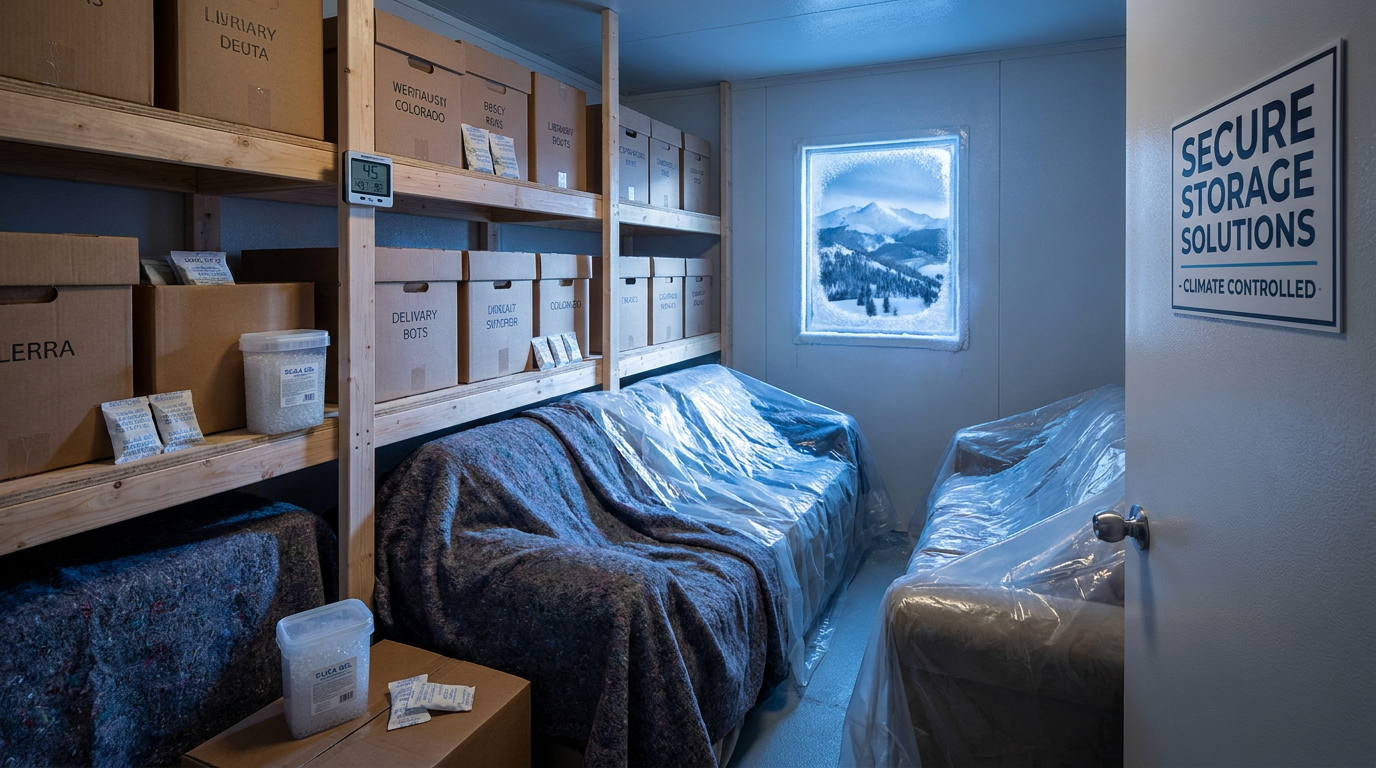
Items stored in climate-controlled units face different risk profiles than those in standard units. Temperature-sensitive items like electronics, wooden furniture, photographs, and musical instruments benefit from indoor climate-controlled options that maintain consistent conditions.
In Colorado's mountain climate, temperature swings can exceed 50 degrees between day and night during shoulder seasons. Climate control eliminates gradual deterioration claims, which insurance does not cover anyway.

Filing a Storage Insurance Claim
Document everything before moving items into storage. The Insurance Information Institute recommends photographing or videoing all belongings, keeping receipts for valuable items, and maintaining a written inventory with estimated values.
Claim Process Steps
- Report the incident immediately to both the storage facility and your insurance provider within 24-48 hours
- Document the damage with photos before moving or disposing of any items
- File a police report for theft or vandalism; most insurers require this for claims
- Complete claim forms with detailed descriptions and supporting documentation
- Obtain repair estimates for damaged items from qualified professionals
- Cooperate with adjusters who may inspect the unit and remaining items
Claim processing typically takes 2-4 weeks for straightforward cases. Complex claims involving multiple high-value items or disputed causes may extend to 60-90 days according to the National Association of Insurance Commissioners.
Frequently Asked Questions
Does renters insurance cover theft from a storage unit?
Yes, most renters insurance policies cover theft from storage units under off-premises personal property coverage. However, theft claims typically require evidence of forced entry, not just missing items. Coverage limits are usually 10% of your total contents coverage, so a $20,000 policy would provide $2,000 for storage unit theft.
What items are excluded from storage insurance policies?
Standard exclusions include cash, securities, deeds, and important documents. Perishable food items, hazardous materials, and illegal goods have no coverage. Flood and earthquake damage require separate riders. High-value items like jewelry, firearms, and fine art face sublimits of $1,000-2,500 without scheduled coverage.
How much does storage unit insurance cost per month?
Storage unit insurance costs $8-60 per month depending on coverage limits. Basic plans covering $2,000-5,000 run $8-15 monthly. Standard plans with $5,000-15,000 limits cost $15-30. Premium coverage up to $50,000 ranges from $30-60 per month. Your existing renters or homeowners policy may include storage coverage at no additional cost.
Do I need separate insurance for valuables in storage?
Yes, if your valuables exceed standard policy sublimits. Jewelry over $1,500, firearms over $2,500, and fine art over $2,000 typically need scheduled personal property riders. These riders cost 1-2% of the item's appraised value annually and provide coverage at full replacement cost rather than depreciated value.
Does storage insurance cover flood or water damage?
Standard storage insurance covers water damage from burst pipes, roof leaks, and sprinkler malfunctions. Flood damage from rising water, storm surge, or groundwater infiltration requires separate flood insurance costing $20-100+ monthly depending on location risk. FEMA flood maps determine whether your storage facility sits in a flood zone.
Protecting Your Stored Belongings in the Gunnison Valley
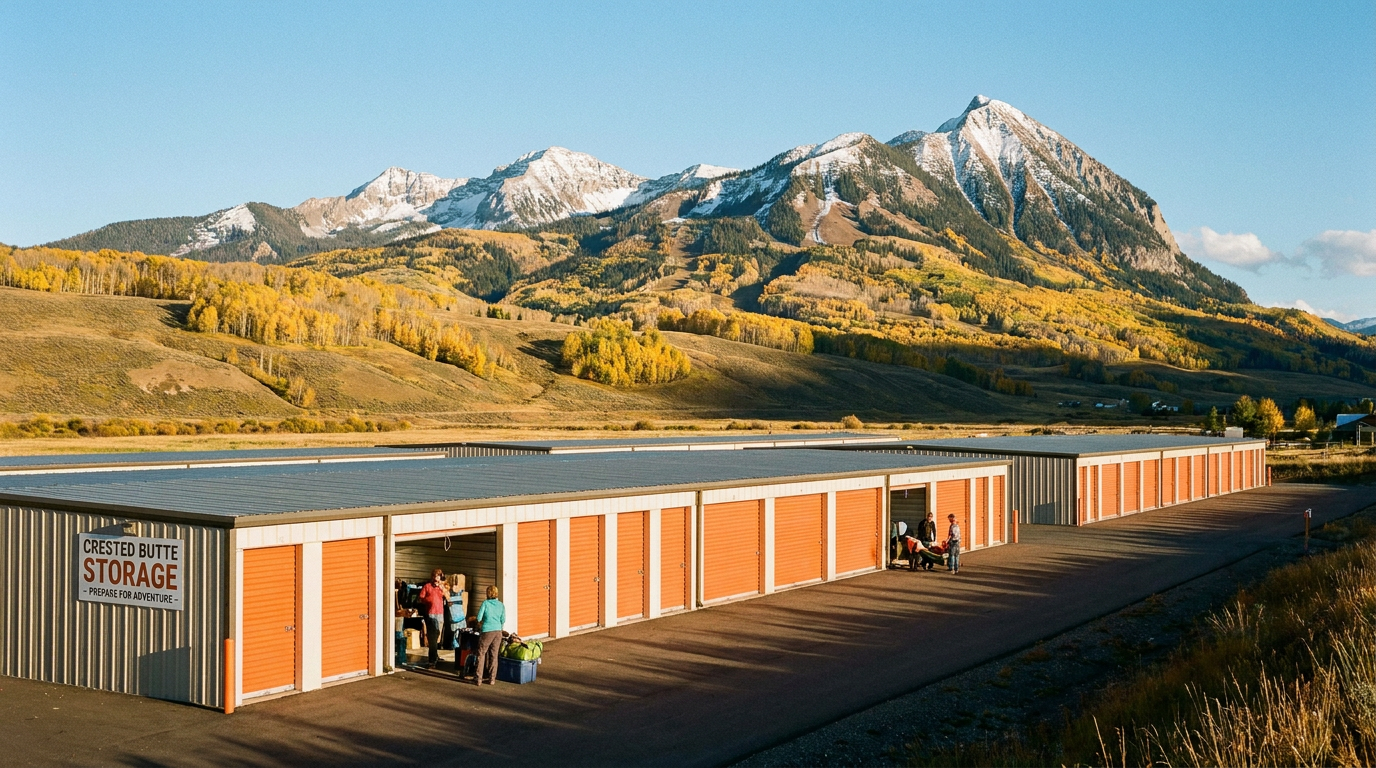
Choosing appropriate storage insurance depends on what you store, how long you store it, and your existing coverage. For residents and seasonal visitors in the Crested Butte area, locally owned facilities understand the unique challenges of mountain storage, from spring runoff concerns to extreme winter temperatures.
Review your current renters or homeowners policy before purchasing additional coverage. Many customers discover they already have adequate protection through existing policies. When gaps exist, facility-provided protection plans offer convenient, affordable coverage without affecting your personal insurance claims history.
|