When to Upgrade to a Larger Storage Unit: 7 Clear Signs |
| WHEN TO UPGRADE TO A LARGER STORAGE UNIT
⏱ 15 min read ·
📄 #2,989 words
Learn the 7 signs you need a larger storage unit, from access issues to life changes. Expert tips on timing your upgrade and choosing the right size.
|
U pgrade to a larger storage unit when you cannot access items without moving multiple boxes, when new belongings no longer fit, or when life changes like moving, renovations, or business growth demand additional space. Most renters underestimate their initial needs by 20 to 30 percent, making upsizing one of the most common storage decisions.
| Key Points: | |
|---|---|
| • | Upgrade when you cannot reach 50% or more of your items without restacking boxes |
| • | Life events like moves, renovations, or family growth trigger 70% of storage upgrades |
| • | Moving from a 5x10 to a 10x10 unit typically adds $50 to $150 per month depending on location |
| • | Climate-controlled upgrades cost $20 to $50 extra monthly but protect sensitive items for decades |
| • | Declutter first: eliminating 25% of stored items may solve space issues without upgrading |
The 7 Signs You Need a Larger Storage Unit
Recognizing when your current unit no longer serves your needs prevents damage to belongings and eliminates frustration during visits. These seven indicators signal that an upgrade will improve both accessibility and protection of your stored items.
1. You Cannot Access Items Without Major Reorganization
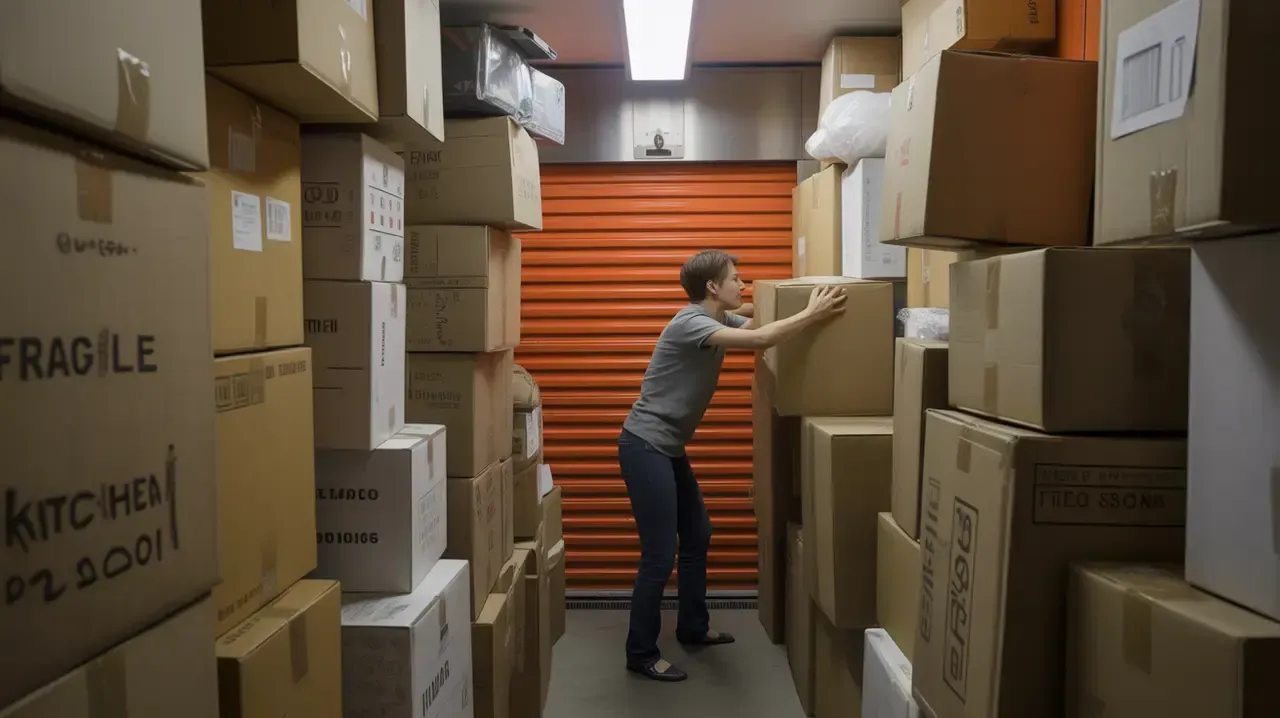
The clearest sign of an undersized unit is difficulty retrieving items. If grabbing a single box requires moving five others, your space has become inefficient. A well-organized unit should allow you to reach frequently needed items within 2 to 3 minutes.
Test your accessibility by visiting your unit and timing how long it takes to locate and retrieve three different items. If the process exceeds 10 minutes, you either need better organization or more square footage. Most storage experts recommend maintaining a 2 to 3 foot walkway through your unit for safe, efficient access.
2. Items Are Stacked Dangerously High
Stacking boxes more than 5 feet high creates safety hazards and increases damage risk. Heavy items crushing lighter ones, unstable towers that could topple, and boxes warping under pressure all indicate overcrowding. Furniture stored vertically or at odd angles to fit suggests your unit has reached capacity.
Proper stacking follows the pyramid principle: heaviest items on the bottom, lighter items on top, with nothing exceeding shoulder height for easy retrieval. If you have abandoned this approach to maximize space, upgrading prevents costly damage to your belongings.
3. You Have Exhausted All Organization Strategies
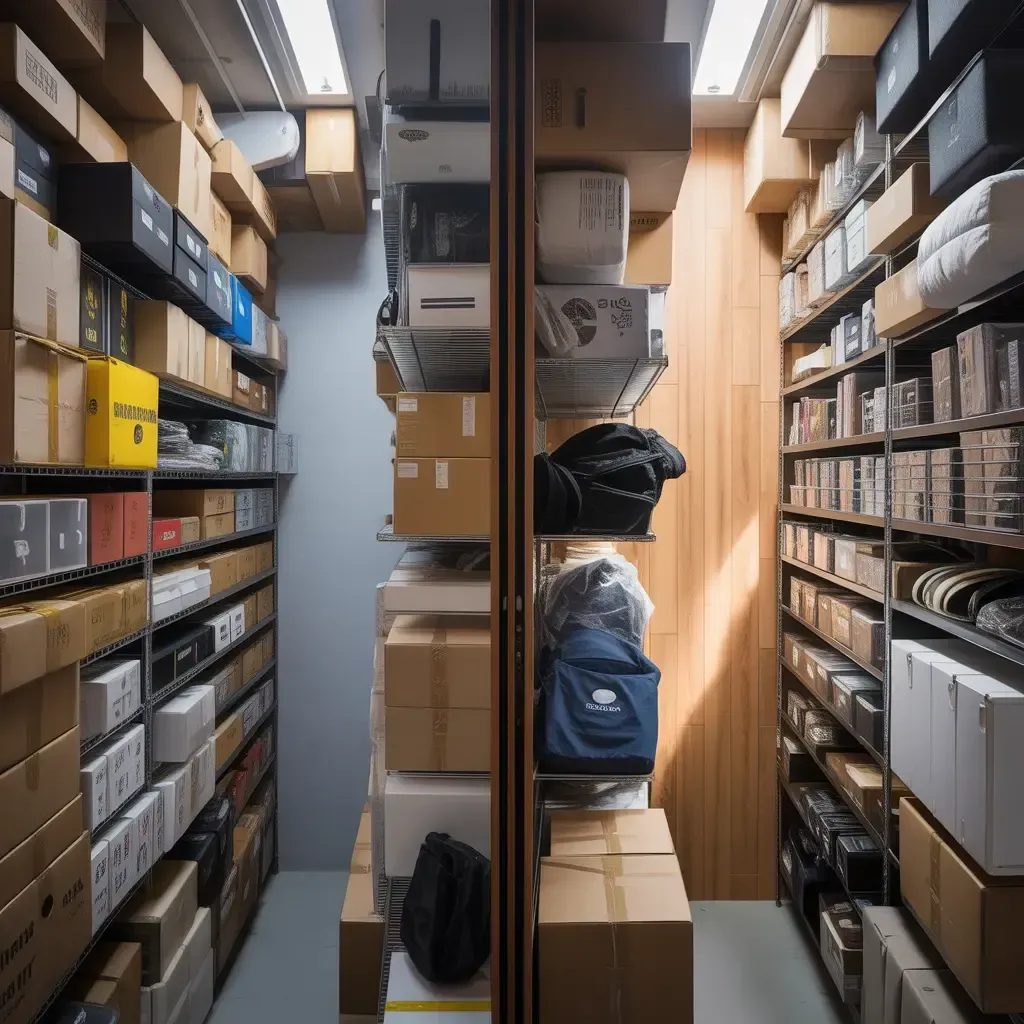
Before upgrading, most renters try optimization techniques like installing shelving units, using uniform box sizes, disassembling furniture, and maximizing vertical space. When these strategies no longer create usable room, the unit itself has become the limiting factor.
A 5x10 unit holds approximately 1 to 2 rooms of furniture when properly organized. A 10x10 unit accommodates 3 to 4 rooms. If you have implemented proper storage organization techniques and still struggle with space, moving to the next size tier makes practical sense.
4. Life Changes Have Increased Your Storage Needs
Major life events frequently trigger the need for additional storage space. Common triggers include:
- Home renovation projects: Temporarily storing furniture from 2 to 3 rooms requires 100 to 200 square feet
- Family growth: Baby equipment, toys, and seasonal clothing add 50 to 100 cubic feet annually
- Downsizing: Moving from a house to an apartment often means storing furniture you plan to use later
- Business inventory expansion: Growing product lines or seasonal stock increases demand 20 to 40 percent yearly
- Inheritance: Receiving family belongings adds immediate, unplanned volume
These changes often happen gradually. Reviewing your storage needs every 6 months helps you recognize when circumstances have shifted enough to warrant more space.
5. Seasonal Items No Longer Fit
Holiday decorations, sports equipment, and seasonal clothing require rotation throughout the year. If adding winter gear means removing summer items from your unit entirely, you have outgrown your current space. Seasonal storage should allow items to remain organized by category, not crammed wherever they fit.
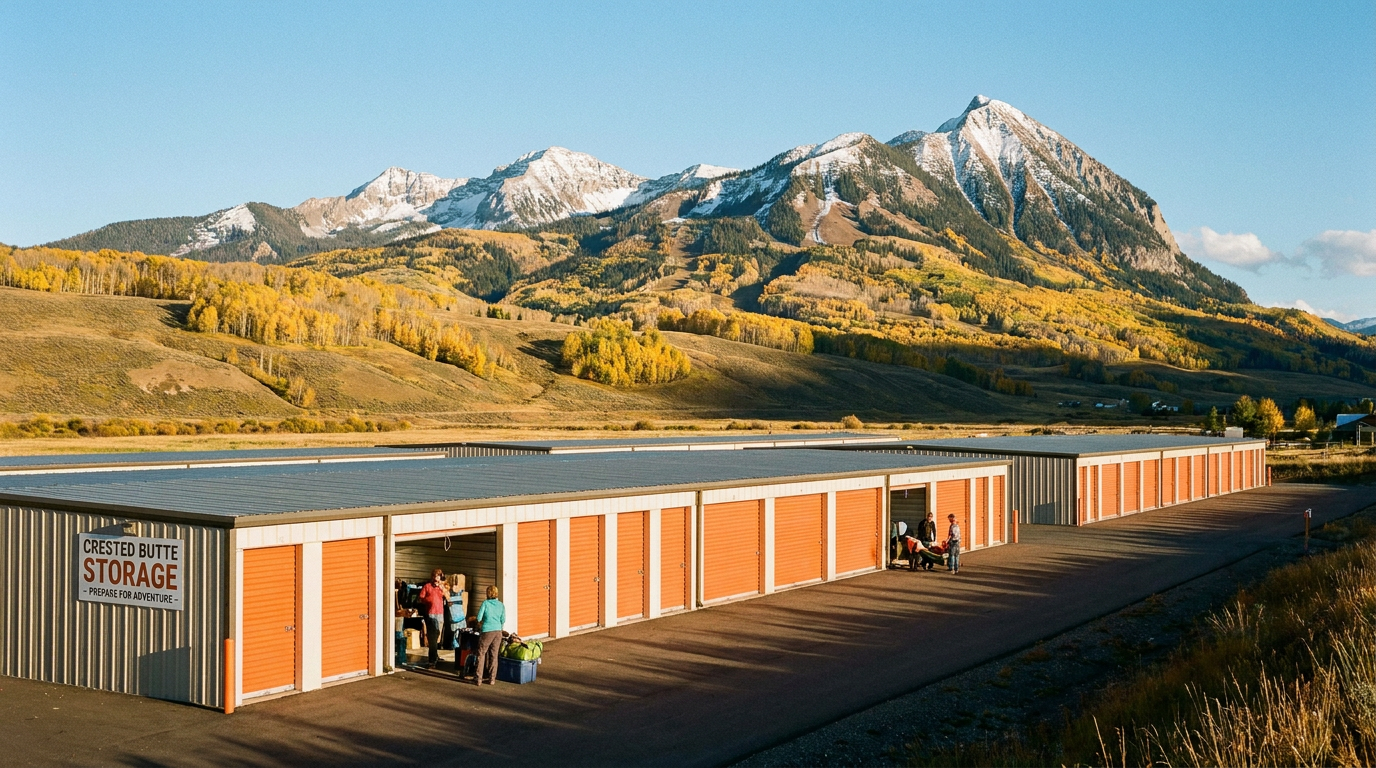
In Crested Butte and the Gunnison Valley, seasonal storage needs are particularly significant. Ski equipment, snowboards, summer camping gear, and mountain bikes all require dedicated space. A unit that worked for winter sports alone may prove inadequate when summer recreation equipment enters the mix.
6. You Are Storing Items Outside Their Ideal Conditions
Overcrowding often forces renters to store items improperly. Electronics stacked near exterior walls, wooden furniture touching concrete floors, or delicate items compressed under heavy boxes all indicate space constraints compromising item protection.
Proper storage requires:
- Electronics: 6 inches minimum from walls, elevated on pallets or shelving
- Wooden furniture: Climate-controlled environment maintaining 55 to 80 degrees Fahrenheit
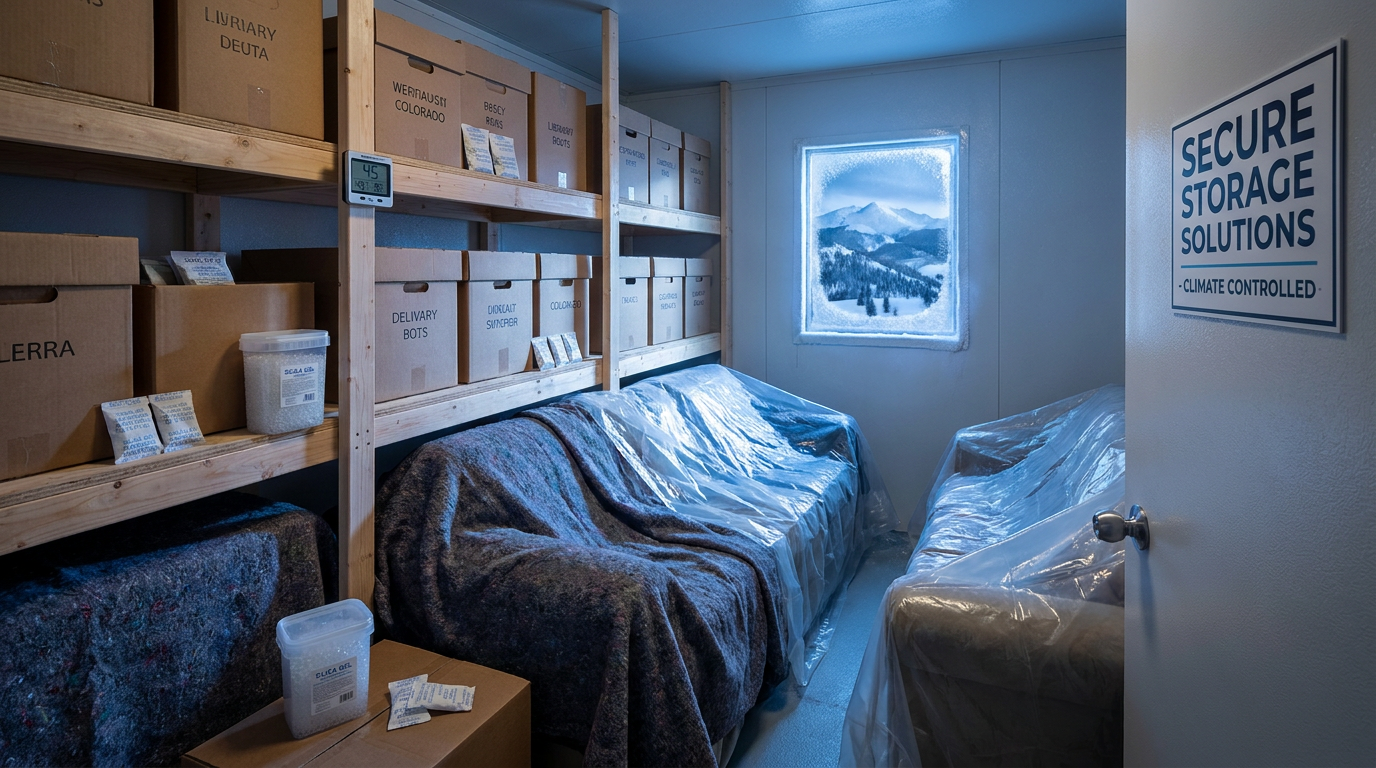
- Upholstered items: Covered but not wrapped in plastic, with air circulation
- Documents and photos: Acid-free containers in climate-controlled conditions
If space constraints prevent following these guidelines, upgrading protects your investment in stored belongings.
7. Your Access Frequency Has Increased
Storage units serving as active overflow space rather than long-term holding areas need more room. If you visit weekly or more frequently, retrieving and returning items, a cramped unit wastes significant time. Business owners accessing inventory daily particularly benefit from upgrading to units with wider aisles and better organization potential.
Storage Unit Size Comparison Guide
Understanding what each unit size accommodates helps you choose the right upgrade. This comparison reflects typical capacity when items are properly organized.
| Unit Size | Square Feet | Typical Capacity | Best For |
|---|---|---|---|
| 5x5 | 25 | Small closet contents, 10 to 15 boxes | Seasonal items, small furniture pieces |
| 5x10 | 50 | 1 to 2 rooms, mattress set, small sofa | Studio apartment, dorm room contents |
| 10x10 | 100 | 3 to 4 rooms, major appliances | 1 to 2 bedroom apartment contents |
| 10x15 | 150 | 4 to 5 rooms, large furniture pieces | 2 to 3 bedroom home contents |
| 10x20 | 200 | 5 to 7 rooms, vehicles up to mid-size | Full home contents, car storage |
| 10x30 | 300 | 7+ rooms, large vehicles, boats | Large homes, business inventory |
The Cost of Upgrading: What to Expect
Understanding pricing helps you budget for an upgrade and evaluate whether the additional cost justifies the benefits. Storage unit prices vary based on size, features, location, and market conditions.
Size-Based Price Increases
Moving up one size tier typically increases monthly costs by 40 to 60 percent. A 5x10 unit averaging $100 per month becomes a 10x10 at $140 to $160 monthly. However, the cost per square foot often decreases as units get larger, making bigger units more economical on a space-to-dollar basis.
At Elk Mountain Storage, our 10x10 interior upstairs units start at $275 per month, while our 10x20 drive-up units begin at $405 monthly. This pricing demonstrates how doubling your space does not necessarily double your cost.
Feature Upgrades That Affect Price
When upgrading size, you may also want to consider feature improvements:
- Climate control: Adds $20 to $50 per month, maintains 55 to 80 degrees Fahrenheit year-round
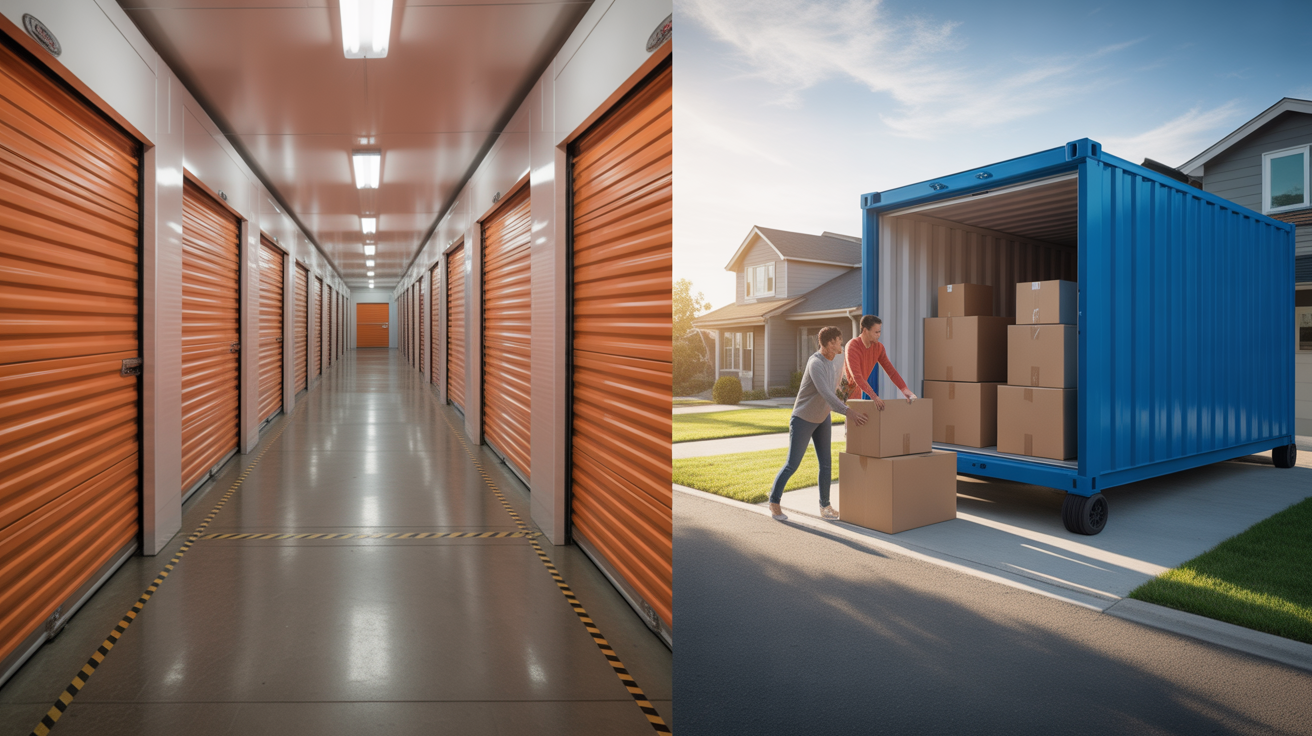
- Drive-up access: Typically costs 10 to 20 percent more than interior units but saves loading time
- Ground floor location: May carry a premium of $10 to $30 monthly over upper-floor units
- Enhanced security features: Individual unit alarms add $5 to $15 per month
Consider whether your upgrade should include feature improvements. Moving from a small interior unit to a larger drive-up unit, for example, addresses both space and convenience concerns simultaneously.
Location Impact on Pricing
Urban storage facilities charge 20 to 50 percent more than rural or suburban locations. However, facilities on city outskirts often offer significant savings. If you access your unit monthly rather than weekly, a location 15 to 20 minutes further from home could reduce costs by $30 to $75 monthly.
In mountain communities like Crested Butte, seasonal demand affects pricing. Summer months see increased competition for units as seasonal residents and visitors need storage. Locking in rates during off-peak seasons (October through April) often secures better pricing.
Long-Term Savings Strategies
Several approaches reduce the cost of upgrading:
- Promotional pricing: Many facilities offer 50 percent off the first 1 to 3 months for new rentals or unit changes
- Prepayment discounts: Paying 6 to 12 months upfront often saves 10 to 15 percent
- Loyalty programs: Existing customers may receive preferential rates on upgrades
- Off-peak timing: Upgrading during slower months (fall and winter) may yield better availability and pricing
Before You Upgrade: The Declutter Decision
Professional organizers recommend auditing stored items before committing to a larger unit. Storage fees accumulate over time, and many people store items they no longer need, want, or remember owning.
The True Cost of Storing Unused Items
A $150 monthly storage fee equals $1,800 annually and $9,000 over five years. Items worth less than their cumulative storage cost represent a financial drain. Before upgrading, calculate whether selling, donating, or discarding certain items makes more economic sense.
Consider this framework:
- Keep in storage: Items with replacement cost exceeding 2 years of storage fees
- Evaluate carefully: Items with sentimental value but low monetary worth
- Consider removing: Items you have not accessed in 18+ months
- Likely remove: Duplicate items, outdated electronics, broken furniture awaiting repair
The 25 Percent Rule
Most storage units contain approximately 25 percent of items that could be eliminated without meaningful loss. Spending 2 to 3 hours sorting through your unit before upgrading often reveals forgotten items, duplicates, and belongings that no longer serve your needs.
Schedule a decluttering session before your upgrade. Bring trash bags, donation boxes, and a realistic mindset. Items stored for more than 2 years without being accessed rarely become necessary later.
How to Execute a Smooth Storage Upgrade
Transitioning to a larger unit requires planning to minimize effort and avoid paying for two units simultaneously.
Step 1: Assess Your True Space Needs
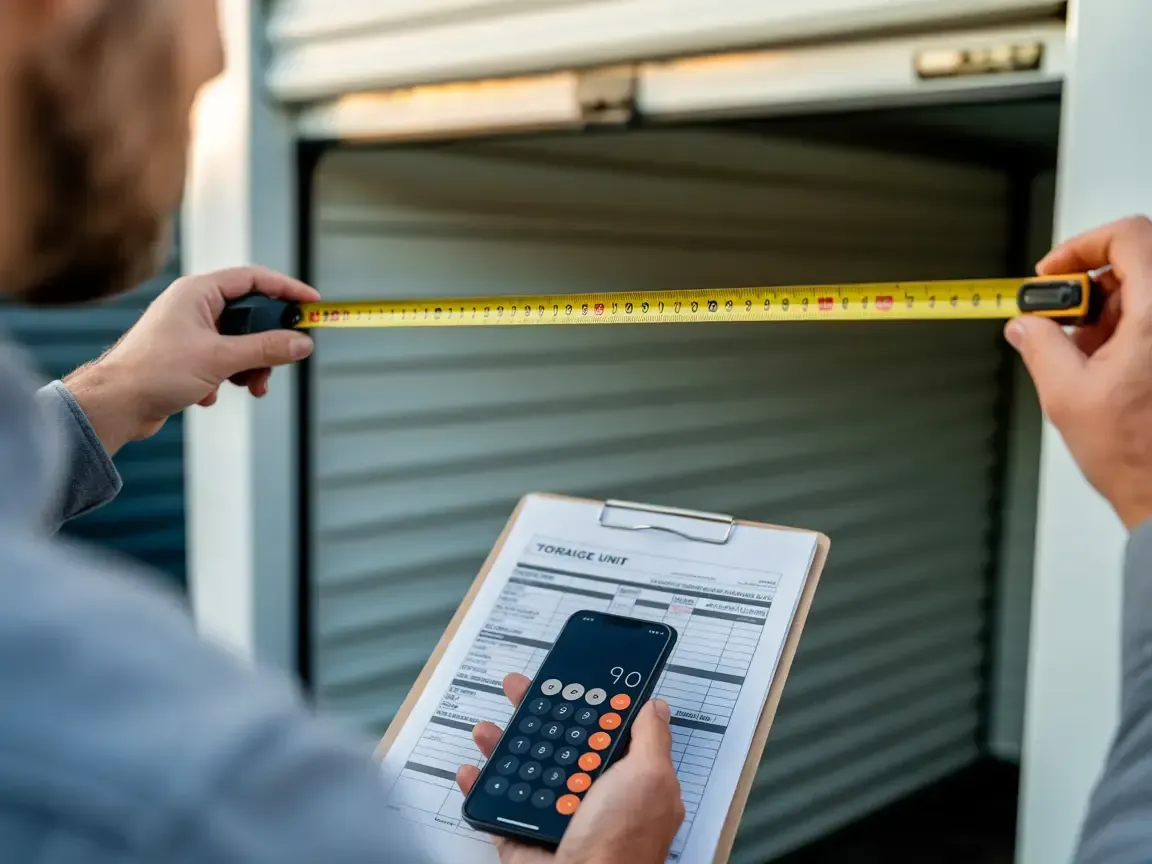
Measure or estimate the cubic footage of your current belongings. A standard moving box holds approximately 1.5 cubic feet. Count your boxes, measure furniture dimensions, and calculate total volume. Add 20 to 30 percent for comfortable access and future additions.
Use our storage unit size guide to match your calculated needs with available unit dimensions.
Step 2: Time Your Transition
Most facilities allow same-day unit transfers for existing customers. Coordinate your upgrade to occur on a single day, avoiding overlap fees. Ideal timing includes:
- Weekday mornings: Fewer customers, easier loading dock access
- Mid-month: Avoids the rush of first-of-month move-ins
- Good weather: Particularly important for drive-up units
- Before your current billing cycle ends: Prevents paying for the old unit an additional month
Step 3: Organize During the Move
Treat your upgrade as an opportunity to improve organization. Create zones in your new unit:
- Front zone: Frequently accessed items within arm's reach
- Middle zone: Seasonal items rotated 2 to 4 times yearly
- Back zone: Long-term storage items accessed rarely or never
Label all boxes on multiple sides. Create an inventory list or photograph your unit layout for reference. These steps prevent future access frustrations.
Step 4: Protect Your Investment
A larger unit means more belongings at risk. Review your storage protection options to ensure adequate coverage. Standard renter's insurance may cover stored items, but dedicated storage protection often provides better terms for facility-specific risks.
Special Considerations for Different Storage Needs
Your reason for storing items affects when and how you should upgrade. Different use cases have unique requirements.
Business Inventory Storage
Commercial storage needs fluctuate with business cycles. Retailers may need 50 percent more space during pre-holiday inventory buildup. Service businesses storing equipment often underestimate growth, requiring upgrades every 12 to 18 months.
Business storage upgrades should prioritize:
- 24/7 access: Essential for responding to customer needs
- Drive-up convenience: Reduces loading and unloading time
- Climate control: Protects inventory value and quality
- Flexible terms: Month-to-month leases accommodate seasonal fluctuations
Vehicle and Recreation Equipment Storage
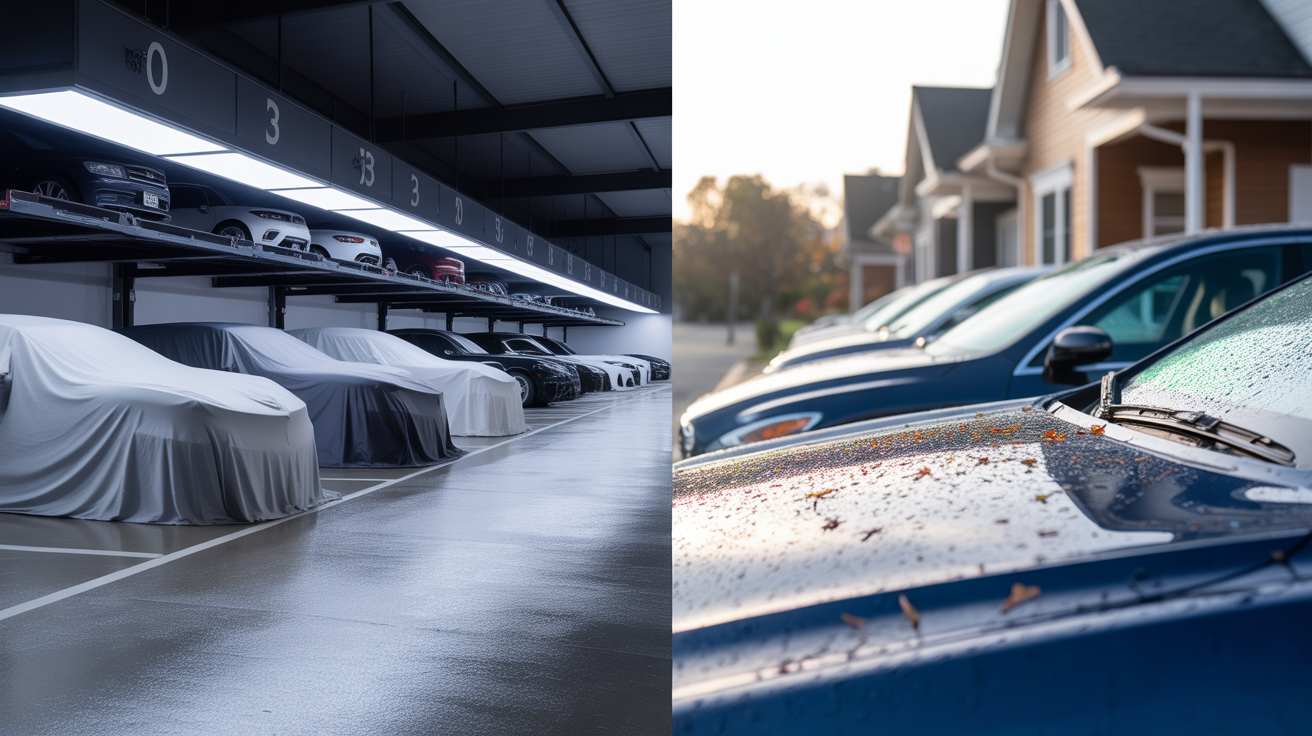
Storing vehicles alongside household items often triggers upgrade needs. A 10x20 unit can accommodate a mid-size car plus boxes, while a 10x30 unit fits larger vehicles or boats alongside significant household storage.
For outdoor recreation enthusiasts in the Gunnison Valley, dedicated vehicle parking may prove more economical than upgrading enclosed storage. Our 20x15 open parking spaces at $295 monthly accommodate RVs, boats, and trailers while keeping enclosed units available for weather-sensitive items.
Transitional Storage During Life Changes
Temporary storage during moves, renovations, or life transitions often requires larger units than anticipated. A common mistake involves renting a unit sized for current belongings without accounting for items still in your home.
When storing during a move, rent a unit 25 to 50 percent larger than your estimate. The additional cost of $30 to $75 monthly proves worthwhile compared to the stress and potential damage of an overcrowded unit during an already hectic time.
Climate Control: When Upgrading Size Means Upgrading Features
Larger units often prompt reconsideration of climate control needs. More stored items mean more potential for damage from temperature extremes and humidity.
Items Requiring Climate Control
Climate-controlled storage maintains temperatures between 55 and 80 degrees Fahrenheit with humidity below 55 percent. This environment protects:
- Wood furniture: Prevents warping, cracking, and joint separation
- Electronics: Protects circuit boards and screens from condensation damage
- Documents and photographs: Prevents yellowing, brittleness, and mold
- Musical instruments: Maintains proper tension and material integrity
- Leather goods: Prevents cracking and mildew
- Artwork: Protects canvas, paper, and paint from degradation
Colorado Mountain Climate Considerations
The Crested Butte area experiences temperature swings from below zero in winter to above 80 degrees in summer. This 100+ degree annual range stresses stored items significantly. Humidity levels also fluctuate dramatically between seasons.
Standard storage units in mountain climates experience interior temperatures 10 to 20 degrees more extreme than outdoor conditions due to solar heating and lack of insulation. Items sensitive to temperature should always be stored in climate-controlled environments in this region.
Calculating the Climate Control Investment
Climate control typically adds $20 to $50 monthly to storage costs. Calculate whether this investment makes sense by totaling the replacement cost of temperature-sensitive items. If replacement costs exceed $2,000, climate control pays for itself within 3 to 4 years of storage.
Frequently Asked Questions About Storage Upgrades
How Big of a Storage Unit Should I Get?
Choose a storage unit based on your total belongings plus 20 to 30 percent extra space for access aisles and future additions. A 5x10 unit (50 square feet) holds 1 to 2 rooms of furniture. A 10x10 unit (100 square feet) accommodates a full 1 to 2 bedroom apartment. A 10x20 unit (200 square feet) stores a 3 to 4 bedroom home's contents or a vehicle plus household items.
When uncertain between two sizes, choose the larger option. The additional $30 to $60 monthly cost prevents the hassle of upgrading again within months.
What Are the 4 D's of Self Storage?
The 4 D's represent the primary reasons people rent storage units:
- Death: Storing inherited belongings while settling estates
- Divorce: Temporary storage during household separation
- Dislocation: Moving between homes, relocating for work, or military deployment
- Downsizing: Reducing living space while keeping belongings
Each of these life events often requires larger storage than initially anticipated. People experiencing these transitions should plan for 25 to 50 percent more space than their initial estimate.
Should I Get a 10x10 or 10x15 Storage Unit?
Choose a 10x10 unit (100 square feet) if storing contents from a 1 to 2 bedroom apartment with standard furniture. Choose a 10x15 unit (150 square feet) if you have a 2 to 3 bedroom home's worth of belongings, large furniture pieces like sectional sofas, or plan to add items over time.
The 10x15 provides 50 percent more space for approximately 30 to 40 percent more cost, making it more economical per square foot. If your needs fall between these sizes, the 10x15 prevents future upgrade hassles.
Can a 10x20 Storage Unit Hold a Car?
Yes, a 10x20 storage unit (200 square feet) accommodates most sedans, small SUVs, and compact trucks. Standard parking spaces measure 9x18 feet, making a 10x20 unit slightly larger than a typical parking spot. This size also leaves room for boxes and smaller items around the vehicle.
Full-size trucks, large SUVs, and extended-cab pickups may require a 10x30 unit (300 square feet) for comfortable fit with door-opening clearance. Always measure your specific vehicle before committing to a unit size.
Making the Upgrade Decision: A Practical Framework
Use this decision framework to determine whether upgrading makes sense for your situation:
Upgrade Now If:
- You cannot access items without significant reorganization (10+ minutes to retrieve single items)
- Items are at risk of damage from overcrowding or improper storage
- Life changes have permanently increased your storage needs
- You have already maximized organization in your current space
- Monthly visits reveal consistent frustration with space constraints
Wait and Reassess If:
- You have not attempted organization improvements like shelving or uniform boxes
- A significant portion of stored items could be sold, donated, or discarded
- Your space needs may decrease within 6 months (completing a project, selling items)
- Budget constraints make the upgrade financially stressful
Consider Alternative Solutions If:
- Only seasonal items create overflow (separate seasonal-only unit may cost less)
- Vehicle storage drives the need (open parking often costs less than enclosed units)
- Business inventory fluctuates significantly (multiple smaller units offer flexibility)
Local Storage Options in the Gunnison Valley
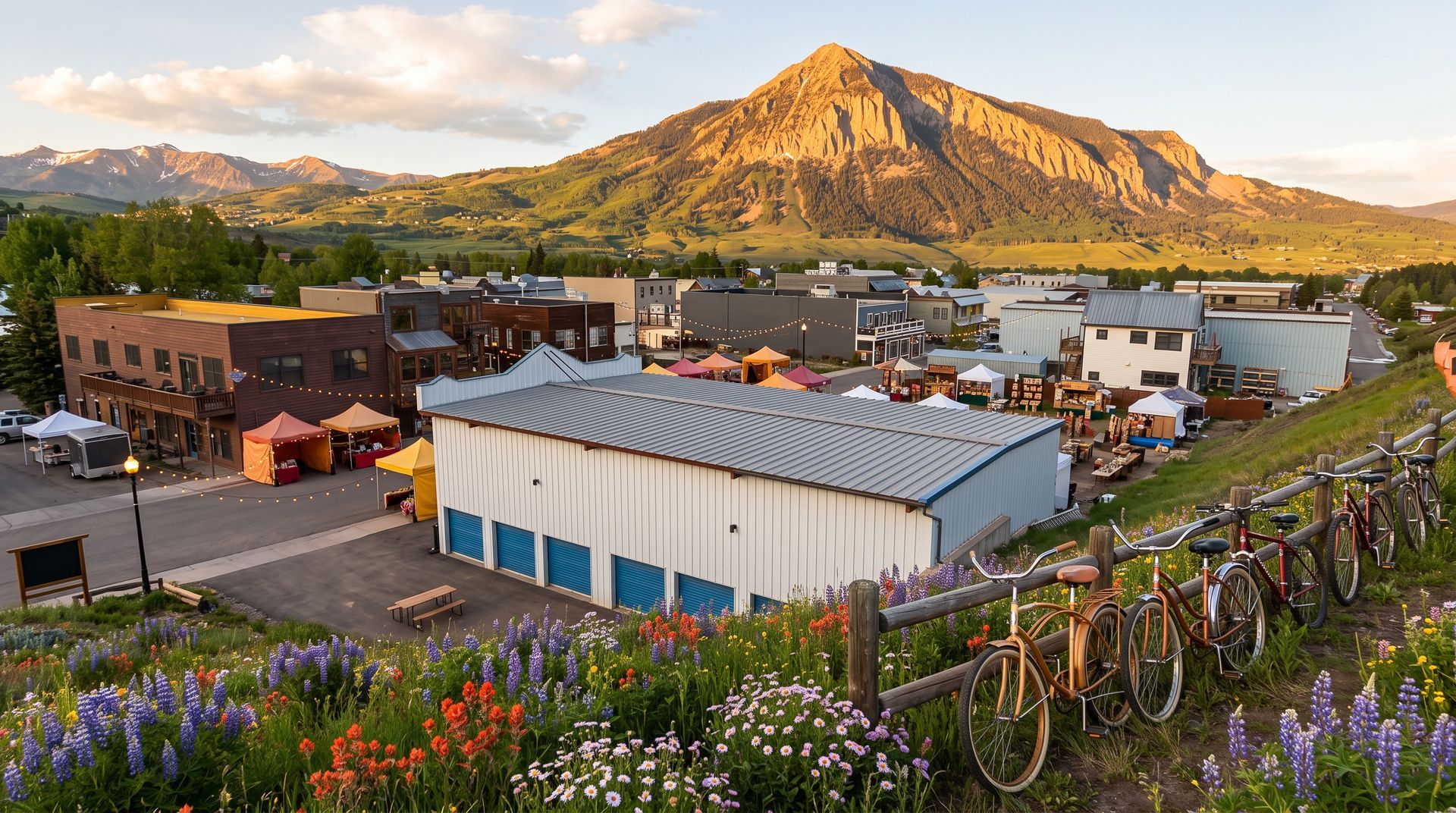
For Crested Butte residents and visitors considering a storage upgrade, local options provide convenience and community-based service. Elk Mountain Storage offers unit sizes ranging from 5x8 interior spaces to 10x30 drive-up units and 20x15 open parking areas.
Our current promotional pricing includes 50 percent off the first three months on select units, making upgrades more affordable during the transition period. With 24/7 secure access, you can organize your upgrade move on your own schedule.
Month-to-month leases provide flexibility if your storage needs change after upgrading. No deposit requirements reduce upfront costs, and online rental and payment options streamline the process.
Contact our team at 970.316.4811 or Help@LookingForStorage.com to discuss which unit size best fits your upgraded storage needs. We can help you evaluate current inventory, anticipate future requirements, and select the most cost-effective solution for your situation.
|