S
elf storage costs between $85 and $300 per month in 2026, with the national average at $133 for a standard 10x10 unit. Your actual price depends on three factors: unit size, location, and whether you need climate control. Mountain and resort communities typically run 40 to 60 percent higher than national averages due to limited supply.

Self Storage Prices by Unit Size
Unit size is the primary cost driver. A 5x5 storage unit holds about one room of furniture, while a 10x20 accommodates a three-bedroom home. Here is what you can expect to pay across standard sizes in 2026.
Not sure which size fits your needs? Use our storage unit size guide
to calculate the exact square footage you require based on your inventory.
How Big Is a 10x10 Storage Unit?
A 10x10 storage unit provides 100 square feet of floor space, roughly the size of a small bedroom or half a one-car garage. With standard 8-foot ceilings, you get approximately 800 cubic feet of storage volume. This size comfortably holds the contents of a one to two bedroom apartment.
Most renters can fit a queen-size bed frame, mattress, dresser, couch, dining table with four chairs, and 15 to 20 moving boxes in a 10x10 unit. Stack boxes against walls and place furniture in the center for easy access.
Storage Unit Prices by Location
Geography creates dramatic price differences. Supply-constrained markets like Boston charge nearly triple what you would pay in oversupplied areas. Here is how major markets compare in early 2026.
Most Expensive Storage Markets
- Boston, MA: $253/month average (only 0.7 sq ft per capita)
- New York City: $220-$280/month for 10x10 units
- San Francisco: $200-$250/month
- Los Angeles: $180-$240/month
- Seattle: $170-$220/month
Most Affordable Storage Markets
- Shreveport, LA: $91/month average
- Oklahoma City: $85-$110/month
- Memphis, TN: $80-$105/month
- Indianapolis: $85-$115/month
- Kansas City: $90-$120/month
Mountain and Resort Community Pricing
If you need storage in areas like Crested Butte, Colorado, or similar mountain communities, expect to pay premium rates. Limited developable land, seasonal demand spikes, and higher construction costs push prices 40 to 80 percent above national averages. A 10x10 climate-controlled unit in the Gunnison Valley runs approximately $140 to $180 per month.
Climate-Controlled Storage: Is It Worth the Extra Cost?
Climate-controlled units maintain temperatures between 55 and 80 degrees Fahrenheit year-round, preventing damage from extreme heat, cold, and humidity. These units cost $10 to $50 more per month than standard drive-up units, representing a 15 to 30 percent premium.
When Climate Control Is Essential
Choose climate-controlled storage if you are storing:
- Electronics: Computers, TVs, and audio equipment suffer condensation damage below 50 degrees
- Wood furniture: Antiques and hardwood pieces crack in fluctuating temperatures
- Documents and photos: Paper degrades rapidly in humidity above 60 percent
- Leather goods: Jackets, furniture, and bags crack in extreme cold
- Musical instruments: Guitars, pianos, and violins warp with temperature swings
- Wine collections: Requires consistent 55 to 65 degree storage
When Standard Storage Works Fine
Save money with a standard drive-up unit for durable items like metal tools, outdoor equipment, plastic containers, and seasonal decorations. These items tolerate temperature variations without damage.
Learn more about safeguarding your belongings with our storage protection plans.
Why Storage Prices Are Dropping in 2026
The self-storage market entered a correction phase in late 2025. Street rates declined 1.3 percent year-over-year, while online advertised rates fell 2.1 percent. Three factors drive this pricing pressure.
Supply Overhang
Aggressive construction between 2021 and 2024 created excess inventory. Developers added millions of square feet anticipating continued demand growth that never materialized. Markets like Phoenix, Las Vegas, and Dallas saw the steepest rate declines.
Stagnant Housing Market
Residential mobility hit a historic low, with only 11 percent of Americans changing addresses in 2025 compared to 14.3 percent in 2015. Since moves drive storage demand, reduced mobility directly suppresses rental growth.
Promotional Competition
Operators compete aggressively for new customers through first-month-free offers and discounted street rates. This benefits renters but squeezes facility margins.
7 Ways to Reduce Your Monthly Storage Costs
Strategic planning can cut your storage bill by 20 to 40 percent annually. Here are proven tactics.
1. Ask About Current Move-In Specials
Most facilities offer introductory discounts to new renters. Check the Elk Mountain Storage website or call the office for current specials and availability before you sign a lease.
2. Choose the Right Size
Oversizing wastes money every month. Use a storage size calculator
to determine your actual needs. A 10x10 at $133/month costs $396 more annually than a 5x10 at $100/month.
3. Skip Climate Control When Possible
If storing durable items for less than six months, standard units often suffice. The $30/month savings adds up to $360 per year.
4. Negotiate Long-Term Rates
Ask about discounts for six or twelve-month commitments. Many facilities offer 5 to 15 percent off for prepayment or extended leases.
5. Consider Upper-Floor Units
Interior upstairs units often cost 15 to 25 percent less than ground-floor drive-up access. If you do not need to load heavy items frequently, the stairs are worth the savings.
6. Avoid Peak Season Rentals
Storage demand peaks from May through September when people move most frequently. Renting in October through February often yields better rates and more availability.
7. Bundle With Vehicle Storage
If you need both unit storage and vehicle parking, ask about package pricing. Bundling can reduce total costs compared to renting separately.
Storage Unit vs. Buying a Shed: Cost Comparison
For long-term storage needs, buying a shed may cost less over time. Here is how the numbers compare.
A shed breaks even around month 18 to 24. However, sheds require property space, HOA approval, and lack security features. Storage units make more sense for renters, those without yard space, or anyone needing climate control.
How Much Does Furniture Storage Cost?
Storing furniture for a month typically costs $85 to $200 depending on quantity. A single couch and mattress fit in a 5x10 unit at approximately $85/month. A full household requires a 10x15 or 10x20 at $150 to $200/month.
For valuable furniture, add climate control to prevent warping and fabric damage. This adds $20 to $40 monthly but protects your investment.
Vehicle and RV Storage Costs
Storing vehicles requires larger units or dedicated parking spaces. Monthly costs vary significantly by storage type.
- Open parking (uncovered): $50-$150/month
- Covered parking: $100-$250/month
- Enclosed garage unit: $150-$400/month
- Climate-controlled garage: $200-$500/month
RVs and boats typically require 10x30 or larger spaces. Open parking runs $100 to $350/month depending on location and amenities like electrical hookups.
What Affects Self Storage Rental Rates?
Eight factors determine what you will pay for storage in any market.
1. Unit Size
Larger units cost more, but price per square foot often decreases with size. A 10x20 (200 sq ft) at $190/month costs $0.95 per square foot, while a 5x5 (25 sq ft) at $55/month costs $2.20 per square foot.
2. Location
Urban facilities near city centers charge 30 to 50 percent more than suburban locations. Supply constraints in dense areas drive premiums.
3. Climate Control
Temperature and humidity regulation adds $10 to $50 monthly. Essential for sensitive items, optional for durable goods.
4. Access Type
Drive-up units with ground-floor vehicle access cost more than interior or upper-floor units requiring elevator or stair access.
5. Security Features
Facilities with 24-hour surveillance, gated access, and individual unit alarms command premium rates.
6. Access Hours
24-hour access facilities typically charge 5 to 15 percent more than those with limited hours. Elk Mountain Storage
provides 24/7 secure access to all units.
7. Lease Length
Month-to-month flexibility costs more than long-term commitments. Prepaying for 6 to 12 months often yields discounts.
8. Seasonal Demand
Summer moving season (May through September) sees highest demand and prices. Winter rentals often include better promotions.
Frequently Asked Questions
How much is monthly payment for storage?
Monthly storage payments range from $55 for small 5x5 units to $300 or more for large 10x20 climate-controlled spaces. The national average for a 10x10 unit is $133 per month in 2026. Your location, unit features, and current promotions determine your actual rate.
How much does it cost per month to keep items in storage?
Keeping items in storage costs $85 to $200 per month for most households. Small personal storage runs $40 to $75 monthly, while storing a full home requires $150 to $300 monthly. Climate control adds $10 to $50 to these base rates.
Is it cheaper to rent a storage unit or buy a shed?
Buying a shed becomes cheaper after 18 to 24 months of use. A 10x10 shed costs $2,500 to $4,000 upfront, while renting a 10x10 unit costs approximately $1,600 annually. Choose a shed for long-term needs if you have property space; rent for flexibility, security, or climate control.
How much is it to store furniture for a month?
Storing furniture costs $85 to $200 per month depending on quantity. A few pieces fit in a 5x10 unit at $85/month, while a full household of furniture requires a 10x15 or 10x20 at $150 to $200/month. Add $20 to $40 for climate control to protect wood and upholstery.
What is the cheapest way to store items?
The cheapest storage options include: upper-floor interior units (15 to 25 percent less than drive-up), standard units without climate control, facilities in suburban locations, and taking advantage of first-month-free promotions. Renting during off-peak months (October through February) also yields better rates.
See Current Crested Butte Storage Prices
National averages are a starting point. For local rates by size at Elk Mountain Storage, open our Crested Butte storage cost guide with live price ranges, then rent online.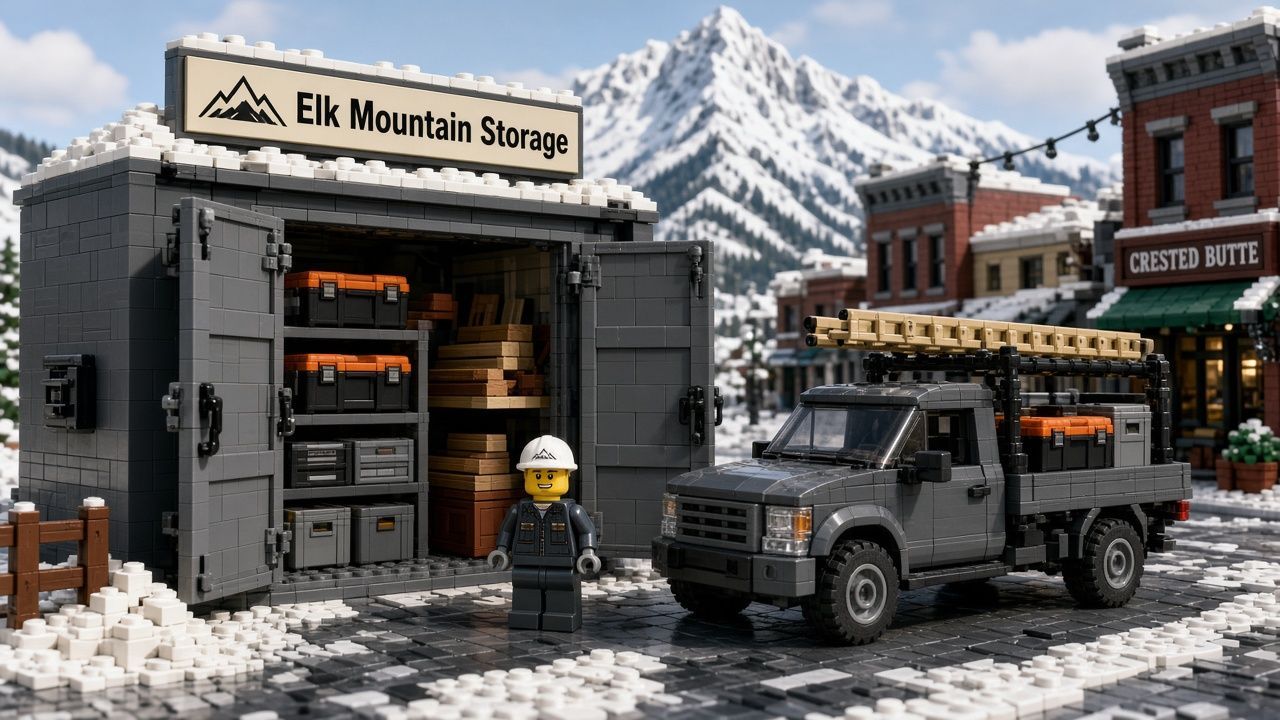
Need contractor storage in Crested Butte? Keep jobsite tools between seasons at Elk Mountain Storage. Call for a quote or rent online.
Lease overlap or a delayed closing in Crested Butte or the Gunnison Valley? See how Elk Mountain Storage on Red Lady Ave bridges the gap. Rent online.
Drive times from Mt. Crested Butte base-area condos to Elk Mountain Storage on Red Lady Ave. Winter road notes and soft rent-online next steps.

Compare downtown Crested Butte storage at 307 Red Lady Ave vs driving to Gunnison. Drive times, lifestyle fit, and soft rent-online next steps for Gunnison Valley residents.
Self storage costs $35 to $300 per month in 2026. See exact pricing by unit size and tips to save on storage in Crested Butte.
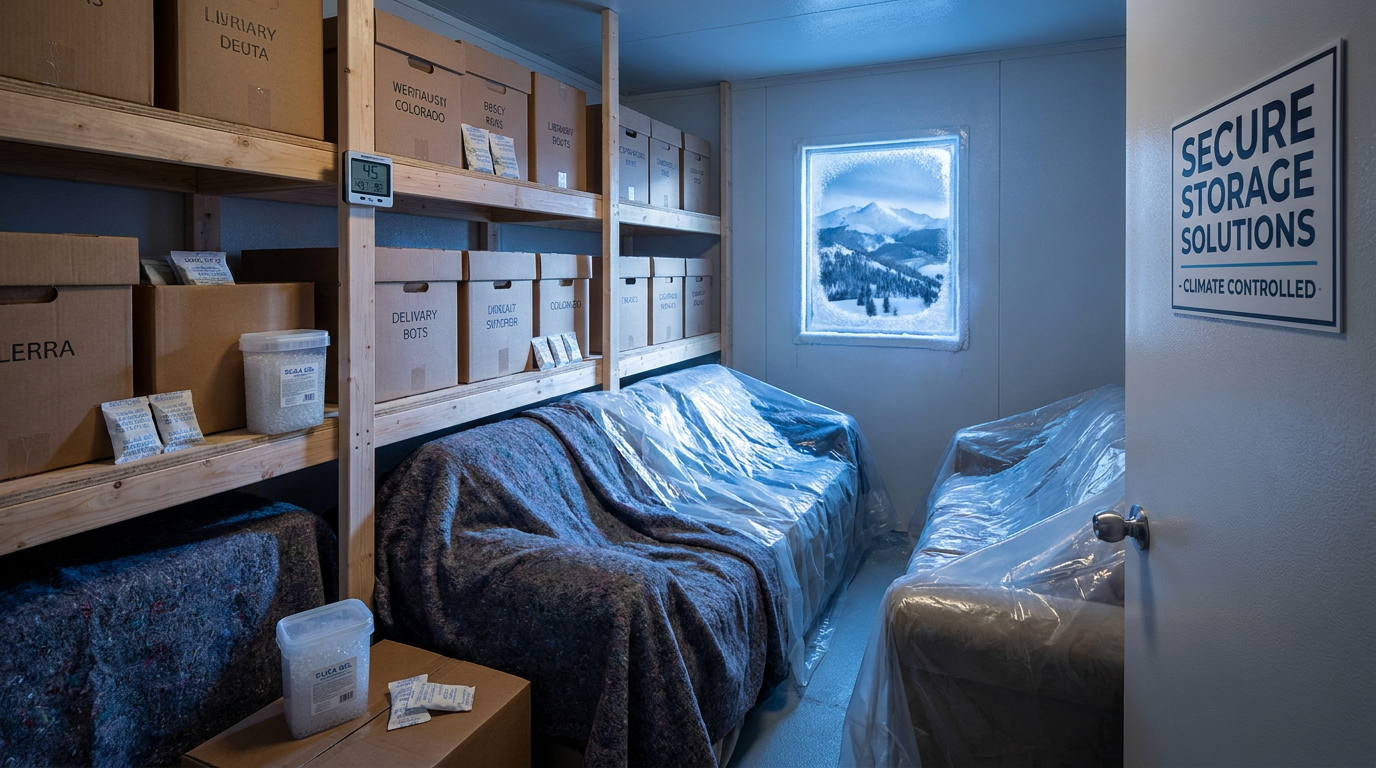
Learn proven methods to protect stored belongings from winter temperature swings. Covers packing, moisture control, and item-specific tips for Colorado storage.
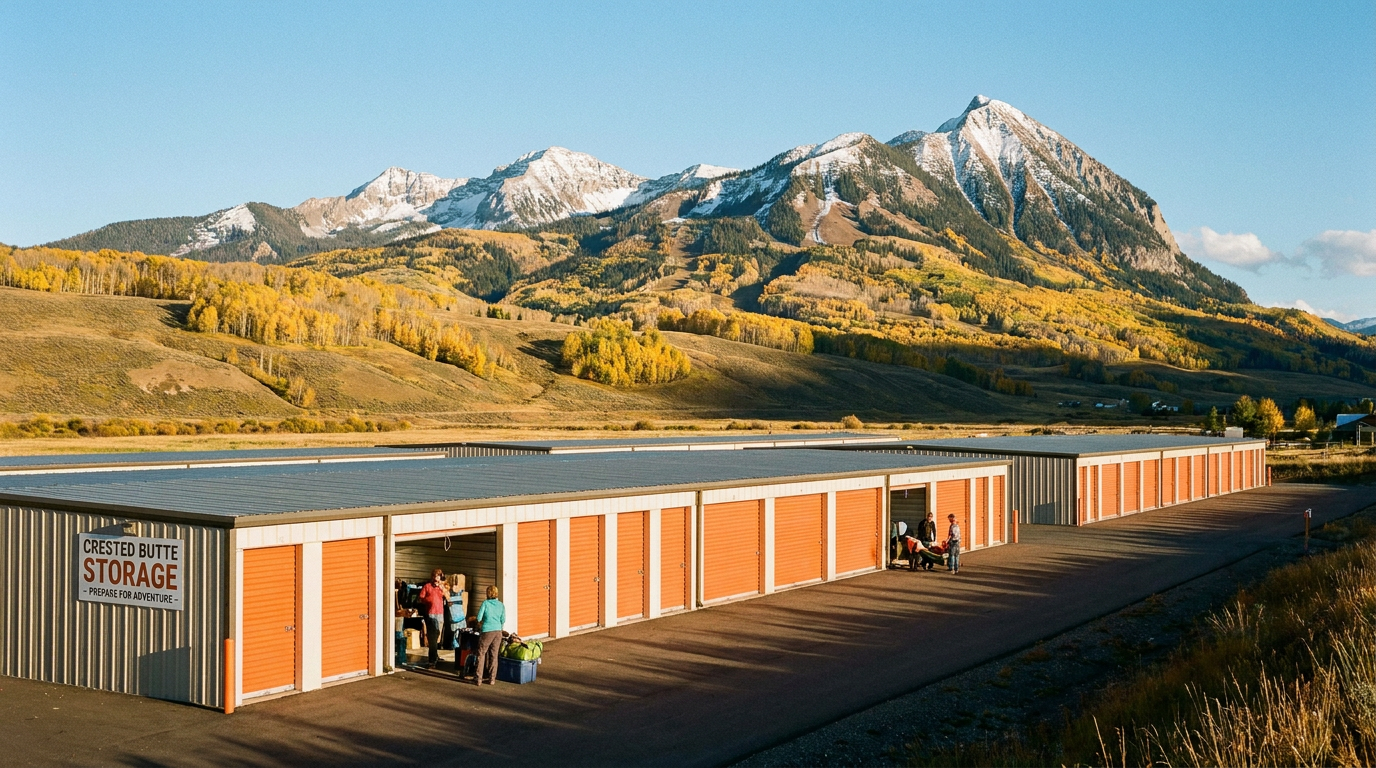
Discover what to store between seasons near Mt. Crested Butte. From ski gear to patio furniture, learn seasonal storage tips for mountain living in 2026.
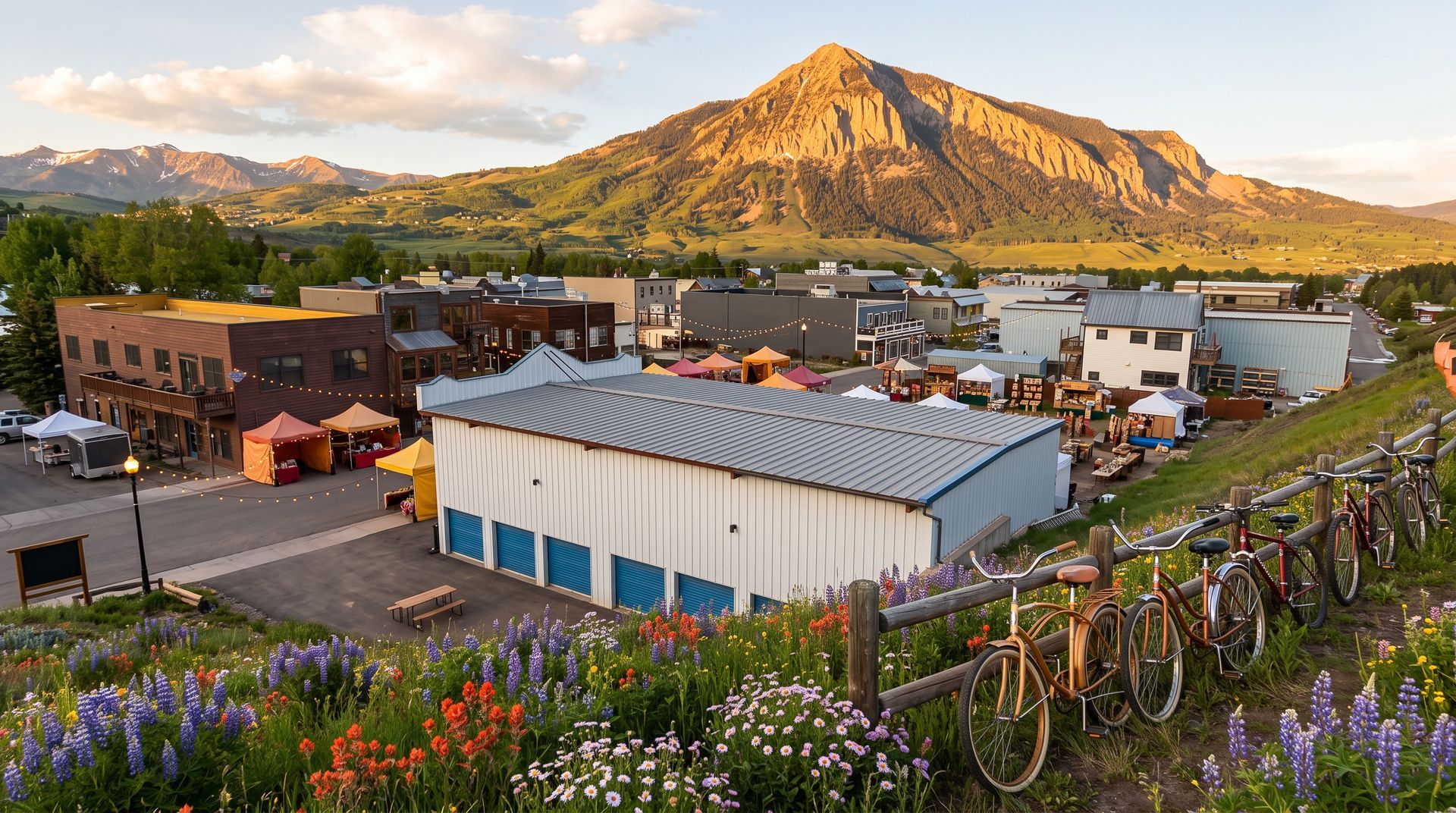
Elk Mountain Storage is a proud sponsor of Bridges of the Butte 2026, Crested Butte's costumed townie ride raising funds for the Adaptive Sports Center.
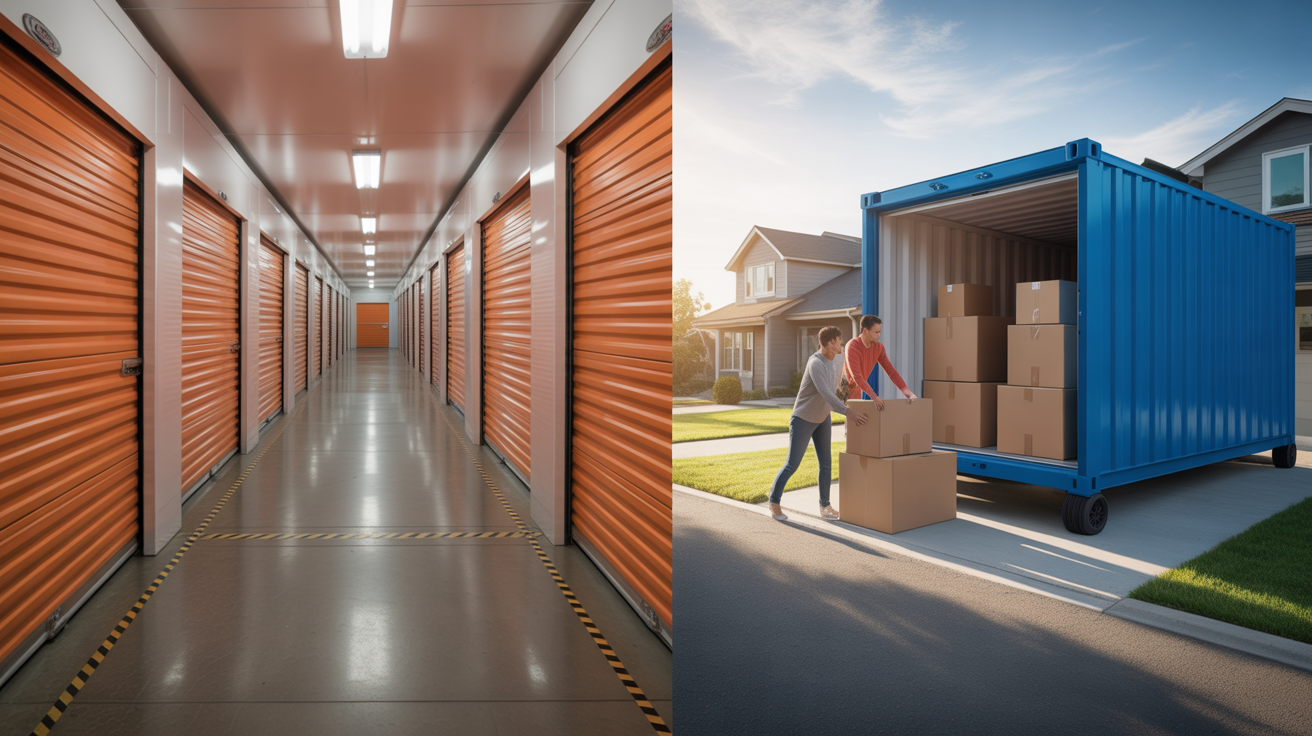
Compare self-storage vs portable storage container costs. Learn which option saves money based on duration, distance, and your specific storage needs in 2026.
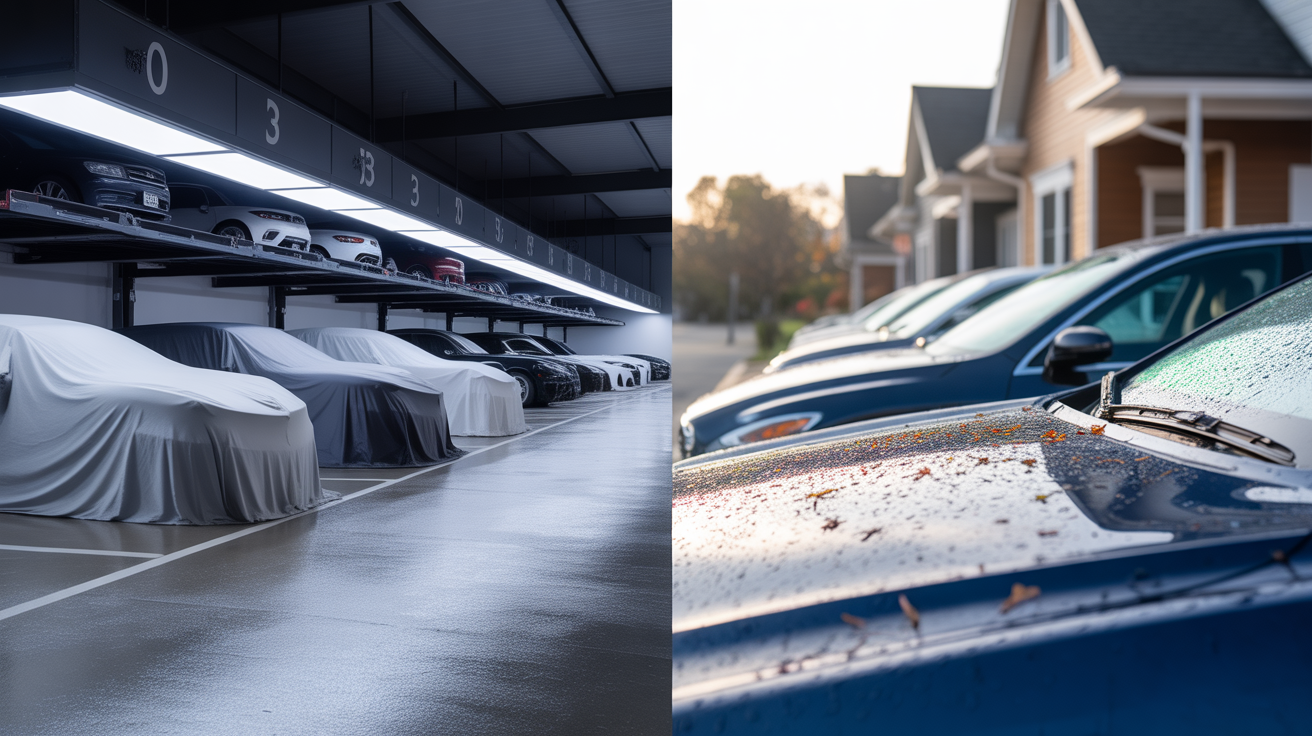
Compare vehicle storage facility costs ($50-$700/month) versus home parking expenses. Includes hidden costs, maintenance savings, and break-even analysis.