Drive-Up vs Indoor Storage: Which Is Better for You? |
| DRIVE-UP STORAGE VS INDOOR STORAGE WHICH IS BETTER
⏱ 9 min read ·
📄 #1,771 words
Compare drive-up and indoor storage units to find the best fit. Learn key differences in cost, access, protection, and benefits for your items.
|
D rive-up storage is better for convenience and large items, while indoor storage is better for protection from weather, dust, and pests. Drive-up units cost 15-30% less on average and allow vehicle-to-door loading. Indoor units provide building envelope protection and shield belongings from environmental elements.
| Key Points: | |
|---|---|
| • | Drive-up units allow direct vehicle access, reducing loading time by 50-70% compared to indoor units |
| • | Indoor units provide building protection from weather extremes, dust, and pests |
| • | Drive-up units typically cost $150-350/month; indoor units cost $175-400/month for comparable sizes |
| • | Choose indoor storage if local temperatures exceed 90°F or drop below 32°F regularly |
| • | Items stored longer than 6 months benefit from the additional protection of indoor storage |
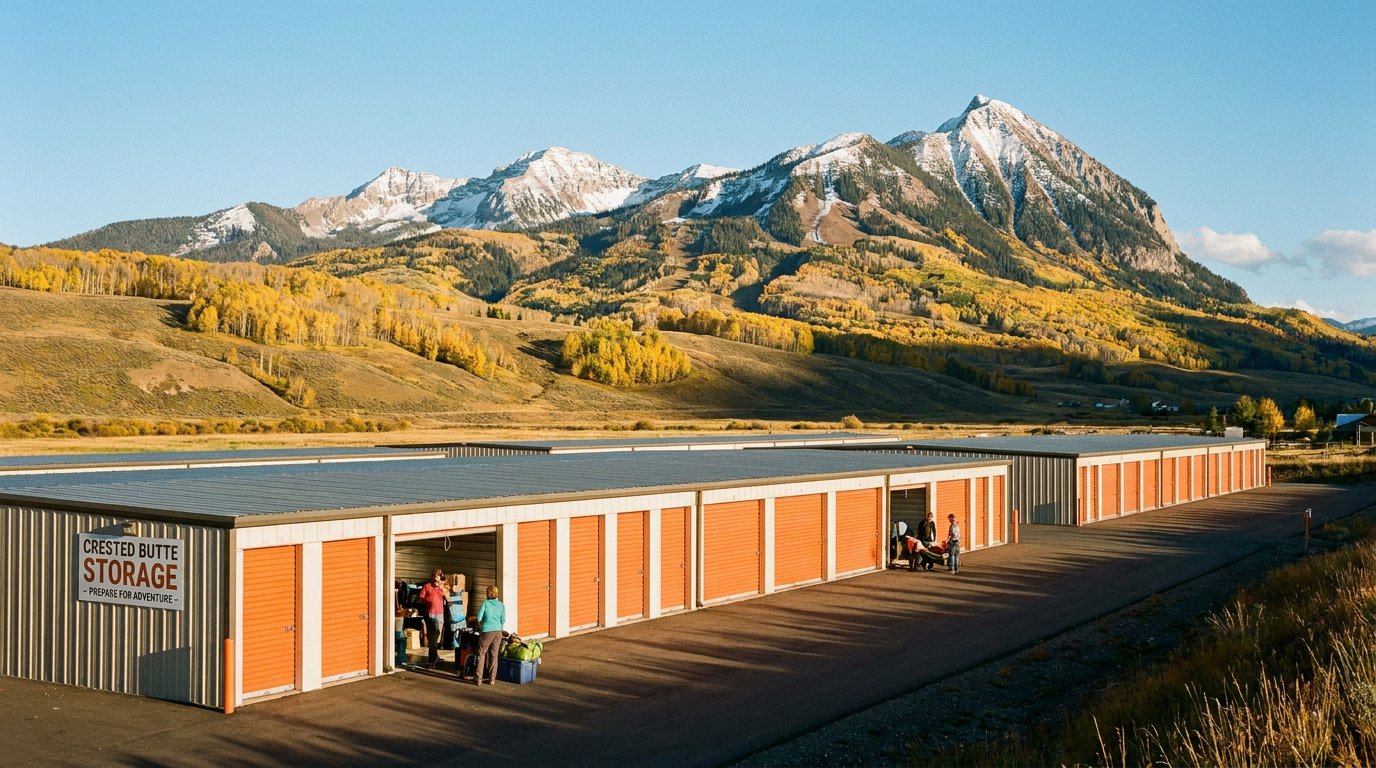
The right choice depends on what you are storing, how often you need access, and your local climate conditions. In Crested Butte, Colorado, where temperatures range from -10°F in winter to 80°F in summer, both options serve distinct purposes for residents and seasonal visitors.
What Is Drive-Up Storage?
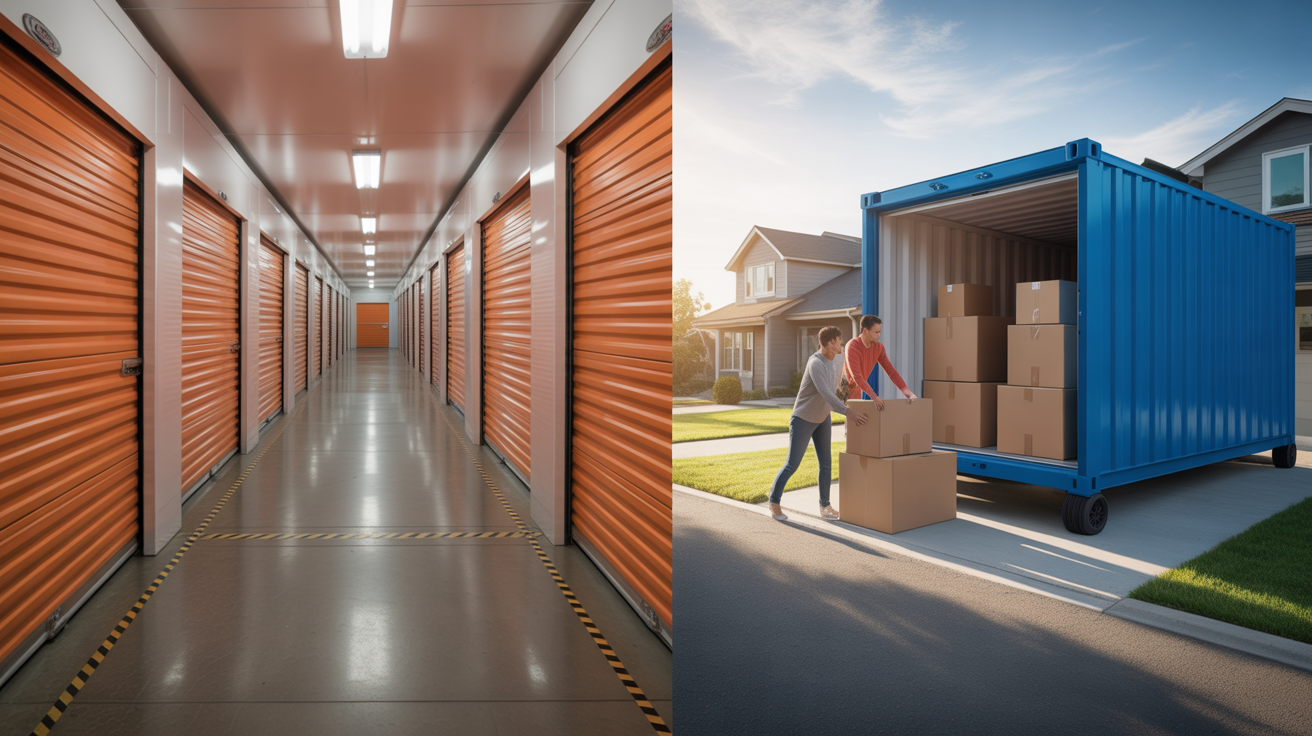
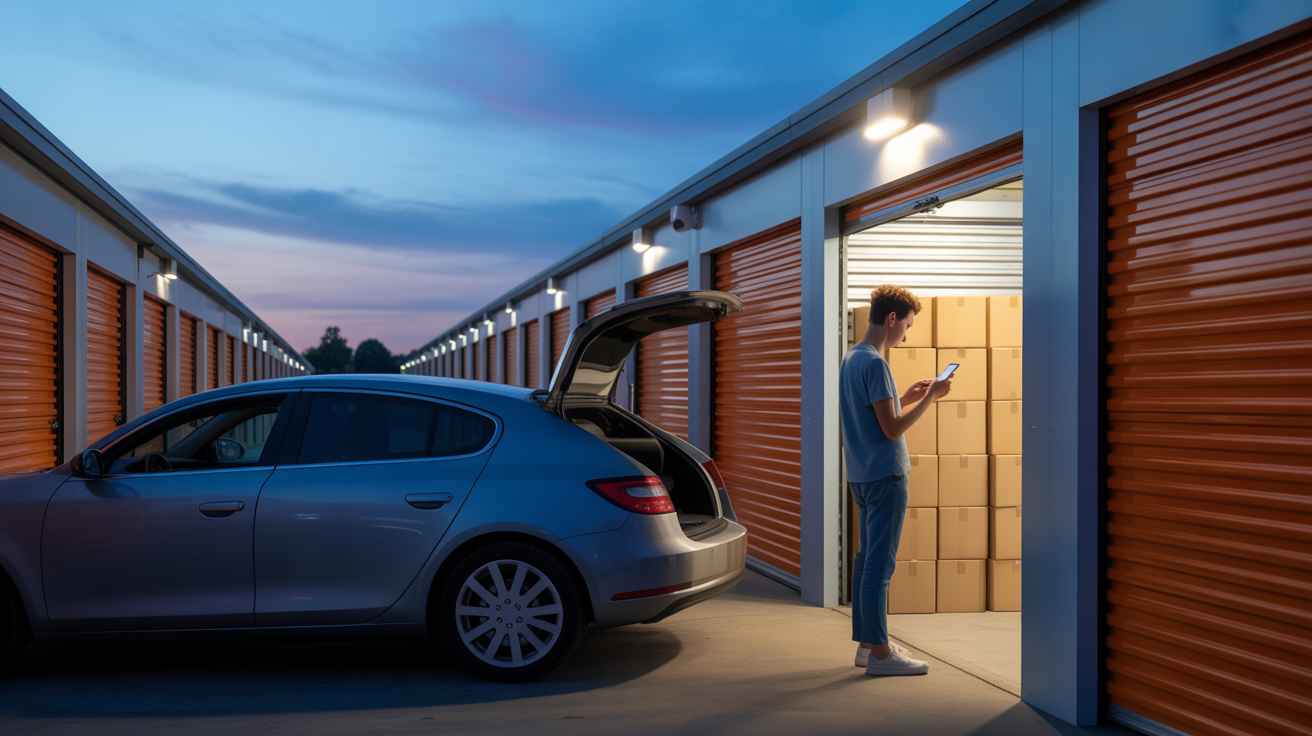
Drive-up storage units function like personal garages. You park your vehicle directly in front of the unit door, roll up the metal door, and load or unload without carrying items through hallways or elevators. These units sit at ground level in outdoor rows, typically covered by a roof overhang.
At Elk Mountain Storage, drive-up units range from 5x7 to 10x30, accommodating everything from seasonal gear to full household contents. The 10x20 drive-up unit at $405/month offers enough space for a 3-bedroom home's furniture with room for boxes.
Drive-Up Storage Advantages
Speed and convenience top the list. Loading a 10x10 drive-up unit takes 45-90 minutes with two people. The same task with an indoor unit requiring elevator access takes 2-3 hours. For frequent access, this time savings compounds significantly.
Large item accessibility makes drive-up units ideal for furniture, appliances, and recreational equipment. Moving a couch through narrow hallways and around corners creates scratches and frustration. Drive-up units eliminate these obstacles entirely.
Lower monthly costs reflect reduced construction and facility expenses. A 10x10 drive-up unit costs $150-250/month in most markets, while comparable indoor units run $200-350/month.
Drive-Up Storage Limitations
Temperature fluctuations affect stored items directly. In mountain climates like Gunnison Valley, units can reach 100°F in summer sun and drop to -20°F during winter storms. These extremes damage vinyl records, wooden instruments, leather goods, and electronics.
Dust and moisture infiltration occurs through door seals over time. While modern units use quality weather stripping, no drive-up unit matches the environmental protection of an indoor space. Storing items for 12+ months without building protection risks mold, warping, and deterioration.
What Is Indoor Storage?
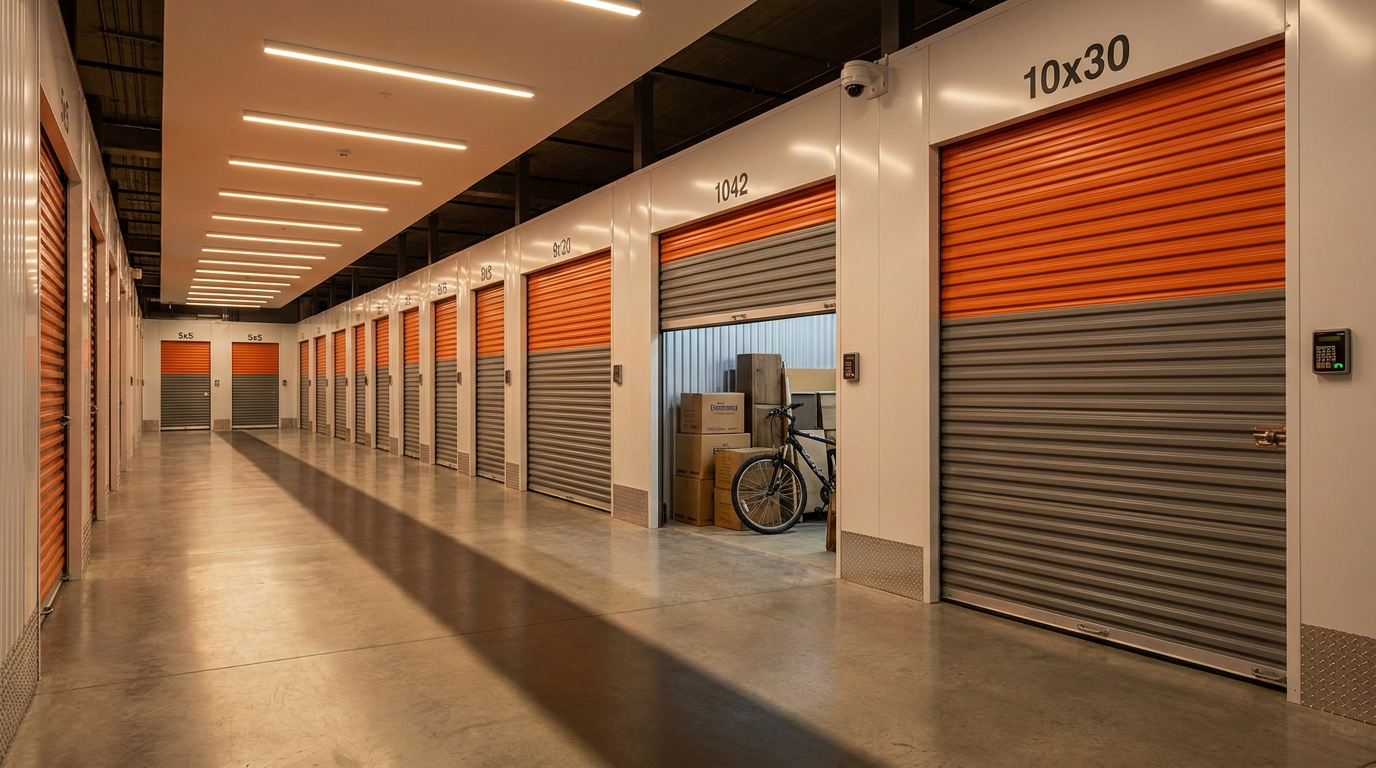
Indoor storage units sit inside buildings, accessed through hallways, elevators, or interior corridors. These facilities provide protection from weather extremes, dust, and pests through their building envelope construction.
Indoor units at Elk Mountain Storage include options like the 10x10 interior upstairs unit at $275/month. The storage unit size guide helps match your inventory to the right dimensions.
Indoor Storage Advantages
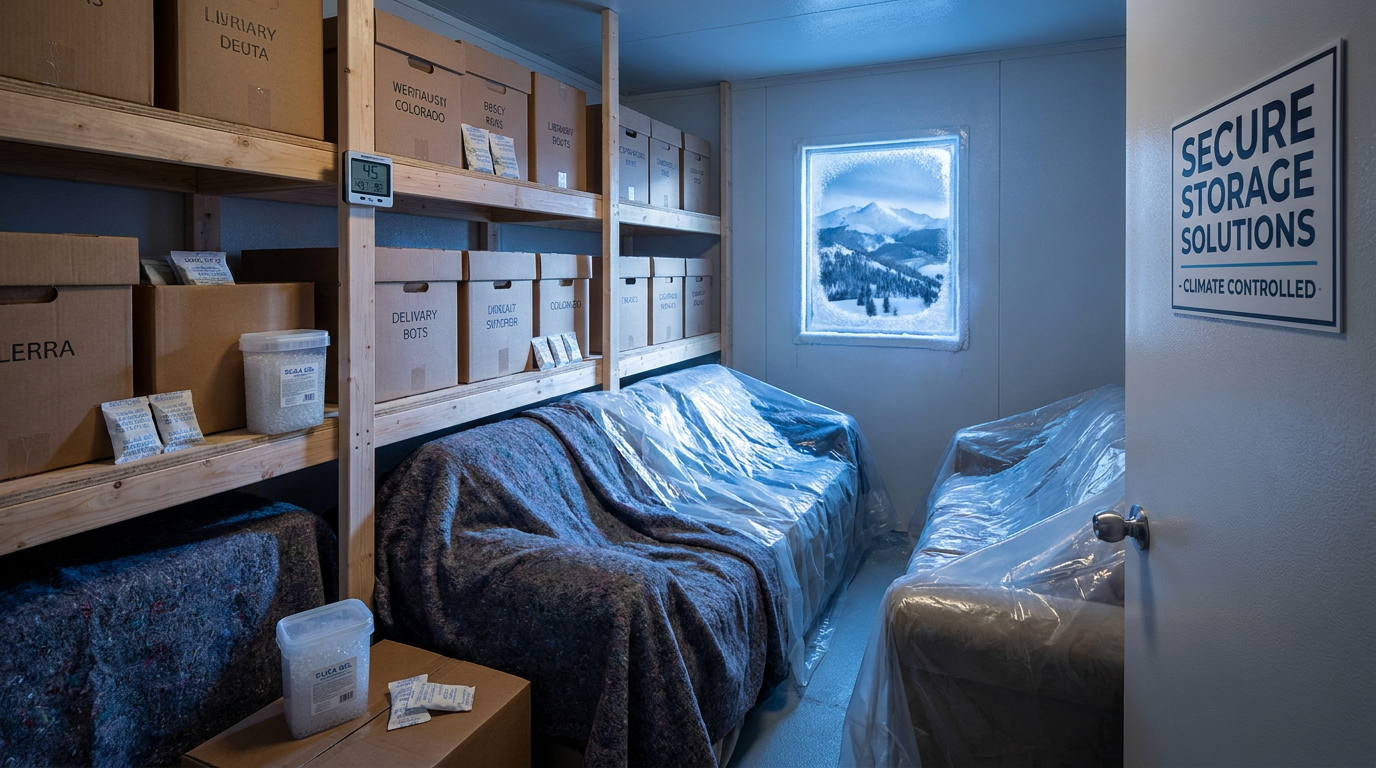
Building envelope protection shields sensitive items from weather extremes. Electronics with lithium batteries degrade in freezing temperatures. Wooden furniture cracks and warps with humidity swings. Photographs, documents, and artwork yellow and deteriorate in heat. Indoor storage provides buffering from these environmental challenges.
Enhanced security comes standard with most indoor facilities. Multiple access points require key cards or codes. Security cameras monitor hallways. The building envelope itself adds a layer of protection beyond the unit lock.
Cleaner storage environment results from sealed building construction. No leaves blow in. No dust accumulates from parking lot traffic. No rodents or insects enter through gaps. Items emerge from storage in the same condition they entered.
Indoor Storage Limitations
Loading logistics require more planning. You park in a designated area, load items onto a cart or dolly, navigate to your unit through hallways, and potentially use an elevator. Each trip takes 5-10 minutes versus 1-2 minutes for drive-up access.
Large item restrictions apply in many facilities. Elevator weight limits (typically 1,500-2,500 lbs), narrow doorways (36-48 inches), and hallway turns create challenges for oversized furniture, appliances, and equipment.
Cost Comparison: Drive-Up vs Indoor Storage
Understanding the true cost difference helps budget accurately. The table below compares typical pricing for equivalent unit sizes:
| Unit Size | Drive-Up Monthly | Indoor Monthly | Annual Difference |
|---|---|---|---|
| 5x10 | $255 | $236-271 | -$192 to +$228 |
| 10x10 | N/A | $275 | N/A |
| 10x20 | $405 | N/A | N/A |
Factor in potential item replacement costs when calculating the true value of indoor protection for sensitive belongings.
Which Items Benefit from Indoor Storage?
Certain belongings benefit from the protection of indoor storage units. Store these items inside buildings for maximum protection:
- Electronics: Computers, televisions, gaming systems, and audio equipment. Condensation from temperature swings causes corrosion and circuit damage.
- Wooden furniture: Antiques, musical instruments, and hardwood pieces. Wood expands and contracts with humidity changes, causing cracks, warping, and joint failure.
- Documents and photographs: Important papers, photo albums, and artwork. Heat accelerates yellowing and brittleness; humidity promotes mold growth.
- Leather goods: Furniture, clothing, and accessories. Leather dries and cracks in low humidity, molds in high humidity.
- Wine and collectibles: Temperature fluctuations ruin wine and damage collectible packaging and materials.
If you need true climate-controlled storage with precise temperature and humidity control, contact Elk Mountain Storage to discuss your specific requirements.
Learn about storage protection plans for additional coverage on valuable items.
Which Items Work Well in Drive-Up Storage?
Drive-up units handle durable items that tolerate temperature variation:
- Outdoor equipment: Lawn mowers, snow blowers, garden tools, and patio furniture
- Recreational vehicles: ATVs, motorcycles, snowmobiles, and jet skis (with proper winterization)
- Construction materials: Lumber, metal, concrete tools, and hardware
- Seasonal decorations: Plastic bins with holiday items, artificial trees, and outdoor lights
- Metal furniture: Filing cabinets, shelving units, and industrial equipment
The 10x30 drive-up unit at $485/month accommodates vehicles, boats, or large equipment collections with room for additional storage.
How Local Climate Affects Your Storage Choice
Crested Butte and the Gunnison Valley experience extreme temperature ranges that influence storage decisions significantly. Winter temperatures regularly drop to -20°F, while summer highs reach 80°F. This 100-degree annual swing creates stress on stored items.
Winter Storage Considerations
Freezing temperatures damage water-based products, latex paint, and items with liquid components. Batteries discharge faster and can crack in extreme cold. Plastics become brittle and prone to cracking. Indoor storage provides building protection from these extreme cold conditions.
Summer Storage Considerations
Mountain sun heats drive-up units to 90-110°F on clear days. Candles melt. Vinyl records warp. Photographs stick together. Aerosol cans risk explosion. Indoor storage provides building envelope buffering from these temperature extremes.
Humidity and Moisture
Colorado's dry climate (averaging 35-45% relative humidity) reduces mold risk compared to coastal areas. However, spring snowmelt and summer monsoons create temporary humidity spikes. Indoor units provide building protection that helps buffer against moisture infiltration year-round.
Access Frequency: A Deciding Factor
How often you visit your storage unit matters more than many people realize. Consider these scenarios:
Weekly or monthly access: Choose drive-up storage. The time savings of direct vehicle access compounds with each visit. Business owners retrieving inventory, contractors accessing equipment, and hobbyists grabbing seasonal gear benefit from drive-up convenience.
Quarterly or annual access: Indoor storage works well. The extra loading time matters less when visits are infrequent. Long-term storage of household goods during extended travel, seasonal residents storing belongings between visits, and archive storage all suit indoor units.
Elk Mountain Storage provides gated tenant access 7 days a week from 6:00 AM to 10:00 PM to all units, so timing flexibility exists regardless of which type you select.
Security Comparison
Both storage types offer security, but the approaches differ:
Drive-Up Security Features
- Individual unit locks (bring your own or purchase on-site)
- Perimeter fencing with gated access
- Security cameras monitoring outdoor areas
- Well-lit parking and unit rows
- Access code or keypad entry to facility
Indoor Security Features
- Building envelope adds physical barrier
- Interior hallway cameras
- Sealed building construction for protection
- Multiple access points with electronic monitoring
- Less visibility from outside the facility
Neither type is inherently more secure. Facility quality, location, and management practices matter more than indoor versus outdoor placement.
Frequently Asked Questions
Are drive-up storage units better?
Drive-up units are better for convenience, large items, and cost savings. They allow direct vehicle access, eliminating hallway navigation and elevator waits. For durable items like outdoor equipment, seasonal decorations, and furniture that tolerates temperature variation, drive-up units provide the best value. However, temperature-sensitive items benefit from indoor storage protection.
How likely is it to get bed bugs from a storage unit?
Bed bug transmission from storage units is rare but possible. The risk increases when storing upholstered furniture, mattresses, or fabric items previously in infested environments. Reduce risk by inspecting items before storage, using sealed plastic containers, and avoiding used furniture or mattresses from unknown sources. Indoor units do not eliminate bed bug risk, as these pests survive in various temperature ranges.
Is it better to have a storage unit inside or outside?
Inside storage is better for valuable, sensitive, or long-term storage exceeding 6 months. Outside storage (drive-up) is better for durable items, frequent access needs, and budget-conscious renters. In mountain climates with extreme temperature swings, indoor storage protects a wider range of items through building envelope protection. Evaluate your specific belongings, access patterns, and storage duration to make the right choice.
Are indoor storage units better?
Indoor storage units are better for protecting items from weather extremes, dust, and pests through their building envelope construction. They provide consistent environmental buffering for sensitive belongings. The tradeoff includes higher monthly costs (typically 15-30% more than drive-up units), longer loading times due to hallway and elevator navigation, and potential size restrictions for large items.
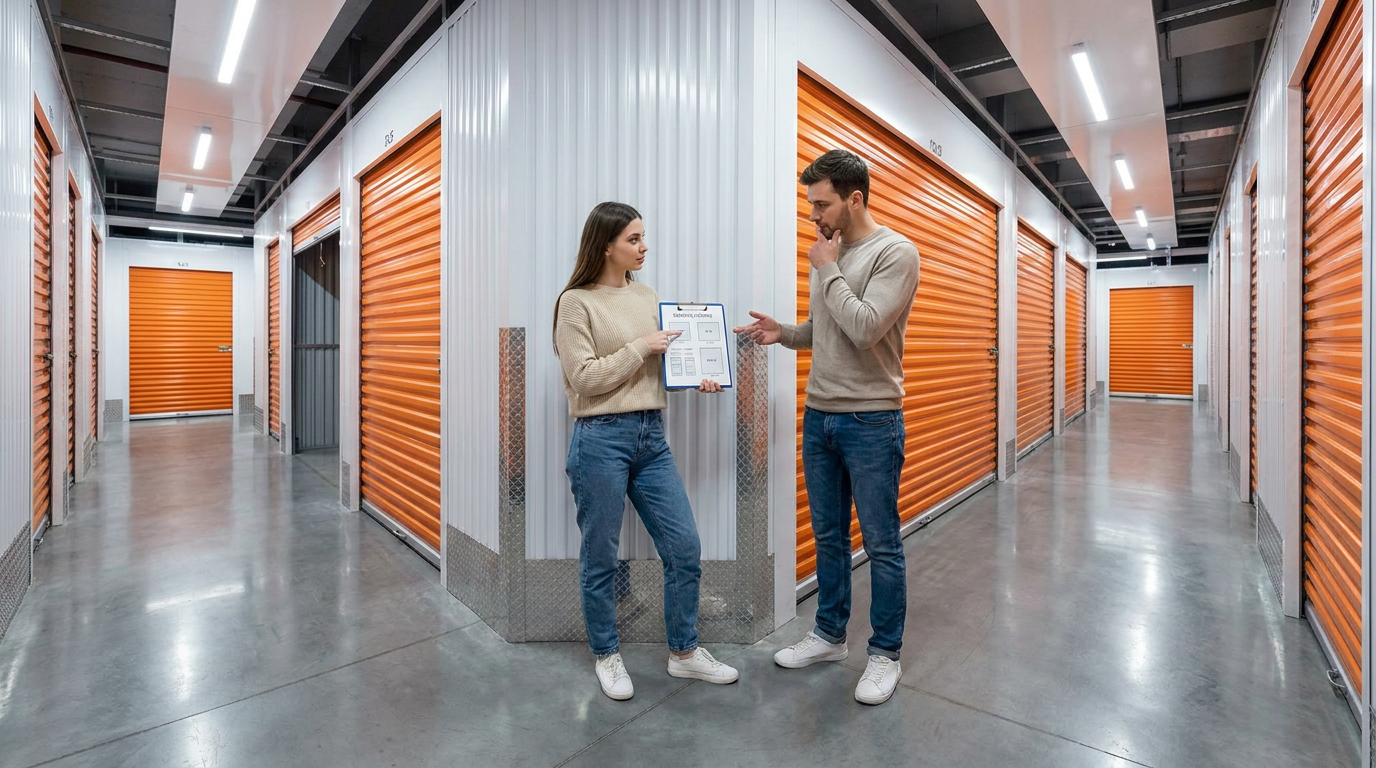
Making Your Decision: A Quick Framework
Use this decision framework to choose between drive-up and indoor storage:
Choose drive-up storage if:
- You access your unit weekly or more frequently
- You store primarily durable items (tools, outdoor equipment, metal furniture)
- You need to store large items that are difficult to maneuver through hallways
- Budget is a primary concern
- Storage duration is less than 6 months
Choose indoor storage if:
- You store electronics, documents, wooden furniture, or artwork
- Local temperatures regularly exceed 90°F or drop below 32°F
- Storage duration exceeds 6 months
- Items have significant monetary or sentimental value
- You prefer maximum protection from dust, pests, and weather
Many customers use both types simultaneously, keeping frequently accessed durable items in drive-up units while protecting valuables in indoor storage.
|