Benefits of Drive-Up Storage Units: Complete 2026 Guide |
| BENEFITS OF DRIVE-UP STORAGE UNITS
⏱ 11 min read ·
📄 #2,189 words
Drive-up storage units offer ground-level access, faster loading, and lower costs. Learn the 7 key benefits and when to choose drive-up over indoor storage.
|
D rive-up storage units provide ground-level vehicle access, allowing you to load and unload directly from your car or truck without navigating hallways, stairs, or elevators. These units cost 15 to 30 percent less than indoor climate-controlled options and work best for furniture, seasonal gear, business inventory, and vehicles you need to access frequently.
| Key Points: | |
|---|---|
| • | Drive-up units reduce loading time by 50 to 70 percent compared to indoor units requiring elevator access |
| • | Monthly costs range from $225 to $485 depending on size, versus $155 to $275 for comparable indoor units |
| • | Ideal for items weighing over 50 pounds, including furniture, appliances, and recreational equipment |
| • | Available in sizes from 5x7 (35 sq ft) to 10x30 (300 sq ft) to accommodate everything from boxes to vehicles |
| • | 24/7 access at secure facilities means you can retrieve items any time without scheduling appointments |
What Is Drive-Up Storage?
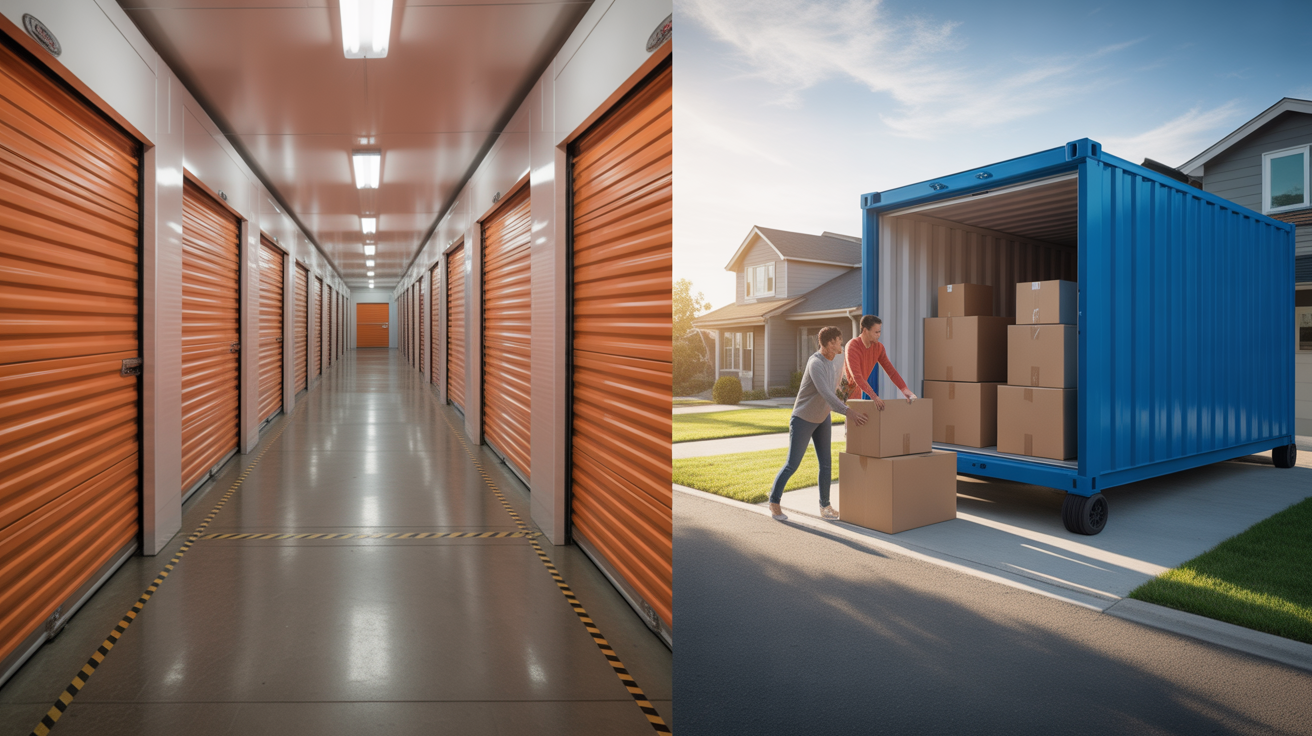
Drive-up storage units function like personal garages within a storage facility. Each unit has a roll-up door at ground level, and you park your vehicle directly in front of your unit's entrance. This design eliminates the physical barriers that make indoor storage inconvenient for heavy or bulky items.
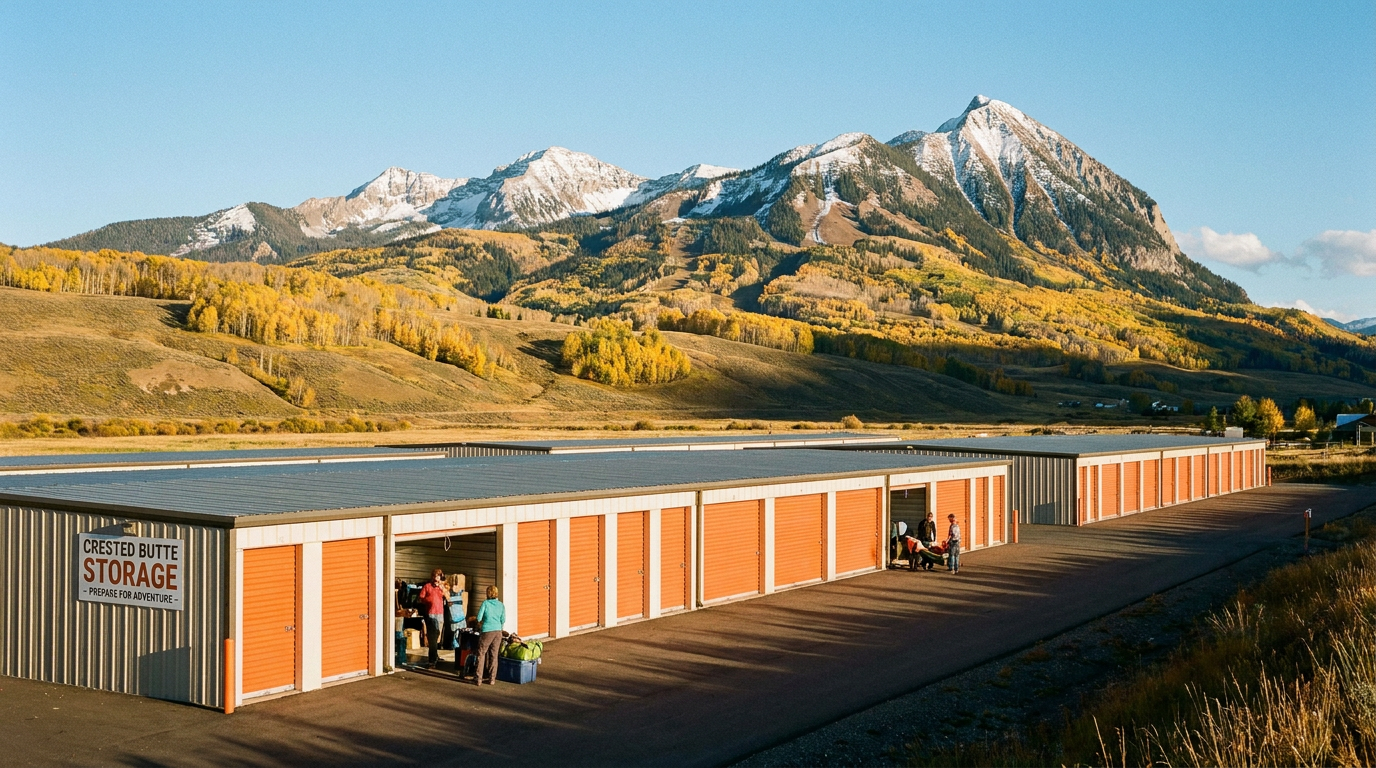
Unlike interior units located inside buildings with hallways and multiple floors, drive-up units are typically arranged in single-story rows. You receive a gate code for facility entry, drive to your unit's location, and access your belongings within minutes. At Elk Mountain Storage in Crested Butte, drive-up units include 24/7 secure access, so you can load or retrieve items on your own schedule.
7 Key Benefits of Drive-Up Storage Units
1. Faster Loading and Unloading
The most significant advantage of drive-up storage is time savings. Loading a 10x10 indoor unit on the second floor takes 2 to 3 hours when you factor in parking, cart trips, and elevator waits. The same task at a drive-up unit takes 45 minutes to 1.5 hours because you eliminate all transit time between your vehicle and the unit.
This efficiency matters most during moves, when you may make multiple trips in a single day. Professional movers charge $25 to $50 per hour, so faster loading translates directly to lower moving costs.
2. Easier Handling of Heavy Items
Furniture, appliances, and exercise equipment often weigh 100 to 400 pounds. Moving these items through doorways, down corridors, and into elevators creates injury risk and requires multiple helpers. Drive-up access lets you slide heavy items directly from your truck bed or trailer into the storage unit.
Common heavy items that benefit from drive-up access include:
- Sofas and sectionals (150 to 300 pounds)
- Refrigerators and washing machines (200 to 350 pounds)
- Riding lawn mowers (400 to 600 pounds)
- Motorcycles (300 to 800 pounds)
- Kayaks and canoes (35 to 80 pounds but 12 to 17 feet long)
3. Lower Monthly Costs
Drive-up units cost less than indoor climate-controlled storage because they require less infrastructure. There are no HVAC systems to maintain, no elevators to service, and no interior lighting to power continuously.
At Elk Mountain Storage, a 10x20 drive-up unit costs $405 per month, while a 5x10 interior unit runs $235 monthly. Drive-up pricing reflects the ground-level convenience and larger size options available with this storage type.
4. Vehicle and Equipment Storage
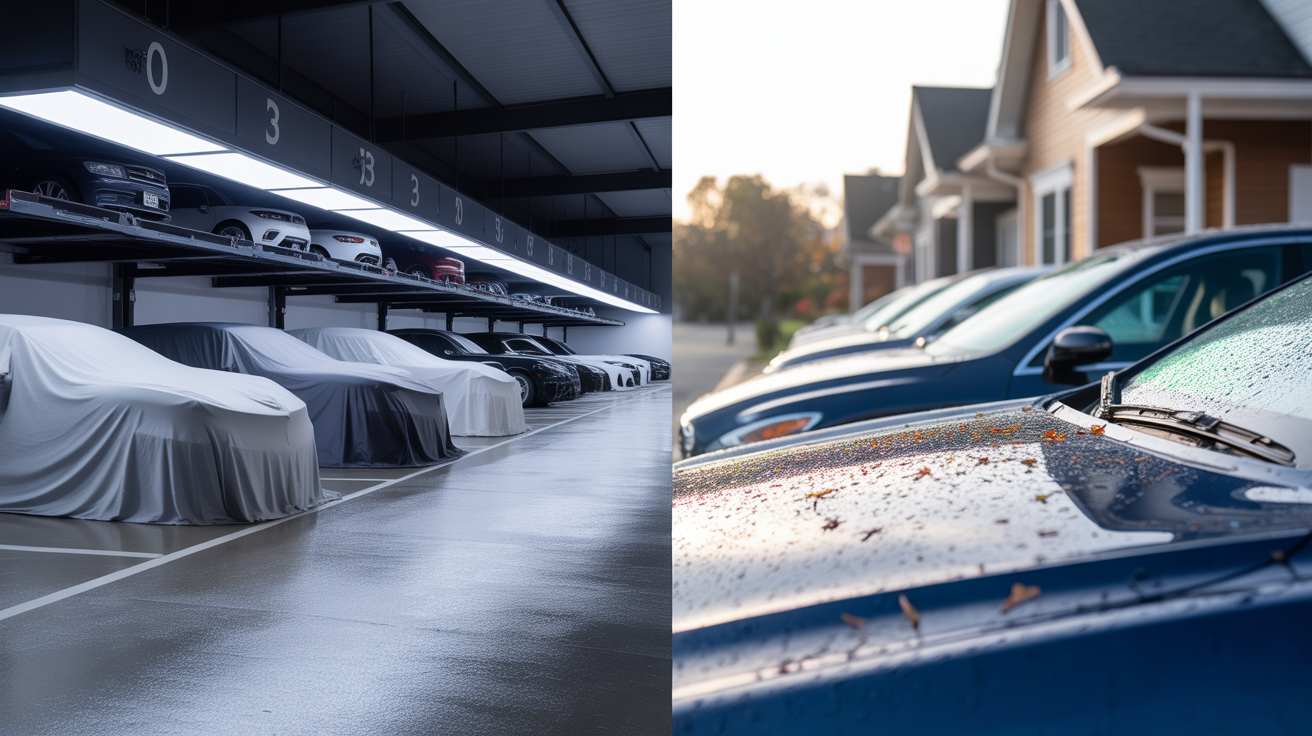
Drive-up units double as covered parking for cars, motorcycles, boats, and recreational vehicles. Unlike open parking lots, enclosed drive-up units protect vehicles from UV damage, bird droppings, tree sap, and minor weather exposure.
A 10x20 drive-up unit accommodates most sedans, small SUVs, and motorcycles with room for additional gear. For larger vehicles like boats and RVs, Elk Mountain Storage offers 20x15 open parking spaces at $295 per month, providing secure outdoor storage with easy access.
5. Flexible Access for Business Use
Small businesses use drive-up storage for inventory overflow, seasonal merchandise, and equipment staging. The ground-level access allows quick retrieval when customer orders arrive or when you need tools for a job site.
Contractors, landscapers, and event planners particularly benefit from drive-up units. You can store bulk materials, load a work truck in minutes, and return equipment at the end of the day without scheduling around facility hours. The 24/7 access at secure facilities means early morning job starts and late-night returns work equally well.
6. Simplified Organization
Drive-up units let you arrange items for visibility and access rather than stacking everything to fit through a doorway. You can create aisles, install shelving against walls, and position frequently needed items near the front.
This layout flexibility proves valuable for long-term storage. When you need your camping gear in June or holiday decorations in November, you walk directly to that section rather than unpacking and repacking boxes to reach items buried in the back.
7. Weather Protection During Loading
The roll-up door and overhead clearance of drive-up units provide shelter while you load and unload. During rain, snow, or intense sun, you can work partially inside the unit rather than exposing your belongings to the elements.
In Crested Butte and the Gunnison Valley, where afternoon thunderstorms are common from June through August, this protection prevents water damage to furniture, electronics, and documents during the transfer process.
Drive-Up vs. Climate-Controlled Storage: Which Is Better?
The choice between drive-up and climate-controlled storage depends on what you are storing and for how long. Neither option is universally better; each serves different needs.
| Factor | Drive-Up Units | Climate-Controlled Units |
|---|---|---|
| Temperature Range | Matches outdoor conditions | Maintained at 55 to 80 degrees F |
| Best For | Metal furniture, tools, outdoor gear, vehicles | Wood furniture, electronics, documents, artwork |
| Monthly Cost (10x10) | $140 to $200 | $180 to $280 |
| Loading Convenience | Direct vehicle access | Hallways and elevators required |
| Humidity Control | None | Maintained below 55% |
Choose drive-up storage when: You store durable items like metal patio furniture, lawn equipment, sporting goods, or vehicles. These items tolerate temperature swings without damage and benefit from easy loading access.
Choose climate-controlled storage when: You store wood furniture, leather goods, musical instruments, wine, photographs, or electronics for more than 3 months. Temperature and humidity fluctuations cause warping, cracking, mold, and corrosion in these materials.
For valuable or irreplaceable items, consider adding storage protection coverage regardless of unit type. Protection plans cover damage from unexpected events that neither drive-up nor climate-controlled units can prevent.
What Are the Disadvantages of Drive-Up Storage Units?
Drive-up storage is not ideal for every situation. Understanding the limitations helps you make the right choice for your specific needs.
Temperature Exposure
Drive-up units experience the same temperature extremes as the outdoors. In Colorado, summer temperatures inside a metal storage unit can reach 100 to 120 degrees F, while winter temperatures drop below freezing. Items sensitive to heat, cold, or temperature cycling should not be stored in drive-up units long-term.
Potential Dust and Pest Entry
Roll-up doors do not seal as tightly as interior unit doors. Fine dust can enter around door edges, and small pests may find gaps. Using plastic bins instead of cardboard boxes and placing pest deterrents in your unit minimizes these issues.
Location Within Facility
Drive-up units are spread across the facility grounds rather than concentrated in a single building. During severe weather, you may need to drive through snow or mud to reach your unit. Facilities with paved driveways and regular maintenance reduce this concern.
How Much Do Drive-Up Storage Units Cost?
Drive-up storage pricing varies by unit size, location, and facility amenities. In the Crested Butte and Gunnison Valley area, expect the following monthly rates:
- 5x7 drive-up: $225 per month (35 square feet)
- 5x10 drive-up: $235 per month (50 square feet)
- 10x20 drive-up: $405 per month (200 square feet)
- 10x30 drive-up: $485 per month (300 square feet)
Elk Mountain Storage offers online rentals and payments that simplify the process.
Are Drive-Up Storage Units Good for Vehicle Storage?
Drive-up units provide excellent protection for vehicles you do not use daily. Classic cars, motorcycles, boats, jet skis, and ATVs all benefit from covered storage that keeps them secure and protected from weather.
For vehicle storage, consider these factors:
- Unit size: A 10x20 unit fits most cars and small boats. Larger vehicles need 10x30 or open parking.
- Access frequency: If you retrieve your vehicle weekly, drive-up access saves significant time versus indoor storage.
- Preparation: Disconnect batteries, add fuel stabilizer, and inflate tires slightly above normal pressure for storage exceeding 30 days.
- Insurance: Verify your auto insurance covers vehicles in storage, or add facility protection.
For RVs, boats over 20 feet, and trailers, the 20x15 open parking option at $295 per month provides secure outdoor storage with the convenience of drive-in, drive-out access.
Can Small Businesses Use Drive-Up Units for Inventory?
Drive-up storage has become a practical alternative to commercial warehouse space for small businesses. The flexibility of month-to-month leases, combined with lower costs and easier access, makes drive-up units attractive for businesses with fluctuating inventory needs.
Common business uses include:
- E-commerce inventory staging and fulfillment
- Contractor tool and material storage
- Seasonal retail merchandise
- Event equipment and supplies
- Document archives and records
- Landscaping equipment and bulk materials
A 10x20 drive-up unit provides 200 square feet of storage for approximately $405 per month. Comparable commercial warehouse space in Colorado costs $8 to $15 per square foot annually, or $133 to $250 per month for the same area, often with 12-month minimum leases and additional fees.
The 24/7 access at Elk Mountain Storage means business owners can retrieve inventory or equipment outside normal business hours, supporting early morning deliveries and late-night restocking.
How to Prevent Bed Bugs in Storage Units
Bed bugs can survive in storage units if introduced through infested furniture or belongings. While drive-up units are not inherently more prone to bed bugs than indoor units, the risk exists whenever used furniture or mattresses enter any storage environment.
Prevention steps:
- Inspect all furniture, especially mattresses and upholstered items, before storing
- Encase mattresses and box springs in bed bug-proof covers
- Avoid storing items directly on the floor; use pallets or plastic bins
- Do not accept used furniture of unknown origin into your unit
- Check your unit periodically for signs of pests
Well-maintained facilities with regular pest control reduce the overall risk. Elk Mountain Storage maintains clean, well-kept facilities and addresses pest concerns promptly.
Choosing the Right Drive-Up Unit Size
Selecting the correct unit size prevents paying for unused space while ensuring everything fits comfortably. Use these guidelines based on common storage scenarios:
- 5x7 (35 sq ft): 10 to 15 boxes, small furniture items, seasonal decorations
- 5x10 (50 sq ft): Studio apartment contents, mattress set, dresser, several boxes
- 10x10 (100 sq ft): One-bedroom apartment, small vehicle, business inventory
- 10x20 (200 sq ft): Two-bedroom home, car or boat, large equipment
- 10x30 (300 sq ft): Three-bedroom home, multiple vehicles, commercial inventory
When in doubt, choose one size larger than you think you need. The additional cost of $30 to $50 per month is worthwhile if it means you can organize items for easy access rather than cramming everything in.
Review the storage unit size guide for detailed dimensions and capacity estimates for each unit type.
Frequently Asked Questions
What does drive-up access mean for a storage unit?
Drive-up access means you can park your vehicle directly in front of your storage unit's door. The unit is at ground level with a roll-up door, allowing you to load and unload without carrying items through hallways or using elevators. You drive into the facility, park at your unit, and transfer belongings directly between your vehicle and the storage space.
Are drive-up storage units better than indoor units?
Drive-up units are better for heavy items, frequent access, and cost-conscious renters. Indoor climate-controlled units are better for temperature-sensitive belongings stored long-term. The best choice depends on what you are storing, how often you need access, and your budget.
Is car storage worth it?
Car storage is worth it when you have a vehicle you do not drive regularly, such as a classic car, seasonal vehicle, or extra car during an extended trip. Storage protects the vehicle from weather, theft, and vandalism while freeing up driveway or garage space. At $225 to $485 per month, storage costs less than the depreciation and damage from leaving a vehicle exposed outdoors.
How do I find drive-up storage units near me?
Search online for storage facilities in your area and filter results by "drive-up" or "outdoor" access. Contact facilities directly to confirm unit availability, pricing, and access hours. For residents and businesses in the Gunnison Valley area, Elk Mountain Storage offers drive-up units in multiple sizes with 24/7 access.
|