Is Indoor Storage Worth the Extra Cost? Price Breakdown |
| IS INDOOR STORAGE WORTH THE EXTRA COST
⏱ 10 min read ·
📄 #1,812 words
Indoor storage costs 17-30% more than outdoor units. Learn when climate control is worth it and when you can save money with drive-up storage options.
|
I ndoor storage is worth the extra cost if you are storing temperature-sensitive items like electronics, documents, artwork, or wooden furniture for more than three months. The 17-30% price premium pays for climate control that maintains 55-80°F year-round, preventing warping, mold, and cracking. For sturdy household items or short-term storage under 90 days, outdoor drive-up units offer better value.
| Key Points: | |
|---|---|
| • | Indoor upstairs units at Elk Mountain Storage run $155-275/month for 5x6 to 10x10 sizes in Crested Butte |
| • | Outdoor drive-up units save 20-50% but expose items to temperature swings from -20°F to 90°F |
| • | Electronics, documents, and antiques require climate control for storage beyond 3 months |
| • | Mountain climates like Gunnison Valley make indoor storage essential for moisture-sensitive items |
| • | Long-term renters (12+ months) see the best return on indoor storage investment |
Indoor vs. Outdoor Storage: Real Cost Comparison
The price difference between indoor and outdoor storage varies by unit size, location, and features. In mountain communities like Crested Butte, the gap narrows because harsh winters make climate control more valuable. Here is what you can expect to pay at Elk Mountain Storage compared to national averages.
Local Pricing at Elk Mountain Storage
| Unit Type | Size | Monthly Rate | Features |
|---|---|---|---|
| Interior Upstairs | 5x6 | $155/mo | Indoor, Second Floor |
| Interior Upstairs | 10x10 | $275/mo | Indoor, Second Floor |
| Drive-Up | 5x7 | $225/mo | Vehicle Storage, Ground Floor |
| Drive-Up | 10x20 | $405/mo | Vehicle Storage, Ground Floor |
Notice that the 5x7 drive-up at $225/month costs less than the larger 10x10 interior unit at $275/month, reflecting the premium for enclosed indoor space in a market with limited supply. Elk Mountain Storage’s indoor units are not climate controlled; they provide enclosed protection from the elements, while the climate-controlled pricing in the national table below reflects markets where that feature is offered.
National Average Comparison
Across the United States, climate-controlled storage runs 17-30% higher than standard units. The table below shows typical pricing you will find in most markets.
| Unit Size | Standard/Outdoor | Climate-Controlled | Premium |
|---|---|---|---|
| 5x5 | $30-60 | $46-121 | 20-30% |
| 5x10 | $48-94 | $79-212 | 20-30% |
| 10x10 | $88-158 | $126-339 | 20-30% |
| 10x20 | $149-289 | $231-653 | 20-30% |
City location dramatically affects pricing. A 5x5 indoor unit in Los Angeles costs around $121/month, while the same size in Las Vegas runs just $30/month. Mountain resort towns like Crested Butte typically fall in the mid-to-upper range due to limited supply and high seasonal demand.
When Indoor Storage Pays for Itself
The extra cost of indoor storage becomes a smart investment in specific situations. Understanding when climate control matters helps you avoid overpaying for protection you do not need or underpaying and risking damage to valuable items.
Items That Require Climate Control
Electronics and appliances contain circuit boards and components that corrode in humid conditions. Temperature swings cause condensation inside devices, leading to permanent damage. Store computers, televisions, audio equipment, and smart home devices in climate-controlled units only.
Wooden furniture expands and contracts with temperature changes. Repeated cycles cause joints to loosen, veneer to peel, and finishes to crack. Antique furniture is especially vulnerable because original glues and finishes cannot tolerate modern climate extremes.
Documents, photographs, and artwork deteriorate rapidly in fluctuating conditions. Paper yellows and becomes brittle. Photographs stick together and fade. Canvas paintings crack and warp. If these items have sentimental or financial value, indoor storage is mandatory.
Musical instruments require stable humidity between 40-60% to prevent warping, cracking, and tuning problems. Guitars, pianos, violins, and brass instruments all suffer in uncontrolled environments. A $2,000 guitar can be ruined in one Colorado winter without climate control.
Storage Duration Matters
Short-term storage under three months rarely justifies the indoor premium for most items. Seasonal temperature extremes take time to cause damage. However, once you pass the 90-day mark, the cumulative effect of temperature cycling accelerates deterioration.
For storage lasting 6-12 months, climate control becomes essential for anything beyond basic household goods. Long-term storage exceeding one year almost always benefits from indoor units, as even durable items like metal tools can develop rust and corrosion over extended periods.
Mountain Climate Considerations
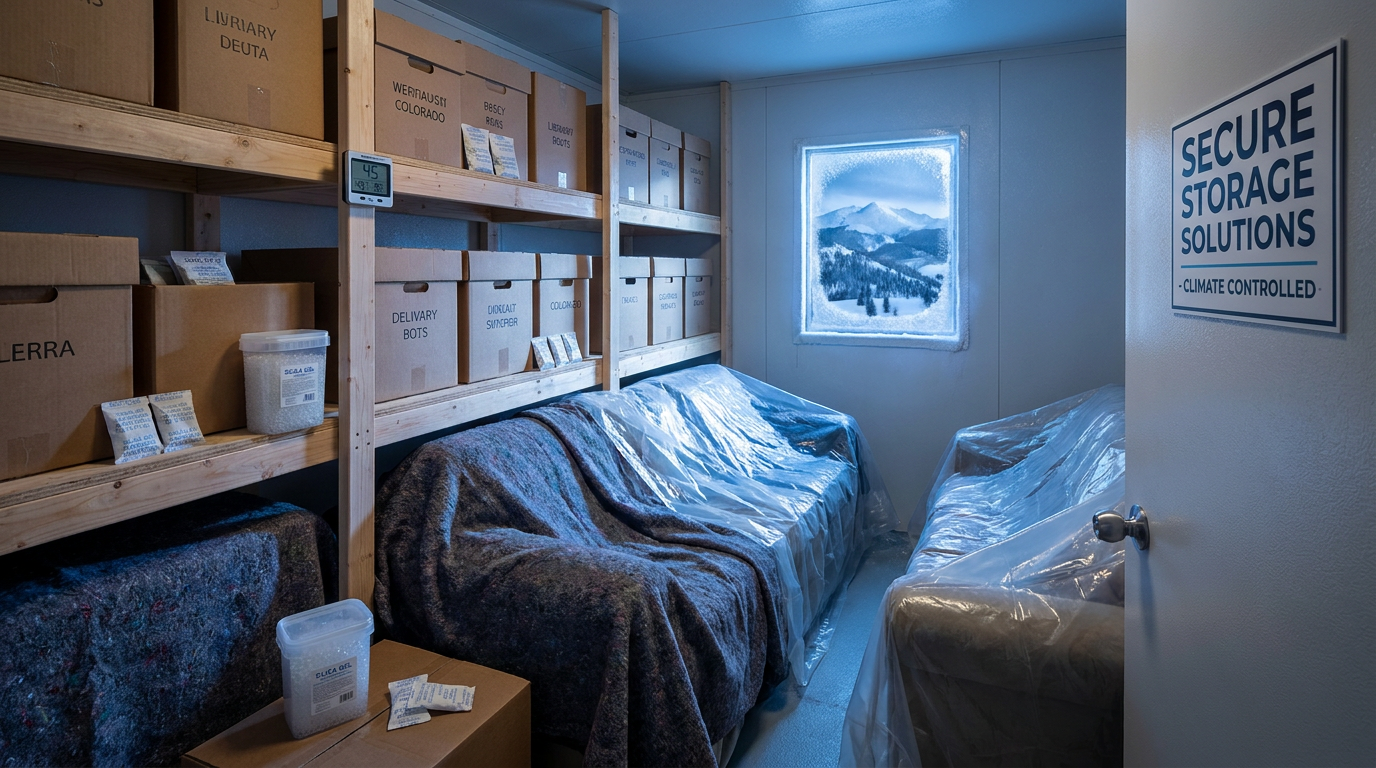
The Gunnison Valley presents unique storage challenges. Winter temperatures regularly drop below zero, while summer highs can reach the 80s. This 100-degree annual temperature swing puts enormous stress on stored items. Low humidity during winter months causes wood to crack and leather to dry out.
Seasonal residents storing belongings over winter face the highest risk. An outdoor unit in Crested Butte experiences conditions that would destroy electronics, damage furniture, and ruin any moisture-sensitive items within a single season. The storage protection plan can help cover unexpected damage, but prevention through proper unit selection is the better approach.
When Outdoor Drive-Up Storage Makes Sense
Not everything needs climate control. Outdoor drive-up units offer significant advantages for the right items and situations. Understanding when to choose the more affordable option saves money without risking your belongings.
Items Safe for Outdoor Storage
Outdoor and sporting equipment is designed to withstand the elements. Skis, bikes, camping gear, kayaks, and golf clubs handle temperature changes without damage. These items already experience temperature extremes during normal use.
Metal tools and equipment tolerate outdoor storage well, though applying a light oil coating prevents rust in humid conditions. Power tools should have batteries removed and stored separately in climate-controlled spaces.
Seasonal decorations made from plastic, metal, or synthetic materials survive outdoor storage without problems. Holiday lights, artificial trees, and outdoor decorations are built for temperature variation.
Vehicles, boats, and RVs actually store better in drive-up or open parking spaces. Proper winterization matters more than climate control for vehicles. The 20x15 open parking option at $295/month works well for RVs and boats that need easy access.
Convenience Advantages of Drive-Up Units
Drive-up storage offers practical benefits beyond price savings. Ground-floor access eliminates carrying heavy items up stairs or through hallways. You can back a truck directly to the unit door, making loading and unloading faster and easier.
Frequent access becomes much simpler with drive-up units. Business owners who need regular inventory access, contractors storing equipment, and anyone making weekly visits will appreciate the convenience. Indoor units, especially those upstairs, add 10-15 minutes to each visit.
Larger items like furniture, appliances, and equipment fit more easily into drive-up units. The wide doors and direct vehicle access make maneuvering bulky items straightforward. Indoor units often have narrower hallways and doorways that complicate moving large pieces.
Is It Better to Have a Storage Unit Inside or Outside?
The answer depends on three factors: what you are storing, how long you are storing it, and your local climate. Use this decision framework to choose the right option.
Choose indoor storage if:
- Storing electronics, documents, artwork, or wooden furniture
- Storage duration exceeds 3 months
- Items have high replacement cost or sentimental value
- Local temperatures exceed 90°F or drop below 32°F
- Humidity regularly exceeds 60%
Choose outdoor drive-up storage if:
- Storing vehicles, sporting equipment, or outdoor gear
- Storage duration is under 90 days
- Items are durable and weather-resistant
- You need frequent access (weekly or more)
- You are moving large, heavy items regularly
For help determining the right unit size for your needs, check the storage unit size guide to match your belongings with the appropriate space.
Are Indoor Storage Units More Secure?
Indoor storage units typically offer enhanced security compared to outdoor options. The building itself provides a first layer of protection, with units located behind locked exterior doors. Visitors must pass through multiple access points before reaching individual units.
Security cameras in indoor facilities cover hallways and common areas, creating comprehensive surveillance coverage. Outdoor units may have perimeter cameras, but individual unit doors are more exposed to observation from outside the facility.
The out-of-sight nature of indoor units deters opportunistic theft. Potential thieves cannot easily survey unit contents or activity patterns from outside the building. This visibility reduction adds meaningful protection for valuable items.
Elk Mountain Storage provides 24/7 secure access to all units, combining convenience with safety. The facility maintains clean, well-lit spaces that discourage unauthorized activity while making legitimate access comfortable at any hour.
How Likely Is It to Get Bed Bugs from a Storage Unit?
Bed bug transmission from storage units is rare but possible. These pests hitchhike on furniture, mattresses, and soft goods rather than infesting empty units. The risk increases when storing upholstered furniture or mattresses, especially items purchased secondhand.
Indoor climate-controlled units present slightly higher risk because bed bugs prefer stable temperatures between 70-80°F. Extreme cold in outdoor units can kill bed bugs, though this is not a reliable prevention method. Temperatures must remain below 0°F for several days to eliminate infestations.
Prevention steps:
- Inspect all furniture and soft goods before storing
- Use mattress encasements rated for bed bug protection
- Avoid storing items directly on the floor
- Check stored items periodically for signs of infestation
- Consider treating high-risk items with heat or cold before storage
Well-maintained facilities with regular cleaning and pest management programs minimize risk. Ask about pest control practices when selecting a storage provider.
Is Paying for a Storage Unit Worth It Overall?
Storage units make financial sense when the cost of storage is less than the cost of replacing stored items or the value of the space they would otherwise occupy. Run this calculation before renting.
Storage makes sense when:
- Stored items have replacement value exceeding 12 months of rent
- You are between permanent living situations (moving, renovating, traveling)
- Business inventory requires secure off-site storage
- Seasonal items (ski gear, holiday decorations) free up valuable home space
- Inherited items need sorting time before distribution or sale
Storage may not make sense when:
- Items could be sold for more than storage costs
- Replacement cost is lower than 6 months of rent
- Items have been in storage over 2 years without access
- You are storing items "just in case" with no specific plan
The average American pays $1,400-2,400 annually for storage. If your stored items are not worth at least twice that amount, selling and repurchasing later often makes better financial sense.
Making the Right Choice for Your Situation
Indoor storage is worth the extra cost for valuable, temperature-sensitive items stored longer than three months. The 17-30% premium protects against damage that could cost far more to repair or replace. In mountain climates like Crested Butte, where temperature swings exceed 100 degrees annually, climate control becomes essential for most belongings beyond basic outdoor equipment.
For durable items, short-term storage, or frequent-access needs, outdoor drive-up units deliver better value. The convenience of ground-level loading and direct vehicle access adds practical benefits beyond the lower price.
Evaluate your specific items, timeline, and local conditions to make the right choice. When in doubt, err toward protection for irreplaceable items and savings for everything else.
|