Self Storage Hidden Fees: 12 Charges to Watch For in 2026 |
| SELF STORAGE HIDDEN FEES AND CHARGES TO WATCH FOR
⏱ 14 min read ·
📄 #2,705 words
Discover the 12 most common self storage hidden fees that can double your monthly costs. Learn exact amounts, how to avoid them, and what to ask before signing.
|
S elf storage hidden fees can increase your advertised monthly rate by 40% to 100%, turning an $80 unit into $195 or more. The most common surprise charges include administrative fees ($10 to $30), mandatory insurance ($10 to $40 per month), late payment penalties ($10 to $25), and property tax pass-throughs (5% to 8% of rent in states like Texas and Florida).

| Key Points: | |
|---|---|
| • | Administrative fees ($10 to $30 one-time) are charged by most facilities but can often be waived with autopay enrollment |
| • | Mandatory insurance adds $10 to $40 monthly unless you provide proof of existing homeowners or renters coverage |
| • | Introductory rates typically expire after 1 to 3 months, with prices jumping 50% to 100% afterward |
| • | Late fees trigger as early as 1 day past due, with lien auctions possible after 60 days of nonpayment |
| • | Climate control, required locks, and access upgrades can add $50 to $300 to your monthly bill |
The True Cost of Self Storage in 2026
According to data from SpareFoot and the Self Storage Association, the national average for a standard 10x10 unit is $85 per month. However, this base rate rarely reflects what you will actually pay. A 2025 Consumer Reports investigation found that 73% of storage renters encountered at least one unexpected fee within their first three months.
The math is straightforward but often hidden. Take an advertised $80 unit and add a $20 administrative fee (first month only), $15 monthly insurance, 7% property tax, and a $25 climate control upgrade. Your actual first month cost becomes $140.60, and ongoing monthly payments settle at $120.60, representing a 51% increase over the advertised price.
Administrative and Setup Fees
Administrative fees, sometimes called enrollment fees or setup charges, range from $10 to $30 and appear on your first invoice. Major chains including Public Storage, Extra Space Storage, and CubeSmart all charge these fees, according to their publicly posted rate sheets. These are not government fees or taxes; they compensate the facility for processing your rental agreement.
U-Haul owned locations typically waive administrative fees entirely, making them a competitive option for cost-conscious renters. Other facilities will often waive this charge if you enroll in autopay, sign a longer commitment, or simply ask during the initial rental process. According to a 2024 J.D. Power storage industry survey, 34% of renters who requested a fee waiver received one.
How to Avoid Administrative Fees
Ask directly whether the facility charges an administrative fee before signing. Request a waiver in exchange for autopay enrollment or a 6-month commitment. Compare total move-in costs across 3 to 5 facilities rather than just monthly rates. Some locally owned facilities advertise no-deposit policies that eliminate this upfront burden entirely.
Mandatory Insurance and Protection Plans
Storage insurance, often labeled as "tenant protection" or "stored property coverage," costs $10 to $40 per month depending on coverage limits. According to the Insurance Information Institute, most facilities automatically add this charge unless you provide written proof of existing coverage through your homeowners or renters insurance policy.
Public Storage, the largest self-storage operator in North America, requires tenants to either purchase their protection plan or submit verification of external coverage within 30 days of move-in. Extra Space Storage and Life Storage follow similar policies. Coverage typically ranges from $2,000 to $10,000 in protection, with higher limits available for additional premiums.
| Coverage Level | Monthly Cost | Best For |
|---|---|---|
| $2,000 | $10 to $12 | Seasonal items, basic furniture |
| $5,000 | $15 to $20 | Household goods, electronics |
| $10,000 | $25 to $40 | Antiques, collectibles, business inventory |
| External Policy | $0 (facility fee) | Existing homeowners/renters coverage |
Before renting, contact your insurance provider to confirm whether your existing policy covers off-premises storage. Most State Farm, Allstate, and USAA homeowners policies include limited off-site coverage. You can learn more about storage protection plans to understand what coverage levels make sense for your belongings.
Late Payment Penalties and Lien Risks
Late fees at self-storage facilities range from $10 to $25 per occurrence, according to data compiled by Inside Self-Storage magazine. Most facilities trigger these charges just 1 day after the due date, with no grace period. Repeated late payments can result in unit lockout within 30 days and lien auction proceedings after 60 to 90 days, depending on state law.
Texas, California, and Florida have specific self-storage lien laws that dictate notification requirements and auction timelines. In California, operators must provide written notice at least 14 days before a lien sale under California Business and Professions Code Section 21700. Understanding these timelines is critical if you anticipate payment difficulties.
Strategies to Avoid Late Fees
Enroll in automatic payments through your bank or credit card to eliminate missed due dates. If you do miss a payment, contact the facility immediately; according to industry data from the Self Storage Association, first-time late fee waivers are granted approximately 40% of the time when requested politely. Set calendar reminders 5 days before your due date as a backup.
Introductory Rate Increases
Promotional pricing represents one of the most significant hidden costs in self-storage. A 2025 analysis by Neighbor.com found that introductory rates averaging "first month free" or "50% off for 3 months" routinely convert to full-price rates that are 50% to 100% higher than the promotional amount. Some facilities increase rates within 6 months of move-in.
U-Haul offers a 1-year base rent lock guarantee at company-owned locations, though add-on services like insurance and climate control can still increase. Public Storage and Extra Space Storage do not guarantee rate locks, and their rental agreements typically include clauses permitting increases with 30 days written notice.
Questions to Ask About Rate Increases
Before signing, ask these specific questions: What is the rate after the promotional period ends? How often do you typically raise rates on existing tenants? Is there a rate lock guarantee available? Can I get the rate lock commitment in writing? Facilities that refuse to answer these questions clearly may be planning aggressive price increases.
Property Tax Pass-Through Charges
In states with significant commercial property taxes, storage facilities often pass these costs directly to tenants. According to the Tax Foundation, Texas and Florida impose property tax rates of 1.6% to 1.8% on commercial real estate, which translates to 5% to 8% added to your monthly storage rent.
This charge is legal and common, but facilities are not always transparent about it. The fee may appear as "facility fee," "property tax," or simply be rolled into an inflated base rate. Always ask: "Is property tax included in the quoted rate, or will it be added separately?" This single question can reveal $5 to $15 in hidden monthly costs.
Climate Control and Unit Upgrade Fees
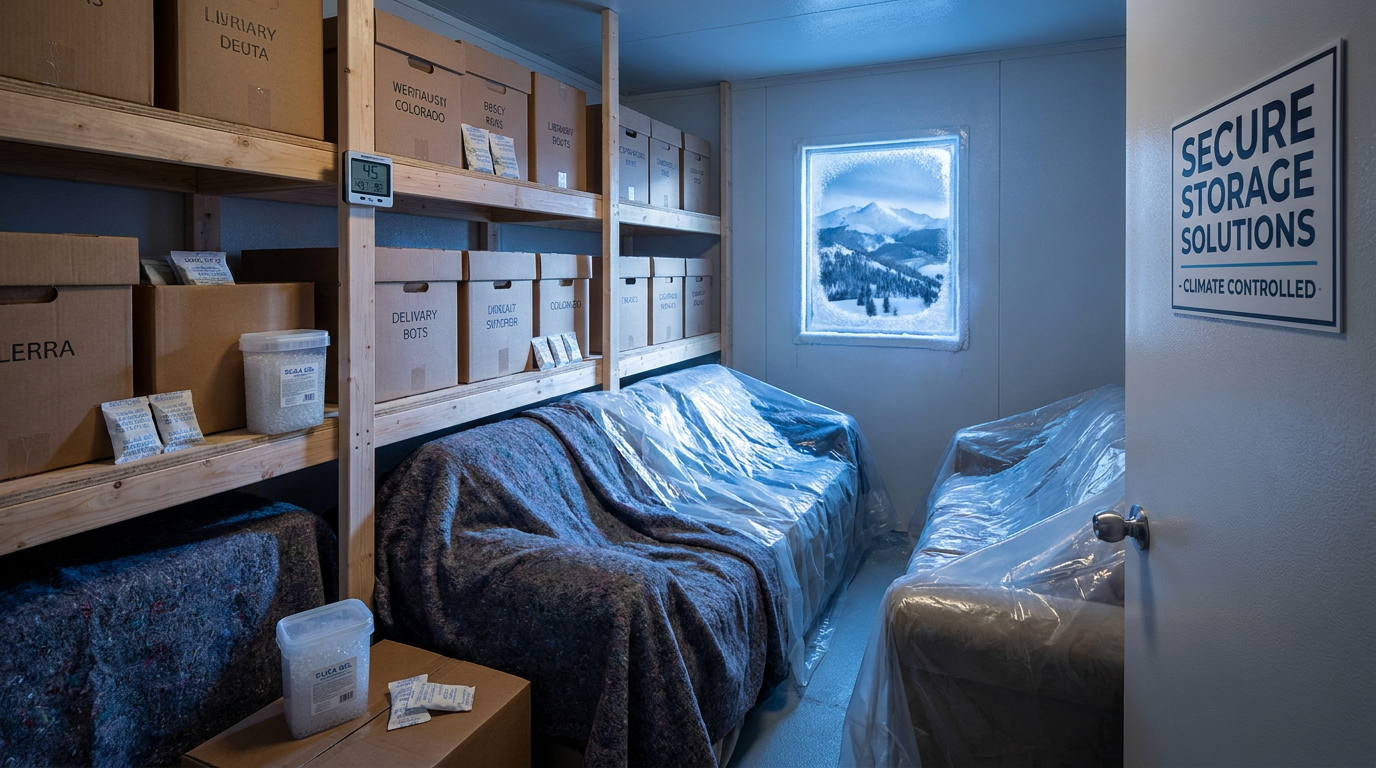
Climate-controlled storage units maintain temperatures between 55 and 80 degrees Fahrenheit and humidity levels below 55%, according to the Climate Controlled Self Storage Association. These units cost 25% to 50% more than standard units, adding $25 to $100 monthly depending on unit size and location.
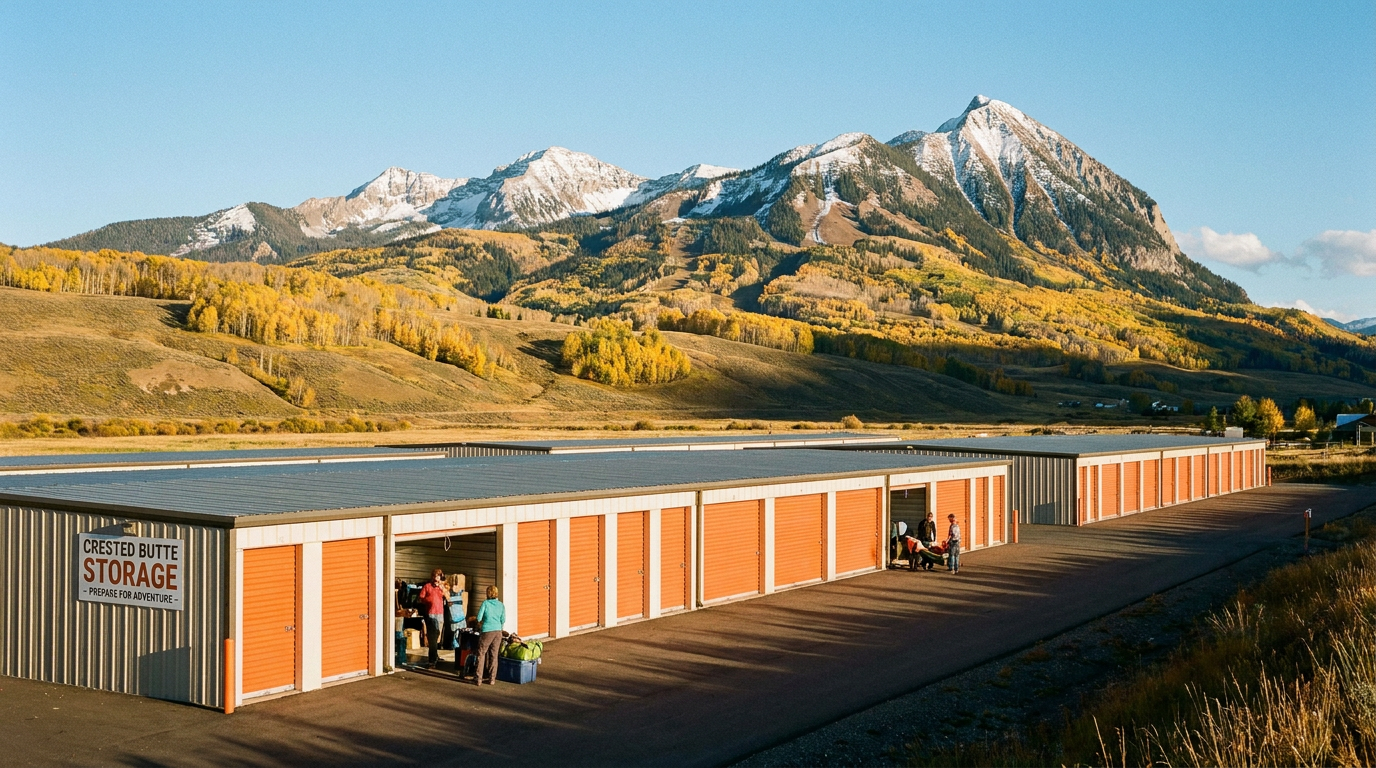
In mountain communities like Crested Butte, Colorado, where winter temperatures regularly drop below zero and summer temperatures can exceed 85 degrees, climate control becomes essential for protecting sensitive items. Electronics, wooden furniture, photographs, vinyl records, and musical instruments all require stable temperature and humidity conditions for long-term storage. Note that Elk Mountain Storage units are not climate controlled; if you plan to store sensitive items, ask our team about protection options and how to prepare them for mountain temperature swings.
| Unit Type | Typical Monthly Cost | Best Use Case |
|---|---|---|
| Standard Drive-Up | $50 to $150 | Outdoor equipment, tools, seasonal decor |
| Interior Access | $75 to $200 | Furniture, boxes, general household items |
| Climate-Controlled | $100 to $300 | Electronics, documents, antiques, wine |
| Vehicle/RV Parking | $50 to $500 | Cars, boats, RVs, trailers |
Not sure which size or type you need? A storage unit size guide can help you determine the right fit for your belongings and avoid paying for space you do not need.
Required Lock and Access Device Charges
Many facilities require tenants to purchase a specific lock type, typically a disc lock or cylinder lock, for $12 to $25. Some locations also charge for electronic access devices, key cards, or gate codes, adding $5 to $15 to your initial costs. According to a 2024 survey by SpareFoot, 41% of storage facilities require purchasing a lock on-site.
The reasoning is legitimate: standardized locks allow facility staff to cut locks during emergencies or lien proceedings without damaging units. However, you can often purchase the same lock type at Home Depot, Lowes, or Amazon for 30% to 50% less. Ask whether you can provide your own lock that meets their specifications.
Security Deposit Requirements
Security deposits range from $25 to one full month's rent, depending on the facility and your credit history. These deposits are refundable upon move-out, assuming no damage or unpaid balances. However, they increase your upfront move-in costs significantly.
Some facilities, particularly locally owned operations, have eliminated security deposits entirely to attract customers. This approach reduces the barrier to entry and demonstrates confidence in their customer screening process. When comparing facilities, always calculate total move-in costs including first month's rent, administrative fees, insurance, and any required deposits.
Delivery and Container Fees
Portable storage containers from companies like PODS, 1-800-PACK-RAT, and U-Pack involve delivery fees of $50 to $125 per trip, according to Moving.com pricing data. If you need the container moved multiple times, these fees accumulate quickly. A single PODS container delivered, stored for 3 months, and then delivered to a new address can incur $250 to $375 in delivery charges alone.
Traditional self-storage facilities avoid these delivery fees entirely since you transport items yourself. For large moves or situations requiring temporary on-site storage, calculate whether the convenience of portable containers justifies the added delivery costs.
Access Hour Restrictions and Extended Access Fees
Standard access hours at most facilities run from 6 AM to 9 PM, with some locations closing as early as 6 PM. If you need 24/7 access for business inventory, seasonal equipment, or irregular schedules, expect to pay $10 to $25 monthly for extended access privileges.
Facilities offering 24/7 secure access as a standard feature, like many locally owned operations in the Gunnison Valley, provide significant value for business customers and those with unpredictable schedules. This feature is particularly valuable for seasonal residents who may need to access belongings outside normal business hours.
The Extra Space Storage Lawsuit: A Cautionary Tale
In 2023, Extra Space Storage faced a class action lawsuit alleging deceptive pricing practices. The lawsuit, filed in California Superior Court, claimed the company advertised low introductory rates while failing to adequately disclose automatic rate increases and mandatory insurance charges. According to court documents, some tenants experienced rate increases of 60% or more within 12 months of move-in.
The case highlighted industry-wide practices that regulators and consumer advocates have criticized. While Extra Space Storage denied wrongdoing, the lawsuit prompted increased scrutiny of storage pricing transparency across the industry. The Federal Trade Commission issued guidance in late 2024 recommending clearer disclosure of all mandatory fees in storage advertising.
What Happens If You Leave Items in Storage?
Abandoning items in a storage unit does not eliminate your financial obligation. According to the Self Storage Association, facilities continue charging rent until they complete the lien process, which can take 60 to 120 days depending on state law. During this period, late fees accumulate, and the total balance becomes a debt that can be sent to collections.
If you need to terminate your rental, provide written notice according to your agreement terms, typically 30 days. Remove all belongings and request a final walkthrough to confirm the unit is empty and undamaged. Obtain written confirmation that your account is closed in good standing to avoid future collection attempts.
Average Storage Costs by Unit Size and Region
Storage costs vary dramatically by location. According to 2025 data from StorageCafe, a 10x10 unit in Los Angeles averages $219 per month, while the same size in Houston averages $80. Mountain resort communities often fall somewhere between, with pricing influenced by seasonal demand and limited available real estate.
| Unit Size | National Average | High-Cost Markets | Low-Cost Markets |
|---|---|---|---|
| 5x5 | $40 to $79 | $90 to $120 | $30 to $50 |
| 5x10 | $60 to $100 | $120 to $180 | $45 to $75 |
| 10x10 | $80 to $150 | $180 to $250 | $60 to $100 |
| 10x20 | $120 to $225 | $250 to $400 | $90 to $150 |
12-Point Checklist: Questions to Ask Before Renting
Use this checklist when evaluating any storage facility to uncover hidden fees before signing:
- What is the total move-in cost? (Include first month, deposit, admin fee, insurance, lock)
- Is property tax included in the quoted rate?
- What is the rate after the promotional period ends?
- How often do you raise rates on existing tenants?
- Is there a rate lock guarantee available?
- Can I provide my own insurance policy instead of purchasing yours?
- What are the late fee amounts and grace period?
- Can I bring my own lock, or must I purchase one here?
- What are the standard access hours, and is 24/7 access available?
- Is there a security deposit, and how is it refunded?
- What is the notice period required to vacate?
- Are there any other fees not mentioned in the quoted price?
Document the answers you receive and compare them across multiple facilities. The lowest advertised rate often does not represent the best overall value once all fees are calculated.
Finding Transparent Storage Pricing
The storage industry has faced increasing pressure to improve pricing transparency. Companies like Security Public Storage now advertise "no hidden fees" policies with included insurance coverage. Locally owned facilities often provide more straightforward pricing because they rely on community reputation rather than high-volume marketing tactics.
When evaluating facilities, look for those that publish complete pricing online, including all mandatory fees. Read Google reviews specifically mentioning pricing experiences. Ask for a written breakdown of all charges before signing any agreement. A reputable facility will provide this information willingly and without hesitation.
Understanding the values and approach of locally owned storage facilities can help you find operators who prioritize customer relationships over aggressive revenue extraction.
Frequently Asked Questions
What hidden fees do storage units have?
The most common hidden fees include administrative charges ($10 to $30), mandatory insurance ($10 to $40 per month), late payment penalties ($10 to $25), property tax pass-throughs (5% to 8%), required lock purchases ($12 to $25), and security deposits (up to one month's rent). Climate control adds 25% to 50% to base rates.
What is the lawsuit against Extra Space Storage?
A 2023 class action lawsuit alleged Extra Space Storage engaged in deceptive pricing by advertising low introductory rates without adequately disclosing automatic rate increases and mandatory insurance charges. Some plaintiffs reported rate increases of 60% or more within 12 months. The company denied wrongdoing, but the case increased industry scrutiny.
Do you get charged for leaving stuff in a storage unit?
Yes, rent continues accumulating until you formally terminate your rental agreement and remove all belongings. If you abandon items, the facility will continue charging rent plus late fees until completing the lien process (60 to 120 days). The unpaid balance can be sent to collections and affect your credit score.
What is the average cost of storage per month?
The national average for a 10x10 unit is $85 per month, according to 2025 industry data. However, actual costs range from $60 in low-cost markets to $250 or more in major metropolitan areas. Adding climate control, insurance, and other fees typically increases the base rate by 40% to 100%.
Are self storage introductory rates a scam?
Introductory rates are not illegal, but they can be misleading. Promotional pricing like "first month free" or "50% off for 3 months" converts to full rates that are often 50% to 100% higher. Always ask for the post-promotional rate in writing before signing. Some facilities increase rates within 6 months of move-in.
How can I waive Public Storage late fees?
Contact the facility manager directly and request a one-time waiver, especially if you have a good payment history. According to industry data, approximately 40% of first-time late fee waiver requests are granted. Enrolling in autopay prevents future late fees and may strengthen your case for a waiver.
|