
B
usiness storage solutions include self-storage units, warehouse racking systems, and portable containers that help companies manage overflow inventory, seasonal equipment, and operational supplies. Small businesses typically spend $100 to $500 monthly on storage units ranging from 100 to 300 square feet, with climate-controlled options protecting sensitive materials from temperature damage.

Types of Business Storage Solutions
Choosing the right storage solution depends on your inventory volume, access frequency, and budget constraints. According to the Self Storage Association, over 2.5 million businesses in the United States use self-storage facilities for commercial purposes. Each option offers distinct advantages for different operational needs.
Self-Storage Units for Small Businesses
Self-storage facilities provide flexible, month-to-month leasing that scales with your business needs. A 10x10 unit holds approximately 450 boxes or the equivalent of a small office worth of furniture and equipment. Interior climate-controlled units protect temperature-sensitive inventory like electronics, pharmaceuticals, and paper documents from humidity damage.
Drive-up units offer ground-level access for heavy equipment and bulk inventory. Businesses with frequent inventory turnover benefit from this configuration, as forklifts and pallet jacks can access the unit directly. The National Self Storage Association reports that 67% of business renters prefer drive-up access for operational efficiency.
Warehouse Racking Systems
For businesses with dedicated warehouse space, selective pallet racking maximizes vertical storage capacity. This system allows direct access to every pallet position, making it ideal for diverse inventory with varying turnover rates. According to the Material Handling Industry of America, selective racking increases storage density by 50% compared to floor stacking.
Drive-in racking systems work best for high-volume, low-SKU operations using Last-In-First-Out inventory methods. Companies storing building materials, beverages, or seasonal merchandise benefit from this configuration. The trade-off involves reduced selectivity, as only the front pallet remains immediately accessible.
Portable Storage Containers
Companies like PODS, WillScot, and BigBox deliver portable containers directly to your business location. These 8-foot by 20-foot units hold approximately 1,200 cubic feet of inventory and cost $150 to $300 monthly. Contractors, retailers, and event companies use portable storage for job site materials and seasonal overflow.
Choosing the Right Unit Size for Your Business
Unit size directly impacts your monthly costs and operational efficiency. The International Warehouse Logistics Association recommends calculating your storage needs based on cubic footage rather than floor space alone. A 10x10x8 foot unit provides 800 cubic feet of storage when utilizing vertical space with shelving.
For detailed guidance on matching your inventory volume to the right unit dimensions, consult our storage unit size guide
for specific recommendations based on common business items.
Small Business Storage (5x10 to 10x10)
Units between 50 and 100 square feet accommodate document archives, seasonal merchandise, and small equipment inventories. A 5x10 unit holds approximately 20 to 25 medium boxes plus furniture equivalent to a small office. Retailers storing off-season inventory typically require this size range.
E-commerce businesses running from home offices often start with 5x10 units for product inventory. According to Shopify research, 34% of small online retailers use external storage within their first two years of operation. This configuration separates living space from business operations while maintaining quick access to shipping inventory.
Medium Business Storage (10x15 to 10x20)
Growing businesses with equipment, fixtures, and larger inventory volumes require 150 to 200 square feet. A 10x20 unit accommodates the contents of a 1,500 square foot retail space or a small contractor's tool inventory. This size works well for businesses transitioning between locations or maintaining backup equipment.
Construction companies, landscaping services, and property management firms commonly use this size range. The equipment inventory list for a typical landscaping operation includes mowers, trimmers, blowers, and seasonal attachments that fit comfortably in a 10x20 drive-up unit.
Large Business Storage (10x30 and Above)
Businesses requiring 300 or more square feet typically store vehicles, large equipment, or substantial inventory volumes. A 10x30 unit accommodates multiple vehicles, heavy machinery, or the complete inventory of a medium-sized retail operation. Monthly costs range from $400 to $600 depending on location and features.

Equipment Storage Best Practices
Proper equipment storage extends asset lifespan and reduces replacement costs. The Equipment Leasing and Finance Association reports that businesses lose an average of $4,500 annually to preventable equipment damage from improper storage. Following manufacturer guidelines and industry best practices protects your investment.
Climate Requirements for Different Equipment Types
Electronics, precision instruments, and computer equipment require climate-controlled environments maintaining 55 to 80 degrees Fahrenheit with humidity below 50%. Temperature fluctuations cause condensation that damages circuit boards and corrodes metal components. According to IBM storage guidelines, hard drives and servers require stable temperatures to prevent data loss.
Power tools and gas-powered equipment tolerate wider temperature ranges but require proper preparation. Drain fuel from engines before storage periods exceeding 30 days to prevent carburetor damage. Battery-powered tools should maintain 40% charge during storage, as recommended by Milwaukee Tool and DeWalt maintenance guides.
Tool Inventory Management Systems
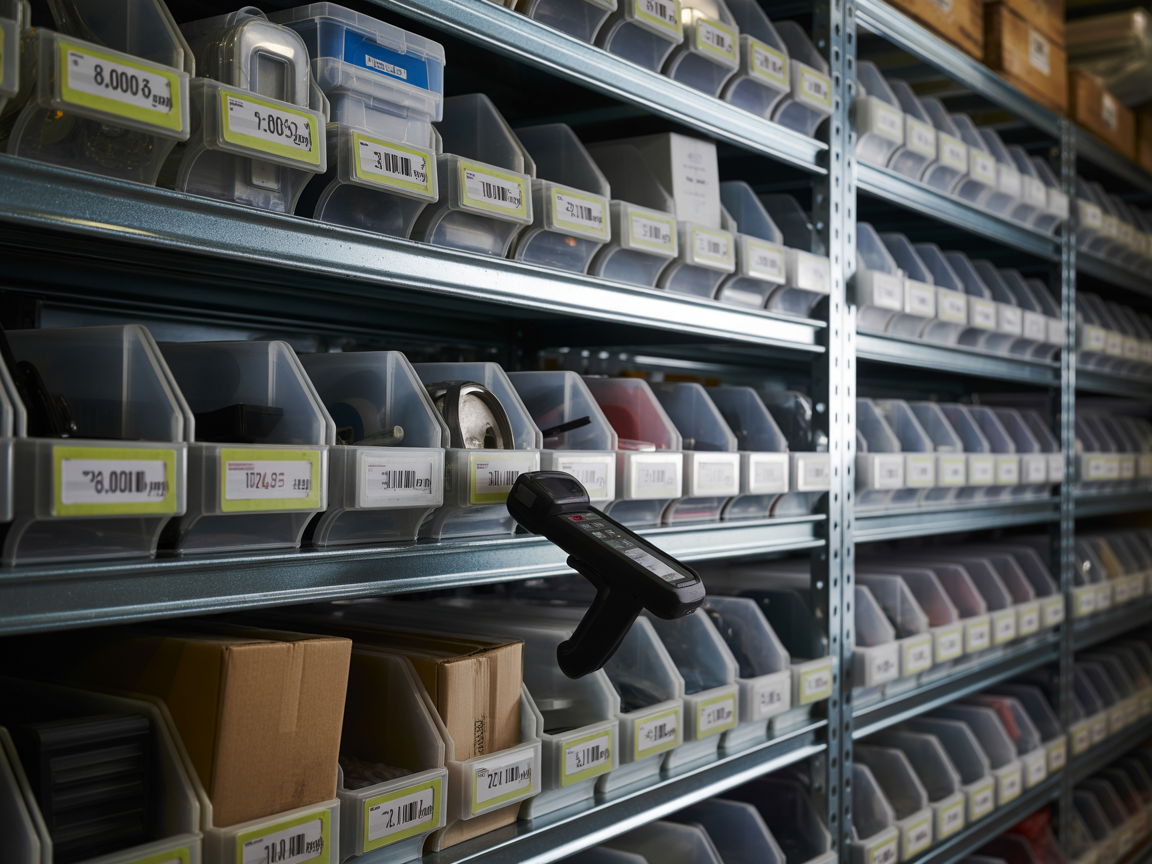
Implementing tool inventory management prevents loss and improves accountability. Barcode scanning systems from companies like Sortly, Asset Panda, and ToolWatch track equipment location and maintenance schedules. The Construction Industry Institute found that contractors using digital tracking reduce tool loss by 35% compared to manual systems.
For businesses not ready for software investment, a basic equipment inventory template in Excel or Google Sheets provides essential tracking capabilities. Record serial numbers, purchase dates, maintenance schedules, and storage locations for each asset. Free equipment tracking spreadsheet templates from Microsoft Office and Google Workspace include formulas for depreciation calculations and replacement scheduling.
Security Considerations for Valuable Equipment
High-value equipment requires additional security measures beyond standard facility features. Disc locks provide superior protection compared to traditional padlocks, as they resist cutting and prying. The National Crime Prevention Council recommends insurance coverage for stored business assets, typically costing 1% to 2% of item value annually.
Learn more about protecting your stored business assets through our storage protection plans
that cover theft, fire, and water damage.
Inventory Organization Strategies
Organized storage systems reduce retrieval time and improve inventory accuracy. Research from the Warehousing Education and Research Council shows that businesses with systematic organization achieve 99.2% picking accuracy compared to 94.7% for unorganized operations. The initial time investment pays dividends through operational efficiency.
FIFO vs. LIFO Methods
First-In-First-Out inventory management ensures older stock ships before newer arrivals. This method prevents spoilage for perishable goods and reduces obsolescence for technology products. Retailers selling food, cosmetics, or electronics should implement FIFO systems in their storage configuration.
Last-In-First-Out works for non-perishable, homogeneous inventory where age does not affect quality. Building materials, hardware, and raw materials often use LIFO for tax advantages and simplified handling. The American Institute of CPAs notes that LIFO can reduce tax liability during inflationary periods.
ABC Analysis for Storage Placement
ABC analysis categorizes inventory by value and movement frequency. A-items represent 20% of SKUs generating 80% of revenue and deserve prime storage locations near unit entrances. B-items occupy middle positions, while C-items can utilize less accessible areas like upper shelves or rear positions.
The golden zone concept from ergonomic research places frequently accessed items between waist and shoulder height. This positioning reduces injury risk and speeds retrieval. OSHA workplace guidelines recommend this approach for any storage environment with regular human access.
Labeling and Documentation Systems
Clear labeling systems enable any team member to locate inventory quickly. Color-coded labels by category, department, or season provide visual organization. Include item descriptions, quantities, and location codes on each container or shelf position.
Digital documentation through equipment inventory management software creates searchable databases. Platforms like Fishbowl, inFlow, and Cin7 integrate with accounting systems for real-time inventory valuation. Small businesses can start with free store inventory Excel sheets before upgrading to paid solutions.
Cost Optimization for Business Storage
Strategic planning reduces storage expenses while maintaining operational effectiveness. According to Cushman and Wakefield commercial real estate research, businesses overspend on storage by an average of 23% due to poor size estimation and underutilized space. Regular audits and proactive management prevent unnecessary costs.
Seasonal Storage Strategies
Businesses with seasonal inventory fluctuations benefit from flexible storage arrangements. Retailers typically need 40% more storage space during Q4 holiday seasons compared to Q1. Month-to-month leases allow scaling without long-term commitments during off-peak periods.
Many facilities offer promotional pricing for new rentals, which can reduce initial costs while you establish your storage system. Month-to-month terms also let businesses test a space before committing to a larger unit or a longer stay.
Maximizing Vertical Space
Vertical storage utilization can effectively double your usable space. Industrial shelving systems from Uline, Grainger, and Global Industrial cost $200 to $500 per unit and support 1,000 to 2,000 pounds per shelf. This investment often allows businesses to rent smaller units while storing the same inventory volume.
Wall-mounted storage systems reclaim floor space for equipment access and movement. Pegboards, track systems, and magnetic strips organize tools and small parts efficiently. The National Association of Professional Organizers reports that wall storage increases usable floor space by 15% to 25% in typical storage environments.
Insurance and Protection Planning
Standard business insurance policies often exclude items in off-site storage. Verify coverage limits and consider supplemental protection for high-value inventory. Storage facility protection plans typically cost $10 to $30 monthly for $2,000 to $10,000 in coverage.
Document your stored inventory with photographs and written records. This documentation speeds insurance claims and provides accountability for multiple team members accessing the unit. Cloud storage services like Google Drive or Dropbox maintain accessible records from any location.
Frequently Asked Questions
What are the best inventory management software options for small businesses?
Small businesses benefit from scalable platforms like Sortly, inFlow, and Zoho Inventory, which offer free tiers for basic tracking. Sortly provides visual inventory management starting at $0 for 100 items, while inFlow offers unlimited items with its $89 monthly plan. QuickBooks Commerce integrates with existing accounting systems for businesses already using Intuit products.
How does FIFO vs. JIT inventory affect storage costs?
FIFO requires more storage space as inventory accumulates before shipping, typically increasing costs by 15% to 25% compared to Just-In-Time systems. JIT minimizes storage needs by timing deliveries to match production or sales schedules, but increases supply chain risk. Most small businesses use hybrid approaches, maintaining safety stock while optimizing order timing.
What racking system is ideal for high-density equipment storage?
Drive-in pallet racking maximizes density for homogeneous inventory, storing up to 75% more pallets than selective racking in the same footprint. Push-back systems offer better selectivity while maintaining high density. For small businesses without forklifts, heavy-duty boltless shelving from Muscle Rack or Edsal provides 1,500 to 2,000 pound capacity per shelf at $150 to $300 per unit.
How to organize a warehouse for maximum picking efficiency?
Place high-velocity items within 50 feet of shipping areas and at golden zone heights between 24 and 48 inches. Implement zone picking for orders with multiple SKUs, reducing travel time by 30% according to Georgia Tech supply chain research. Clear aisle markings, sequential location numbering, and consistent label placement enable new team members to navigate efficiently within hours.
Are climate-controlled units necessary for business equipment?
Climate control is essential for electronics, documents, pharmaceuticals, and temperature-sensitive materials when storage exceeds 30 days. Units maintaining 55 to 80 degrees Fahrenheit prevent condensation damage that voids manufacturer warranties. Standard units work adequately for metal tools, construction equipment, and durable goods in moderate climates where temperatures stay between 32 and 95 degrees Fahrenheit.
Local Business Storage in Gunnison Valley
Businesses in Crested Butte and the surrounding Gunnison Valley face unique storage challenges due to seasonal tourism patterns and mountain climate conditions. Local contractors, property managers, and retail businesses require flexible storage solutions that accommodate dramatic inventory fluctuations between ski season and summer months.
As a locally owned and operated facility, Elk Mountain Storage understands these regional business needs. Our 24/7 secure access allows contractors to retrieve equipment for emergency repairs regardless of hour. Our units are not climate controlled, so businesses storing highly temperature-sensitive inventory should use insulated packing and ask our team about the best interior options.
The combination of drive-up access for heavy equipment and interior units for lighter inventory and supplies provides comprehensive solutions for diverse business types. No deposit requirements and month-to-month flexibility support the seasonal nature of mountain community commerce.
Business Storage in Downtown Crested Butte
Need space for tools, inventory, or property-management supplies? See Crested Butte business storage with drive-up access and month-to-month terms, or check availability and rent online.
Drive times from Mt. Crested Butte base-area condos to Elk Mountain Storage on Red Lady Ave. Winter road notes and soft rent-online next steps.

Compare downtown Crested Butte storage at 307 Red Lady Ave vs driving to Gunnison. Drive times, lifestyle fit, and soft rent-online next steps for Gunnison Valley residents.
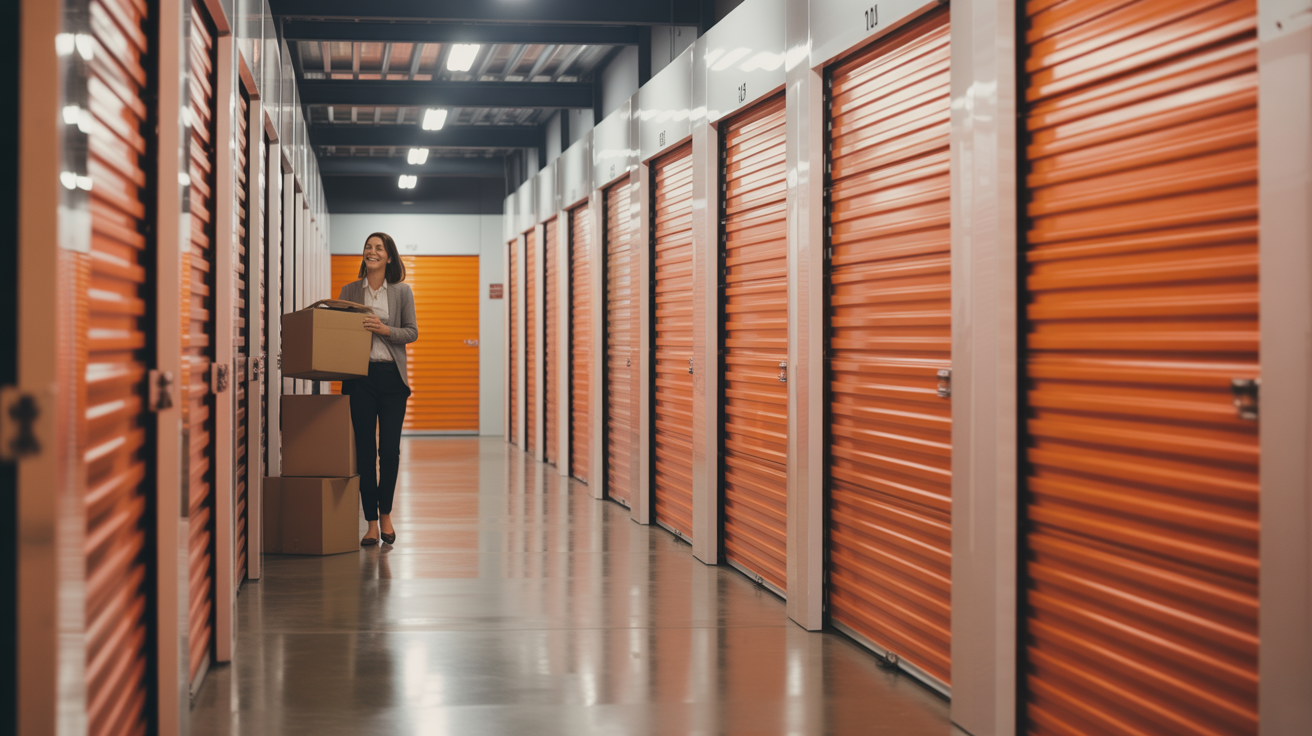
Self storage costs $35 to $300 per month in 2026. See exact pricing by unit size and tips to save on storage in Crested Butte.
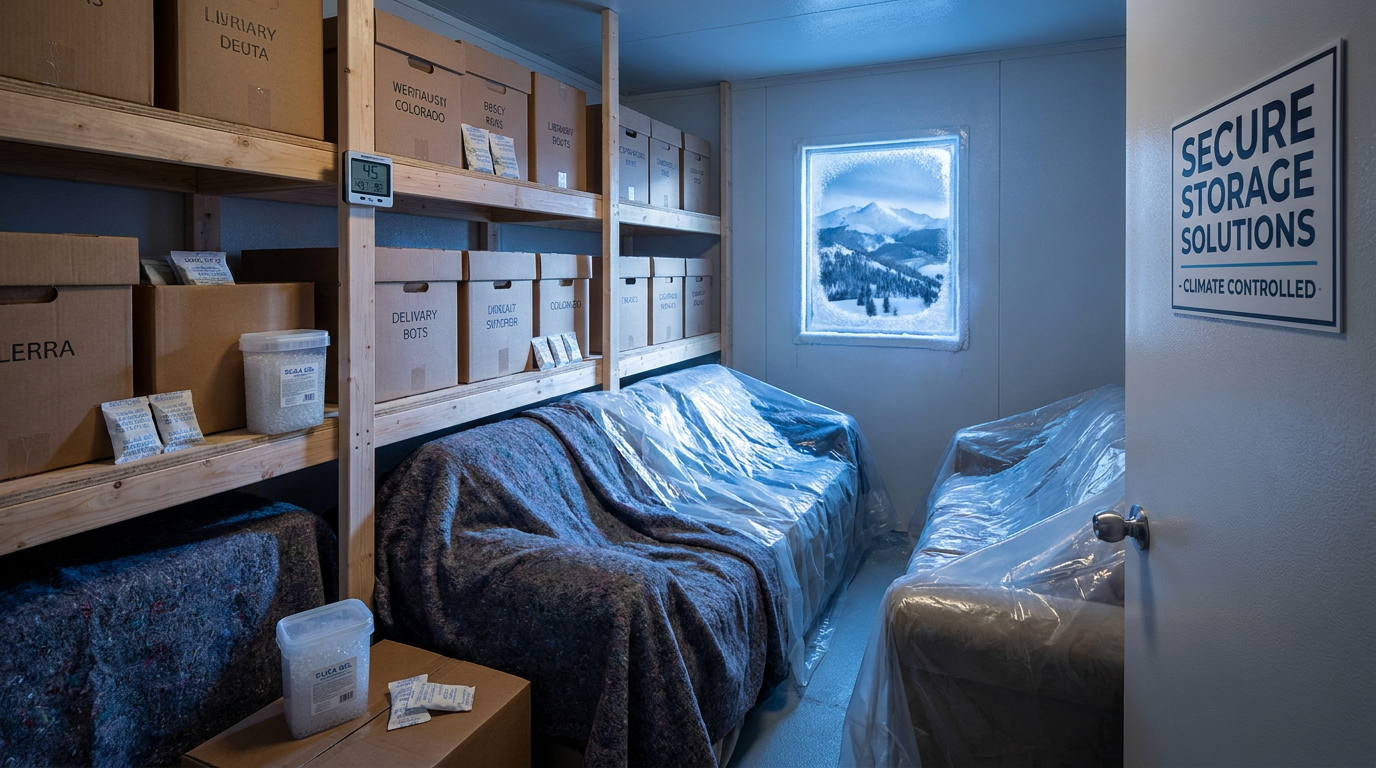
Learn proven methods to protect stored belongings from winter temperature swings. Covers packing, moisture control, and item-specific tips for Colorado storage.
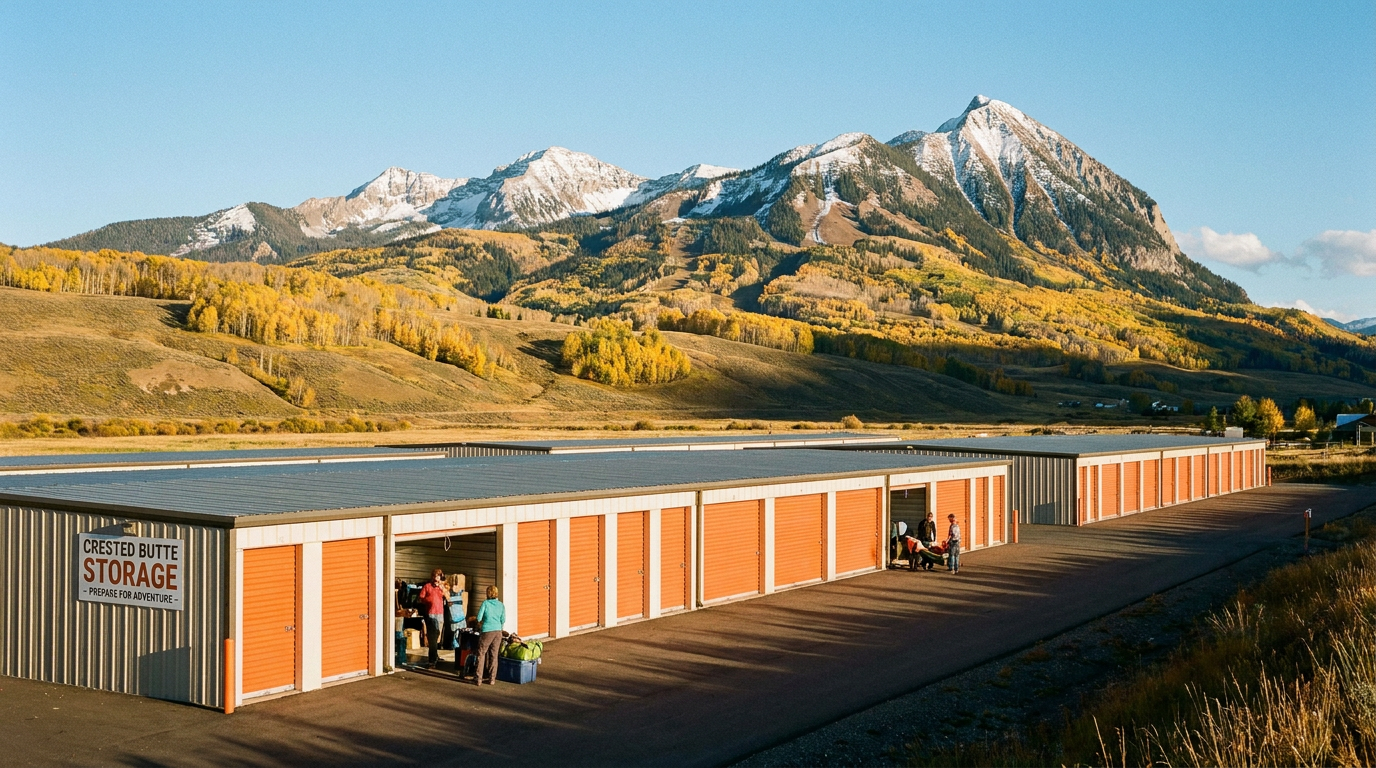
Discover what to store between seasons near Mt. Crested Butte. From ski gear to patio furniture, learn seasonal storage tips for mountain living in 2026.

Elk Mountain Storage is a proud sponsor of Bridges of the Butte 2026, Crested Butte's costumed townie ride raising funds for the Adaptive Sports Center.
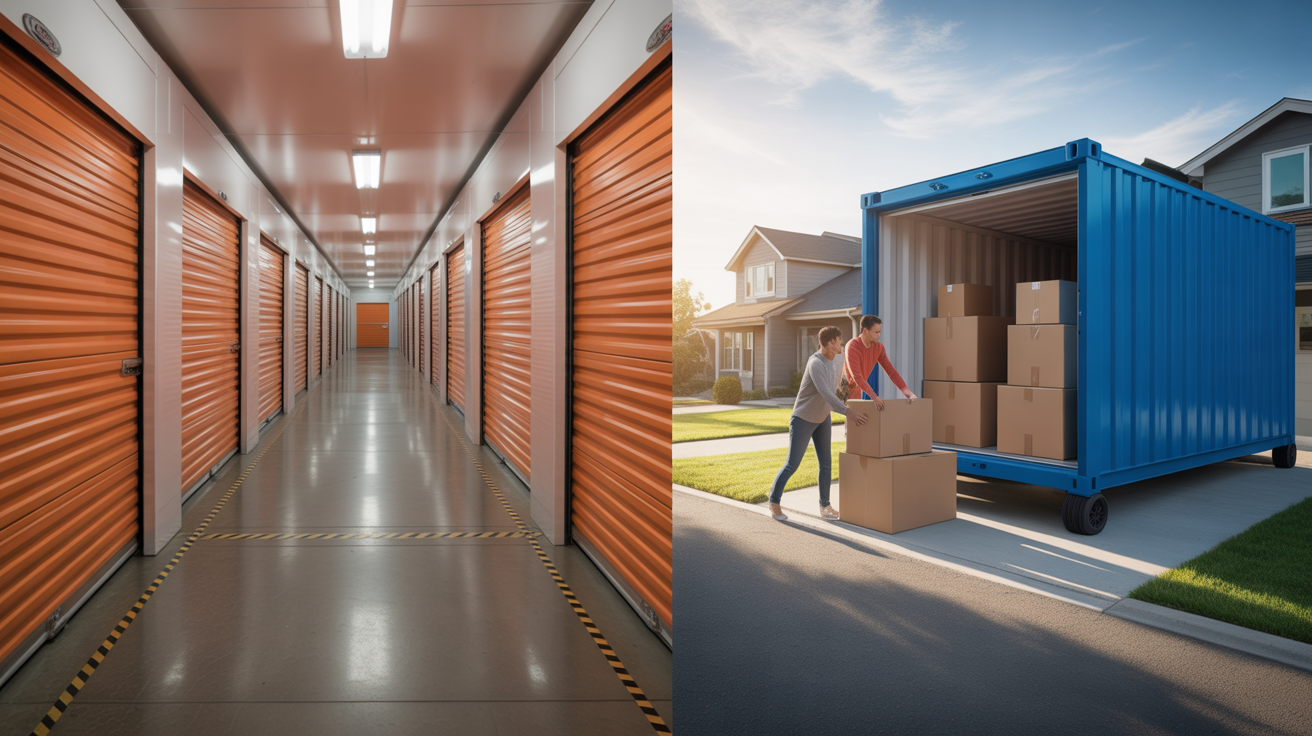
Compare self-storage vs portable storage container costs. Learn which option saves money based on duration, distance, and your specific storage needs in 2026.

Compare vehicle storage facility costs ($50-$700/month) versus home parking expenses. Includes hidden costs, maintenance savings, and break-even analysis.

Learn typical storage facility access hours (6 AM to 10 PM), 24/7 options, and key convenience factors like drive-up units and security features.
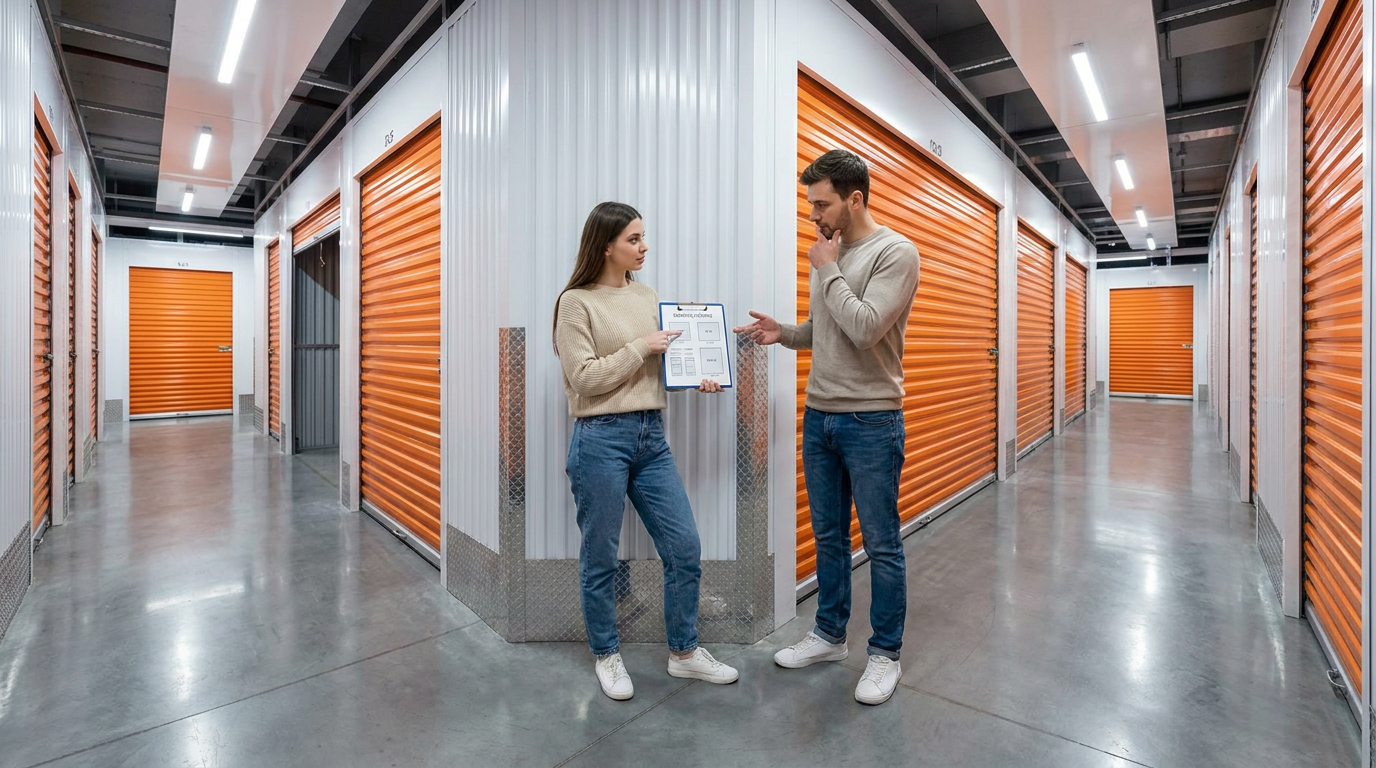
Find the right storage unit size for your needs. Compare 5x5 to 10x30 units with our size chart, calculator tips, and expert recommendations for every situation.