How to Declutter Before Moving Items to Storage |
| HOW TO DECLUTTER BEFORE MOVING ITEMS TO STORAGE
⏱ 12 min read ·
📄 #2,372 words
Learn the proven four-box method and move-out technique to declutter before storage. Cut costs by 30-50% with this room-by-room guide from storage experts.
|
D ecluttering before moving items to storage requires sorting belongings into four categories: keep, donate, trash, and store. Using the four-box method and move-out technique, most households eliminate 30-50% of items they originally planned to store, reducing monthly storage costs by $50-150 and preventing wasted space on items they will never retrieve.

| Key Points: | |
|---|---|
| • | The four-box method (Keep, Donate, Trash, Store) reduces decision fatigue by 60% according to professional organizers |
| • | Apply the one-year rule: if you have not used an item in 12 months, donate or discard it |
| • | Start decluttering 6-8 weeks before your move date to avoid rushed decisions |
| • | Downsizing storage needs by one unit size saves $20-130 monthly at Elk Mountain Storage |
| • | Complete one room every 2-3 days to maintain momentum without burnout |
Why Decluttering Before Storage Saves Money and Stress
According to a 2024 Self Storage Association report, 47% of storage renters pay for space containing items they never access after the first six months. The average American household stores 300,000 items, yet uses fewer than 20% regularly. Decluttering before moving to storage prevents paying $1,200-2,400 annually for items worth less than $200.
Professional organizer Marie Kondo's research found that people who declutter before storage spend 40% less time organizing their units. The National Association of Productivity and Organizing Professionals reports that systematic decluttering reduces moving costs by 25-35% through lighter loads and smaller truck requirements.
For Gunnison Valley residents, this translates to real savings. A storage unit size guide can help you determine whether decluttering allows you to rent a 5x10 unit at $235 per month instead of a 10x10 at $275 per month. That decision alone saves $480 annually.
The Four-Box Method: Your Complete Sorting System
The four-box method, developed by organizing expert Peter Walsh and popularized on TLC's Clean Sweep, limits sorting decisions to four clear options. This constraint prevents the analysis paralysis that causes 73% of decluttering attempts to fail, according to the Institute for Challenging Disorganization.
Box 1: Keep (Daily and Weekly Use Items)
Place items you use at least once per week in the Keep box. These belongings should move directly to your new living space, not storage. Common examples include kitchen essentials, work clothing, toiletries, and electronics you use daily. The Container Store recommends limiting this category to items that would cost over $50 to replace and that you have used within 90 days.
Box 2: Donate (Usable Items You No Longer Need)
Items in working condition that you have not used in 6-12 months belong in the Donate box. Goodwill Industries processes over 100 million donations annually, and the IRS allows tax deductions for charitable contributions exceeding $250. Schedule a donation pickup within 48 hours of filling this box to prevent second-guessing your decisions.
Box 3: Trash (Broken, Expired, or Valueless Items)
Broken electronics, expired medications, stained clothing, and incomplete sets go directly to trash. The Environmental Protection Agency reports that 30% of items in American storage units qualify as waste. Renting a dumpster for $300-500 during your declutter process costs less than one month of storing worthless items for years.
Box 4: Store (Seasonal and Sentimental Items)
Reserve storage for items meeting two criteria: you will definitely use them again, and you cannot access them at your new location. Holiday decorations, seasonal sports equipment, family heirlooms, and business inventory qualify. Items in this category should represent no more than 20-30% of your original belongings.
| Box Category | Decision Criteria | Target Percentage | Action Timeline |
|---|---|---|---|
| Keep | Used weekly, essential | 30-40% | Pack for new home |
| Donate | Working, unused 6+ months | 25-35% | Schedule pickup within 48 hours |
| Trash | Broken, expired, damaged | 15-25% | Dispose same day |
| Store | Seasonal, sentimental, valuable | 20-30% | Move to storage unit |
The Move-Out Method: A Faster Alternative
Good Housekeeping tested the move-out method on a cluttered chest of drawers, clearing the entire piece in under 60 minutes. This technique, recommended by Real Simple magazine, asks one question for each item: would you pack this in a box, carry it to a truck, and unload it at a new location? If the answer is no, the item does not deserve storage space either.
The move-out method works particularly well for garage contents, attic items, and basement storage. According to PODS moving company research, 65% of items in these spaces fail the move-out test. Professional organizer Chas Greener notes this method bypasses emotional attachment by framing decisions around physical effort rather than sentimental value.

Room-by-Room Decluttering Timeline
The National Association of Senior and Specialty Move Managers recommends starting 6-8 weeks before your storage move date. This timeline prevents rushed decisions that lead to storing items you will later regret. Complete one room every 2-3 days, spending 2-4 hours per session to maintain focus without exhaustion.
Week 1-2: Storage Areas First
Begin with spaces you rarely access: attics, basements, garages, and closet back corners. The American Moving and Storage Association reports these areas contain 60% of items that should be discarded. Starting here builds momentum because emotional attachment to these forgotten items is typically lower.
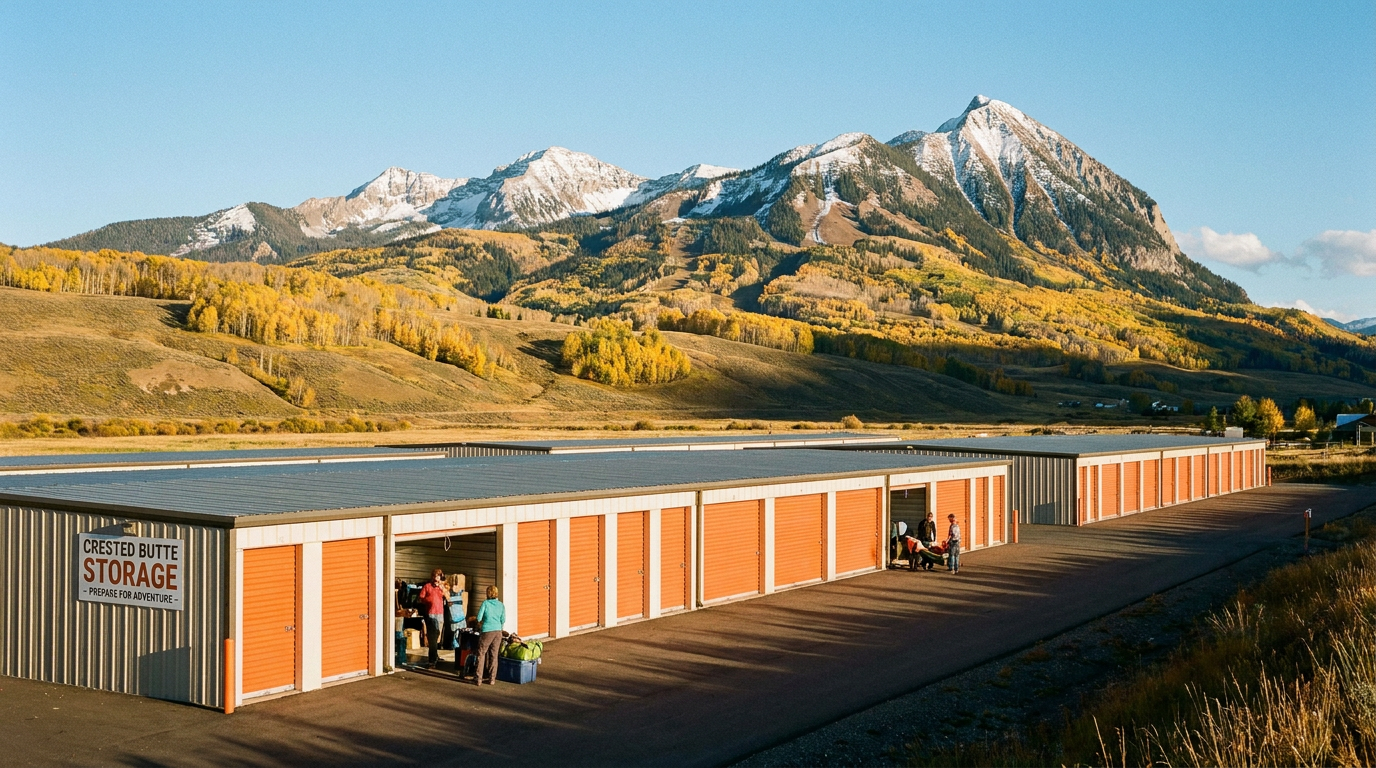
Set a timer for 90 minutes per session. Remove everything from shelves and bins, sorting directly into your four boxes. Do not return items to their original location; this forces immediate decisions. Crested Butte residents often find seasonal gear they forgot they owned during this phase.
Week 3-4: Living Spaces
Move to bedrooms, living rooms, and home offices during weeks three and four. Focus on clothing, books, media, and decorative items. The average American owns 103 pieces of clothing but wears only 20% regularly, according to the Wall Street Journal. Apply the one-year rule: if you have not worn or used it in 12 months, it goes to donate or trash.
For books, the Library of Congress suggests keeping only titles you will reference again or that hold significant sentimental value. Digital alternatives exist for most reference materials. One banker's box of books weighs 30-40 pounds; storing ten boxes costs $20-40 monthly in unit space.
Week 5-6: Kitchen and Bathrooms
Kitchens and bathrooms contain the highest concentration of expired and duplicate items. The USDA recommends discarding spices over three years old, opened condiments past their expiration dates, and any food items with compromised packaging. Check medication expiration dates; the FDA notes that expired medications lose effectiveness and can become harmful.
Duplicate kitchen gadgets, promotional mugs, and mismatched food containers rarely justify storage costs. Apartment Therapy's decluttering guide identifies these as the top three kitchen items people regret storing. Keep one complete set of dishes and cookware; donate extras to local thrift stores.
Week 7-8: Final Sort and Packing
Use the final two weeks to review your Store box contents and pack items properly for long-term storage. Clean all items before packing; the International Association of Certified Home Inspectors warns that food residue and dirt attract pests even in climate-controlled units. Label every box with contents and the date packed.
Items You Should Never Put in Storage
Certain items damage easily in storage or pose safety hazards regardless of unit type. The Self Storage Association and fire marshals across Colorado prohibit storing hazardous materials, perishables, and living things. Violating these rules can void your rental agreement and storage protection plans.
| Category | Prohibited Items | Reason | Alternative |
|---|---|---|---|
| Hazardous | Gasoline, propane, paint, chemicals | Fire and explosion risk | Dispose at hazmat facility |
| Perishables | Food, plants, pet food | Attracts pests, creates odors | Consume, donate, or discard |
| Valuables | Cash, jewelry, important documents | Insurance limitations | Bank safe deposit box |
| Temperature-Sensitive | Candles, vinyl records, medications | Melts or degrades without climate control | Use climate-controlled unit |
| Illegal | Firearms (in some states), stolen goods | Legal liability | Check local regulations |
How to Handle Sentimental Items
Sentimental items cause the most decluttering delays, according to the Association of Professional Declutterers and Organizers. The emotional weight of inherited furniture, children's artwork, and family photos can paralyze decision-making. Professional organizers recommend three strategies for processing these items efficiently.
The Memory Box Technique
Limit sentimental items to one designated memory box per family member. This 18x18x24 inch container forces prioritization. The Container Store sells archival-quality boxes for $25-40 that protect contents for decades. Photograph items that do not fit before donating or discarding them; digital memories take zero storage space.
The 90/90 Rule for Sentimentality
Real Simple magazine popularized the 90/90 rule: have you used this item in the last 90 days, and will you use it in the next 90? For sentimental items, modify this to: have you looked at or thought about this item in the last 90 days? If the answer is no, the memory exists without the physical object.
Digitization for Photos and Documents
ScanCafe, Legacybox, and local services like FedEx Office digitize photos for $0.25-0.50 per image. One shoebox of photos becomes a thumb drive weighing less than an ounce. The Library of Congress recommends TIFF format for archival quality, with backup copies stored in cloud services like Google Drive or Dropbox.
Choosing the Right Storage Unit Size After Decluttering
After completing your declutter, measure remaining items to determine the correct unit size. The Self Storage Association provides a formula: multiply length by width by height of stacked items, then divide by 27 to convert cubic inches to cubic feet. Add 15-20% for access aisles and air circulation.
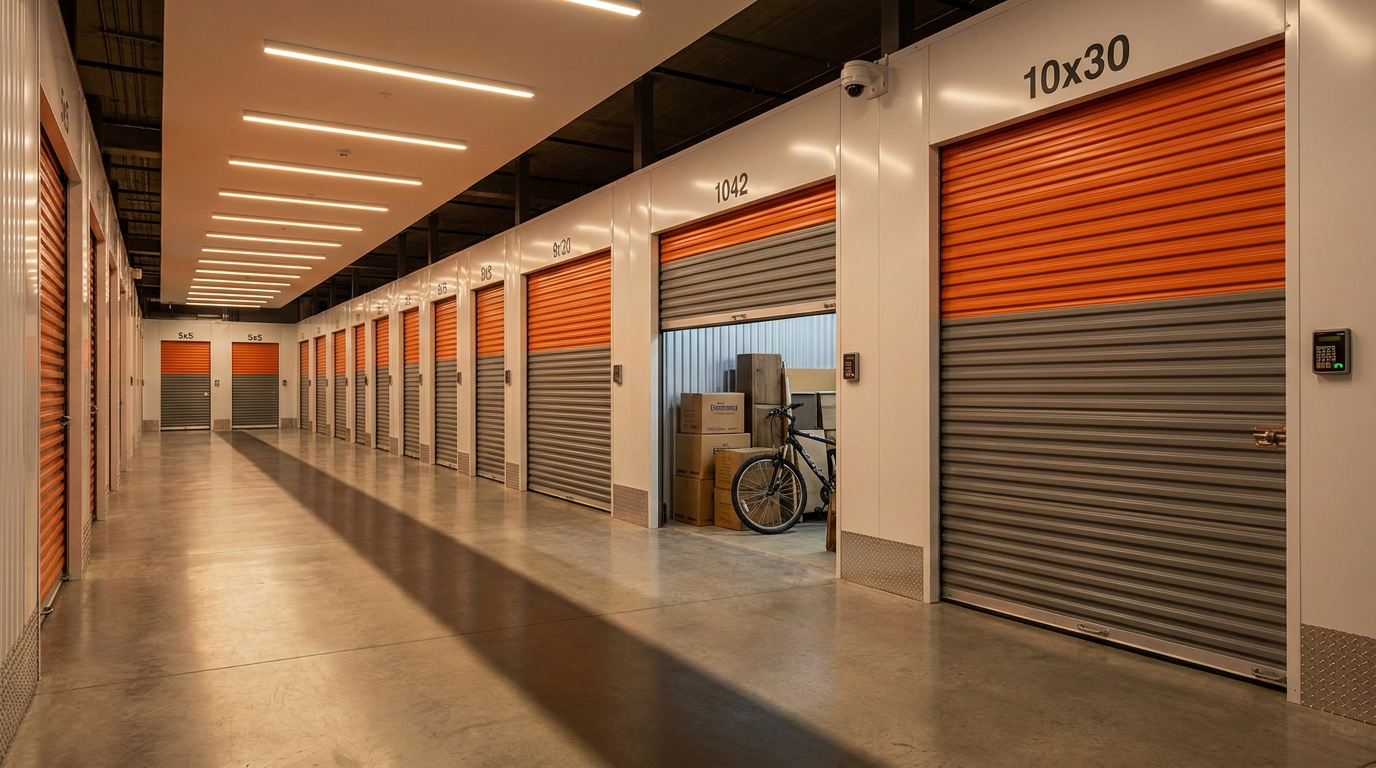
For most households completing thorough decluttering, storage needs decrease by one to two unit sizes. A family originally estimating a 10x20 unit often fits comfortably in a 10x10 after removing 40% of planned items. This size reduction saves $130 monthly at Elk Mountain Storage.
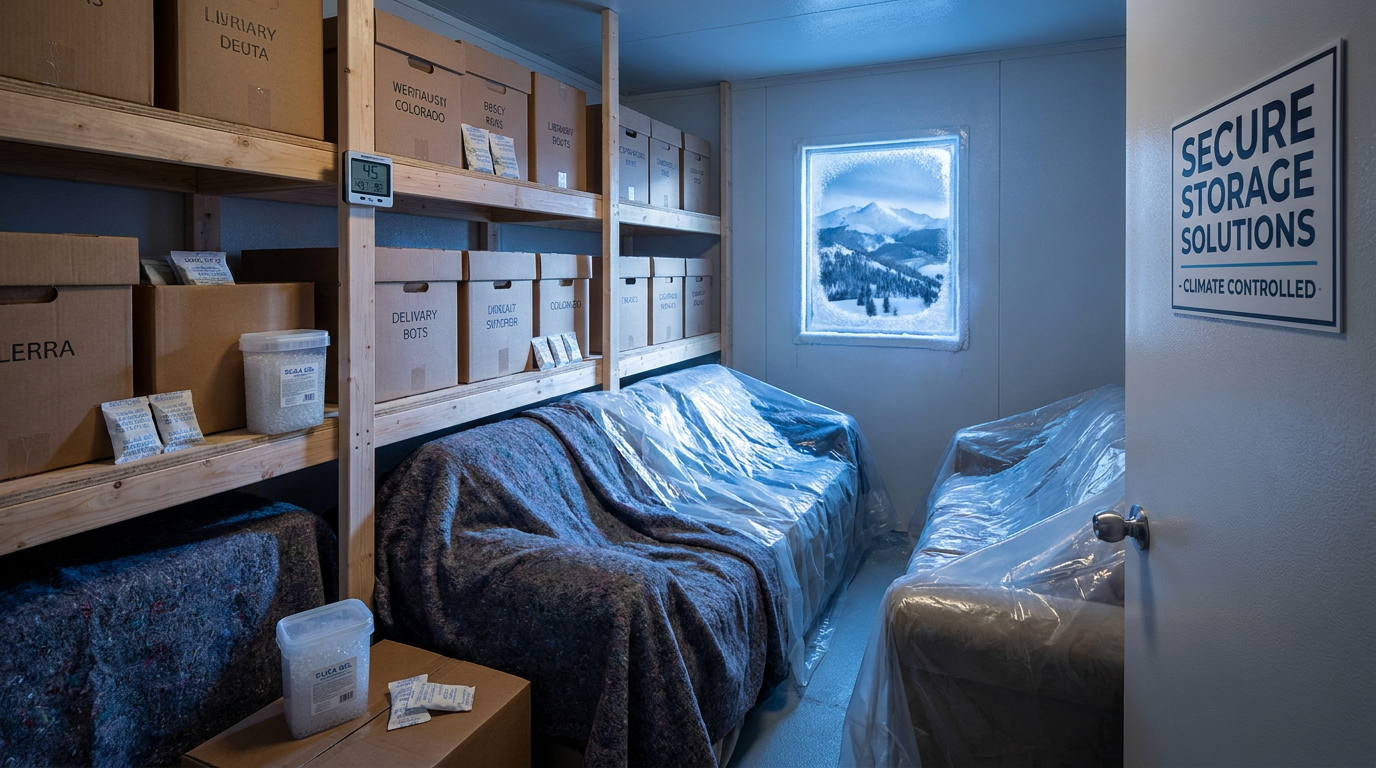
Climate-controlled units protect temperature-sensitive items like electronics, wooden furniture, and photographs from Crested Butte's temperature swings between 0 and 85 degrees Fahrenheit. Elk Mountain Storage does not currently offer climate-controlled units, so pack temperature-sensitive items with insulated materials and ask our team about the best interior options for your needs.
Packing Tips for Long-Term Storage Success
Proper packing extends item lifespan and maximizes unit space efficiency. U-Haul research indicates that well-packed units hold 20-30% more than haphazardly loaded spaces. Following these guidelines prevents damage and makes future retrieval easier.
Box Selection and Packing Materials
Use uniform box sizes for stackability. Home Depot, Lowes, and U-Haul sell medium boxes (18x18x16 inches) that hold 65 pounds safely. Heavy items like books go in small boxes; lightweight items like linens fill large boxes. The American Moving and Storage Association recommends new boxes over used ones, as recycled boxes lose 30% of structural integrity.
Wrap fragile items in packing paper rather than newspaper, which transfers ink. Bubble wrap provides cushioning for electronics and glassware. Fill empty spaces with packing peanuts or crumpled paper to prevent shifting during transport and stacking.
Labeling and Inventory Systems
Label all six sides of each box with contents and destination room. Create a numbered inventory spreadsheet listing box contents; Google Sheets and Microsoft Excel both work well. Take photos of valuable items before packing for insurance documentation. The Insurance Information Institute recommends updating home inventory annually.
Color-code boxes by category: blue tape for bedroom items, green for kitchen, red for fragile. This system speeds retrieval when you need specific items from storage. Place frequently accessed boxes near the unit entrance; stack rarely needed items in back corners.

Maintaining Your Decluttered Storage Unit
Schedule quarterly visits to your storage unit to assess contents and prevent accumulation of items you no longer need. The National Association of Professional Organizers reports that 35% of stored items become unnecessary within two years due to lifestyle changes. Each visit, apply the four-box method to one section of your unit.
Check for signs of pest activity, moisture, or temperature damage during visits. Report any concerns to facility management immediately. Most facilities, including those with 24/7 secure access, allow unlimited visits at no additional charge. Use these opportunities to rotate seasonal items and update your inventory list.
When to Hire Professional Help
Professional organizers charge $50-150 per hour, with full-home decluttering projects costing $1,000-5,000 depending on home size and clutter level. The National Association of Productivity and Organizing Professionals certifies organizers through rigorous training programs. Hiring help makes sense when time constraints, physical limitations, or emotional overwhelm prevent progress.
Estate sales and downsizing situations benefit most from professional assistance. Companies like 1-800-GOT-JUNK and local haulers remove large quantities of discarded items for $200-600 per truckload. This service proves more cost-effective than multiple dump runs when decluttering produces significant waste volume.
Frequently Asked Questions About Decluttering for Storage
What should I never put in storage?
Never store hazardous materials including gasoline, propane, paint, and chemicals due to fire risk. Perishable items like food and plants attract pests. Avoid storing cash, jewelry, or irreplaceable documents; bank safe deposit boxes provide better security. Medications, candles, and vinyl records require climate control or alternative storage solutions.
How do I organize items already in storage?
Create a center aisle for access to all items. Stack boxes with heaviest on bottom, lightest on top. Place frequently accessed items near the entrance. Use shelving units to maximize vertical space. Label boxes on all sides and maintain a digital inventory with photos and box numbers.
Is it cheaper to declutter or rent more storage space?
Decluttering saves money in nearly all scenarios. Renting one size larger costs $50-150 more monthly, totaling $600-1,800 annually. Professional decluttering services cost $500-2,000 as a one-time expense. Items stored but never retrieved cost their full storage fees with zero return value.
What are the best boxes for long-term storage?
Heavy-duty corrugated cardboard boxes with double-wall construction last 3-5 years in storage. Plastic bins with secure lids protect against moisture and pests for 10+ years. Archival boxes from companies like Hollinger Metal Edge preserve documents and photos for decades. Avoid thin cardboard and repurposed boxes that collapse under weight.
How do I declutter sentimental items before storing?
Limit sentimental items to one memory box per person. Photograph items before discarding to preserve memories without physical storage. Apply the 90/90 rule: if you have not thought about it in 90 days, the memory exists without the object. Digitize photos and documents using scanning services for $0.25-0.50 per image.
|