C limate controlled storage costs 20 to 50 percent more than regular storage units of the same size. A standard 10x10 unit averages $100 to $150 per month, while climate controlled units of the same size run $125 to $225 monthly. The premium protects temperature sensitive items from damage that could cost far more than the price difference.
| Key Points: | |
|---|---|
| • | Climate controlled units cost $25 to $75 more per month than standard units of equal size |
| • | Temperature is maintained between 55 and 80 degrees Fahrenheit year round |
| • | Electronics, wood furniture, documents, and leather goods require climate control for storage beyond 3 months |
| • | In mountain climates like Crested Butte, temperature swings of 60+ degrees make climate control essential for valuables |
| • | Damage from improper storage often exceeds 12 months of climate control premium costs |
Exact Price Differences by Unit Size
The cost gap between climate controlled and regular storage varies by unit size. Smaller units show higher percentage increases, while larger units have more modest relative premiums. Here is what you can expect to pay in 2026:
| Unit Size | Standard Monthly Cost | Climate Controlled Cost | Price Increase |
|---|---|---|---|
| 5x5 | $35 to $60 | $45 to $85 | 25 to 30% |
| 5x10 | $60 to $100 | $77 to $140 | 20 to 28% |
| 10x10 | $100 to $150 | $125 to $225 | 20 to 35% |
| 10x20 | $150 to $250 | $190 to $350 | 17 to 30% |
At Elk Mountain Storage, we offer standard interior and drive up units rather than climate controlled space. This guide can help you decide whether your belongings need the added protection of climate control or whether standard storage is the right fit for them.
What Climate Control Actually Provides
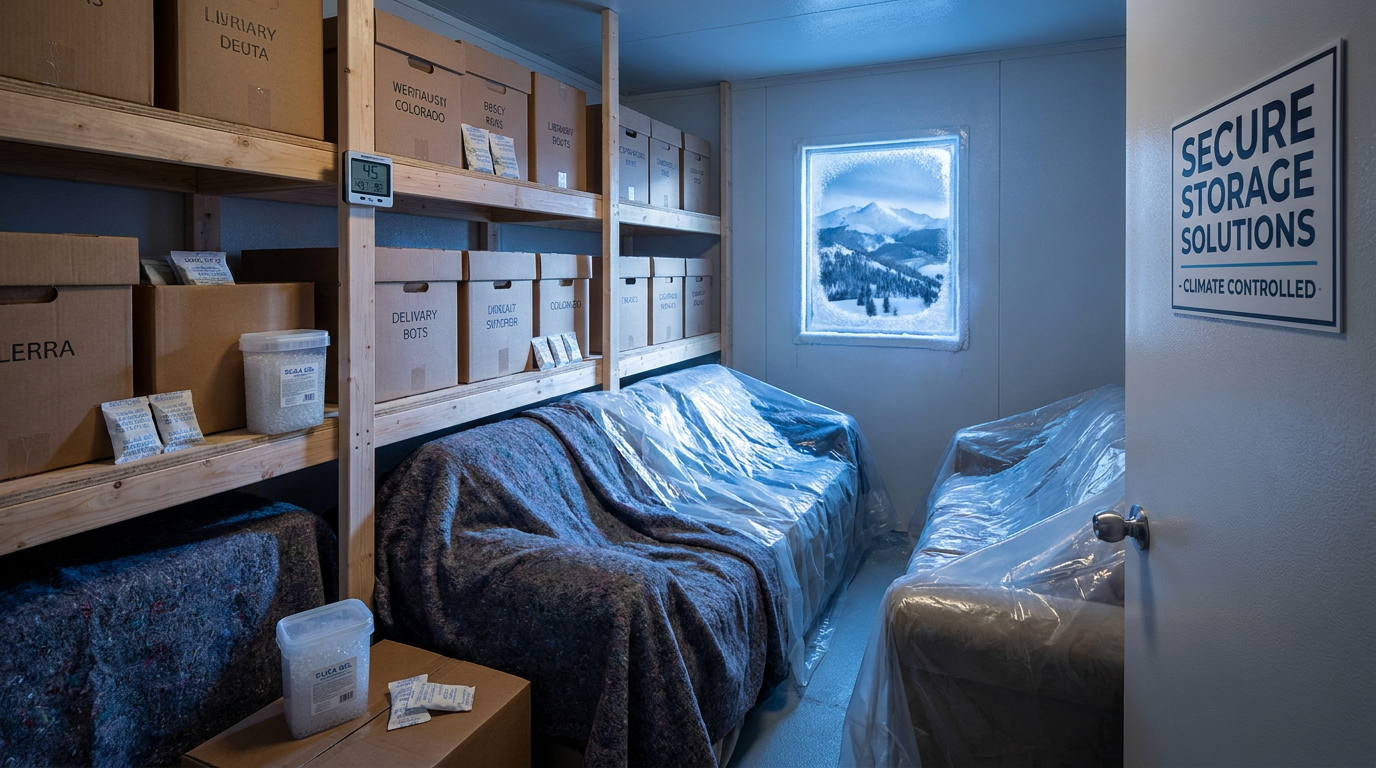
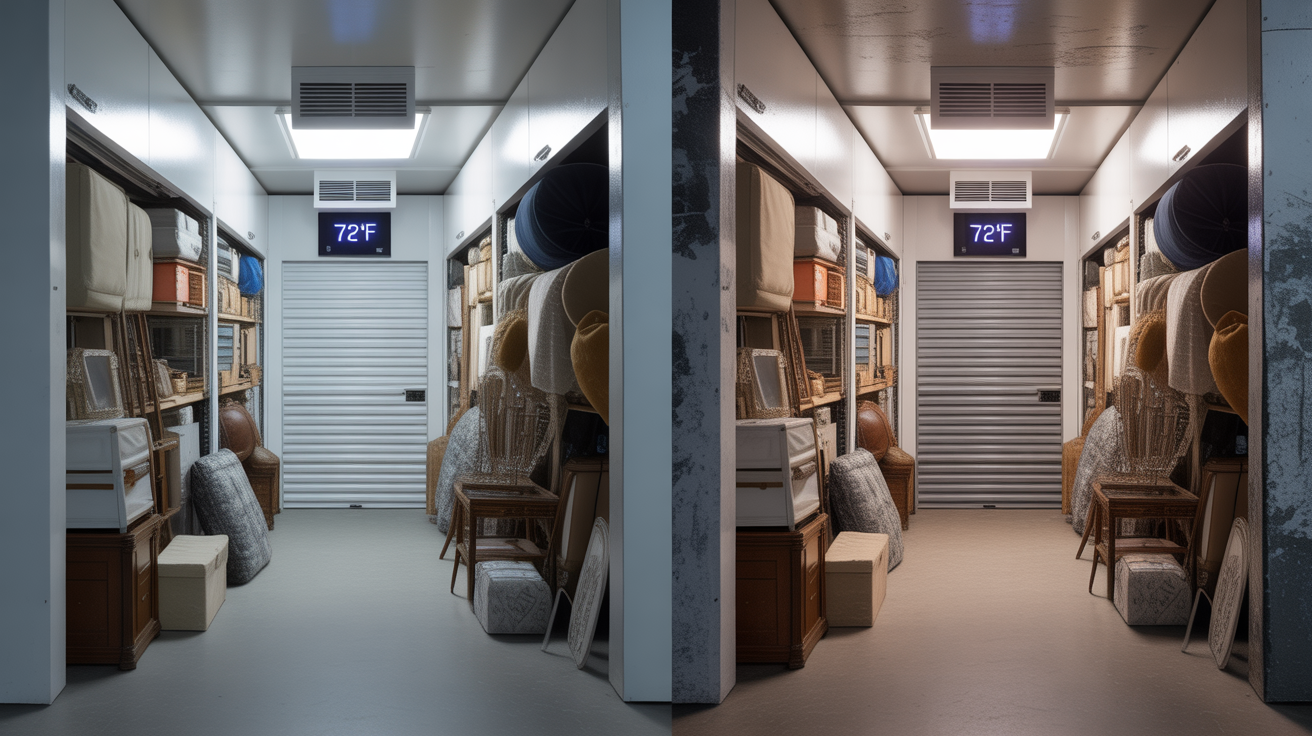
Climate controlled storage maintains temperatures between 55 and 80 degrees Fahrenheit throughout the year. Units use HVAC systems to heat during winter and cool during summer. Many facilities also regulate humidity levels between 30 and 50 percent relative humidity.
Standard storage units have no temperature regulation. They experience the full range of outdoor temperature fluctuations, which can exceed 100 degrees in summer and drop below zero in winter depending on location. In mountain communities like Crested Butte, daily temperature swings of 40 degrees are common even in mild seasons.
The Difference Between Climate Controlled and Temperature Controlled
These terms are often used interchangeably, but they describe different levels of protection. Temperature controlled units only regulate heat and cooling. Climate controlled units manage both temperature and humidity. For items sensitive to moisture, such as documents, photographs, and musical instruments, true climate control is necessary.
When evaluating facilities, ask specifically whether units include humidity control. The price difference between temperature only and full climate control is typically $10 to $20 per month for a 10x10 unit.

When Climate Control Is Worth the Extra Cost
The decision comes down to what you are storing and how long you plan to store it. Climate control becomes cost effective when potential damage costs exceed the premium paid over your storage duration.
Items That Require Climate Control
- Electronics: Computers, televisions, gaming systems, and audio equipment. Humidity causes corrosion on circuit boards within 3 to 6 months in uncontrolled environments.
- Wood furniture: Antiques, pianos, and quality hardwood pieces. Temperature fluctuations cause warping, cracking, and joint separation.
- Documents and photographs: Important papers, photo albums, and artwork. Humidity promotes mold growth and paper degradation.
- Leather goods: Furniture, clothing, and accessories. Leather dries and cracks in low humidity, develops mildew in high humidity.
- Musical instruments: Guitars, violins, and brass instruments. Temperature changes affect tuning stability and structural integrity.
- Wine collections: Requires consistent temperatures between 55 and 65 degrees. Fluctuations accelerate aging and spoilage.
- Vinyl records: Warp at temperatures above 80 degrees. Sleeves develop mold in humid conditions.
Items That Can Use Standard Storage
- Metal tools and equipment: Hand tools, lawn equipment, and automotive parts (if properly oiled)
- Outdoor furniture: Plastic, aluminum, and treated wood pieces designed for weather exposure
- Holiday decorations: Plastic ornaments, artificial trees, and outdoor lights
- Sporting goods: Camping gear, exercise equipment, and bicycles
- Seasonal clothing: Synthetic materials and items stored for less than 6 months
The True Cost of Choosing Wrong
Saving $30 per month on storage becomes expensive when it results in damaged belongings. Consider the replacement costs for common items affected by temperature and humidity damage:
| Item | Typical Replacement Cost | Months of Climate Premium to Equal |
|---|---|---|
| Leather sofa | $1,500 to $4,000 | 50 to 130 months |
| Desktop computer | $800 to $2,000 | 26 to 65 months |
| Antique dresser | $500 to $3,000 | 16 to 100 months |
| Acoustic guitar | $300 to $2,500 | 10 to 80 months |
| Family photo collection | Irreplaceable | N/A |
A single damaged item often costs more than years of climate control premiums. For items with sentimental value, the calculation becomes even clearer. Learn more about protecting your belongings with our storage protection plans.
Geographic Factors That Affect Your Decision
Your location significantly impacts whether climate control is necessary. Mountain communities face unique challenges that coastal or temperate regions do not experience.
Mountain Climate Considerations
In areas like Crested Butte and the Gunnison Valley, storage faces extreme conditions. Winter temperatures regularly drop below zero, while summer days can reach 85 degrees. This 85 plus degree annual temperature range creates stress on stored items that would not occur in milder climates.
Altitude also affects humidity. Mountain air tends to be dry, which can crack leather and warp wood even without extreme temperatures. The combination of temperature swings and low humidity makes climate control particularly valuable for long term storage in high altitude locations.
Seasonal Storage Patterns
Many Gunnison Valley residents and seasonal visitors store items during off seasons. Ski equipment stored through summer, or summer gear stored through winter, faces the most extreme temperature periods. Climate control protects these items during the months when standard units experience their harshest conditions.
How Storage Duration Affects the Calculation
Short term storage of 1 to 3 months carries lower risk in standard units. Items have less exposure time to damaging conditions. Long term storage of 6 months or more increases risk substantially, making climate control more cost effective.
Break Even Analysis by Storage Duration
For a 10x10 unit with a $40 monthly climate control premium:
- 3 months: $120 total premium. Worth it for items valued over $500.
- 6 months: $240 total premium. Worth it for items valued over $1,000.
- 12 months: $480 total premium. Worth it for items valued over $2,000.
- 24 months: $960 total premium. Worth it for items valued over $4,000.
Most households storing furniture and electronics easily exceed these value thresholds, making climate control the economical choice for storage lasting more than a few months.
Can Mold Grow in Climate Controlled Storage?
Mold can still develop in climate controlled units if items are stored wet or if the facility has maintenance issues. However, properly functioning climate control dramatically reduces mold risk by maintaining humidity below 50 percent. Mold requires moisture to grow, and controlled humidity prevents the conditions mold needs to thrive.
To minimize mold risk in any storage environment:
- Ensure all items are completely dry before storing
- Use plastic bins with tight lids for fabric items
- Avoid cardboard boxes, which absorb moisture
- Leave space between items and walls for air circulation
- Place moisture absorbing packets in containers with sensitive items
Making the Right Choice for Your Situation
Use this decision framework to determine whether climate control is worth the investment for your specific needs:
Choose Climate Control If:
- You are storing electronics, wood furniture, or leather goods
- Storage duration exceeds 3 months
- Total value of stored items exceeds $2,000
- Items have sentimental value that cannot be replaced
- Your location experiences temperature extremes (below 32 or above 90 degrees)
- You are storing documents, photographs, or artwork
Standard Storage May Work If:
- You are storing only durable items like metal tools or plastic containers
- Storage duration is less than 3 months
- Items are designed for outdoor use
- Total stored value is under $500
- You are in a mild climate with minimal temperature variation
Questions to Ask Before Renting
When comparing storage facilities, these questions help you understand exactly what you are paying for:
- What temperature range is maintained? Look for 55 to 80 degrees Fahrenheit.
- Is humidity controlled, or only temperature? True climate control includes both.
- What happens during power outages? Quality facilities have backup systems.
- How often is HVAC equipment serviced? Regular maintenance prevents failures.
- Are units individually climate controlled or building wide? Building wide systems are more reliable.
At Elk Mountain Storage, we are happy to answer these questions and help you determine the right storage solution for your needs. Our locally owned facility serves the Crested Butte and Gunnison Valley community with standard interior and drive up storage options.
Comparing Total Cost of Ownership
The monthly rate is only part of your storage cost. Consider these additional factors when comparing options:
- Move in fees: Some facilities charge administrative fees or deposits, so ask about upfront costs before you sign.
- Insurance requirements: Climate controlled facilities may have different coverage requirements.
- Access hours: 24/7 access adds convenience value. Our facility provides round the clock secure access.
- Promotional rates: Many facilities offer discounts for new customers, so ask what move in specials are currently available.
When you factor in promotions, the cost gap between storage options narrows further. Compare the total cost over your full storage duration, including any move in discount, rather than the monthly rate alone.
The Bottom Line on Storage Costs
Climate controlled storage costs 20 to 50 percent more than standard units, translating to $25 to $75 additional per month for most unit sizes. This premium buys temperature regulation between 55 and 80 degrees and humidity control that prevents damage to sensitive items.
For valuable belongings, irreplaceable items, or storage lasting more than 3 months, climate control typically saves money by preventing damage that costs far more to repair or replace. For durable goods stored short term, standard units provide adequate protection at lower cost.
The decision ultimately depends on what you are storing, how long you need storage, and your local climate conditions. In mountain communities with extreme temperature variations, climate control provides protection that standard units simply cannot match.
|