Storage Unit Sizes: Complete Guide to Finding the Right Fit |
| STORAGE UNITS SIZE
⏱ 15 min read ·
📄 #2,831 words
Storage units range from 5x5 (25 sq ft) to 10x30 (300 sq ft). Learn which size fits your belongings with our detailed size chart and expert recommendations.
|
S torage units range from 25 square feet (5x5) to 300 square feet (10x30), with the most popular size being 10x10 at 100 square feet. A 5x10 unit holds a studio apartment's contents, while a 10x20 accommodates a three-bedroom home or a full-size vehicle. Prices typically range from $50 to $300 monthly depending on size, location, and features.
| Key Points: | |
|---|---|
| • | Standard sizes include 5x5, 5x10, 10x10, 10x15, 10x20, and 10x30, measured in feet |
| • | The 10x10 unit (100 sq ft) is the industry's most rented size, fitting one to two bedrooms of furniture |
| • | Actual unit dimensions may vary by 3 to 6 inches from advertised sizes due to wall thickness |
| • | Vehicle storage requires minimum 10x20 for cars and 10x30 or larger for RVs and boats |
| • | Monthly costs average $90 to $120 for 10x10 units nationwide in 2026 |
Standard Storage Unit Sizes Explained
The self-storage industry uses standardized sizing categories that help renters compare options across different facilities. According to the Extra Space Storage size guide, these dimensions represent floor space in feet, with ceiling heights typically ranging from 8 to 12 feet depending on the facility design.
Understanding these categories helps you avoid paying for unused space or cramming belongings into an undersized unit. Most facilities group their inventory into small, medium, and large classifications, though exact dimensions vary slightly between providers.
Small Storage Units: 25 to 75 Square Feet
Small units work best for seasonal items, personal belongings, and small furniture pieces. The 5x5 unit provides 25 square feet, roughly equivalent to a hall closet. This size accommodates 10 to 15 standard moving boxes, a small dresser, and seasonal decorations.
The 5x10 unit offers 50 square feet, comparable to a walk-in closet. Renters commonly use this size for studio apartment contents, including a twin or full mattress set, small sofa, and 20 to 30 boxes. At Elk Mountain Storage, the 5x10 drive-up units start at $245 monthly with direct vehicle access for easy loading.
Medium Storage Units: 75 to 150 Square Feet
Medium units handle one to two bedroom apartments or serve as overflow storage for homes. The 5x15 unit provides 75 square feet, fitting contents from a large one-bedroom apartment including a queen bed, dresser, dining set, and 30 to 40 boxes.
The 10x10 unit remains the industry standard at 100 square feet. The Public Storage size guide describes this as equivalent to a small bedroom. It accommodates furniture from two bedrooms, a living room set, or business inventory and equipment. This size represents approximately 35% of all storage rentals nationwide.
Large Storage Units: 150 to 300 Square Feet
Large units serve families relocating, businesses with substantial inventory, or anyone storing vehicles. The 10x15 unit offers 150 square feet, handling contents from a two to three bedroom home. The 10x20 provides 200 square feet, equivalent to a single-car garage.
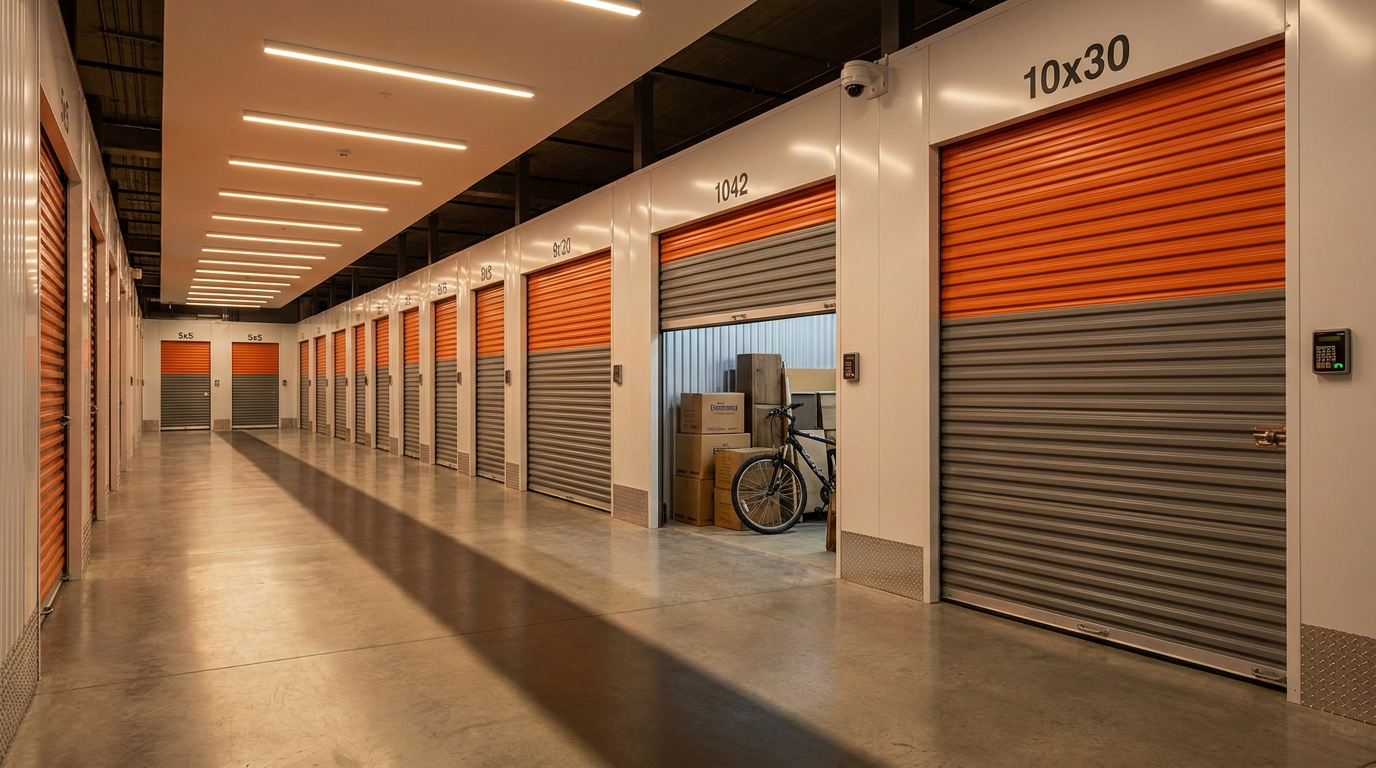
The 10x30 unit delivers 300 square feet, accommodating a four to five bedroom house or serving as vehicle storage for boats, RVs, and trailers. Facilities like Elk Mountain Storage offer even larger options, with drive-up units reaching 19x35 feet for oversized recreational vehicles common in mountain communities.
| Unit Size | Square Feet | Comparable To | Best For |
|---|---|---|---|
| 5x5 | 25 sq ft | Hall closet | Boxes, seasonal items, small furniture |
| 5x10 | 50 sq ft | Walk-in closet | Studio apartment, mattress set, 20-30 boxes |
| 5x15 | 75 sq ft | Large closet | One-bedroom apartment contents |
| 10x10 | 100 sq ft | Small bedroom | Two-bedroom apartment, business inventory |
| 10x15 | 150 sq ft | Large bedroom | Two to three bedroom home |
| 10x20 | 200 sq ft | One-car garage | Three-bedroom home, vehicle storage |
| 10x30 | 300 sq ft | Two-car garage | Large home, RV, boat, commercial use |
Are 10x10 Storage Units Actually 10x10?
Advertised storage unit dimensions represent nominal measurements, not exact interior space. Most 10x10 units measure between 9 feet 6 inches and 9 feet 10 inches on each interior wall. This variance occurs because measurements typically reflect the exterior frame before drywall, insulation, or metal panel installation.
The Self Storage Association notes that interior dimensions commonly fall 3 to 6 inches short of advertised sizes. A nominal 10x10 unit provides approximately 95 to 98 square feet of actual floor space rather than the full 100 square feet. This difference rarely impacts storage capacity significantly but matters when fitting specific furniture pieces.
Ceiling height varies more dramatically between facilities. Standard units offer 8-foot ceilings, while warehouse-style facilities may provide 10 to 12 feet of vertical space. Higher ceilings allow stacking, effectively increasing usable cubic footage by 25% to 50% compared to standard-height units.
How Big Is a 10x10 Storage Unit?
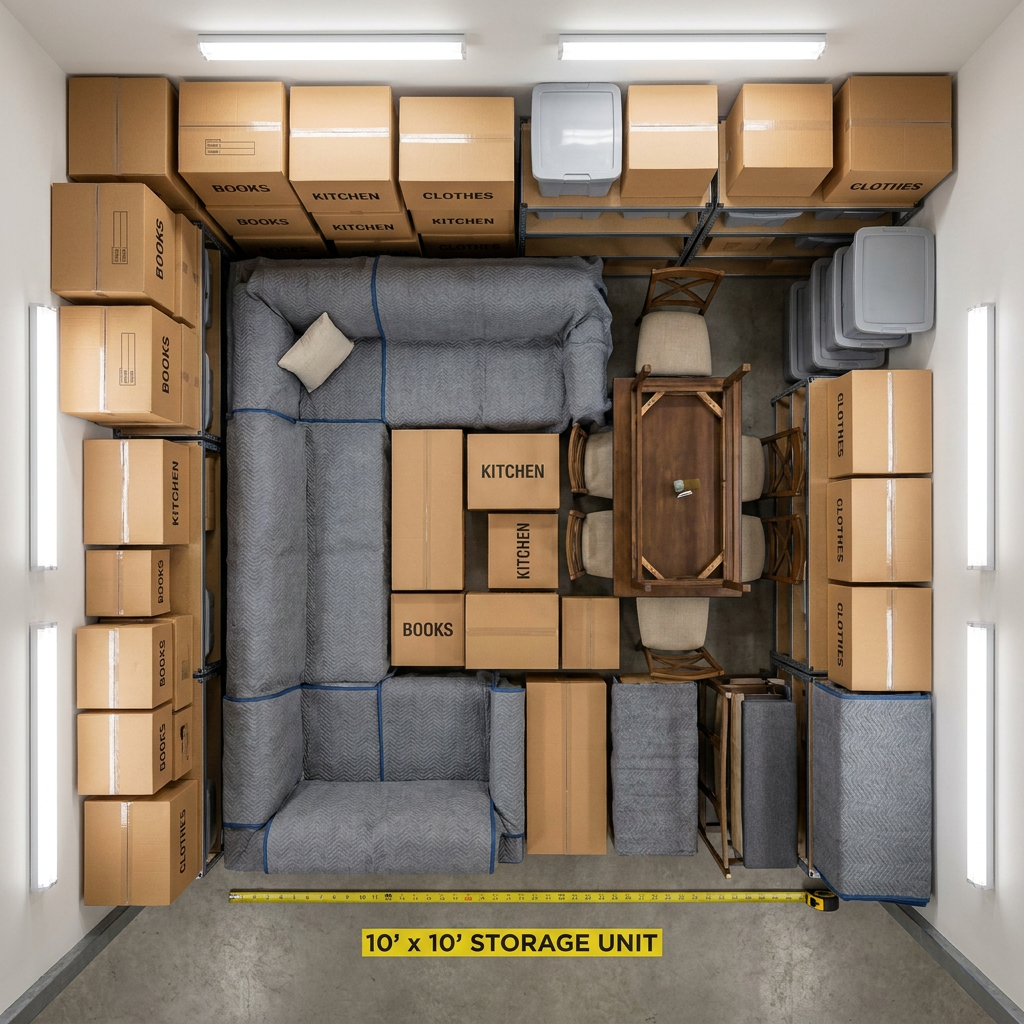
A 10x10 storage unit provides 100 square feet of floor space with 800 to 1,200 cubic feet of total volume depending on ceiling height. This equals the size of a standard bedroom or half of a typical one-car garage. The dimensions allow comfortable movement while loading and organizing contents.
In practical terms, a 10x10 unit holds the furnishings from a one to two bedroom apartment. This includes a queen-size bed frame and mattress, a dresser, a small dining table with chairs, a sofa, and 40 to 50 medium moving boxes. Business owners commonly use this size for 100 to 150 file boxes or moderate retail inventory.
The 10x10 size works particularly well for homeowners between residences, seasonal residents storing furniture during off-months, and families needing overflow storage during renovations. According to U-Haul's storage guide, this size represents the most versatile option for typical household storage needs.
How Much Will a 20x20 Storage Unit Hold?
A 20x20 storage unit provides 400 square feet of floor space, equivalent to a standard two-car garage. This size accommodates the complete contents of a four to five bedroom home, including all furniture, appliances, and 100 or more moving boxes. With standard 8-foot ceilings, total volume reaches 3,200 cubic feet.
Not all storage facilities offer 20x20 units as a single space. Many facilities combine two 10x20 units or offer alternative configurations like 15x25 or 10x40 to achieve similar square footage. When comparing options, focus on total square footage rather than specific dimensions.
This size serves commercial tenants storing large equipment, contractors with extensive tool and material inventories, and families consolidating multiple households. Vehicle collectors use 20x20 units for two standard automobiles with room for additional items along the walls.
What Can Fit in a 20x20 Storage Unit?
A 20x20 storage unit accommodates substantial household or commercial contents. Typical capacity includes a complete living room set with multiple sofas, a full dining room suite, bedroom furniture for four to five rooms, all kitchen appliances, and extensive box storage.
Specific items that fit in 400 square feet include: two king-size bedroom sets, a sectional sofa, two additional sofas or loveseats, a dining table with eight chairs, a china cabinet, four dressers, multiple bookshelves, a washer and dryer, a refrigerator, and 100 to 150 standard moving boxes. Vertical stacking significantly increases capacity.
For vehicle storage, a 20x20 unit fits two standard sedans, one full-size pickup truck with additional items, or one large SUV plus furniture and boxes. Boat owners use this size for vessels up to 18 feet with trailers, leaving room for marine accessories and seasonal equipment.
Storage Unit Size Chart by Room Count
Matching storage unit size to your home size provides a reliable starting estimate. The following recommendations assume standard furniture quantities and moderate box counts. Homes with extensive collections, oversized furniture, or commercial equipment require larger units.
| Home Size | Recommended Unit | Square Feet | Avg Monthly Cost |
|---|---|---|---|
| Studio apartment | 5x10 | 50 sq ft | $65 to $95 |
| 1 bedroom apartment | 5x15 or 10x10 | 75 to 100 sq ft | $85 to $130 |
| 2 bedroom apartment | 10x10 or 10x15 | 100 to 150 sq ft | $110 to $175 |
| 3 bedroom home | 10x15 or 10x20 | 150 to 200 sq ft | $150 to $250 |
| 4 bedroom home | 10x20 or 10x25 | 200 to 250 sq ft | $200 to $325 |
| 5+ bedroom home | 10x30 or larger | 300+ sq ft | $275 to $400+ |
Vehicle Storage Size Requirements
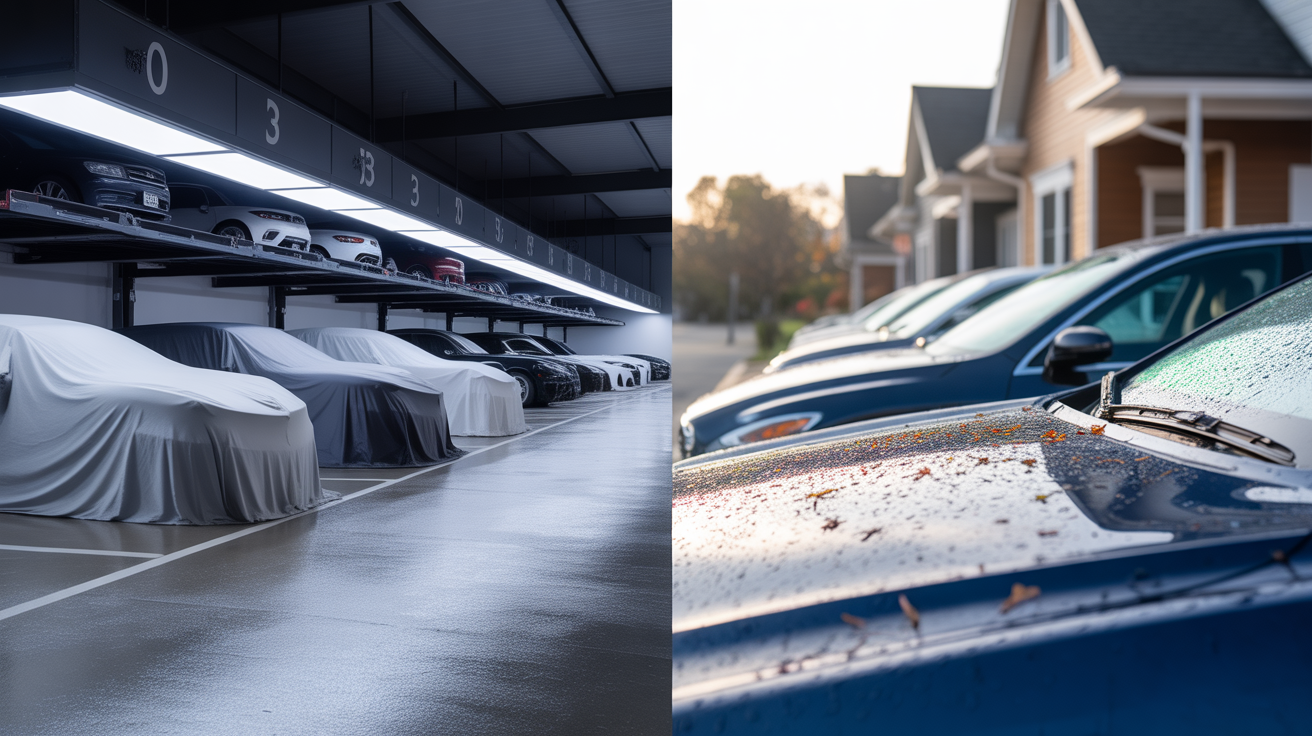
Storing vehicles requires careful size matching to avoid damage during entry and exit. Standard sedans and compact SUVs fit in 10x20 units with minimal clearance. Full-size trucks, vans, and larger SUVs need 10x25 or 10x30 units for comfortable access and door opening space.
Recreational vehicles demand the largest storage options. Class C motorhomes typically require 12x30 to 12x40 spaces, while Class A motorhomes need 12x45 or larger. Travel trailers range from 10x25 for small models to 12x35 for fifth wheels. Boat storage depends on vessel length plus trailer, with most requiring 10x25 to 12x30 spaces.
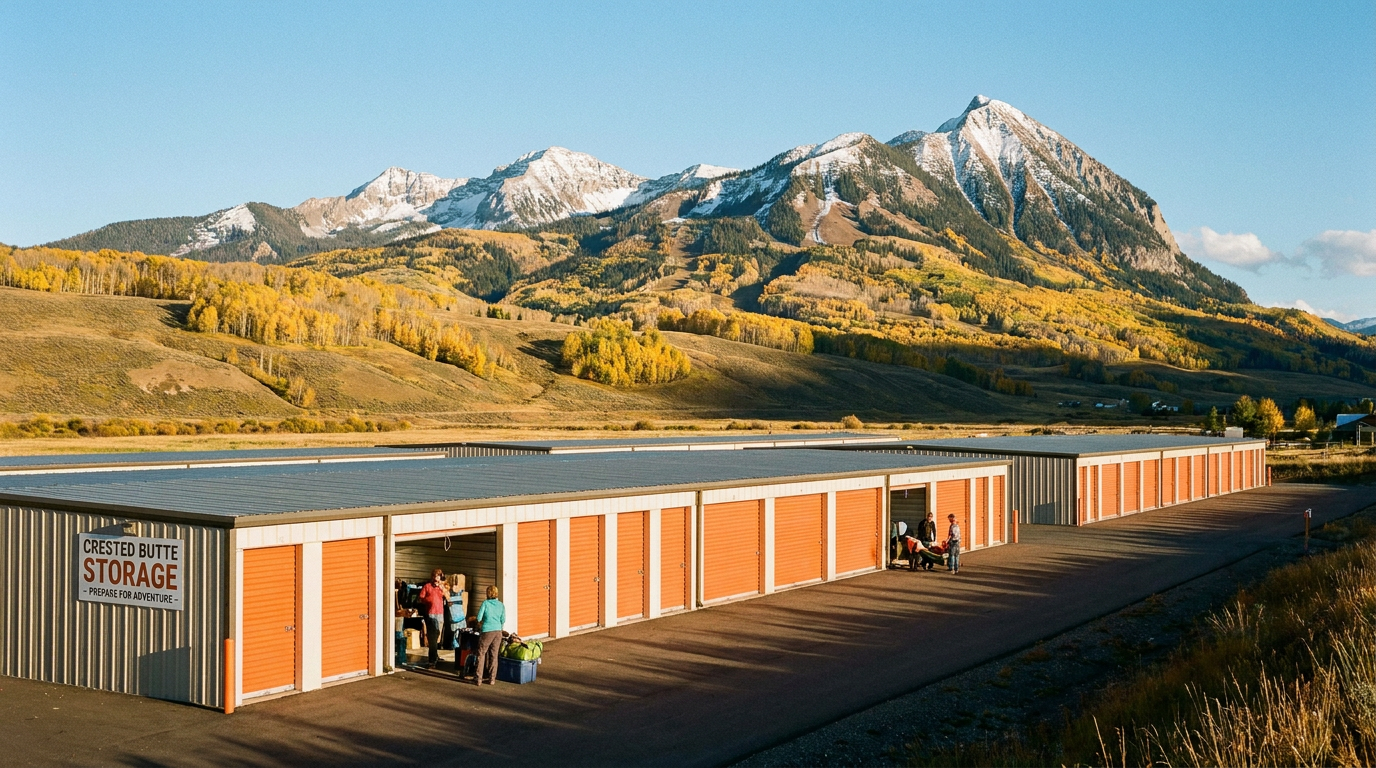
Mountain communities like Crested Butte see high demand for oversized vehicle storage. Elk Mountain Storage addresses this with units up to 19x35 feet and dedicated open-air parking spots at 20x15 feet for RVs, boats, and recreational equipment. Drive-up access with year-round snow removal ensures accessibility during Colorado winters.
5x10 vs 10x5 Storage Unit: Understanding Orientation
A 5x10 and 10x5 storage unit contain identical square footage at 50 square feet. The difference lies in door placement and interior layout. A 5x10 unit features a 5-foot-wide door with 10 feet of depth, while a 10x5 unit has a 10-foot-wide door with 5 feet of depth.
The 10x5 configuration with its wider door opening makes loading furniture significantly easier. Sofas, mattresses, and large items enter without angling or maneuvering. However, the shallow 5-foot depth limits stacking options and may feel cramped for organizing multiple item categories.
The 5x10 layout provides better depth for creating organized rows and accessing items stored in the back. Most facilities offer the 5x10 configuration as standard. When given a choice, select based on your largest items: wide furniture benefits from 10x5, while boxes and smaller items work better in 5x10 layouts.
How to Calculate Your Storage Needs
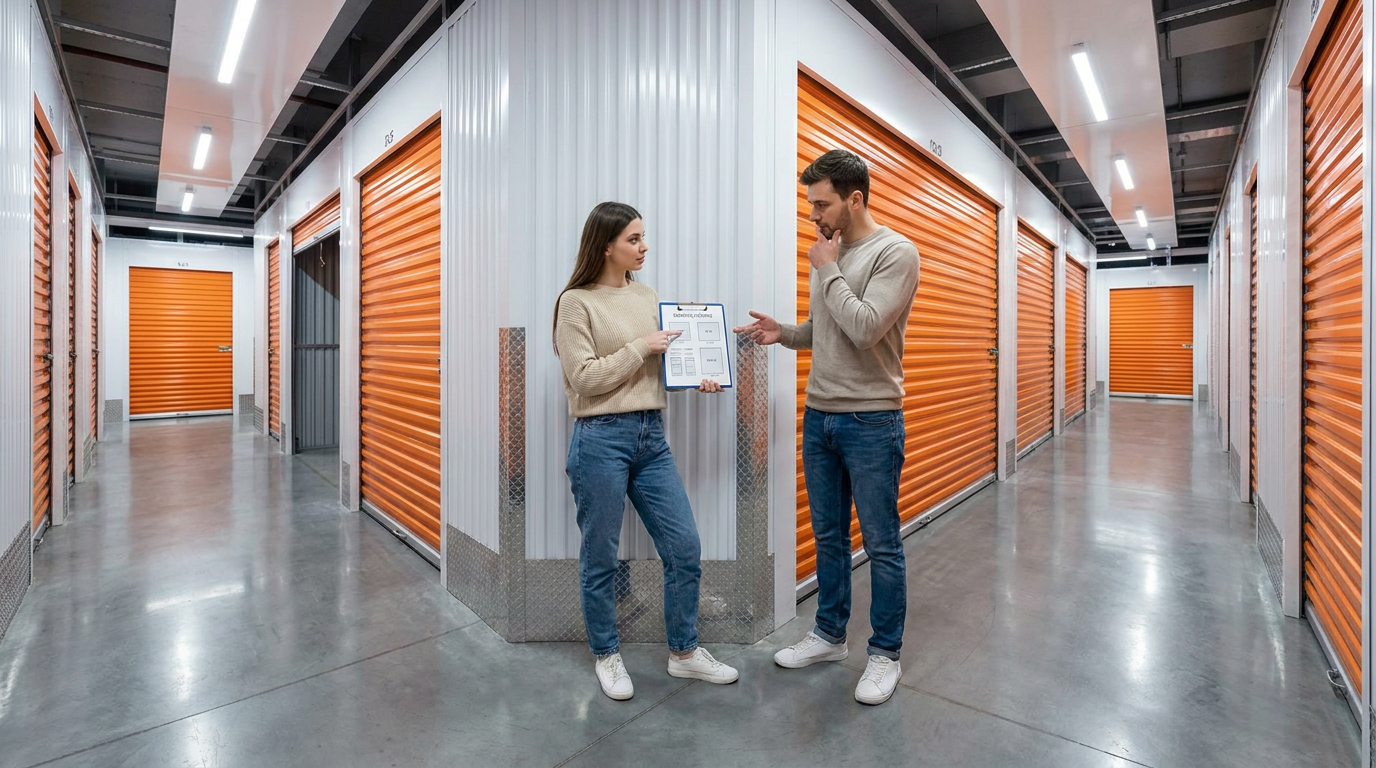
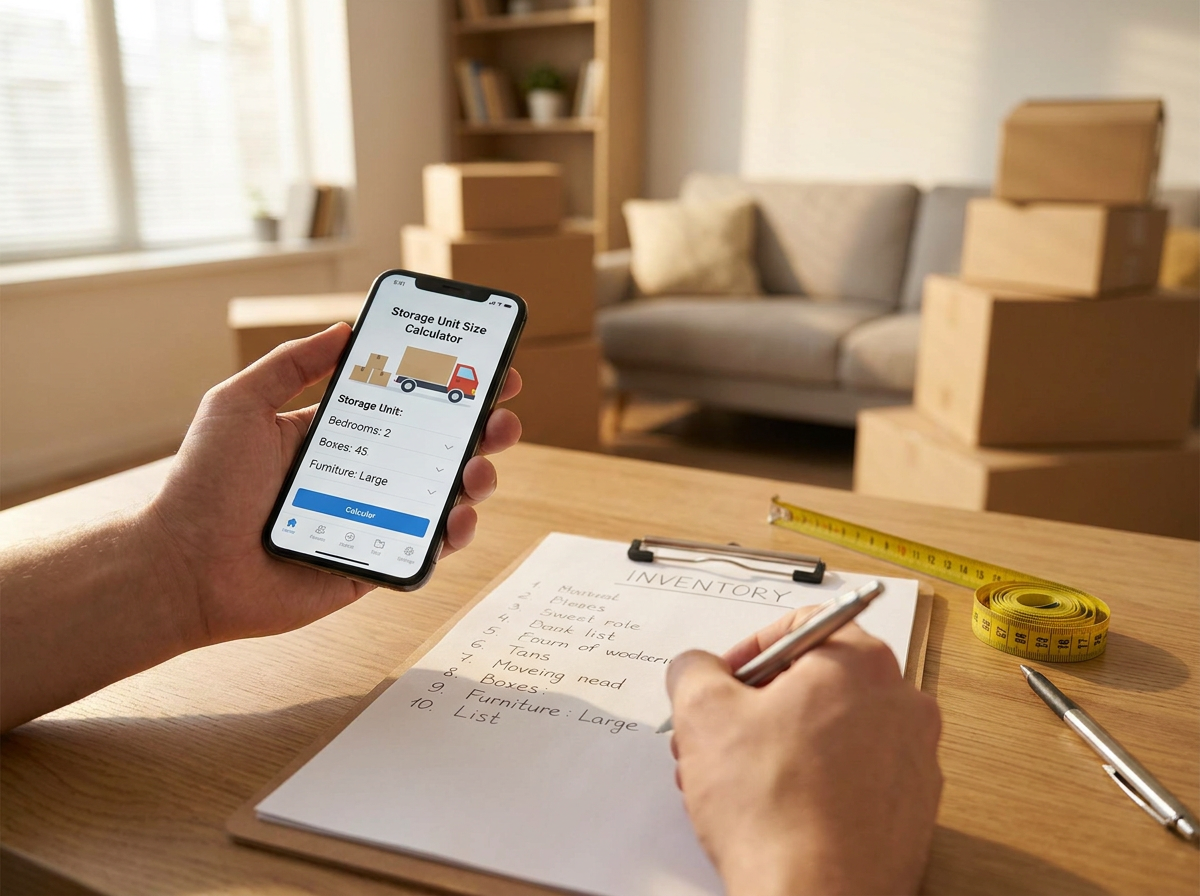
Accurate size estimation prevents both overpaying for unused space and struggling with an undersized unit. Start by inventorying major furniture pieces, then estimate box counts based on room contents. Add 10% to 15% buffer space for comfortable access and future additions.
Step 1: List Large Items
Document all furniture pieces with approximate dimensions. Standard items occupy predictable space: a queen bed with frame uses 35 square feet, a three-seat sofa requires 25 square feet, and a dining table with four chairs needs 20 square feet. Refrigerators, washers, and dryers each require 10 to 15 square feet.
Step 2: Estimate Box Quantities
Average households generate 10 to 15 medium boxes per room. A two-bedroom apartment typically produces 30 to 50 boxes, while a three-bedroom home generates 50 to 80 boxes. Each standard moving box (18x18x16 inches) occupies approximately 3 cubic feet when stacked.
Step 3: Account for Vertical Space
Efficient stacking doubles or triples effective capacity. Plan to stack boxes three to four high, place lighter items on shelving units, and utilize vertical space above furniture. A 10x10 unit with 8-foot ceilings provides 800 cubic feet, but poor organization may only utilize 400 cubic feet.
Step 4: Add Buffer Space
Reserve 15% to 20% of unit space for aisles and access. This allows retrieving items without complete reorganization. For long-term storage exceeding six months, wider aisles prevent damage when accessing seasonal items. Our guide on storing holiday decorations by season explains rotation-friendly organization strategies.
Storage Unit Pricing by Size
Storage costs vary significantly by location, unit features, and market demand. Urban areas and resort communities command premium rates, while rural locations offer lower prices. Climate-controlled units cost 25% to 50% more than standard units. Learn more about regional pricing in our 2026 self-storage cost guide.
National average monthly rates in 2026 range from $60 for 5x5 units to $300 for 10x30 units. The popular 10x10 size averages $90 to $120 monthly nationwide. First-month promotional discounts of 50% remain common across major operators including Public Storage, Extra Space Storage, CubeSmart, and U-Haul.
Mountain resort communities typically exceed national averages by 20% to 40% due to limited real estate and seasonal demand spikes. However, local facilities often provide better value than driving to distant urban centers when factoring in fuel costs and time for repeated access trips.
Choosing Between Drive-Up and Interior Units
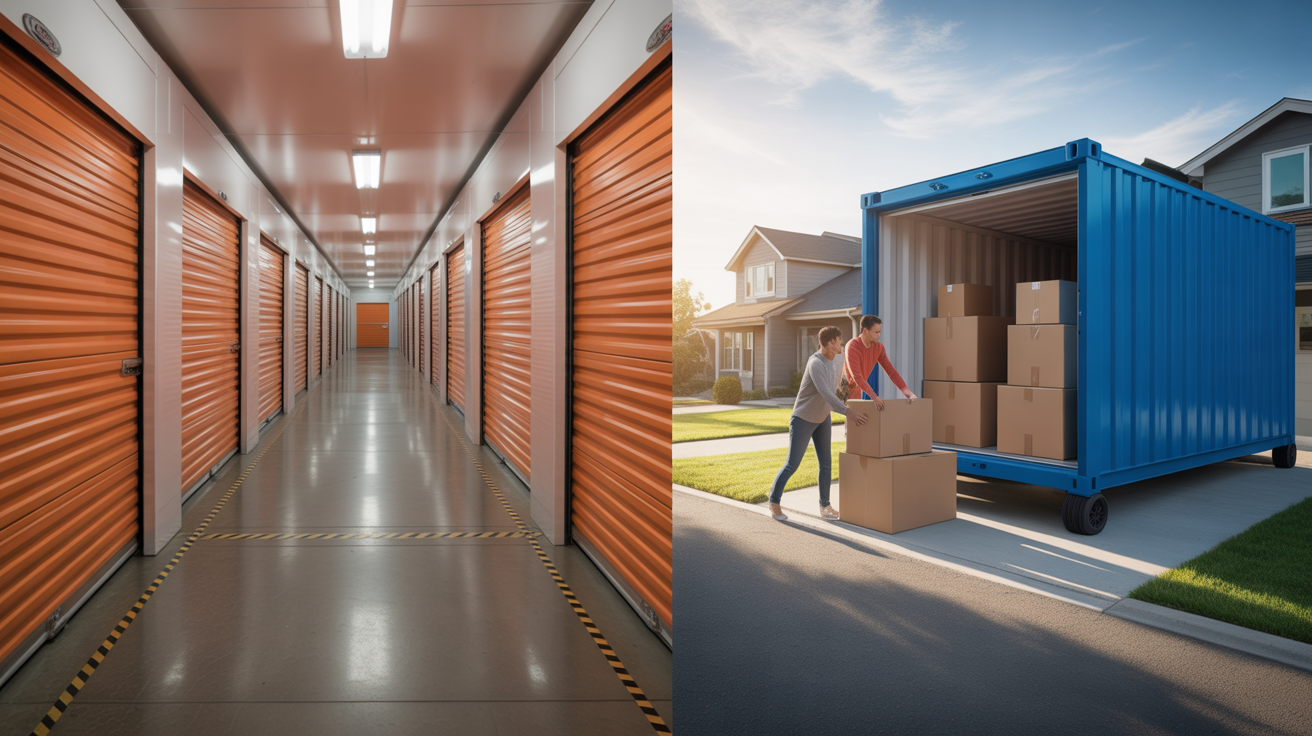
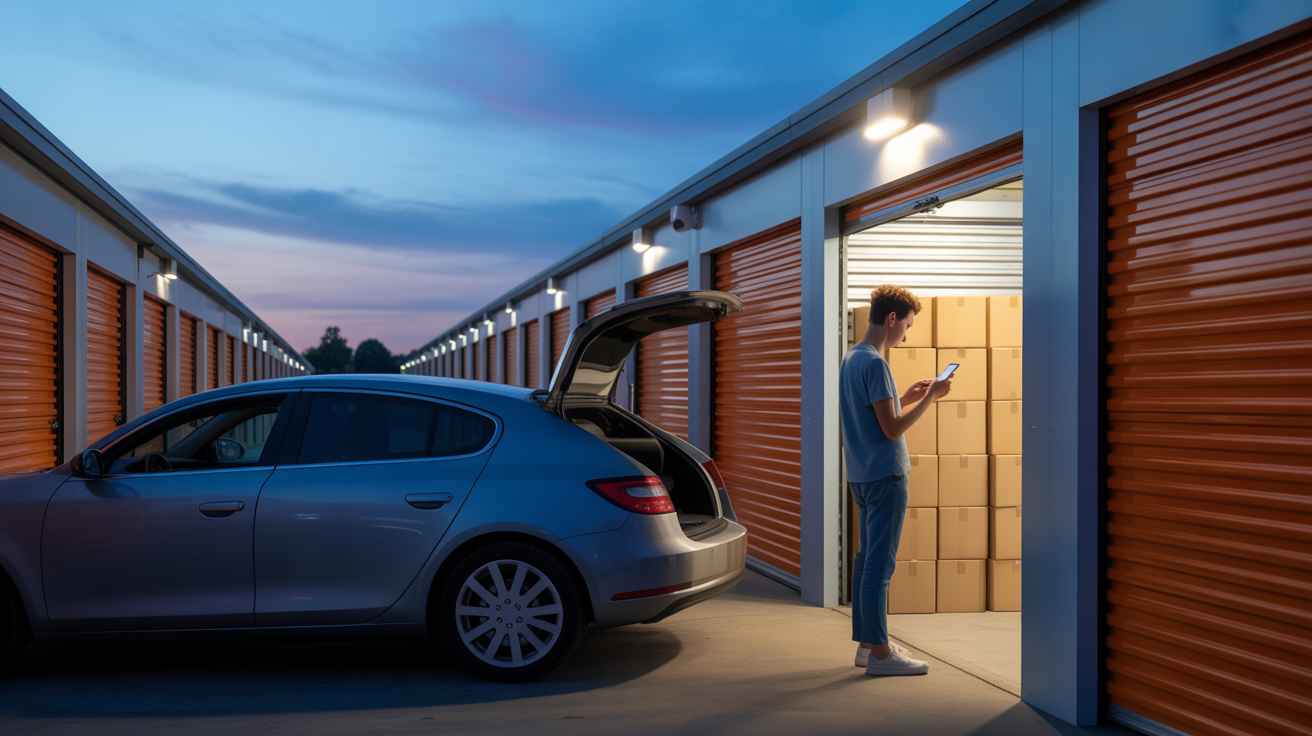
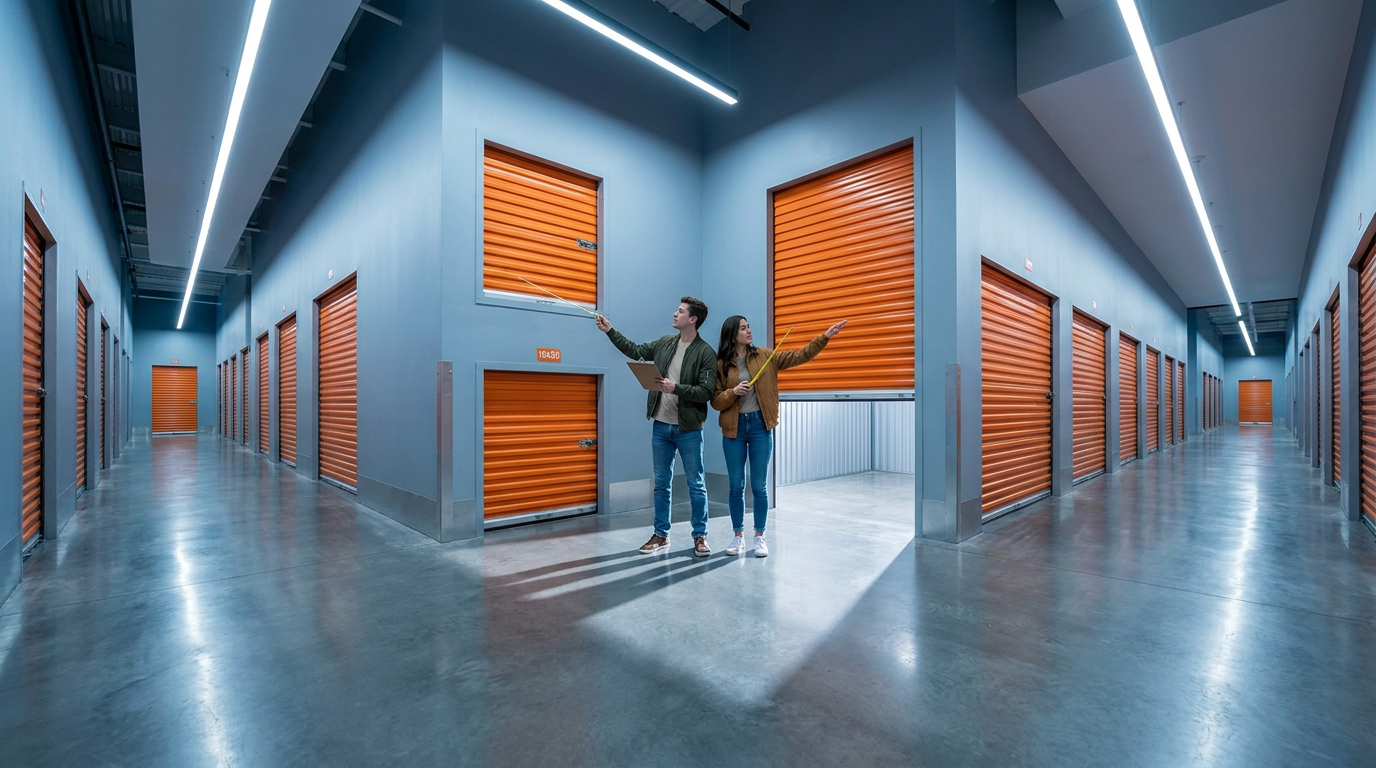
Unit access type impacts both convenience and pricing. Drive-up units allow vehicle parking directly at the unit door, simplifying loading of heavy items. Interior units require navigating hallways and elevators but often provide better protection from temperature extremes and dust.
Drive-up units work best for frequently accessed items, heavy furniture, and vehicle-related equipment. The direct access eliminates cart trips through facilities and reduces loading time by 50% to 70% compared to interior units. Facilities in snowy climates should offer snow removal services for year-round accessibility.
Interior units suit long-term storage of temperature-sensitive items, documents, and valuables. The enclosed building environment provides additional security layers and protection from outdoor elements. Many interior facilities offer climate control, maintaining temperatures between 55 and 80 degrees Fahrenheit.
Special Storage Considerations for Mountain Communities
High-altitude and mountain resort areas present unique storage challenges. Temperature swings from below zero to above 80 degrees Fahrenheit stress stored items. Humidity fluctuations cause wood furniture expansion and contraction. Pest pressure increases during shoulder seasons as rodents seek shelter.
Facilities serving mountain communities should provide monthly pest control, LED lighting for visibility during short winter days, and reliable access despite weather conditions. Gunnison Valley residents benefit from choosing facilities with proven winter accessibility rather than saving marginally on distant options that become inaccessible during storms.
Seasonal residents and second-home owners represent a significant storage demographic in resort communities. These customers need reliable long-term storage for ski equipment, summer recreation gear, and furniture during rental periods. Month-to-month flexibility without long-term contracts accommodates unpredictable seasonal schedules.
Business Storage Size Requirements
Commercial tenants have distinct storage needs from residential customers. Contractors require drive-up access for tool and equipment loading. Retailers need organized inventory space with room for receiving and staging. Property managers store furniture, appliances, and maintenance supplies between tenant turnovers.
Small businesses typically start with 10x10 units for document storage and light inventory. Growing operations expand to 10x20 or 10x30 units for equipment, seasonal merchandise, and archived records. Explore business storage solutions designed for contractors, retailers, and property managers in the Crested Butte area.
Commercial storage often requires 24/7 access for early morning job site departures or late inventory deliveries. Security features including digital video surveillance and individual unit alarms protect valuable business assets. Online account management enables invoice tracking and payment processing without facility visits.
Protecting Stored Items: Insurance Considerations
Storage facility rental agreements typically exclude coverage for stored items. Renters must arrange separate protection through homeowners or renters insurance extensions, dedicated storage insurance policies, or facility-offered tenant protection plans.
Standard homeowners insurance often covers stored items at 10% of dwelling coverage, but policies vary significantly. Review your existing coverage before assuming protection extends to off-site storage. Our complete storage insurance guide explains coverage options and common policy gaps.
Tenant protection plans offered by storage facilities provide convenient coverage starting at $10 to $20 monthly. These plans typically cover theft, fire, water damage, and vandalism with coverage limits from $2,000 to $10,000. Higher-value items may require supplemental coverage or specialized policies.
Frequently Asked Questions
What size storage unit do I need for a one-bedroom apartment?
A one-bedroom apartment typically requires a 5x15 or 10x10 storage unit, providing 75 to 100 square feet. This accommodates a queen bed, dresser, small sofa, dining set, and 30 to 50 boxes. Apartments with minimal furniture may fit in a 5x10 unit at 50 square feet.
How do I know if my furniture will fit in a storage unit?
Measure your largest furniture pieces and compare to unit dimensions. A standard sofa measures 7 to 8 feet long, requiring units at least 8 feet deep. King beds need 6.5 feet of width. Create a floor plan sketch or use facility-provided calculators to visualize placement before committing.
Can I store a car in a 10x20 storage unit?
Yes, a 10x20 storage unit accommodates most sedans, coupes, and compact SUVs. Standard parking spaces measure 9x18 feet, so a 10x20 unit provides adequate clearance for door opening and walking space. Full-size trucks and larger vehicles need 10x25 or 10x30 units.
What is the most common storage unit size?
The 10x10 storage unit is the most frequently rented size, representing approximately 35% of all storage rentals according to industry data. This size balances capacity and cost effectively, accommodating one to two bedrooms of furniture while remaining affordable at $90 to $130 monthly in most markets.
Should I get a bigger storage unit than I think I need?
Sizing up by one increment often proves worthwhile. The cost difference between a 5x10 and 10x10 unit averages $30 to $50 monthly, while the additional space prevents cramming, allows access aisles, and accommodates items you may have underestimated. Overpaying slightly beats renting a second unit.
|