Storage Units Near Me and Prices: 2026 Cost Guide by Size |
| STORAGE UNITS NEAR ME AND PRICES
⏱ 12 min read ·
📄 #2,342 words
Storage units cost $30 to $485 per month depending on size and location. Compare 5x5 to 10x30 unit prices, find cheap alternatives, and learn what fits.
|
S torage unit prices range from $30 for a small 5x5 unit to over $485 per month for large 10x30 drive-up spaces. The national average for a standard 10x10 unit is $130 to $180 monthly, though prices vary significantly by location, with mountain resort towns and major metro areas commanding premium rates.
| Key Points: | |
|---|---|
| • | 5x5 units start at $30 to $60 monthly; 10x20 units average $180 to $300 |
| • | Climate-controlled storage adds 25% to 50% to base prices |
| • | First-month promotions (50% off or $1 first month) are common at major chains |
| • | Location is the biggest price factor: rural areas cost 40% less than urban centers |
| • | Month-to-month leases offer flexibility but may cost 10% to 15% more than annual contracts |
How Much Does a Storage Unit Cost Per Month in 2026?
According to Move.org's 2025 storage cost analysis, the average storage unit costs $180 per month, with prices ranging from $70 to $300 depending on unit size and features. Small 5x5 units suitable for boxes and seasonal items typically cost $50 to $75 monthly. Mid-size 10x10 units that hold a one-bedroom apartment's contents average $130 to $180.
Large 10x20 units capable of storing a three-bedroom home's furniture range from $180 to $300 monthly. Extra-large 10x30 units designed for vehicles or commercial inventory can exceed $400 per month in high-demand markets.
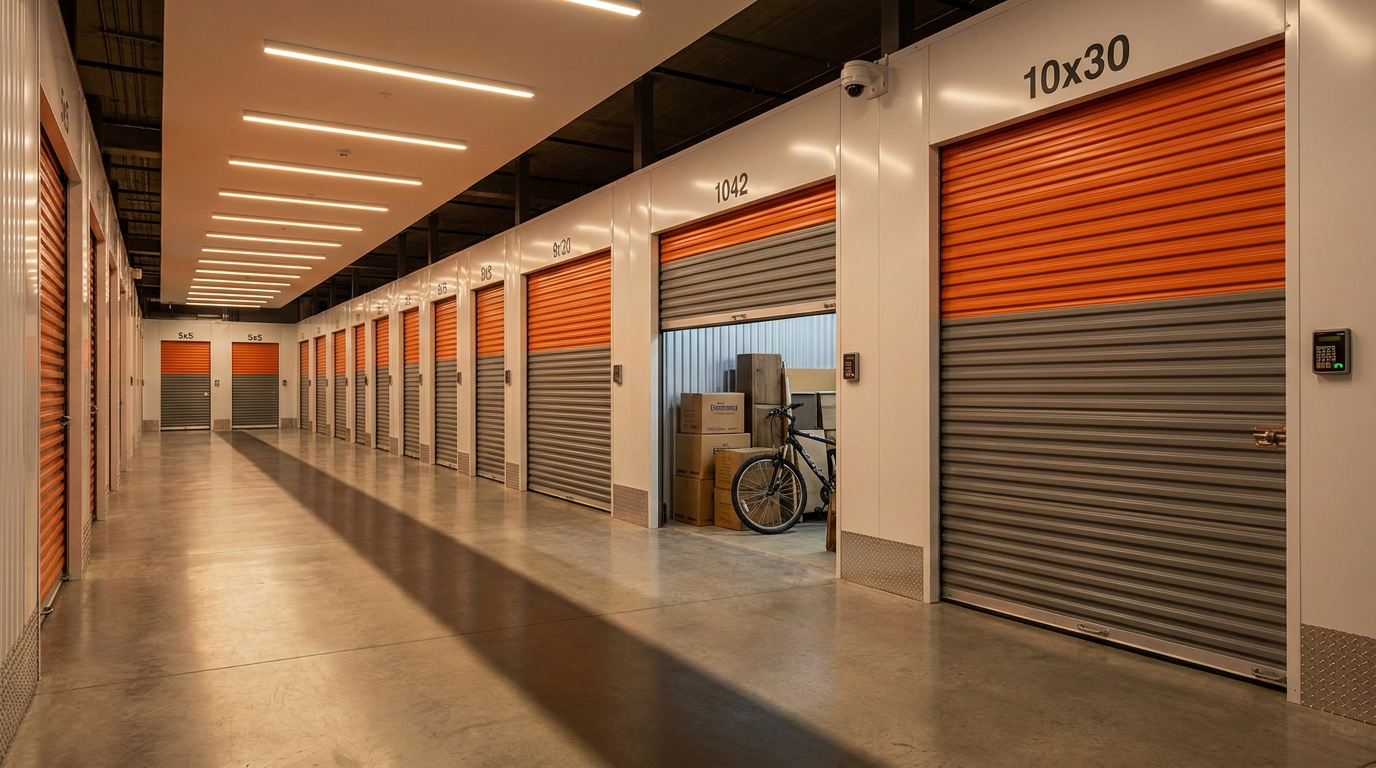
| Unit Size | Square Feet | National Average | Best For |
|---|---|---|---|
| 5x5 | 25 sq ft | $50 to $75 | Boxes, seasonal decor, small items |
| 5x10 | 50 sq ft | $75 to $125 | Small furniture, mattress, bikes |
| 10x10 | 100 sq ft | $130 to $180 | 1-bedroom apartment contents |
| 10x20 | 200 sq ft | $180 to $300 | 3-bedroom home, vehicle storage |
| 10x30 | 300 sq ft | $250 to $485 | Large vehicles, RVs, commercial use |
Storage Unit Prices by Location: Why Geography Matters Most
Your ZIP code determines storage costs more than any other factor. According to Public Storage's pricing guide, urban areas like San Francisco, New York City, and Los Angeles charge 50% to 100% more than rural regions. A 10x10 unit in Manhattan averages $300 monthly, while the same size in rural Texas costs $80 to $100.
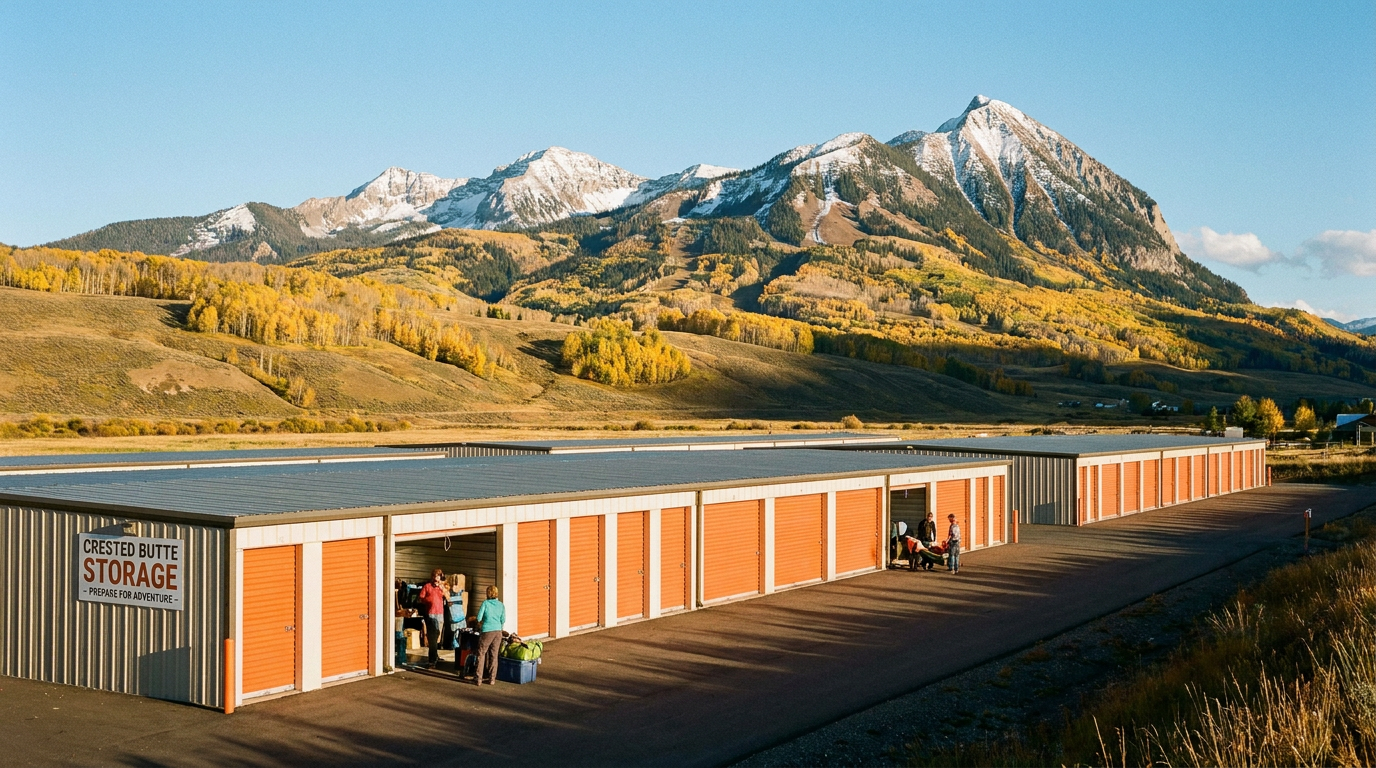
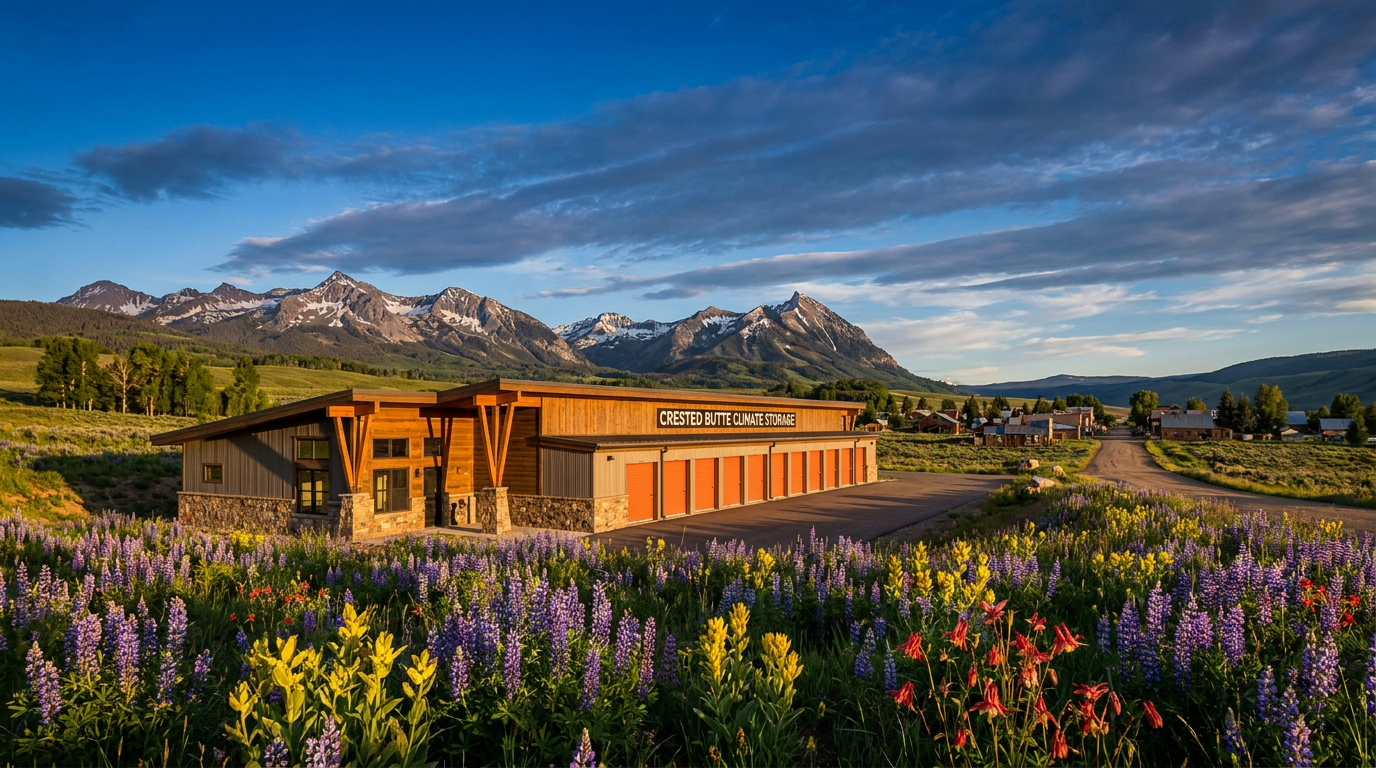
Mountain resort communities present unique pricing dynamics. In areas like Crested Butte, Colorado, limited real estate and seasonal demand create pricing that falls between major metros and rural areas. Storage facilities in ski towns often see peak demand during shoulder seasons when residents transition between winter and summer gear.
Regional price variations reflect local real estate costs, population density, and competition. The Self Storage Association reports that markets with fewer than three facilities within a 5-mile radius charge 20% to 35% more than competitive markets.
Price Comparison: Major Markets vs. Mountain Towns
| Location Type | 5x10 Unit | 10x10 Unit | 10x20 Unit |
|---|---|---|---|
| Major Metro (NYC, LA, SF) | $150 to $200 | $250 to $350 | $350 to $500 |
| Mountain Resort Towns | $175 to $245 | $200 to $275 | $350 to $450 |
| Suburban Areas | $75 to $125 | $125 to $175 | $175 to $275 |
| Rural Areas | $50 to $80 | $80 to $120 | $120 to $200 |
Where Is the Cheapest Place to Get a Storage Unit?
The cheapest storage units are found in rural areas of the Midwest and South, where 10x10 units average $75 to $100 monthly. States like Oklahoma, Arkansas, Kansas, and Nebraska consistently rank as the most affordable for self-storage. Cities with high facility density, like Houston and Phoenix, also offer competitive rates due to market saturation.
National chains like Extra Space Storage, Public Storage, and U-Haul frequently offer promotional pricing as low as $1 for the first month. These deals make the initial cost minimal, though standard rates apply after the promotional period ends.
Comparison platforms like SpareFoot aggregate pricing from multiple facilities, making it easier to find the lowest rates in your area. Booking through aggregators often unlocks exclusive discounts not available when renting directly.
What Is the Cheapest Way to Get Storage?
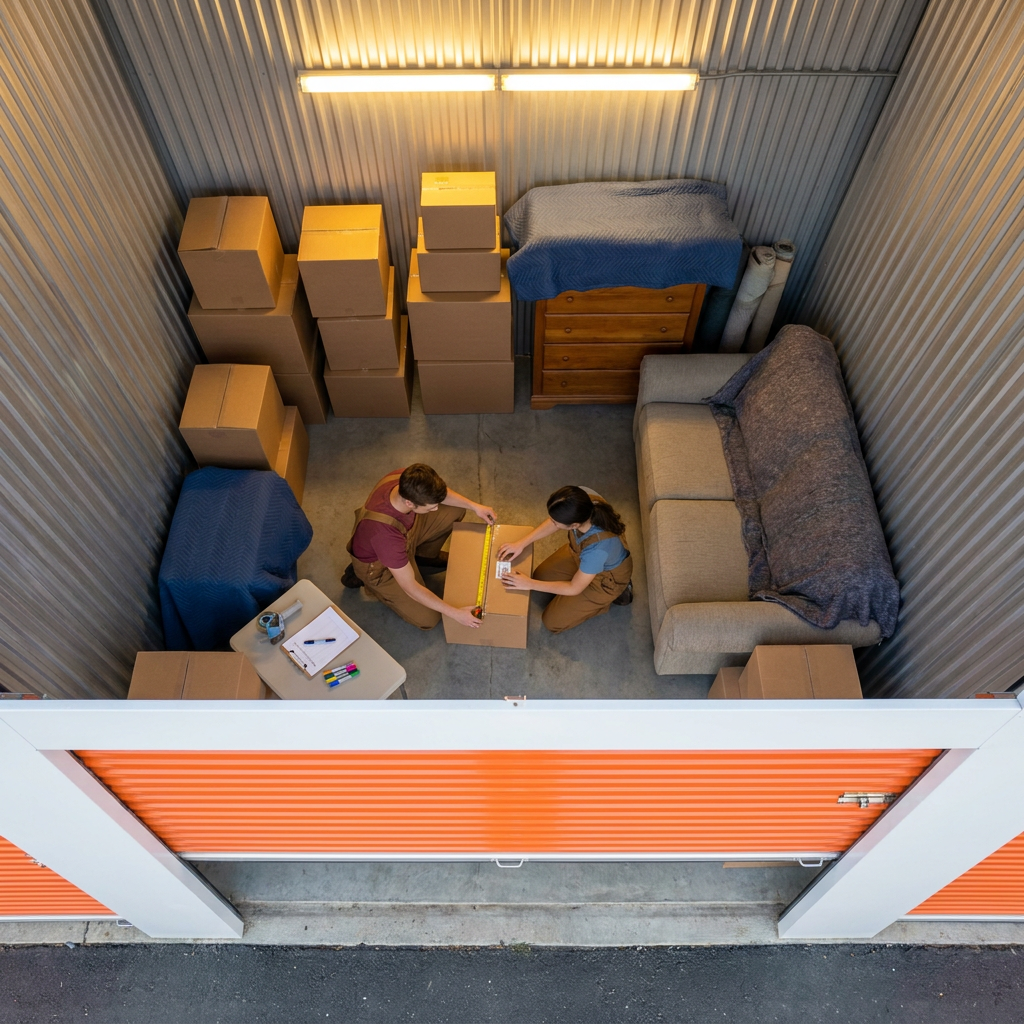
The cheapest storage method depends on what you need to store and for how long. Short-term needs under 30 days may be better served by portable storage containers delivered to your location. Long-term storage benefits from negotiating annual contracts, which typically reduce monthly rates by 10% to 15%.
Cost-Saving Strategies That Work
Book online: Most facilities offer 10% to 50% discounts for online reservations. Elk Mountain Storage, for example, provides 50% off the first month for online rentals.
Choose upper-floor units: Interior units on upper floors cost 10% to 20% less than ground-level drive-up units. If you can manage stairs, this saves $20 to $50 monthly.
Skip climate control when possible: Standard units cost 25% to 50% less than climate-controlled options. Items like outdoor furniture, tools, and holiday decorations typically do not require temperature regulation.
Rent smaller than you think: Use a storage unit size guide to avoid paying for unused space. Most people overestimate their needs by one size category.
Avoid month-to-month when possible: Committing to 6 or 12 months often reduces rates. However, facilities offering flexible month-to-month leasing without deposits provide value if your timeline is uncertain.
What Is a Cheaper Alternative to a Storage Unit?
Several alternatives cost less than traditional self-storage, though each involves trade-offs in convenience, security, or accessibility.
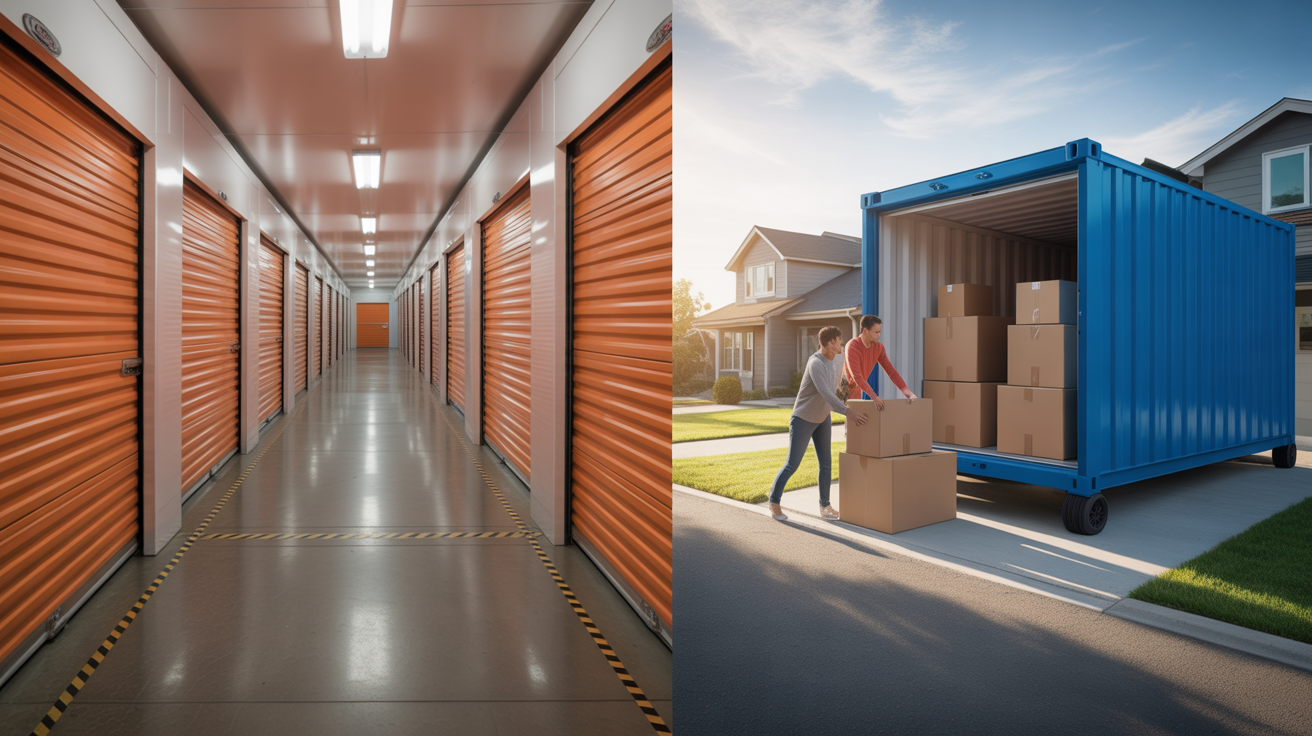
Portable storage containers: Companies like PODS, U-Pack, and 1-800-PACK-RAT deliver containers to your location. Pricing starts at $150 monthly for storage-only, making them competitive with facility-based units while eliminating transportation hassles.
Peer-to-peer storage: Platforms like Neighbor.com connect renters with homeowners who have unused garage, basement, or shed space. Rates run 30% to 50% below commercial facilities, averaging $50 to $100 for spaces equivalent to a 10x10 unit.
Shared storage: Splitting a larger unit with a friend or family member cuts costs in half. A 10x20 unit at $250 monthly becomes $125 per person when shared.
Decluttering: Selling or donating items eliminates storage costs entirely. Facebook Marketplace, Craigslist, and local consignment shops help convert unused belongings into cash rather than monthly expenses.
Alternative Storage Comparison
| Option | Monthly Cost | Pros | Cons |
|---|---|---|---|
| Traditional Self-Storage | $75 to $300 | 24/7 access, security, various sizes | Requires transportation to facility |
| Portable Containers (PODS) | $150 to $250 | Delivered to you, no driving | Limited sizes, delivery fees |
| Peer-to-Peer (Neighbor.com) | $50 to $150 | Lowest cost, local options | Variable security, limited access |
| Shared Unit | $60 to $150 | Splits cost, full facility access | Coordination required, shared space |
How Much Will a 20x20 Storage Unit Hold?
A 20x20 storage unit provides 400 square feet, equivalent to a standard one-car garage. With 8-foot ceilings, total capacity reaches 3,200 cubic feet. This size accommodates the contents of a 4 to 5-bedroom home, including large appliances, multiple furniture sets, and dozens of boxes.
Specific capacity includes approximately 8 to 10 rooms of furniture, a vehicle plus household items, or commercial inventory for a small retail operation. Businesses frequently use 20x20 units for contractor equipment, seasonal merchandise, or document archives.
Pricing for 20x20 units ranges from $250 to $450 monthly in most markets. These larger units are less common than standard sizes, so availability may be limited. Facilities in areas with high RV and boat ownership, like Colorado mountain towns, often offer comparable space in drive-up configurations optimized for vehicle storage.
10x20 Storage Unit: Size, Capacity, and Cost Breakdown
The 10x20 storage unit is the most popular size for home moves and vehicle storage. At 200 square feet with 1,600 cubic feet of capacity, it holds the contents of a 3 to 4-bedroom home or one standard vehicle with room to spare.
A 10x20 unit fits: one car, truck, or SUV; a full living room set plus bedroom furniture; 200+ medium boxes; or a combination of furniture, appliances, and boxes from a complete household.
Can a car fit in a 10x20 storage unit? Yes. Most sedans, SUVs, and pickup trucks fit comfortably with 2 to 4 feet of clearance on each side. Standard vehicles measure 15 to 17 feet long and 6 to 7 feet wide, leaving ample room in a 10x20 space.
The average 10x20 storage unit costs$180 to $300 monthly, with drive-up access units commanding premium pricing due to loading convenience. In Crested Butte, 10x20 drive-up units with vehicle storage capability run approximately $417 per month.
Climate-Controlled Storage: When You Need It and What It Costs
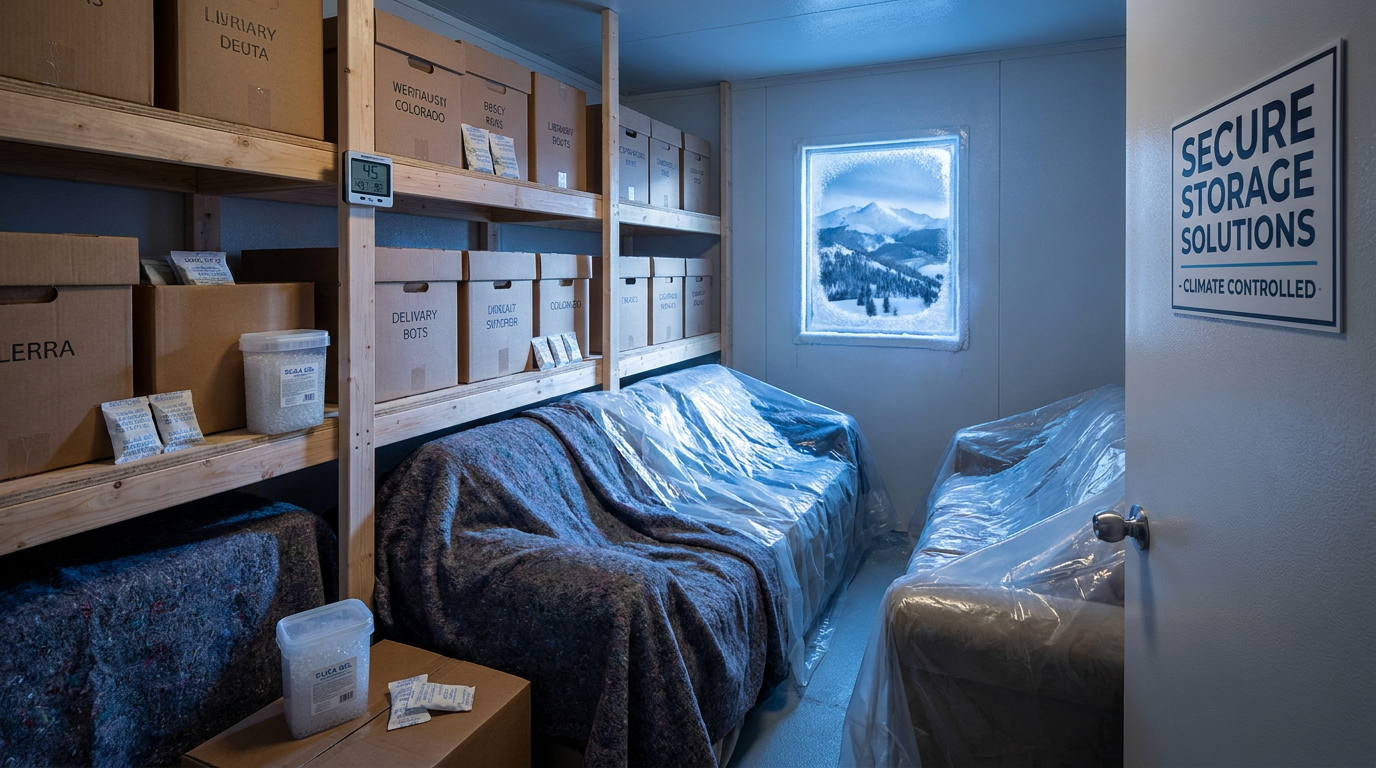
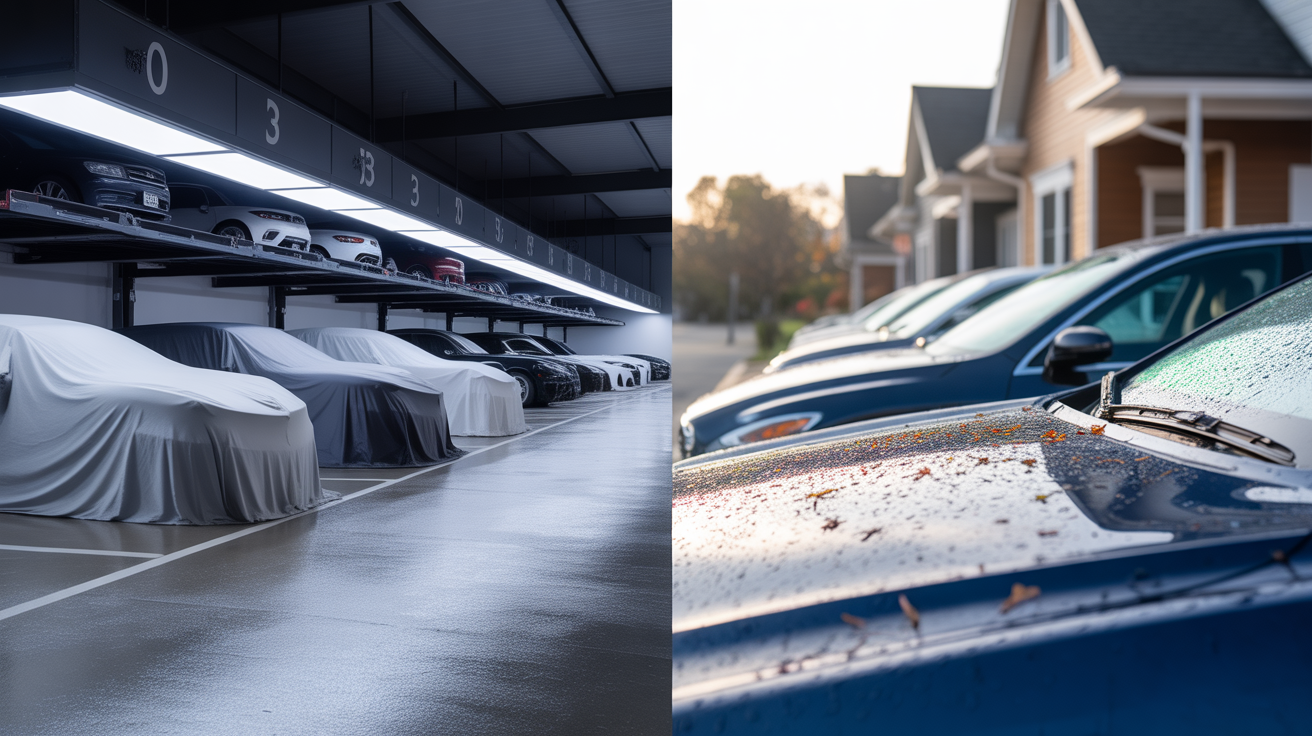
Climate-controlled storage maintains temperatures between 55 and 80 degrees Fahrenheit year-round, protecting sensitive items from extreme heat, cold, and humidity. This feature adds 25% to 50% to standard unit pricing, translating to $30 to $100 extra monthly depending on unit size.
Items That Require Climate Control
Electronics, wooden furniture, musical instruments, artwork, wine, photographs, leather goods, and important documents all benefit from temperature regulation. These items can warp, crack, fade, or develop mold when exposed to temperature swings exceeding 20 degrees.
Climate control becomes essential in regions with extreme seasonal variation. Colorado mountain communities experience winter lows below 0 degrees Fahrenheit and summer highs above 85 degrees. Standard units in these areas expose contents to 80+ degree temperature swings annually.
Items That Do Not Require Climate Control
Outdoor furniture, tools, holiday decorations (excluding candles), sporting equipment, and vehicles typically tolerate temperature fluctuation without damage. Storing these items in standard units saves significant money over time.
For guidance on protecting seasonal items, review our holiday decoration storage guide, which covers organization systems that work in any unit type.
RV and Boat Storage: Specialized Pricing and Requirements
RV and boat storage costs $100 to $450 monthly depending on whether you choose open parking, covered parking, or enclosed units. Open-air paved parking spots start around $100 to $150 monthly, while enclosed units large enough for a 30-foot RV can exceed $400.
Size requirements vary by vehicle type. A standard boat trailer needs 10x25 feet minimum. Travel trailers and small RVs fit in 10x30 spaces. Large Class A motorhomes require units up to 15x40 feet, which are available at limited facilities.
Mountain communities like Crested Butte offer particular value for recreational vehicle storage. Storing your RV or boat where you use it eliminates long drives before and after trips. Elk Mountain Storage provides drive-up vehicle storage units up to 19x35 feet with 24/7 access, keeping your recreational vehicles close to mountain trails and waterways.
Business Storage Solutions and Commercial Pricing
Businesses use self-storage for inventory overflow, equipment storage, document archives, and seasonal merchandise. Commercial storage pricing mirrors residential rates, though some facilities offer volume discounts for multiple units or long-term contracts.
Contractors and tradespeople benefit from drive-up units that allow tool and material loading directly from vehicles. A 10x15 unit accommodates most contractor needs, including ladders, power tools, and building materials, at $150 to $250 monthly.
Retailers storing seasonal inventory often rent 10x20 or larger units during peak seasons. Property managers and real estate staging companies use storage for furniture rotation between properties. Explore business storage solutions designed for commercial applications.
How to Find the Best Storage Unit Prices Near You
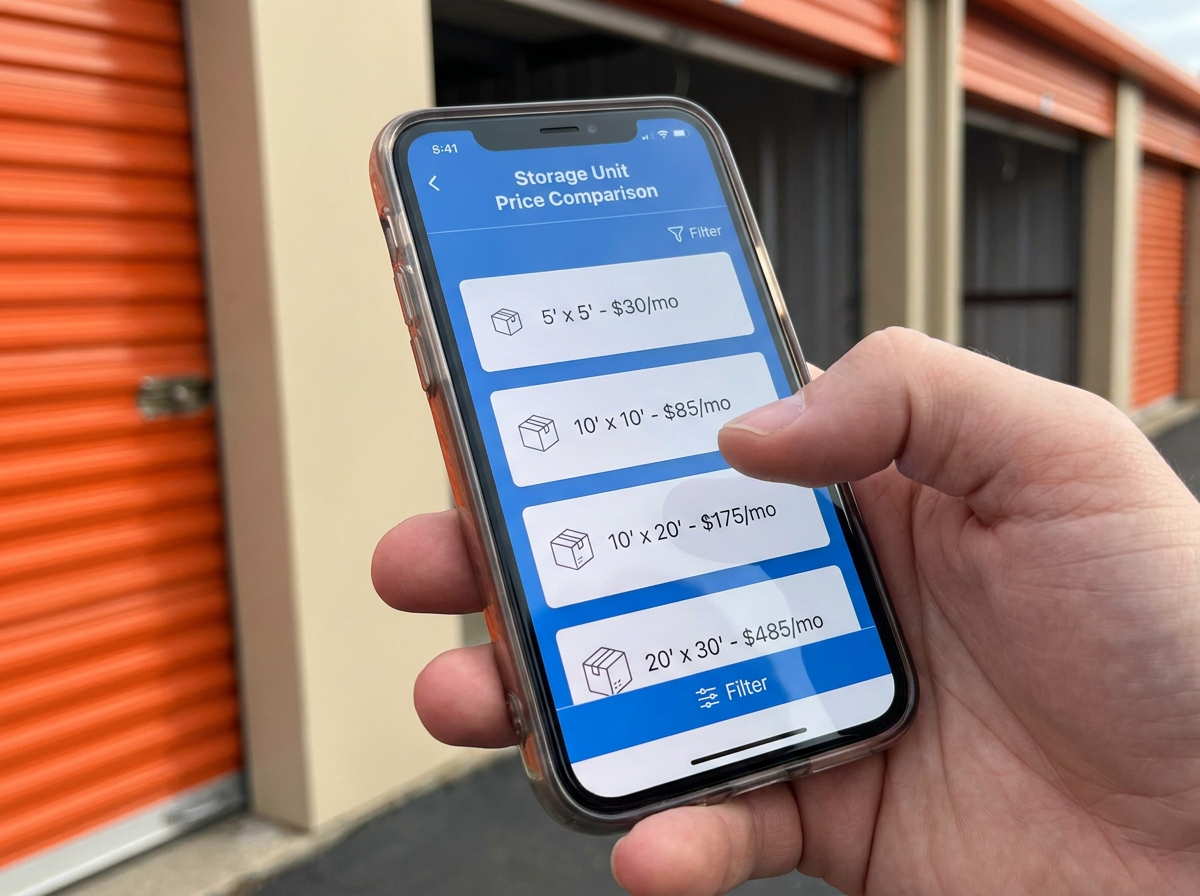
Finding competitive storage pricing requires comparing multiple facilities and understanding what drives cost differences. Follow this process to secure the best rate for your needs.
Step 1: Determine your size requirements. Measure large items and estimate box quantities. Use online calculators or facility size guides to identify the smallest unit that fits your belongings.
Step 2: Search aggregator sites. Platforms like SpareFoot, SelfStorage.com, and Storage.com display pricing from multiple facilities simultaneously. Filter by size, features, and distance to narrow options.
Step 3: Check facility websites directly. Some promotions appear only on facility websites. Compare online pricing to aggregator rates for the same units.
Step 4: Call for quotes. Phone quotes sometimes beat online pricing, especially for longer commitments. Ask about unadvertised discounts, waived fees, or price matching.
Step 5: Read the fine print. Verify what the quoted price includes. Some facilities add mandatory insurance, administrative fees, or require deposits that increase effective costs by 15% to 25%.
For answers to common storage questions, visit our storage FAQ or call (970) 316-4811.
Storage Insurance: Protecting Your Belongings
Most storage facilities require proof of insurance covering stored items. Options include using existing homeowners or renters insurance, purchasing facility-offered protection plans, or obtaining standalone storage insurance.
Facility protection plans typically cost $10 to $30 monthly for $2,000 to $5,000 in coverage. These plans cover theft, fire, water damage, and vandalism. Higher coverage limits are available at proportionally higher costs.
Before purchasing additional coverage, check whether your existing homeowners or renters policy extends to storage units. Many policies cover off-premises belongings up to 10% of total coverage limits. Read our complete storage insurance guide to understand coverage options and requirements.
Frequently Asked Questions About Storage Unit Prices
How much does a 10x10 storage unit cost per month?
A 10x10 storage unit costs $130 to $180 monthly on average nationwide. Urban areas charge $200 to $350, while rural regions offer rates as low as $80 to $100. Climate-controlled 10x10 units add $30 to $60 to base pricing.
What is the average cost of U-Haul storage per month?
U-Haul storage costs $50 to $300 monthly depending on unit size and location. According to U-Haul's storage facility listings, promotional pricing often includes the first month free or at reduced rates when combined with truck rentals.
Are storage unit prices negotiable?
Yes, storage unit prices are often negotiable, especially for longer commitments. Facilities may match competitor pricing, waive administrative fees, or extend promotional rates when asked. The best negotiating leverage comes during off-peak seasons (January through March) when vacancy rates are highest.
Do storage units charge a deposit?
Many facilities charge security deposits equal to one month's rent, though this varies by operator. Some facilities, including those offering month-to-month leasing with no deposit required, eliminate this upfront cost entirely.
How can Gunnison Valley residents find affordable storage?
Gunnison Valley residents can avoid the 28-mile drive to Gunnison by using storage facilities in Crested Butte. Local options eliminate travel time and fuel costs while keeping belongings accessible for seasonal gear swaps.
|