Self Storage Facilities: Types, Costs, and How to Choose |
| SELF STORAGE FACILITIES
⏱ 13 min read ·
📄 #2,458 words
Learn about self storage facility types, average costs ($50-300/month), security features, and how to choose the right unit size for your needs in 2026.
|
S elf storage facilities are secure rental properties where individuals and businesses store belongings in private units ranging from 25 to 300+ square feet. The average 10x10 unit costs $100 to $150 per month, with prices varying based on location, climate control, and access features. Over 50,000 facilities operate across the United States, generating $39.5 billion in annual revenue according to the Self Storage Association.
| Key Points: | |
|---|---|
| • | Three main facility types exist: traditional drive-up, climate-controlled indoor, and portable/mobile storage |
| • | Monthly costs range from $50 for a 5x5 unit to $300+ for a 10x30 space, varying by region |
| • | Climate-controlled units maintain 55 to 80 degrees Fahrenheit, adding $25 to $50 per month to base rates |
| • | A standard 10x20 unit (200 cubic feet) fits the contents of a 3-bedroom home or one full-size vehicle |
| • | Month-to-month leases are standard, with no long-term commitment required at most facilities |
What Is a Self Storage Facility?
A self storage facility is a commercial property divided into individual rental units where tenants store personal or business items. Unlike full-service storage where companies handle your belongings, self storage gives you direct access to your unit. You bring items, organize them yourself, and retrieve them on your schedule.
The self storage industry serves approximately 10.6% of American households, according to data from SpareFoot. Major providers like Public Storage, Extra Space Storage, and CubeSmart operate thousands of locations nationwide. However, independent and locally owned facilities represent roughly 70% of the market.
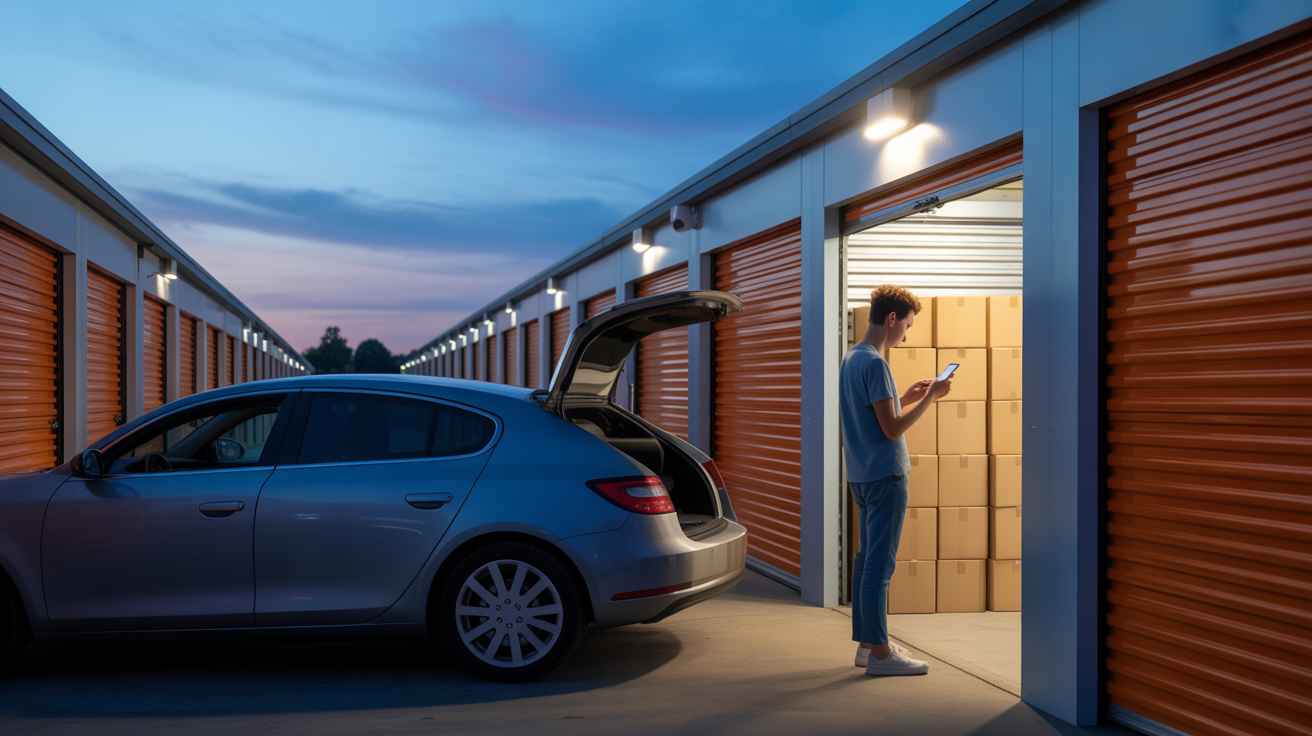
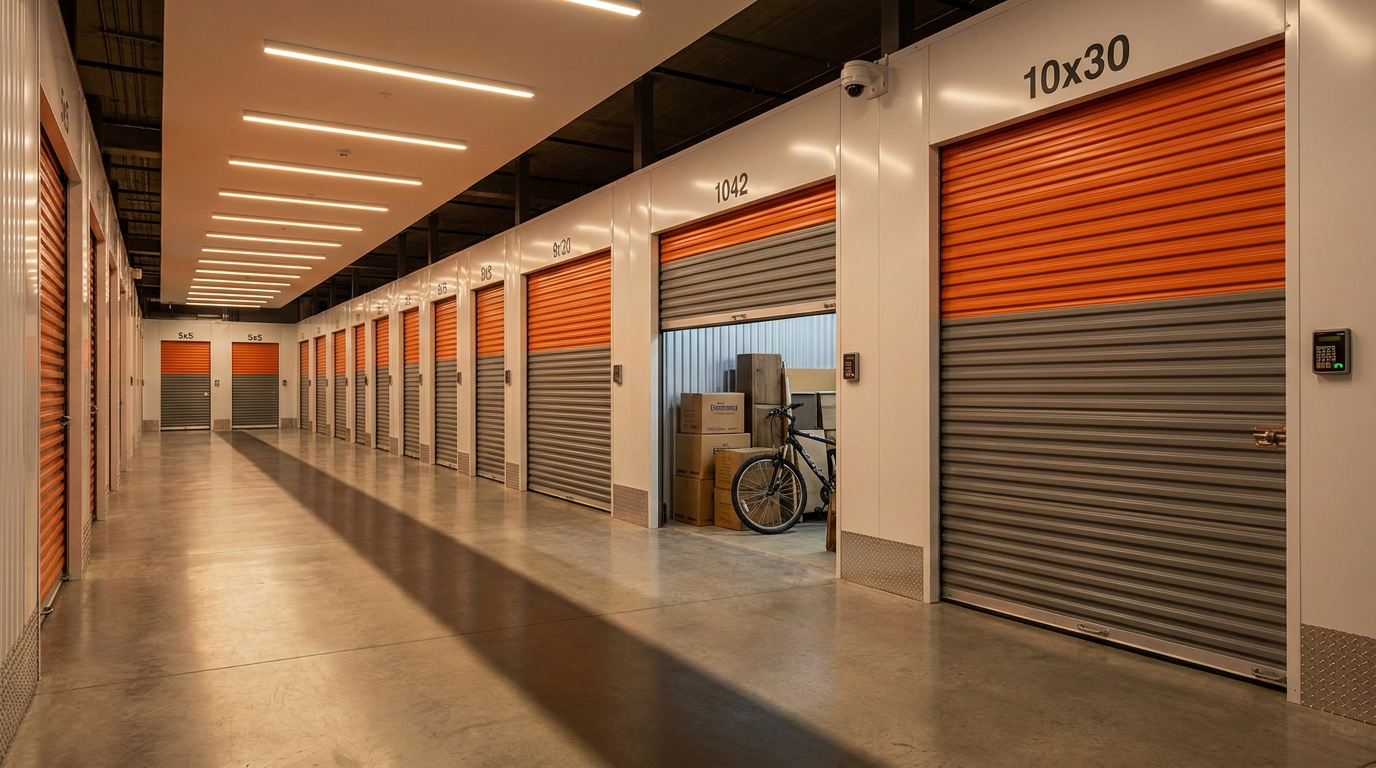
Facilities range from basic outdoor units to sophisticated climate-controlled buildings with advanced security systems. Most offer 24-hour access, digital surveillance, and online account management. Lease terms typically run month-to-month, allowing flexibility for short-term moves or long-term storage needs.
The Three Main Types of Storage Facilities
Understanding facility types helps you match your storage needs to the right solution. Each type offers distinct advantages depending on what you store, how often you access it, and your budget constraints.
Traditional Drive-Up Storage
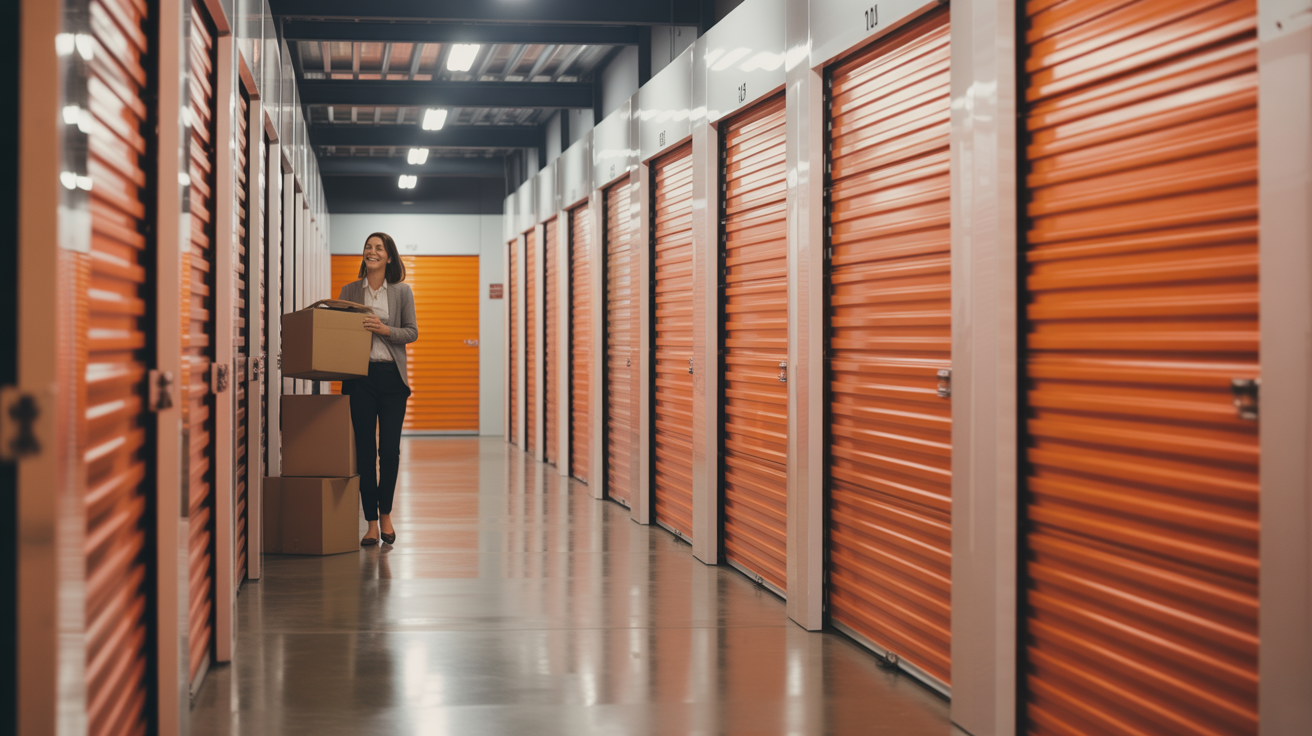
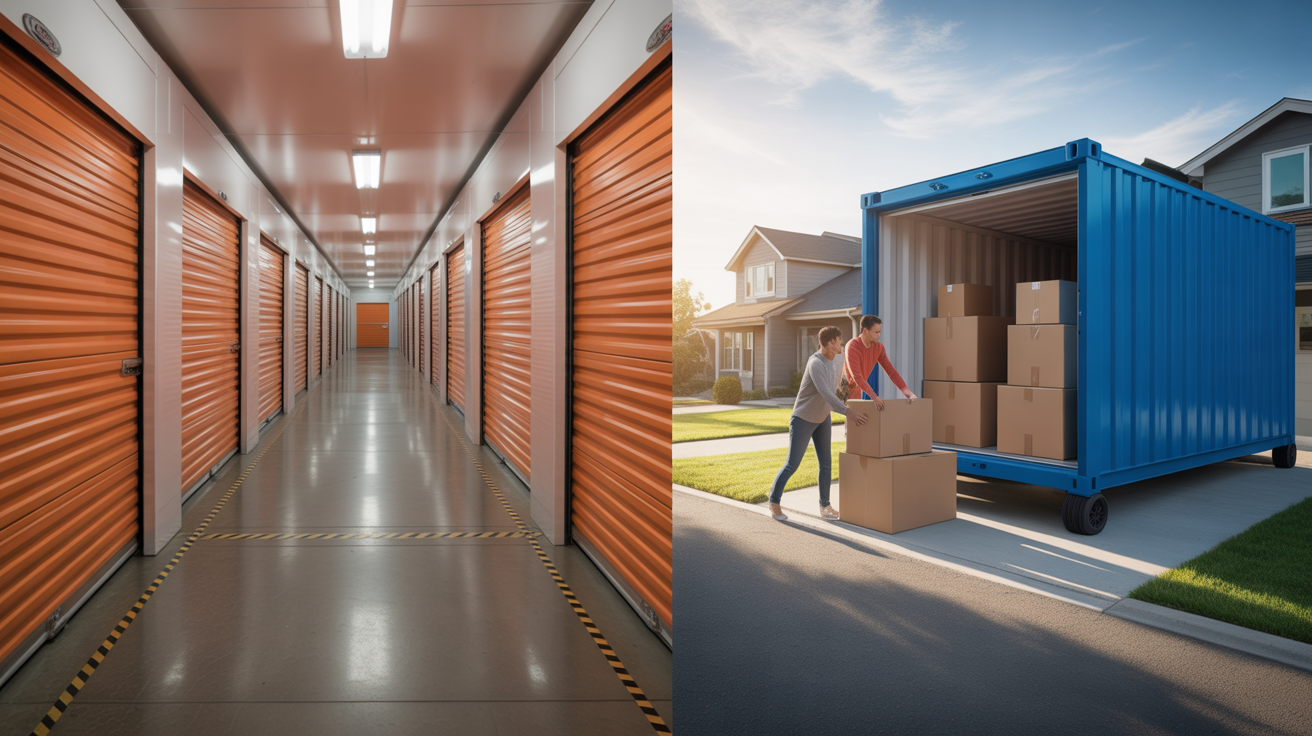
Drive-up units function like personal garages. You park directly in front of your unit, roll up the door, and load or unload without carrying items through hallways. This design makes them ideal for furniture, appliances, and heavy equipment.
Pricing for drive-up units typically runs 10 to 20% lower than indoor climate-controlled options. A 10x10 drive-up unit averages $90 to $130 per month in most markets. These units work well for items that tolerate temperature fluctuations, including outdoor furniture, tools, and seasonal decorations.
Climate-Controlled Indoor Storage
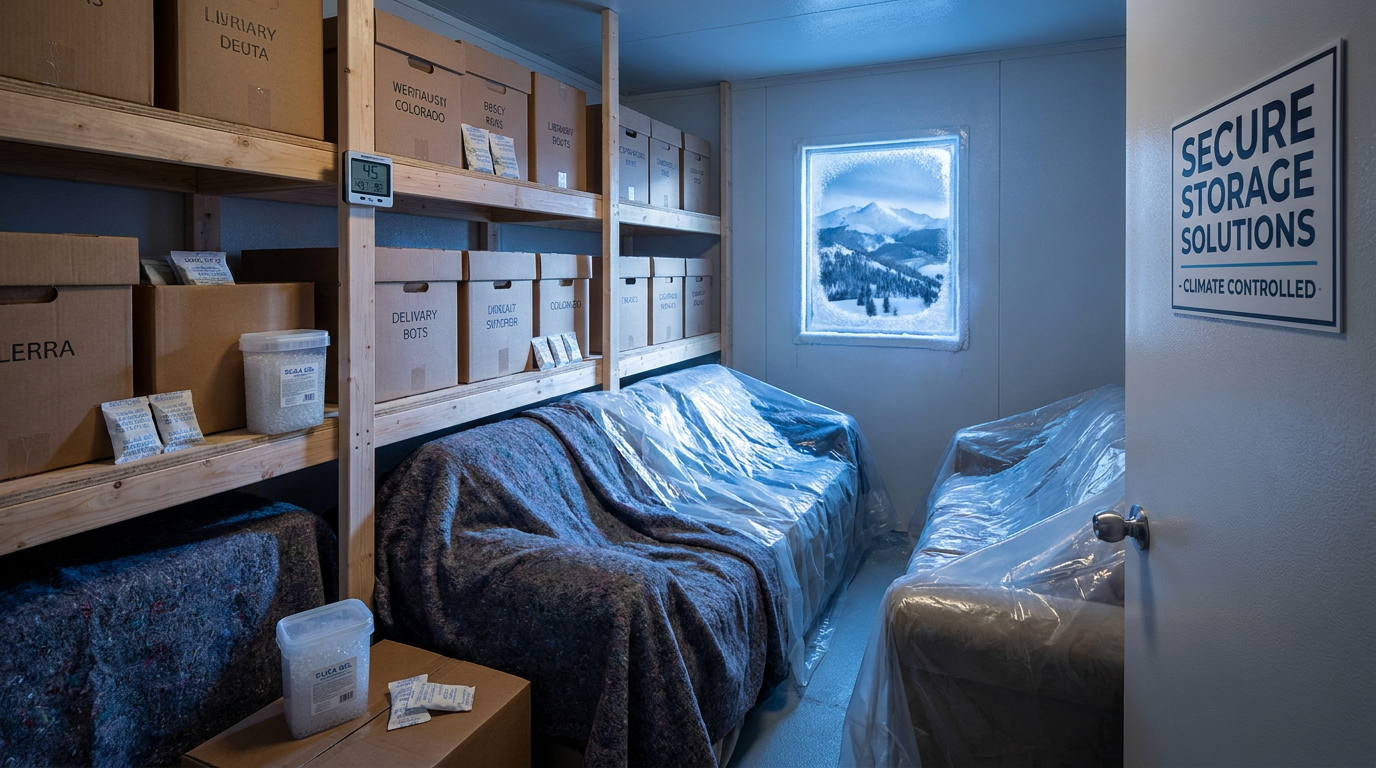
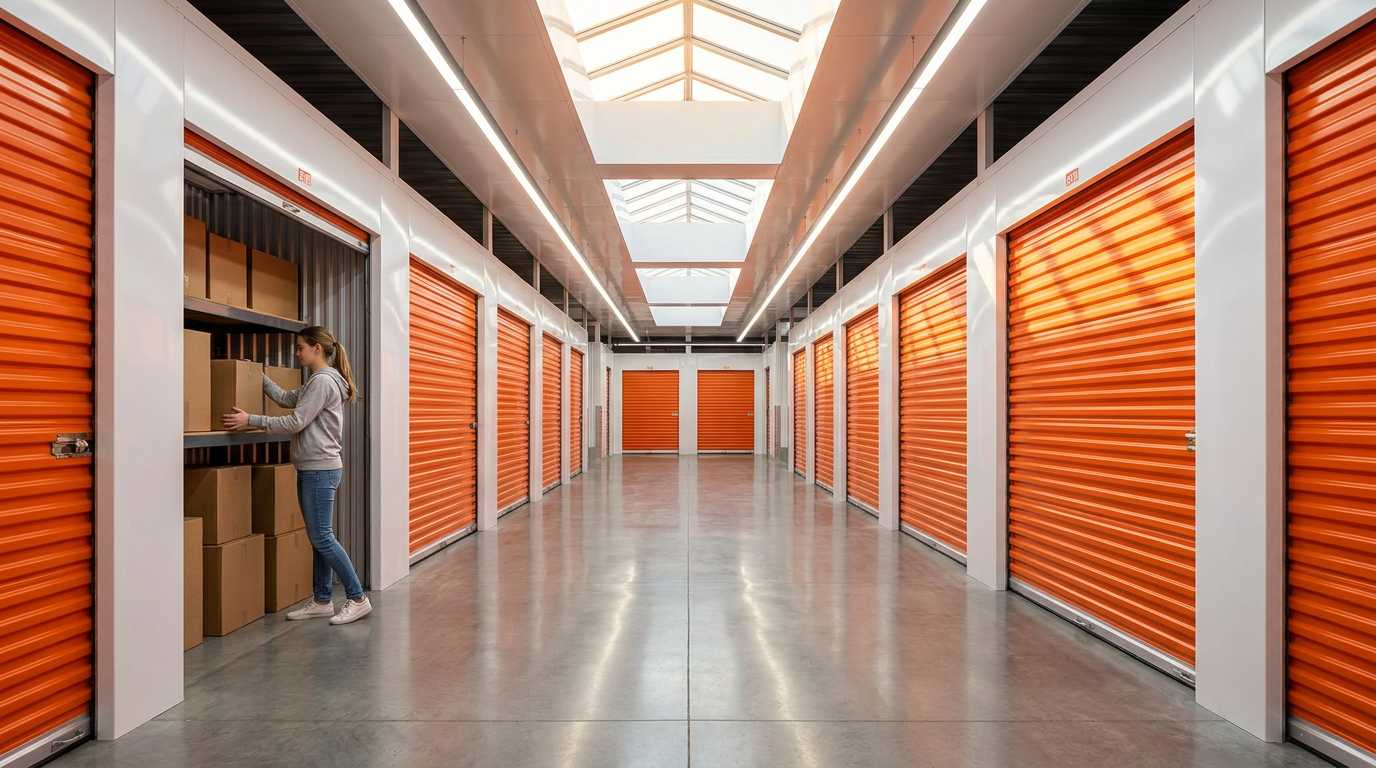
Climate-controlled facilities maintain consistent temperature and humidity levels year-round. Units stay between 55 and 80 degrees Fahrenheit with humidity below 55%. This environment protects sensitive items from warping, cracking, mold, and pest damage.
Items requiring climate control include wooden furniture, electronics, photographs, documents, artwork, wine collections, and musical instruments. The premium for climate control adds $25 to $50 monthly to standard rates. In extreme climates where temperatures exceed 90 degrees or drop below 32 degrees, climate control becomes essential for most household goods.
Portable and Mobile Storage
Companies like PODS, U-Pack, and 1-800-PACK-RAT deliver containers to your location. You load at your pace, then the company transports the container to their facility or your new address. This hybrid approach combines moving and storage services.
Portable storage costs $150 to $300 per month for container storage, plus delivery fees of $50 to $150 each way. The convenience factor appeals to people relocating between cities or those who need temporary storage during home renovations.
How Much Does Self Storage Cost Per Month?
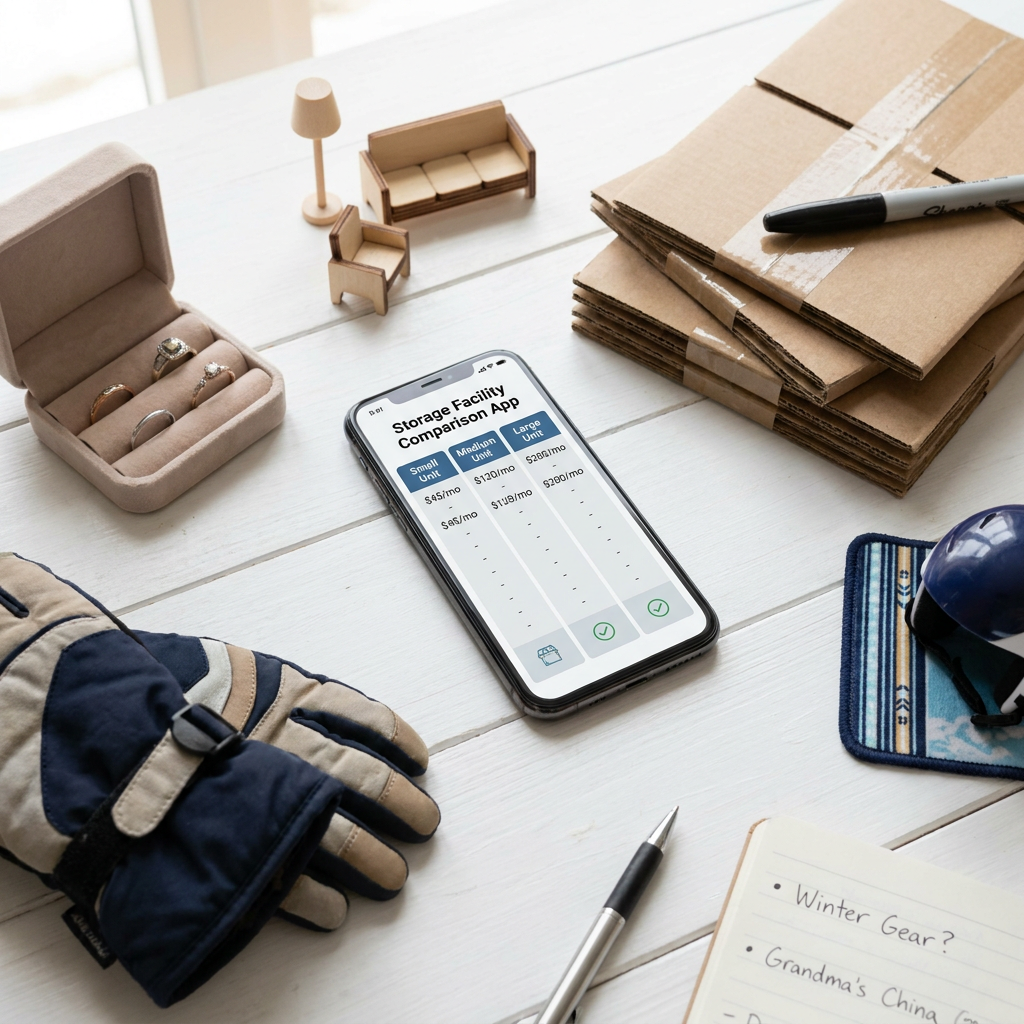
Storage costs vary significantly based on unit size, location, and features. Urban areas command premium rates, while rural facilities often cost 30 to 50% less. The table below shows average monthly rates across common unit sizes based on 2026 market data.
| Unit Size | Square Feet | Standard Rate | Climate-Controlled | Best For |
|---|---|---|---|---|
| 5x5 | 25 sq ft | $50 to $75 | $75 to $100 | Boxes, small items, seasonal decor |
| 5x10 | 50 sq ft | $75 to $125 | $100 to $150 | Studio apartment, mattress set |
| 10x10 | 100 sq ft | $100 to $150 | $150 to $200 | 1-2 bedroom apartment contents |
| 10x20 | 200 sq ft | $175 to $250 | $225 to $300 | 3-bedroom home, vehicle storage |
| 10x30 | 300 sq ft | $250 to $350 | $300 to $400 | Large home, multiple vehicles |
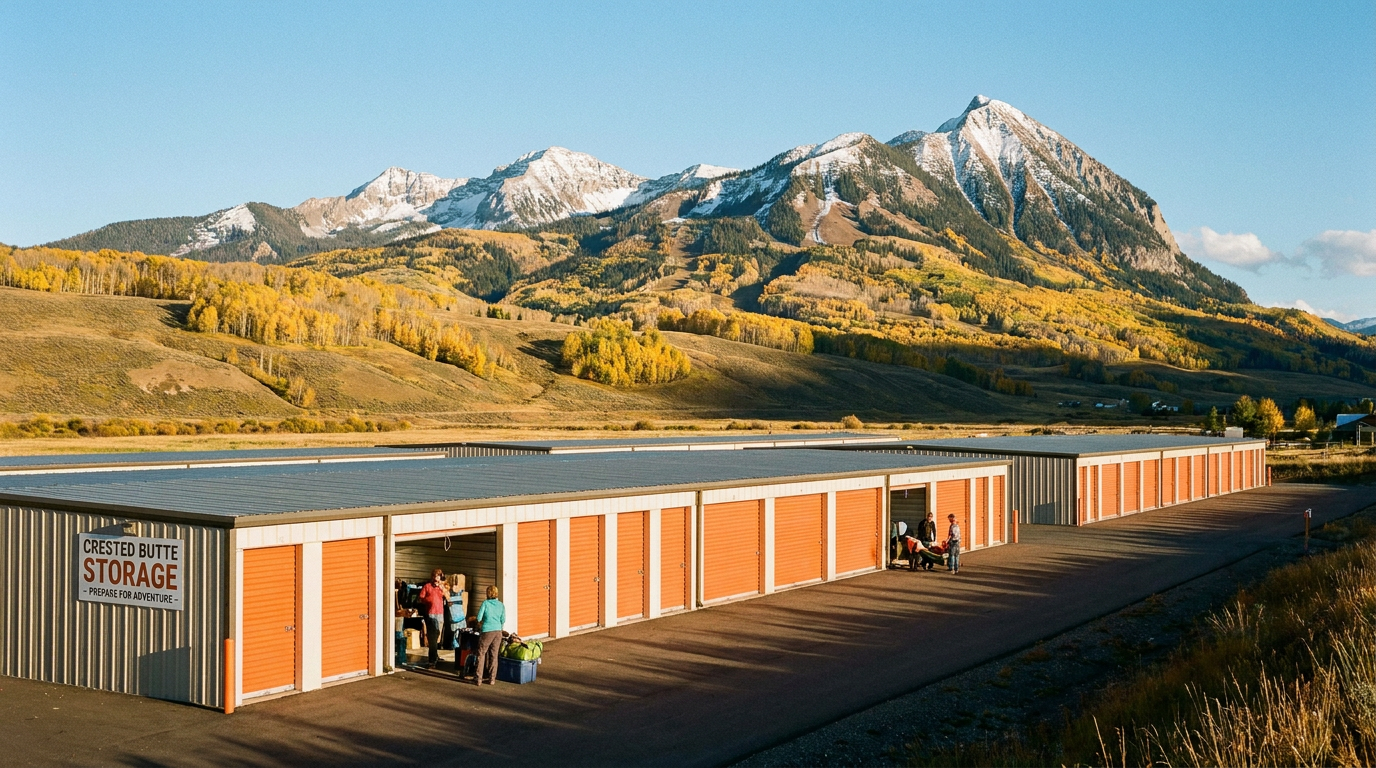
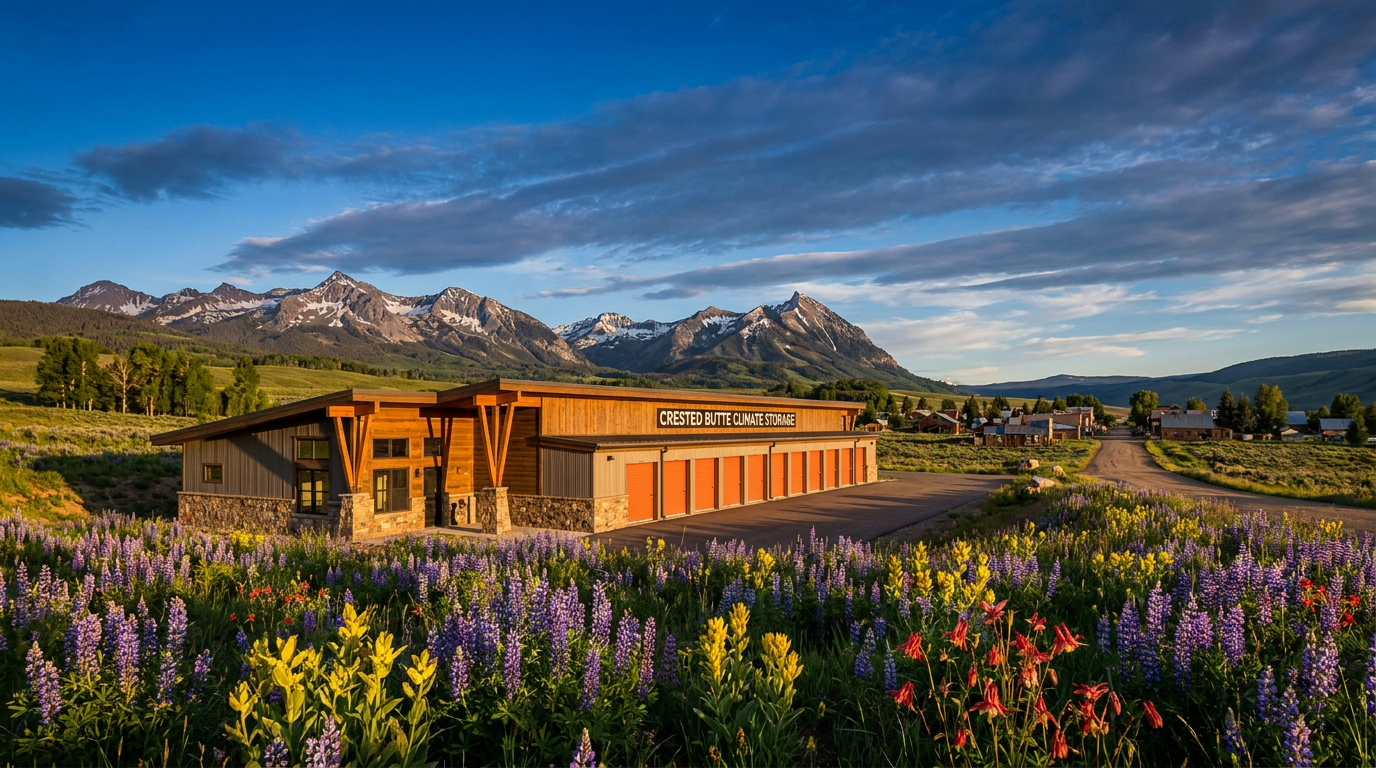
Mountain resort communities and coastal cities often exceed these averages by 25 to 40%. For example, storage in Crested Butte, Colorado ranges from $175 for a 5x6 unit to $485 for a 10x30 drive-up space. Learn more about self-storage pricing factors to understand what drives costs in your area.
Can a Car Fit in a 10x20 Storage Unit?
Yes, a 10x20 storage unit accommodates most standard vehicles with room to spare. The 200 square feet of floor space (20 feet long by 10 feet wide) fits sedans, SUVs, small trucks, and motorcycles. Most units feature 8 to 10 foot ceilings, providing clearance for lifted trucks and roof-mounted accessories.
A typical sedan measures 15 to 17 feet long and 6 feet wide, leaving 3 to 5 feet of additional space in a 10x20 unit. This extra room allows storage of tires, car covers, maintenance supplies, or seasonal items alongside the vehicle. For larger trucks, boats, or RVs, facilities often offer dedicated vehicle storage spaces up to 20x35 feet.
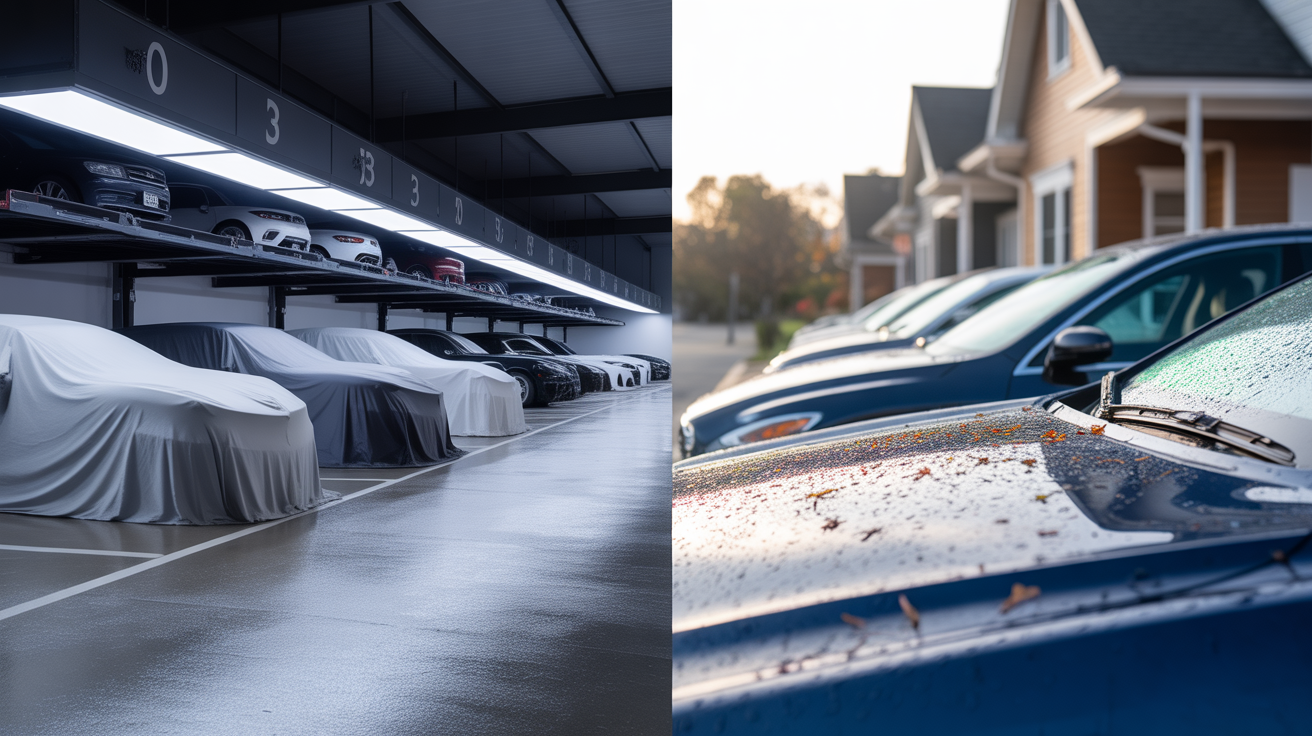
When storing vehicles, choose units with drive-up access for easy loading. Disconnect batteries for storage exceeding 30 days, maintain proper tire pressure, and consider a breathable car cover to prevent dust accumulation. Some facilities prohibit vehicle fluid storage, so verify policies before signing a lease.
What Security Features Should You Expect?
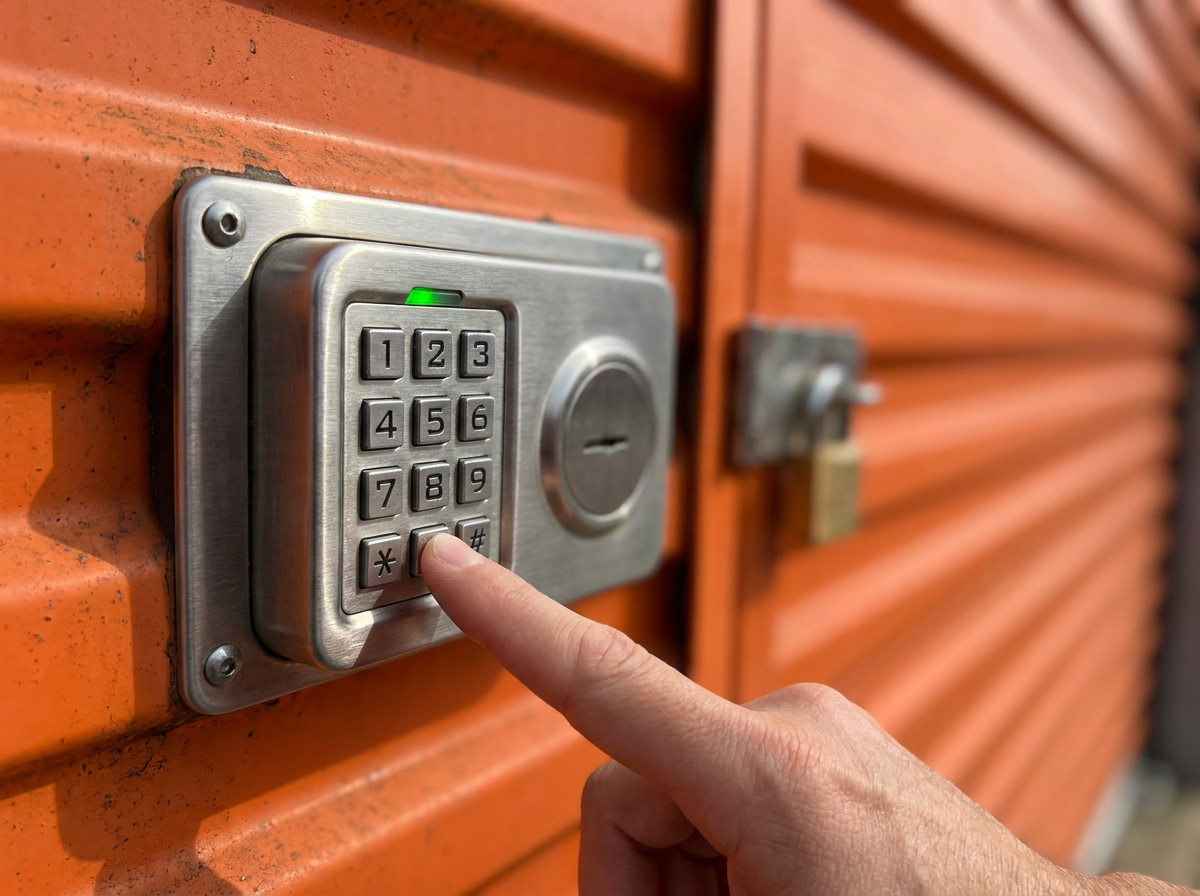
Modern self storage facilities employ multiple security layers to protect tenant belongings. According to U-Haul, industry-standard security includes perimeter fencing, electronic gate access, and 24-hour video surveillance. Premium facilities add individual unit alarms, on-site management, and biometric access controls.
Gated access requires unique entry codes, creating an audit trail of who enters the property and when. Digital video surveillance systems record continuously, with footage retained for 30 to 90 days. LED lighting throughout the property deters criminal activity and improves nighttime visibility.
Your personal lock provides the final security layer. Disc locks and cylinder locks resist cutting better than standard padlocks. Some facilities offer smart locks that send alerts when your unit opens. Always verify a facility's security features during a site visit before committing to a lease.
Can You Sleep in Your Self Storage Unit?
No, sleeping or living in a self storage unit is illegal throughout the United States. Storage facilities are zoned for commercial use, not residential occupancy. Lease agreements explicitly prohibit habitation, and violations result in immediate eviction without refund.
Beyond legal issues, storage units lack ventilation, plumbing, and fire safety systems required for habitation. Units without climate control can reach dangerous temperatures exceeding 100 degrees in summer or dropping below freezing in winter. Fire codes prohibit overnight occupancy in spaces without proper egress and smoke detection.
Facilities actively monitor for signs of habitation through security cameras and regular property inspections. If you need temporary housing assistance, contact local social services or housing authorities for safe, legal alternatives.
Who Has the Cheapest Storage Facilities?
National chains like Public Storage, Extra Space Storage, and CubeSmart frequently advertise rates starting at $1 for the first month. However, these promotional rates apply to specific units and locations, with regular rates kicking in after 30 days. Actual monthly costs depend more on location than brand name.
Independent and locally owned facilities often provide better long-term value. Without corporate overhead, local operators can offer competitive rates while providing personalized service. They also tend to negotiate on price for longer commitments or multiple units.
To find the cheapest storage near you, compare at least three facilities within your target area. Use aggregator sites like SpareFoot or SelfStorage.com to view current pricing. Call facilities directly to ask about unadvertised specials, as many offer discounts not listed online. Consider facilities slightly outside city centers, where rates typically drop 15 to 25%.
How to Choose the Right Storage Unit Size
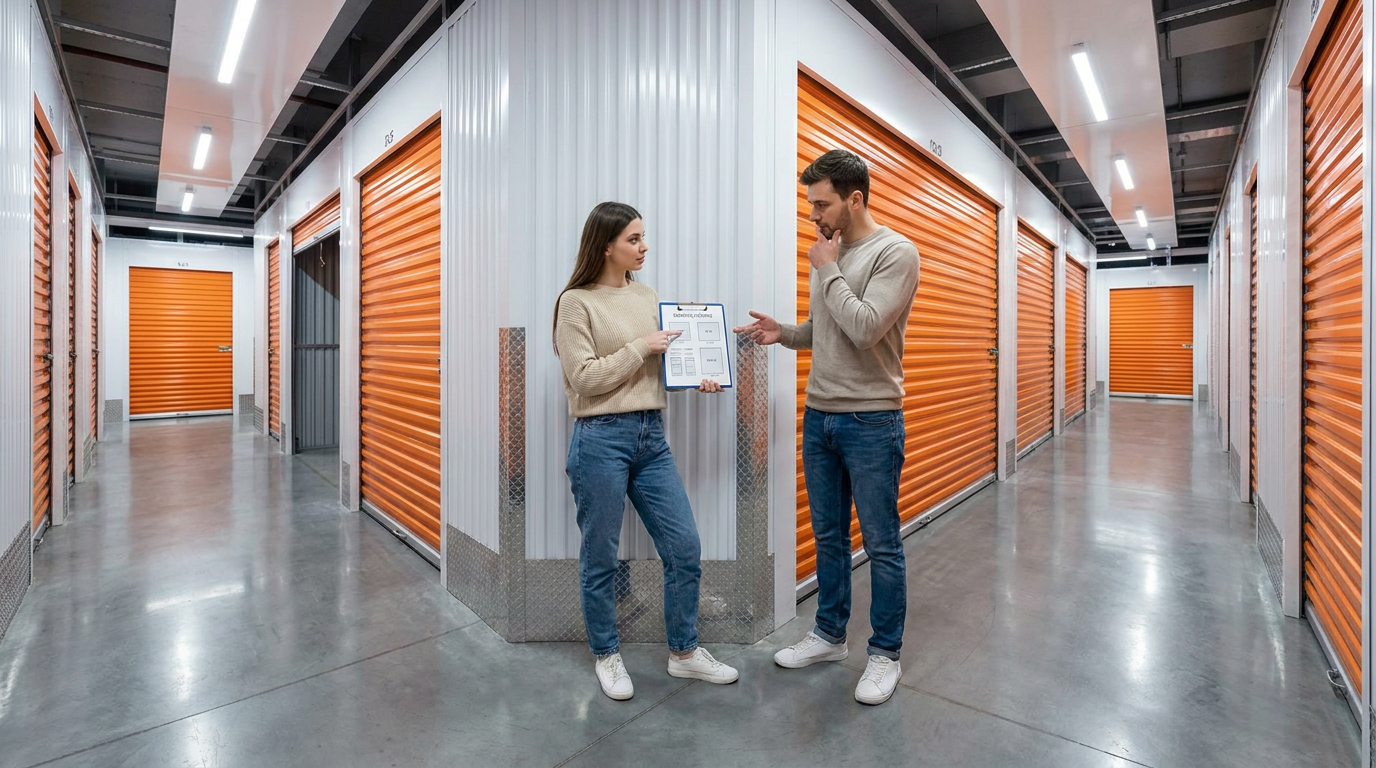
Selecting the correct unit size prevents paying for unused space while ensuring everything fits. The general rule: estimate your needs, then go one size larger. This buffer accounts for walking space, stacking limitations, and items you forgot to include in your initial count.
Start by inventorying what you plan to store. Group items by category: furniture, boxes, appliances, and specialty items like bikes or sports equipment. Measure large pieces including sofas, mattresses, and tables. Most facilities provide storage unit size guides with visual representations of what fits in each unit.
For household moves, use these benchmarks: a 5x10 unit holds a studio apartment, 10x10 fits a 1 to 2 bedroom apartment, and 10x20 accommodates a 3-bedroom home. Business users storing inventory, equipment, or records should calculate cubic footage needs and add 20% for access aisles.
RV, Boat, and Vehicle Storage Options
Recreational vehicles, boats, and trailers require specialized storage solutions. Standard units rarely accommodate these large items, so facilities offer dedicated parking spaces, covered carports, or enclosed units sized for vehicles up to 45 feet long.
Open-air parking provides the most affordable option at $50 to $150 per month for spaces up to 20x20 feet. Covered parking with roof protection costs $100 to $200 monthly. Fully enclosed units with walls and doors range from $200 to $500 depending on size and climate control features.
Mountain communities present unique storage challenges. Facilities in areas like Crested Butte offer RV and boat storage with snow removal services, ensuring year-round access. Look for facilities with wide drive aisles (minimum 25 feet) for maneuvering large vehicles and trailers.
Business Storage Solutions
Small businesses increasingly use self storage for inventory, equipment, records, and seasonal merchandise. The flexibility of month-to-month leases allows scaling storage space up or down as business needs change. Approximately 30% of self storage tenants rent for business purposes.
Contractors and tradespeople benefit from drive-up units near job sites. Storing tools, materials, and equipment in a central location reduces transportation costs and theft risk. Retail businesses use storage for overflow inventory during peak seasons, freeing valuable retail floor space.
Property managers, real estate agents, and staging companies store furniture and decor between projects. Tour operators, ski shops, and outdoor recreation businesses rotate seasonal inventory between storage and sales floors. Explore business storage options designed for commercial users with flexible access requirements.
Storage Insurance: What You Need to Know
Standard self storage leases do not include insurance coverage for your belongings. Facility owners insure the building and their liability, but damage to tenant property remains the tenant's responsibility. You have three options for protecting stored items.
First, check your existing homeowners or renters insurance policy. Many policies extend coverage to items in storage, typically at 10% of your total coverage limit. Contact your insurance provider to verify coverage amounts and any exclusions for storage facilities.
Second, facilities offer tenant protection plans through providers like SafeLease or Bader Company. These plans cost $10 to $30 monthly for $2,000 to $5,000 in coverage. Plans typically cover theft, fire, water damage, and vandalism. Review our storage insurance guide to understand coverage options.
Third, purchase a standalone storage insurance policy for high-value items. Specialty insurers offer policies for art, antiques, wine collections, and other valuables exceeding standard coverage limits.
Tips for Organizing Your Storage Unit
Proper organization maximizes usable space and ensures easy access to items when needed. Planning your layout before moving items saves time and prevents reorganization headaches later.
Place items you need frequently near the front of the unit. Store seasonal items, holiday decorations, and rarely accessed belongings toward the back. Create a center aisle for walking access to all areas of the unit. Stack boxes with heaviest items on bottom and fragile items on top.
Label all boxes on multiple sides so labels remain visible regardless of stacking orientation. Create an inventory list and keep a copy outside the storage unit. Use uniform box sizes when possible for easier stacking. Disassemble furniture to maximize floor space, keeping hardware in labeled bags taped to the furniture piece.
For seasonal rotation systems, organize by category and access frequency. Our guide on storing holiday decorations by season provides a framework applicable to any rotating inventory.
Frequently Asked Questions About Self Storage
What is the meaning of self-storage facility?
A self-storage facility is a commercial property containing multiple individual storage units rented to tenants on a short-term basis. The term "self" indicates that tenants handle their own loading, unloading, and organization rather than facility staff managing belongings. Facilities provide the space and security while tenants maintain exclusive access to their units.
What are the three main types of storage facilities?
The three primary types are traditional drive-up storage with exterior-access units, climate-controlled indoor storage maintaining consistent temperature and humidity, and portable/mobile storage where containers are delivered to your location. Each type serves different needs based on item sensitivity, access frequency, and budget considerations.
How much does a 10x10 storage unit cost per month?
A 10x10 storage unit costs $100 to $150 per month for standard drive-up access in most U.S. markets. Climate-controlled 10x10 units run $150 to $200 monthly. Urban areas and resort communities often exceed these ranges by 25 to 40%. First-month promotional rates of $1 to $50 are common but revert to standard pricing after 30 days.
What can fit in a 10x20 storage unit?
A 10x20 unit holds the contents of a 3-bedroom home, including furniture, appliances, and 30 to 50 boxes. The 200 square feet of floor space also accommodates a full-size vehicle with room for additional items. With 8 to 10 foot ceilings, these units provide 1,600 to 2,000 cubic feet of total storage volume.
Is it worth paying extra for climate-controlled storage?
Climate control is worth the 25 to 40% premium for temperature-sensitive items including wooden furniture, electronics, photographs, documents, artwork, and musical instruments. If your area experiences temperatures above 90 degrees or below 32 degrees, climate control prevents warping, cracking, mold growth, and pest damage. For durable items like metal tools, outdoor furniture, and holiday decorations, standard units provide adequate protection.
What should I look for when visiting a storage facility?
Evaluate security features including fencing, gate access, cameras, and lighting. Inspect unit cleanliness, checking for signs of pests, water damage, or mold. Verify access hours match your schedule. Ask about lease terms, payment options, and late fees. Request a tour of the actual unit size you need, not just a model unit. Check online reviews for recurring complaints about customer service or security issues.
|