Storage Unit Prices in 2026: Complete Cost Guide by Size |
| STORAGE UNIT PRICE
⏱ 13 min read ·
📄 #2,444 words
Storage unit prices range from $40 to $500+ per month in 2026. See exact costs by size, climate control options, and tips to find the best rates near you.
|
S torage unit prices in 2026 range from $40 to $500 per month depending on size, location, and features. A standard 10x10 unit costs $90 to $200 monthly in most U.S. markets, while climate-controlled options add 10 to 25 percent to the base rate. Mountain towns and urban centers typically charge 20 to 40 percent above national averages due to limited supply and high demand.
| Key Points: | |
|---|---|
| • | Small units (5x5 to 5x10) cost $40 to $130 per month nationally |
| • | Medium units (10x10 to 10x15) average $90 to $220 per month |
| • | Large units (10x20 to 10x30) range from $140 to $500 per month |
| • | Climate control adds $15 to $50 monthly depending on unit size |
| • | RV and boat storage costs $150 to $400 per month for outdoor spaces |
Average Storage Unit Prices by Size in 2026
Storage costs vary significantly based on square footage. According to Move.org's 2026 analysis, the average storage unit costs approximately $180 per month across all sizes. However, this figure masks wide variations based on unit dimensions and local market conditions.
The Self Storage Association reports that over 50,000 storage facilities operate across the United States, creating competitive pricing in most metro areas. Rural and resort communities often see higher prices due to limited facility options and seasonal demand spikes.
| Unit Size | Square Feet | Standard Price | Climate Controlled |
|---|---|---|---|
| 5x5 | 25 sq ft | $40 to $80 | $50 to $100 |
| 5x10 | 50 sq ft | $60 to $130 | $75 to $160 |
| 10x10 | 100 sq ft | $90 to $200 | $110 to $250 |
| 10x15 | 150 sq ft | $120 to $280 | $150 to $350 |
| 10x20 | 200 sq ft | $140 to $350 | $175 to $430 |
| 10x30 | 300 sq ft | $200 to $500 | $250 to $600 |
Price per square foot decreases as unit size increases. A 5x5 unit costs approximately $1.60 to $3.20 per square foot, while a 10x30 unit drops to $0.67 to $1.67 per square foot. This economy of scale makes larger units more cost-effective for significant storage needs.
How Much Does a 10x10 Storage Unit Cost Per Month?
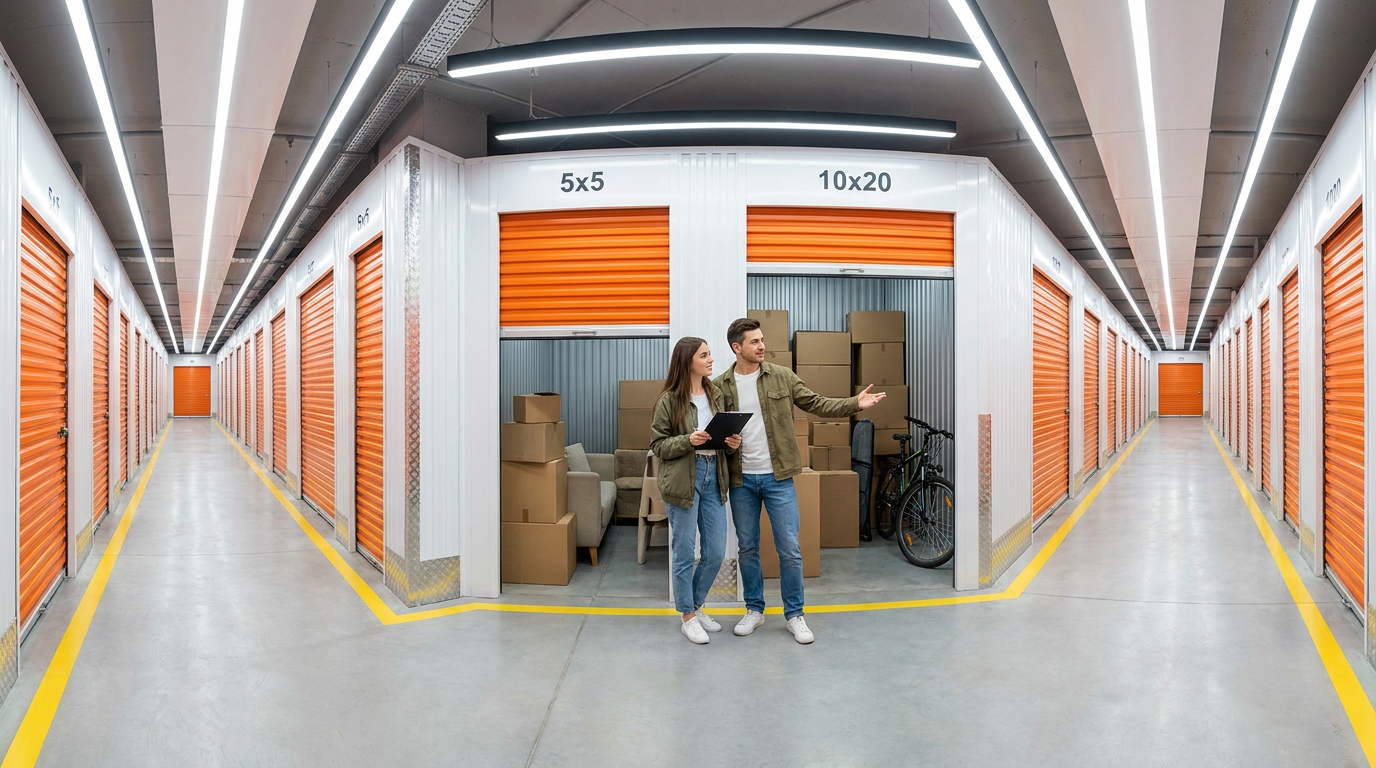
A 10x10 storage unit is the most popular size in the industry, representing approximately 30 percent of all rentals according to industry data from Extra Space Storage and Public Storage. This 100-square-foot space holds the contents of a one-bedroom apartment or serves as a staging area for home renovations.
National pricing for 10x10 units ranges from $90 to $200 per month for standard drive-up access. Major providers like Public Storage, Extra Space Storage, and CubeSmart report average rates between $128 and $180 in metropolitan markets. Suburban and rural facilities typically charge $80 to $140 for comparable units.
Climate-controlled 10x10 units command premium pricing. Storage.com reports that temperature-regulated spaces cost 15 to 25 percent more than standard units, translating to $110 to $250 monthly for a climate-controlled 10x10.
How Much Is a 20 Ft Storage Unit?
A 10x20 storage unit provides 200 square feet of space, equivalent to a standard one-car garage. This size accommodates the contents of a three-bedroom home or serves commercial purposes like inventory storage for small businesses.
Pricing for 10x20 units ranges from $140 to $400 per month depending on location and amenities. Urban markets like San Francisco, New York City, and Seattle report averages of $250 to $400, while mid-sized cities typically charge $150 to $250. The national median sits around $200 per month for standard access.
Businesses frequently rent 10x20 units for equipment storage, seasonal inventory, and document archiving. Commercial storage solutions often include features like wider drive aisles, extended access hours, and loading dock proximity that justify premium pricing.
How Big Is a 10x10 Storage Unit and What Fits Inside?
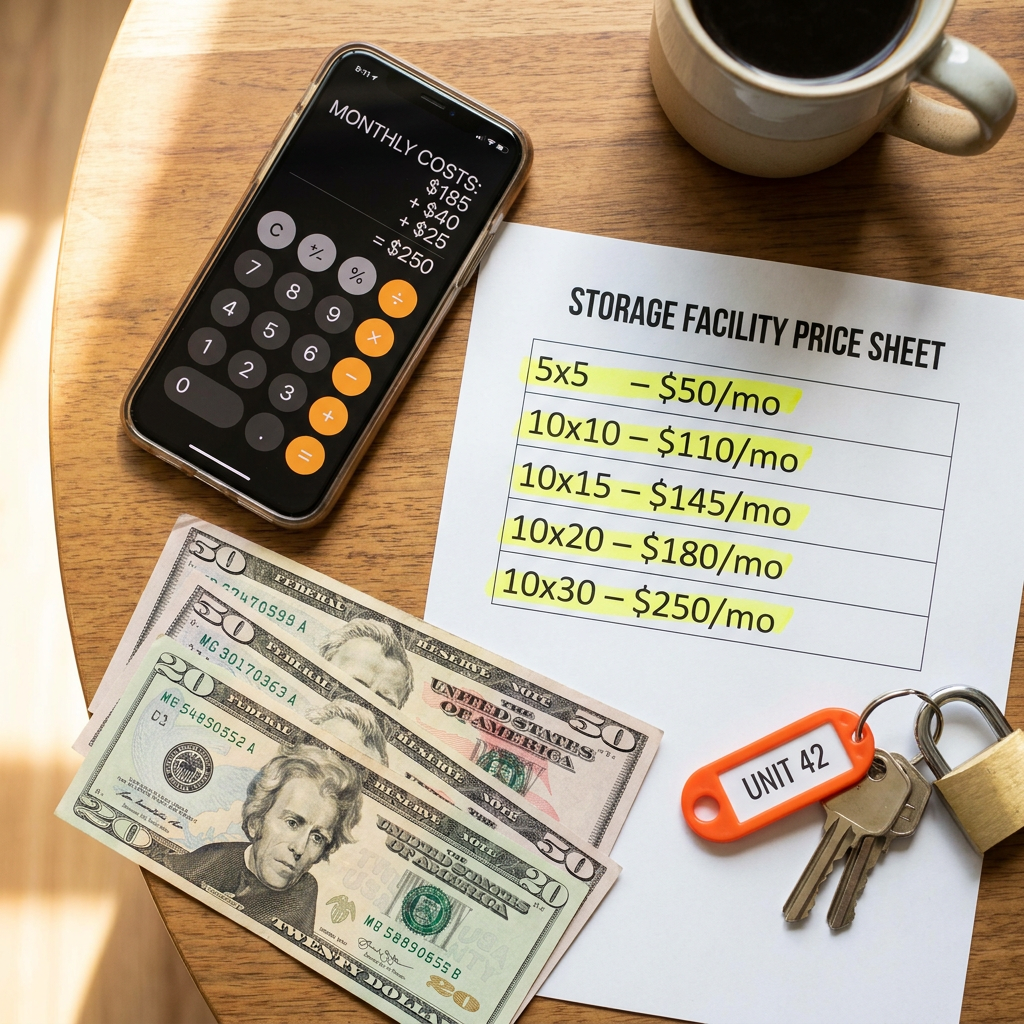
A 10x10 storage unit measures 10 feet wide by 10 feet deep with ceiling heights typically ranging from 8 to 10 feet. This configuration provides 100 square feet of floor space and 800 to 1,000 cubic feet of total storage volume.
Standard contents for a 10x10 unit include a queen-size bed frame and mattress, a dresser, a small dining set, multiple boxes, and seasonal items like holiday decorations. The space comfortably holds the furnishings from a one-bedroom apartment when properly organized.
Maximizing vertical space significantly increases storage capacity. Using shelving units, stacking boxes strategically, and disassembling furniture can effectively double usable space. Our storage unit size guide provides detailed recommendations for matching your belongings to the right unit dimensions.
Factors That Affect Storage Unit Prices
Location and Market Demand
Geographic location is the single largest factor influencing storage unit prices. Dense urban markets with limited real estate command premium rates. San Francisco averages $250 per month for a 10x10 unit, while comparable space in rural Texas costs $80 to $100.
Resort and mountain communities present unique pricing dynamics. Limited land availability, seasonal population fluctuations, and tourism-driven demand push prices 20 to 50 percent above regional averages. Facilities in ski towns and beach communities often implement seasonal rate adjustments.
Proximity to residential areas, universities, and military bases also affects pricing. Facilities within five miles of high-density housing or major employers typically charge 10 to 20 percent more than those in industrial zones.
Climate Control and Temperature Regulation
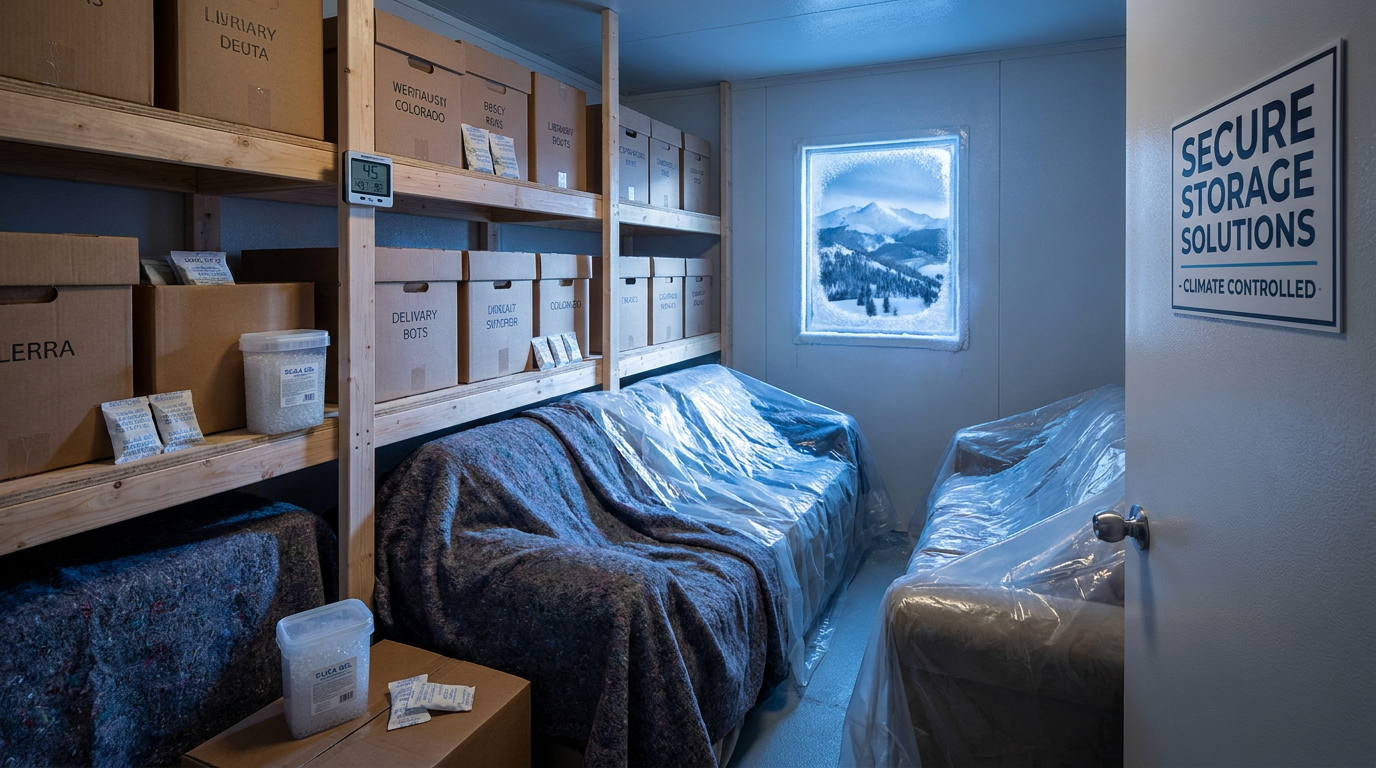
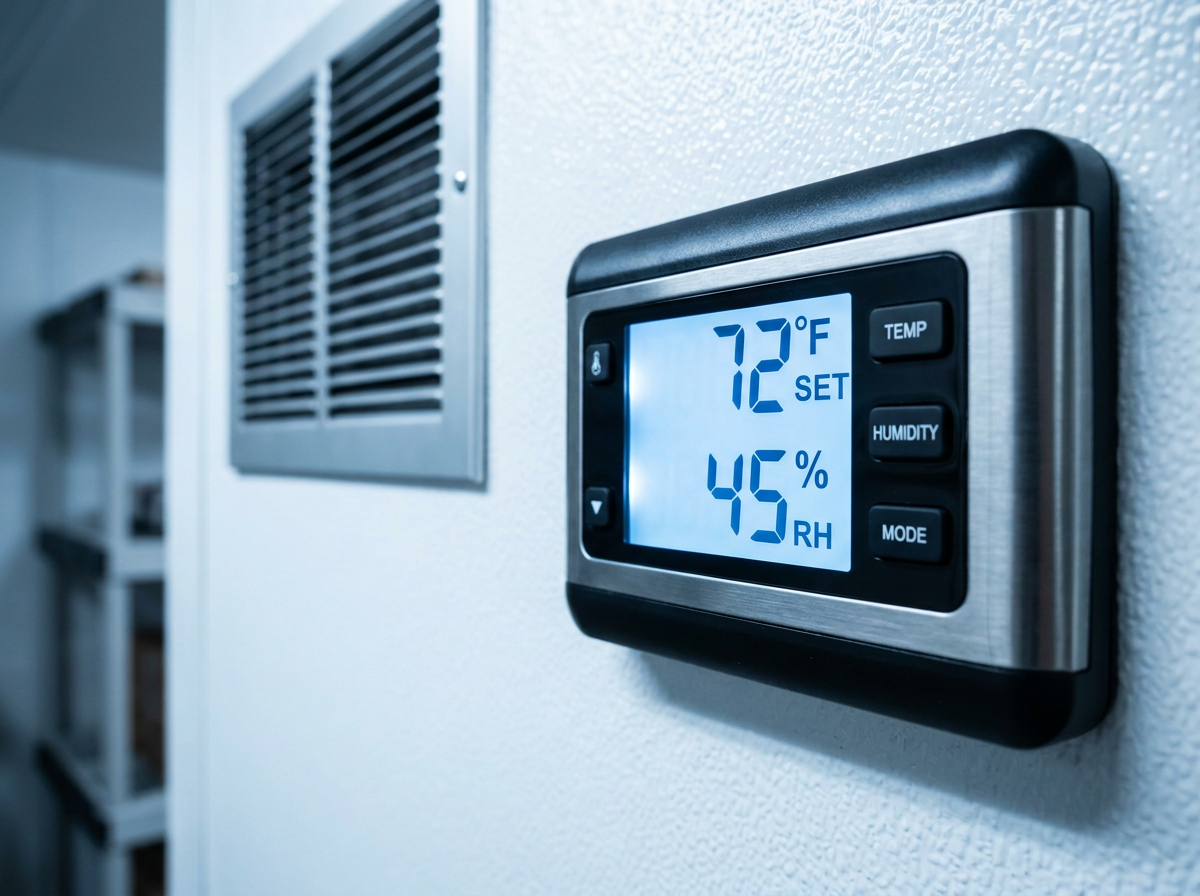
Climate-controlled storage units maintain temperatures between 55 and 80 degrees Fahrenheit year-round. This feature protects temperature-sensitive items including wooden furniture, electronics, artwork, musical instruments, and important documents.
The premium for climate control ranges from 10 to 25 percent above standard unit pricing. A standard 10x10 at $150 per month becomes $170 to $190 with climate control. This investment prevents warping, cracking, mold growth, and electronic component degradation.
Climate control is essential in regions with extreme temperature swings. Areas experiencing summer highs above 90 degrees or winter lows below 32 degrees create conditions that damage sensitive items within months. The cost of replacing damaged belongings typically exceeds years of climate control premiums.
Access Features and Security
Drive-up access commands higher prices than interior units requiring elevator or hallway navigation. The convenience of loading directly from a vehicle justifies premiums of $10 to $30 per month. Snow removal and year-round accessibility add further value in cold climates.
Security features influence both pricing and peace of mind. Facilities with gated entry, individual unit alarms, 24-hour video surveillance, and on-site management charge 5 to 15 percent more than basic operations. These features reduce theft and vandalism risk significantly.
Access hours vary considerably between facilities. Standard business hours access (8 AM to 6 PM) represents the baseline, while 24/7 access adds $5 to $20 monthly. Extended access proves essential for business users and those with unpredictable schedules.
RV, Boat, and Vehicle Storage Costs
Vehicle storage represents a distinct category with pricing based on space type rather than enclosed square footage. Open-air parking spots cost $50 to $150 per month, covered parking runs $100 to $250, and fully enclosed vehicle storage ranges from $200 to $500 monthly.
RV storage pricing depends heavily on vehicle length. Spaces accommodating 20-foot travel trailers start around $100 per month, while 40-foot Class A motorhomes require $200 to $400 monthly. Covered and enclosed options add 50 to 100 percent to base rates.
Boat storage follows similar patterns. Open parking for boats under 20 feet costs $75 to $150 monthly. Larger vessels and covered storage push prices to $200 to $400. Indoor boat storage with climate control for high-value watercraft can exceed $500 per month.
Mountain and lakeside communities see elevated vehicle storage demand. Facilities offering RV and boat storage in recreation areas often maintain waitlists during peak seasons, with pricing reflecting limited availability.
How Much Is a Storage Unit Per Month Near Me?
Local storage unit prices depend on your specific market. Use these regional benchmarks to estimate costs in your area before contacting facilities directly.
| Region Type | 5x10 Average | 10x10 Average | 10x20 Average |
|---|---|---|---|
| Major Metro (NYC, LA, SF) | $120 to $180 | $180 to $300 | $280 to $450 |
| Mid-Size City (Denver, Austin) | $80 to $130 | $120 to $200 | $180 to $300 |
| Suburban Areas | $60 to $100 | $90 to $160 | $140 to $250 |
| Rural Communities | $50 to $80 | $70 to $120 | $100 to $180 |
| Resort/Mountain Towns | $100 to $160 | $150 to $250 | $220 to $400 |
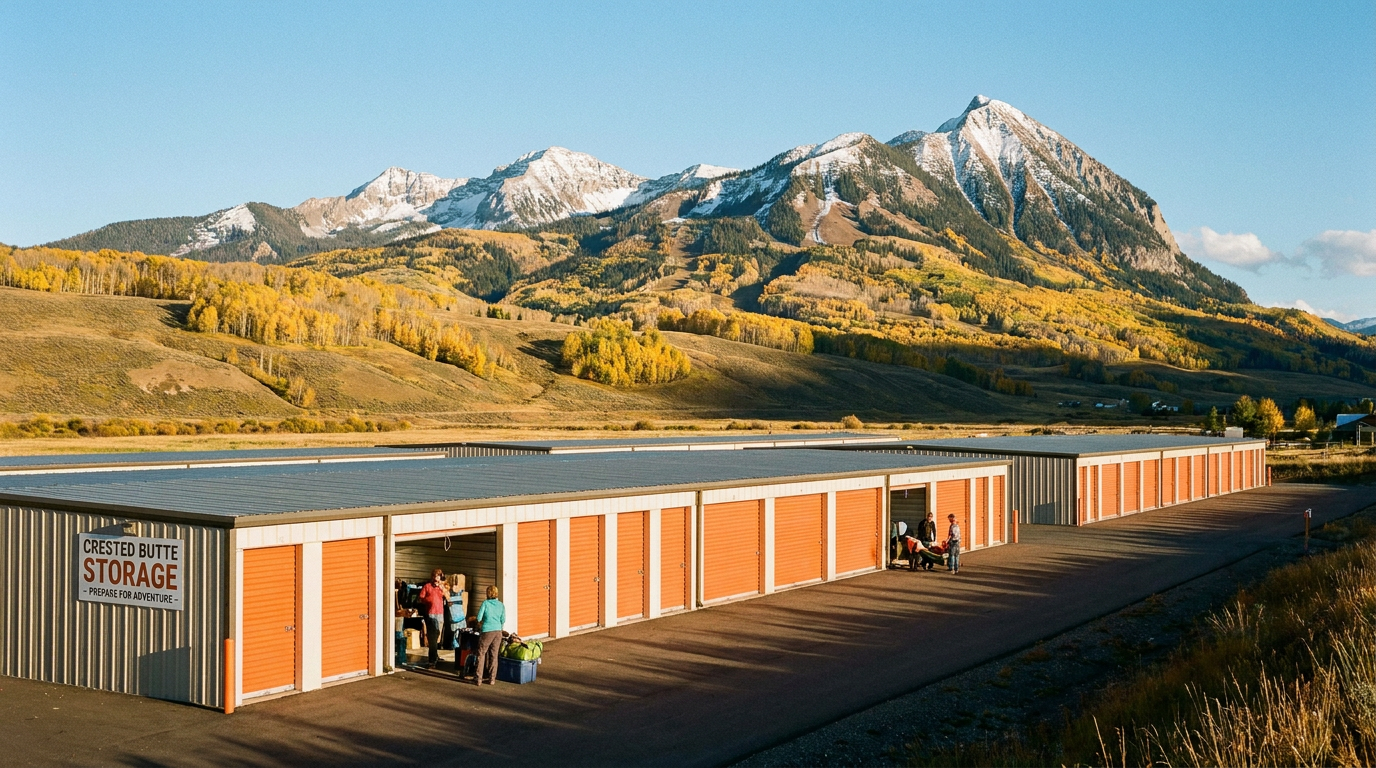
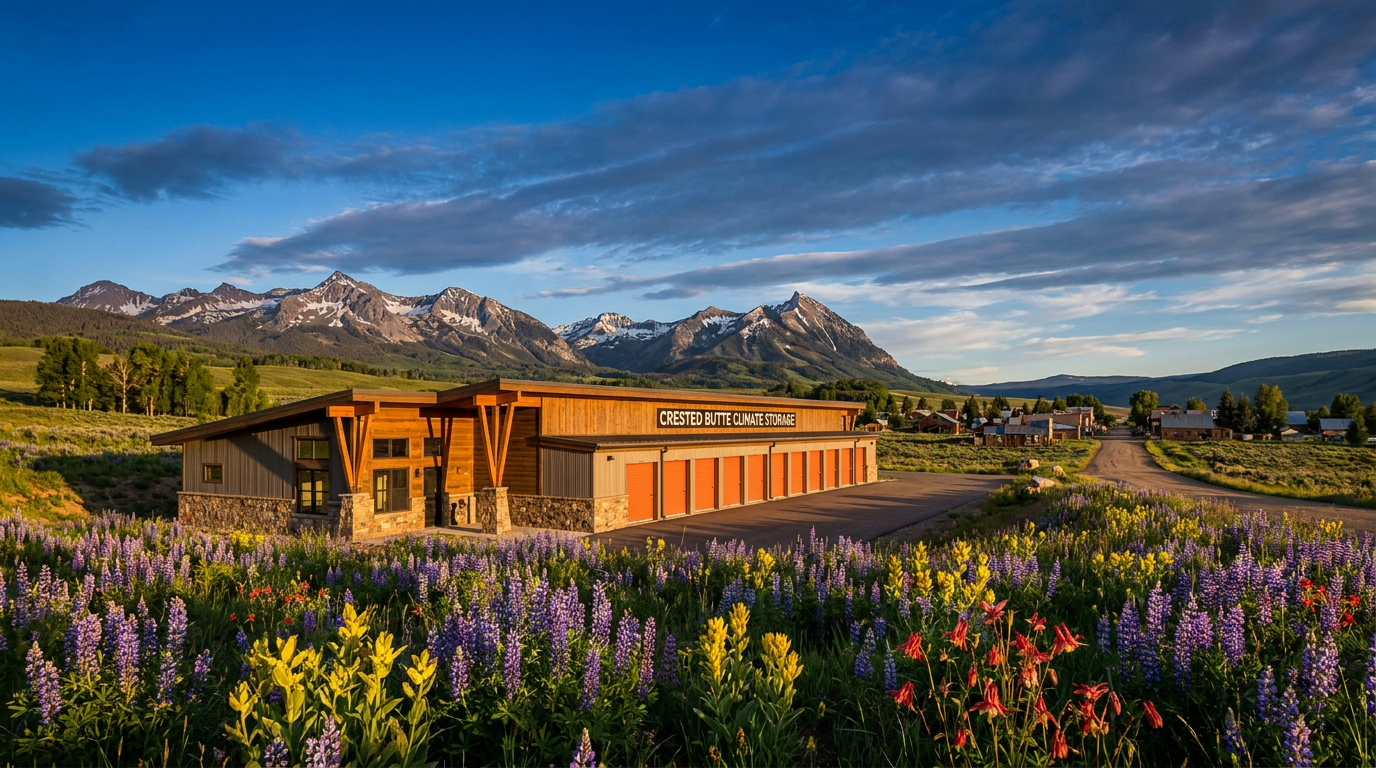
Colorado mountain communities like Crested Butte, Aspen, and Telluride experience pricing 30 to 50 percent above Denver metro averages. Limited facility options and high seasonal demand from second-home owners and outdoor recreation enthusiasts drive these premiums.
Residents of the Gunnison Valley seeking storage can compare options between Gunnison and Crested Butte. Our guide for Gunnison residents explains how location choice affects both pricing and convenience for local storage needs.
Hidden Costs and Fees to Expect
The advertised monthly rate represents only part of total storage costs. Understanding additional fees prevents budget surprises and enables accurate comparison shopping between facilities.
Administrative and Setup Fees
Most facilities charge one-time administrative fees ranging from $15 to $50 at move-in. These fees cover account setup, access credentials, and initial paperwork processing. Some facilities waive administrative fees during promotional periods or for online reservations.
Security deposits vary by facility policy. Requirements range from zero to one full month's rent. Deposits are typically refundable upon move-out provided the unit is left clean and undamaged. Month-to-month leases without deposit requirements offer flexibility for short-term needs.
Insurance and Protection Plans
Storage facilities require proof of insurance coverage for stored items. Options include using existing homeowners or renters insurance policies, or purchasing facility-offered tenant protection plans ranging from $10 to $30 per month.
Coverage limits typically range from $2,000 to $10,000 depending on the plan selected. Higher-value belongings may require supplemental coverage. Review policy exclusions carefully, as many plans exclude items like jewelry, collectibles, and important documents without additional riders.
Our storage insurance guide explains coverage options in detail, helping you determine whether existing policies provide adequate protection or if facility-offered plans make more sense.
Late Fees and Lien Risks
Late payment fees typically range from $10 to $50 or 5 to 10 percent of monthly rent, whichever is greater. Most facilities provide a 5 to 10 day grace period before assessing late charges. Repeated late payments may result in access restrictions.
Prolonged non-payment triggers lien processes governed by state law. After 30 to 90 days of delinquency depending on jurisdiction, facilities can auction unit contents to recover unpaid rent. Understanding payment terms and setting up automatic payments prevents these serious consequences.
How to Find Cheap Storage Units Near You
Strategic timing and comparison shopping can reduce storage costs by 20 to 50 percent. Implement these approaches to secure the best available rates in your market.
Leverage Move-In Specials
Most storage facilities offer aggressive move-in promotions to attract new customers. Common offers include first month free, first month for one dollar, or 50 percent off the first two to three months. These promotions represent genuine savings of $50 to $200.
Online reservations frequently unlock exclusive pricing not available for walk-in customers. Facilities incentivize digital bookings because they reduce staffing requirements. Expect 10 to 20 percent discounts for completing reservations through facility websites.
Consider Timing and Seasonality
Storage demand peaks during summer months when moving activity increases. May through September sees the highest occupancy rates and least flexible pricing. Renting during fall and winter months often yields 10 to 25 percent lower rates.
End-of-month timing can also produce savings. Facilities with available inventory may offer concessions to fill units before monthly reporting periods. Flexibility on move-in date provides negotiating leverage.
Right-Size Your Unit
Overpaying for unused space is the most common storage cost mistake. A 10x10 unit costs roughly 50 percent more than a 5x10. Accurately assessing storage needs prevents paying for empty square footage month after month.
Visit facilities to view unit sizes in person before committing. Many renters overestimate space requirements. Facility staff can provide guidance based on your inventory description. Starting with a smaller unit and upgrading if necessary often costs less than downsizing later.
How Much Does It Cost to Build Storage Units?
Understanding construction costs provides context for rental pricing and explains why rates vary between facilities. New storage facility development requires significant capital investment.
Construction costs for storage facilities range from $25 to $70 per square foot depending on building type and local construction markets. A 50,000 square foot facility costs $1.25 to $3.5 million for construction alone, excluding land acquisition, permits, and site preparation.
Climate-controlled buildings cost 40 to 60 percent more than standard drive-up facilities due to HVAC systems, insulation requirements, and more complex construction. This investment explains the premium pricing for temperature-regulated units.
Land costs represent the largest variable in total project budgets. Urban and resort locations may require $500,000 to $2 million for suitable parcels, while rural sites cost $50,000 to $200,000. These land cost differences directly translate to rental rate variations between markets.
Frequently Asked Questions About Storage Unit Prices
How Much Is a Unit of Storage?
Storage unit prices range from $40 per month for small 5x5 units to $500 or more for large 10x30 climate-controlled spaces. The national average across all sizes is approximately $180 per month. Your actual cost depends on unit size, location, features, and current market conditions.
How Much Is a 25 Ft Storage Unit?
A 10x25 storage unit (250 square feet) typically costs $160 to $380 per month for standard access. Climate-controlled 10x25 units range from $200 to $475 monthly. This size accommodates the contents of a four-bedroom home or serves as substantial commercial storage space.
Is It Cheaper to Rent a Larger Storage Unit?
Larger units cost more in total monthly rent but less per square foot. A 5x5 unit at $60 per month costs $2.40 per square foot, while a 10x20 at $200 monthly costs only $1.00 per square foot. If you need the space, larger units provide better value per square foot.
Do Storage Unit Prices Increase Over Time?
Most storage facilities implement annual rate increases of 3 to 10 percent for existing tenants. Some facilities offer rate-lock guarantees for 12 to 24 months. Ask about rate increase policies before signing a rental agreement to understand long-term cost expectations.
What Is the Cheapest Month to Rent a Storage Unit?
January and February typically offer the lowest storage rates due to reduced moving activity and higher vacancy rates. Facilities often run aggressive promotions during winter months to maintain occupancy. Avoid peak moving season from May through August for the best pricing.
For answers to additional questions about storage rental processes, payments, and access policies, visit our comprehensive storage FAQ page.
|