Self Storage Unit Prices in 2026: Complete Cost Breakdown |
| SELF STORAGE UNIT PRICES
⏱ 10 min read ·
📄 #1,894 words
Self storage units cost $40 to $300+ per month in 2026. See pricing by size, climate control options, and what drives costs in mountain communities.
|
S elf storage units cost between $40 and $300 per month in 2026, with the national average for a 10x10 unit falling between $100 and $180 monthly. Your actual price depends on three factors: unit size, location, and whether you need climate control. Mountain resort communities and urban centers typically charge 20% to 50% more than the national average.
| Key Points: | |
|---|---|
| • | Small units (5x5 to 5x10) range from $40 to $120 per month nationally |
| • | Medium 10x10 units average $100 to $180 monthly, fitting a one-bedroom apartment |
| • | Large 10x20 units cost $170 to $290+ and hold a three-bedroom home's contents |
| • | Climate control adds $25 to $50 per month but protects temperature-sensitive items |
| • | Mountain and resort communities charge premium rates due to limited supply and high demand |
Storage Unit Prices by Size
Unit size is the primary factor determining your monthly cost. According to Move.org's 2026 pricing data, storage units range from approximately $70 to $300 per month depending on dimensions. Smaller units work well for seasonal items and boxes, while larger spaces accommodate vehicles, furniture, and business inventory.
The following table breaks down typical monthly costs by unit size across different market types. These figures reflect 2026 pricing from major storage providers including Extra Space Storage, Public Storage, and regional facilities.
| Unit Size | National Average | Urban/Resort Areas | Best For |
|---|---|---|---|
| 5x5 (25 sq ft) | $40 to $70 | $60 to $100 | Boxes, small furniture, seasonal decor |
| 5x10 (50 sq ft) | $70 to $120 | $100 to $175 | Studio apartment contents, mattress sets |
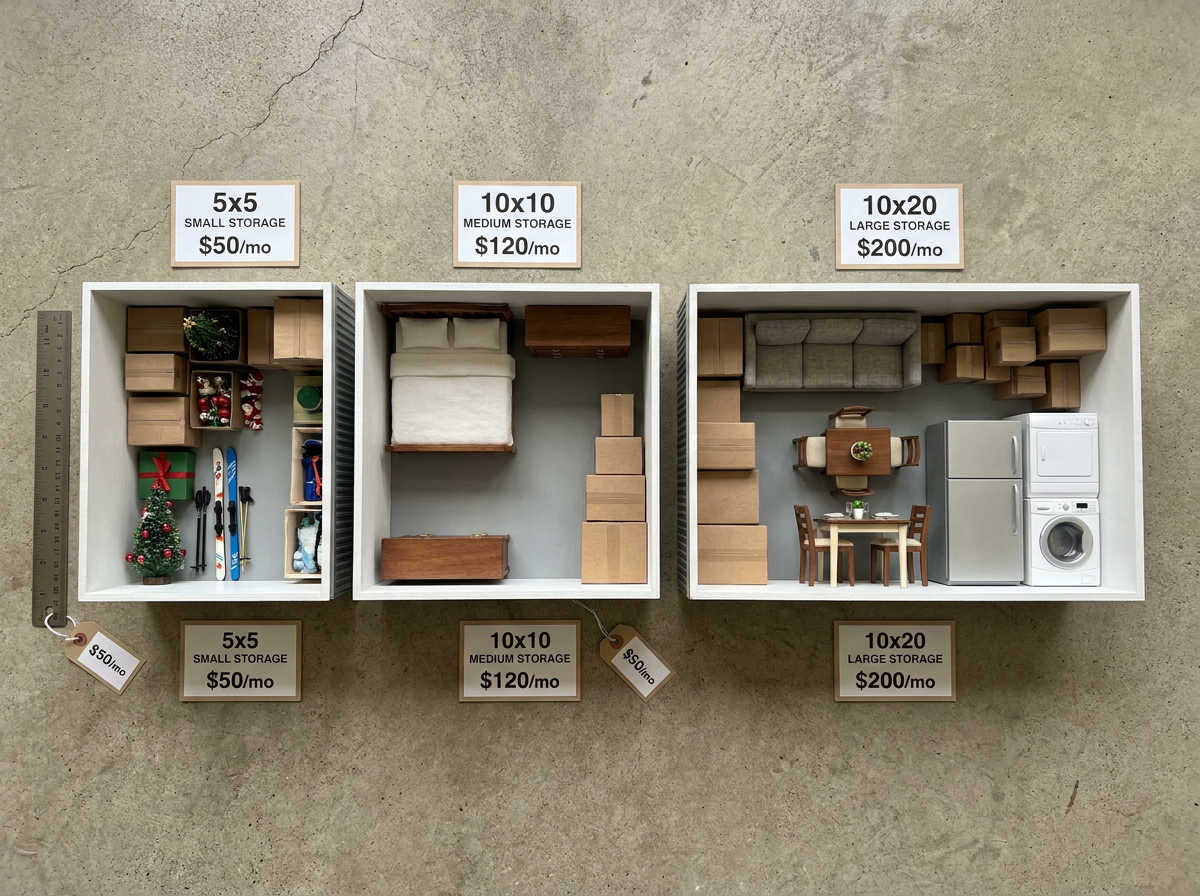
| 10x10 (100 sq ft) | $100 to $180 | $150 to $250 | One-bedroom apartment, small office |
| 10x20 (200 sq ft) | $170 to $290 | $250 to $450 | Three-bedroom home, vehicles |
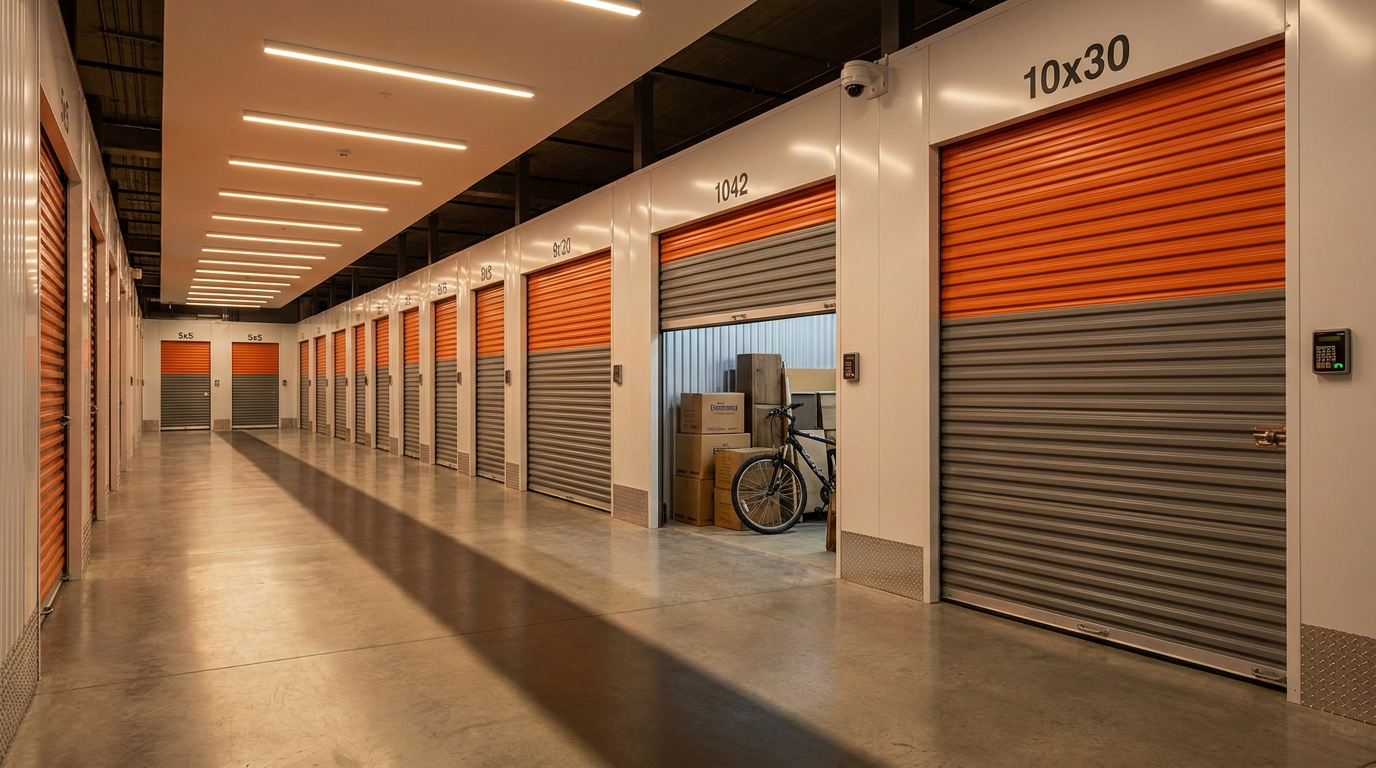
| 10x30 (300 sq ft) | $250 to $400 | $350 to $550 | Large homes, boats, multiple vehicles |
How Big Is a 10x10 Storage Unit?
A 10x10 storage unit provides 100 square feet of floor space with ceilings typically 8 to 10 feet high. This size holds the contents of a one-bedroom apartment, including a queen bed, dresser, couch, dining table, and 20 to 30 boxes. Most renters find this the ideal middle-ground option for home moves and seasonal storage needs.
For reference, a 10x10 unit is roughly the size of a half-car garage. You can fit a small car or motorcycle inside, though dedicated vehicle storage often provides better value for automobiles.
How Big Is a 5x10 Storage Unit?
A 5x10 unit offers 50 square feet, equivalent to a walk-in closet. This size accommodates a studio apartment's furnishings, a mattress set with a few pieces of furniture, or approximately 15 to 20 moving boxes. For seasonal gear storage, including skis, bikes, and camping equipment, a 5x10 typically provides adequate space.
Climate Controlled vs Standard Storage Costs
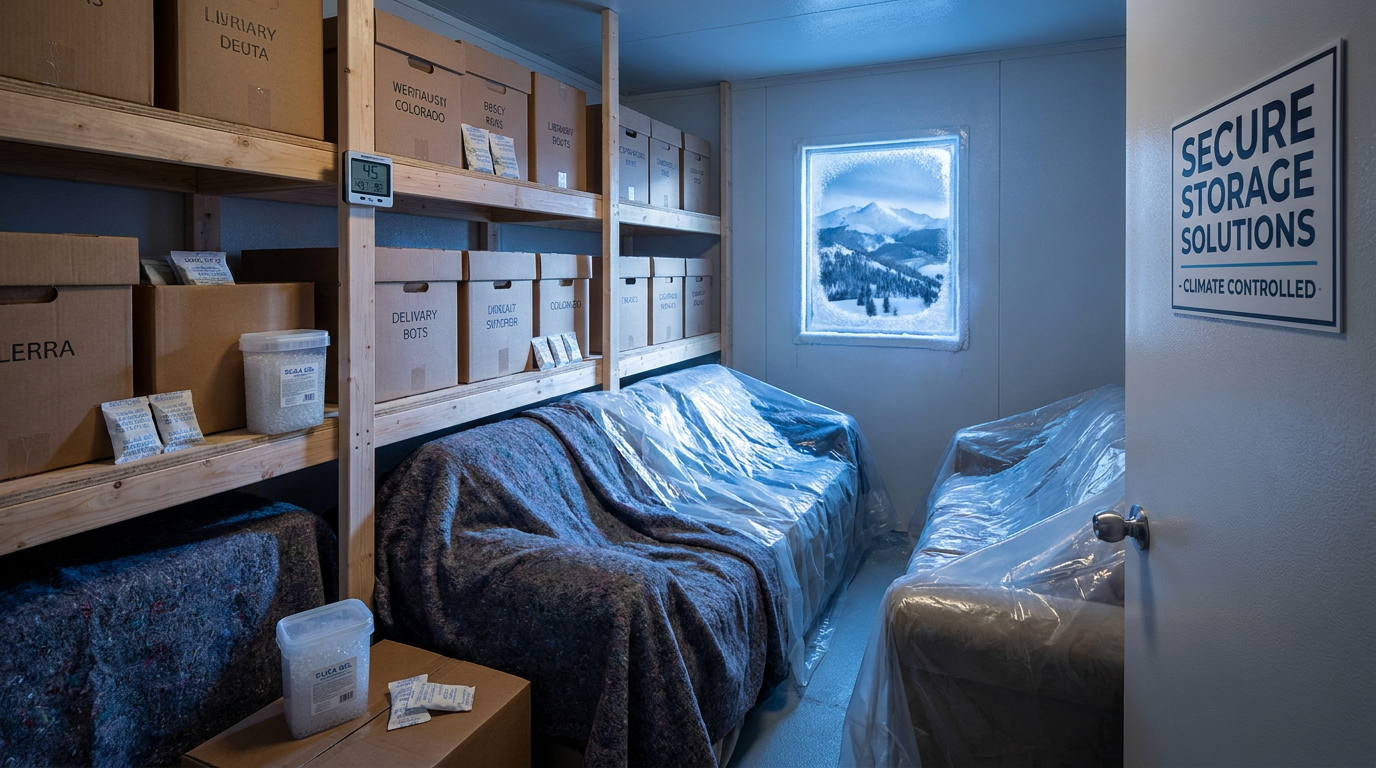
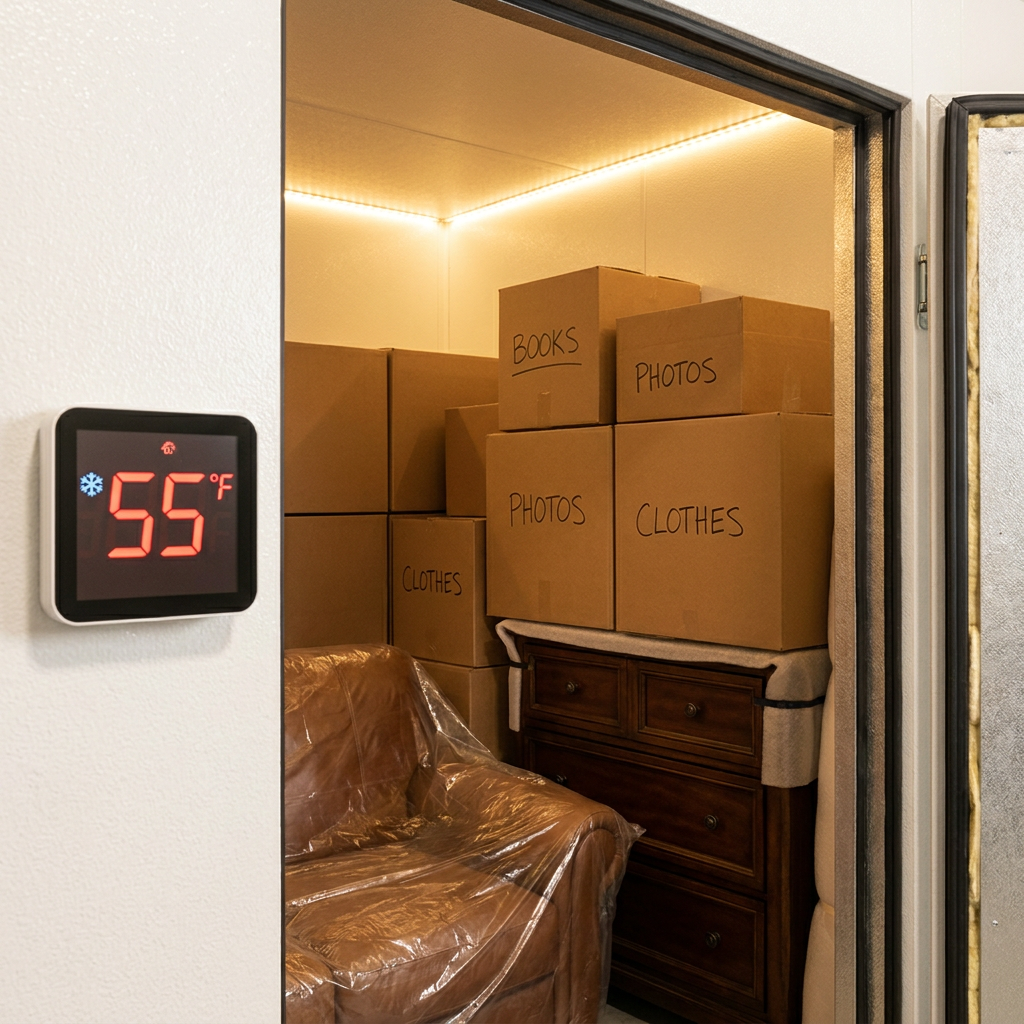
Climate-controlled storage units maintain temperatures between 55 and 80 degrees Fahrenheit year-round. According to Public Storage's pricing guide, this feature adds $25 to $50 per month to your base rate, representing a 20% to 40% premium over standard units.
The investment makes sense for specific items. Electronics, wooden furniture, leather goods, artwork, wine collections, and important documents all suffer damage from temperature extremes and humidity fluctuations. In mountain communities where winter temperatures drop below 32 degrees Fahrenheit and summer highs exceed 85 degrees, climate control prevents warping, cracking, and moisture damage.
Standard units work well for items that tolerate temperature swings: metal tools, outdoor furniture, sporting equipment with proper cases, and sealed plastic containers. If you are storing items for less than three months during mild weather, standard storage typically suffices.
What Affects Self Storage Unit Prices?
Beyond size and climate control, several factors influence your monthly rate. Understanding these variables helps you find the best value for your storage needs.
Location and Market Demand
Storage pricing follows real estate patterns. FindStorageFast reports that a 10x10 unit costs approximately $64 per month in Houston but $202 per month in Los Angeles. Mountain resort towns, college communities, and urban centers command premium rates due to limited land availability and high seasonal demand.
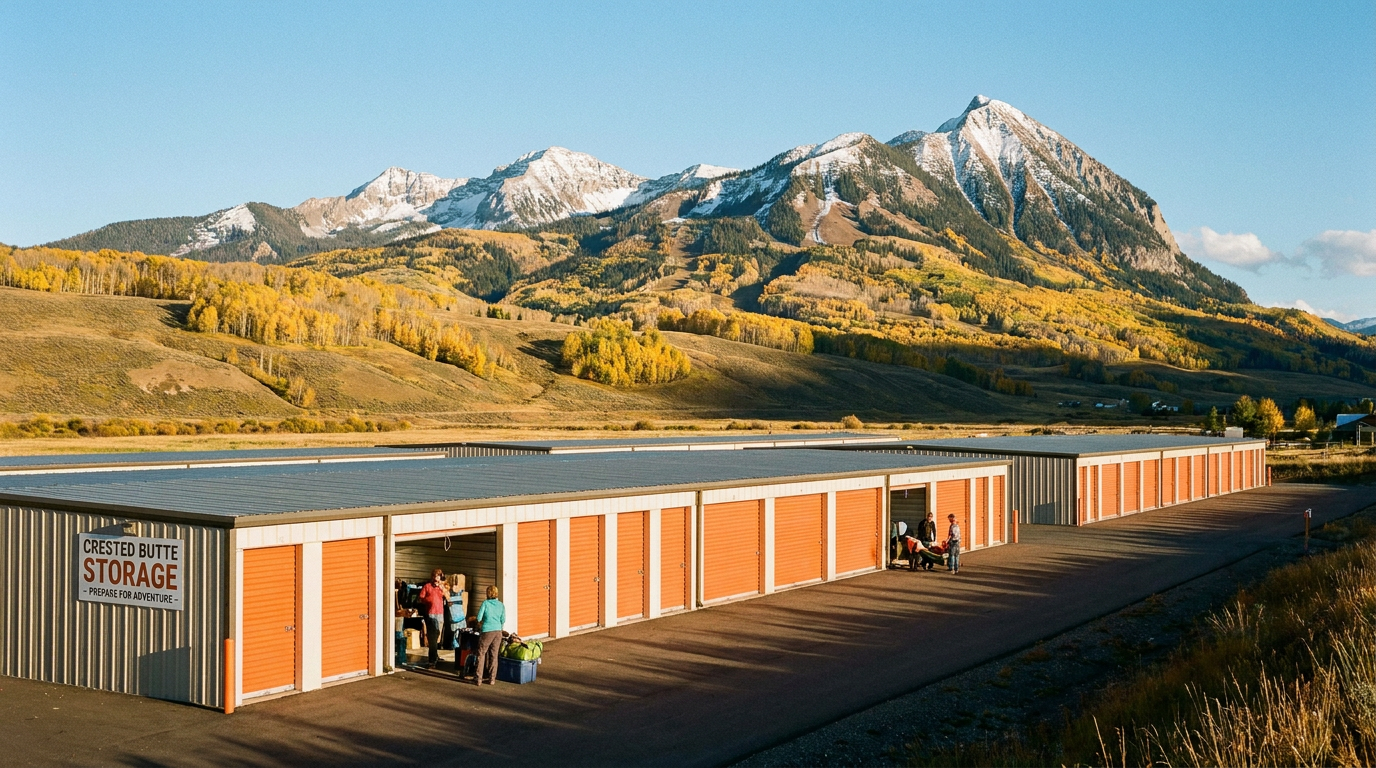
In Colorado's mountain communities, storage prices run 25% to 40% higher than Front Range cities. Crested Butte, Aspen, Vail, and similar resort areas have fewer facilities competing for customers, and seasonal population swings create inventory shortages during peak periods.
Access Type: Drive-Up vs Interior
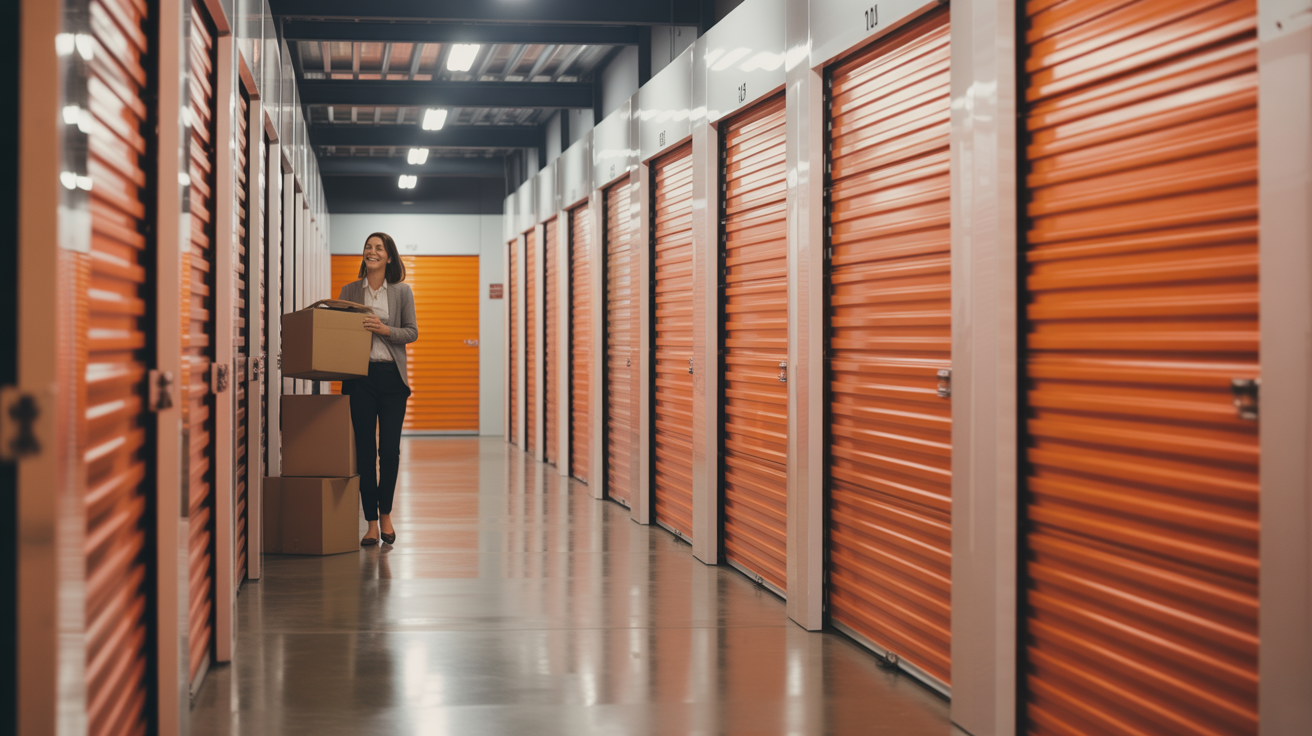
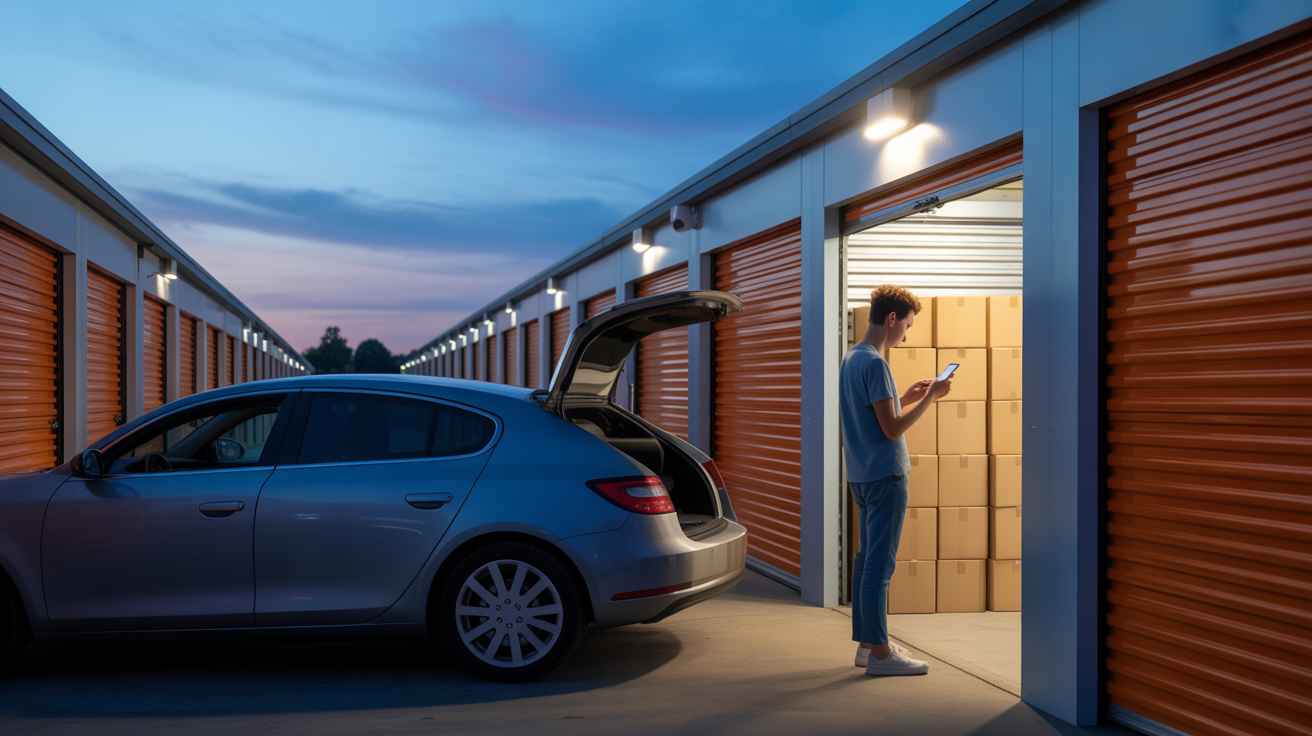
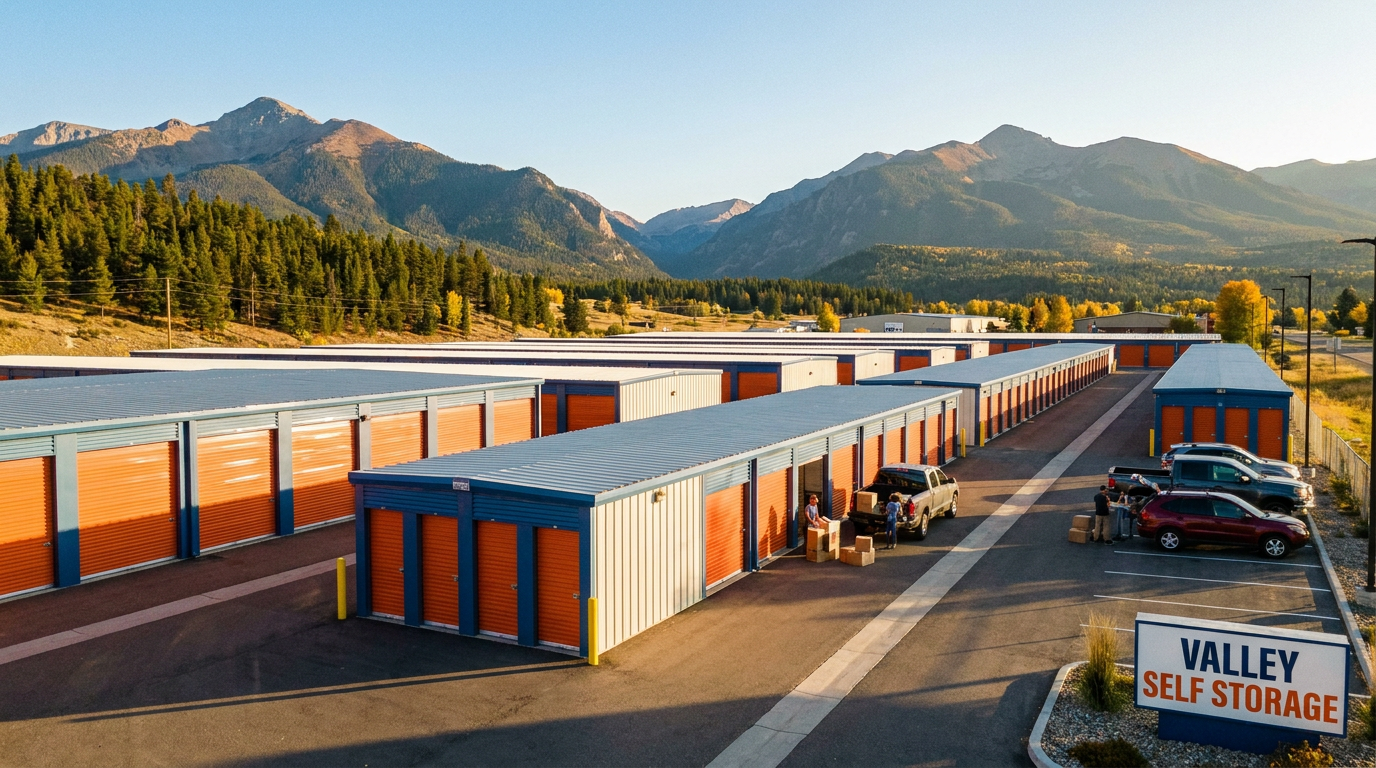
Drive-up units allow you to pull your vehicle directly to the unit door, simplifying loading and unloading of heavy items. This convenience typically costs $10 to $30 more per month than interior hallway units. For furniture, appliances, and frequent access needs, drive-up access saves significant time and effort.
Interior units, accessed through hallways inside a building, often provide better protection from weather and temperature extremes. These work well for boxes, documents, and items you access infrequently. Some facilities offer elevator access for upper-floor interior units, though ground-floor options command slight premiums.
Security Features
Facilities with robust security measures, including gated access, digital video surveillance, individual unit alarms, and on-site management, charge higher rates. These features reduce theft and vandalism risk, potentially lowering your insurance costs. A facility with 24-hour surveillance and LED lighting throughout typically charges 10% to 15% more than basic facilities.
Lease Terms and Promotions
Month-to-month leases offer flexibility but may cost 5% to 10% more than long-term commitments. Many facilities offer first-month discounts of 50% or more for new customers. U-Haul's 1-Year Price Lock program guarantees your rate will not increase during that period, providing budget predictability.
RV, Boat, and Vehicle Storage Pricing
Vehicle storage operates on a different pricing structure than standard self storage units. According to industry data from the Self Storage Association, RV and boat storage costs range from $50 to $450 per month depending on the storage type and vehicle size.
| Storage Type | Monthly Cost Range | Protection Level |
|---|---|---|
| Open-Air Parking | $50 to $150 | Minimal; exposed to weather |
| Covered Parking | $100 to $250 | Roof protection from sun and precipitation |
| Enclosed Unit | $200 to $450 | Full protection; individual locked space |
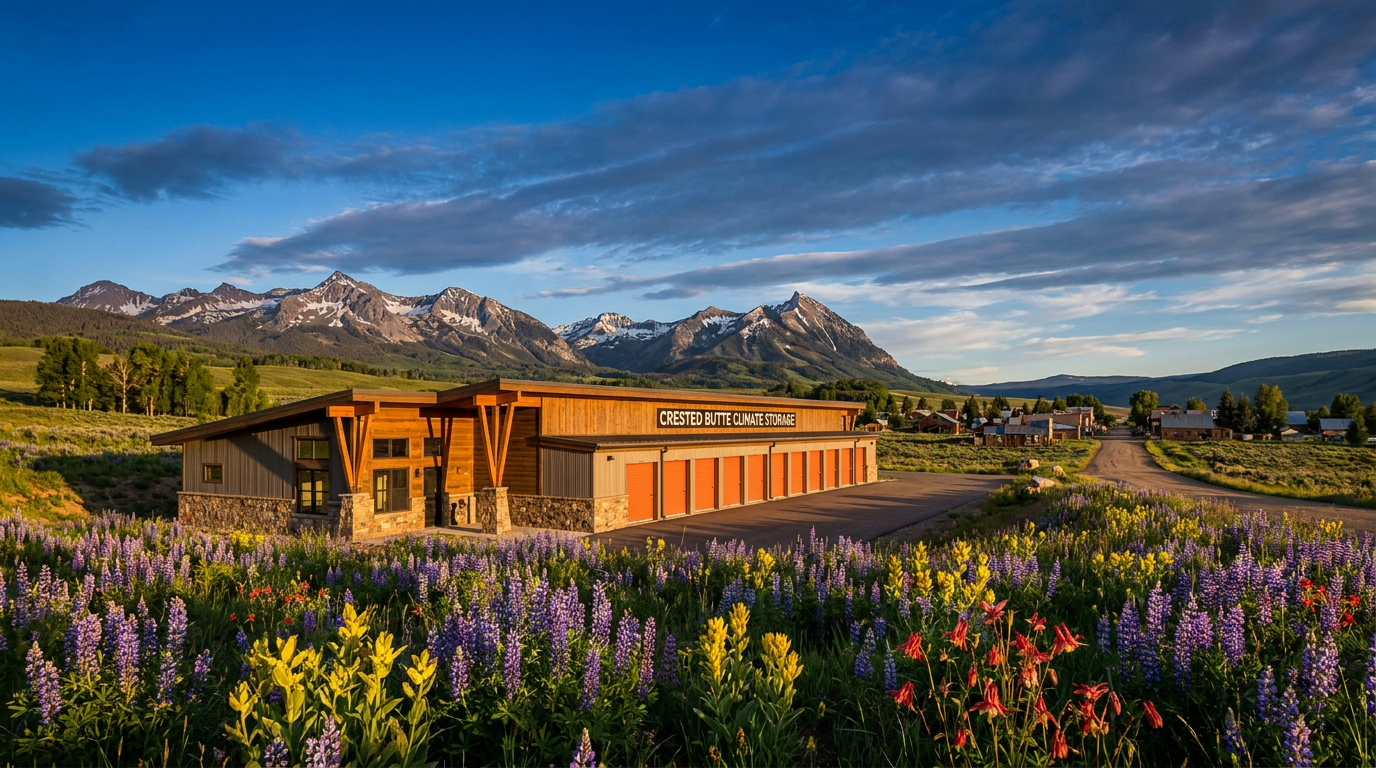
For RV and boat owners in mountain communities, storing vehicles near your recreation area eliminates long towing distances. A facility in Crested Butte, for example, allows you to access your boat or RV without driving 28 miles from Gunnison. This convenience factor often justifies premium pricing for local storage options.
Storage Costs in Colorado Mountain Towns
Colorado's mountain resort communities present unique storage challenges. Limited commercial real estate, harsh winter conditions, and seasonal population fluctuations create a seller's market for storage facilities. Expect to pay 30% to 50% above national averages in towns like Crested Butte, Telluride, Breckenridge, and Steamboat Springs.
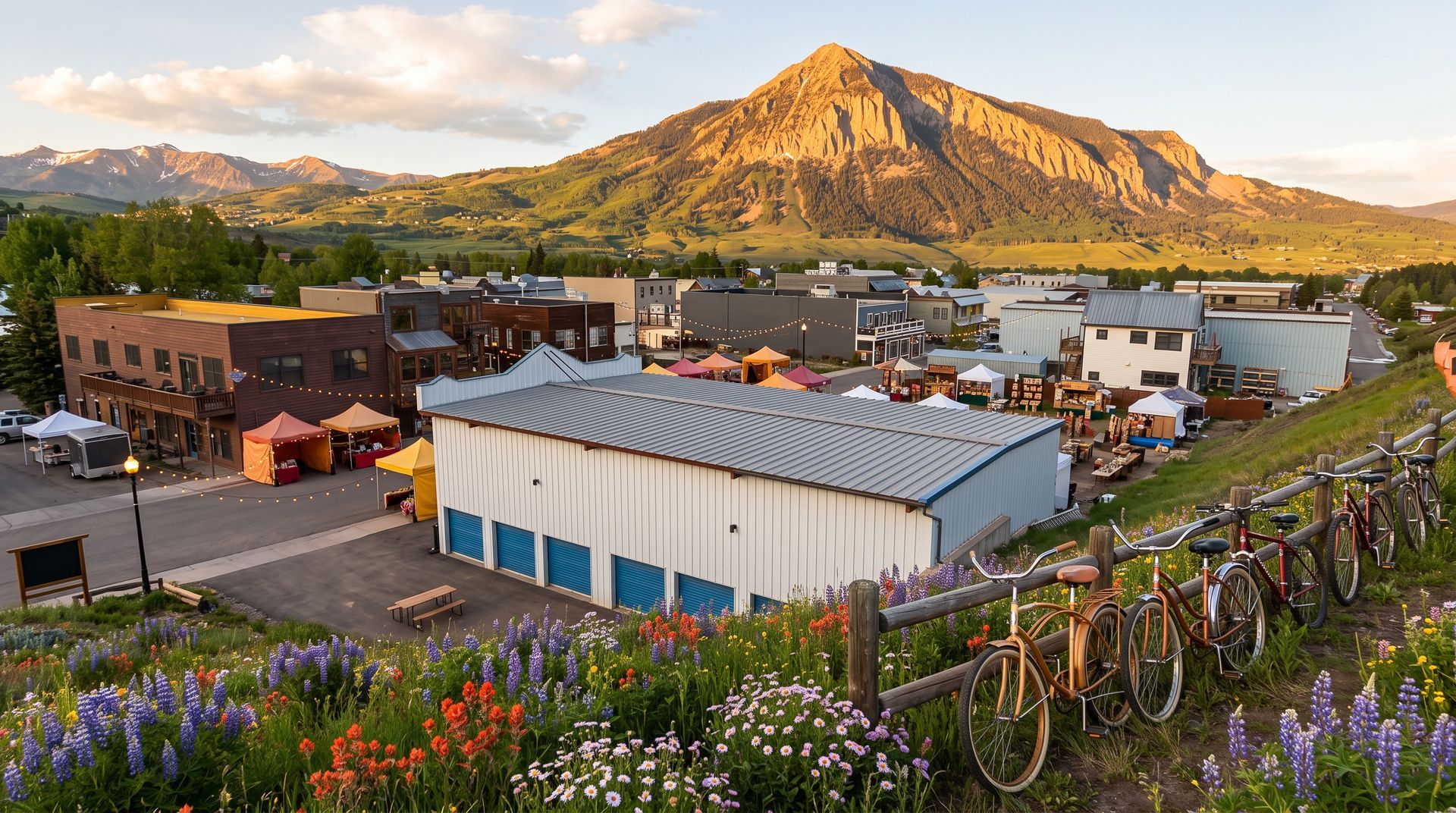
In the Gunnison Valley, storage options concentrate in Gunnison proper, requiring a 28-mile drive from Crested Butte. For second-home owners, seasonal residents, and locals with limited garage space, this distance creates logistical challenges. Facilities located directly in resort towns command premium rates but offer significant convenience value.
Learn how Crested Butte storage rates compare to national averages in our 2026 self-storage pricing guide, which breaks down costs specific to the Gunnison Valley market.
How to Find the Cheapest Storage Units
Reducing your storage costs requires strategic timing and comparison shopping. These approaches consistently yield savings of 15% to 40% on monthly rates.
Reserve online. Most major providers, including Extra Space Storage and Public Storage, offer web-only discounts. Online reservations frequently include 50% off the first month and waived administrative fees. This approach also lets you compare multiple facilities simultaneously.
Rent during off-peak months. Storage demand peaks during summer moving season, from May through September. Facilities offer deeper discounts from October through March when occupancy drops. If your timeline allows flexibility, waiting for off-season rates can save $20 to $50 per month.
Right-size your unit. Paying for unused space wastes money every month. Use a storage unit size guide to estimate your actual needs. A 5x10 unit at $100 per month costs $1,200 annually, while an unnecessary upgrade to 10x10 at $150 monthly adds $600 in yearly expenses.
Ask about price matching. Many facilities match competitor rates when presented with documentation. Before signing a lease, check prices at nearby locations and request a match if you find lower rates for comparable units.
Negotiate long-term rates. If you need storage for six months or longer, ask about discounted rates for prepayment or extended commitments. Some facilities offer 10% to 15% discounts for quarterly or annual payments.
Storage Insurance: What You Need to Know
Storage facilities require proof of coverage for your stored items. Your homeowners or renters insurance policy may extend coverage to storage units, typically up to 10% of your personal property limit. Contact your insurance provider to verify coverage before purchasing a separate policy.
Facility-offered tenant protection plans cost $10 to $30 per month and cover theft, fire, water damage, and certain natural disasters. These plans provide convenient coverage without affecting your primary insurance policy's claims history. Our tenant protection plans cover burglary, fire, water damage, and more with straightforward claims processes.
For detailed information on what storage insurance covers and whether you need additional protection, read our complete storage insurance guide.
Frequently Asked Questions About Storage Unit Prices
How much is a typical self storage unit?
A typical self storage unit costs between $100 and $180 per month for a 10x10 space, which is the most commonly rented size. Smaller 5x5 units start around $40 to $70 monthly, while larger 10x20 units range from $170 to $290. Your location significantly impacts these figures, with urban and resort areas charging 20% to 50% premiums.
What is the cheapest way to get storage?
The cheapest storage options include renting the smallest unit that fits your needs, choosing standard over climate-controlled units, reserving online for promotional pricing, and renting during off-peak months from October through March. Comparing rates across multiple facilities and asking about price matching can yield additional savings of 10% to 20%.
How much does a 10x20 storage cost?
A 10x20 storage unit costs $170 to $290 per month nationally, with urban and resort markets charging $250 to $450 or more. This size provides 200 square feet, enough space for a three-bedroom home's contents, multiple vehicles, or significant business inventory. Drive-up access for this size typically adds $20 to $40 monthly.
How much does it cost to build 100 storage units?
Building 100 storage units costs approximately $1.5 million to $3.5 million depending on location, construction type, and amenities. Single-story drive-up facilities cost $25 to $45 per square foot, while multi-story climate-controlled buildings run $45 to $75 per square foot. Land acquisition, permitting, and site preparation add significant additional costs.
Finding the Right Storage Solution
Storage unit prices vary significantly based on your specific needs and location. For most household storage situations, expect to pay $100 to $200 monthly for adequate space. Vehicle and specialty storage requires separate budgeting, with RV and boat storage adding $100 to $400 to your monthly expenses.
In mountain communities like Crested Butte, local storage options provide convenience that justifies premium pricing. Avoiding long drives to access your belongings, especially during winter months, adds practical value beyond simple price comparisons. Find answers to common questions in our storage FAQ or call us at (970) 316-4811 to discuss your specific storage needs.
|