How to Maximize Space in a 10x10 Storage Unit |
| HOW TO MAXIMIZE SPACE IN A 10X10 STORAGE UNIT
⏱ 15 min read ·
📄 #2,824 words
Learn proven strategies to maximize your 10x10 storage unit space. Expert tips on vertical stacking, shelving, and organization to fit 40% more items.
|
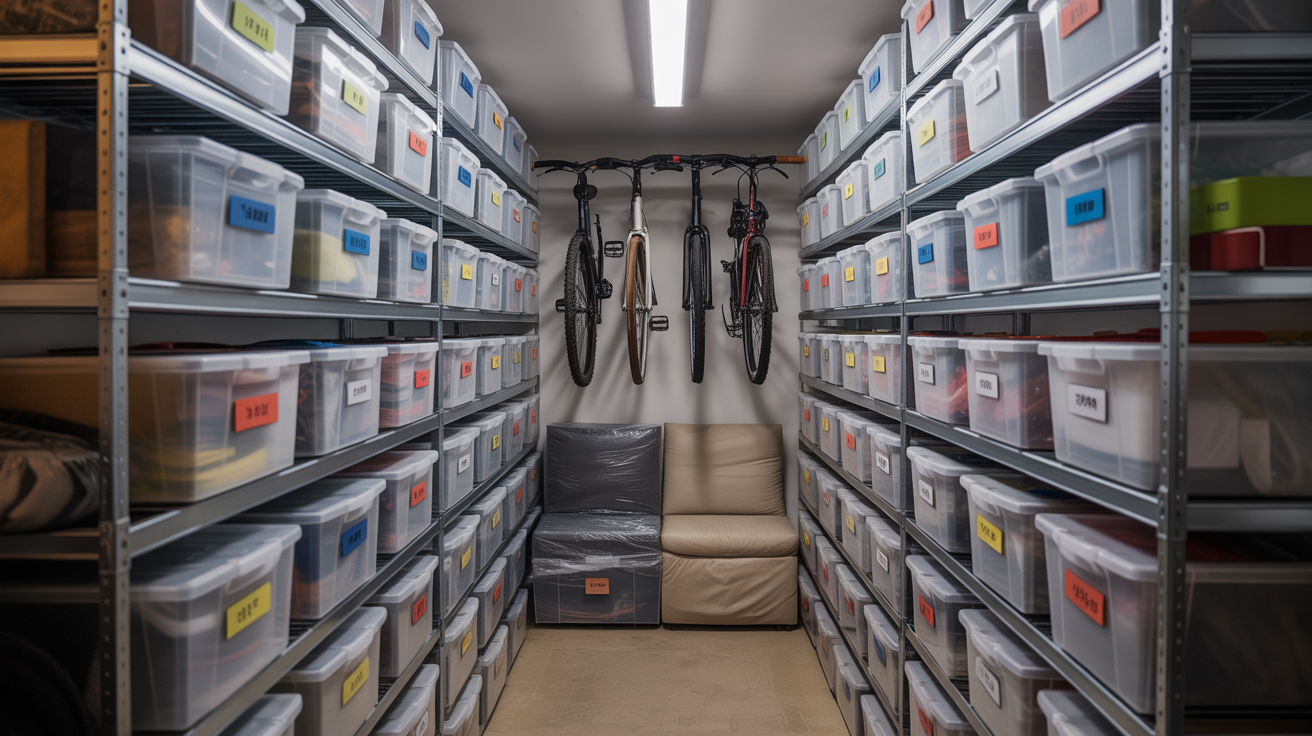
A 10x10 storage unit holds 100 square feet of floor space and 400 to 500 cubic feet of usable volume when you stack vertically. Most renters waste 30 to 50 percent of their unit by ignoring vertical space and packing without a plan. With strategic organization, you can fit the contents of a two to three bedroom apartment into this single space.
| Key Points: | |
|---|---|
| • | Install shelving to reclaim 40 to 60 percent more floor space instantly |
| • | Disassemble furniture to reduce volume by up to 50 percent |
| • | Use vacuum seal bags to compress soft goods by 70 to 80 percent |
| • | Stack uniform boxes with heaviest items on bottom, leaving a 36 inch center aisle |
| • | Hang bikes, seasonal gear, and bags from ceiling hooks to save 10 square feet of floor space |
Understanding Your 10x10 Storage Unit Dimensions
Before packing a single box, understand exactly what you have to work with. A standard 10x10 unit measures 10 feet wide by 10 feet deep, with ceiling heights ranging from 8 to 10 feet depending on the facility. This gives you roughly the same footprint as a small bedroom or half of a one car garage.
The real opportunity lies in vertical space. While you have 100 square feet on the floor, you have 400 to 500 cubic feet of total volume. Most renters focus only on floor space and leave the top half of their unit completely empty. According to storage industry surveys, 70 percent of renters underutilize vertical space, effectively paying for storage capacity they never use.
What Actually Fits in a 10x10 Unit
When packed efficiently, a 10x10 unit accommodates the contents of a two to three bedroom apartment. This typically includes a king or queen mattress set, a sofa or sectional, a dining table with chairs, dressers, nightstands, and 30 to 50 medium sized boxes. You can also fit major appliances like a refrigerator, washer, or dryer.
The key phrase is "when packed efficiently." Without proper organization, you might struggle to fit even half of these items. The strategies below help you maximize every cubic foot of your rental.
Essential Space Maximizing Strategies
Install Freestanding Shelving Units
Shelving transforms a 10x10 unit from a cluttered pile into an organized storage system. Heavy duty wire shelving units, such as five tier racks from hardware stores, cost $60 to $100 and hold 200 to 350 pounds per shelf. Position shelving along the back and side walls, leaving a three foot center aisle for access.
Shelving provides 40 to 60 percent more usable floor space by moving boxes and bins off the ground. You can access items without unstacking heavy boxes, and airflow beneath shelves helps prevent moisture buildup. For renters storing items longer than six months, this single investment often pays for itself by eliminating the need to upgrade to a larger unit.
At Elk Mountain Storage, our 10x10 interior units keep belongings fully enclosed and out of the weather, and shelving keeps everything organized and easy to reach between seasons.
Disassemble All Furniture
A fully assembled bed frame, dining table, or desk wastes enormous amounts of space. Disassembling furniture reduces volume by up to 50 percent and allows pieces to stack flat against walls. Remove legs from tables, take apart bed frames, and separate sectional sofa pieces.
Keep hardware organized by placing screws, bolts, and small parts in labeled plastic bags. Tape these bags directly to the furniture piece they belong to, or store them in a clearly marked container near the front of your unit. This prevents the frustrating search for missing parts when you eventually reassemble everything.
Use Vacuum Seal Bags for Soft Goods
Clothing, bedding, towels, and blankets consume massive amounts of space when stored loosely. Vacuum seal compression bags reduce soft goods by 70 to 80 percent of their original volume. A king size comforter that normally fills an entire box compresses to the size of a pillow.
Purchase bags in multiple sizes to accommodate different items. Store compressed bags under shelves or in gaps between larger furniture pieces. The bags also protect contents from dust, moisture, and pests. For long term storage exceeding one year, check bags periodically and reseal if they lose compression.
Stack Strategically with Uniform Boxes
Random box sizes create unstable stacks and wasted gaps. Use uniform medium boxes measuring approximately 18 by 18 by 16 inches for most items. These stack securely, fit standard shelving, and remain light enough to lift when full of household goods.
Always place heaviest boxes on the bottom and lightest on top. This prevents crushing and creates stable columns that reach ceiling height safely. Reinforce box bottoms with extra tape, especially for heavier contents. A single column of uniform boxes can hold 6 to 8 boxes stacked vertically, effectively tripling your floor space usage.
Advanced Techniques for Maximum Capacity
Utilize Overhead and Ceiling Space
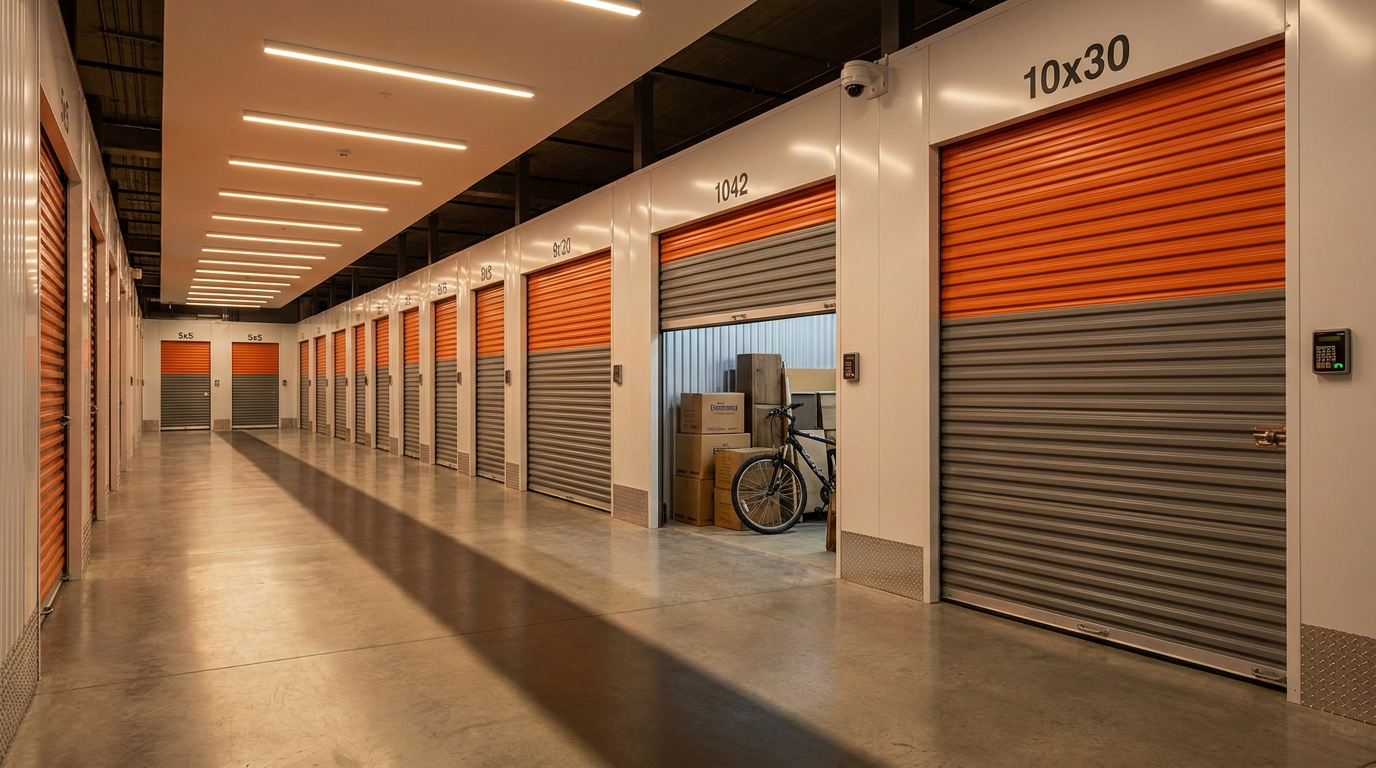
The space above your head represents free storage capacity that most renters ignore completely. Ceiling mounted hooks hold bicycles, kayaks, ladders, and seasonal equipment weighing 200 to 500 pounds. Suspending just two bicycles from the ceiling saves 10 square feet of floor space.
Install hooks rated for the weight you plan to hang. Position them near the back of the unit where they will not obstruct access to frequently needed items. For lighter items like camping chairs, sports equipment bags, or holiday decorations, simple S hooks on a suspended rod work well.
Elevate Items with Pallets
Placing items directly on concrete floors risks moisture damage and makes bottom items difficult to access. Plastic pallets, available for $10 to $15 each at hardware stores, elevate your belongings 4 to 6 inches off the ground. This creates airflow beneath your items and provides protection against minor flooding or condensation.
Pallets also allow you to slide heavy stacks forward when you need to access items stored behind them. This simple technique eliminates the need to unstack and restack boxes every time you visit your unit. For valuable items or long term storage, pallets represent an inexpensive insurance policy against ground level moisture.
Create Zones by Access Frequency
Not all stored items need equal accessibility. Divide your unit into zones based on how often you need to retrieve items. Place frequently accessed belongings near the front door at waist to shoulder height. Store seasonal items you access quarterly in the middle zone. Push rarely needed items to the back corners and highest shelves.
This zoning approach prevents the common frustration of needing to move 20 boxes to reach one item stored in the back. Before packing your unit, make a list of items and estimate how often you will need each one. Pack in reverse order of access frequency, with rarely needed items going in first.
Protective Packing That Saves Space
Nest Items Inside Each Other
Hollow items waste interior space when stored empty. Stack pots and pans inside each other with felt pads between them. Fill dresser drawers with folded clothing, linens, or small items. Store smaller boxes inside larger appliances like washing machines, refrigerators, or ovens.
This nesting approach eliminates dead space inside hollow objects. A single dresser with filled drawers replaces three or four boxes worth of storage. A refrigerator interior holds several boxes of non food items. Look for every opportunity to use interior space that would otherwise sit empty.
Fill Gaps with Soft Items
Irregular shaped items create gaps and dead space between boxes and furniture. Fill these gaps with soft, flexible items like pillows, stuffed animals, rolled towels, or bagged clothing. This approach eliminates wasted space while providing cushioning that protects fragile items from shifting.
Keep a bag of soft filler items accessible while packing your unit. As you position furniture and stack boxes, immediately fill any visible gaps. This continuous gap filling prevents the accumulation of small dead spaces that collectively waste significant storage capacity.
Protect Items Without Bulky Packaging
Excessive bubble wrap and packing paper add bulk without proportional protection. Use furniture blankets and moving pads to wrap large items. These provide excellent protection while adding minimal thickness. Rent or purchase blankets and reuse them when you eventually empty your unit.
For fragile items, wrap individually but avoid over padding. Two layers of bubble wrap protect most items adequately. Excessive wrapping wastes space and money without meaningful benefit. Consider our storage protection plans for additional peace of mind on valuable items.
Layout Planning Before You Pack
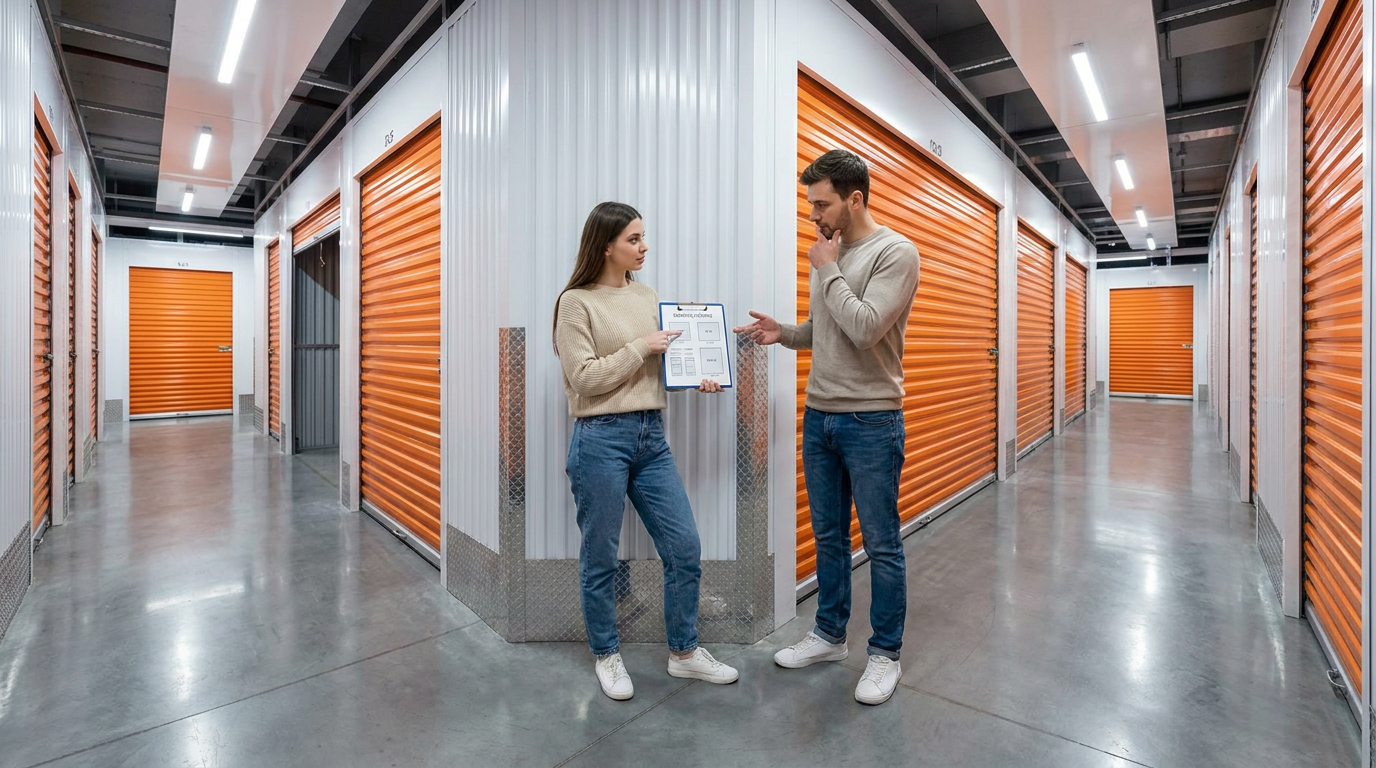
Map Your Unit in Advance
Professional movers never pack without a plan, and neither should you. Sketch your unit dimensions on paper or use a free floor planning app to visualize placement. Mark the door location, note ceiling height, and plan where shelving, furniture, and box stacks will go.
A mapped layout prevents the common mistake of blocking access to items you need regularly. It also reveals opportunities to maximize space that become invisible once packing begins. Spend 30 minutes planning before your move day to save hours of reorganization later.
Maintain Required Pathways
Fire codes and practical access require a 36 inch pathway from the door to the back of your unit. Plan this aisle before placing any items. Some renters create a T shaped or L shaped pathway that provides access to items stored along side walls as well.
Blocking your pathway creates safety hazards and makes retrieval frustrating. You should be able to walk directly to any zone of your unit without climbing over boxes or squeezing between furniture. If your pathway disappears during packing, stop and reorganize before continuing.
Consider Climate Control Needs
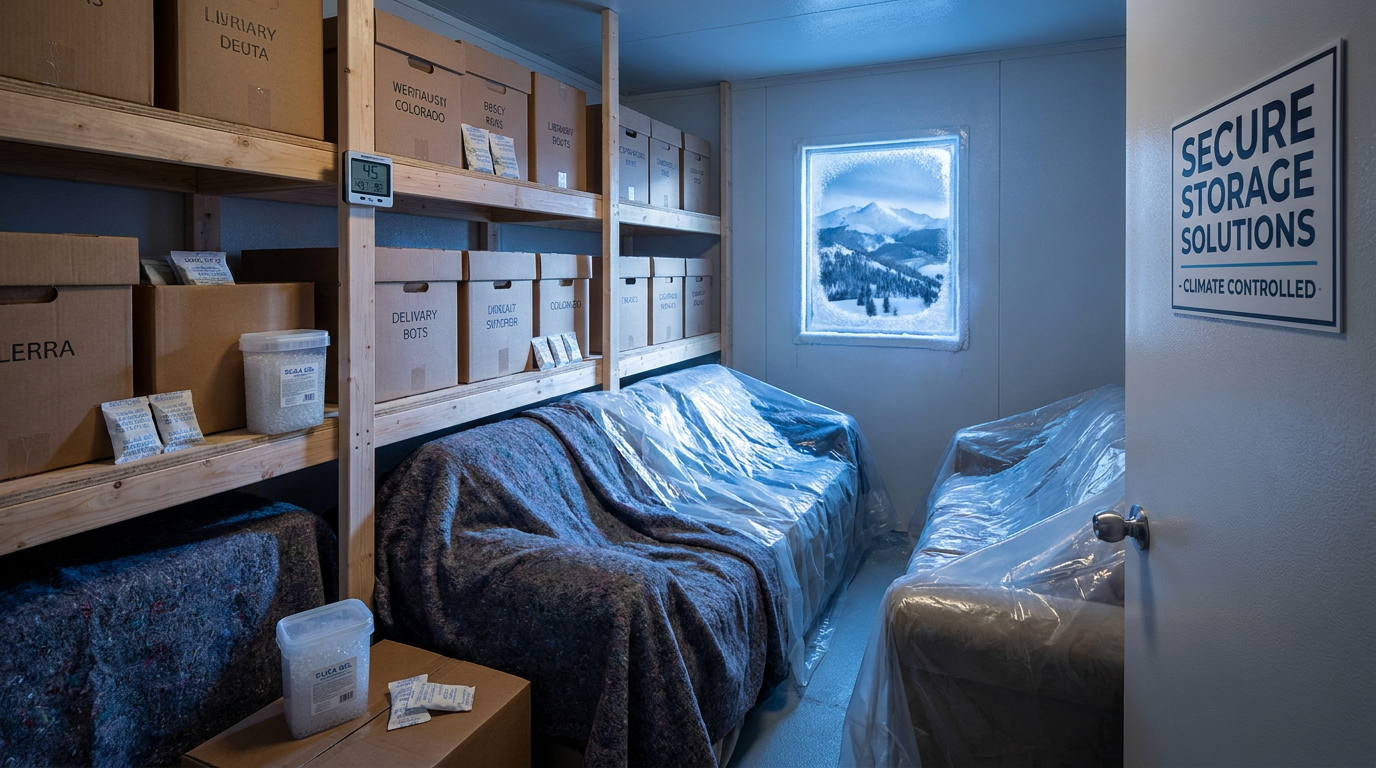
Items sensitive to temperature and humidity require climate controlled storage to prevent damage. Electronics, wooden furniture, leather goods, photographs, and documents deteriorate in extreme temperatures. Climate controlled units maintain temperatures between 55 and 80 degrees Fahrenheit year round.
In the Gunnison Valley, temperature swings between seasons can stress sensitive items stored in standard units. Our storage unit size guide helps you choose the right unit type and size for your specific needs. Interior 10x10 units at Elk Mountain Storage keep your belongings enclosed and shielded from Colorado snow, sun, and rain.
Common Mistakes That Waste Space
Packing Boxes Partially Full
Half empty boxes waste space and create unstable stacks. Fill every box completely, using packing paper or soft items to eliminate empty space at the top. A fully packed box stacks securely and uses every cubic inch of its volume.
If you run out of items for a box size, switch to smaller boxes rather than leaving empty space. Partially filled boxes also shift during stacking, potentially damaging contents and creating unsafe columns. Take the extra time to fill boxes completely before sealing.
Storing Items You Should Donate or Discard
Storage units cost $80 to $200 per month for a 10x10 space. Storing items worth less than your annual rental cost makes poor financial sense. Before packing, honestly evaluate whether each item deserves paid storage or should be donated, sold, or discarded.
A ruthless decluttering session before your move often eliminates 20 to 30 percent of items you planned to store. This reduction might allow you to rent a smaller unit, saving $50 to $100 monthly. The items you eliminate also free space for things you actually value and will use again.
Ignoring Inventory and Labels
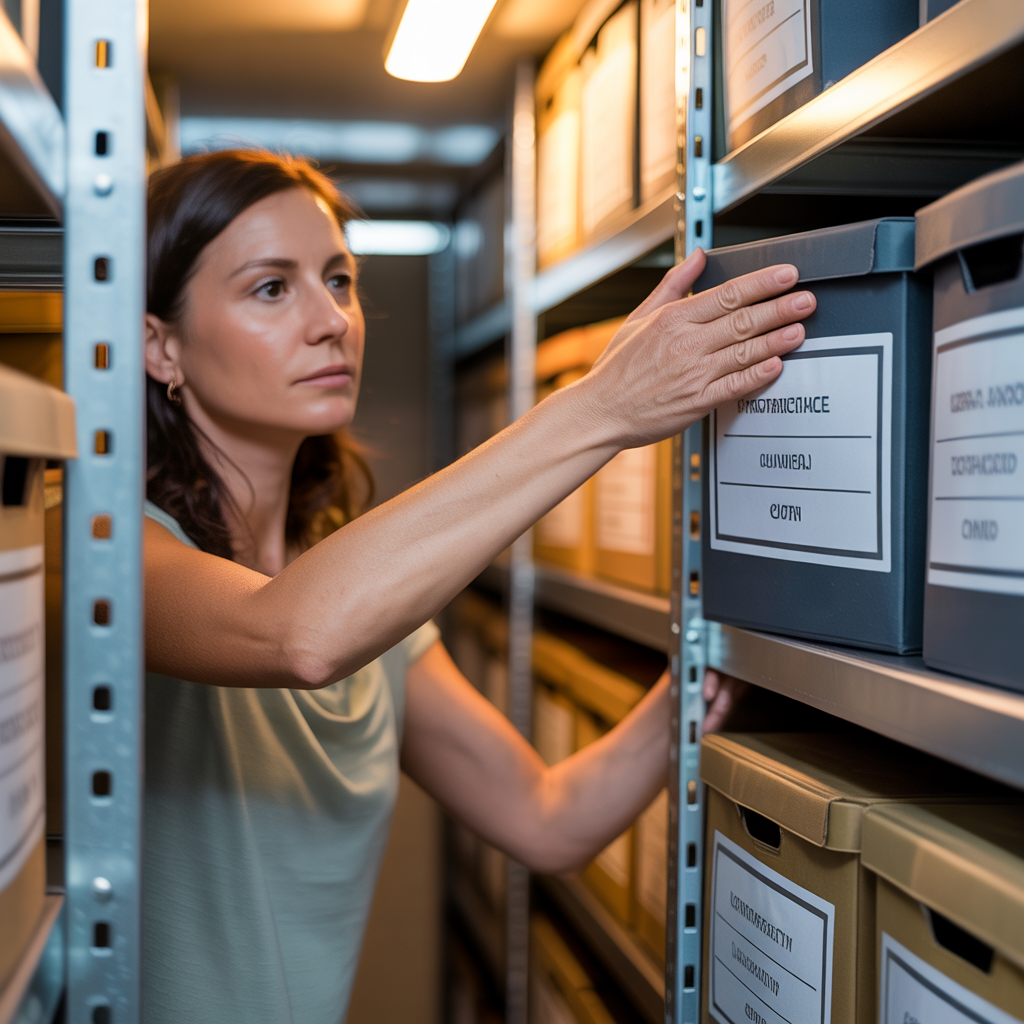
Unlabeled boxes force you to open and search through multiple containers to find specific items. Label every box on at least two sides with detailed contents descriptions. Create a master inventory list with box numbers and contents for reference without visiting your unit.
Proper labeling saves time during retrieval and helps you pack more efficiently. When you know exactly what each box contains, you can stack strategically based on access frequency. An inventory also proves invaluable for insurance claims if damage or theft occurs.
Seasonal Storage Rotation Tips
Rotate Items Quarterly
Seasonal items like holiday decorations, winter sports equipment, and summer camping gear only need access a few times per year. Store current season items in accessible front positions and off season items in back corners or high shelves.
Plan quarterly rotation visits to swap seasonal items. This approach keeps frequently needed items accessible while maximizing space with items you will not need for months. Schedule rotation visits on your calendar to maintain organization throughout the year.
Create Seasonal Access Kits
Group seasonal items in clearly labeled containers that you can grab quickly during rotation visits. A "Winter Sports Kit" might include ski gear, snowshoes, and cold weather clothing in one or two bins. A "Holiday Decorations Kit" keeps all seasonal items together for efficient retrieval.
These kits eliminate the need to search through multiple boxes during seasonal transitions. Position kit containers where you can access them without moving other items. This organization strategy saves significant time over the course of a year.
Tools and Supplies for Maximum Efficiency
Essential Packing Supplies
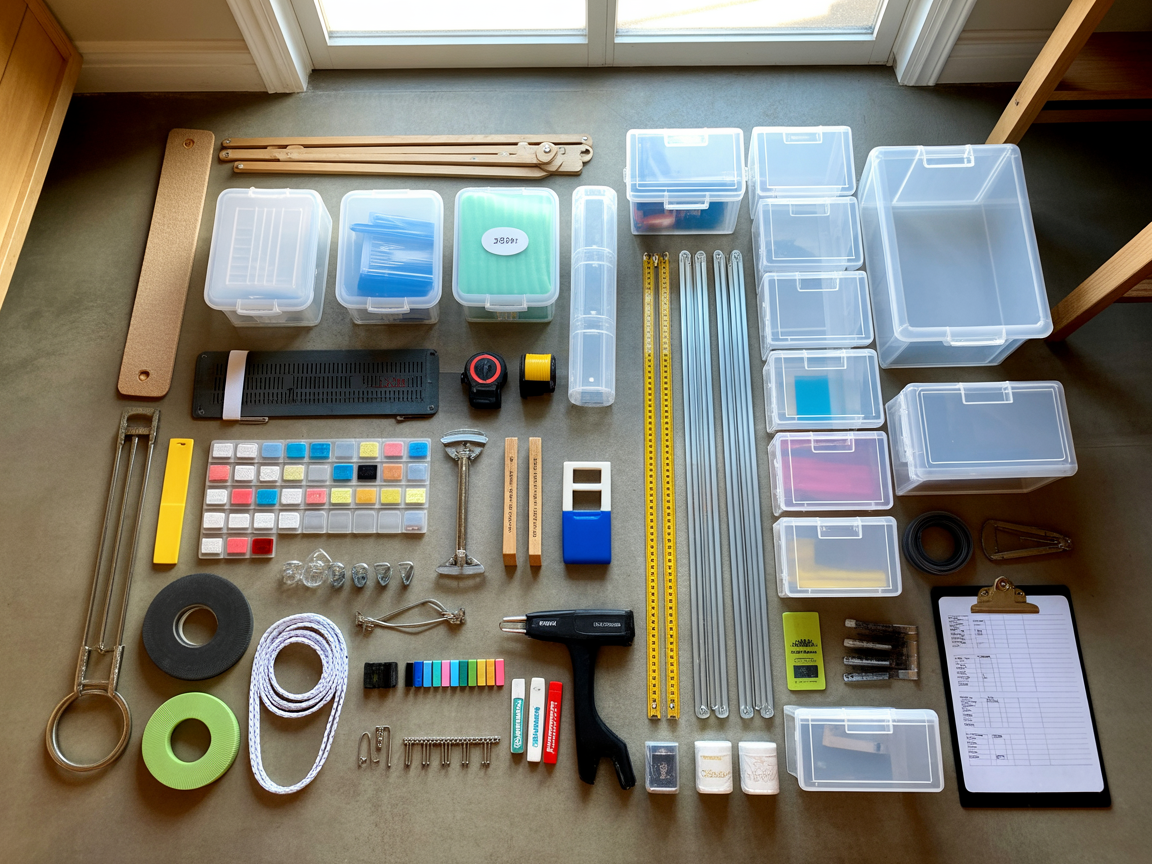
Gather supplies before packing day to avoid interruptions. You need uniform medium boxes (approximately 30 to 50 for a full unit), heavy duty packing tape, permanent markers, furniture blankets, and bubble wrap for fragile items. Add plastic bins for items needing extra protection from dust and moisture.
Purchase more supplies than you think you need. Running out of boxes or tape mid pack forces inefficient decisions. Unused supplies can be returned or saved for future use. Quality packing tape prevents box failures that damage contents and create disorganized stacks.
Helpful Organization Tools
Beyond basic supplies, several tools make packing and retrieval easier. A hand truck or dolly moves heavy items without strain. Ratchet straps secure tall stacks and prevent shifting. Plastic drawer units organize small items that would otherwise fill multiple boxes.
Clear plastic bins allow you to see contents without opening, saving time during retrieval. Color coded labels or tape help identify box categories at a glance. A small step ladder provides safe access to high shelves and overhead storage.
Frequently Asked Questions
What fits in a 10x10 storage unit?
A 10x10 storage unit fits the contents of a two to three bedroom apartment when packed efficiently. This includes a mattress set, sofa, dining table with chairs, dressers, nightstands, major appliances, and 30 to 50 boxes. Disassembling furniture and using vertical space significantly increases capacity.
How much does a 10x10 storage unit cost per month?
A 10x10 storage unit costs $80 to $200 per month depending on location, features, and facility type. Climate controlled units cost 20 to 50 percent more than standard units. At Elk Mountain Storage, our 10x10 interior upstairs units start at $275 per month.
Can I store a car in a 10x10 storage unit?
No, a 10x10 storage unit is too small for standard vehicles. Most cars require a minimum 10x20 unit for storage. A 10x10 unit works for motorcycles, ATVs, or very small vehicles like golf carts. Check our storage unit size guide for vehicle storage recommendations.
How do I organize a storage unit efficiently?
Organize a storage unit by creating zones based on access frequency, installing shelving for vertical storage, using uniform boxes that stack securely, labeling everything clearly, and maintaining a 36 inch center aisle. Map your layout before packing and place frequently needed items near the front at accessible heights.
Are climate controlled 10x10 units worth the extra cost?
Climate controlled units are worth the extra cost for temperature sensitive items including electronics, wooden furniture, leather goods, photographs, documents, and musical instruments. Climate control maintains temperatures between 55 and 80 degrees Fahrenheit, preventing damage from extreme heat, cold, and humidity fluctuations. For storage exceeding six months, climate control prevents 90 percent of temperature related damage.
How do I calculate what storage unit size I need?
Calculate storage unit size by measuring large furniture pieces and estimating box quantities. A 10x10 unit holds approximately 400 to 500 cubic feet. Measure your largest items to ensure they fit through the door and within the unit dimensions. Most facilities offer size guides with visual comparisons to common rooms and furniture arrangements.
Local Storage Solutions in Crested Butte
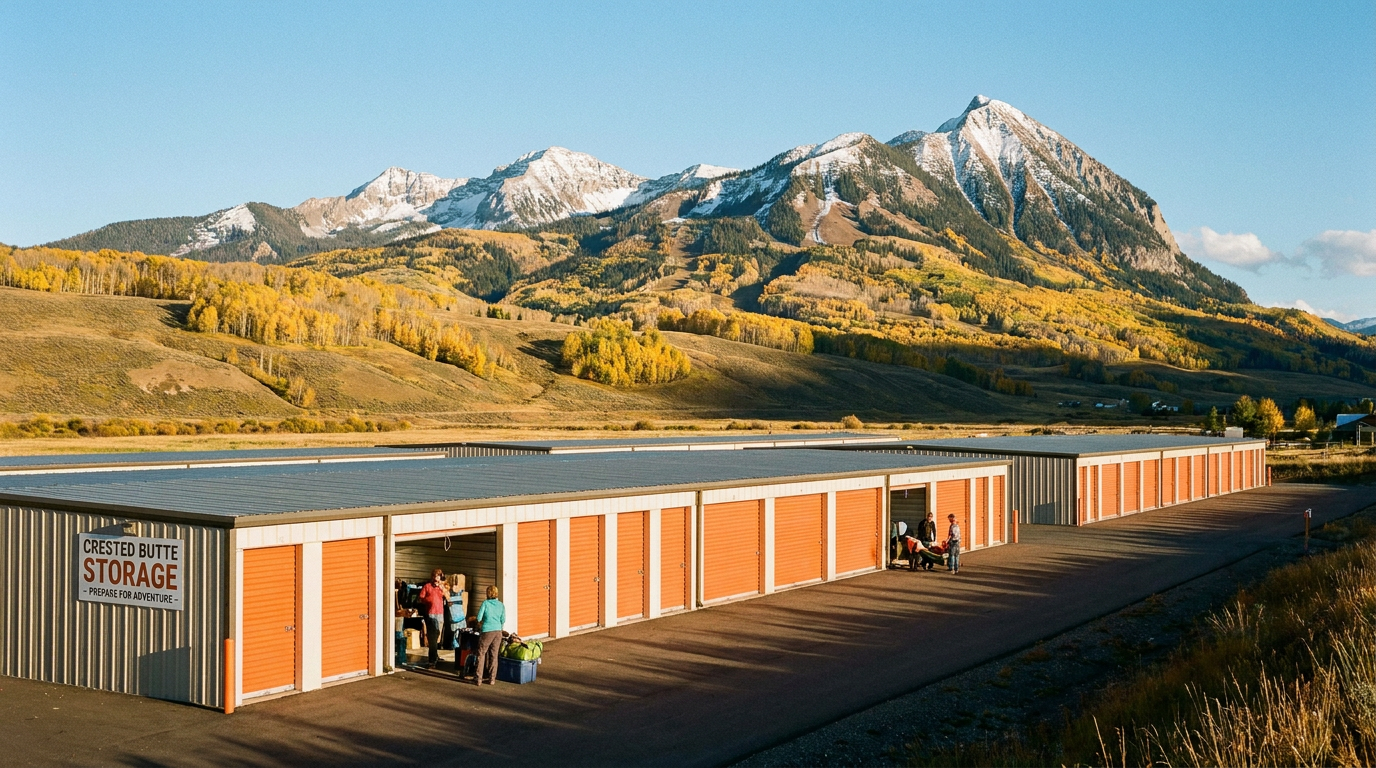
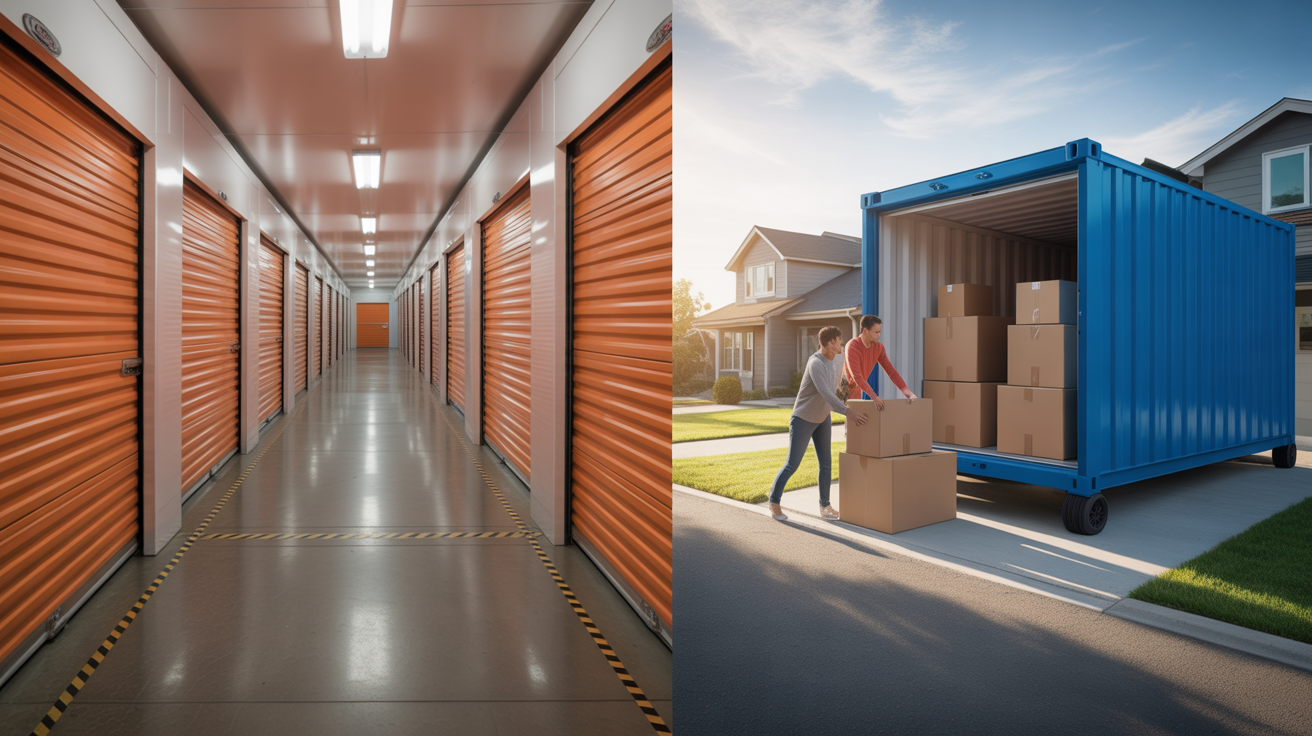
Elk Mountain Storage serves residents, businesses, and seasonal visitors throughout the Gunnison Valley with flexible storage options. Our locally owned facility offers 10x10 units in both drive up and interior configurations.
We provide 24/7 secure access so you can retrieve items on your schedule. No deposit is required, and online rentals make starting your storage simple. Whether you need short term storage during a move or long term solutions for seasonal equipment, our team helps you find the right fit. Learn more about our family owned facility and commitment to the Crested Butte community.
|