Best Storage Solutions for Seasonal Items and Equipment |
| BEST STORAGE SOLUTIONS FOR SEASONAL ITEMS AND EQUIPMENT
⏱ 11 min read ·
📄 #2,090 words
Discover the best storage solutions for seasonal items and equipment. Compare self-storage units, climate control options, and organization tips for gear.
|
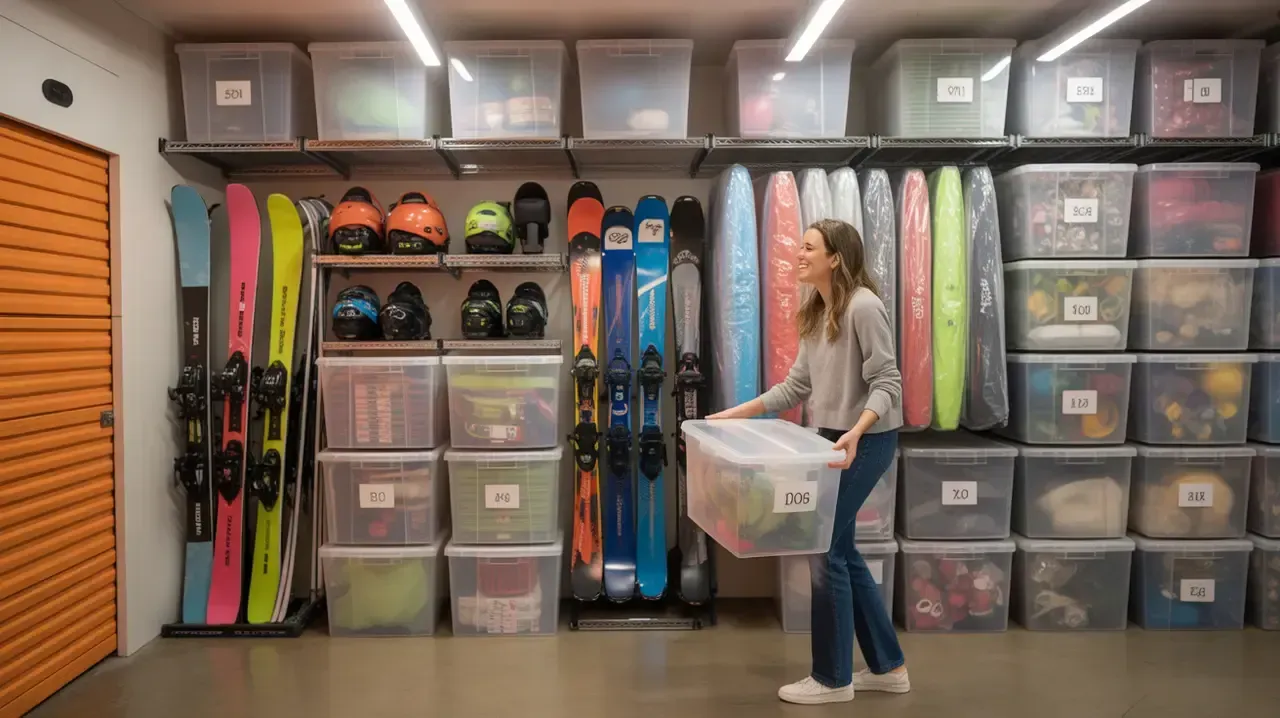
T he best storage solutions for seasonal items and equipment include climate-controlled self-storage units for temperature-sensitive gear, drive-up units for bulky equipment like snowblowers and kayaks, and outdoor parking spaces for RVs and boats. Unit sizes ranging from 5x10 to 10x30 accommodate most seasonal storage needs, with costs typically running $155 to $485 per month depending on size and features.
| Key Points: | |
|---|---|
| • | Climate-controlled units maintain 55 to 80 degrees Fahrenheit, protecting electronics, documents, and wooden equipment from damage |
| • | A 5x10 unit stores approximately 8 to 10 boxes plus small seasonal equipment; 10x20 units fit larger items like snowmobiles |
| • | Drive-up access eliminates hauling heavy gear through hallways, reducing loading time by 50% or more |
| • | Rotating seasonal items twice yearly keeps frequently needed gear accessible while protecting off-season equipment |
Understanding Your Seasonal Storage Needs
Before selecting a storage solution, inventory your seasonal items by category: winter sports equipment, summer recreational gear, holiday decorations, lawn and garden tools, and outdoor furniture. This assessment determines whether you need climate control, drive-up access, or specialized vehicle parking.
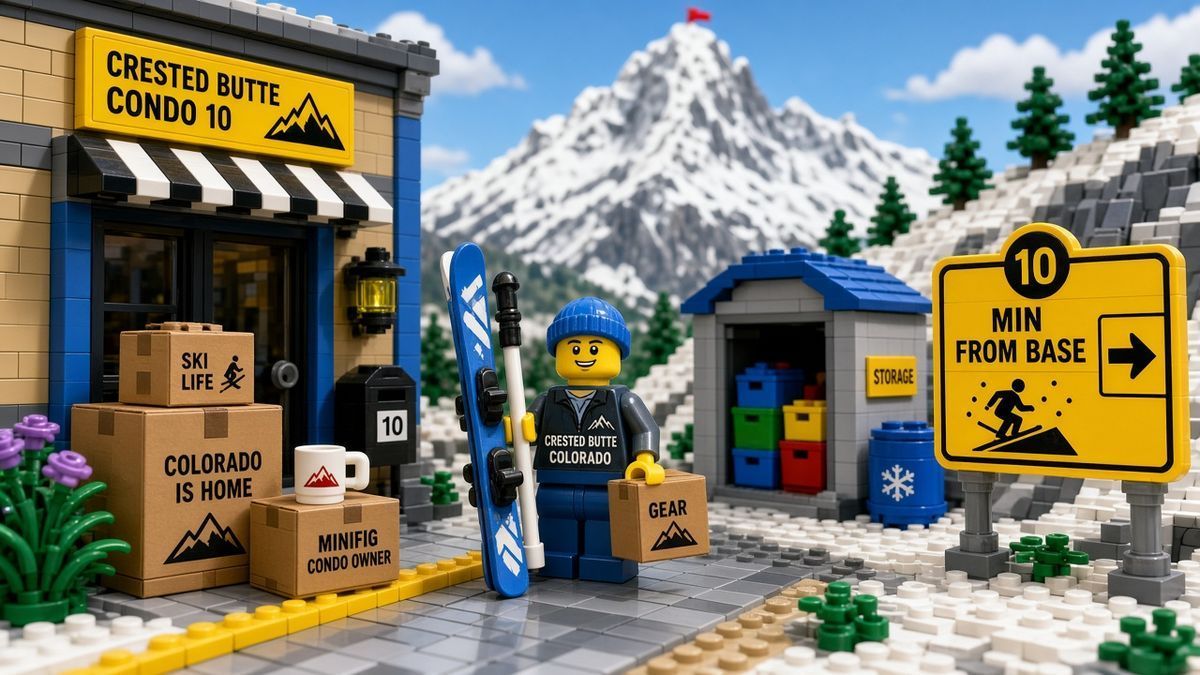
Mountain communities like Crested Butte present unique challenges. Ski equipment, snowshoes, and winter clothing need protection during summer months, while paddleboards, camping gear, and mountain bikes require secure storage through harsh winters. The elevation and temperature swings in the Gunnison Valley, where temperatures can drop below zero in winter and exceed 85 degrees in summer, make proper storage essential for equipment longevity.
Types of Storage Solutions Compared
Each storage type serves different seasonal needs. The right choice depends on what you are storing, how often you need access, and your budget.
Climate-Controlled Indoor Units
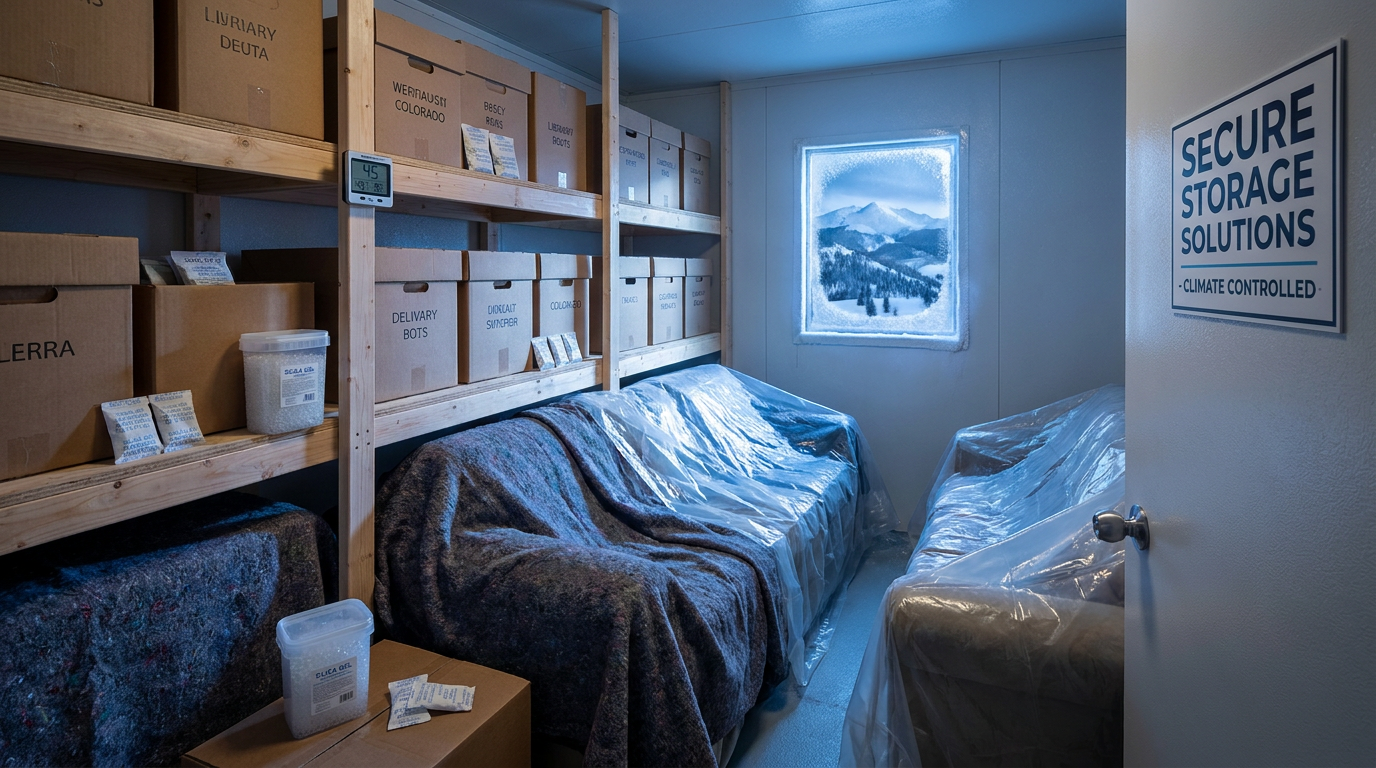
Climate-controlled storage maintains consistent temperatures between 55 and 80 degrees Fahrenheit year-round. This protection proves critical for electronics, wooden furniture, leather goods, photographs, and documents that can warp, crack, or deteriorate in extreme temperatures.
For seasonal items, climate control prevents ski boot liners from cracking, protects fishing rod handles from warping, and keeps holiday decorations from becoming brittle. Indoor units at facilities like Elk Mountain Storage offer upstairs options starting at $275 per month for a 10x10 space, providing excellent value for temperature-sensitive gear.
Drive-Up Storage Units
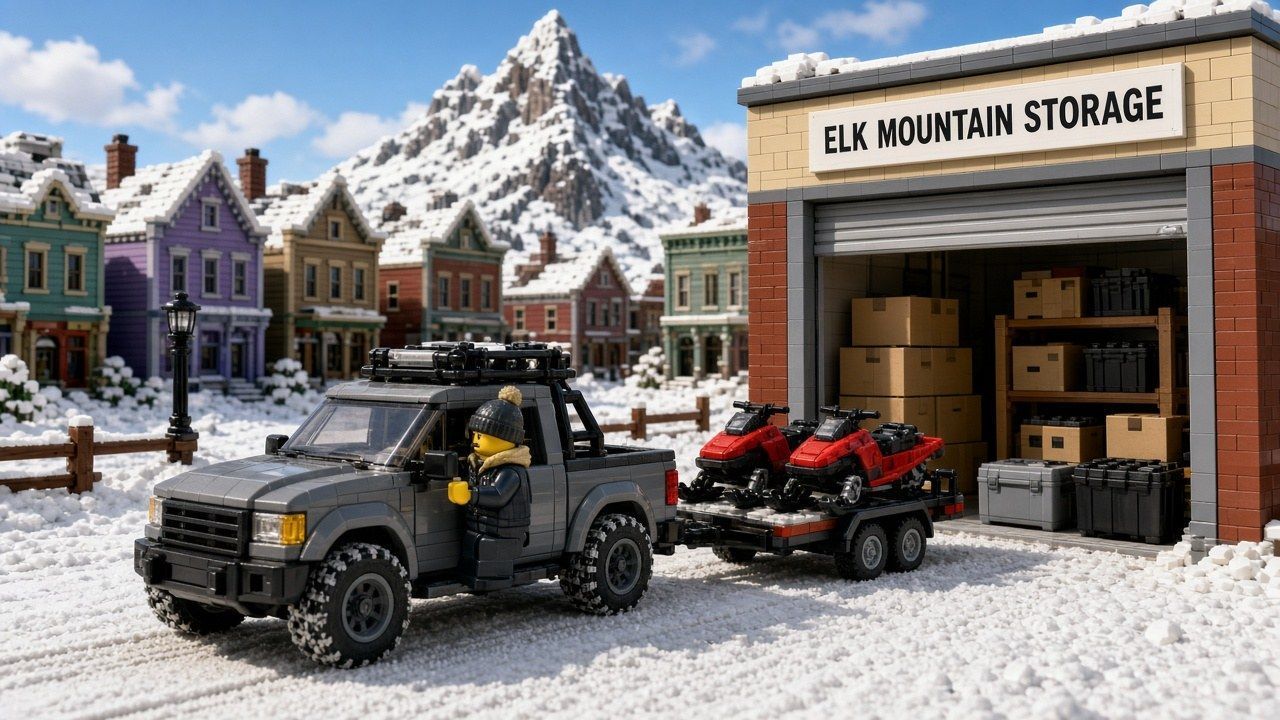
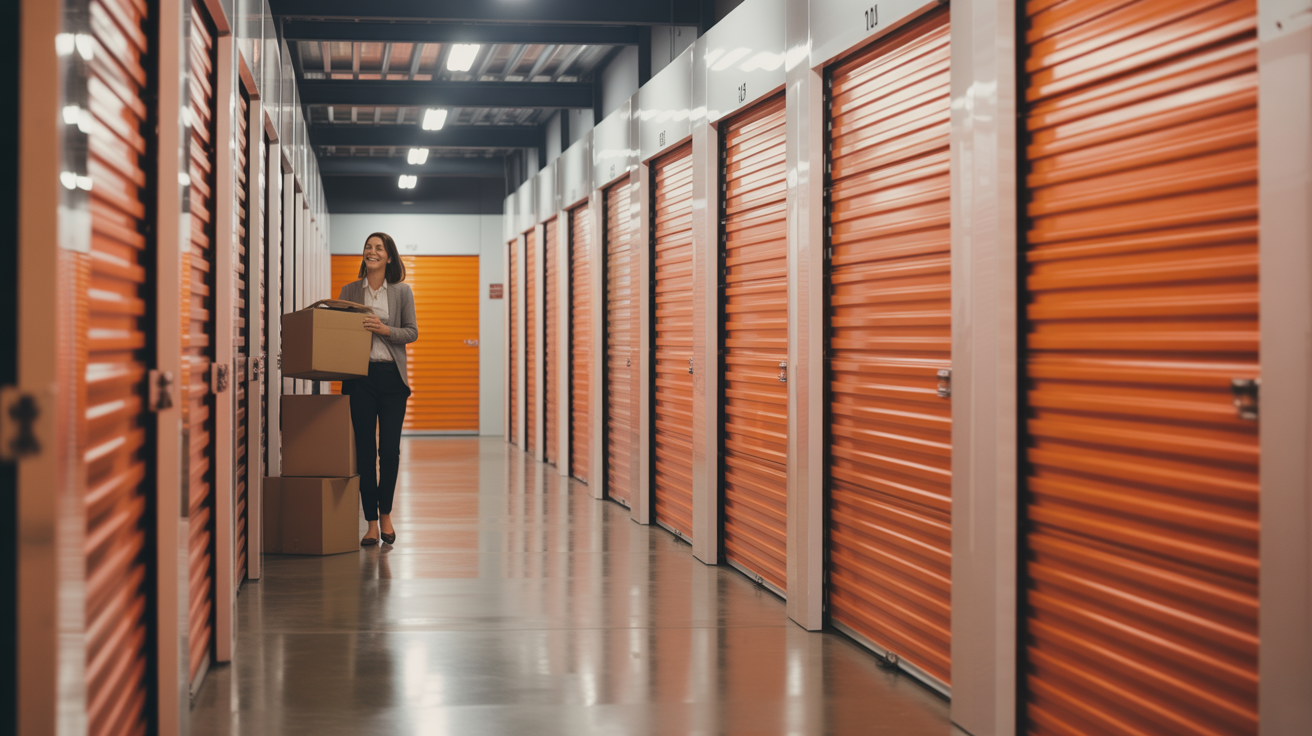
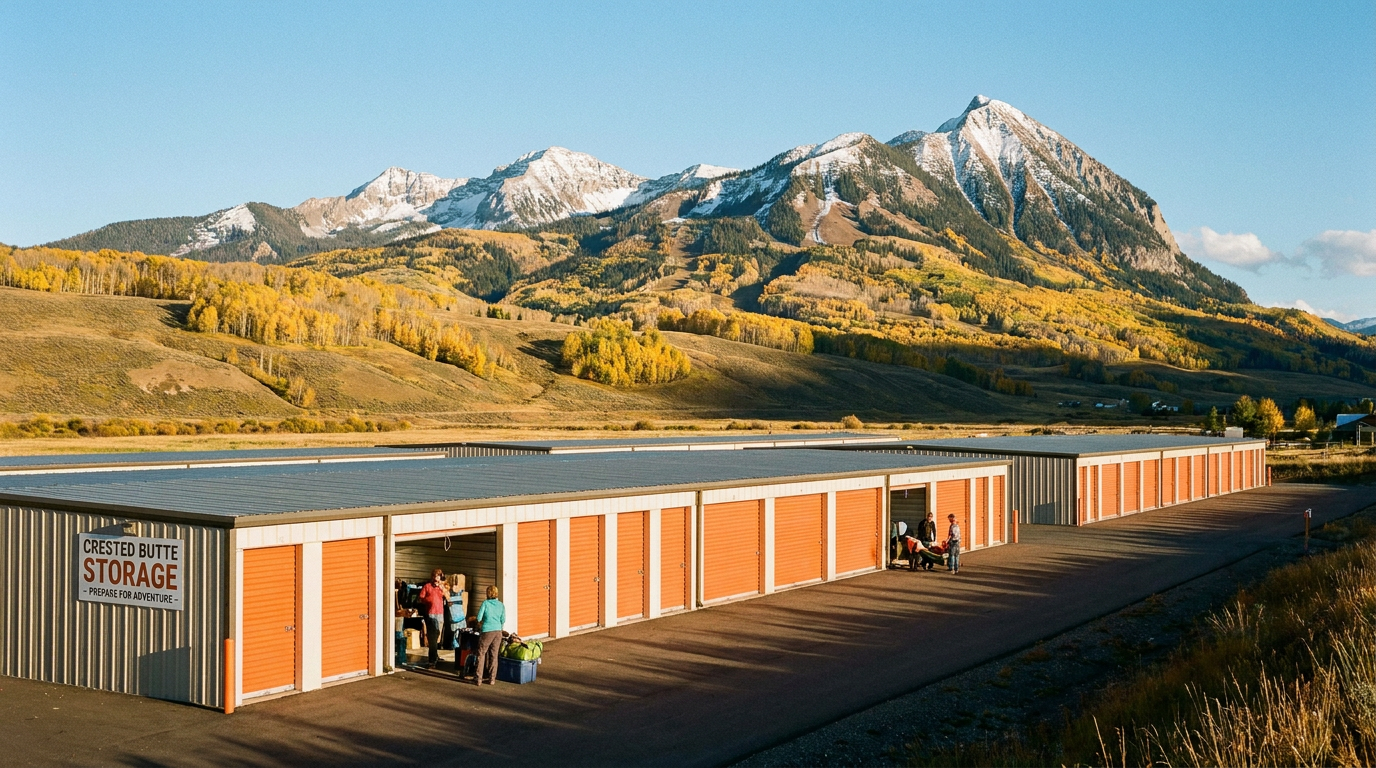
Drive-up units allow you to pull your vehicle directly to the unit door, making them ideal for heavy or bulky seasonal equipment. Loading a snowblower, lawn tractor, or stack of patio furniture takes minutes rather than the 30 to 45 minutes required when navigating hallways and elevators.
These ground-floor units range from compact 5x7 spaces for holiday decoration bins to expansive 10x30 units that accommodate multiple pieces of large equipment. The convenience factor makes drive-up storage particularly valuable during seasonal transitions when you need quick access to swap gear.
Open Parking Spaces
Boats, RVs, trailers, and large recreational vehicles require dedicated parking rather than enclosed units. A 20x15 open parking space provides room for most recreational vehicles while keeping them secure with 24/7 access and on-site monitoring.
Outdoor parking works well for items designed to withstand weather exposure, though protective covers remain essential. For the Gunnison Valley area, storing boats and RVs off-site during winter prevents damage from heavy snow loads and eliminates the need to clear snow from your driveway around large vehicles.
Matching Storage Size to Seasonal Items
Selecting the correct unit size prevents paying for unused space while ensuring everything fits comfortably. Use this guide to estimate your needs:
| Unit Size | Capacity | Best For |
|---|---|---|
| 5x7 to 5x8 | 35 to 40 square feet | Holiday decorations, seasonal clothing, small sports equipment |
| 5x10 | 50 square feet | Skis, bikes, lawn equipment, 10 to 15 boxes |
| 10x10 | 100 square feet | Patio furniture sets, multiple bikes, snowblower plus seasonal items |
| 10x20 | 200 square feet | Snowmobiles, ATVs, large equipment collections |
| 10x30 | 300 square feet | Multiple vehicles, business seasonal inventory, complete household seasonal items |
Consult a storage unit size guide for detailed measurements and visual comparisons. When in doubt, choose one size larger to allow room for organization and future additions.
How to Store Seasonal Items Properly
Proper preparation extends the life of your seasonal gear and makes retrieval efficient. Follow these steps before placing items in storage.
Clean Everything Thoroughly
Dirt, moisture, and organic residue attract pests and cause deterioration. Wash and completely dry all fabric items, including outdoor cushions and seasonal clothing. Clean mud and debris from lawn equipment, bikes, and sports gear. Wipe down hard surfaces with appropriate cleaners.
For winter sports equipment, remove salt residue from ski boots and bindings. Summer gear like kayaks and paddleboards should be rinsed of lake water and dried completely to prevent mold growth during storage.
Use Appropriate Containers
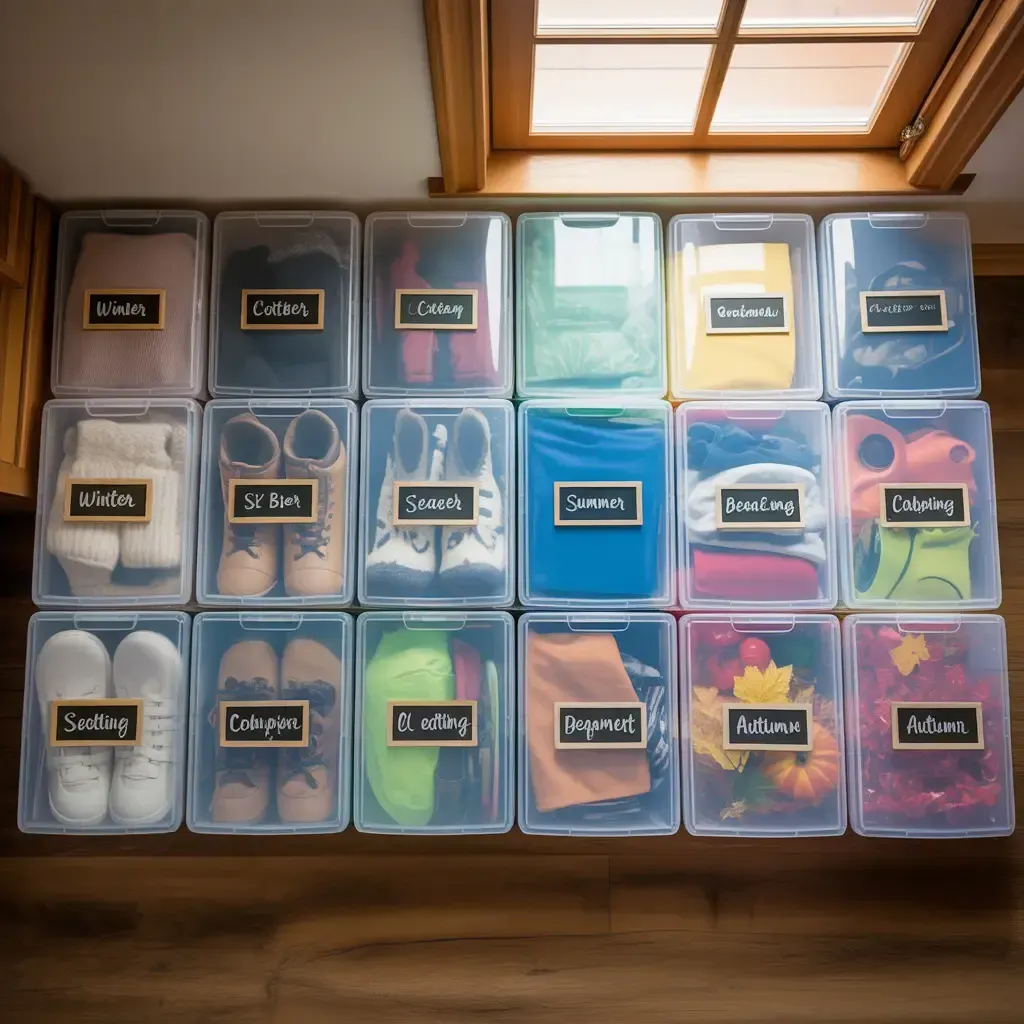
Clear plastic bins with secure lids outperform cardboard boxes for seasonal storage. Plastic resists moisture, stacks securely, and allows you to identify contents without opening. Reserve cardboard only for items stored short-term in climate-controlled spaces.
Vacuum-sealed bags reduce volume for seasonal clothing and soft goods by 50 to 75 percent, maximizing unit space. These bags also protect against dust, moisture, and pests. Label all containers on multiple sides with contents and the season they belong to.
Organize for Accessibility
Place items you will need soonest near the front of your unit. Create a storage map documenting where each category of items is located. This simple step saves significant time during seasonal transitions.
Use vertical space with freestanding shelving units. A set of metal shelves costing $50 to $100 can double your effective storage capacity by stacking bins safely. Keep frequently rotated items at waist height for easy access.
Best Storage Container Options for Seasonal Clothes
Seasonal clothing requires specific protection strategies depending on fabric type and storage duration.
Heavy winter coats and down items: Store in breathable garment bags, not plastic, to prevent moisture buildup. Hanging storage works best for structured coats. Stuff sleeves and bodies lightly with acid-free tissue paper to maintain shape.
Sweaters and knits: Fold rather than hang to prevent stretching. Place in sealed plastic bins with cedar blocks or lavender sachets for natural pest deterrence. Avoid mothballs, which leave persistent odors.
Summer clothing: Wash all items before storage, as body oils and invisible stains attract insects and can set permanently over months. Vacuum-sealed bags work well for cotton and synthetic fabrics but avoid using them for delicate items like silk or wool.
Regardless of fabric, avoid storing clothing in attics or garages where temperature swings cause condensation. Climate-controlled storage units maintain the consistent conditions clothing needs to emerge ready to wear.
How to Declutter Seasonal Decorations
Holiday decorations accumulate rapidly, often filling multiple boxes with items used only days per year. Before storing, evaluate each item honestly.
The One-Year Rule
If you did not display an item during its most recent season, consider donating it. Decorations that remain boxed year after year consume valuable storage space without adding joy to your celebrations.
Consolidate and Upgrade
Replace worn or broken items rather than storing them for repairs that never happen. Invest in quality storage containers designed for specific items: ornament boxes with dividers, wreath storage bags, and light reels that prevent tangling.
Digitize Where Possible
Photograph sentimental decorations you no longer display but cannot discard. The photos preserve memories while freeing physical space. This approach works particularly well for children's handmade items and inherited decorations.
Storage Costs and Value Considerations
Monthly storage costs vary based on unit size, features, and location. In the Crested Butte area, expect the following ranges:
- Small units (5x7 to 5x10): $225 to $255 per month
- Medium units (10x10): $275 per month
- Large units (10x20 to 10x30): $405 to $485 per month
- Vehicle parking (20x15): $295 per month
Compare the cost of storage against replacing damaged equipment: a single pair of quality skis costs $400 to $1,200, making proper storage a sound investment.
Consider storage protection plans for valuable seasonal equipment. These plans typically cost $10 to $25 per month and cover damage from unexpected events.
Seasonal Storage for Specific Equipment Types
Winter Sports Equipment
Skis and snowboards should be stored horizontally or in vertical racks, never leaning at angles that can warp bases. Apply storage wax to ski bases to prevent oxidation. Loosen boot buckles to relieve pressure on shells and liners.
Store ski boots in a climate-controlled environment to prevent liner breakdown. Heat and cold cycling causes foam liners to compress permanently, reducing fit and warmth.
Lawn and Garden Equipment
Drain fuel from mowers and trimmers before storage, or add fuel stabilizer if storing with fuel. Change oil in four-stroke engines. Remove batteries from electric equipment and store them in a climate-controlled space.
Sharpen mower blades and clean cutting decks before storing. This preparation means equipment is ready to use when the season returns, avoiding spring maintenance delays.
Boats and Watercraft
Drain all water from hulls, engines, and plumbing systems. Apply fogging oil to outboard engines. Remove electronics and store them separately in climate-controlled spaces. Cover boats with breathable covers designed for long-term storage.
For kayaks and paddleboards, store horizontally on padded racks or suspended from straps. Avoid storing on hard surfaces that can create pressure points and hull deformation over months of storage.
Creating a Seasonal Rotation System
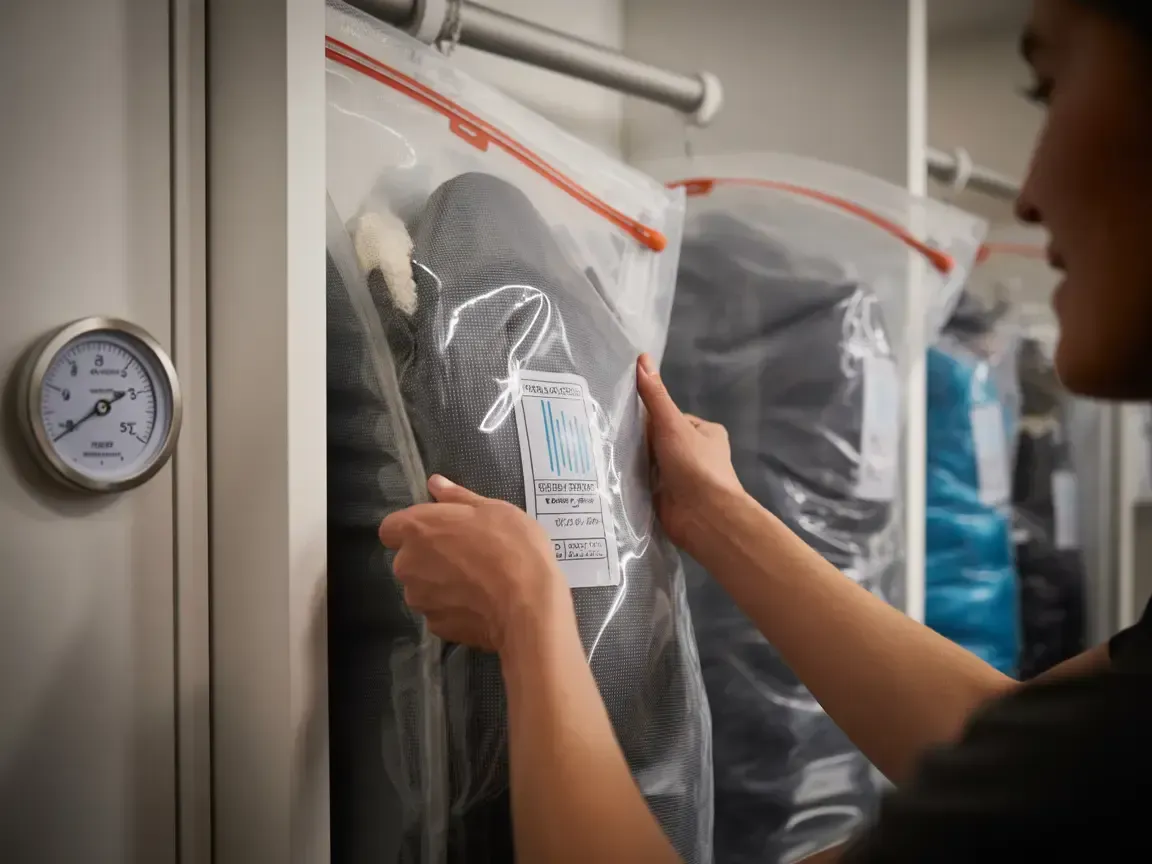
Efficient seasonal storage involves regular rotation rather than simply packing items away indefinitely. Establish a twice-yearly schedule aligned with your local climate transitions.
In mountain communities, late April and late October mark natural transition points. Schedule storage visits during these windows to swap winter and summer gear. This timing allows you to inspect stored items, rotate stock, and ensure everything remains in good condition.
During each visit, check for signs of moisture, pest activity, or damage. Address issues immediately rather than discovering problems when you need the equipment. A 15-minute inspection twice yearly prevents costly surprises.
Security Considerations for Valuable Equipment
Seasonal equipment often represents significant investment. Quality skis, bikes, kayaks, and power equipment can total thousands of dollars. Choose storage facilities offering:
- 24/7 access: Retrieve gear whenever conditions are right, not just during business hours
- Individual unit locks: You control access to your specific unit
- Well-lit facilities: Deterrent to theft and safer for evening access
- Secure perimeter: Fencing, gates, and access controls limit entry to authorized renters
Document your stored items with photographs and serial numbers. This record proves invaluable for insurance claims and helps identify equipment if theft occurs.
Business Seasonal Storage Solutions
Local businesses face unique seasonal storage challenges. Ski shops need summer space for winter inventory. Landscaping companies require winter storage for mowers and equipment. Event planners store decorations and equipment between peak seasons.
Business storage needs often exceed residential requirements. A 10x20 or 10x30 unit accommodates commercial inventory while keeping it accessible. Some businesses benefit from multiple smaller units, separating inventory categories for easier management.
Locally owned facilities understand seasonal business patterns in mountain communities. They often provide flexible lease terms that accommodate the boom-and-bust cycles of resort-area commerce.
Frequently Asked Questions
How much does it cost per month to keep items in storage?
Monthly storage costs range from $155 for a small interior unit to $485 for a large drive-up unit. Unit size, features, and location within the facility all affect final costs. Most facilities require no deposit and offer month-to-month flexibility.
What size storage unit do I need for holiday decorations and lawn equipment?
A 5x10 unit (50 square feet) typically accommodates 10 to 15 boxes of decorations plus a push mower and basic lawn tools. For riding mowers or extensive decoration collections, upgrade to a 10x10 unit. Measure your largest items and compare against unit dimensions before committing.
Are storage units secure for valuable seasonal gear like snowmobiles?
Quality storage facilities provide multiple security layers including individual unit locks, perimeter fencing, gated access, and well-lit grounds. For high-value items, choose facilities offering 24/7 access with electronic gate codes and consider adding tenant protection coverage.
Should I choose climate-controlled storage for seasonal items?
Choose climate control for electronics, wooden items, leather goods, photographs, documents, and any equipment with rubber or foam components. Standard units work fine for metal tools, plastic bins of decorations, and items designed for outdoor exposure. When temperatures regularly exceed 90 degrees or drop below freezing, climate control prevents damage to sensitive materials.
|