
B
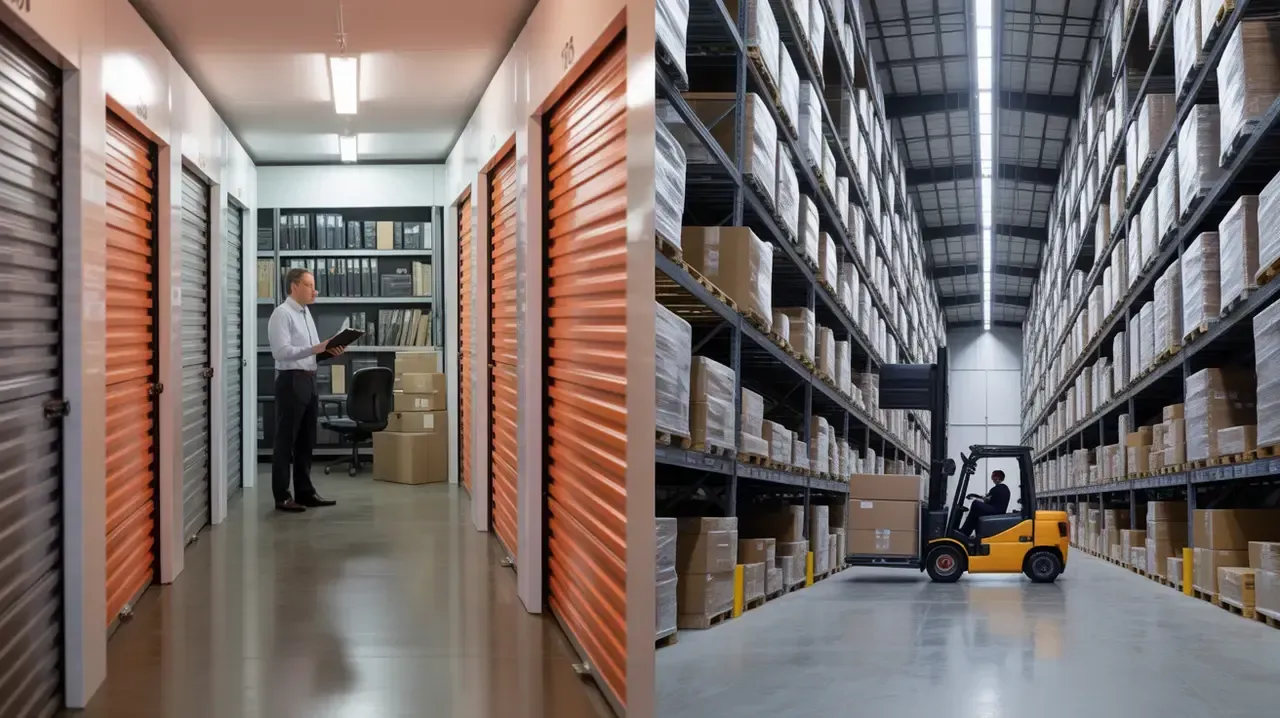
usiness storage units cost $80 to $300 monthly for spaces ranging from 5x10 to 10x30 feet, while commercial warehouses run $5 to $15 per square foot annually plus utilities, insurance, and staffing. For most small businesses processing fewer than 500 orders daily, business storage delivers 60 to 80 percent cost savings with month-to-month flexibility that warehouses cannot match.
Direct Cost Comparison: Storage Units vs Warehouses
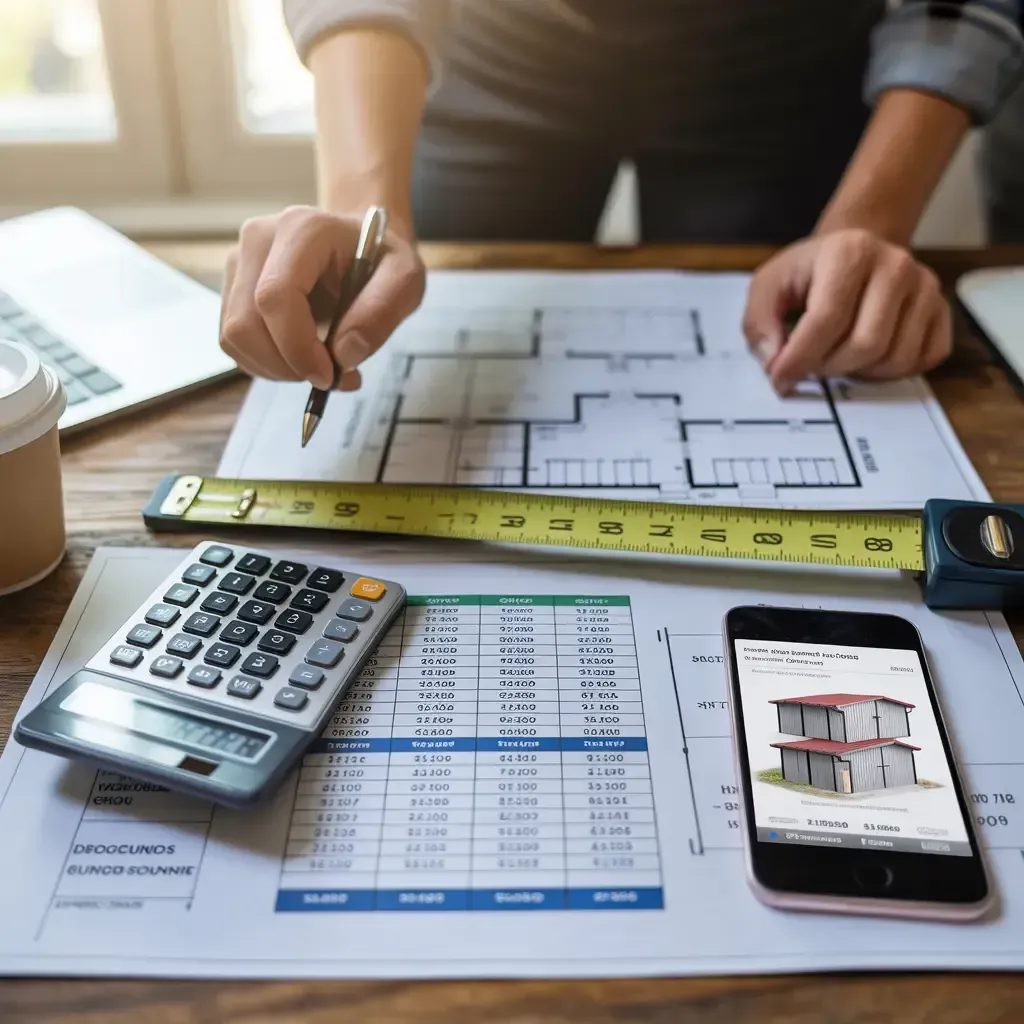
According to data from the Self Storage Association, the average cost per square foot for business storage ranges from $0.75 to $2.00 monthly depending on location and features. A 10x10 unit (100 square feet) typically costs $80 to $150 per month in most U.S. markets. Climate-controlled units add 20 to 50 percent to base pricing.
Commercial warehouse leases operate on an entirely different scale. Industrial real estate firm CBRE reports average warehouse rents of $9.53 per square foot annually in 2025, with high-demand markets like Southern California reaching $18 to $22 per square foot. A 3,000 square foot warehouse costs approximately $2,400 to $5,500 monthly before utilities and insurance.
The total cost of ownership shifts the equation significantly. When you factor in utilities, insurance, maintenance, and potential staffing, warehouse costs often triple the base rent. A study by Logistics Management found that total warehouse operating costs average $8.50 to $12.00 per square foot annually beyond lease payments.
Access and Availability Differences
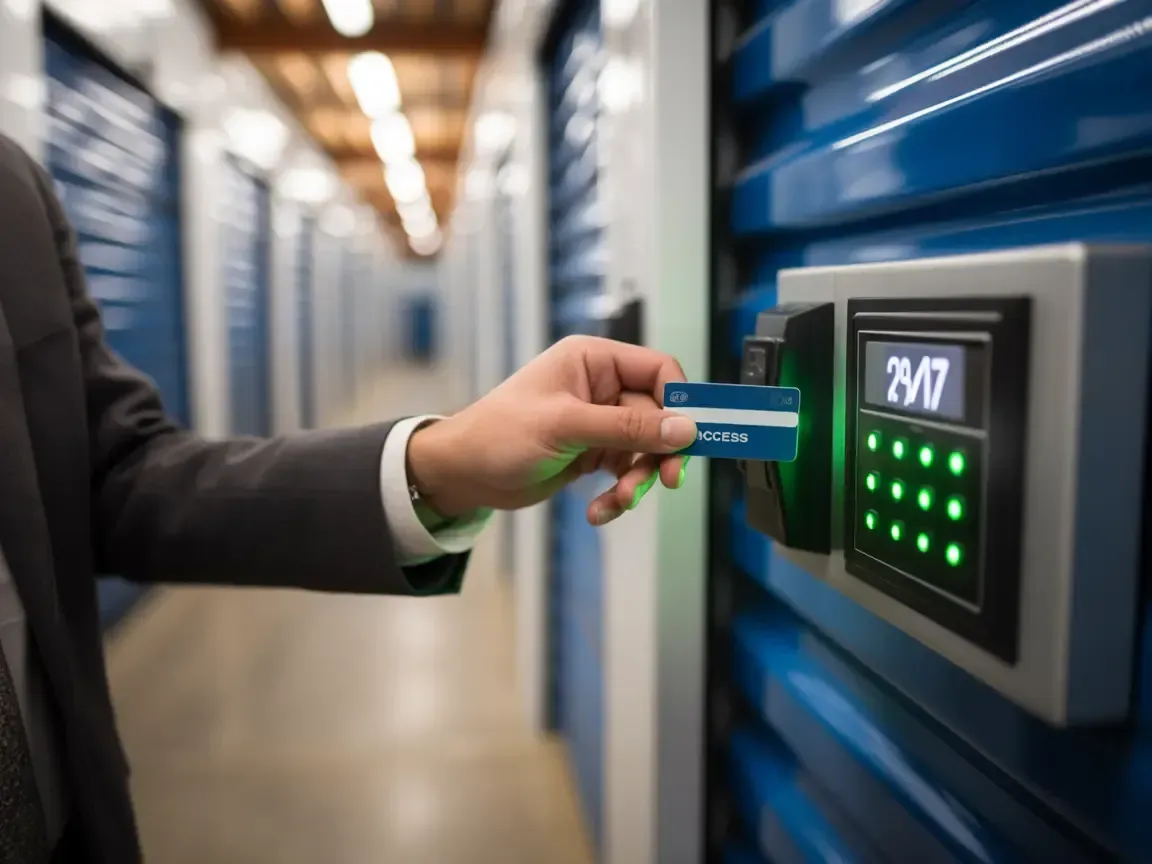
Business storage facilities typically provide 24/7 access through electronic gate systems and individual unit codes. This allows business owners to retrieve inventory, equipment, or documents at any hour without scheduling or additional fees. Facilities like those operated by Extra Space Storage, Public Storage, and CubeSmart maintain this standard across most locations.
Warehouse access operates differently based on lease structure and building type. Multi-tenant warehouse facilities may restrict access to business hours (typically 6 AM to 10 PM) unless you negotiate extended access terms. Single-tenant warehouse leases offer more flexibility but require you to manage security independently.
Setup Speed Comparison
Business storage offers immediate availability. Most facilities allow online rentals
with same-day move-in. You can reserve a unit, complete paperwork digitally, and access your space within hours. This speed proves critical for businesses facing sudden inventory surges or equipment storage needs.
Warehouse leasing requires 2 to 8 weeks minimum. The process involves property tours, lease negotiations, credit checks, legal review, and often broker involvement. According to commercial real estate platform LoopNet, the average time from initial inquiry to lease signing is 45 days for warehouse properties under 10,000 square feet.
What Each Option Handles Best
Business storage excels at specific use cases: excess inventory overflow, seasonal merchandise, business equipment, archived documents, marketing materials, and trade show supplies. A 10x20 drive-up unit holds the equivalent of a small box truck worth of goods, making it suitable for e-commerce sellers, contractors, and service businesses.
Storage facilities do impose restrictions. Most prohibit food products, flammable materials, hazardous chemicals, and perishable goods. You cannot operate a business from a storage unit, meaning no customer visits, no manufacturing, and no employees working on-site. Power access is typically limited to lighting only.
When Warehouses Make Sense
Commercial warehouses become necessary when your operation requires pallet-based storage, forklift access, loading docks, or regulated goods handling. Third-party logistics providers (3PLs) like ShipBob, Deliverr, and Red Stag Fulfillment operate from warehouse facilities specifically because they need these capabilities.
Warehouses also support on-site operations. You can employ staff, receive customer visits, run light manufacturing, and integrate shipping operations. The National Association of Manufacturers reports that 73 percent of small manufacturers use warehouse space for combined storage and production activities.
The Four Categories of Warehouse Costs
Understanding warehouse cost structure helps you evaluate whether the investment makes sense. According to the Warehousing Education and Research Council (WERC), warehouse expenses fall into four primary categories that together determine your total operating cost.
Occupancy costs
include rent, property taxes, and building insurance. These fixed expenses typically represent 15 to 25 percent of total warehouse operating costs. In high-demand markets, occupancy alone can exceed $15 per square foot annually.
Labor costs
constitute the largest expense category at 50 to 70 percent of total operating costs. Warehouse workers earn $15 to $22 per hour on average, according to Bureau of Labor Statistics data. A 10,000 square foot warehouse typically requires 2 to 4 full-time employees for basic operations.
Handling equipment costs
cover forklifts, pallet jacks, shelving systems, and material handling technology. Initial equipment investment ranges from $20,000 to $100,000 depending on warehouse size and automation level. Annual maintenance adds 10 to 15 percent of equipment value.
Utilities and overhead
include electricity, heating, cooling, security systems, and administrative expenses. These costs run $1.50 to $3.00 per square foot annually for standard warehouse operations, with climate-controlled facilities reaching $4.00 to $6.00 per square foot.
Decision Framework by Business Stage
Your optimal choice depends on order volume, inventory type, and growth trajectory. Research from supply chain consulting firm Armstrong and Associates provides clear thresholds for decision-making.
Startup Phase: Under 30 Orders Daily
Business storage is the clear choice. A 10x10 or 10x20 unit handles inventory for most early-stage e-commerce operations at $100 to $300 monthly. The flexibility to upgrade or downsize monthly protects cash flow during uncertain growth periods. Many successful brands including Gymshark and MVMT started with self-storage before scaling to warehouses.
Growth Phase: 30 to 500 Orders Daily
Consider a fulfillment center or 3PL partnership. Services like ShipBob charge $5 to $10 per order including pick, pack, and ship. This converts fixed warehouse costs into variable expenses that scale with revenue. Fulfillment centers typically process orders 20 to 30 percent faster than self-managed storage operations.
Scale Phase: Over 500 Orders Daily
Private warehouse space becomes cost-effective at this volume. The fixed costs spread across enough orders to achieve per-unit economics that beat 3PL pricing. Warehouse management systems (WMS) from providers like NetSuite, Fishbowl, or SAP become essential at this stage.
How Much Does a 100,000 Square Foot Warehouse Cost?
A 100,000 square foot warehouse represents a significant enterprise commitment. Based on 2025 CBRE industrial market data, lease costs range from $500,000 to $1.5 million annually depending on location. Southern California and New Jersey command premium rates of $12 to $18 per square foot, while Midwest markets like Indianapolis and Kansas City offer $5 to $8 per square foot.
Total operating costs for a facility this size reach $2 to $4 million annually when including labor (typically 15 to 30 employees), utilities ($150,000 to $300,000), equipment, and overhead. Only businesses with $10 million or more in annual revenue typically justify this investment level.
How Much Does a 3,000 Square Foot Warehouse Cost?
A 3,000 square foot warehouse suits small distribution operations and growing e-commerce brands. Monthly lease costs range from $1,500 to $4,500 depending on market. Adding utilities, insurance, and basic equipment brings total monthly expenses to $2,500 to $7,000.
Compare this to business storage: three 10x30 units (900 square feet total) cost approximately $1,200 to $1,800 monthly with utilities included. The storage option provides 70 percent less space but 60 to 75 percent cost savings. For businesses needing pure storage without operational space, the math favors storage units decisively.
The Seven Types of Warehouses Explained
Understanding warehouse categories helps you identify the right fit if storage units prove insufficient. The Council of Supply Chain Management Professionals (CSCMP) recognizes seven primary warehouse types serving different business needs.
Private warehouses
are owned or leased exclusively by one company. Large retailers like Walmart, Amazon, and Target operate private warehouse networks. These require substantial capital but offer maximum control.
Public warehouses
rent space to multiple tenants on flexible terms. Companies like Prologis and Duke Realty operate public warehouse facilities nationwide. Pricing runs 10 to 30 percent higher than private leases but offers shorter commitments.
Bonded warehouses
store imported goods before customs duties are paid. The U.S. Customs and Border Protection licenses these facilities for international trade operations.
Climate-controlled warehouses
maintain specific temperature and humidity ranges. These facilities cost 30 to 50 percent more than standard warehouses but are essential for pharmaceuticals, electronics, and perishables.
Distribution centers
focus on rapid product movement rather than long-term storage. FedEx, UPS, and regional carriers operate distribution networks designed for cross-docking and quick turnaround.
Fulfillment centers
specialize in e-commerce order processing. Amazon operates over 175 fulfillment centers in North America. Third-party alternatives include ShipBob, Deliverr, and ShipMonk.
Cold storage warehouses
maintain temperatures from -20 to 40 degrees Fahrenheit for frozen and refrigerated goods. Lineage Logistics and Americold dominate this specialized market.
Making Your Decision: A Practical Checklist
Use these criteria to determine whether business storage or warehouse space fits your situation. The right choice depends on your specific operational requirements rather than general industry trends.
Choose business storage if:
- Monthly storage needs are under 2,000 square feet
- You process fewer than 100 orders daily
- Inventory consists of non-perishable, non-regulated goods
- You need flexibility to scale up or down monthly
- Budget constraints require minimizing fixed overhead
- You do not need on-site employees or customer visits
Choose warehouse space if:
- Operations require loading docks or forklift access
- You process 500 or more orders daily
- Inventory includes food, chemicals, or regulated materials
- Staff need on-site workspace for packing and shipping
- Long-term cost projections favor fixed lease over variable storage
- Business model requires customer or vendor facility visits
For Gunnison Valley businesses evaluating options, local facilities like Elk Mountain Storage
offer flexible business storage solutions with 24/7 secure access. Our storage size guide
helps you calculate exactly how much space your inventory requires, and protection plans
provide coverage for stored business assets.
The storage versus warehouse decision ultimately comes down to operational complexity and scale. Most businesses under $1 million in annual revenue find that business storage delivers the best combination of cost efficiency, flexibility, and accessibility. As operations grow beyond 500 daily orders or require specialized handling, the infrastructure advantages of warehouse space begin to justify the higher investment.
Choose Flexible Business Storage Over a Full Warehouse
Most Crested Butte operators do not need a commercial warehouse. Compare costs and access on our business storage landing page, then rent a unit online when inventory or equipment needs a home.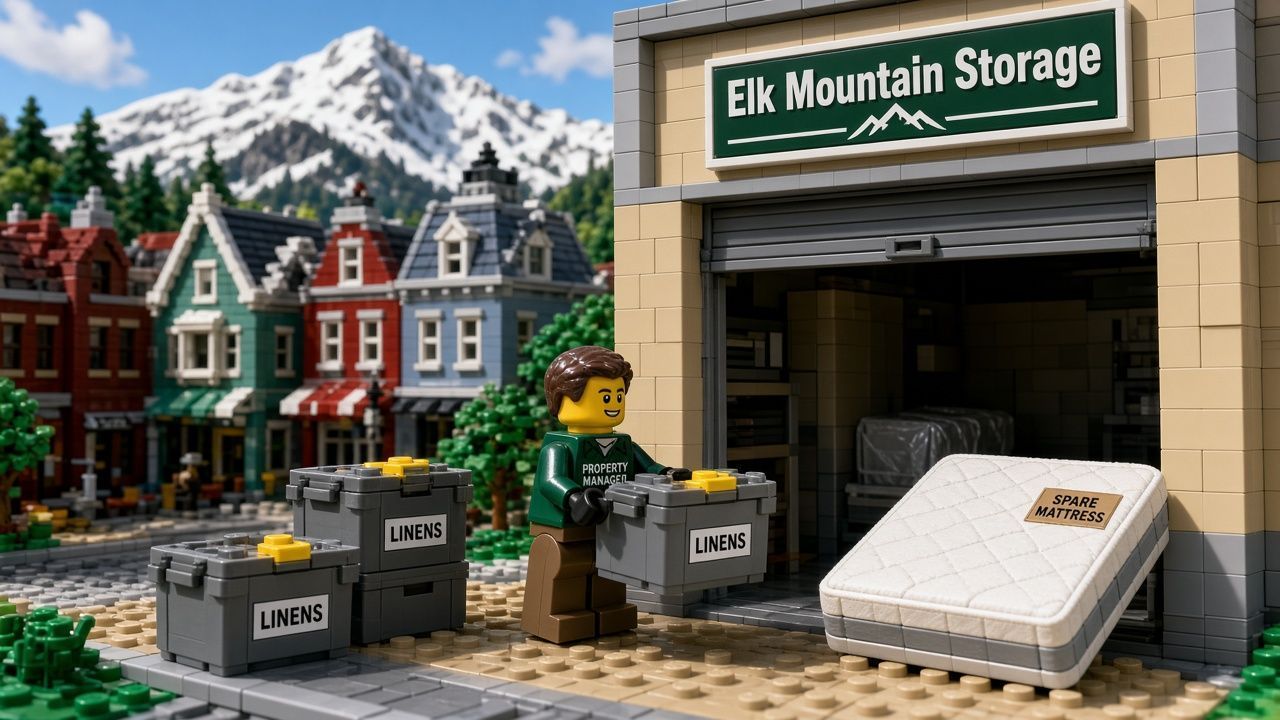
Crested Butte property managers: keep STR linens, spare furniture and turnover kits off-site at Elk Mountain Storage on Red Lady Ave. Rent online.
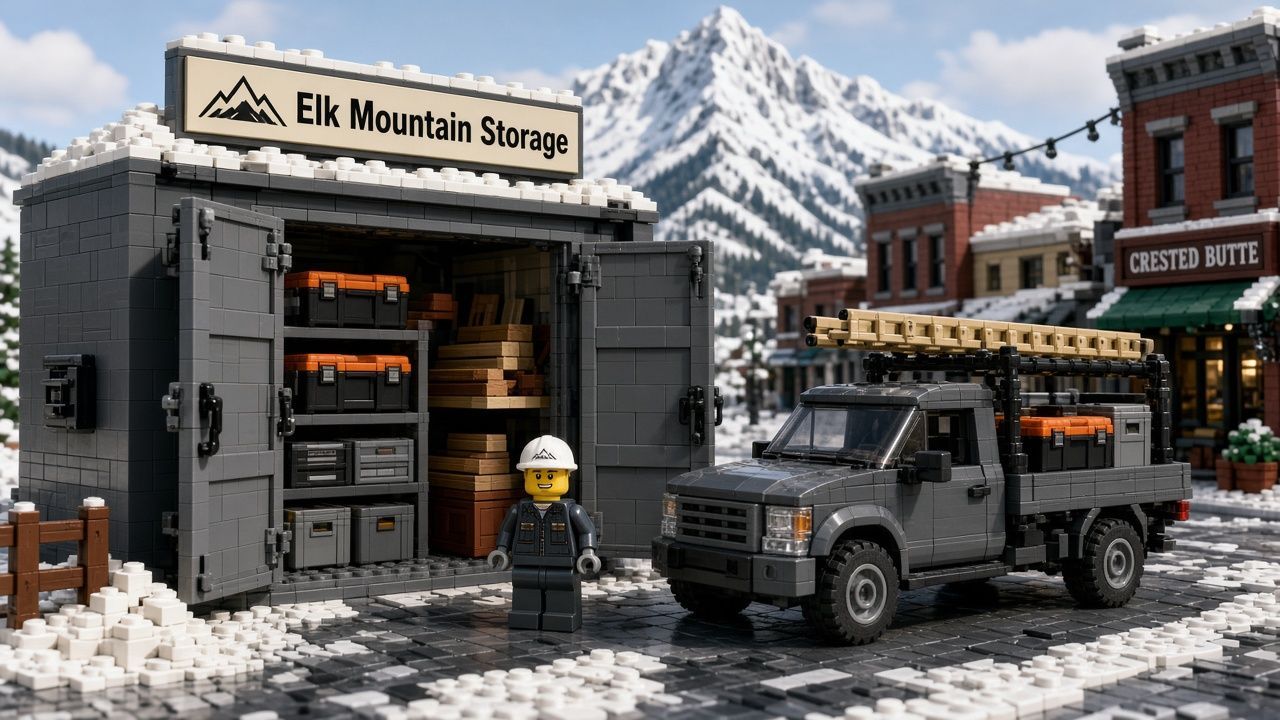
Need contractor storage in Crested Butte? Keep jobsite tools between seasons at Elk Mountain Storage. Call for a quote or rent online.
Lease overlap or a delayed closing in Crested Butte or the Gunnison Valley? See how Elk Mountain Storage on Red Lady Ave bridges the gap. Rent online.

Drive times from Mt. Crested Butte base-area condos to Elk Mountain Storage on Red Lady Ave. Winter road notes and soft rent-online next steps.

Compare downtown Crested Butte storage at 307 Red Lady Ave vs driving to Gunnison. Drive times, lifestyle fit, and soft rent-online next steps for Gunnison Valley residents.

Self storage costs $35 to $300 per month in 2026. See exact pricing by unit size and tips to save on storage in Crested Butte.
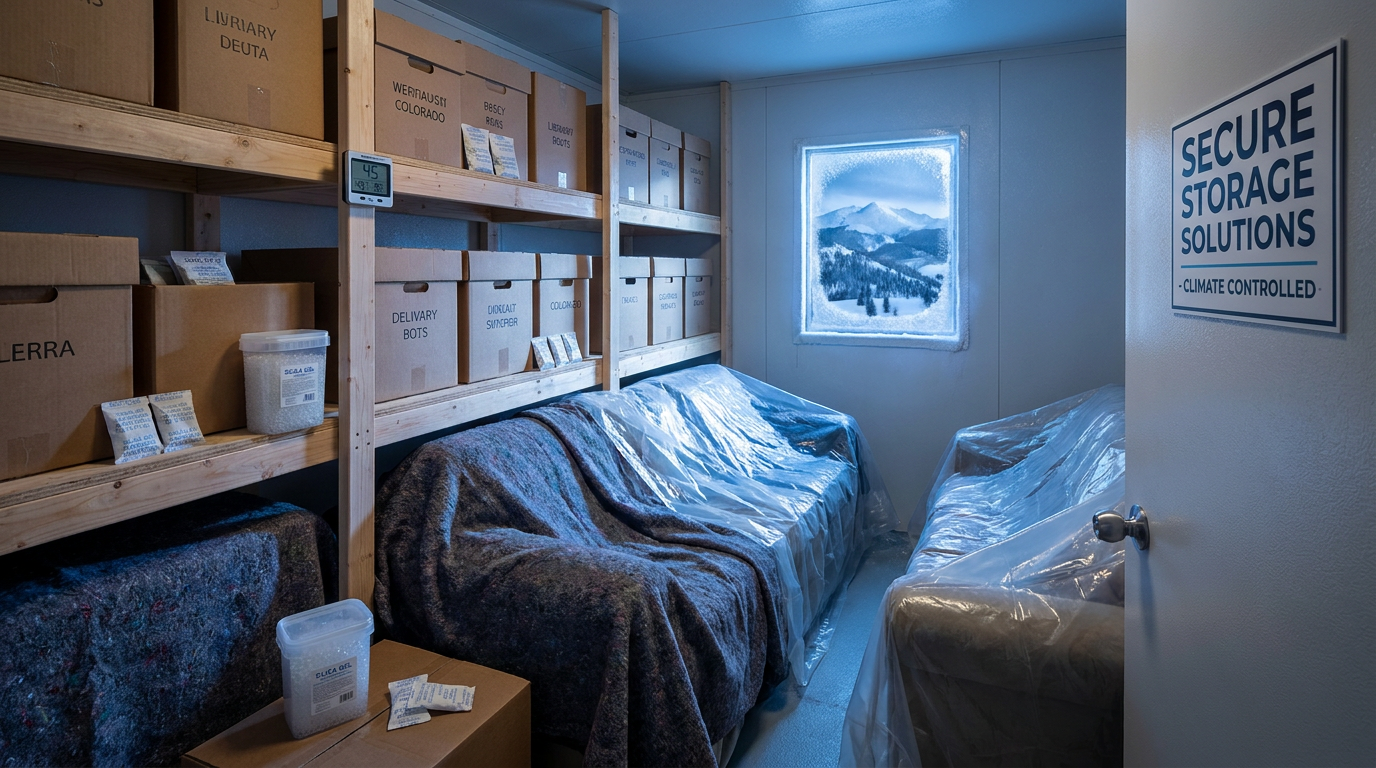
Learn proven methods to protect stored belongings from winter temperature swings. Covers packing, moisture control, and item-specific tips for Colorado storage.
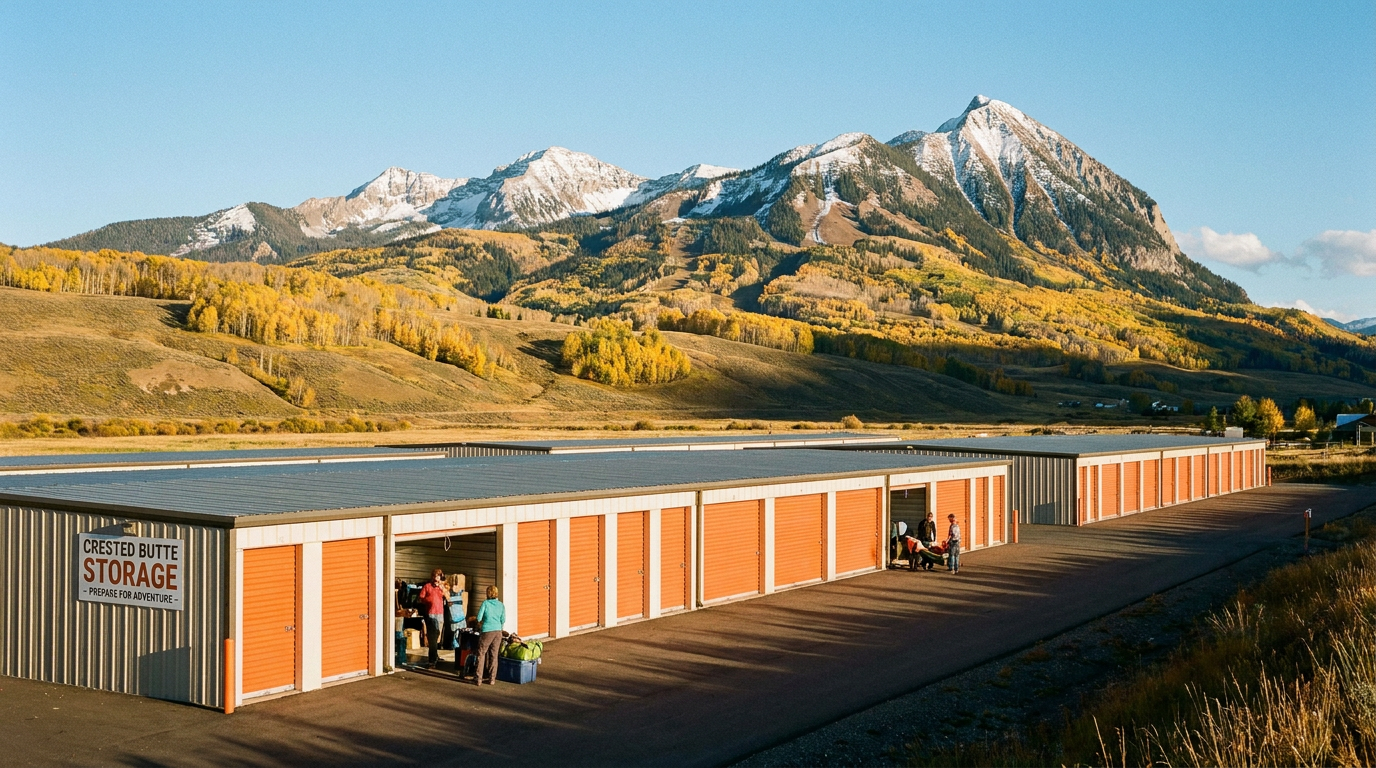
Discover what to store between seasons near Mt. Crested Butte. From ski gear to patio furniture, learn seasonal storage tips for mountain living in 2026.

Elk Mountain Storage is a proud sponsor of Bridges of the Butte 2026, Crested Butte's costumed townie ride raising funds for the Adaptive Sports Center.
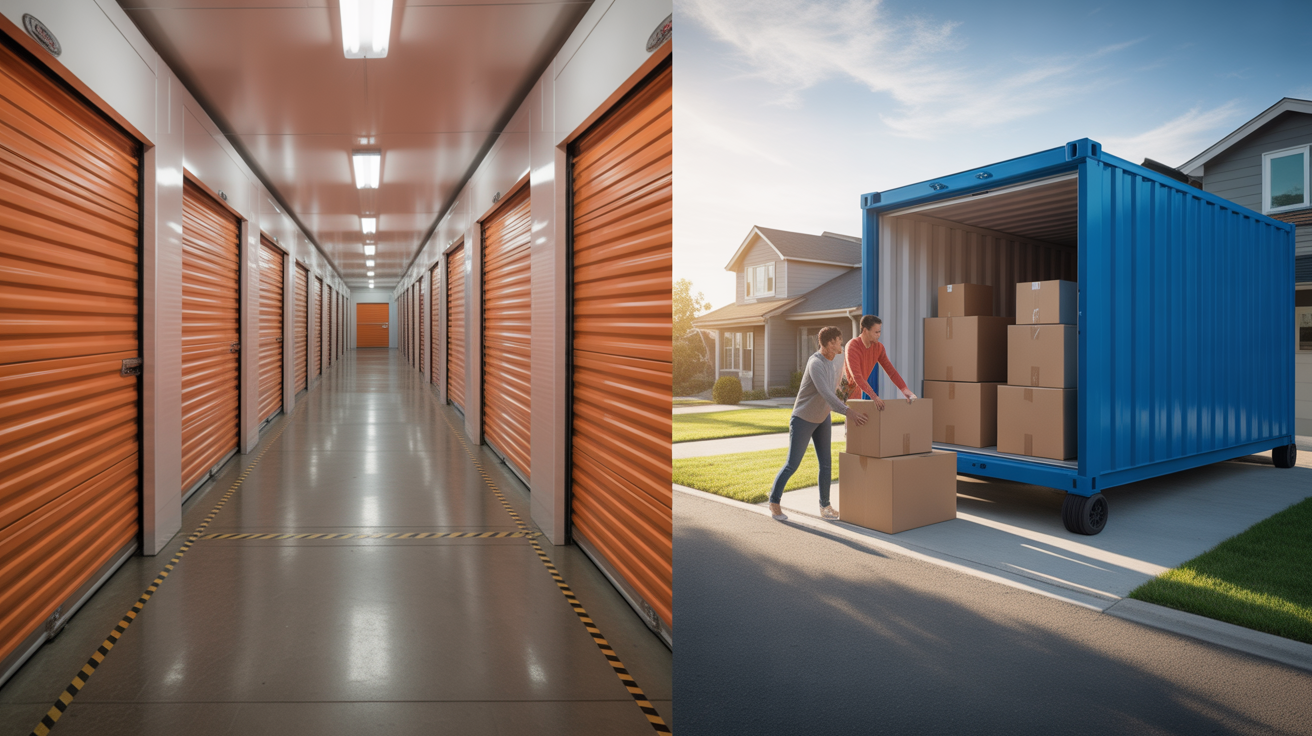
Compare self-storage vs portable storage container costs. Learn which option saves money based on duration, distance, and your specific storage needs in 2026.