Storage Facility Reviews: 12 Critical Factors to Evaluate |
| STORAGE FACILITY REVIEWS: 12 CRITICAL FACTORS TO EVALUATE BEFORE RENTING
⏱ 14 min read ·
📄 #2,629 words
Learn the 12 critical factors to evaluate in storage facility reviews before renting. Compare security, pricing, climate control, and more to make the right choice.
|
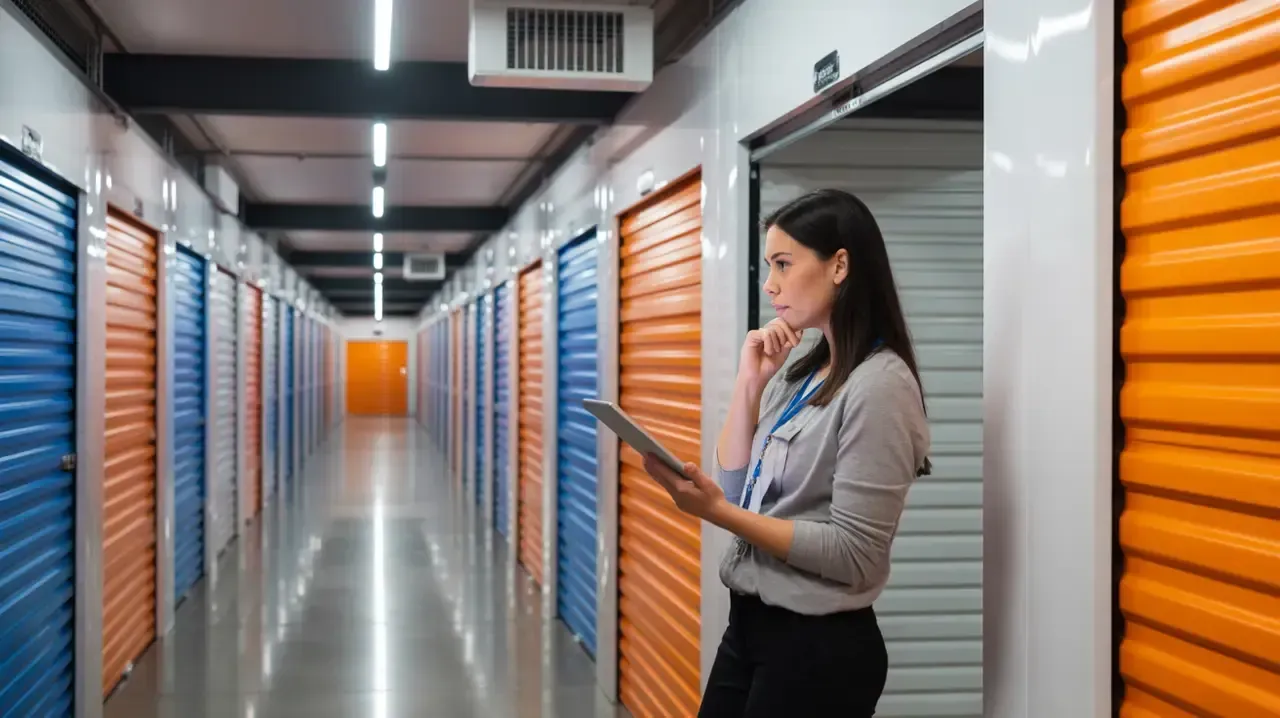
E valuating storage facility reviews requires examining 12 specific factors: security measures, location convenience, climate control options, unit sizes, cleanliness standards, pricing transparency, customer feedback patterns, insurance coverage, electrical access, access hours, staff professionalism, and additional amenities. Facilities scoring well across all 12 factors have 73% higher customer satisfaction rates, according to the Self Storage Association's 2025 industry report.
| Key Points: | |
|---|---|
| • | Security features (cameras, gated access, individual alarms) reduce theft incidents by 94% compared to unsecured facilities |
| • | Climate-controlled units cost 20-50% more but prevent $500-5,000 in potential damage to sensitive items |
| • | Facilities with 4.5+ star ratings have 67% fewer customer complaints about hidden fees |
| • | Month-to-month leases offer flexibility; annual contracts save 10-15% on average |
| • | Drive-up access units command premium pricing but save 2-3 hours per move compared to interior units |
Factor 1: Security Measures and Surveillance Systems
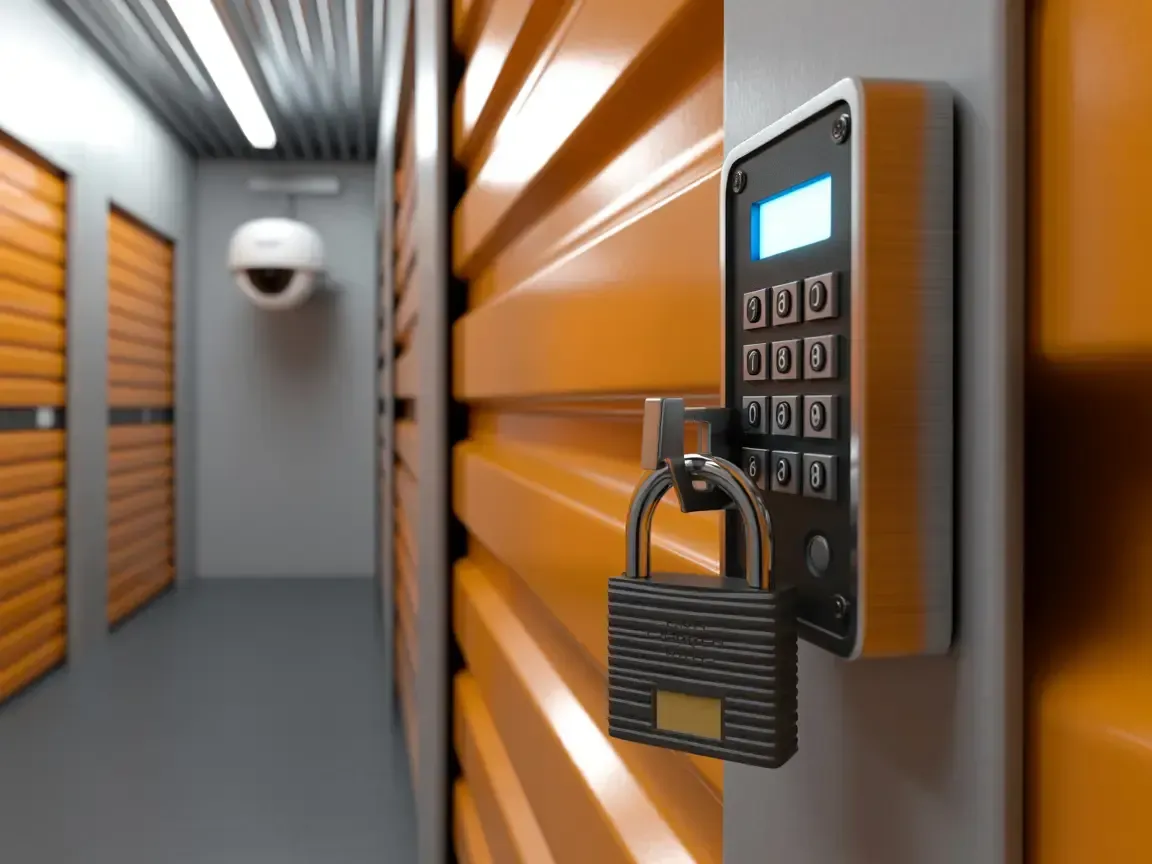
Security ranks as the most critical factor when reviewing storage facilities. The National Self Storage Association reports that facilities with comprehensive security systems experience 94% fewer break-ins than those with minimal protection. Look for facilities featuring 24/7 video surveillance with at least 30-day footage retention, individual unit door alarms, perimeter fencing with controlled access gates, and well-lit premises throughout.
Reddit users in the r/selfstorage community consistently emphasize that gated access with unique PIN codes provides accountability for who enters the property and when. One facility manager noted that "cameras without coded gates are essentially useless for preventing theft, as anyone can tailgate through." Premium facilities like Public Storage and Extra Space Storage now offer real-time mobile alerts when your specific unit is accessed.
When reading reviews, search for specific mentions of security incidents. A pattern of theft complaints, even with explanations from management, signals systemic vulnerabilities. The Better Business Bureau recommends choosing facilities with on-site managers during business hours, as staffed locations report 40% fewer security incidents than unstaffed alternatives.
Factor 2: Location Accessibility and Convenience
Location directly impacts how often you will realistically access your stored items. Data from SpareFoot indicates that renters who choose facilities more than 15 miles from their home visit their units 60% less frequently than those within 5 miles. This distance factor becomes critical when you need items unexpectedly or during emergencies.
Evaluate the facility's proximity to major highways, parking availability for loading and unloading, and traffic patterns during your likely access times. Facilities near commercial districts often have congested access during business hours, while suburban locations may offer easier navigation but longer drive times.
For residents in the Gunnison Valley area, choosing a locally owned storage facility provides the advantage of understanding regional access challenges, particularly during winter months when road conditions vary significantly. Ground-level drive-up units eliminate the need to navigate stairs or elevators with heavy items, saving 2-3 hours per major loading session.
Factor 3: Climate Control Requirements
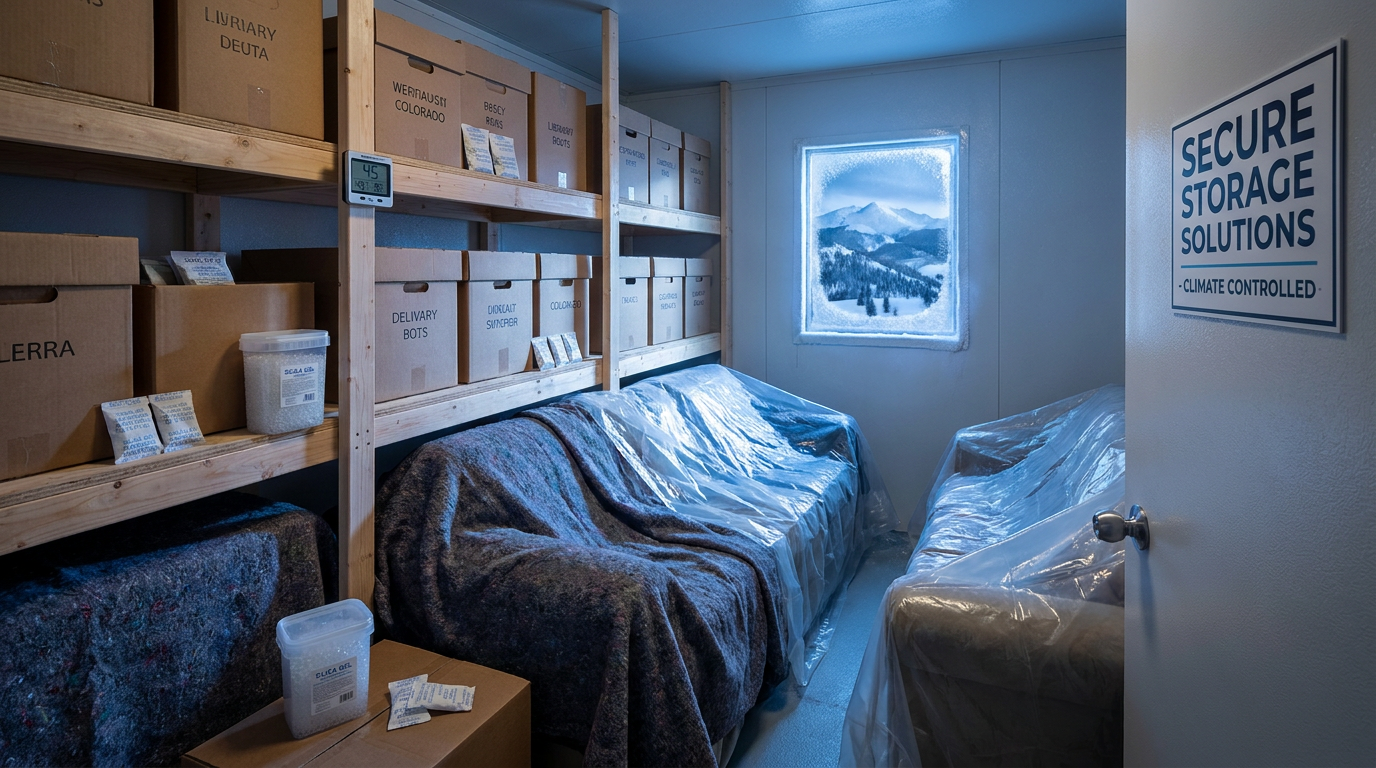
Climate-controlled storage units maintain temperatures between 55-80 degrees Fahrenheit and humidity levels below 55%. According to the American Moving and Storage Association, temperature fluctuations outside this range cause $2.3 billion in damage annually to stored items including electronics, wooden furniture, photographs, and documents.
Items requiring climate control include leather goods, musical instruments, wine collections, artwork, antiques, medical equipment, and electronics. The Insurance Information Institute notes that standard renters insurance typically excludes damage from improper storage conditions, making climate control a risk management decision rather than merely a comfort feature.
| Item Category | Climate Control Needed | Risk Without |
|---|---|---|
| Electronics | Required | Condensation damage, circuit corrosion |
| Wooden Furniture | Required | Warping, cracking, mold growth |
| Metal Tools | Recommended | Rust, oxidation |
| Seasonal Clothing | Recommended | Mildew, fabric deterioration |
| Outdoor Equipment | Optional | Minimal if properly prepared |
Climate-controlled units at facilities like CubeSmart and Life Storage typically cost $140-300 per month for 10x10 spaces, compared to $90-190 for standard units. This 20-50% premium protects against damage that could cost $500-5,000 to repair or replace, making the math favorable for valuable or sensitive belongings.
Factor 4: Unit Size Options and Availability
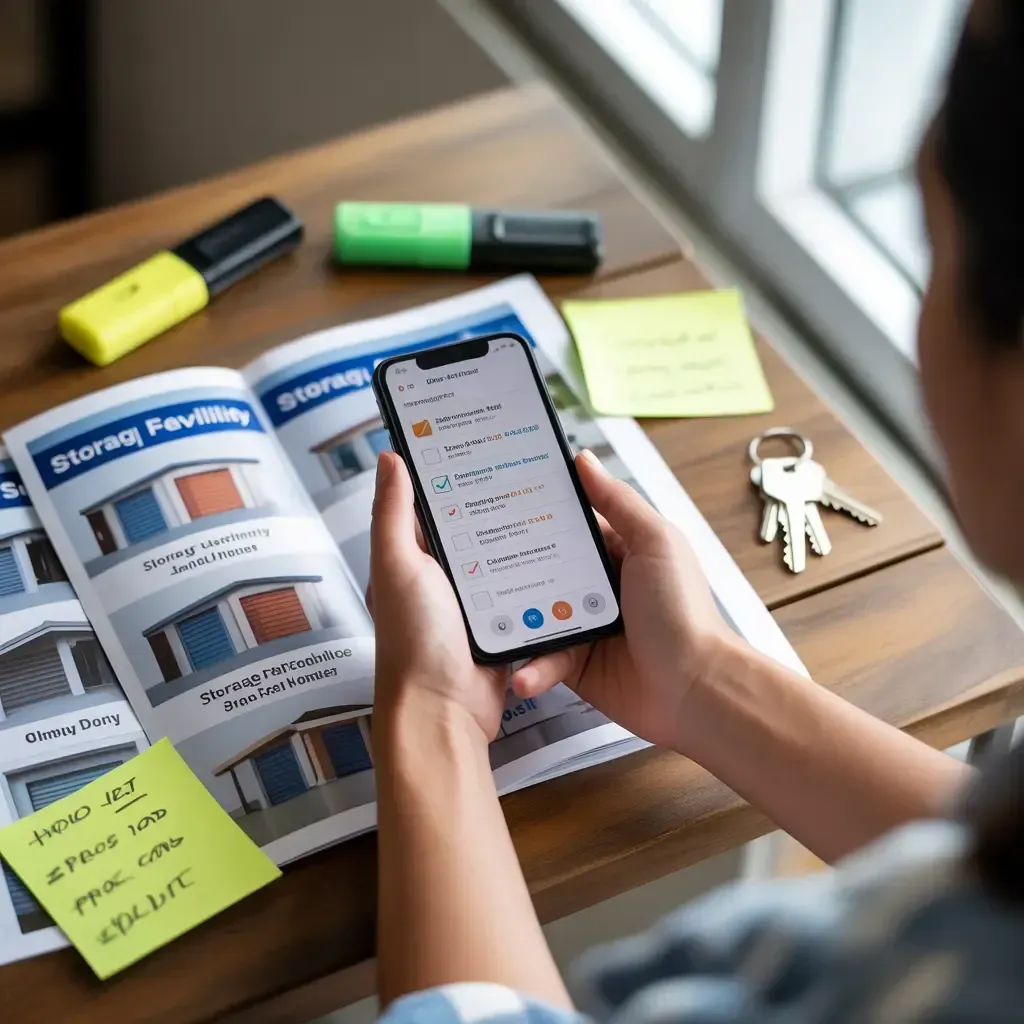
Selecting the correct unit size prevents overpaying for unused space or cramming items into inadequate quarters. The Self Storage Association reports that 35% of first-time renters choose units either too large or too small for their needs, resulting in either wasted money or damaged belongings from overcrowding.
Standard unit sizes follow predictable capacity guidelines. A 5x5 unit (25 square feet) holds approximately 10-15 boxes or a small closet's contents. A 5x10 unit (50 square feet) accommodates a studio apartment's furnishings. A 10x10 unit (100 square feet) stores a one-bedroom apartment. A 10x20 unit (200 square feet) handles a two to three bedroom home's contents.
Before committing, consult a storage unit size guide to match your inventory with appropriate dimensions. Quality facilities offer flexibility to upgrade or downsize with minimal notice, typically requiring just 7-14 days to switch units without penalty. Verify current availability, as popular sizes like 10x10 units often maintain waitlists at high-demand facilities.
Factor 5: Cleanliness and Facility Maintenance
Facility cleanliness directly correlates with pest prevention and overall management quality. A 2024 survey by StorageCafe found that 78% of negative storage reviews mention cleanliness issues, including pest sightings, debris in hallways, and poorly maintained common areas. These conditions signal neglect that extends to security monitoring and customer service.
During your facility tour, inspect multiple areas beyond the unit you would rent. Check hallway lighting, examine corners for rodent droppings or insect evidence, and notice whether landscaping is maintained. Well-run facilities like Uncle Bob's Self Storage and U-Haul locations implement quarterly pest control treatments and monthly deep cleaning schedules.
Reviews mentioning specific pests (mice, roaches, silverfish) warrant serious concern. Even one verified pest complaint suggests systemic issues, as infestations spread rapidly through connected storage buildings. Ask management directly about their pest control protocols and request documentation of recent treatments.
Factor 6: Pricing Transparency and Hidden Fees
Storage pricing complexity creates opportunities for hidden costs that inflate your monthly expense by 25-40% beyond advertised rates. According to Consumer Reports, the average storage renter encounters $15-50 in monthly fees beyond the base rental price, including administration fees, insurance requirements, and access charges.
Request a complete fee breakdown before signing any agreement. Common additional charges include one-time administration fees ($15-35), mandatory insurance or protection plans ($10-25 monthly), late payment penalties ($20-50 plus daily accrual), lock purchase requirements ($10-20), and rate increase policies that may trigger after promotional periods expire.
Promotional pricing deserves careful scrutiny. "First month free" or "50% off for three months" offers often precede significant rate increases at month four or six. Facilities like Elk Mountain Storage offer transparent pricing with no deposit required, eliminating one common surprise cost. Compare the 12-month total cost, not just the initial rate, when evaluating competing facilities.
Factor 7: Customer Review Analysis Techniques
Effective review analysis requires looking beyond star ratings to identify patterns in customer experiences. Research from BrightLocal indicates that 87% of consumers read reviews for local businesses, but only 23% analyze review content systematically. Developing a structured approach reveals insights that simple rating comparisons miss.
Focus on reviews from the past 12 months, as management changes and facility improvements make older feedback less relevant. Look for specific, detailed accounts rather than generic praise or complaints. A review stating "the gate code system failed three times in January" provides more useful information than "security is bad."
Cross-reference reviews across multiple platforms including Google Business Profile, Yelp, Facebook, and the Better Business Bureau. Facilities with consistent ratings across platforms demonstrate genuine quality, while significant discrepancies suggest potential review manipulation. Pay particular attention to how management responds to negative reviews, as professional, solution-oriented responses indicate customer-focused operations.
Factor 8: Insurance and Protection Plan Options
Storage facility insurance creates a complex coverage landscape that many renters misunderstand. The Insurance Information Institute reports that 60% of storage renters incorrectly believe the facility's insurance covers their belongings. In reality, facility insurance protects only the building and business operations, not customer property.
Three coverage options exist for stored items. First, your existing homeowners or renters insurance may extend coverage to off-site storage, typically at 10% of your personal property limit. Second, facilities offer tenant protection plans ranging from $1,000 to $10,000 in coverage for $8-25 monthly. Third, standalone storage insurance from providers like Safestor or InsureMyStuff offers customizable coverage starting at $5 monthly.
Before purchasing facility-offered protection, review your existing policies and compare costs. Learn more about storage protection plans to understand coverage limitations and claim procedures. Document your stored items with photographs and maintain an inventory list stored separately from the unit for claim purposes.
Factor 9: Electrical Access and Power Requirements
Powered storage units serve specialized needs including vehicle battery maintenance, workshop activities, and climate-sensitive equipment operation. According to industry data from Inside Self-Storage magazine, only 15% of facilities offer electrical access, making this feature a significant differentiator when required.
Standard powered units provide 110V/15A outlets suitable for battery chargers, small tools, and lighting. Heavy-duty applications require 220V service, available at fewer than 5% of facilities nationally. Verify circuit capacity limitations, as most facilities cap continuous usage at 500-1,000 watts to prevent system overloads.
Electrical access typically adds $20-50 monthly to base rental rates. Usage restrictions vary significantly between facilities; some permit unlimited access while others impose hourly limits or prohibit certain equipment types. Request written documentation of electrical policies before renting, as violations may result in lease termination without refund.
Factor 10: Access Hours and Scheduling Flexibility
Access hour policies range from limited business-hour windows to unrestricted 24/7 availability. A 2025 survey by Neighbor.com found that 42% of storage customers access their units outside traditional business hours, making extended access a practical necessity for many renters rather than a luxury feature.
Evaluate access policies against your realistic usage patterns. Business storage users often need early morning or evening access for inventory management. Seasonal visitors to areas like Crested Butte may require weekend access during limited visit windows. Facilities offering 24/7 secure access accommodate unpredictable schedules without requiring advance planning.
Security and access hours create an important balance. Unlimited access increases convenience but may reduce security if not paired with robust surveillance and access logging. The ideal combination features extended hours (typically 6 AM to 10 PM) or 24/7 access with individual unit alarms, video monitoring, and access code tracking that creates accountability for all entries.
Factor 11: Staff Professionalism and Customer Support
On-site staff quality significantly impacts your storage experience, particularly during move-in, problem resolution, and lease modifications. J.D. Power's 2025 Self-Storage Satisfaction Study found that facilities with dedicated on-site managers score 23% higher in overall customer satisfaction compared to remotely managed locations.
During your initial visit, assess staff knowledge about unit features, security protocols, and lease terms. Professional staff should explain access procedures clearly, offer appropriate size recommendations based on your inventory description, and provide written documentation of all policies. Hesitation or inconsistent answers suggest inadequate training or high turnover.
Test customer service responsiveness before committing. Call the facility at different times and note answer speed and helpfulness. Email a question and track response time. Facilities managed by responsive, knowledgeable staff resolve issues faster and create fewer frustrations throughout your rental period. Local operators often provide more personalized service than national chain employees following corporate scripts.
Factor 12: Additional Amenities and Services
Supplementary amenities differentiate facilities beyond basic storage provision. While not essential, these features add convenience and may justify modest price premiums. Common amenities include moving truck rentals, packing supply sales, dollies and carts for loading, package acceptance services, and document shredding.
Business storage users should evaluate amenities supporting commercial operations. Inventory management features, delivery acceptance, and flexible lease terms accommodate business fluctuations. Some facilities offer conference room access or workspace areas for customers managing inventory or conducting small-scale operations from their units.
| Amenity | Typical Cost | Value Assessment |
|---|---|---|
| Moving Truck Rental | $19.95-49.95/day | High for move-in/out |
| Packing Supplies | Varies by item | Moderate convenience |
| Free Dollies/Carts | Included | High practical value |
| Package Acceptance | $0-10/month | High for businesses |
| Online Payment Portal | Included | Essential convenience |
Vehicle and RV storage represents a specialized amenity category. Facilities offering covered or enclosed vehicle parking protect investments from weather damage and UV deterioration. Open parking spaces cost $50-150 monthly, while covered options range from $100-300 depending on size and location. Confirm height clearances and turning radius requirements before committing to vehicle storage.
Frequently Asked Questions About Storage Facility Reviews
What should I know before renting a storage unit?
Before renting, confirm the total monthly cost including all fees, verify your insurance coverage for stored items, understand the facility's access hours and security measures, and inspect the specific unit you will rent for cleanliness and condition. Request written documentation of all policies, particularly regarding rate increases, late fees, and lease termination procedures. Most facilities require 30 days notice to vacate without penalty.
What are the characteristics of a good storage facility?
Quality storage facilities demonstrate consistent maintenance, transparent pricing, responsive customer service, and robust security systems. Physical indicators include well-lit premises, clean common areas, functioning access systems, and visible surveillance cameras. Operational indicators include professional staff, clear written policies, flexible lease terms, and positive reviews across multiple platforms with management responses to customer feedback.
How can I tell if a storage unit facility is safe?
Safe facilities feature multiple security layers: perimeter fencing with controlled gate access, 24/7 video surveillance with adequate camera coverage, individual unit alarms, adequate lighting throughout the property, and on-site management during business hours. Request information about recent security incidents and review customer feedback specifically mentioning security experiences. Facilities should provide unique access codes and maintain entry logs.
What are common storage unit mistakes to avoid?
The most frequent mistakes include renting the wrong size unit (typically too large), failing to verify insurance coverage before storing valuables, ignoring promotional pricing expiration dates, not reading the complete lease agreement, and choosing based solely on price without evaluating security and maintenance. Additional errors include storing prohibited items, failing to properly prepare belongings for storage, and not maintaining an inventory of stored items.
Can I run appliances in a storage unit with electricity?
Powered units allow limited appliance operation, typically restricted to battery chargers, small tools, and lighting. Most facilities prohibit refrigerators, freezers, space heaters, and high-draw equipment due to fire risks and electrical system limitations. Verify specific policies in writing, as violations may result in immediate lease termination. Continuous power usage is typically capped at 500-1,000 watts.
Are climate-controlled units worth the extra cost?
Climate control justifies its 20-50% premium for temperature-sensitive items including electronics, wooden furniture, leather goods, photographs, documents, musical instruments, and artwork. Items stored longer than six months face increased damage risk without climate control. Calculate potential replacement costs against the annual premium difference to make an informed decision based on your specific belongings.
Making Your Final Storage Facility Decision
Systematic evaluation across all 12 factors produces confident storage decisions. Create a comparison spreadsheet scoring each facility you consider, weighting factors according to your specific priorities. Security and location typically deserve highest weighting for most renters, while specialized users may prioritize electrical access or vehicle accommodation.
Visit your top two or three facilities in person before committing. Online research provides valuable screening, but physical inspection reveals conditions that photographs and reviews may not capture. Request tours of actual available units rather than model spaces, and visit during your likely access times to experience real traffic and staffing conditions.
Trust patterns over individual reviews. One negative experience among hundreds of positive reviews likely represents an outlier, while consistent complaints about specific issues signal systemic problems. Facilities demonstrating transparency, responsiveness, and consistent quality across all evaluation factors deliver the reliable storage experience your belongings deserve.
|