How to Prevent Moisture Damage in Storage Units: Complete Guide |
| HOW TO PREVENT MOISTURE DAMAGE IN STORAGE UNITS
⏱ 12 min read ·
📄 #2,290 words
Learn proven methods to prevent moisture damage in storage units. Covers climate control, moisture absorbers, proper packing, and item-specific protection tips.
|
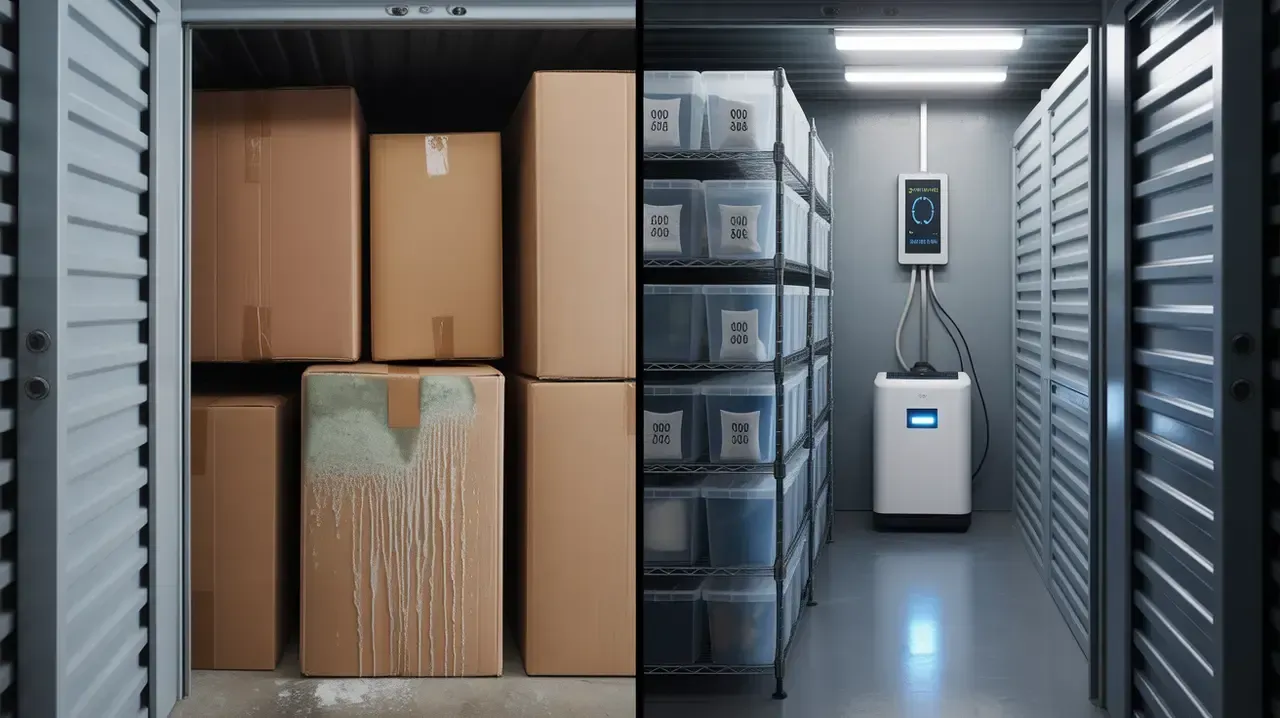
P reventing moisture damage in storage units requires controlling humidity levels between 30-50%, elevating items off concrete floors, using moisture absorbers like silica gel or DampRid, and choosing climate-controlled units for sensitive belongings. These four strategies, when combined, eliminate up to 95% of moisture-related damage including mold, mildew, rust, and warping.
| Key Points: | |
|---|---|
| • | Climate-controlled units maintain 55-80°F and 30-50% humidity, reducing mold risk by up to 70% |
| • | Elevate items 4-6 inches off floors using wooden pallets or plastic shelving to prevent ground moisture absorption |
| • | Replace moisture absorbers like DampRid or silica gel packets every 30-45 days for continuous protection |
| • | Use breathable covers (cotton sheets, canvas tarps) instead of plastic, which traps condensation |
| • | Clean and completely dry all items before storage; residual moisture breeds mold within 24-48 hours |
Understanding Moisture Sources in Storage Units
Moisture enters storage units through three primary pathways: external humidity from weather conditions, condensation from temperature fluctuations, and direct water intrusion from leaks or flooding. According to the Self Storage Association, facilities in humid climates like Florida, the Gulf Coast, and mountain regions with seasonal temperature swings report 40% more moisture-related claims than those in arid areas.
Temperature differentials create the most insidious moisture problems. When warm, humid air contacts cool surfaces inside a storage unit, water vapor condenses into liquid droplets. A 2024 study by the Institute of Inspection, Cleaning and Restoration Certification (IICRC) found that a 20-degree temperature swing can produce enough condensation to raise relative humidity inside a sealed unit by 15-25% within hours.
Ground moisture presents another challenge, particularly in ground-level and drive-up units. Concrete floors absorb and release moisture continuously. The Portland Cement Association notes that unsealed concrete can wick moisture upward at rates of 3-5 pounds per 1,000 square feet daily, making floor contact a significant risk factor for stored items.
Climate-Controlled vs. Standard Storage Units
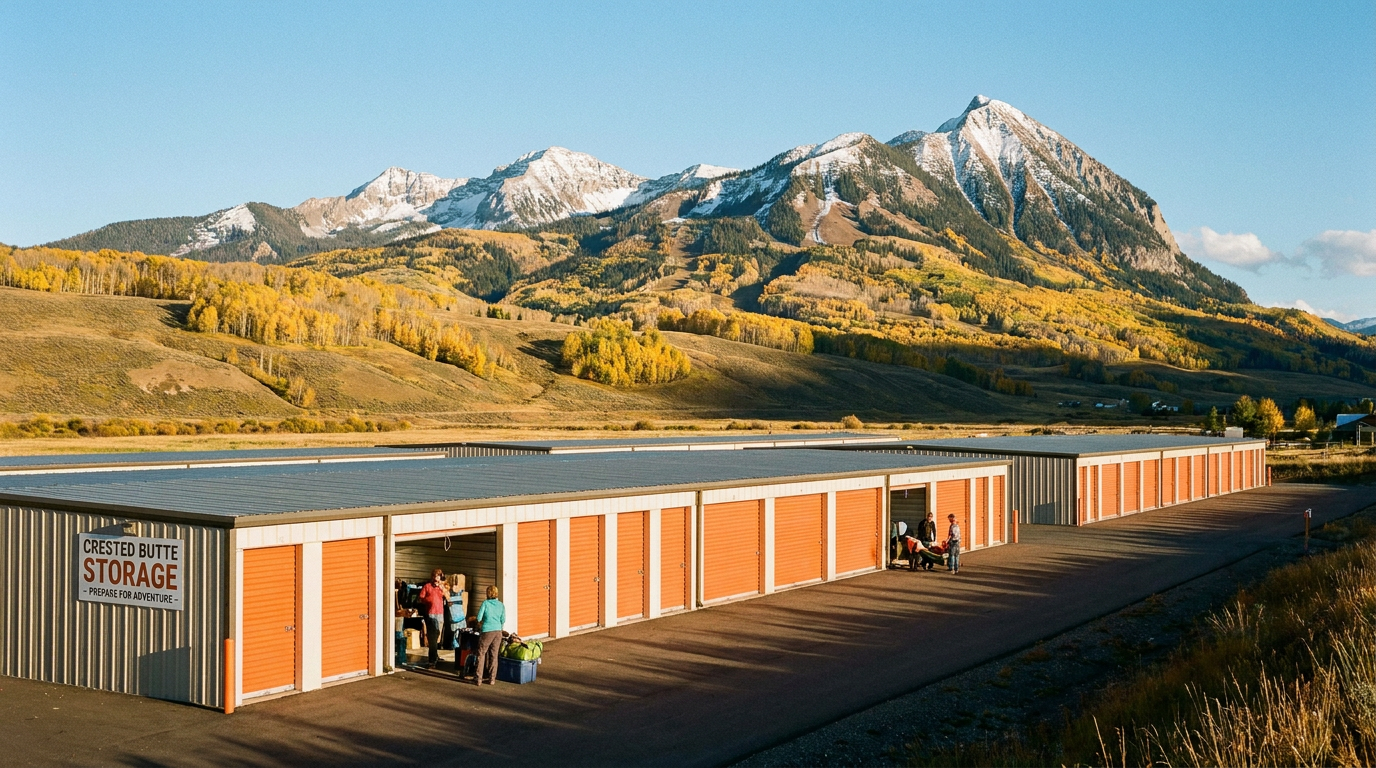
Climate-controlled storage units maintain consistent temperatures between 55-80°F and humidity levels of 30-50% year-round. This controlled environment costs 25-50% more than standard units but provides essential protection for moisture-sensitive items. At Elk Mountain Storage in Crested Butte, our interior climate-controlled units protect against Colorado's dramatic temperature swings, which can range from below freezing to 80°F within a single week during spring and fall.
| Feature | Climate-Controlled Unit | Standard Unit |
|---|---|---|
| Temperature Range | 55-80°F year-round | Varies with outdoor temps |
| Humidity Control | 30-50% maintained | No control (can exceed 80%) |
| Monthly Cost (10x10) | $140-200 | $100-150 |
| Best For | Electronics, wood, documents, art | Metal tools, outdoor gear, vehicles |
| Mold Risk | Low (under 5%) | Moderate to High (15-30%) |
Items that require climate control include wooden furniture, leather goods, electronics, vinyl records, photographs, artwork, musical instruments, wine collections, and important documents. The Library of Congress recommends storing paper materials below 70°F with humidity under 50% to prevent degradation and mold growth.
Essential Moisture Absorbers and How to Use Them
Moisture absorbers work by drawing water vapor from the air through chemical absorption or adsorption. The most effective products for storage units include calcium chloride (DampRid), silica gel, activated charcoal, and natural clay-based desiccants. Each type has specific applications and replacement schedules that determine effectiveness.
DampRid and Calcium Chloride Products
DampRid containers use calcium chloride crystals that absorb up to 3 times their weight in moisture. A single 10.5-ounce container protects approximately 250 square feet for 30-45 days. For a standard 10x10 storage unit (100 square feet), place one container in each corner and one in the center for optimal coverage. The crystals dissolve into liquid as they absorb moisture, providing a visual indicator for replacement.
Silica Gel Packets
Silica gel packets work through adsorption, trapping moisture on their porous surface. According to research from the Smithsonian Institution, silica gel maintains effectiveness at humidity levels between 40-60% and can be regenerated by heating at 250°F for 2 hours. Place 1-2 ounce packets inside boxes, drawers, and containers. For a 10x10 unit, distribute 20-30 packets throughout stored items and replace or regenerate every 60-90 days.
Activated Charcoal and Natural Alternatives
Activated charcoal absorbs moisture and odors simultaneously. Place charcoal briquettes (without lighter fluid additives) in breathable fabric bags or open containers. Use 2-3 pounds per 100 square feet. Natural alternatives include non-clumping clay cat litter (5-10 pounds per unit) and chalk sticks (12-24 pieces distributed throughout). These budget-friendly options cost 60-70% less than commercial desiccants but require more frequent replacement every 2-3 weeks.
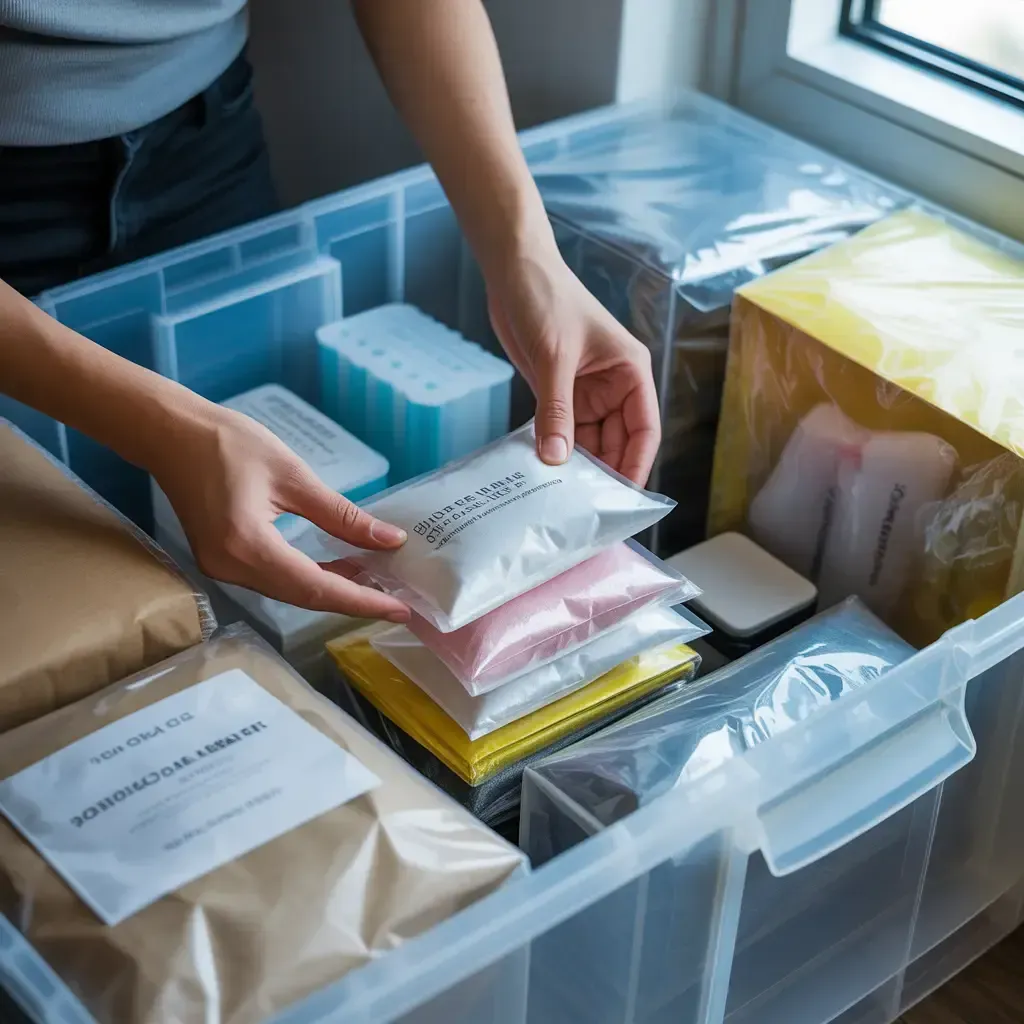
Proper Packing Techniques to Prevent Moisture Damage
How you pack items matters as much as where you store them. The American Moving and Storage Association reports that improper packing contributes to 65% of moisture damage claims. Following systematic packing protocols reduces this risk substantially.
Container Selection Guidelines
Plastic storage bins with secure lids outperform cardboard boxes for moisture protection. Choose containers made from high-density polyethylene (HDPE) with gasket seals for maximum protection. However, avoid completely airtight containers for items that may contain residual moisture; instead, drill 2-3 small ventilation holes near the top. Cardboard boxes absorb humidity and transfer it to contents, losing structural integrity when moisture levels exceed 65%.
Wrapping and Covering Methods
Use breathable materials for furniture and large items. Cotton sheets, canvas drop cloths, and moving blankets allow air circulation while protecting against dust. Never use plastic sheeting directly on furniture or mattresses; trapped moisture causes mold growth within 2-4 weeks. For metal items, apply a thin coat of machine oil or WD-40 before wrapping in acid-free paper.
Strategic Arrangement Inside the Unit
Create a 3-4 inch gap between items and walls to promote air circulation. Place heavier, moisture-resistant items on the bottom and lighter, sensitive items on top. Leave a center aisle for access and airflow. Stack boxes in a pyramid pattern rather than straight columns to prevent crushing and allow air movement between layers.
Item-Specific Protection Strategies
Different materials require tailored moisture prevention approaches. Understanding the vulnerability of each item type helps prioritize protection efforts and storage location decisions.
Electronics and Appliances
Electronics face corrosion risks at humidity levels above 60%. Remove batteries before storage to prevent leakage. Wrap items loosely in anti-static bubble wrap, then place in original packaging or cardboard boxes with 2-3 silica gel packets. Store electronics on upper shelves, away from exterior walls. For appliances like refrigerators and washing machines, clean thoroughly, drain all water lines, and prop doors open 2-3 inches to prevent mildew growth inside sealed compartments.
Wooden Furniture and Antiques
Wood absorbs and releases moisture, causing expansion, contraction, warping, and cracking. Apply furniture polish or wax before storage to seal the surface. Disassemble pieces when possible and wrap legs individually. The Antique Furniture Restoration Guild recommends maintaining humidity between 40-45% for valuable wooden pieces. Store furniture away from exterior walls where temperature differentials are greatest.
Clothing and Textiles
Wash and completely dry all clothing before storage; body oils and food residue attract mold. Use vacuum-sealed bags for seasonal clothing, removing 80% of air and creating a moisture barrier. For delicate fabrics, fold items with acid-free tissue paper and store in breathable garment bags. Add cedar blocks or lavender sachets, which provide mild moisture absorption and pest deterrence. Check our storage protection plans for additional coverage on valuable textile collections.
Documents, Books, and Photographs
Paper products are extremely hygroscopic, absorbing moisture rapidly. The National Archives recommends storing documents at 65-70°F with 30-40% relative humidity. Use acid-free archival boxes and folders. Place silica gel packets inside each box. Store boxes horizontally to prevent warping. For photographs, use archival sleeves and keep away from exterior walls where condensation forms.
Elevation and Airflow Optimization
Elevating items off the floor is the single most effective moisture prevention technique for standard storage units. Ground-level moisture affects items within the first 6 inches of floor height most severely.
Pallet and Shelving Options
Wooden pallets provide 4-6 inches of elevation at minimal cost. Standard 48x40 inch pallets cost $5-15 each and support up to 2,500 pounds. Plastic pallets resist moisture absorption better than wood and cost $15-30 each. Metal wire shelving units create multiple elevated storage levels and promote vertical airflow. For a 10x10 unit, invest $100-200 in shelving to maximize protection and organization.
Creating Airflow Patterns
Arrange items to create natural convection currents. Place taller items along walls and shorter items toward the center. Leave 3-4 inches between the back of items and walls. Create a clear path from the door to the back of the unit. This arrangement allows air to circulate around all stored items, preventing stagnant pockets where humidity accumulates.
Seasonal Considerations for Gunnison Valley Storage
Crested Butte and the Gunnison Valley present unique moisture challenges due to elevation (8,885 feet) and dramatic seasonal changes. Understanding local conditions helps tailor protection strategies effectively.
Winter Storage Concerns
Winter temperatures regularly drop below 0°F, causing moisture in items to freeze and thaw repeatedly. This freeze-thaw cycle damages electronics, cracks wooden furniture, and degrades fabric fibers. Climate-controlled interior units at Elk Mountain Storage eliminate this risk by maintaining consistent temperatures regardless of outdoor conditions.
Summer Monsoon Season
July through September brings afternoon thunderstorms and increased humidity. Outdoor and drive-up units experience higher moisture levels during this period. Increase moisture absorber quantities by 50% during monsoon season and check units every 2-3 weeks for signs of dampness. The Colorado Climate Center reports average summer humidity in mountain valleys reaches 55-65% during afternoon storms.
Spring Snowmelt Period
March through May presents flooding risks as snowpack melts. Ground-level units face increased moisture intrusion during this period. Elevate all items at least 6 inches off floors and avoid storing irreplaceable items in ground-level units during peak runoff season.
Regular Inspection and Maintenance Schedule
Consistent monitoring catches moisture problems before they cause significant damage. Establish a regular inspection routine based on storage duration and item sensitivity.
Monthly Inspection Checklist
Visit your storage unit monthly to check for visible moisture, musty odors, or condensation on surfaces. Inspect moisture absorbers and replace when saturated. Look for water stains on walls, floors, or ceilings. Check that items remain elevated and airflow paths stay clear. Document conditions with photographs to track changes over time.
Quarterly Deep Inspections
Every three months, conduct a thorough inspection. Open boxes and containers to check contents for mold or mildew. Inspect furniture for warping or discoloration. Test electronics briefly if possible. Reorganize items as needed to improve airflow. Replace all moisture absorbers regardless of apparent saturation level.
Seasonal Transition Checks
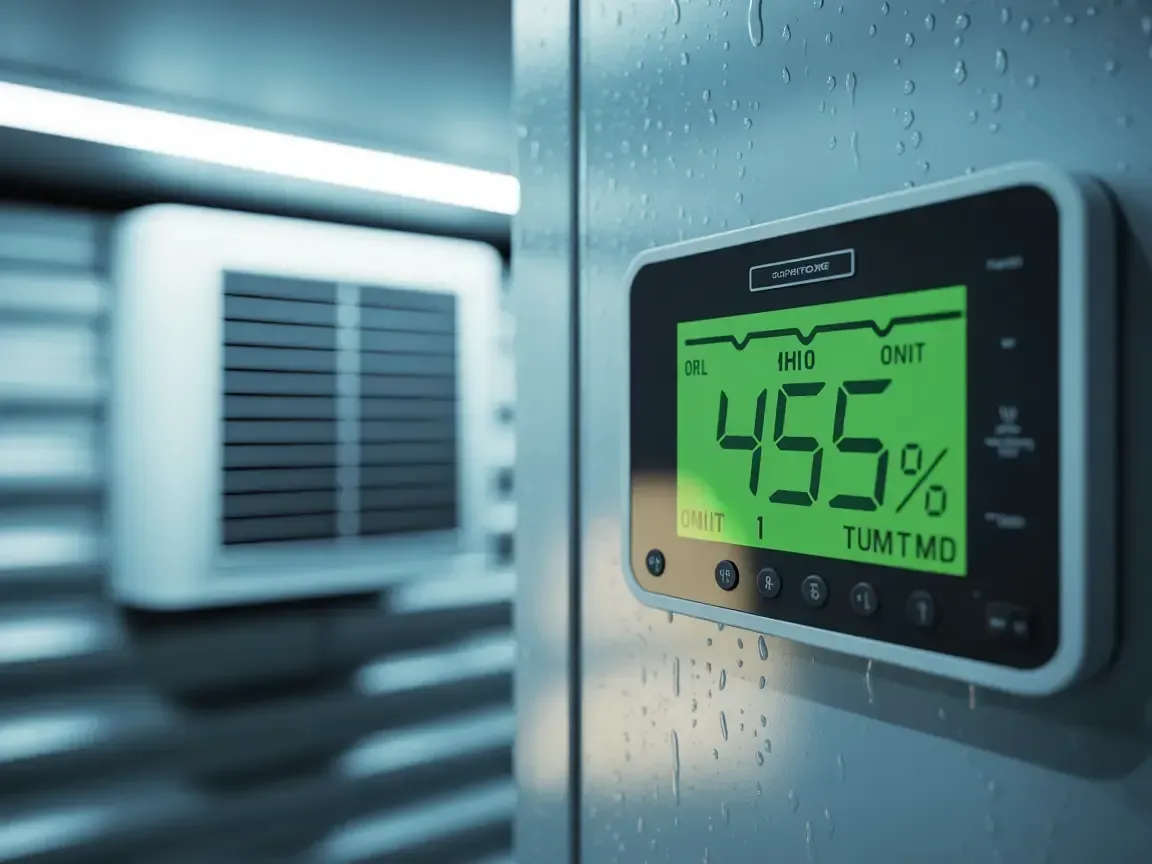
At the start of each season, adjust moisture prevention strategies. Add extra absorbers before humid seasons. Check seals on containers before winter. Verify that heating and cooling systems in climate-controlled units function properly. Report any facility maintenance issues to management immediately.
What to Do If You Discover Moisture Damage
Despite best efforts, moisture problems sometimes occur. Quick action minimizes damage and prevents spread to other items.
Immediate Response Steps
Remove affected items from the unit immediately. Separate damaged items from undamaged ones. Document all damage with photographs and detailed notes. Contact facility management to report the issue and request inspection of the unit for leaks or ventilation problems. Review your tenant protection coverage to understand claim procedures.
Salvage and Remediation
For mold on hard surfaces, clean with a solution of one cup white vinegar per gallon of water. Dry items completely in a well-ventilated area for 24-48 hours before returning to storage. Porous items like upholstered furniture, mattresses, and cardboard may require professional remediation or disposal. The Environmental Protection Agency recommends discarding porous items with mold growth exceeding 10 square feet.
Frequently Asked Questions
What can I put in my storage unit to keep moisture out?
Place DampRid containers (one per 50-100 square feet), silica gel packets inside boxes and containers, activated charcoal in breathable bags, and non-clumping cat litter in open containers. Combine multiple absorber types for best results. Replace or regenerate absorbers every 30-60 days depending on humidity levels.
Should I put DampRid in my storage unit?
Yes, DampRid is highly effective for storage units. Use the hanging moisture absorber bags for closets and wardrobes, and bucket-style containers for open floor areas. A 10x10 unit typically needs 3-5 containers for adequate coverage. DampRid works best in enclosed spaces and provides visible indication when replacement is needed.
What to put in a storage unit to prevent mold?
Prevent mold by maintaining humidity below 50% using moisture absorbers, ensuring proper ventilation with 3-4 inch gaps between items and walls, elevating items on pallets, using breathable covers instead of plastic, and cleaning all items thoroughly before storage. Climate-controlled units provide the most reliable mold prevention by maintaining consistent temperature and humidity.
How to prevent moisture in storage?
The five essential steps are: choose climate-controlled units for sensitive items, elevate everything 4-6 inches off floors, use multiple types of moisture absorbers throughout the unit, pack items in appropriate containers with desiccants, and inspect monthly for early detection of problems. Combining all five strategies provides comprehensive moisture protection.
Does climate-controlled storage prevent all moisture damage?
Climate-controlled storage significantly reduces but does not completely eliminate moisture risks. Units maintain optimal conditions (55-80°F, 30-50% humidity) but items packed wet or containing residual moisture can still develop mold. Proper packing, cleaning, and drying before storage remain essential even in climate-controlled environments.
How often should I check moisture absorbers in storage?
Check moisture absorbers every 30 days in standard units and every 45-60 days in climate-controlled units. Replace calcium chloride products (DampRid) when crystals fully dissolve into liquid. Regenerate silica gel by heating at 250°F for 2 hours when color indicators show saturation. Natural absorbers like charcoal and cat litter require replacement every 2-3 weeks.
|