What Not to Store in a Storage Unit: Prohibited Items Guide |
| WHAT NOT TO STORE IN A STORAGE UNIT: PROHIBITED ITEMS GUIDE
⏱ 12 min read ·
📄 #2,312 words
Complete guide to prohibited storage unit items including hazardous materials, perishables, and valuables. Learn what you cannot store and why these rules exist.
|
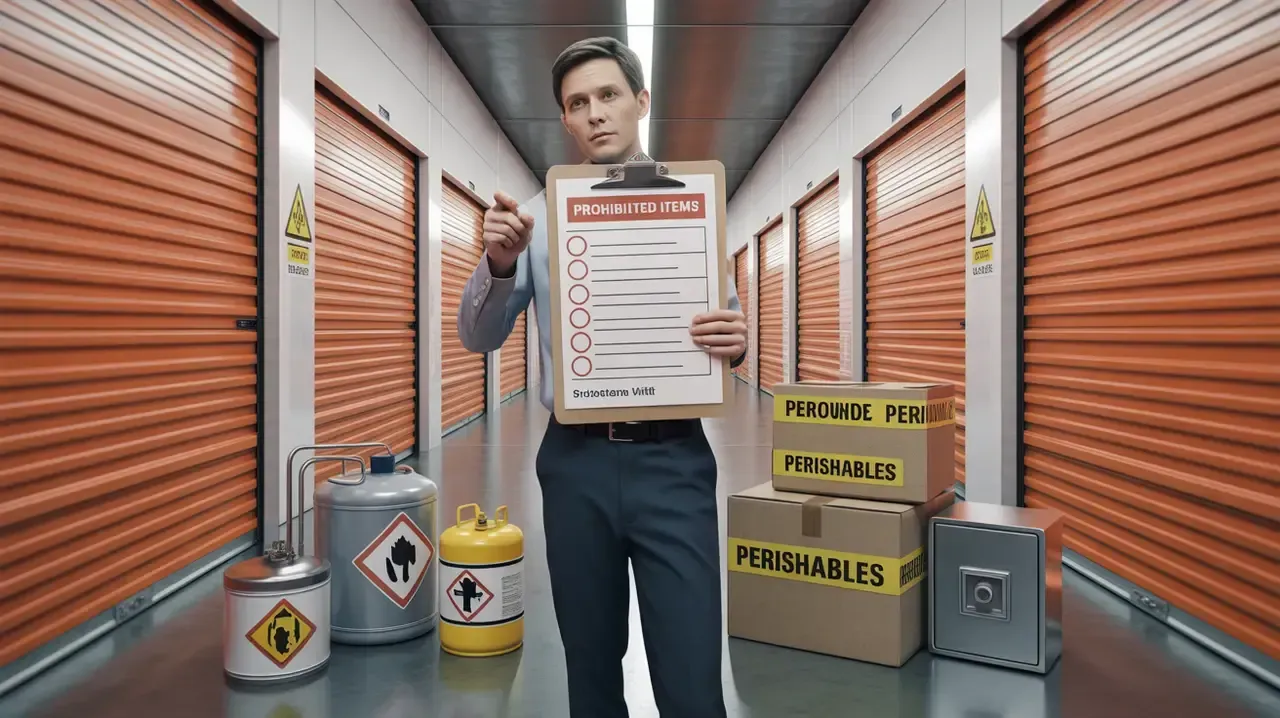
S torage facilities universally prohibit five categories of items: flammable and hazardous materials, perishable foods, living things (including plants and animals), illegal goods, and unregistered firearms with ammunition. Violating these rules can result in immediate lease termination, legal consequences, and liability for damages to other tenants' belongings.
| Key Points: | |
|---|---|
| • | Flammable materials (gasoline, propane, paint) are banned at 100% of storage facilities due to fire risk |
| • | All food items, including sealed canned goods, attract pests and cause contamination within 2 to 4 weeks |
| • | Firearms require specific conditions: unloaded, trigger-locked, and stored separately from ammunition |
| • | Valuables over $5,000 (jewelry, cash, irreplaceable documents) need specialized vault storage, not standard units |
| • | Violations can void your insurance coverage and result in $500 to $10,000 in liability costs |
Universal Prohibited Items at Every Storage Facility
According to the Self Storage Association (SSA), approximately 52,000 storage facilities operate across the United States, and every single one maintains restrictions on dangerous items. These rules exist because a single violation can affect dozens of neighboring units. The Insurance Institute for Business and Home Safety reports that storage facility fires cause an average of $2.3 million in damages per incident.
Storage operators including Public Storage, Extra Space Storage, CubeSmart, and Life Storage all maintain nearly identical prohibited items lists. This standardization stems from insurance requirements, local fire codes, and federal hazardous materials regulations enforced by the Environmental Protection Agency (EPA) and Occupational Safety and Health Administration (OSHA).
Flammable and Hazardous Materials
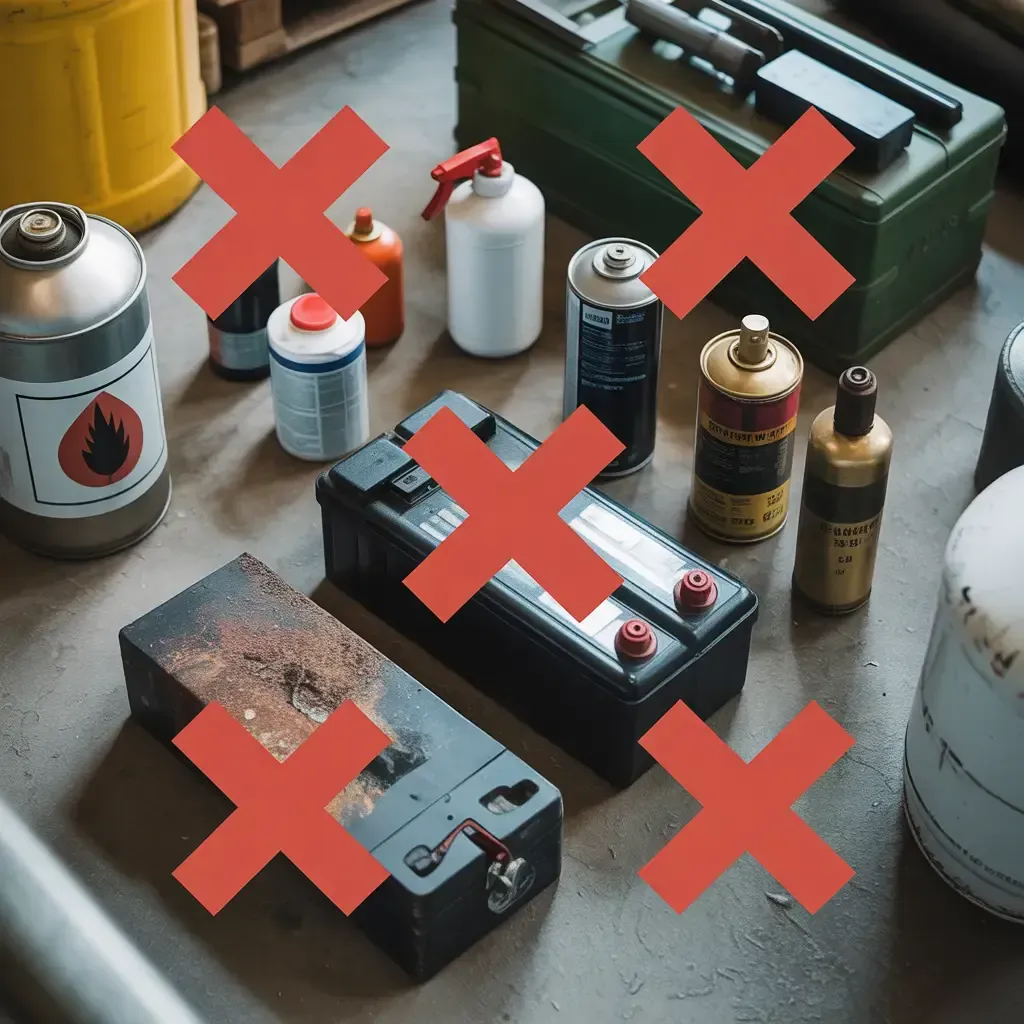
Gasoline, diesel fuel, propane tanks, kerosene, and lighter fluid top the list of banned items. Even small quantities of these materials create explosion risks, particularly in enclosed spaces without ventilation. A single gallon of gasoline produces vapor equivalent to 20 sticks of dynamite in terms of explosive potential.
Chemical hazards extend beyond obvious fuels. Paint thinners, acetone, turpentine, pool chemicals, fertilizers containing ammonium nitrate, and pesticides all fall under this category. The National Fire Protection Association (NFPA) Code 30 specifically addresses flammable liquid storage requirements that standard storage units cannot meet.
Lithium batteries present a growing concern for storage operators. According to the Consumer Product Safety Commission (CPSC), lithium battery fires increased 150% between 2019 and 2024. E-bikes, hoverboards, and devices with damaged lithium batteries should never enter a storage unit. Even intact batteries can experience thermal runaway in temperatures exceeding 130 degrees Fahrenheit, which standard units can reach during summer months.
| Hazardous Category | Common Examples | Primary Risk | Legal Consequence |
|---|---|---|---|
| Flammable Liquids | Gasoline, paint thinner, kerosene | Fire and explosion | Felony charges possible |
| Compressed Gases | Propane, oxygen tanks, aerosols | Explosion from pressure | Lease termination, fines |
| Corrosives | Battery acid, drain cleaner, bleach | Chemical burns, fumes | EPA violation penalties |
| Toxic Materials | Asbestos, lead paint, medical waste | Health contamination | OSHA fines up to $15,625 |
| Explosives | Fireworks, ammunition, black powder | Detonation risk | ATF federal charges |
Perishable Foods and Organic Materials
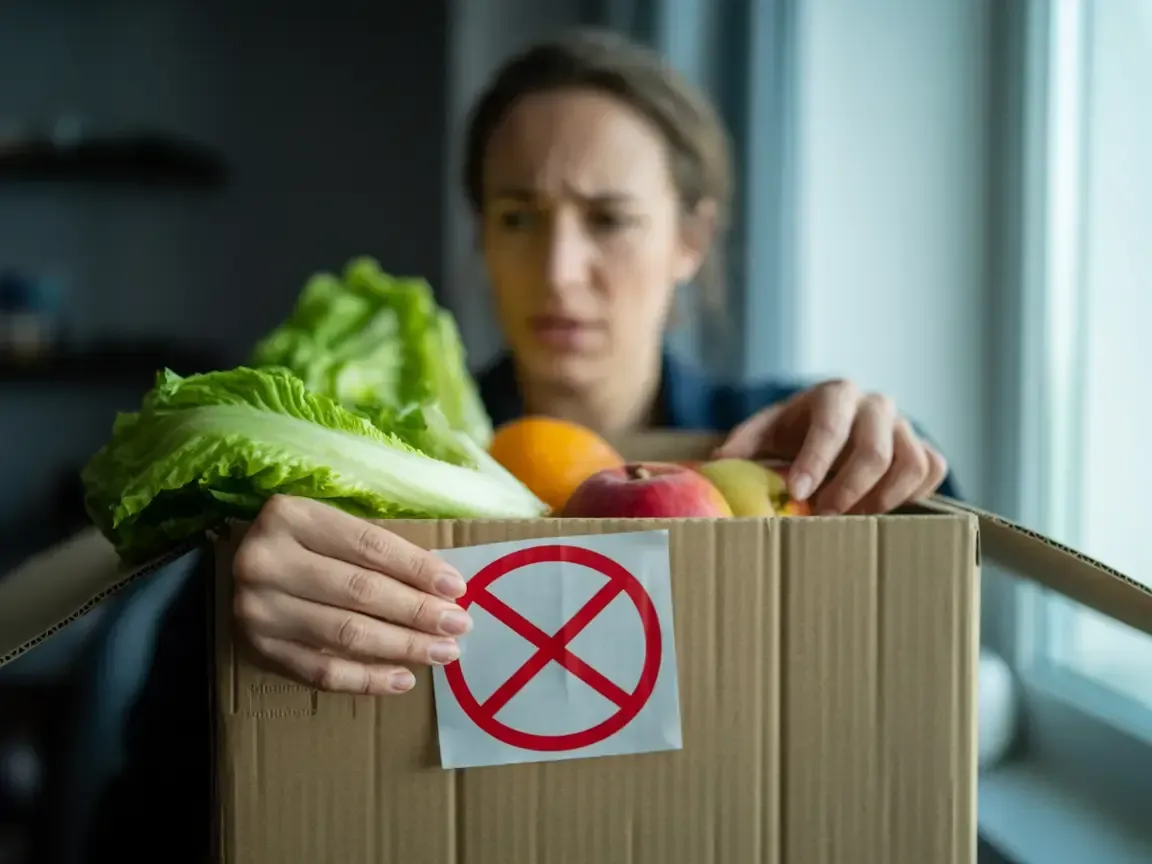
Every type of food is prohibited in storage units, including items many people assume are safe. Canned goods, sealed packages, dried pasta, rice, spices, and pet food all attract rodents and insects. The National Pest Management Association reports that food in storage units is the primary cause of facility-wide pest infestations.
Rodents can detect food through sealed containers and will chew through plastic, cardboard, and even thin metal. A single mouse can produce 50 to 75 droppings per day, contaminating not just your unit but adjacent spaces. Pest remediation for a storage facility averages $3,000 to $8,000, costs that operators recover through damage claims against responsible tenants.
Organic materials beyond food also pose problems. Potting soil, compost, mulch, and plant matter can harbor insects, mold spores, and bacteria. These materials retain moisture that accelerates deterioration of nearby stored items. Even dried flowers and wreaths can attract pests and should be stored in airtight containers or avoided entirely.
Living Things: Animals, Plants, and People
Storage units lack ventilation, climate control, natural light, and sanitation facilities necessary to sustain life. Storing any living creature, from pets to houseplants, violates facility policies and likely constitutes animal cruelty under state laws. Colorado Revised Statutes Section 18-9-202 classifies animal neglect as a Class 1 misdemeanor punishable by up to 18 months in jail.
Plants cannot survive in storage units regardless of duration. Without photosynthesis, plants die within 7 to 14 days. Dying plant matter then attracts pests and creates mold conditions that damage surrounding items. If you need to store gardening equipment, ensure all soil is removed and containers are thoroughly cleaned.
Using a storage unit as living space is both illegal and dangerous. Storage facilities are not zoned for habitation and lack fire safety features required for occupied buildings. Facilities conduct regular inspections and will immediately terminate leases and contact authorities if habitation is discovered. According to a 2023 National Alliance to End Homelessness report, individuals found living in storage units face trespassing charges and lose all stored belongings.
Illegal Items and Controlled Substances
Storage facilities cooperate with law enforcement and report suspicious activity. Storing illegal drugs, drug manufacturing equipment, stolen property, or counterfeit goods results in immediate lease termination, forfeiture of belongings, and criminal prosecution. The Drug Enforcement Administration (DEA) specifically monitors storage facilities as potential sites for controlled substance storage.
Stolen property remains illegal to possess regardless of whether you knew items were stolen. If police trace stolen goods to your unit, you face receiving stolen property charges, a felony in most states carrying 1 to 10 years imprisonment. Before storing items purchased secondhand, verify ownership through receipts or bills of sale.
Unlicensed firearms and certain weapons are prohibited at most facilities. While Colorado allows firearm ownership, storage facilities can set their own policies. Most require firearms to be unloaded, trigger-locked, and stored in a locked container separate from ammunition. Some facilities prohibit firearms entirely. Always verify your facility's specific policy before storing any weapon.
High-Value Items You Should Avoid Storing
While not technically prohibited, certain valuable items are strongly discouraged in standard storage units. Most storage facility insurance policies cap coverage at $2,500 to $5,000 per unit, leaving high-value items underprotected. A 2024 Insurance Information Institute study found that 67% of storage-related insurance claims involved items exceeding policy limits.
Items Requiring Specialized Storage
Cash, jewelry, precious metals, and collectibles valued over $5,000 belong in bank safe deposit boxes or specialized vault storage. Standard storage units, even those with security cameras and gated access, cannot provide the protection these items require. Bank vault storage costs $50 to $300 annually compared to potential losses of thousands.
Irreplaceable documents including birth certificates, passports, property deeds, wills, and original legal contracts should never go in storage units. Humidity fluctuations between 30% and 70% in non-climate-controlled units cause paper degradation within 6 to 12 months. Store document copies in your unit; keep originals in fireproof safes at home or in bank vaults.
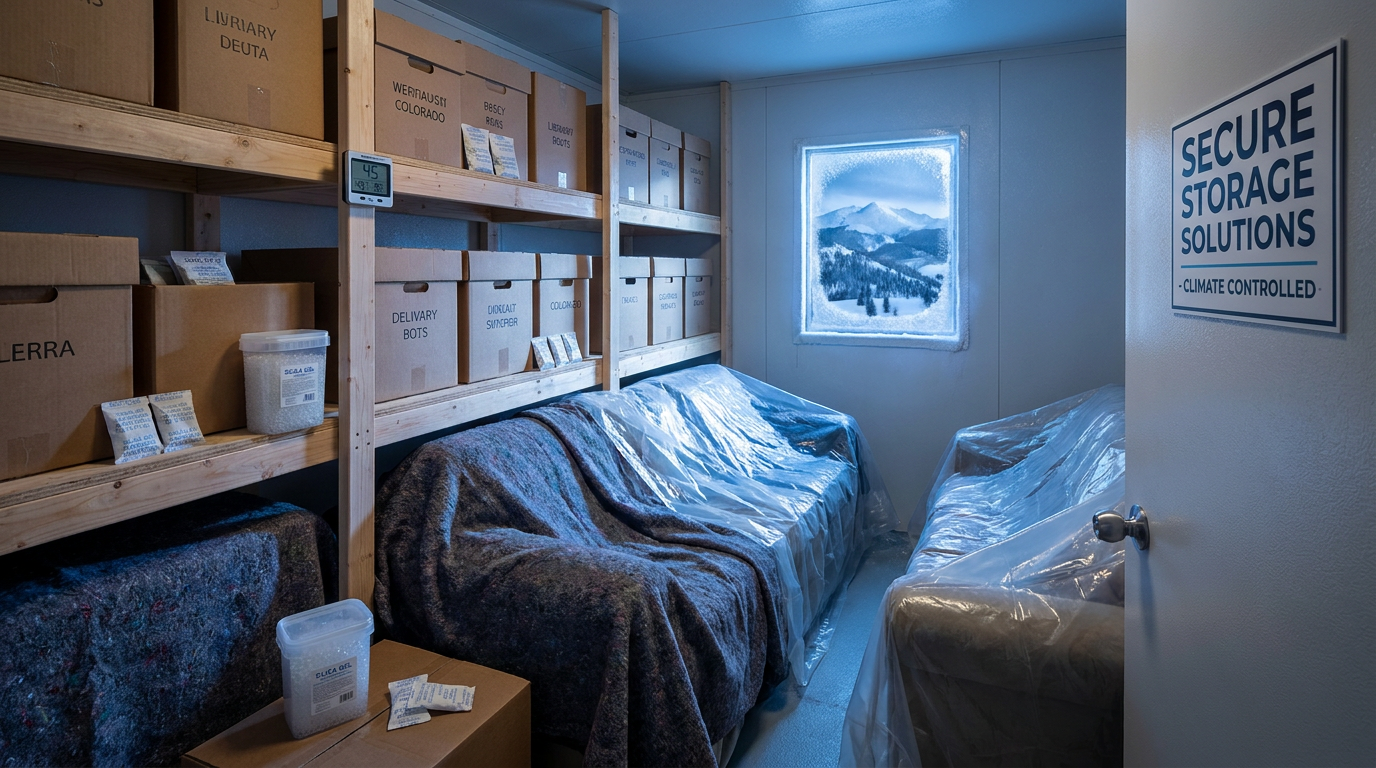
Family heirlooms, antiques, and sentimental items with irreplaceable value deserve careful consideration. While climate-controlled units at facilities like Elk Mountain Storage maintain temperatures between 55 and 80 degrees Fahrenheit, protecting sensitive items, the emotional cost of loss or damage cannot be compensated. Consider whether the storage savings justify the risk.
Electronics and Temperature-Sensitive Items
Standard storage units in Crested Butte and the Gunnison Valley can experience temperature swings from below freezing in winter to over 100 degrees in summer. Electronics containing circuit boards, LCD screens, and batteries suffer permanent damage from these extremes. The Consumer Technology Association recommends storing electronics only in climate-controlled environments maintaining 50 to 80 degrees Fahrenheit.
Wine collections require precise conditions: 55 degrees Fahrenheit, 70% humidity, and minimal vibration. Standard storage units cannot provide these conditions. A single temperature spike above 80 degrees can permanently damage wine, causing premature aging and off-flavors. Wine valued over $500 per bottle warrants dedicated wine storage facilities.
Musical instruments, particularly those with wood components, warp and crack in fluctuating humidity. Guitars, violins, pianos, and woodwind instruments need humidity levels between 40% and 60%. Our storage unit size guide can help you determine the right climate-controlled option for instrument storage.
Consequences of Storing Prohibited Items
Violating storage facility rules triggers a cascade of consequences extending far beyond lease termination. Understanding these outcomes helps explain why facilities enforce prohibitions strictly and why compliance protects both you and fellow tenants.
Immediate Facility Actions
Upon discovering prohibited items, facilities typically provide 24 to 72 hours to remove the violation. Failure to comply results in immediate lease termination without refund of prepaid rent. The facility may remove and dispose of prohibited items at your expense, with disposal fees ranging from $200 to $2,000 depending on hazardous material classification.
Your belongings may be subject to lien sale if you fail to respond to violation notices. Colorado lien law allows facilities to auction unit contents 30 days after default. You remain liable for any remaining balance after auction proceeds, plus legal fees that typically add $500 to $1,500 to your debt.
Insurance and Liability Issues
Storing prohibited items voids most storage insurance policies entirely. According to the American Insurance Association, policy exclusions for hazardous materials are standard across the industry. If your prohibited items cause damage to other units, you face personal liability for all damages, typically $5,000 to $50,000 depending on the incident scope.
Homeowners and renters insurance policies also exclude coverage for items stored improperly or in violation of facility rules. Before storing valuable items, review your existing policies and consider our storage protection plans for comprehensive coverage that clearly defines what is and is not covered.
Legal Consequences
Criminal charges apply to many prohibited item categories. Hazardous waste violations carry EPA fines starting at $37,500 per day. Storing controlled substances triggers federal drug charges with mandatory minimum sentences. Even seemingly minor violations like fireworks storage can result in misdemeanor charges and fines up to $1,000 in Colorado.
| Violation Type | Facility Response | Potential Legal Action | Financial Impact |
|---|---|---|---|
| Hazardous Materials | Immediate termination | EPA enforcement | $5,000 to $50,000+ |
| Food Storage | 72-hour removal notice | Civil liability for pest damage | $500 to $8,000 |
| Illegal Substances | Police notification | Criminal prosecution | Fines plus incarceration |
| Living in Unit | Immediate eviction | Trespassing charges | Loss of all belongings |
What You Can Safely Store
Understanding prohibited items clarifies what belongs in storage. The vast majority of household and business items store safely with proper preparation. Furniture, clothing, books, seasonal decorations, sporting equipment, and business inventory all make excellent storage candidates.
Climate-controlled units expand your options significantly. Electronics, wooden furniture, leather goods, photographs, vinyl records, and artwork all benefit from consistent temperature and humidity. Our interior units maintain conditions between 55 and 80 degrees Fahrenheit year-round, protecting temperature-sensitive items from Crested Butte's extreme seasonal variations.
Vehicle storage accommodates cars, motorcycles, boats, and RVs with proper preparation. Drain fuel to one-quarter tank, disconnect batteries, and use stabilizer for extended storage. Our drive-up units and open parking spaces provide convenient access for vehicle storage. Learn more about our locally owned facility and the storage options we offer.
Frequently Asked Questions
Can I store my gun or firearm in a storage unit?
Firearm storage policies vary by facility. Most allow firearms if they are unloaded, trigger-locked, and stored in a locked container separate from ammunition. Some facilities prohibit firearms entirely. Always verify your specific facility's policy in writing before storing any weapon. Colorado law does not restrict firearm storage in private facilities, but facility rules take precedence on their property.
Are canned or sealed foods allowed in storage?
No. Despite common assumptions, all food items are prohibited regardless of packaging. Rodents can detect food through sealed containers and will chew through metal cans to access contents. Military Non-Temporary Storage (NTS) regulations specifically ban all food, including sealed items, due to documented infestation incidents. Donate or consume food before moving items to storage.
What happens if I accidentally store prohibited items?
Contact your facility immediately upon discovering the mistake. Most operators appreciate proactive disclosure and will provide reasonable time to remove the items without penalty. Waiting for discovery during routine inspections typically results in formal violation notices, potential fees, and documentation that affects your rental history. Honesty protects your relationship with the facility and your stored belongings.
What valuables are safe in a storage unit?
Items valued under your insurance coverage limit (typically $2,500 to $5,000) with replaceable value store safely in quality facilities. Furniture, electronics, clothing, and household goods fall into this category. Items with irreplaceable sentimental value or high monetary worth exceeding $5,000 warrant bank vault storage or specialized facilities with enhanced security and insurance options.
Do storage units need to be climate-controlled for electronics?
Yes, for storage exceeding 30 days. Electronics containing circuit boards, LCD displays, and batteries suffer permanent damage from temperature extremes below 32 degrees or above 90 degrees Fahrenheit. Humidity above 80% causes corrosion on metal contacts. Climate-controlled units maintaining 55 to 80 degrees with moderate humidity protect electronics for years of storage.
Protecting Your Belongings and Your Community
Prohibited item rules protect everyone in the storage community. A single violation can damage dozens of units, cause facility-wide evacuations, and result in insurance claims affecting all tenants' rates. Responsible storage practices demonstrate respect for fellow renters and facility staff who work to maintain safe, clean environments.
Before moving items into any storage unit, review your facility's specific prohibited items list. While industry standards are consistent, individual facilities may have additional restrictions based on local regulations, insurance requirements, or building characteristics. When in doubt, ask facility staff before storing questionable items.
Proper storage preparation extends beyond avoiding prohibited items. Use quality packing materials, create inventory lists, and visit your unit periodically to check conditions. These practices, combined with compliance with facility rules, ensure your belongings remain safe and accessible throughout your storage term.
|