How to Downsize from a House to an Apartment Using Storage |
| HOW TO DOWNSIZE FROM A HOUSE TO AN APARTMENT USING STORAGE
⏱ 12 min read ·
📄 #2,205 words
Learn the step-by-step process for downsizing from a house to an apartment using storage units. Includes timelines, costs, unit sizes, and expert strategies.
|
D ownsizing from a house to an apartment requires reducing your belongings by 50 to 70 percent, and a storage unit bridges the gap by holding items you cannot part with but lack space to keep. The process takes 4 to 8 weeks when done properly, with storage costs ranging from $140 to $561 monthly depending on unit size and features.

| Key Points: | |
|---|---|
| • | A 3-bedroom house typically requires a 10x10 or 10x20 storage unit when downsizing to a 1-bedroom apartment |
| • | Climate-controlled units cost $140 to $271 monthly and protect furniture, electronics, and documents from temperature damage |
| • | Pack in three phases over 4 to 8 weeks to reduce moving day stress by up to 50 percent |
| • | Most downsizers need storage for 3 to 12 months during the transition period |
| • | Drive-up units save 2 to 3 hours on moving day compared to interior units requiring elevator access |
Step 1: Calculate Your Storage Needs Before You Start
According to the Self Storage Association, the average American household contains approximately 300,000 items. When moving from a 2,000 square foot house to a 750 square foot apartment, you need to eliminate or store roughly 60 percent of your possessions. This calculation determines your storage unit size and budget.
Start by measuring large furniture pieces and creating an inventory spreadsheet. A standard queen bed frame, dresser, and nightstand set requires approximately 50 square feet of storage space. Add seasonal items, holiday decorations, and sentimental pieces to determine your total needs.
| House Size | Recommended Unit | Capacity | Monthly Cost Range |
|---|---|---|---|
| 1-2 Bedroom House | 5x10 | 1 room of furniture plus boxes | $236 to $271 |
| 2-3 Bedroom House | 10x10 | 2-3 rooms of furniture | $140 to $561 |
| 3-4 Bedroom House | 10x20 | Full house contents minus essentials | $190 |
| 4+ Bedroom House | 10x30 | Large household with vehicles | $561 |
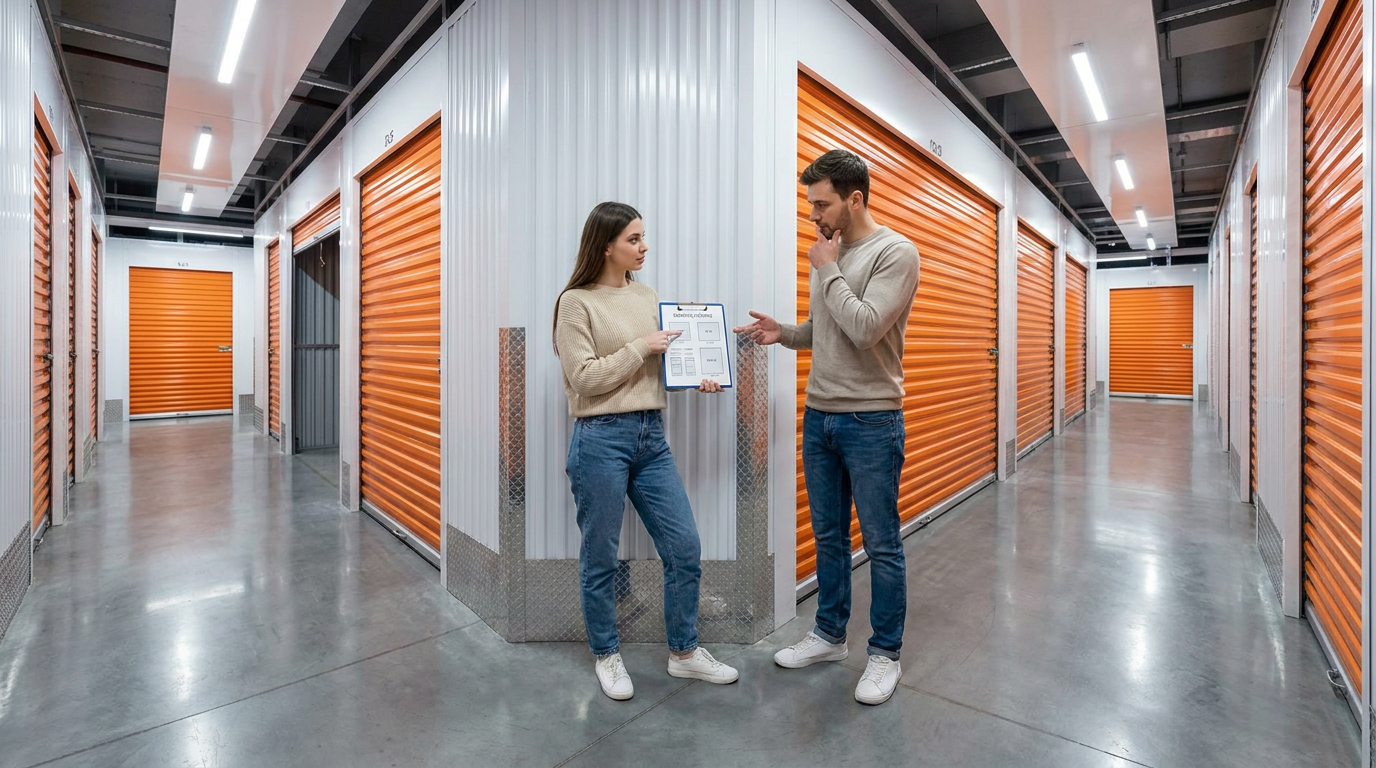
Use a storage unit size guide to visualize how your belongings will fit. Many people underestimate their needs by 20 to 30 percent, so consider sizing up if you are uncertain.
Step 2: Create a Three-Phase Decluttering System
Professional organizer Marie Kondo popularized the category-by-category approach, but downsizing requires a timeline-based system. The National Association of Productivity and Organizing Professionals recommends dividing your move into three distinct phases spread over 4 to 8 weeks.
Phase 1: Non-Essential Items (Weeks 1 to 2)
Begin with items you will not need before moving day. This includes seasonal decorations, off-season clothing, camping equipment, and hobby supplies. According to a 2024 survey by SpareFoot, 67 percent of successful downsizers started with garage and basement items first.
Sort everything into four categories: keep for apartment, keep in storage, sell or donate, and discard. Be ruthless with duplicates; you do not need three sets of dishes or five blankets for a smaller space.
Phase 2: Secondary Items (Weeks 3 to 5)
Move to guest bedroom furniture, extra linens, books, and collections. This phase typically generates the most items for storage because these possessions have sentimental value but limited daily use. The American Moving and Storage Association reports that books and collections account for 15 to 20 percent of most households' storage needs.
Phase 3: Final Sort (Weeks 6 to 8)
Address remaining rooms and make final decisions. Items that seemed essential in week one may now appear unnecessary. This psychological shift, documented in research by Princeton University, occurs because you have already adapted to living with less.
Step 3: Choose the Right Storage Type for Your Situation
Not all storage options serve downsizers equally. Your choice depends on budget, access frequency, and item sensitivity. The Self Storage Association reports that 85 percent of downsizers use traditional self-storage facilities, while 15 percent opt for portable containers or full-service options.
Climate-Controlled vs. Standard Units
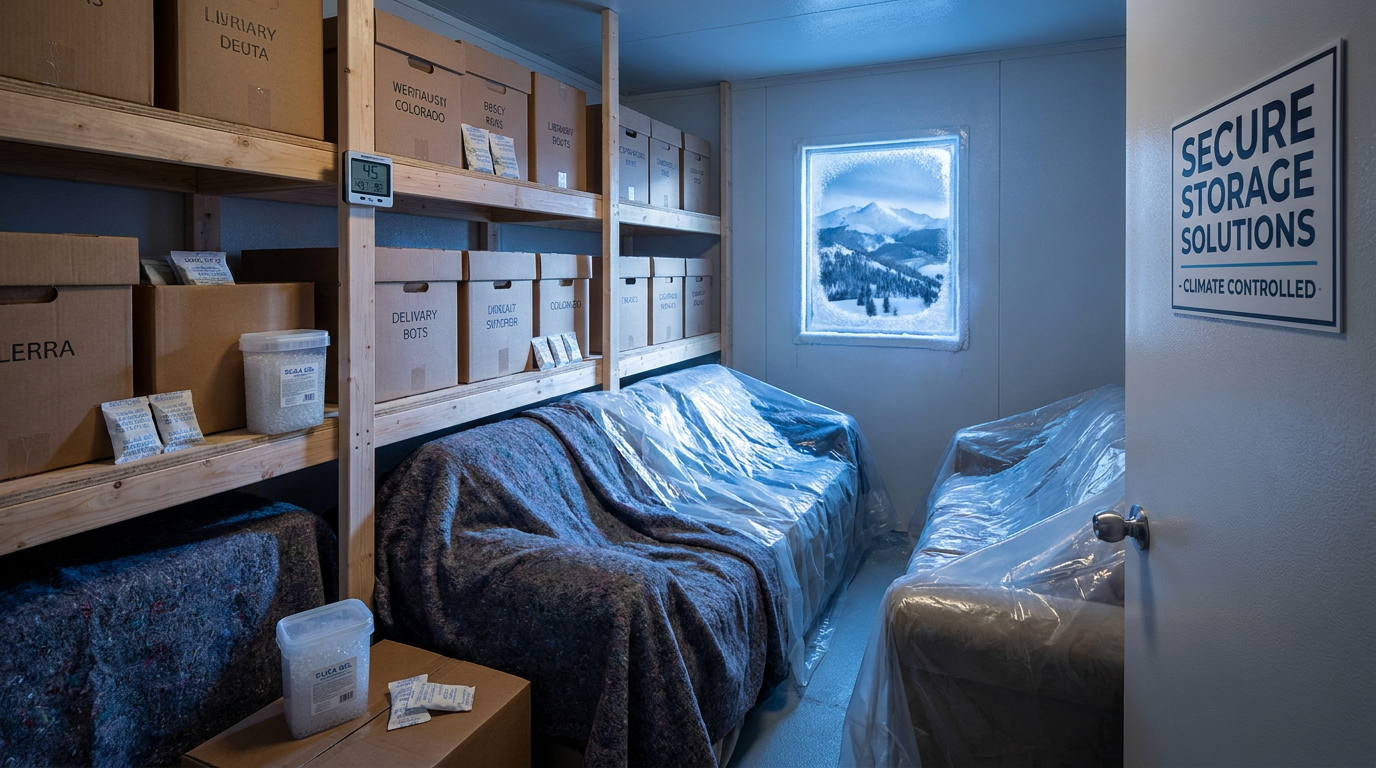
Climate-controlled units maintain temperatures between 55 and 80 degrees Fahrenheit year-round. According to the Institute of Inspection, Cleaning and Restoration Certification, wood furniture can crack or warp when exposed to temperature fluctuations exceeding 20 degrees within 24 hours.
Choose climate control for electronics, wooden furniture, vinyl records, photographs, leather goods, and important documents. Standard units work well for metal tools, plastic containers, outdoor furniture, and non-sensitive seasonal items.
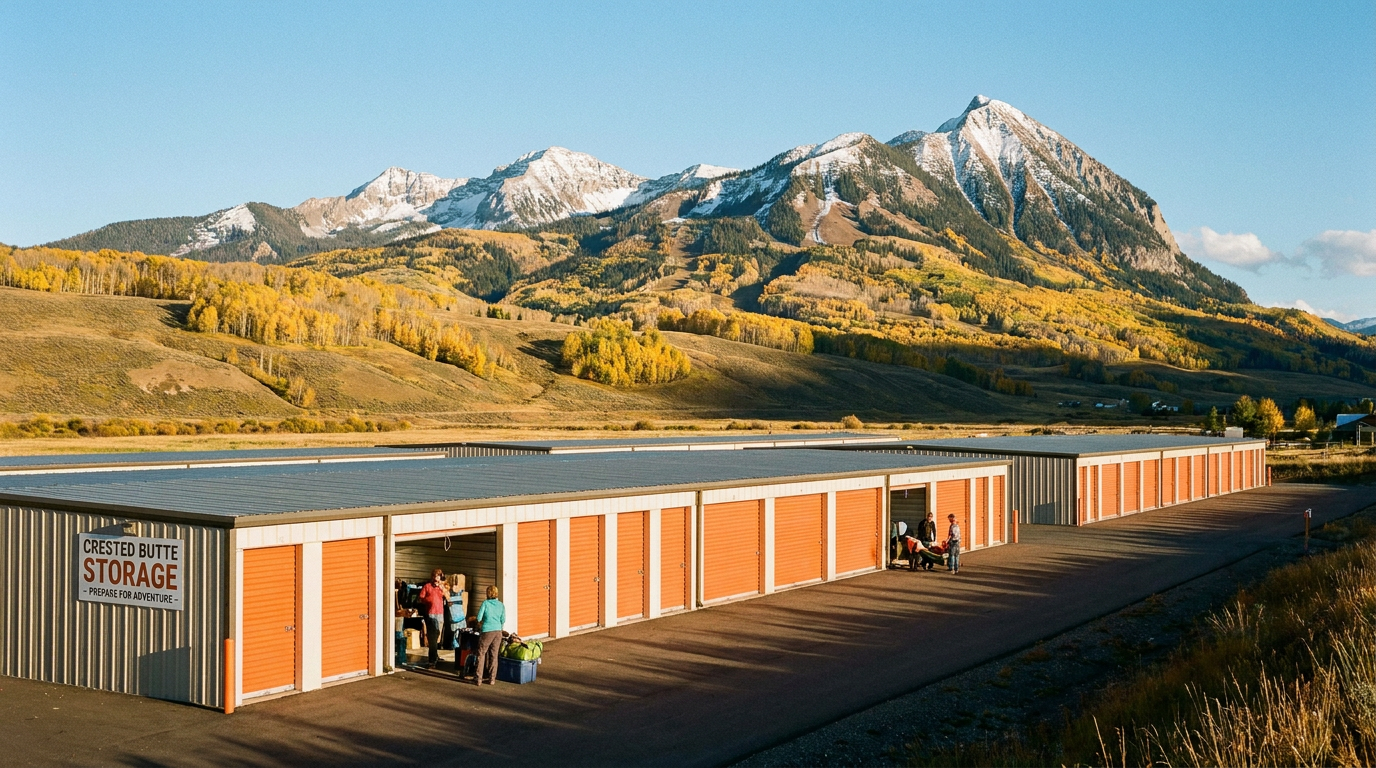
In mountain communities like the Gunnison Valley, where temperatures can swing from negative 20 to 90 degrees Fahrenheit annually, climate control becomes essential for most household items. Learn about storage protection plans to safeguard valuable belongings.
Drive-Up vs. Interior Units
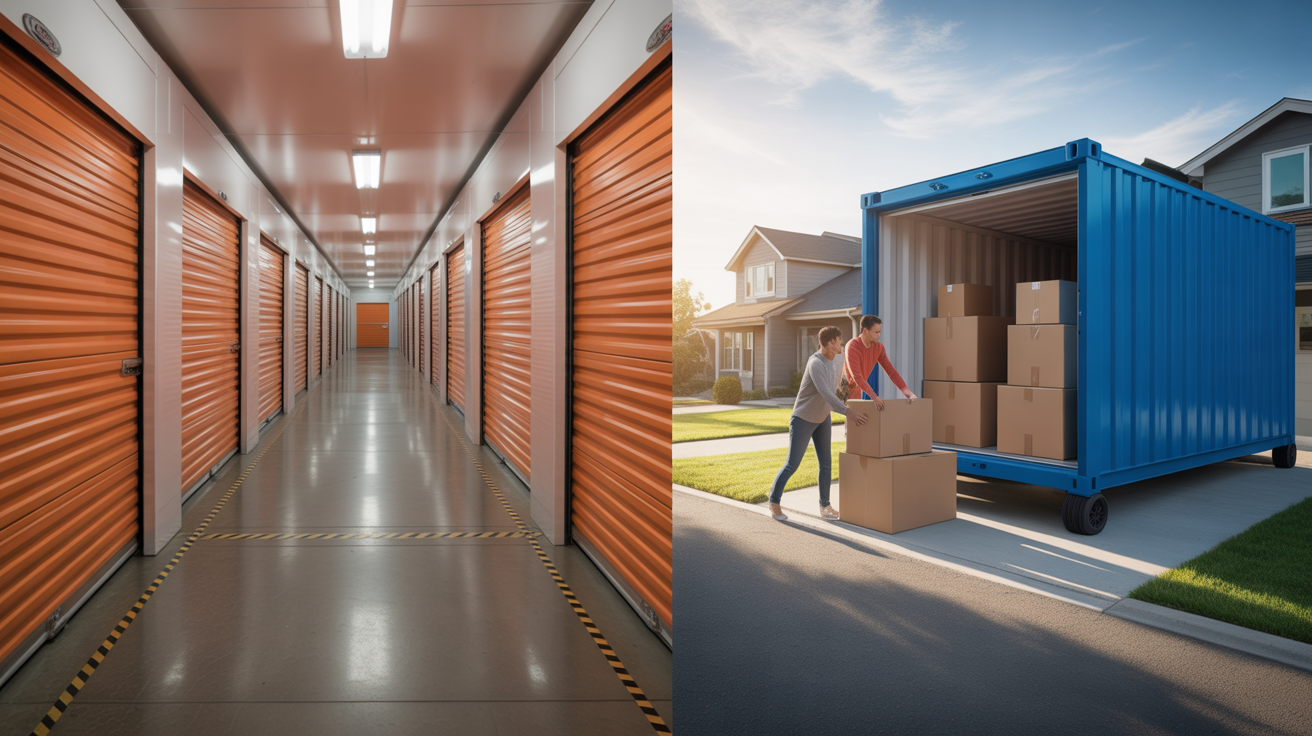
Drive-up units allow you to park directly in front of your storage door, eliminating hallway navigation and elevator use. Moving company Two Men and a Truck estimates that drive-up access saves 2 to 3 hours during loading and unloading compared to interior units.
Interior units often cost 10 to 20 percent less and typically include climate control. They work best for smaller loads or items you access infrequently.
| Storage Type | Best For | Advantages | Considerations |
|---|---|---|---|
| Drive-Up Standard | Heavy furniture, frequent access | Easy loading, vehicle accessible | Temperature varies with weather |
| Interior Climate-Controlled | Sensitive items, long-term storage | Temperature stable, protected from elements | Requires cart or dolly for transport |
| Portable Containers (PODS, U-Pack) | On-site sorting, long-distance moves | Delivered to your driveway | Higher cost, requires driveway space |
| Vehicle and RV Parking | Boats, RVs, extra vehicles | Accommodates oversized items | Outdoor exposure in some facilities |
Step 4: Pack Strategically for Long-Term Storage
How you pack determines whether your belongings survive months or years in storage. The Container Store reports that improperly packed items account for 40 percent of storage-related damage claims.
Essential Packing Materials
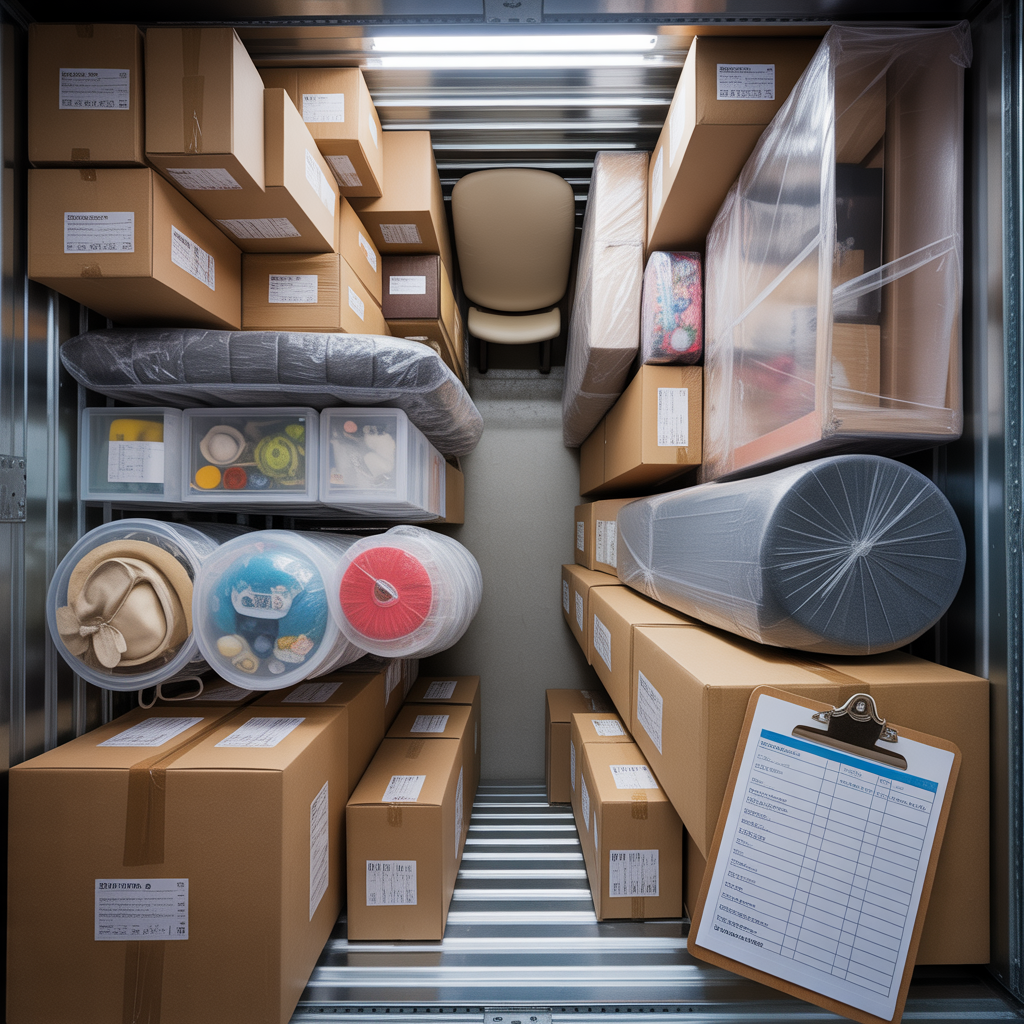
Invest in quality supplies rather than using worn moving boxes. Uniform box sizes from companies like U-Haul, Home Depot, or Lowes stack efficiently and reduce wasted space. For a 10x10 unit, budget $150 to $250 for packing materials including boxes, tape, bubble wrap, and furniture covers.
Use vacuum-sealed bags for clothing and linens to reduce volume by up to 75 percent. Wrap furniture in moving blankets rather than plastic, which traps moisture and promotes mold growth.
Labeling System That Works
Create a detailed inventory spreadsheet with box numbers and contents. Professional organizer Maija Diethelm recommends photographing box contents before sealing and storing images in a cloud service like Google Drive or Dropbox. This eliminates the need to open multiple boxes when searching for specific items.
Label boxes on at least two sides with category, room destination, and priority level. Use color-coded tape or stickers for quick visual identification.
Step 5: Organize Your Storage Unit for Easy Access
A well-organized storage unit saves hours of frustration during retrieval visits. According to Public Storage, the largest self-storage company in the United States, 78 percent of renters access their units at least once during the first three months.
Create a Layout Plan
Place items you might need, such as seasonal clothing or holiday decorations, near the front of the unit. Create a center aisle at least 2 feet wide to access back items without moving everything.
Stack heaviest boxes on the bottom and lightest on top. Disassemble furniture when possible to maximize vertical space. A standard 8-foot ceiling allows for significant stacking, but keep weight limits in mind for cardboard boxes, typically 50 to 70 pounds maximum.
Protect Against Common Storage Problems
Place pallets or 2x4 boards under furniture and boxes to allow air circulation and protect against minor flooding. The Federal Emergency Management Agency notes that even climate-controlled facilities can experience water intrusion during severe weather events.
Avoid storing items directly against walls, leaving 2 to 3 inches of space for airflow. This prevents moisture accumulation and reduces pest hiding spots.
What Size Storage Unit Do I Need for Downsizing?
The right unit size depends on how much you are keeping versus storing. A study by MakeSpace found that downsizers typically store 30 to 40 percent of their original household contents during the first year, gradually reducing to 15 to 20 percent by year three.
For a 3-bedroom house moving to a 1-bedroom apartment, start with a 10x10 unit, which holds approximately 1.5 rooms of furniture plus 30 to 50 boxes. If storing large items like a dining room set, sectional sofa, or multiple bedroom sets, upgrade to a 10x20 unit.
Many facilities, including locally owned storage providers, offer month-to-month leases that allow you to downsize your unit as you sell or donate items over time.
How Much Does Short-Term Storage Cost for Downsizing?
Storage costs vary significantly by location, unit type, and amenities. According to SpareFoot's 2024 market analysis, national average prices range from $89 for a 5x5 unit to $290 for a 10x20 unit monthly.
In Colorado mountain communities, prices trend 15 to 25 percent higher due to limited supply and seasonal demand from ski residents. Climate-controlled units add $25 to $75 monthly compared to standard options.
Budget for 3 to 6 months minimum when downsizing. The transition period typically extends beyond initial estimates as you settle into apartment living and determine which stored items you actually need.
Climate-Controlled vs. Standard Units: Which Is Best for Furniture?
Wood furniture requires climate control for storage exceeding 3 months in regions with temperature extremes. The Furniture Industry Research Association documented that humidity fluctuations above 20 percent cause wood joints to loosen and veneer to separate.
Metal and plastic items tolerate standard units well. However, upholstered furniture can develop mold in humid conditions even within standard units. The Environmental Protection Agency recommends maintaining relative humidity below 60 percent to prevent mold growth.
For mixed loads, choose climate control if more than 30 percent of your stored items are temperature-sensitive. The additional $25 to $75 monthly cost provides insurance against thousands of dollars in potential damage.
Tips for Selling and Donating Items Before Storage
Reducing volume before renting storage saves money and simplifies your move. The resale market has shifted significantly, with Facebook Marketplace now accounting for 35 percent of peer-to-peer furniture sales according to a 2024 Statista report.
Maximize Resale Value
Price items at 20 to 30 percent of original retail value for quick sales. Take photos in natural light and include measurements in listings. Furniture sells fastest on weekends when buyers have time for pickup.
For valuable items like antiques or designer furniture, consider consignment shops that take 30 to 50 percent commission but reach motivated buyers. Auction houses like Everything But The House specialize in estate sales and downsizing situations.
Donation Strategies
Habitat for Humanity ReStores accept furniture, appliances, and building materials with free pickup for large donations. Goodwill and Salvation Army provide tax receipts for itemized donations, potentially saving 15 to 25 percent of item value on your tax return.
Schedule donation pickups 2 weeks before your move to ensure availability. Peak moving season from May through September creates high demand for donation services.

Creating Your Downsizing Timeline
Successful downsizing follows a structured timeline that prevents last-minute chaos. Real estate agents at Coldwell Banker report that rushed downsizers spend 40 percent more on moving and storage costs compared to those who plan 8 or more weeks ahead.
8 Weeks Before Move
Reserve your storage unit to lock in pricing and availability. Begin Phase 1 decluttering in garage, basement, and attic spaces. Research local donation pickup schedules and list high-value items for sale.
6 Weeks Before Move
Move first load of non-essential items to storage. Continue selling and donating. Order packing supplies and begin wrapping fragile items.
4 Weeks Before Move
Complete Phase 2 decluttering. Transfer seasonal items and collections to storage. Confirm moving company or rental truck reservation.
2 Weeks Before Move
Pack remaining non-essential items. Make final decisions on borderline items. Schedule utility transfers and address changes.
Moving Week
Pack daily essentials last. Load storage unit with remaining items. Complete final walkthrough of house.
Long-Term Storage Considerations for Downsizers
Many downsizers discover that temporary storage becomes semi-permanent. According to the Self Storage Association, the average rental duration is 14 months, with 30 percent of renters keeping units for 2 years or longer.
Evaluate stored items every 6 months. If you have not needed something for a year, consider whether it deserves continued storage costs. A $150 monthly unit costs $1,800 annually, often exceeding the replacement value of stored items.
Set calendar reminders to reassess your storage needs quarterly. Downsizing your unit as you eliminate items can save $50 to $200 monthly.
Common Downsizing Mistakes to Avoid
Experience from professional organizers and storage facility managers reveals consistent patterns in downsizing failures. Avoiding these mistakes saves time, money, and stress.
Renting too small initially: Upgrading mid-move costs time and money. Choose a slightly larger unit and downsize later.
Skipping the inventory: Without documentation, you will forget what you stored and where. Spend 30 minutes creating a spreadsheet before loading.
Storing items you should sell: Calculate whether 12 months of storage exceeds an item's value. A $200 dresser is not worth $1,800 in annual storage fees.
Ignoring climate control needs: Damaged furniture costs more to replace than climate control costs to rent. Protect your investment.
Waiting until the last minute: Rushed decisions lead to regret. Start 8 weeks early for the smoothest transition.
|