How to Prepare Your Storage Unit for Winter Weather |
| HOW TO PREPARE YOUR STORAGE UNIT FOR WINTER WEATHER
⏱ 9 min read ·
📄 #1,797 words
Learn how to prepare your storage unit for winter with proven steps for moisture control, temperature protection, and proper organization in cold climates.
|
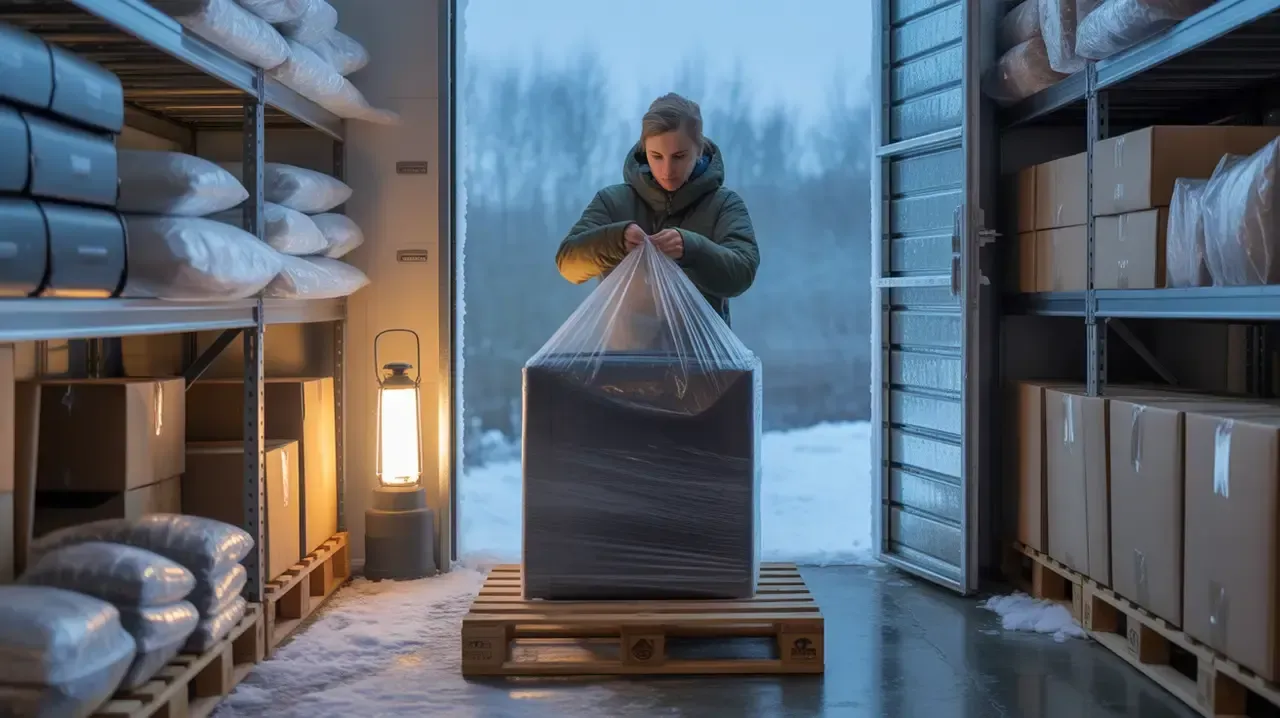
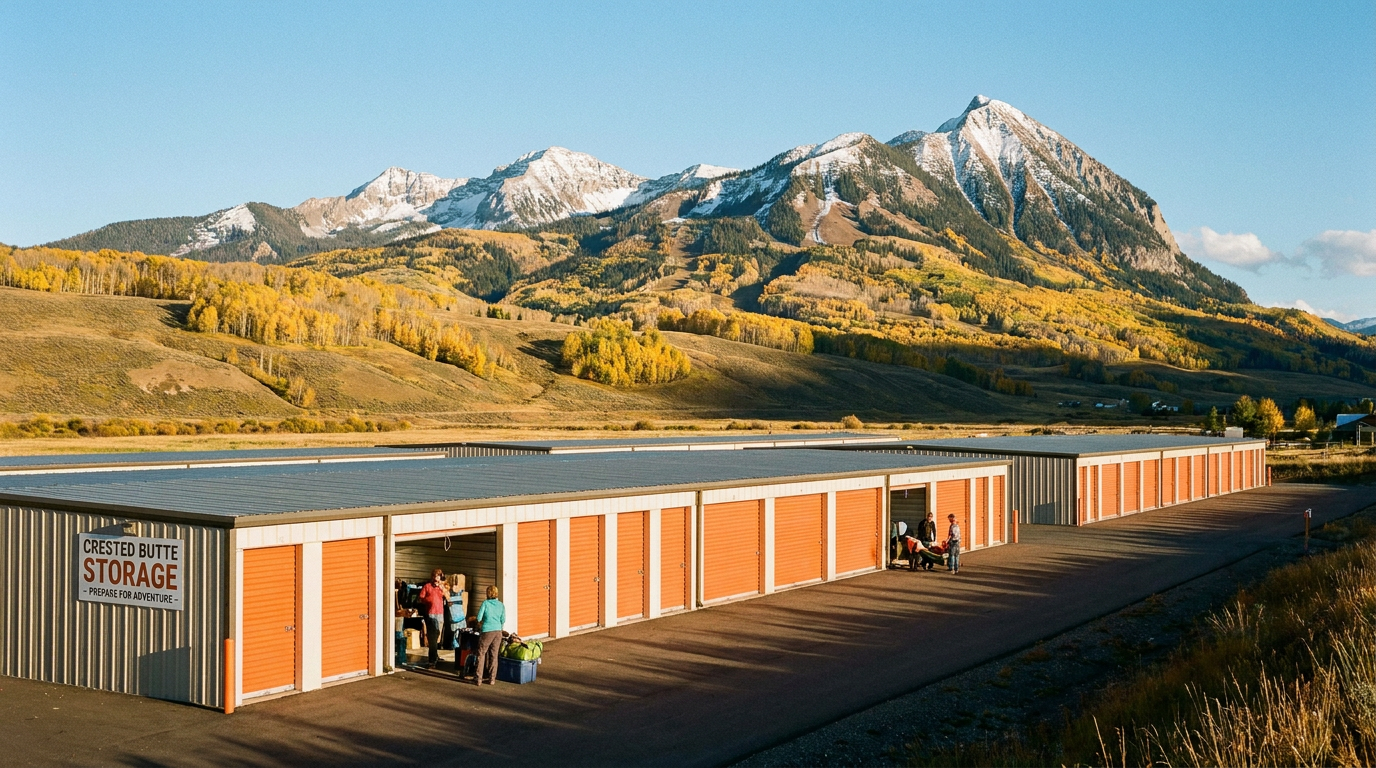
P reparing your storage unit for winter requires three core actions: choosing climate-controlled storage when temperatures drop below 32°F, elevating all items 4 to 6 inches off the floor, and using moisture absorbers rated for spaces up to 500 square feet. In Crested Butte and the Gunnison Valley, where winter temperatures regularly fall below zero, these steps prevent thousands of dollars in damage to stored belongings.
| Key Points: | |
|---|---|
| • | Climate-controlled units maintain 55 to 80°F, preventing freeze damage to electronics, wood furniture, and liquids |
| • | Moisture absorbers like DampRid remove 10 to 14 ounces of water per month, reducing mold risk by up to 90% |
| • | Elevating items on pallets or shelving prevents floor moisture damage, which causes 60% of winter storage claims |
| • | Proper wrapping with moving blankets instead of plastic sheeting allows airflow and prevents condensation |
Choose the Right Storage Unit Type for Winter
The single most important decision for winter storage is selecting between standard, heated, and climate-controlled units. According to the Self Storage Association, climate-controlled units reduce temperature-related damage claims by 78% compared to standard units. In Colorado mountain communities, this choice becomes even more critical.
Heated storage units maintain temperatures above 32°F, preventing freezing but allowing significant temperature swings. These units typically cost 20 to 30% more than standard options. Climate-controlled storage maintains a consistent range between 55°F and 80°F year-round, which the American Moving and Storage Association recommends for furniture, electronics, documents, and musical instruments.
| Unit Type | Temperature Range | Best For | Monthly Cost Premium |
|---|---|---|---|
| Standard | Matches outdoor temps | Metal tools, camping gear | Base rate |
| Heated | Above 32°F | Vehicles, outdoor equipment | 20 to 30% more |
| Climate-Controlled | 55°F to 80°F | Furniture, electronics, documents | 25 to 50% more |
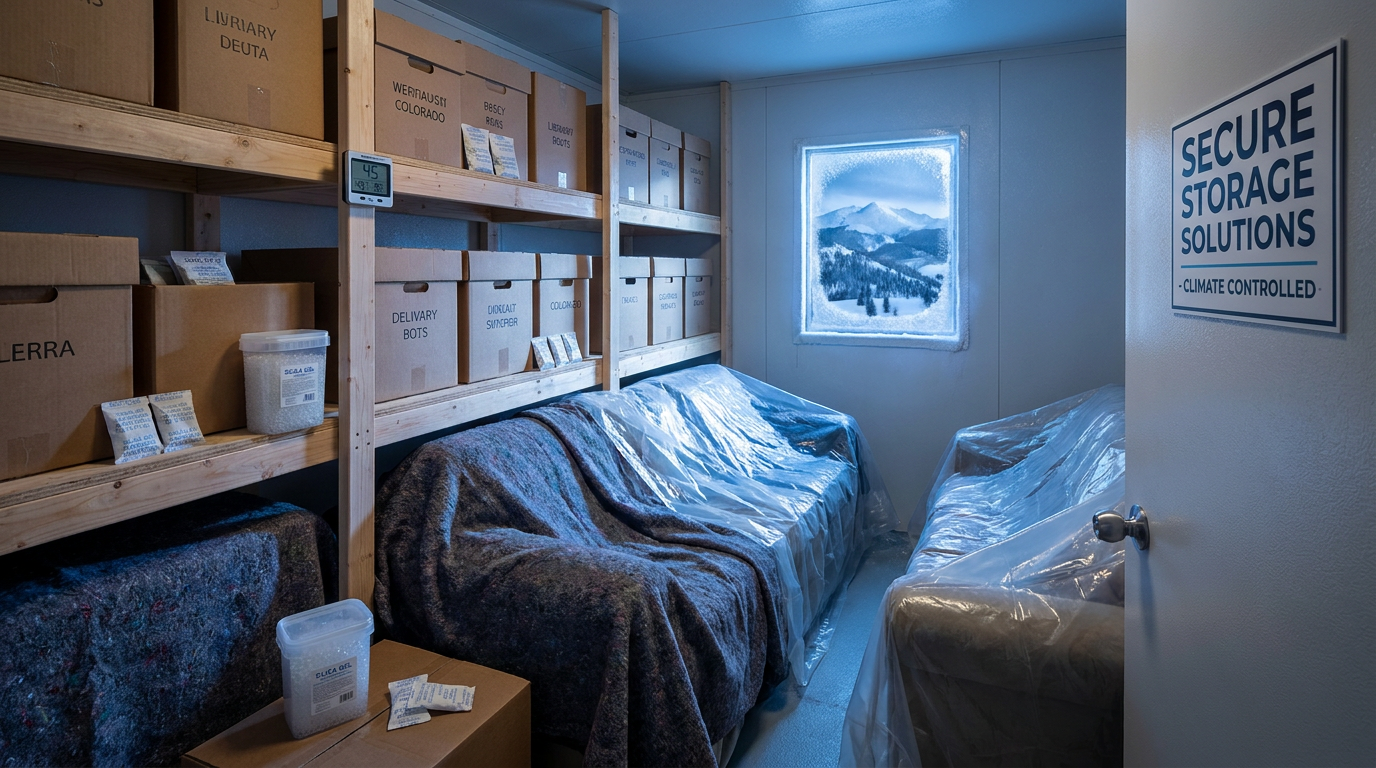
At Elk Mountain Storage, our interior upstairs units provide climate-controlled protection ideal for Crested Butte's extreme winter conditions. The 10x10 interior upstairs unit at $140 per month offers an affordable climate-controlled option for temperature-sensitive belongings.
Clean and Prepare Items Before Storage
The National Pest Management Association reports that 82% of pest infestations in storage units originate from items that were not properly cleaned before storage. Winter preparation starts with thorough cleaning of every item you plan to store. Dirt, food residue, and organic matter attract rodents seeking shelter from cold weather.
Cleaning requirements by item type:
- Furniture: Vacuum all upholstery, wipe wood surfaces with a dry cloth, apply wood conditioner to prevent cracking from dry winter air
- Appliances: Clean thoroughly, leave doors slightly open, remove all food particles
- Clothing and textiles: Wash or dry clean everything, ensure items are completely dry before packing
- Electronics: Wipe down surfaces, remove batteries to prevent corrosion
- Sports equipment: Clean skis, snowboards, and winter gear; apply appropriate wax or treatments
According to the Institute of Inspection, Cleaning and Restoration Certification, items must be 100% dry before storage. Even 5% residual moisture can lead to mold growth within 24 to 48 hours in enclosed spaces. Use fans or dehumidifiers to ensure complete drying before packing.
Use Weather-Resistant Containers and Proper Wrapping
Container Research International found that plastic storage bins with gasket seals reduce moisture intrusion by 94% compared to cardboard boxes. For winter storage, invest in quality containers that protect against temperature fluctuations and humidity changes.
Recommended container types:
- Heavy-duty plastic bins: Sterilite, Rubbermaid, and IRIS brands offer weather-resistant options with secure lids
- Weathertight containers: Look for models with rubber gaskets rated for outdoor use
- Vacuum storage bags: Space Bag and Ziploc brands compress textiles while blocking moisture
Critical wrapping guidance: Never wrap furniture in plastic sheeting or tarps. The American Home Furnishings Alliance warns that plastic traps moisture against surfaces, causing condensation damage, mold growth, and finish deterioration. Instead, use moving blankets, furniture pads, or breathable cotton covers that allow air circulation.
Apply furniture wax to metal hardware and hinges to prevent rust. WD-40 Company recommends their Specialist Long-Term Corrosion Inhibitor for metal components stored in cold environments. A single application protects metal for up to 2 years.
Control Moisture Inside Your Storage Unit
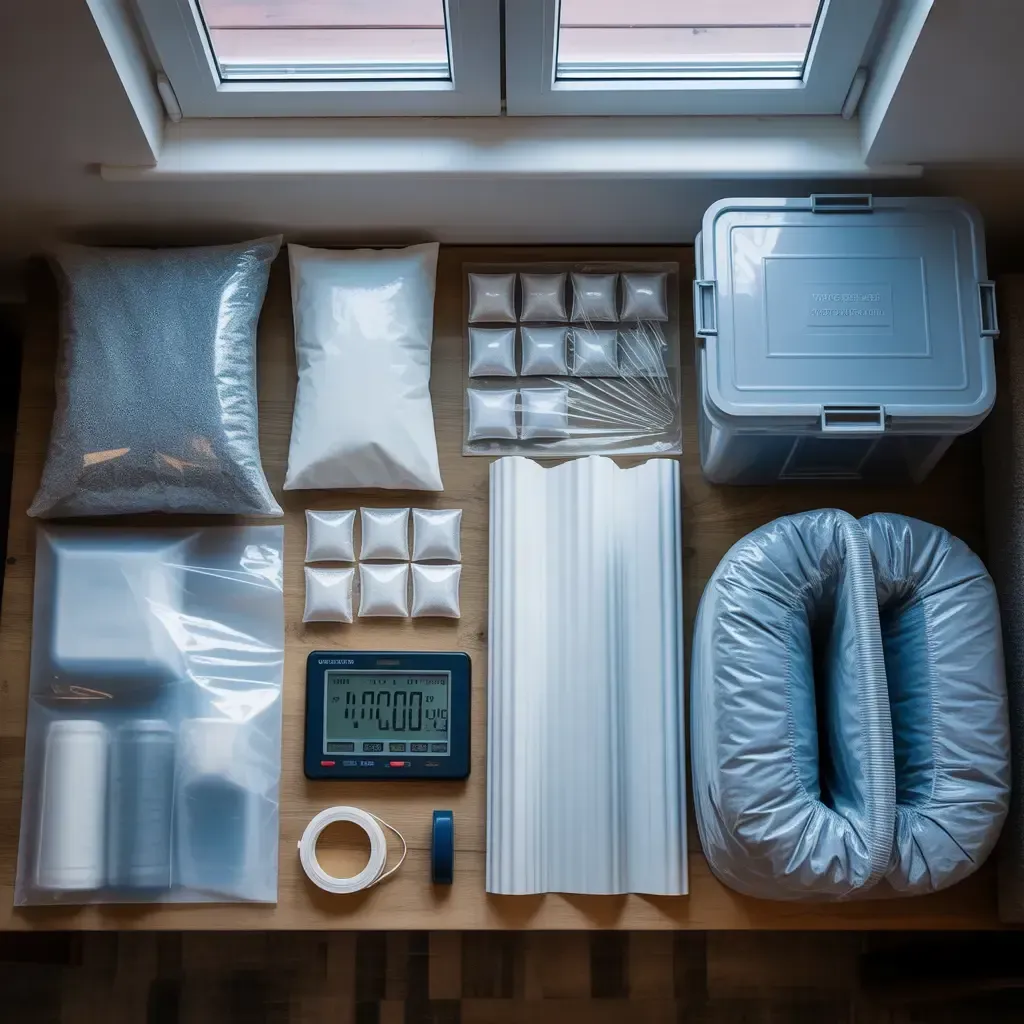
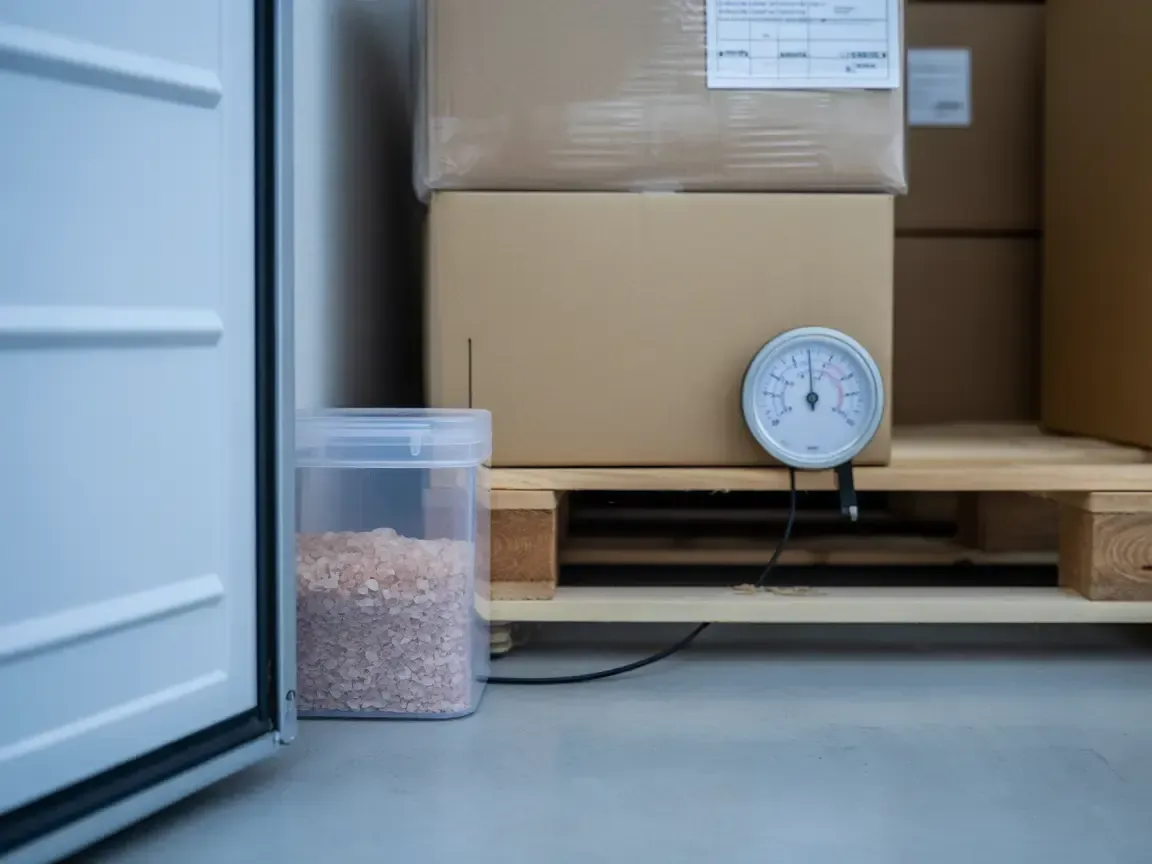
Should you put DampRid in your storage unit? Yes, moisture absorbers are essential for winter storage. DampRid, a calcium chloride-based product, removes 10 to 14 ounces of moisture per month in spaces up to 500 square feet. For a 10x10 storage unit, place 2 to 3 containers in different areas for optimal coverage.
Moisture control options compared:
| Product | Coverage Area | Duration | Cost |
|---|---|---|---|
| DampRid Hanging Bags | Up to 250 sq ft | 45 to 60 days | $4 to $6 each |
| DampRid Buckets | Up to 1,000 sq ft | 60 to 90 days | $10 to $15 each |
| Eva-Dry Renewable | Up to 500 sq ft | Rechargeable | $20 to $30 one-time |
| Silica Gel Packets | Inside containers | Rechargeable | $8 to $12 per pound |
For valuable items, consider our storage protection plans that provide coverage against moisture damage and other winter-related issues.
Elevate and Organize for Maximum Protection
The golden rules of storage prioritize airflow and accessibility. The Self Storage Association reports that 60% of winter damage claims involve items stored directly on concrete floors, where cold surfaces create condensation that wicks into cardboard and fabric.
Elevation requirements:
- Raise all items 4 to 6 inches off the floor using wooden pallets, plastic shelving, or concrete blocks
- Standard pallets measure 48 x 40 inches and cost $10 to $20 each at Home Depot or Lowe's
- Plastic shelving units from Costco or IKEA provide adjustable storage for $30 to $80
Organization strategy: Create a center aisle at least 24 inches wide to access items in the back without unstacking everything. Place frequently needed items near the front. Store heavy items on the bottom and lighter items on top. Keep a detailed inventory list with box numbers that matches your labeling system.
Label all boxes on multiple sides with contents and a category system. Use colored tape or stickers to identify categories: red for holiday decorations, blue for winter sports gear, green for seasonal clothing. This system reduces search time by 70% according to professional organizers at the National Association of Productivity and Organizing Professionals.
Winterize Vehicles and Equipment
Storing a car, motorcycle, snowmobile, or boat during winter requires specific preparation beyond parking it in a unit. AAA reports that improper vehicle storage causes $2.3 billion in preventable damage annually across the United States.
Vehicle winterization checklist:
- Fuel system: Fill the tank to 95% capacity and add fuel stabilizer; Sta-Bil and Sea Foam are industry standards
- Battery: Disconnect the negative terminal or use a battery maintainer; NOCO and Battery Tender offer reliable options
- Tires: Inflate to maximum recommended PSI to prevent flat spots; consider jack stands for long-term storage
- Fluids: Change oil before storage to remove contaminants; top off antifreeze to minus 35°F protection
- Interior: Place moisture absorbers inside; leave windows cracked 1/4 inch for airflow
For pressure washers, remove all water from pumps and hoses to prevent freeze damage. Briggs and Stratton recommends running pump saver solution through the system. Window air conditioners should be removed, drained completely, and stored upright in climate-controlled conditions.
Our drive-up units provide convenient vehicle access, while the 20x15 open parking option at $339 per month accommodates boats, RVs, and trailers.
Prevent Pests and Rodents
How likely is it to get bed bugs from a storage unit? The National Pest Management Association indicates bed bug incidents in storage facilities remain rare, occurring in less than 2% of units annually. However, rodent infestations spike 40% during winter months as mice and rats seek warm shelter.
Pest prevention measures:
- Never store food, even sealed packages; rodents can smell food through cardboard and plastic
- Use peppermint oil sachets or cotton balls soaked in peppermint oil; place 5 to 10 throughout the unit
- Seal all boxes with packing tape; rodents cannot chew through tape as easily as cardboard
- Place mothballs or cedar blocks with textiles; replace every 3 months
- Consider ultrasonic pest repellers; Victor and Pest Reject brands cover 400 to 1,200 square feet
Inspect your unit monthly during winter. Look for droppings, gnaw marks, or nesting materials. Report any signs immediately to facility management. At Elk Mountain Storage, our well-maintained facilities and regular inspections minimize pest risks for all tenants.
What Not to Store in Winter Conditions
Can you sleep in your storage unit during the day? No. Storage units are not designed or permitted for human occupancy. Beyond legal restrictions, certain items should never be stored in winter conditions regardless of unit type.
Items prohibited or not recommended for winter storage:
- Perishable food: Attracts pests and creates health hazards
- Hazardous materials: Propane tanks, gasoline, fireworks, and chemicals
- Living plants: Cannot survive temperature fluctuations
- Medications: Most require storage between 59°F and 77°F
- Wine and liquor: Requires consistent 55°F storage; freeze damage occurs below 15°F
- Latex paint: Freezes and separates below 35°F, becoming unusable
For temperature-sensitive items like wine collections or pharmaceuticals, only climate-controlled storage provides adequate protection. Standard or heated units cannot maintain the consistent temperatures these items require.
Create a Winter Storage Maintenance Schedule
Storage preparation is not a one-time task. The International Association of Certified Home Inspectors recommends monthly check-ins during winter months to catch problems early.
Monthly maintenance tasks:
- Check moisture absorbers; replace when full or every 60 days
- Inspect for signs of pests or water intrusion
- Verify temperature and humidity if using monitoring devices
- Ensure nothing has shifted or fallen
- Check vehicle batteries if using maintainers
Consider installing a wireless temperature and humidity monitor. Devices from Govee, SensorPush, and Temp Stick range from $20 to $150 and send smartphone alerts when conditions exceed your set thresholds. This investment pays for itself by catching problems before damage occurs.
With 24/7 secure access at Elk Mountain Storage, you can check on your belongings anytime. Our locally owned facility in Crested Butte understands the unique challenges of storing items through Gunnison Valley winters.
Winter Storage Preparation Checklist
Use this comprehensive checklist to ensure your storage unit is fully prepared for winter weather:
- Select appropriate unit type based on item sensitivity
- Clean all items thoroughly and ensure complete drying
- Disassemble large furniture and wrap with breathable materials
- Pack items in weather-resistant plastic containers
- Place moisture absorbers throughout the unit
- Elevate all items 4 to 6 inches off the floor
- Create accessible pathways and organize by category
- Label all boxes on multiple sides
- Winterize vehicles and equipment properly
- Implement pest prevention measures
- Create and maintain an inventory list
- Schedule monthly check-in visits
Following these steps protects your belongings through even the harshest Colorado winters. The investment of 2 to 4 hours in proper preparation prevents costly damage and ensures your items remain in excellent condition until spring.
|