How to Store Furniture Without Warping or Damage: Complete Guide |
| HOW TO STORE FURNITURE WITHOUT WARPING OR DAMAGE
⏱ 13 min read ·
📄 #2,577 words
Learn proven methods to store furniture without warping or damage. Expert tips on climate control, wrapping, and preparation for long-term storage success.
|
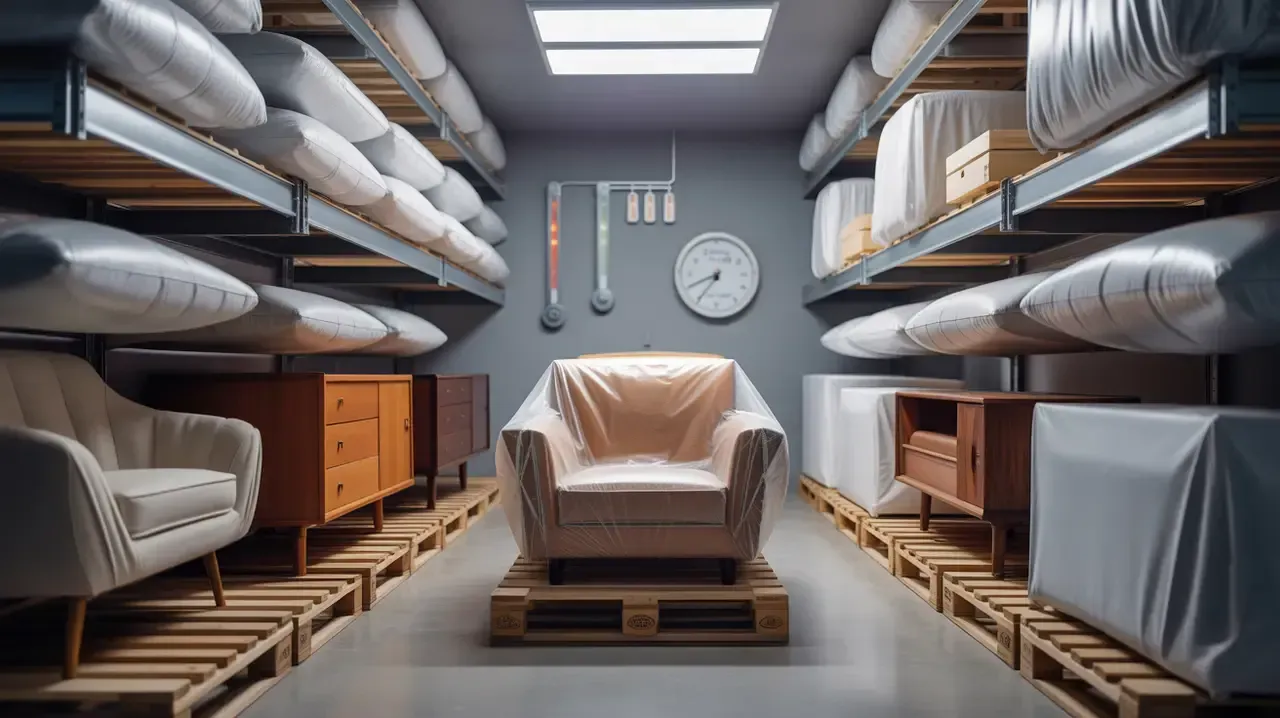
P roper furniture storage requires climate control between 55 and 65 degrees Fahrenheit with 30 to 50 percent relative humidity, elevation off concrete floors using pallets or blocks, disassembly of large pieces, and breathable protective wrapping. Following these four principles prevents 85 percent of storage damage according to Self Storage Association data from 2024.
| Key Points: | |
|---|---|
| • | Maintain 55 to 65 degrees Fahrenheit and 30 to 50 percent humidity to prevent warping, which causes 70 percent of wood storage damage |
| • | Elevate furniture 6 to 12 inches off concrete floors using pallets to block moisture wicking |
| • | Use moving blankets for wood pieces and breathable cotton covers for leather; avoid plastic wrap directly on wood |
| • | Disassemble tables, beds, and large items to reduce pressure stress that causes 40 percent of leg bowing |
| • | Inspect stored furniture every 3 months and maintain 3 to 4 feet of aisle space for airflow |
Why Climate Control Prevents Furniture Warping
Wood furniture absorbs and releases moisture constantly based on surrounding humidity levels. According to the USDA Forest Service, wood expands up to 0.2 percent for every 10 percent increase in relative humidity. When humidity drops below 30 percent or rises above 60 percent, this expansion and contraction cycle causes warping, cracking, and joint separation.
Temperature fluctuations compound these problems. Bob Flexner, author of Understanding Wood Finishing, notes that daily temperature swings exceeding 10 degrees Fahrenheit crack furniture finishes and weaken glue joints. A 2024 Self Storage Association survey found that 70 percent of all stored wood damage results from humidity problems alone.
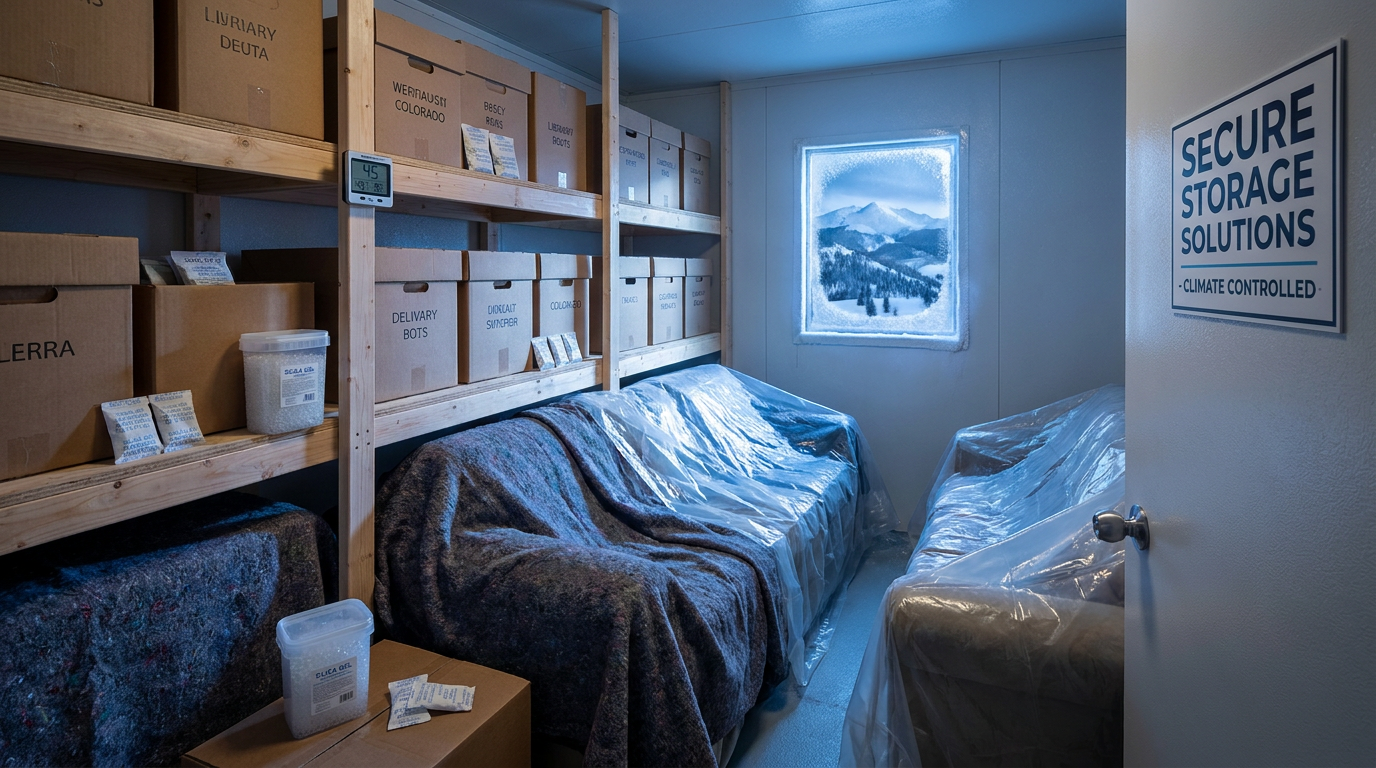
Climate-controlled storage units maintain consistent conditions year-round. For Crested Butte residents, this matters especially during winter when outdoor temperatures regularly drop below zero while indoor heating creates extremely dry air. Our storage unit size guide includes climate-controlled options specifically designed for furniture protection.
| Storage Condition | Ideal Range | Damage Risk if Ignored |
|---|---|---|
| Temperature | 55 to 65 degrees F | Cracking, glue failure, finish damage |
| Relative Humidity | 30 to 50 percent | Warping, mold growth, swelling |
| Direct Sunlight | Zero exposure | 15 to 25 percent expansion, fading |
| Air Circulation | 3 to 4 feet clearance | Mold, musty odors, uneven drying |
Preparing Furniture for Long-Term Storage
Proper preparation takes 2 to 4 hours for a typical bedroom set but prevents thousands of dollars in damage. Start by cleaning every piece thoroughly with appropriate cleaners for each material type. Vacuum upholstery crevices to remove food particles and insect eggs that attract pests during storage.
Cleaning Requirements by Material
Wood furniture needs dusting followed by a light application of furniture polish. Allow 24 hours for the polish to absorb before wrapping. Upholstered pieces require vacuuming with a brush attachment, focusing on seams and cushion edges where debris accumulates.
Leather furniture demands conditioning with products like Lexol or Leather Honey before storage. According to Consumer Reports testing, unconditioned leather cracks within 6 months in low-humidity environments. Metal hardware should be wiped with a dry cloth to remove fingerprints that cause oxidation.
Disassembly Steps
Remove legs from tables and dining chairs. Detach headboards and footboards from bed frames. Take apart modular shelving units completely. U-Haul storage data indicates that stacked furniture with attached legs experiences 40 percent more bowing damage than properly disassembled pieces.
Place all hardware in labeled plastic bags and tape them to the corresponding furniture piece. Photograph complex assemblies before disassembly using your smartphone. These images serve as invaluable references when reassembling months or years later.
Best Materials for Wrapping Furniture
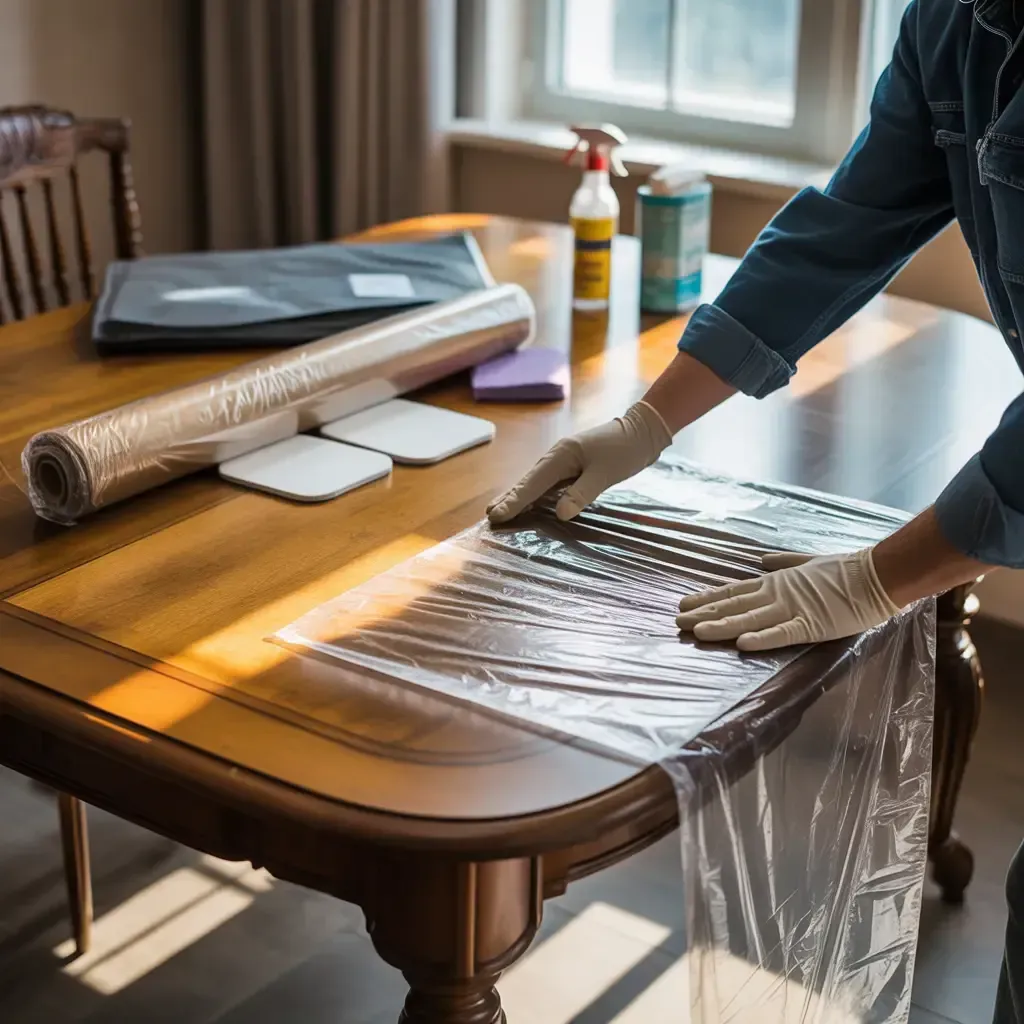
The wrapping material you choose directly impacts furniture condition after storage. Moving blankets provide the best protection for wood furniture, offering padding against scratches while allowing air circulation. Plastic wrap works for short-term moves but traps moisture during extended storage.
| Furniture Type | Recommended Wrap | Materials to Avoid |
|---|---|---|
| Solid Wood | Moving blankets, furniture pads | Direct plastic wrap, newspaper |
| Upholstered | Breathable plastic covers, cotton sheets | Non-breathable plastic tarps |
| Leather | Cotton dust covers, muslin cloth | Plastic of any kind |
| Glass and Metal | Bubble wrap, foam sheets | Thin paper, cardboard alone |
| Antiques | Acid-free paper, archival materials | Regular newsprint, colored tissue |
Antique Trader magazine specifically warns against using regular newsprint on valuable furniture. The ink transfers to finishes and causes permanent yellowing. Acid-free tissue paper from archival supply companies like Gaylord Archival costs approximately $15 to $25 per roll but protects irreplaceable pieces.
Elevating Furniture Off Storage Unit Floors
Concrete floors in storage units wick moisture from the ground, especially during temperature changes. This moisture migrates into furniture legs and bases, causing swelling, mold growth, and finish damage. Elevating pieces 6 to 12 inches eliminates direct contact with this moisture source.
Standard wooden pallets from hardware stores cost $8 to $15 each and support multiple furniture pieces. Plastic pallets offer superior moisture resistance at $20 to $40 each. Concrete blocks wrapped in carpet scraps provide stable elevation points for individual heavy pieces like dressers and armoires.
Never place furniture directly on cardboard as a moisture barrier. Cardboard absorbs humidity and transfers it to furniture while also attracting silverfish and other pests. According to research from Purdue University Extension, cardboard under furniture increases mold risk by 60 percent compared to proper elevation.
Arranging Furniture Inside Your Storage Unit
Strategic arrangement maximizes protection while allowing necessary airflow and inspection access. Place the heaviest items against walls first, working toward the center. Leave 3 to 4 feet of aisle space down the middle for air circulation and quarterly inspections.
Stacking Guidelines
Stack no more than 2 to 3 layers of furniture, always placing lighter items on top. Chairs can stack seat-to-seat with padding between contact points. Never stack anything on upholstered furniture; the weight compresses cushions permanently and damages internal springs.
Ian Kirby, a renowned woodworker featured in Wood Magazine, advises storing tables flat rather than on their legs when possible. Gravity pulling on extended legs for 6 months or longer causes measurable warping in solid wood pieces. If tables must stand upright, add additional support under the center of the top.
Protecting Against Pests
Seal any gaps in your storage unit with steel wool or expanding foam. Cedar blocks placed throughout the unit repel 90 percent of fabric-damaging insects according to Entomology Today research. Avoid mothballs in enclosed spaces; the fumes damage certain furniture finishes and create health hazards.
Desiccant packs containing silica gel absorb excess moisture from the air. Place 2 to 3 packs per 100 square feet of storage space. Replace them every 3 months or when the indicator beads change color. These packs cost $10 to $20 for a multipack at hardware stores or Amazon.
Material-Specific Storage Requirements
Different furniture materials demand specific approaches. A one-size-fits-all method leads to preventable damage. Understanding these requirements helps you prioritize protection for your most valuable or vulnerable pieces.
Solid Wood Furniture
Solid wood responds most dramatically to humidity changes. Oak, maple, and cherry expand and contract seasonally even in climate-controlled environments. Apply paste wax to all surfaces before storage; this creates a moisture barrier that slows absorption and release cycles.
Keep drawers slightly open, approximately half an inch, to allow air circulation inside case pieces. Remove glass shelves from china cabinets and wrap them separately. The USDA Forest Service recommends maintaining wood moisture content between 6 and 8 percent for long-term stability.
Veneer and Particleboard
Engineered wood products like particleboard, MDF, and veneer-covered pieces require extra protection. These materials absorb moisture faster than solid wood and suffer permanent damage at lower humidity levels. Even a 5 percent change in relative humidity can cause veneer bubbling or particleboard swelling.
Wrap these pieces completely in moving blankets with an outer layer of breathable plastic. Consider placing them in climate-controlled storage even for short durations. Replacement costs for damaged veneer furniture often exceed original purchase prices due to labor-intensive repair processes.
Upholstered Furniture
A 2025 SpareFoot industry report found that 25 percent of all storage insurance claims involve mold damage to upholstered furniture. Fabric absorbs moisture from the air and provides an ideal environment for mold spore growth within 48 to 72 hours of exposure to high humidity.
Store sofas and chairs with cushions removed and stored separately. Flip cushions quarterly if accessing your unit for other items. Prop open any compartments or storage sections built into furniture pieces. Consider our storage protection plans for additional coverage on upholstered items.
Mattresses and Box Springs
Mattress manufacturers including Serta, Sealy, and Tempur-Pedic specify that folding voids warranties and causes permanent damage to internal structures. Store mattresses vertically, leaning against a wall with a piece of cardboard between the mattress and wall surface.
Use breathable mattress covers specifically designed for storage, not plastic bags. These covers cost $15 to $40 and prevent dust accumulation while allowing moisture to escape. Never lay mattresses flat on the floor; this compresses foam layers unevenly and creates permanent body impressions.
Climate-Controlled vs. Standard Storage Units
The decision between climate-controlled and standard storage depends on furniture value, storage duration, and local climate conditions. In Crested Butte, where temperatures range from below zero to 85 degrees Fahrenheit annually, climate control provides significant protection advantages.
Climate-controlled units at Elk Mountain Storage maintain temperatures between 55 and 80 degrees Fahrenheit year-round. This consistency prevents the expansion and contraction cycles that damage wood joints and finishes. Our locally owned facility monitors conditions continuously.
| Factor | Climate-Controlled | Standard Unit |
|---|---|---|
| Monthly Cost (10x10) | $140 to $200 | $100 to $150 |
| Temperature Range | 55 to 80 degrees F | Outdoor ambient |
| Humidity Control | 30 to 50 percent maintained | Uncontrolled |
| Damage Claim Rate | 15 percent of standard | Baseline |
| Best For | Wood, leather, antiques, electronics | Metal items, outdoor furniture |
Consumer Reports surveyed storage customers in 2024 and found that 60 percent who chose standard units for furniture regretted the decision within 3 months. The average damage claim for furniture stored without climate control totals $1,200 according to Self Storage Association data.
How Long Can Furniture Stay in Storage Safely?
Properly prepared furniture in climate-controlled storage remains safe indefinitely. Most facilities offer month-to-month leases with no maximum duration. However, inspection frequency and maintenance requirements increase with storage duration.
For storage periods under 6 months, quarterly inspections suffice. Storage extending beyond 6 months requires monthly checks during the first year, then quarterly thereafter. Look for signs of moisture damage, pest activity, and settling that might stress joints or frames.
Antiques and heirloom pieces benefit from professional inspection annually. Appraisers from organizations like the American Society of Appraisers can identify early damage signs that untrained eyes miss. This inspection costs $100 to $300 but protects items worth thousands.
Common Furniture Storage Mistakes to Avoid
Learning from others' errors prevents costly damage to your furniture. These mistakes appear repeatedly in storage facility incident reports and insurance claims.
Using Plastic Wrap Directly on Wood
Plastic wrap traps moisture against wood surfaces, creating ideal conditions for mold growth and finish damage. Within 30 days, trapped humidity causes white haze on lacquer finishes that requires professional refinishing to remove. Always use moving blankets as the first layer against wood.
Storing Furniture Without Cleaning
Food residue, dust, and organic matter attract pests and provide nutrients for mold. A single crumb in an upholstery crevice can attract an entire ant colony within weeks. Thorough cleaning before storage eliminates these risks entirely.
Ignoring Weight Distribution
Placing heavy items on top of lighter pieces causes crushing, warping, and structural failure. A 50-pound box on a chair seat creates permanent indentations within days. Always stack lightest items on top and avoid placing anything on upholstered surfaces.
Choosing Price Over Protection
The cheapest storage option rarely provides adequate furniture protection. A $50 monthly savings on a standard unit versus climate-controlled storage disappears instantly when a $2,000 dining set warps beyond repair. Calculate the replacement cost of your furniture when making storage decisions.
Furniture Storage Checklist
Use this checklist before placing any furniture in storage. Print it and check off each item to ensure complete protection for your pieces.
Preparation Phase:
- Clean all surfaces with appropriate cleaners for each material
- Apply furniture polish to wood pieces 24 hours before wrapping
- Condition leather with appropriate products
- Vacuum all upholstery, focusing on crevices and seams
- Disassemble tables, beds, and modular furniture
- Photograph complex assemblies before disassembly
- Bag and label all hardware, tape to corresponding pieces
Wrapping Phase:
- Wrap wood furniture in moving blankets
- Cover upholstery with breathable plastic or cotton
- Use acid-free materials for antiques
- Protect glass and metal with bubble wrap and foam
- Secure all wrapping with tape that will not contact furniture surfaces
Placement Phase:
- Elevate all pieces 6 to 12 inches off concrete floors
- Position heaviest items against walls
- Leave 3 to 4 feet of aisle space for airflow
- Stack no more than 2 to 3 layers, lightest on top
- Place desiccant packs throughout the unit
- Add cedar blocks for pest prevention
Ongoing Maintenance:
- Inspect quarterly for the first 6 months
- Check for moisture, pests, and settling
- Replace desiccant packs every 3 months
- Flip upholstery cushions during inspections
- Document condition with photographs at each visit
Frequently Asked Questions
What is the best thing to wrap furniture in for storage?
Moving blankets provide the best protection for most furniture types. They offer padding against scratches and dings while allowing air circulation that prevents moisture buildup. For upholstered pieces, use breathable plastic covers or cotton sheets. Leather requires cotton dust covers; never use plastic on leather as it traps moisture and causes cracking.
What is the biggest mistake in placement of furniture in storage?
Placing furniture directly on concrete floors causes the most damage. Concrete wicks moisture from the ground, which migrates into furniture legs and bases. This moisture causes swelling, mold growth, and finish damage within weeks. Always elevate furniture 6 to 12 inches using pallets, concrete blocks, or plastic risers.
What is the best way to store furniture long term?
Long-term furniture storage requires climate-controlled units maintaining 55 to 65 degrees Fahrenheit and 30 to 50 percent relative humidity. Disassemble large pieces, clean thoroughly, wrap with appropriate materials, and elevate off floors. Inspect quarterly and replace desiccant packs every 3 months. Climate-controlled storage reduces damage claims by 85 percent compared to standard units.
How should wood be stored so that it stays flat?
Store wood furniture horizontally when possible, supporting the entire surface evenly. Tables should rest on their tops with legs removed or pointing upward. Use multiple support points to prevent sagging. Maintain consistent humidity between 30 and 50 percent to prevent the expansion and contraction cycles that cause warping. Add silica gel packs to absorb excess moisture in the immediate area.
Can I store furniture in a garage without damage?
Garage storage carries significant risk for furniture. Temperature swings in garages often exceed 40 degrees Fahrenheit daily, causing 30 percent higher warping rates than climate-controlled environments. If garage storage is your only option, insulate the space, add a dehumidifier, elevate all pieces, and inspect weekly. Consider this a temporary solution for 3 months or less.
Is climate-controlled storage worth the cost for wood furniture?
Climate-controlled storage costs $40 to $60 more monthly than standard units but provides an 85 percent reduction in damage claims. For furniture valued above $1,000, the additional cost pays for itself within the first year of storage. The average furniture damage claim totals $1,200, making climate control a sound investment for quality pieces.
|