Pre-Move Storage Checklist: 30 Days Before Moving Guide |
| PRE-MOVE STORAGE CHECKLIST: 30 DAYS BEFORE MOVING
⏱ 18 min read ·
📄 #3,485 words
Complete 30-day pre-move storage checklist with daily tasks, packing timelines, and expert tips. Includes costs, supplies list, and storage recommendations.
|
S tarting 30 days before your move, complete these tasks in order: inventory all belongings, declutter and donate unused items, book storage and moving services, pack non-essential rooms first, and create an essentials bag for moving day. According to the American Moving and Storage Association, organized movers complete relocations 40% faster than those who start packing last minute.

| Key Points: | |
|---|---|
| • | Packing supplies cost $100 to $300 for a two-bedroom home; source free boxes from grocery stores to cut costs by 60% |
| • | Climate-controlled storage units ($140 to $271 per month) protect temperature-sensitive items during move gaps |
| • | Decluttering 30 days out reduces moving costs by 15% to 25% according to PODS research |
| • | Professional movers require 2 to 3 weeks advance booking during peak season (May through September) |
| • | Create an essentials bag with 3 days of supplies to avoid unpacking stress on arrival |
Days 30 to 25: Planning and Inventory Phase
The first five days focus on assessment and organization. According to a 2024 United Van Lines survey, 78% of successful moves begin with a detailed inventory list. Walk through every room with a notebook or smartphone app like Sortly or Encircle, documenting items by category and estimated box count.
Complete Home Inventory
Create a master list of everything you own, room by room. Photograph valuable items including electronics, artwork, jewelry, and antiques. Store these images in cloud services like Google Photos or Dropbox as documentation for insurance purposes. The Insurance Information Institute recommends updating home inventory annually, making this an ideal time to create records.
For a typical two-bedroom home, expect 40 to 60 boxes total. Break this down by room: bedrooms require 8 to 12 boxes each, kitchens need 10 to 15 boxes, bathrooms use 2 to 4 boxes, and living areas require 6 to 10 boxes. This estimate helps when ordering supplies and booking storage space.
Establish Your Moving Budget
Pre-move expenses range from $450 to $1,400 according to STOMO moving cost research. Build your budget with these categories: packing supplies at $100 to $300, professional cleaning at $150 to $400, utility transfers at $50 to $200, and storage fees varying by unit size. Add a 15% contingency for unexpected costs like last-minute cleaning or additional supplies.
| Expense Category | Cost Range | Money-Saving Tip |
|---|---|---|
| Packing Supplies | $100 to $300 | Get free boxes from Costco, Walmart, or liquor stores |
| Storage Unit (monthly) | $140 to $561 | Look for promotional rates like 50% off first 3 months |
| Professional Cleaning | $150 to $400 | DIY cleaning saves $200+ on average |
| Utility Transfers | $50 to $200 | Schedule 2 weeks ahead to avoid connection fees |
| Moving Insurance | $50 to $150 | Check if homeowners policy covers moves |
Research Storage Options for Move Gaps
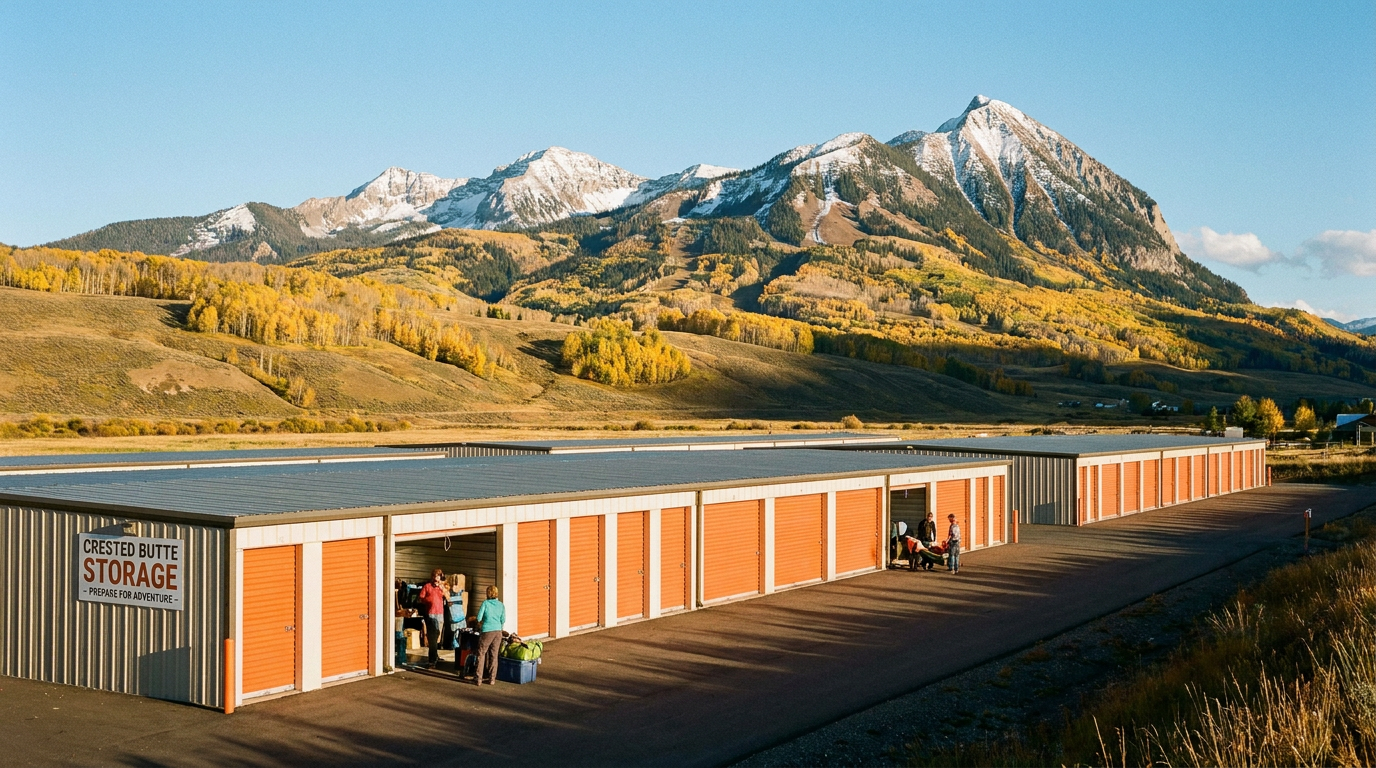
When your move-out and move-in dates do not align, storage becomes essential. Professional organizer Maija Diethelm recommends portable storage containers for downsizing situations, allowing gradual loading and off-site storage before delivery to your new home. For Gunnison Valley residents, local facilities offer flexible solutions without long-distance transport fees.
Storage unit sizing matters for cost efficiency. A 5x10 unit holds one bedroom of furniture plus boxes, while a 10x10 accommodates a full one-bedroom apartment. Check our storage unit size guide to match your inventory with the right space. Climate-controlled options protect sensitive items like electronics, documents, and wooden furniture from temperature extremes.
Days 24 to 20: Declutter and Donate
The National Association of Productivity and Organizing Professionals reports that the average American home contains 300,000 items. Reducing this load before packing saves time, money, and stress. Professional organizers recommend limiting decluttering sessions to 3 to 6 hours daily to prevent burnout and maintain decision-making quality.
Room-by-Room Decluttering Strategy
Start with low-emotion areas like the garage, basement, and guest rooms. These spaces often contain forgotten items that are easier to part with. Apply the one-year rule: if you have not used an item in 12 months and it holds no sentimental value, donate or sell it. Goodwill, Salvation Army, and Habitat for Humanity ReStore accept furniture, clothing, and household goods.
Create four sorting categories for each room: keep, donate, sell, and trash. Place items in clearly labeled boxes or bags immediately after deciding. This prevents second-guessing and keeps momentum strong. According to a 2024 Mercari survey, the average household earns $500 to $1,200 selling unwanted items before a move.
Selling Strategies for Maximum Return
Facebook Marketplace and OfferUp work best for furniture and large items, typically selling within 3 to 7 days at 30% to 50% of retail value. eBay handles collectibles, electronics, and brand-name items effectively. Poshmark and ThredUp specialize in clothing, with Poshmark taking 20% commission and ThredUp offering lower payouts but handling all logistics.
Price items 10% to 15% below comparable listings for quick sales. Photograph items in good lighting with neutral backgrounds. Write descriptions including brand, dimensions, condition, and any flaws. Respond to inquiries within 2 hours during business hours to capture serious buyers before they move on.
Donation Pickup Scheduling
Schedule donation pickups 2 to 3 weeks in advance during peak moving season. The Salvation Army and Habitat for Humanity ReStore offer free pickup for furniture and large items in most metropolitan areas. Request a receipt for tax deductions; the IRS allows deductions for items in good or better condition at fair market value.

Days 19 to 15: Gather Supplies and Begin Packing
With decluttering complete, focus shifts to packing non-essential items. According to Angi research, pre-move expenses for supplies average $360 when purchased new. Strategic sourcing reduces this by 40% to 60% without compromising protection.
Essential Packing Supplies Checklist
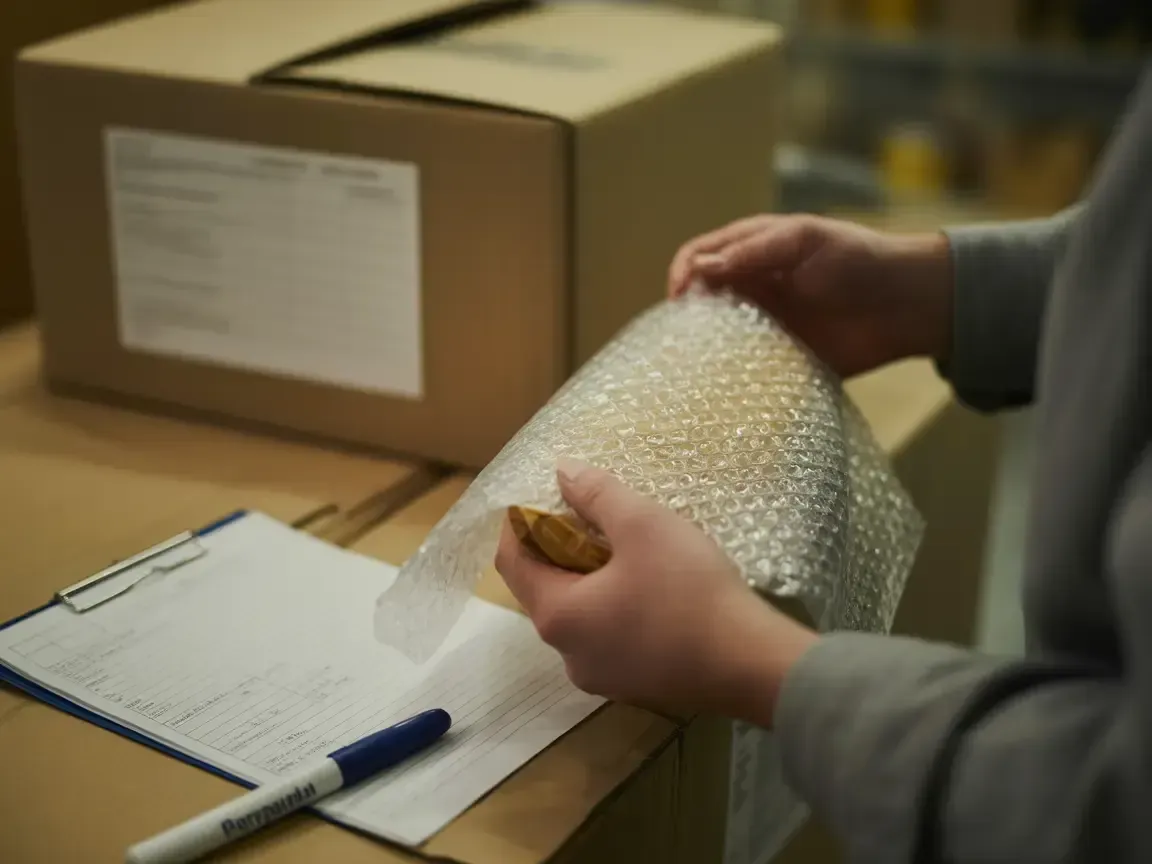
For a two-bedroom home, gather these supplies: 40 to 60 boxes in various sizes (small for books, medium for kitchen items, large for linens), 2 to 3 rolls of packing tape per 20 boxes, 50 to 100 sheets of packing paper, 1 to 2 rolls of bubble wrap for fragile items, and permanent markers in multiple colors for labeling.
Source free boxes from grocery stores (ask produce managers on Tuesday mornings after restocking), liquor stores (sturdy boxes with dividers perfect for glassware), and Craigslist or Facebook Marketplace free sections. U-Haul Box Exchange connects people with gently used moving boxes in local communities.
| Box Size | Dimensions | Best For | Weight Limit |
|---|---|---|---|
| Small (1.5 cu ft) | 16x12x12 inches | Books, canned goods, tools | 65 lbs |
| Medium (3 cu ft) | 18x18x16 inches | Kitchen items, toys, small appliances | 65 lbs |
| Large (4.5 cu ft) | 18x18x24 inches | Linens, pillows, lampshades | 65 lbs |
| Wardrobe | 24x24x40 inches | Hanging clothes | Varies |
| Dish Pack | 18x18x28 inches | Fragile dishes, glassware | 65 lbs |
Pack Non-Essential Rooms First
Begin with seasonal items, holiday decorations, books, and guest bedroom contents. These items will not be missed during the remaining weeks. Label each box on three sides with contents and destination room using a color-coded system: blue for bedroom, green for kitchen, red for bathroom, and so on.
For items heading to storage rather than your new home, use clear labeling: "STORAGE: Holiday Decor" or "STORAGE: Winter Clothes." This prevents confusion on moving day and makes retrieval easier later. Pack storage-bound items in uniform box sizes when possible for efficient stacking.
Furniture Disassembly Tips
Photograph furniture before disassembly to reference during reassembly. Place hardware (screws, bolts, Allen keys) in labeled sandwich bags taped directly to the furniture piece. Keep assembly instructions if available; IKEA provides digital copies at ikea.com/assembly for most products.
Remove legs from tables and beds to reduce bulk. Wrap wood surfaces in moving blankets or old sheets to prevent scratches. For upholstered items, use plastic wrap to protect fabric from dirt and moisture during transport or storage.
Days 14 to 10: Administrative Tasks and Continued Packing
The second week focuses on paperwork, notifications, and steady packing progress. According to the United States Postal Service, address change requests should be submitted 2 weeks before moving for seamless mail forwarding.
Address Change Notifications
Submit USPS mail forwarding online at usps.com for $1.10 (verification fee) or free at your local post office. This forwards first-class mail for 12 months and packages for 15 days. Update your address directly with these critical contacts: banks and credit cards, insurance providers, employer and HR department, subscription services, and medical providers.
The DMV requires address updates within 10 to 30 days depending on your state. Colorado requires notification within 30 days. Update voter registration through vote.org or your state election office. The IRS receives your new address automatically with your next tax return, but Form 8822 provides immediate notification.
Utility Transfer Scheduling
Contact utility providers 2 weeks before moving to schedule disconnection at your current address and connection at your new home. Create a list including: electricity, gas, water and sewer, internet and cable, trash collection, and security systems. Request final meter readings for accurate billing.
Overlap service by one day at both locations when possible. This ensures lights work during final walkthrough and cleaning at your old home while utilities function immediately at your new address. Connection fees range from $0 to $75 depending on provider and location.
Return Borrowed Items
Create a list of borrowed items to return before moving: library books and media, tools from neighbors, borrowed kitchen items, and dry cleaning. Library fines average $0.25 per day per item; returning overdue materials now prevents fees from accumulating during the chaos of moving week.
Days 9 to 5: Final Preparations
With one week remaining, intensity increases. The Consumer Financial Protection Bureau recommends confirming all service appointments 5 to 7 days in advance to prevent last-minute cancellations or miscommunications.
Confirm All Reservations
Call or email to confirm: moving company date, time, and address details; storage unit reservation and access instructions; utility connection appointments; and cleaning service if scheduled. Request written confirmation via email for documentation.
For professional movers, verify insurance coverage and liability limits. Standard coverage of $0.60 per pound per item means a 50-pound television damaged in transit only receives $30 compensation regardless of actual value. Full value protection costs $50 to $150 extra but covers replacement cost or repair. Learn more about our storage protection plans for items in storage.
Prepare Appliances for Moving
Refrigerators require 24 to 48 hours to defrost completely. Empty contents, unplug, and leave doors open. Place towels inside and underneath to absorb melting ice. Clean interior with baking soda solution (2 tablespoons per quart of water) to prevent mold and odors during transport.
Washing machines need hoses disconnected and drums secured. Many models include shipping bolts that prevent drum movement; consult your manual or manufacturer website for specific requirements. Gas dryers require professional disconnection in most jurisdictions due to safety regulations.
Create Your Essentials Bag
Pack a separate bag or box with items needed for the first 72 hours at your new home. This prevents digging through boxes while exhausted after moving day. Include: toiletries and medications, phone chargers and basic electronics, 2 to 3 changes of clothes, important documents (IDs, lease, closing papers), basic tools (screwdriver, hammer, flashlight), and snacks plus bottled water.
For families with children, add comfort items like favorite toys, blankets, and familiar snacks. Pet owners should prepare a separate kit with food, medications, leashes, and familiar bedding. Keep these bags in your personal vehicle, not the moving truck.
Days 4 to 2: Final Packing and Cleaning
The final days before moving require focused effort on remaining items and property preparation. According to HomeAdvisor, professional move-out cleaning costs $150 to $400 depending on home size and condition, but DIY cleaning saves this expense entirely.
Pack Remaining Daily-Use Items
Leave out only true essentials: one set of dishes per person, basic cooking supplies, toiletries in use, and bedding for final nights. Pack everything else. Label these final boxes "LOAD LAST / UNLOAD FIRST" to ensure immediate access at your new home.
Electronics require special attention. Back up computer data to cloud storage or external drives before packing. Photograph cable configurations behind entertainment centers and desks. Original boxes provide best protection for TVs and monitors; if unavailable, use specialty TV boxes from moving supply stores ($15 to $30).
Deep Clean Your Current Home
Start top to bottom, back to front. Clean ceiling fans and light fixtures first, then walls and windows, followed by floors last. Focus on high-impact areas: kitchen appliances (inside oven, refrigerator, dishwasher), bathroom fixtures, and carpet stains.
For rental properties, document cleaning with dated photographs. Review your lease for specific move-out requirements; some landlords require professional carpet cleaning regardless of condition. Security deposit returns average $500 to $1,500 depending on location, making thorough cleaning financially worthwhile.
Outdoor Area Preparation
Drain garden hoses to prevent freezing damage. Empty gasoline from lawn mowers and other power equipment; most moving companies refuse to transport fuel-containing items. Clean grills and drain propane tanks. Sweep patios, porches, and garage floors.
For items too bulky to move immediately, like swing sets or large garden equipment, consider temporary storage. Drive-up units provide easy loading access for oversized items. Check our locally owned facility for flexible options that fit your timeline.
Day 1: Moving Day Execution
Moving day success depends on preparation completed during the previous 29 days. The American Moving and Storage Association reports that organized moves complete 2 to 3 hours faster than disorganized ones, reducing hourly labor costs significantly.
Morning Walkthrough
Before movers arrive, conduct a final walkthrough checking every room, closet, cabinet, and storage area. Common forgotten items include: items in attic or basement storage, medicine cabinet contents, garage wall-mounted tools, and items behind doors or in utility closets.
Verify all utilities remain on until movers complete loading. Confirm your essentials bag and important documents are in your vehicle, not mixed with moving boxes. Have cash available for mover tips if using professional services.
Mover Coordination
When movers arrive, walk through the home together pointing out fragile items, heavy furniture requiring extra care, and any items NOT being moved. Provide clear direction on which items go to storage versus the new home if using split delivery.
Stay accessible throughout the process to answer questions without hovering. Designate a point person if multiple family members are present to prevent conflicting instructions. Offer water and access to bathroom facilities for the moving crew.
Tipping Guidelines for Professional Movers
Standard tipping ranges from 15% to 20% of the total moving cost, divided among crew members. For a $500 move, tip $75 to $100 total. Individual tips of $20 to $40 per mover for a half-day job or $40 to $80 for a full-day job represent industry norms according to moving industry surveys.
Tip in cash directly to each mover at the end of the job. Factors increasing tip amounts include: difficult conditions (stairs, long distances, extreme weather), careful handling of valuables, and faster-than-expected completion. Reduce tips only for legitimate concerns like damaged items or unprofessional behavior.
What Items Will Movers Not Pack or Transport?
Federal regulations and company policies prohibit certain items from moving trucks. According to the Federal Motor Carrier Safety Administration, hazardous materials violations result in fines up to $75,000 per incident. Understanding these restrictions prevents moving day surprises.
Prohibited Items List
Movers universally refuse: gasoline, propane tanks, and other fuels; ammunition and firearms (varies by state); perishable food items; houseplants (often prohibited across state lines due to agricultural regulations); and hazardous chemicals including paint, pesticides, and cleaning solvents.
Additional commonly refused items include: open or partially used cleaning products, aerosol cans, car batteries, fireworks, and prescription medications (should travel with you personally). Contact your specific moving company 2 weeks before moving day to confirm their prohibited items list.
Items Requiring Special Handling
High-value items like jewelry, important documents, family heirlooms, and cash should travel in your personal vehicle rather than the moving truck. Most moving insurance excludes these categories or provides minimal coverage. Professional art shippers handle valuable artwork and antiques with specialized equipment and insurance.
Pets require separate transportation arrangements. Never place animals in moving trucks. Plan rest stops every 2 to 3 hours for dogs during long-distance moves. Cats travel best in secure carriers with familiar bedding. Update microchip information with your new address before moving.
Storage Solutions for Move Gaps
When your move-out date precedes your move-in date, storage bridges the gap. According to SpareFoot research, 9.4% of American households currently rent self-storage, with moving transitions representing the primary use case.
Choosing the Right Storage Unit Size
Match unit size to your inventory for cost efficiency. A 5x10 unit (50 square feet) holds one bedroom of furniture plus 10 to 15 boxes, suitable for studio apartments or partial storage needs. A 10x10 unit (100 square feet) accommodates a full one-bedroom apartment or half of a two-bedroom home.
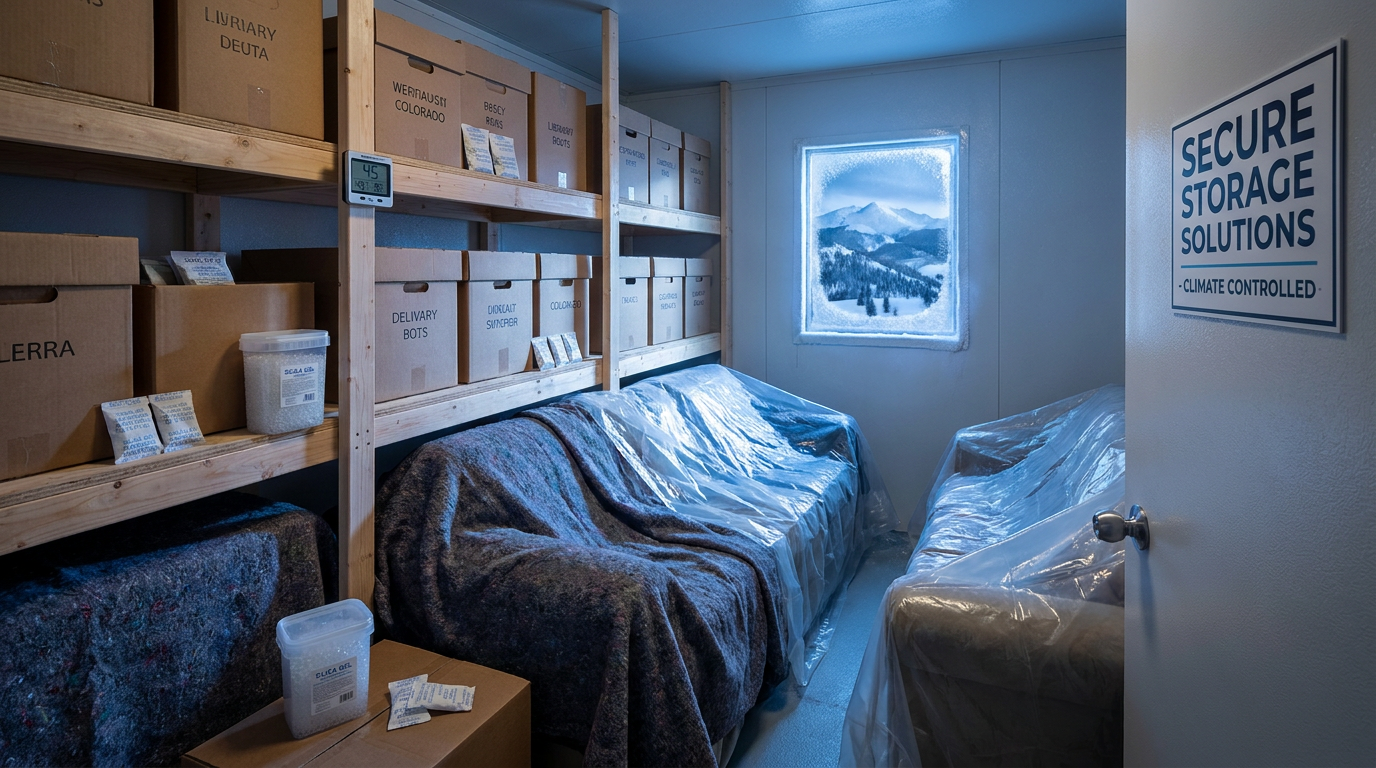
For larger homes or vehicle storage during extended moves, 10x20 or 10x30 units provide space for complete household contents plus vehicles. Climate-controlled options maintain temperatures between 55 and 80 degrees Fahrenheit, protecting electronics, wooden furniture, documents, and artwork from temperature extremes common in mountain climates.
Packing for Storage Success
Items destined for storage longer than 30 days require additional preparation. Use plastic bins instead of cardboard for moisture resistance. Wrap upholstered furniture in breathable fabric covers, not plastic, which traps moisture and promotes mold. Disassemble furniture to maximize space and prevent warping.
Create an access aisle in your storage unit for retrieval of specific items. Store frequently needed boxes near the front. Place heavy items on the bottom, lighter items on top. Elevate boxes slightly off concrete floors using pallets or 2x4 boards if the unit lacks climate control.
Storage Cost Comparison
| Unit Type | Size | Monthly Cost | Best For |
|---|---|---|---|
| Interior Climate-Controlled | 10x10 | $140 | Temperature-sensitive items, documents |
| Drive-Up Access | 10x20 | $190 | Easy loading, furniture, appliances |
| Drive-Up Access | 10x30 | $561 | Full household, vehicles |
| Open Parking | 20x15 | $339 | RVs, boats, trailers |
Frequently Asked Questions About Pre-Move Preparation
What Should I Do 30 Days Before Moving?
Thirty days before moving, complete these priority tasks: create a detailed inventory of all belongings, establish a moving budget including supplies and services, begin decluttering by donating or selling unused items, research and book moving companies or truck rentals, and notify your landlord if renting. This foundation prevents last-minute scrambling and reduces overall moving stress.
What Common Items Do People Forget When Leaving a House?
The most frequently forgotten items include: items inside medicine cabinets, attic and basement stored belongings, garage wall-mounted tools and equipment, items behind doors (robes, hanging organizers), cleaning supplies under sinks, outdoor hose attachments and sprinklers, and items in utility closets (vacuum, mops, ironing boards). A final walkthrough checking every space prevents these oversights.
How Much Should I Tip on a $500 Move?
For a $500 move, tip $75 to $100 total (15% to 20%), divided among crew members. For a typical 3-person crew, this equals $25 to $33 per mover. Tip in cash directly to each worker at job completion. Increase tips for exceptional service, difficult conditions like stairs or extreme weather, or faster-than-expected completion.
What Items Will Professional Movers Not Pack?
Professional movers refuse hazardous materials (gasoline, propane, paint, chemicals), perishable food, houseplants (often prohibited across state lines), ammunition and firearms in most cases, and open cleaning products. High-value items like jewelry, cash, and important documents should travel with you personally rather than in the moving truck.
How Much Do Portable Storage Containers Cost for a 30-Day Move?
Portable storage container costs vary by size and distance. Local moves with companies like PODS or U-Pack average $150 to $350 per month for container rental plus $50 to $150 for delivery and pickup. Long-distance moves add transportation fees of $1,000 to $3,000 depending on mileage. Traditional self-storage units offer more affordable monthly rates for stationary storage needs.
How Can I Declutter Fast 30 Days Before Moving?
Rapid decluttering requires focused sessions of 3 to 6 hours maximum to maintain decision quality. Start with low-attachment areas like garages and guest rooms. Apply the one-year rule: items unused for 12 months without sentimental value should go. Schedule donation pickups immediately after sorting to prevent items returning to your home. Sell valuable items on Facebook Marketplace or OfferUp with competitive pricing for quick sales within 3 to 7 days.
Complete 30-Day Pre-Move Checklist Summary
Success in moving preparation comes from consistent daily progress rather than last-minute intensity. This checklist transforms an overwhelming process into manageable steps, reducing stress while protecting your belongings and budget.
For Gunnison Valley residents facing moves with timing gaps, local storage options provide flexibility without the complications of long-distance logistics. Climate-controlled units protect sensitive items from mountain temperature swings, while drive-up access simplifies loading during the busy moving period.
Start your checklist today, even if your move is more than 30 days away. Earlier preparation provides more time for decluttering, better pricing on moving services, and reduced stress as moving day approaches. Your future self will thank you for the organization.
|