How to Store Recreational Equipment Long-Term Safely |
| HOW TO SAFELY STORE RECREATIONAL EQUIPMENT LONG-TERM
⏱ 16 min read ·
📄 #3,128 words
Learn proven methods for storing recreational gear long-term. Covers camping, bikes, water sports, and winter equipment with specific prep steps and storage conditions.
|
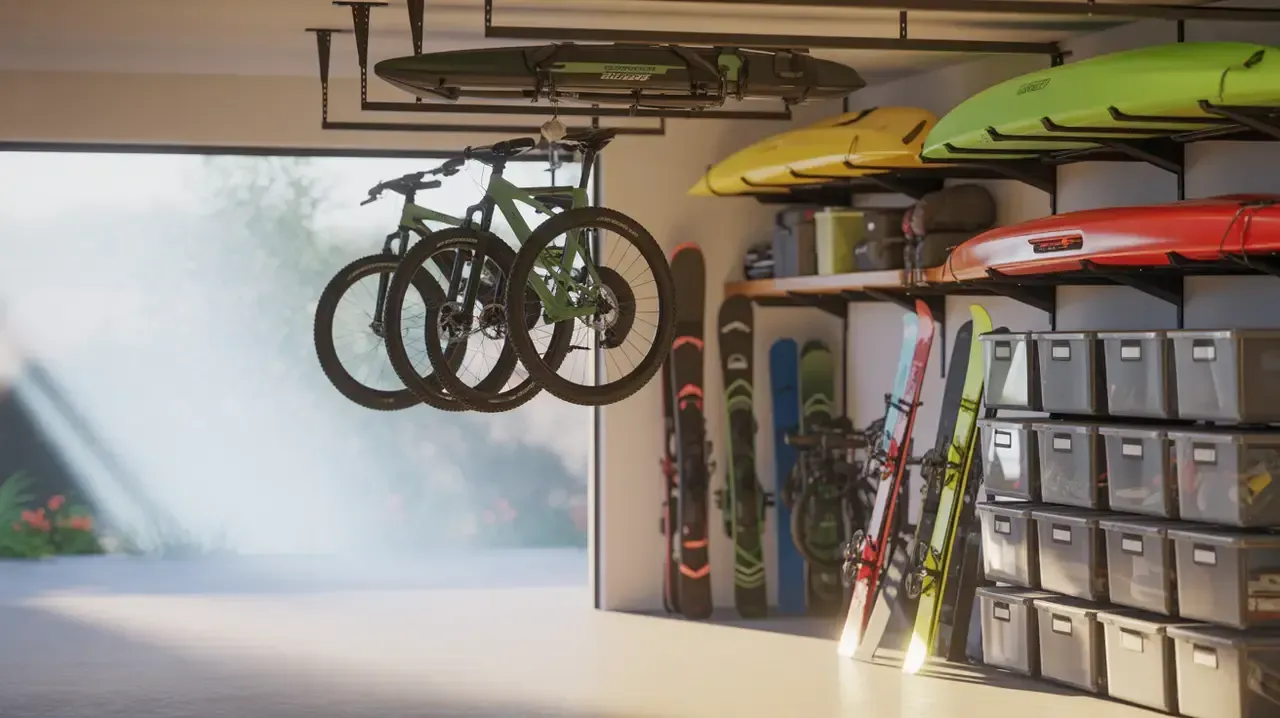
S toring recreational equipment long-term requires thorough cleaning, complete drying for 48 to 72 hours, and placement in a climate-controlled environment maintaining 55 to 70 degrees Fahrenheit with 40 to 50 percent relative humidity. According to a 2023 Patagonia durability study, proper storage extends gear lifespan by three times compared to items stored without preparation.
| Key Points: | |
|---|---|
| • | Clean all gear with mild soap and dry completely for 48 to 72 hours before storage to prevent 90 percent of mold and mildew damage |
| • | Climate-controlled storage units cost $140 to $271 per month for 5x10 to 10x10 spaces and maintain optimal temperature and humidity |
| • | Store sleeping bags loosely in breathable cotton sacks, never compressed, to preserve insulation loft |
| • | Check stored equipment every 30 to 60 days to catch moisture, pest, or damage issues early |
| • | UV exposure degrades fiberglass and nylon by 30 percent annually; always use protective covers in storage |
Why Proper Storage Preparation Matters
A BoatUS marine survey found that 70 percent of recreational gear failures result from humidity levels exceeding 60 percent during storage. The investment in proper preparation pays dividends. Consumer Reports estimates that correct storage practices save an average of $500 annually in repair and replacement costs for mid-range recreational equipment.
The four primary threats to stored recreational equipment are moisture, pests, UV exposure, and physical compression. Each threat requires specific countermeasures. Understanding these threats helps you select the right storage environment and preparation methods for your particular gear.
Research from REI's 2024 gear care guide suggests that long-term storage success is 80 percent preparation and 20 percent choosing the right space. Skipping preparation steps creates conditions where even climate-controlled storage cannot prevent damage.
Universal Preparation Steps for All Recreational Equipment
Before storing any recreational gear, complete these essential preparation steps. According to USDA studies on fungal growth, thorough drying prevents 90 percent of mold and mildew damage that occurs during storage periods.
Cleaning and Inspection Protocol
Remove all dirt, salt, sand, and organic residue using mild soap and water. Salt residue from ocean water or road treatments accelerates corrosion on metal components. Sand particles trapped in fabric create abrasion points that weaken materials over time.
Inspect all equipment for existing damage before storage. Small tears in tent fabric or minor rust spots on bike chains worsen dramatically during storage. Repair these issues first, or document them for repair before next use. The MSR Blog recommends addressing repairs immediately rather than storing damaged gear.
Complete Drying Requirements
Allow all equipment to dry for 48 to 72 hours in a well-ventilated area before storage. This timeline applies to tents, sleeping bags, wetsuits, and any fabric-based gear. Residual moisture creates ideal conditions for mold spore germination and bacterial growth.
Test fabric items by pressing a paper towel against seams and corners. Any moisture transfer indicates incomplete drying. Backpacker Magazine reports that one in three stored tents develops mildew damage, primarily from insufficient drying before storage.
Protective Treatments
Apply silicone spray to metal components including zippers, buckles, hinges, and frames. This creates a moisture barrier that prevents oxidation. For leather items, use appropriate leather conditioner to prevent cracking during extended storage.
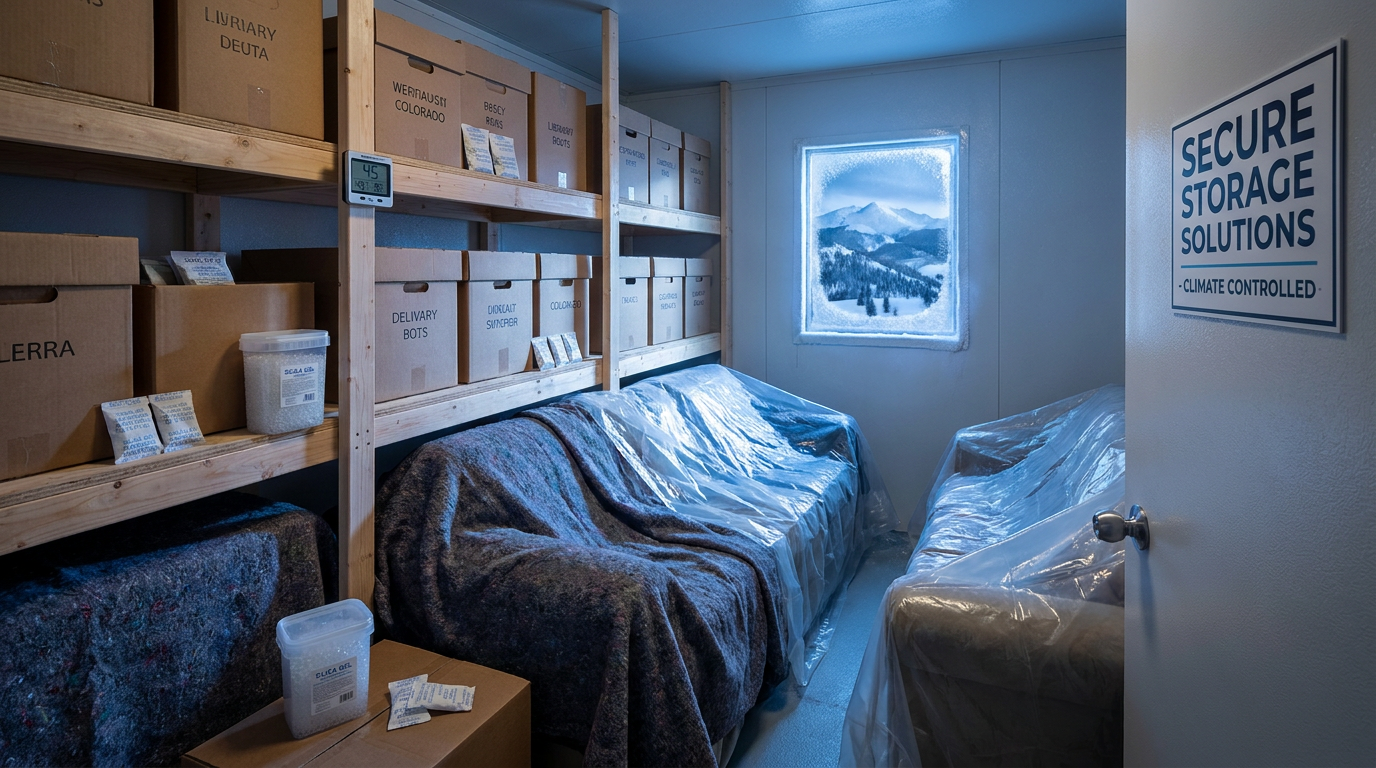
Place silica gel packets or cedar blocks inside storage containers. Good Housekeeping tests show that silica gel absorbs 40 percent more moisture than basic desiccants. Replace these moisture absorbers every three to six months for optimal effectiveness.
Climate-Controlled vs. Standard Storage Comparison
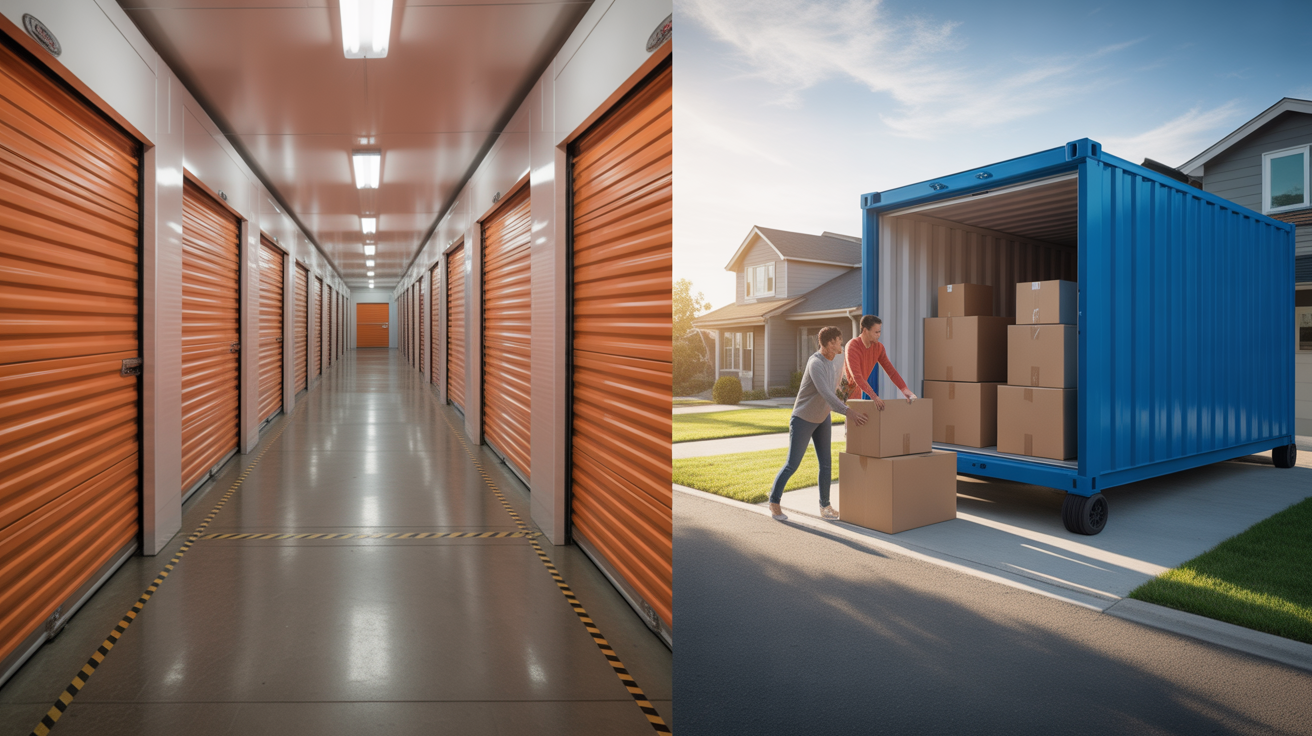
Choosing between climate-controlled and standard storage depends on your equipment type, local climate conditions, and storage duration. Extra Space Storage recommends climate-controlled units maintaining 55 degrees Fahrenheit and 50 percent relative humidity as ideal for most recreational gear.
| Factor | Climate-Controlled Storage | Standard Storage |
|---|---|---|
| Temperature Range | 55 to 80 degrees Fahrenheit year-round | Varies with outdoor conditions, can exceed 100 degrees or drop below 32 degrees |
| Humidity Control | Maintained at 40 to 50 percent | No control, can exceed 80 percent in humid climates |
| Monthly Cost (10x10 unit) | $140 to $200 | $100 to $150 |
| Best For | Electronics, leather, wood, fabric, composites | Metal tools, plastic containers, seasonal decorations |
| Maximum Recommended Duration | Indefinite with proper preparation | 6 to 12 months for sensitive items |
Temperature swings exceeding 20 degrees Fahrenheit cause composite materials to crack, according to research from Thule's bike rack guides. Standard garage storage in mountain climates like Crested Butte experiences temperature variations of 40 to 60 degrees between day and night during shoulder seasons.
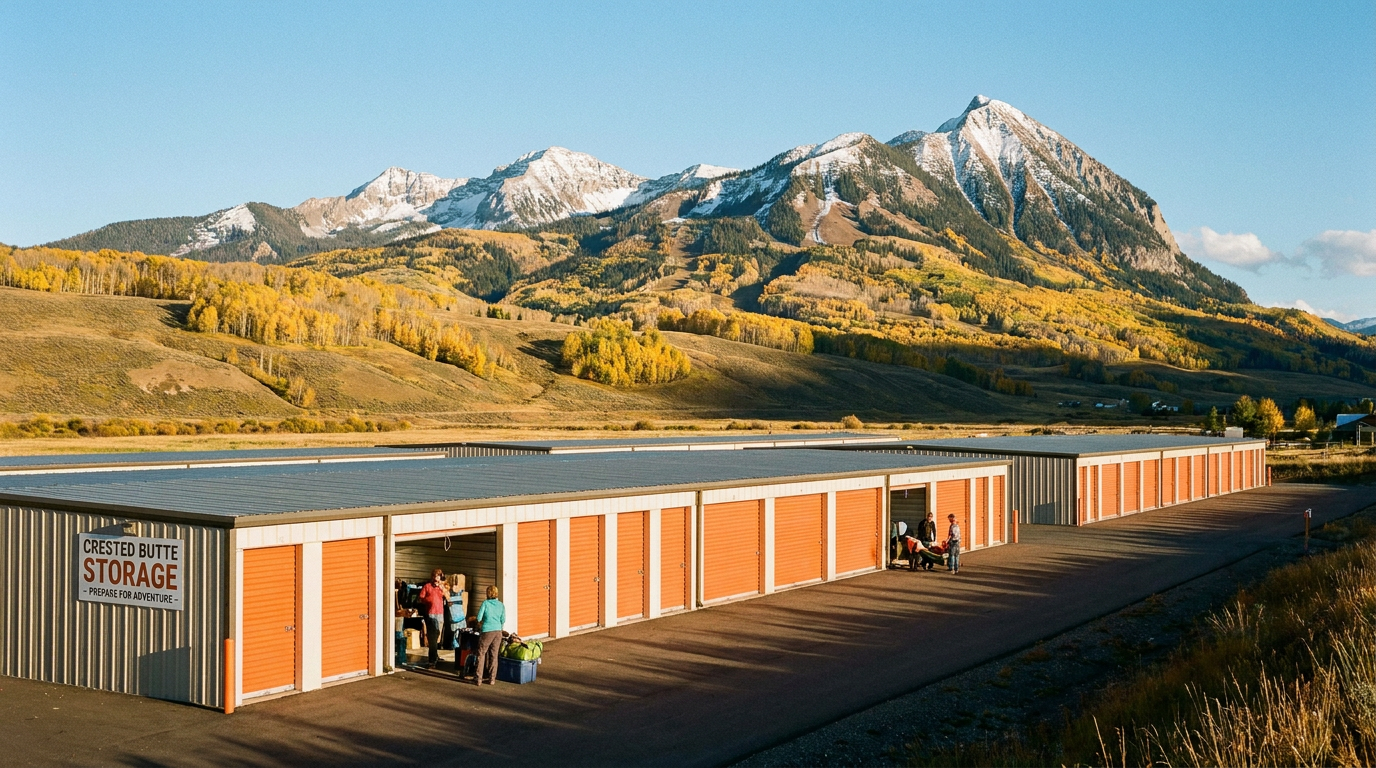
For seasonal visitors to the Gunnison Valley storing gear between visits, climate-controlled interior units provide the consistent environment that protects equipment investments. Indoor units eliminate the temperature extremes that damage skis, bikes, and camping gear.
Camping Gear Storage Requirements
Camping equipment includes tents, sleeping bags, backpacks, cookware, and portable furniture. Each category has specific storage requirements based on material composition and construction methods.
Tent Storage Best Practices
Never store tents in their stuff sacks for periods exceeding two weeks. Compression damages waterproof coatings and stresses seam tape. Instead, loosely fold tents and store them in large breathable cotton or mesh bags.
Hang tents when possible to allow air circulation on all surfaces. If hanging is not possible, store tents on shelving at least six inches off the ground. Ground-level storage increases exposure to moisture and pest entry points.
Inspect tent poles for corrosion before storage. Wipe aluminum poles with a dry cloth and apply a light coating of silicone spray to shock cord entry points. Store poles separately from tent fabric to prevent accidental punctures.
Sleeping Bag Storage Methods
Sleeping bags lose insulation effectiveness when stored compressed. Down bags lose loft permanently if compressed for more than a few weeks. Synthetic bags are more forgiving but still degrade under long-term compression.
Store sleeping bags in large cotton storage sacks or hanging in a closet. The bag should have room to expand to at least 75 percent of its full loft. Vacuum storage bags remove air that insulation needs to maintain performance; avoid them for sleeping bags entirely.
Wash sleeping bags according to manufacturer instructions before storage. Accumulated body oils break down insulation over time. Use technical wash products from Nikwax or Grangers rather than standard detergents that leave residue.
Backpack and Hiking Gear Storage
Empty all pockets and compartments completely. Food crumbs and forgotten snacks attract rodents and insects. Vacuum interior compartments if possible, then wipe with a damp cloth.
Store backpacks with all straps loosened and buckles unfastened. Tension on webbing causes permanent stretching. Stuff the main compartment loosely with acid-free tissue paper to maintain shape without creating pressure points.
Water Sports Equipment Storage Guide
Kayaks, paddleboards, surfboards, and related equipment require protection from UV degradation and proper support to prevent warping. Surfline experts report that UV exposure degrades fiberglass by 30 percent annually without protective measures.
Kayak and Canoe Storage
Store kayaks on their sides or suspended from ceiling straps. Never store kayaks flat on the ground, as this creates hull deformation over time. Use padded cradles or wide straps that distribute weight across the hull.
Position kayaks with the cockpit facing down or sideways to prevent water accumulation. Even small amounts of standing water create conditions for mold growth and gelcoat damage. BoatUS reports that 40 percent of stored boats suffer gelcoat cracks from improper support systems.
Apply UV-protectant spray to all plastic and fiberglass surfaces before storage. Products from 303 Aerospace Protectant or Star Brite provide six to twelve months of UV protection when applied correctly.
Paddleboard and Surfboard Storage
Store boards vertically with the nose pointing down to allow any trapped water to drain. Use padded wall racks or freestanding vertical stands. Horizontal storage requires support at multiple points to prevent sagging.
Wax surfboards before storage to protect the fiberglass surface. Remove old wax first using a wax comb and apply a fresh base coat. For paddleboards with EVA deck pads, clean the pad with mild soap and ensure complete drying.
Cover boards with breathable fabric covers rather than plastic. Plastic traps moisture against the surface and accelerates delamination. Breathable covers from Dakine or FCS allow air circulation while blocking dust and UV light.
Fishing Gear Storage
Store fishing rods in protective tubes or wall-mounted rod racks. Never lean rods against walls, as this creates permanent bends in the blank. Loosen drag settings on reels to prevent spring fatigue.
Clean reels with fresh water and apply reel oil to moving parts. Yeti's maintenance guides indicate that proper lubrication extends reel life by 50 percent. Store tackle boxes with lids slightly ajar to prevent moisture buildup and odor development.
Bicycle and Wheeled Equipment Storage
Bikes, scooters, and wheeled recreational equipment require specific attention to tires, chains, and moving parts. Shimano research shows that flat spots develop in tires within one to two months of stationary storage.
Bicycle Preparation and Storage
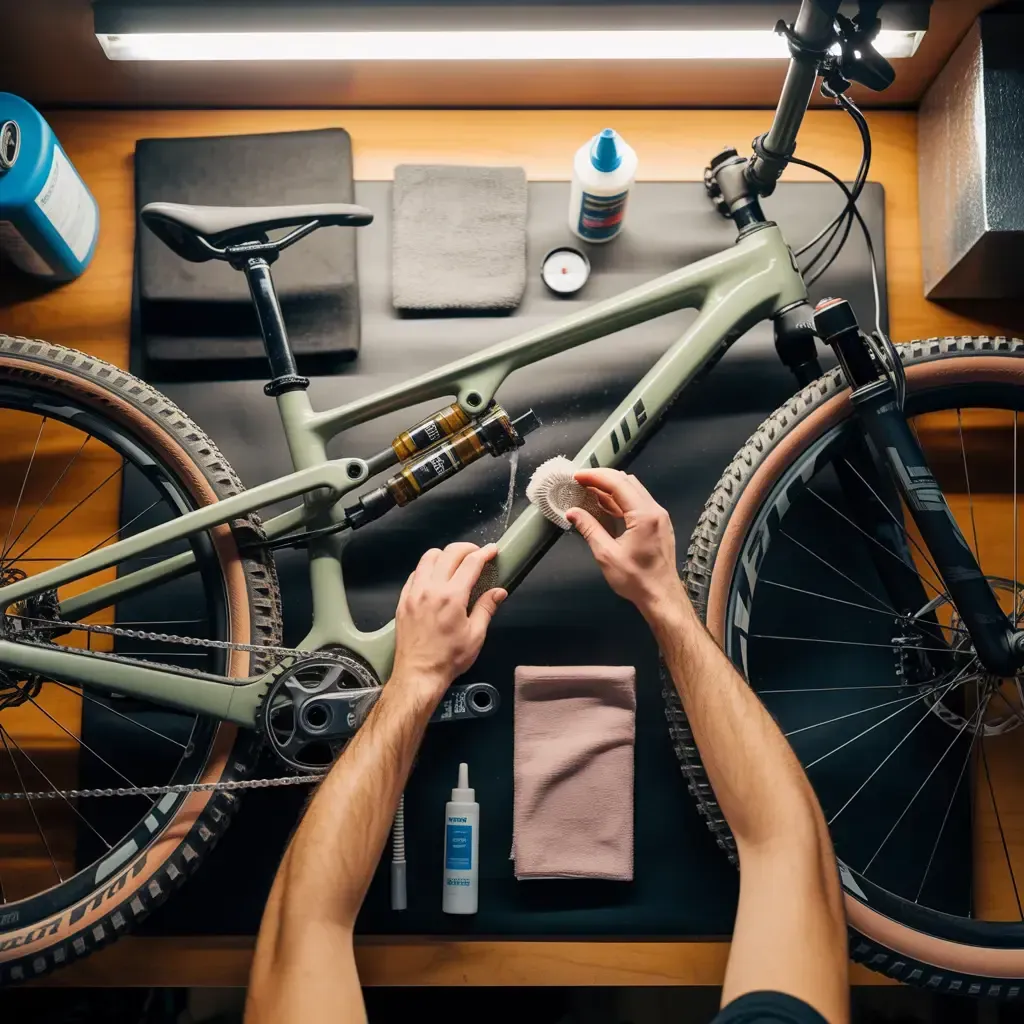
Clean the entire bike with a degreaser, paying special attention to the drivetrain. Remove old lubricant from the chain using a chain cleaning tool or degreaser bath. Apply fresh chain lubricant after cleaning.
Inflate tires to the maximum recommended pressure before storage. Higher pressure reduces flat spot formation. Alternatively, hang bikes so wheels do not contact the ground. Wall-mounted hooks or ceiling hoists work well for long-term storage.
Shift the drivetrain to the smallest chainring and smallest rear cog. This position minimizes tension on the derailleur spring and cables. Loosen quick-release skewers slightly to reduce stress on frame dropouts.
Electric Bike Battery Storage
Remove batteries from electric bikes for storage periods exceeding one month. Store batteries at 40 to 60 percent charge in a temperature-controlled environment between 50 and 77 degrees Fahrenheit. Full charge or complete discharge during storage degrades lithium-ion cells.
Check battery charge levels every 60 to 90 days during storage. Recharge to 50 percent if levels drop below 20 percent. Bosch and Shimano both recommend this protocol for their e-bike battery systems.
Winter Sports Equipment Storage
Skis, snowboards, and winter gear require specific preparation to survive the off-season without damage. Vail Resorts data indicates that 25 percent of rental equipment returns show delamination from improper storage.
Ski and Snowboard Storage
Clean bases thoroughly with a base cleaner to remove dirt and old wax. Apply a thick coat of storage wax to the entire base surface. Do not scrape this wax; it protects the base material from oxidation during storage.
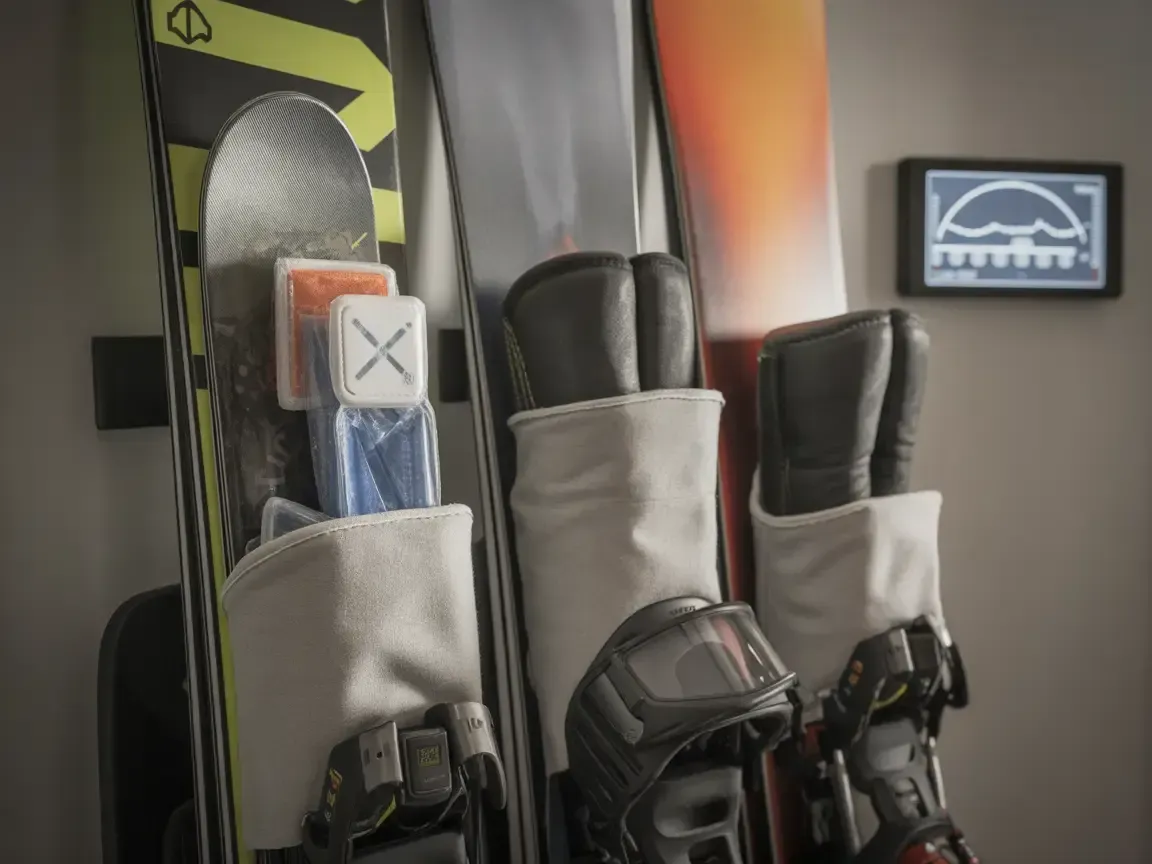
Loosen binding settings to reduce spring tension. Strap skis together base-to-base with a rubber ski strap or velcro binding. Place foam padding between the skis to prevent edge contact that causes scratches.
Store skis and boards vertically in a cool, dry location. Horizontal storage with improper support creates warping. Avoid storing near heat sources, water heaters, or in areas with temperature fluctuations.
Boot and Binding Care
Remove liners from ski and snowboard boots and allow them to dry completely for 72 hours minimum. Store liners separately from shells to prevent odor buildup and mold growth. Insert boot trees or stuff with newspaper to maintain shell shape.
Buckle boots loosely to maintain buckle alignment without stressing the plastic. Store boots at room temperature; extreme cold makes plastic brittle and increases cracking risk.
Large Equipment and Vehicle Storage
RVs, boats, ATVs, and trailers require covered or enclosed storage to protect against weather damage. Open parking spaces work for short-term storage, while long-term storage benefits from covered protection.
RV Storage Preparation
Drain all water systems completely, including fresh water tanks, water heaters, and plumbing lines. Add RV antifreeze to all drains and toilet bowls. Residual water in pipes freezes and causes cracking in mountain climates.
Remove all food items and clean interior surfaces with a mild disinfectant. Leave cabinet doors and refrigerator doors open to promote air circulation. Place moisture absorbers throughout the interior, replacing them every 60 days.
Disconnect batteries and store them in a temperature-controlled location. Connect batteries to a battery maintainer or trickle charger to prevent discharge. Check tire pressure monthly and move the RV slightly every 60 to 90 days to prevent flat spots.
For seasonal visitors seeking vehicle storage in Crested Butte, outdoor parking spaces accommodate RVs and trailers while providing 24/7 secure access for periodic maintenance checks.
Boat Storage Requirements
Flush engines with fresh water to remove salt or mineral deposits. Fog the engine with fogging oil according to manufacturer specifications. Drain all water from the engine block, manifolds, and cooling systems.
Remove drain plugs and store with the bow elevated to allow water drainage. Cover with a breathable boat cover that allows air circulation. Plastic tarps trap moisture and accelerate gelcoat damage.
Pest Prevention Strategies
Rodents and insects cause significant damage to stored recreational equipment. Orkin research indicates that peppermint oil deters rodents with 85 percent effectiveness when applied correctly.
Rodent Deterrent Methods
Seal all equipment in hard plastic containers with tight-fitting lids. Cardboard boxes provide no protection against mice, which can chew through them in minutes. Rubbermaid and Sterilite containers with latching lids offer effective barriers.
Place cotton balls soaked in peppermint oil around the storage area. Refresh these every two to four weeks as the scent dissipates. Diatomaceous earth sprinkled around container perimeters kills crawling insects with 95 percent effectiveness according to EPA testing.
Avoid storing any food items, even sealed packages, with recreational equipment. Food odors attract pests that then damage nearby gear. Remove all food from coolers, backpacks, and vehicle compartments before storage.
Insect Prevention
Cedar blocks repel moths and other fabric-damaging insects naturally. Place cedar blocks inside containers with fabric items and replace them annually when the scent fades. Avoid mothballs, which are ineffective for long-term protection and leave persistent odors.
Inspect stored items every 30 to 60 days for signs of pest activity. Look for droppings, chew marks, or insect casings. Early detection allows intervention before significant damage occurs.
Storage Organization and Space Optimization
Efficient organization maximizes storage space while protecting equipment from physical damage. Stack items no more than four feet high to prevent crushing lower items.
Shelving and Rack Systems
Install wire shelving or freestanding shelf units to utilize vertical space. Keep frequently accessed items at waist height and seasonal items on upper shelves. Label all containers clearly with contents and storage date.
Build DIY PVC racks for paddles, fishing rods, and long items. Instructables provides plans for paddle racks costing approximately $20 in materials. Wall-mounted systems keep items off the floor and organized.
Use the storage unit size guide to select the right unit dimensions for your equipment collection. A 5x10 unit accommodates camping gear and bikes, while a 10x20 unit handles larger collections including kayaks and winter sports equipment.
Container Selection
Choose clear containers when possible to identify contents without opening. Label opaque containers on multiple sides. Group related items together: all camping gear in one section, all water sports in another.
Place heavier items on the bottom and lighter items on top. Never stack soft items like sleeping bags under hard items. Use foam padding between rigid items that could scratch or dent each other.
Monitoring and Maintenance Schedule
Regular monitoring catches problems before they cause permanent damage. Reddit users on r/vandwellers report achieving five or more years of gear viability through monthly inspection routines.
Monthly Check Protocol
Visit stored equipment every 30 to 60 days for visual inspection. Check for moisture accumulation, pest evidence, or unusual odors. Open containers to allow air exchange and inspect contents for damage.
Use smart hygrometers like Govee sensors that send smartphone alerts when humidity exceeds 55 percent. These devices cost $15 to $30 and provide continuous monitoring without physical visits.
Seasonal Maintenance Tasks
Replace moisture absorbers every three to six months. Refresh pest deterrents quarterly. Check tire pressures on stored vehicles monthly and maintain proper inflation.
Before retrieving equipment for use, inspect all items thoroughly. Test zippers, buckles, and moving parts. Check fabric for mold spots or pest damage. Address any issues before heading into the field.
Insurance and Documentation
Document stored equipment with photographs and receipts. State Farm guidelines note that many homeowner policies exclude damage from neglect, making documentation essential for claims.
Coverage Considerations
Review your homeowner or renter insurance policy for off-premises coverage limits. Many policies cover stored items at 10 percent of dwelling coverage, but exclusions apply. High-value items may require scheduled coverage.
Consider storage protection plans that cover stored items against damage, theft, and natural disasters. These plans typically cost $10 to $30 monthly and provide coverage specifically designed for stored belongings.
Inventory Documentation
Create a detailed inventory list with item descriptions, purchase dates, and estimated values. Photograph each item before storage, including serial numbers on electronics and bikes. Store documentation digitally in cloud storage for access during claims.
Update inventory documentation annually or whenever adding or removing items from storage. This practice simplifies insurance claims and helps track equipment condition over time.
Frequently Asked Questions
How do I store an RV long term?
Drain all water systems and add RV antifreeze to prevent pipe damage. Remove batteries and connect to a maintainer. Clean interior surfaces, remove food, and place moisture absorbers throughout. Cover with a breathable RV cover and check monthly for tire pressure and pest activity.
Is it okay to store camping gear in the garage?
Garage storage works for short periods of one to six months if temperatures remain between 40 and 90 degrees Fahrenheit. However, temperature swings, humidity fluctuations, and pest access make garages unsuitable for long-term storage of fabric items, sleeping bags, and composite materials. Climate-controlled storage provides better protection for valuable gear.
Where should I store my RV when not in use?
Covered storage protects against UV damage and weather exposure. Enclosed storage provides maximum protection but costs more. Outdoor parking with a quality cover works for short-term storage in mild climates. Choose a facility with 24/7 access for maintenance visits.
What items should you not put in a storage unit?
Never store food, perishables, or items with food residue. Avoid storing flammable materials, propane tanks, or gasoline-powered equipment with fuel. Living plants, animals, and hazardous materials are prohibited. Remove batteries from electronics to prevent leakage and corrosion.
What humidity level is safe for storing camping gear?
Maintain humidity between 40 and 50 percent relative humidity for optimal gear protection. Humidity above 60 percent promotes mold growth and metal corrosion. Use dehumidifiers or climate-controlled storage to maintain safe levels, especially in humid climates or during summer months.
How often should I check stored recreational equipment?
Inspect stored equipment every 30 to 60 days. Monthly checks allow early detection of moisture problems, pest activity, or equipment damage. Replace moisture absorbers and pest deterrents quarterly. More frequent checks during humid seasons or if storing in non-climate-controlled spaces.
|