Ski Gear Storage Checklist: Protect Your Winter Sports Equipment |
| WHAT TO STORE DURING SKI SEASON: COMPLETE CHECKLIST FOR WINTER SPORTS GEAR
⏱ 14 min read ·
📄 #2,671 words
Complete checklist for storing ski and snowboard gear during the off-season. Learn proper cleaning, waxing, and storage techniques to extend equipment life.
|
P roper off-season storage of ski and snowboard equipment requires thorough cleaning, complete drying, protective wax application, and placement in a cool, dry indoor space between 55 and 70 degrees Fahrenheit. Following these steps prevents the moisture damage, rust, warping, and material degradation that affects 80% of improperly stored gear according to ski technicians at Christy Sports.
| Key Points: | |
|---|---|
| • | Apply storage wax to ski and snowboard bases to prevent oxidation; unwaxed bases dry out within 2 to 3 months |
| • | Store boots with buckles loosely fastened to prevent shell warping; completely unbuckled boots lose shape within one season |
| • | Climate-controlled storage units maintain 55 to 80 degrees Fahrenheit, ideal for protecting gear worth $2,000 or more |
| • | Wash Gore-Tex and technical fabrics with specialized cleaners like Nikwax Tech Wash to preserve waterproof membranes |
| • | Remove all batteries from heated gear and electronics to prevent corrosion damage during 4 to 6 month storage periods |
Why Proper Ski Gear Storage Matters
Winter sports equipment represents a significant investment. A quality ski setup from brands like Rossignol, Salomon, or Volkl costs between $800 and $2,500. Premium ski jackets from Patagonia, The North Face, or Arc'teryx range from $300 to $800. According to the National Ski Areas Association, the average skier spends $1,847 annually on equipment and apparel.
Improper storage accelerates equipment degradation by 40 to 60% compared to properly maintained gear, based on data from ski shops in Colorado's Summit County. Moisture trapped in boots causes liner breakdown. Unwaxed ski bases oxidize and become dry. Compressed insulation in jackets loses 15 to 25% of its thermal efficiency per season when stored incorrectly.
The Crested Butte area experiences temperature swings from negative 20 degrees Fahrenheit in winter to 85 degrees in summer. Storing gear in uncontrolled spaces like garages or sheds exposes equipment to these extremes, causing material expansion and contraction that weakens seams, adhesives, and structural components.
Pre-Storage Preparation: Essential Steps for All Gear
Before placing any equipment in storage, complete these four universal preparation steps. According to gear care specialists at REI, this process takes 2 to 4 hours but extends equipment lifespan by 3 to 5 years on average.
Step 1: Clean Everything Thoroughly
Dirt, salt, and body oils break down fabrics and materials over time. Wash all apparel before storage. Use technical cleaners like Nikwax Tech Wash or Granger's Performance Wash for waterproof breathable fabrics. Standard detergents contain additives that clog Gore-Tex and eVent membranes, reducing breathability by up to 70%.
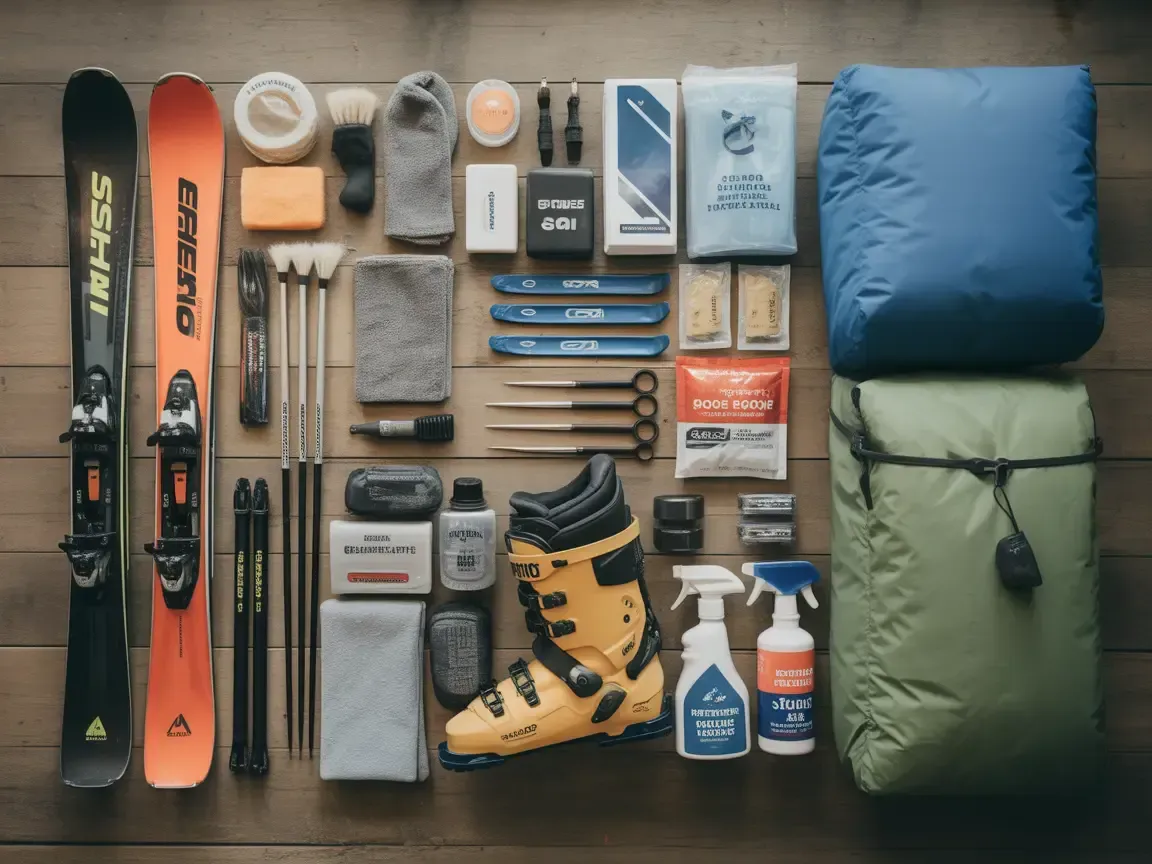
Clean ski and snowboard bases with a base cleaner or citrus-based degreaser. Remove old wax buildup, dirt, and debris. Wipe down bindings with a damp cloth to remove grime. Clean boot shells with mild soap and water, paying attention to buckle mechanisms.
Step 2: Dry Completely
Moisture causes mold, mildew, and material breakdown. Air dry all items for 24 to 48 hours minimum before storage. Remove boot liners and dry separately. Stuff boots with newspaper to absorb residual moisture. Hang jackets and pants in a well-ventilated area away from direct sunlight.
Never store damp items in sealed containers or bags. Trapped moisture creates ideal conditions for mold growth, which can develop within 48 to 72 hours in humid environments. Climbing skins require particular attention; store with backing paper and treat with Ski Skin Proof or similar products.
Step 3: Inspect and Repair
Identify damage before storage to address repairs during the off-season. Check ski edges for rust spots, which can be removed with a gum stone or diamond stone. Inspect base material for gouges deeper than 1mm that require P-tex repair. Test binding release mechanisms to ensure proper function.
Examine jacket and pant seams for delamination. Test DWR (Durable Water Repellent) coatings by sprinkling water on the fabric; if water absorbs rather than beading, refresh the coating with Nikwax TX.Direct or similar products. Check zipper function and replace damaged pulls.
Step 4: Apply Protective Treatments
Storage wax protects ski and snowboard bases from oxidation. Apply a thick coat of warm temperature wax, typically rated for 25 to 32 degrees Fahrenheit, across the entire base. Do not scrape; leave the wax on throughout the storage period. This creates a barrier against air exposure that causes base material to dry and become gray.
Treat leather components on gloves and boots with leather conditioner. Apply rust preventative to metal edges if storing in humid environments. Refresh DWR coatings on all technical outerwear.

Complete Ski and Snowboard Storage Checklist
Use this comprehensive checklist organized by equipment category. Check our storage unit size guide to determine the appropriate space for your gear collection.
| Category | Items | Storage Requirements | Common Mistakes |
|---|---|---|---|
| Skis and Snowboards | Skis, snowboards, bindings, poles | Store vertically or horizontally with light straps; leave storage wax on bases | Tight straps compress camber; ski bags trap moisture |
| Boots | Ski boots, snowboard boots, liners | Buckle loosely; store upright in breathable space; remove and dry liners | Unbuckled boots warp shells; damp liners develop odor and degrade |
| Outerwear | Ski jacket, pants, midlayers | Wash with tech cleaner; hang or fold loosely; refresh DWR coating | Regular detergent clogs membranes; compression damages insulation |
| Base Layers | Thermal tops, bottoms, socks | Wash and dry completely; store in breathable containers | Storing unwashed allows bacteria growth; sealed bags trap odors |
| Protection | Helmet, goggles, back protector | Clean lenses; store in breathable bags; avoid compression | Stacking crushes foam; dirty lenses scratch during storage |
| Accessories | Gloves, mittens, neck gaiter, balaclava | Wash and dry; store flat or in mesh bags | Balling up gloves creases leather; damp storage causes mildew |
| Electronics | Heated gear, GPS devices, cameras | Remove all batteries; store in climate-controlled space | Batteries corrode and leak; temperature extremes damage circuits |
Detailed Storage Instructions by Equipment Type
Skis and Snowboards
Store skis and snowboards in a cool, dry location away from direct sunlight. UV exposure degrades topsheet graphics and can weaken epoxy bonds over time. According to ski technicians at Surefoot, optimal storage temperature ranges from 50 to 70 degrees Fahrenheit with humidity below 50%.
Position equipment vertically against a wall or horizontally on a rack. If using straps, apply light tension only; overtightening can compress the camber profile, affecting ski performance. Avoid storing in padded ski bags for extended periods, as these trap moisture against the equipment.
Leave storage wax on bases until the start of the next season. The wax layer prevents oxidation that causes the base material to dry out and turn gray. Oxidized bases absorb less wax and glide 15 to 20% slower than properly maintained bases, according to testing by Swix.
Ski and Snowboard Boots
Boot storage requires careful attention to both shell and liner components. Remove liners completely and dry for 48 to 72 hours before storage. Liners absorb significant moisture from foot perspiration; a single ski day can produce 1 to 2 ounces of sweat per foot.
Buckle shells loosely on the second or third notch. Completely unbuckled boots allow the shell to warp and spread, changing the fit. Overtightened buckles stress the plastic and can cause cracking. Store boots upright to maintain proper shape.
Consider boot-specific storage products like the DryGuy boot dryer for pre-storage preparation. These devices circulate warm air through boots, reducing drying time from 48 hours to 4 to 6 hours while eliminating odor-causing bacteria.
Outerwear and Technical Apparel
High-quality ski jackets from brands like Patagonia, Arc'teryx, and The North Face use advanced waterproof breathable membranes that require specific care. Standard laundry detergent leaves residue that clogs membrane pores, reducing breathability from 20,000g/m2/24hr to as low as 5,000g/m2/24hr.
Wash technical outerwear with Nikwax Tech Wash, Granger's Performance Wash, or similar products designed for waterproof breathable fabrics. Follow with a DWR treatment like Nikwax TX.Direct spray or wash-in formula. Test the coating by sprinkling water on the fabric; properly treated fabric causes water to bead and roll off.
Store jackets and pants hanging or folded loosely. Compression damages down and synthetic insulation by breaking down loft. A Columbia ski jacket or 686 snowboard jacket stored compressed for 6 months can lose 20 to 30% of its insulating value.
Helmets and Goggles
Helmet foam degrades with compression and UV exposure. Store helmets in a breathable bag or on a shelf away from heavy items. According to helmet manufacturers like Smith and Giro, helmets should be replaced every 3 to 5 years regardless of visible damage, as foam loses protective capacity over time.
Clean goggle lenses with a microfiber cloth and lens-specific cleaner before storage. Store goggles in their protective bag with the lens facing upward to prevent scratching. Avoid storing goggles in a compressed state, which can warp the frame and affect the seal against your face.
Climate Control Considerations for Gear Storage
Temperature and humidity fluctuations cause significant damage to winter sports equipment. The Gunnison Valley experiences summer temperatures exceeding 85 degrees Fahrenheit and winter lows below negative 20 degrees. Uncontrolled storage spaces like garages and sheds expose gear to this full range.
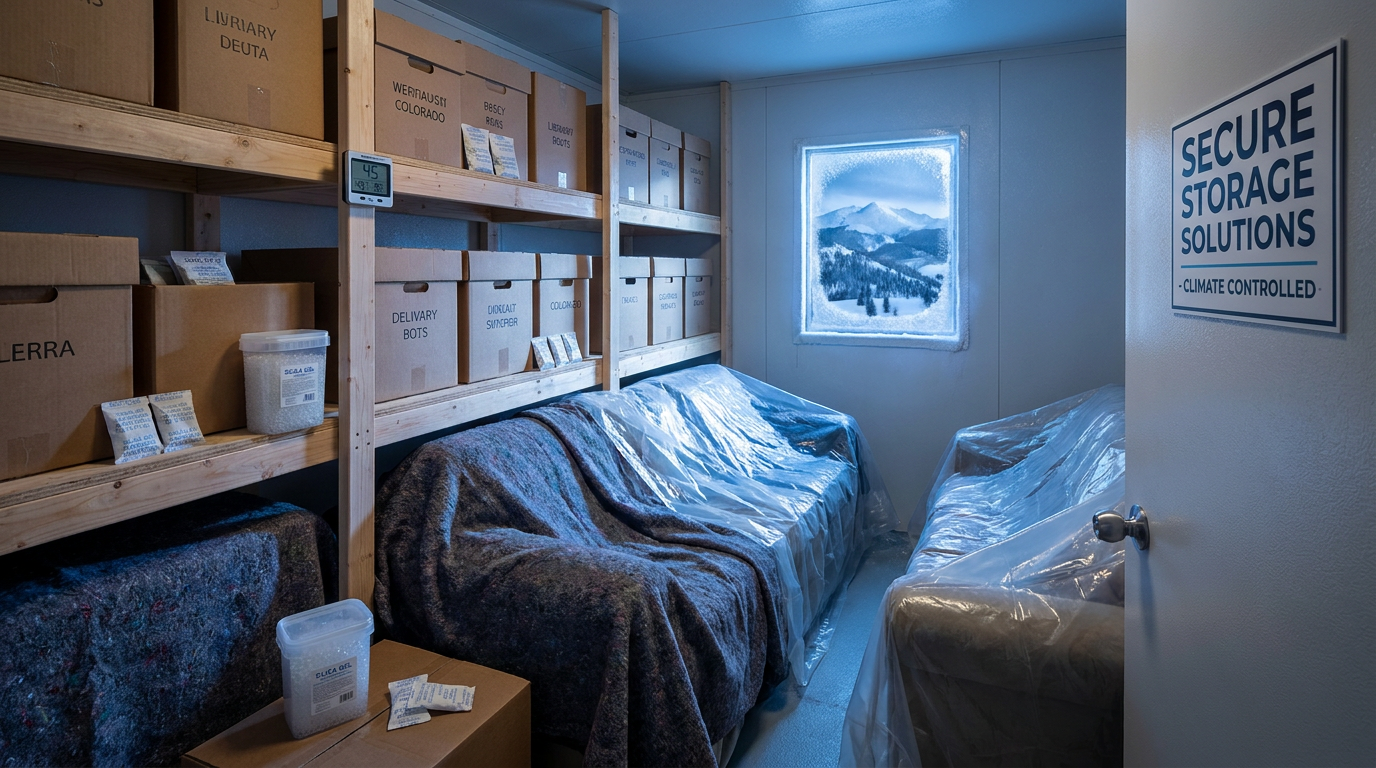
Climate-controlled storage maintains consistent conditions between 55 and 80 degrees Fahrenheit with humidity levels between 30 and 50%. These conditions protect against thermal expansion and contraction that weakens adhesives, warps plastics, and degrades rubber components. Learn more about our storage protection plans for additional coverage options.
| Storage Type | Temperature Range | Best For | Cost Range |
|---|---|---|---|
| Climate-Controlled Indoor | 55 to 80 degrees F | All equipment, especially electronics and high-end gear | $140 to $271/month |
| Standard Indoor | Variable, protected from extremes | Skis, snowboards, outerwear, boots | $190 to $259/month |
| Garage or Shed | Negative 20 to 100+ degrees F | Not recommended for any ski equipment | N/A |
Organizing Your Storage Space
Efficient organization maximizes storage space and protects equipment. A 5x10 storage unit provides 50 square feet, sufficient for 2 to 4 complete ski setups plus apparel and accessories. Larger collections or family gear may require a 10x10 unit with 100 square feet of space.
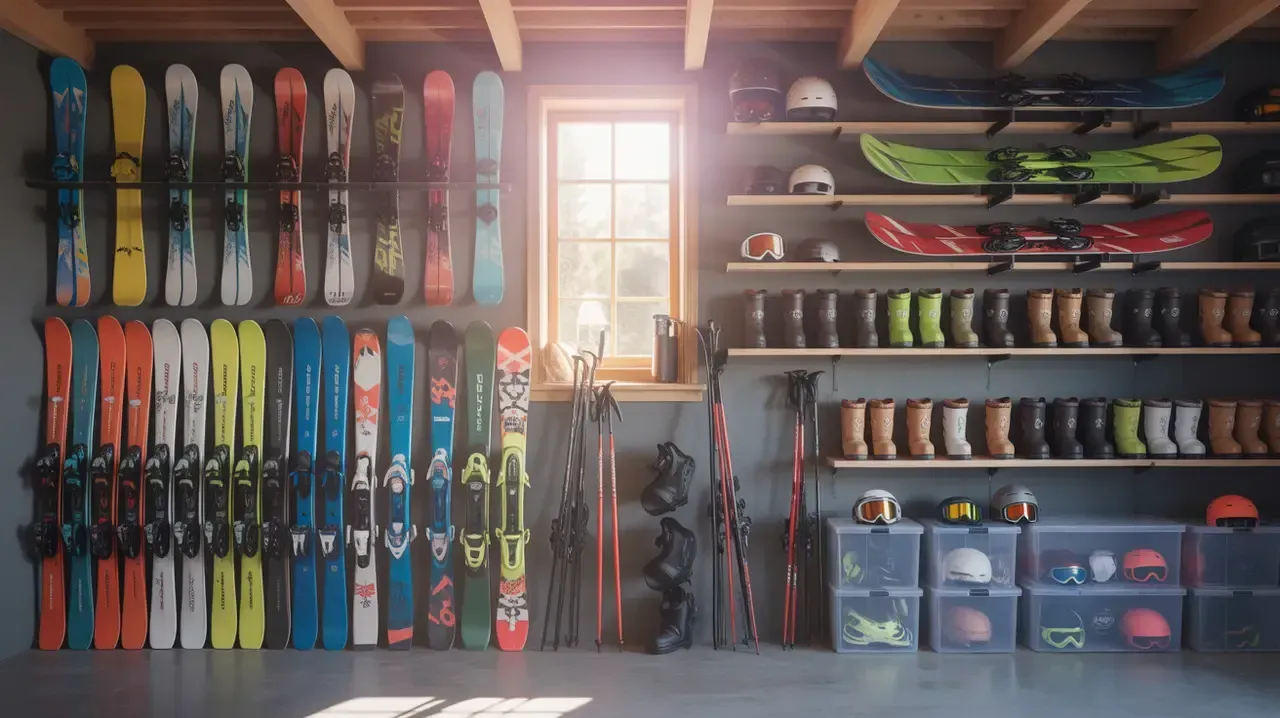
Install freestanding shelving units to utilize vertical space. Place heavier items like boots on lower shelves and lighter items like helmets and goggles on upper shelves. Use clear plastic bins with ventilation holes for smaller accessories, allowing visibility while protecting against dust.
Create zones within your storage space: one area for skis and snowboards stored vertically, another for boots and helmets, and a third for apparel and accessories. Label all containers clearly for easy retrieval at the start of the next season.
Storage Container Recommendations
Avoid airtight containers for any items that may retain residual moisture. Breathable fabric bins, mesh bags, and ventilated plastic containers prevent mold growth while protecting against dust and pests. Boot bags with mesh panels work well for storing boots after thorough drying.
Ski and snowboard bags are acceptable for transport but not ideal for long-term storage. If using bags, leave them partially unzipped to allow air circulation. Silica gel packets placed inside bags and containers absorb excess moisture and cost approximately $10 to $15 for a multi-pack that covers an entire gear collection.
Seasonal Storage Timeline
Plan your storage transition around the Crested Butte ski season, which typically runs from late November through early April. The optimal time to prepare gear for storage is within 1 to 2 weeks of your last ski day, while equipment condition is still fresh in your mind.
Early April through late October represents the primary storage period in the Gunnison Valley. This 6 to 7 month window requires proper preparation to prevent degradation. Schedule a mid-storage check in July to verify no moisture issues have developed, especially during monsoon season when humidity levels increase.
Begin retrieval and preparation 2 to 3 weeks before the season opens. This allows time to scrape storage wax, apply fresh wax appropriate for early season conditions, and address any maintenance issues identified during inspection.
Common Storage Mistakes to Avoid
Data from ski shops across Colorado indicates these errors cause the majority of off-season equipment damage. Avoiding these mistakes preserves gear value and performance.
Storing damp equipment: Even slightly damp boots, gloves, or base layers develop mold within 48 to 72 hours in enclosed spaces. Always allow 24 to 48 hours of air drying minimum before storage.
Skipping storage wax: Unwaxed ski and snowboard bases begin oxidizing within 2 to 3 weeks of exposure. The resulting damage requires professional base grinding to correct, costing $40 to $80 per pair.
Using garage or shed storage: Temperature extremes in uncontrolled spaces cause adhesive failure in skis, plastic warping in boots, and insulation degradation in jackets. A 2024 study by Outdoor Industry Association found 65% of premature equipment failure traces to improper storage conditions.
Overtightening boot buckles: Stressed plastic becomes brittle over time. Store boots with buckles on the second or third notch, providing light tension without excessive stress.
Forgetting batteries: Batteries left in heated gloves, boot heaters, or electronic devices can leak corrosive chemicals. Remove all batteries and store separately in a climate-controlled space.
Frequently Asked Questions
How do I wax skis for off-season storage?
Apply a thick coat of warm temperature wax, typically rated for 25 to 32 degrees Fahrenheit, using a waxing iron set to the temperature specified on the wax package. Drip wax onto the base and spread evenly with the iron, keeping the iron moving to avoid overheating. Allow wax to cool completely, approximately 30 to 45 minutes. Do not scrape the wax; leave it on throughout the storage period to protect the base from oxidation.
Can I store ski gear in a garage?
Garage storage is not recommended for ski equipment. Garages experience temperature extremes from below freezing to over 100 degrees Fahrenheit, depending on location and season. These fluctuations cause adhesive failure in ski construction, plastic warping in boots, and insulation degradation in apparel. Climate-controlled indoor storage maintains consistent 55 to 80 degree conditions that protect equipment.
What is the best way to clean Gore-Tex jackets before storage?
Wash Gore-Tex and similar waterproof breathable fabrics with technical cleaners like Nikwax Tech Wash or Granger's Performance Wash. Use warm water on a gentle cycle. Avoid regular detergents, fabric softeners, and bleach, which leave residue that clogs membrane pores. After washing, tumble dry on low heat for 20 minutes to reactivate the DWR coating, or apply a spray-on DWR treatment like Nikwax TX.Direct.
How do I prevent ski boot odor over summer?
Remove boot liners and dry separately for 48 to 72 hours before storage. Use a boot dryer like the DryGuy or Peet to accelerate drying and eliminate bacteria. Spray liners with an antimicrobial treatment like Boot Bananas or 10 Seconds Deodorant. Store boots in a well-ventilated area, not in sealed bags or containers. Place silica gel packets inside boots to absorb residual moisture throughout the storage period.
Should I store ski boots with liners removed?
Remove liners for the initial drying period of 48 to 72 hours after your last ski day. Once completely dry, you can reinstall liners in the shells for storage. Buckle the shells loosely on the second or third notch to maintain proper shape. If storing in a humid environment, keep liners separate and place silica gel packets in both shells and liners.
Storage Solutions for Crested Butte Residents and Visitors
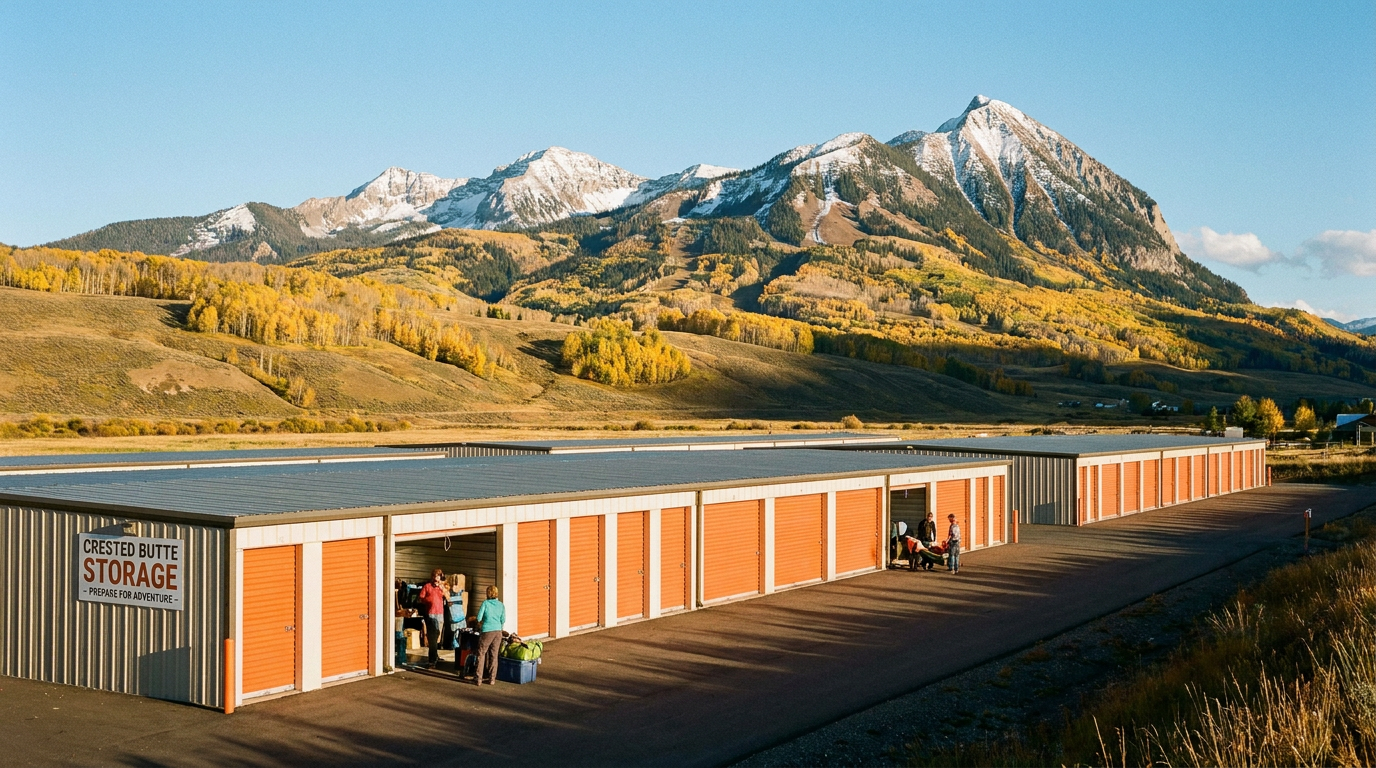
The Gunnison Valley presents unique storage challenges for winter sports enthusiasts. Seasonal residents need secure, accessible storage during months away from the area. Year-round residents often lack adequate home storage space for multiple family members' gear. Visitors returning annually benefit from local storage rather than transporting equipment repeatedly.
Elk Mountain Storage, a locally owned facility in Crested Butte, offers climate-controlled interior units starting at $140 per month for 10x10 spaces. Drive-up units provide convenient loading and unloading for bulky ski equipment. All units feature 24/7 secure access, allowing retrieval at any time during the season.
Current promotions include 3 months at 50% off on select unit sizes, reducing the cost of off-season storage significantly. No deposit is required, and online rental and payment options simplify the process for seasonal visitors managing storage remotely.
|