Storage Unit Rental Checklist: 15 Questions to Ask Before Signing |
| STORAGE UNIT RENTAL CHECKLIST: WHAT TO ASK BEFORE SIGNING
⏱ 13 min read ·
📄 #2,556 words
Complete storage unit rental checklist with 15 essential questions about pricing, security, access, and lease terms. Avoid hidden fees and find the right unit.
|
B efore signing a storage unit lease, ask about total monthly cost including all fees, access hours, security features, insurance requirements, lease terms, and cancellation policies. The difference between a good storage experience and a frustrating one often comes down to the questions you ask upfront. This checklist covers the 15 essential questions that protect your belongings and your budget.
| Key Points: | |
|---|---|
| • | Total monthly costs often exceed advertised rates by $15 to $50 due to admin fees, insurance requirements, and lock purchases |
| • | Access hours vary dramatically: some facilities offer true 24/7 access while others restrict entry to 6 a.m. to 9 p.m. |
| • | Most facilities require either proof of renters insurance or purchase of their protection plan at $10 to $25 per month |
| • | Month-to-month leases provide flexibility, but some facilities require 30 days written notice before move-out |
| • | Late fees typically range from $10 to $50, with lien auctions beginning 30 to 90 days after non-payment |
Pricing and Fee Questions
The advertised rate rarely tells the full story. According to Move.org's storage guide, hidden fees can add 10% to 30% to your monthly bill. Ask these questions to understand your true costs before committing.
What Is the Total Monthly Cost Including All Fees?
Request an itemized breakdown of every charge. Common fees include administrative fees ($15 to $30 one-time), mandatory insurance ($10 to $25 monthly), lock purchases ($10 to $20), and late payment penalties. Some facilities also charge pest control fees or maintenance fees that appear on your first bill.
At Elk Mountain Storage, pricing is transparent with no deposit required and flexible month-to-month leasing. This eliminates surprise charges that catch renters off guard at other facilities.
Are There Move-In Specials and When Do They Expire?
Promotional rates like "first month free" or "50% off" are common, but understand exactly when standard pricing begins. Ask whether the promotional rate applies to the first full month or a prorated period. Confirm the regular rate in writing before signing.
Some facilities increase rates after the promotional period ends. Ask directly: "How often do you raise prices, and what is the typical increase?" Industry data shows annual increases of 3% to 10% are standard, but some facilities raise rates more aggressively.
What Payment Methods Do You Accept?
Confirm whether the facility accepts credit cards, debit cards, ACH transfers, or cash. Ask about autopay discounts, which typically save $5 to $10 monthly. Online payment portals like those offered by Elk Mountain Storage provide 24/7 account management and eliminate the risk of missed payments.
Access and Convenience Questions
Access restrictions can make storage impractical for your needs. A unit you cannot reach when needed provides little value regardless of price.
What Are Your Access Hours?
"24/7 access" means different things at different facilities. Some provide unrestricted gate access around the clock. Others limit access to specific hours, such as 6 a.m. to 10 p.m., or restrict weekend and holiday access entirely.
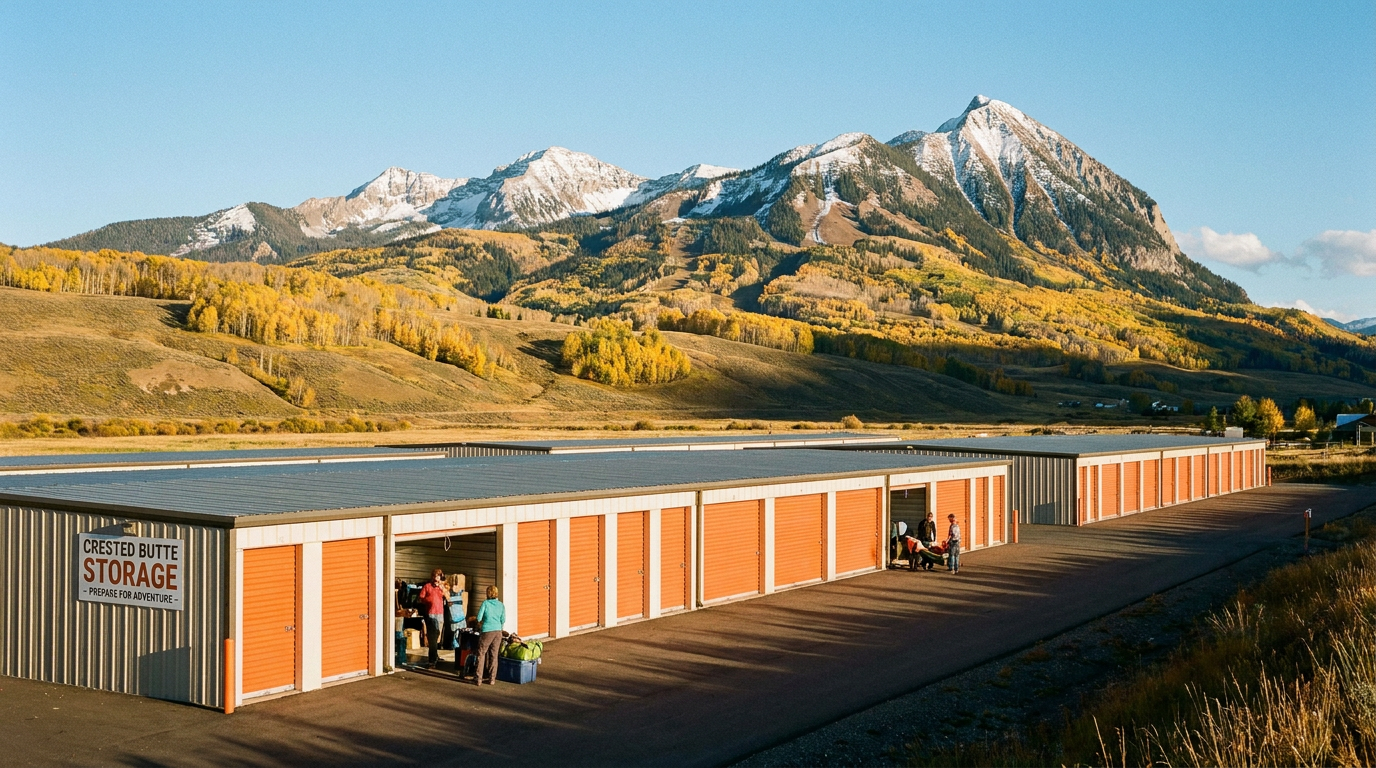
For Crested Butte residents managing seasonal gear or second-home owners arriving at irregular hours, true 24/7 access is essential. Elk Mountain Storage provides 24/7 drive-up access with LED lighting and snow removal, ensuring year-round accessibility regardless of weather conditions.
Is Drive-Up Access Available?
Drive-up units allow you to park directly in front of your storage door, eliminating the need to carry items through hallways or elevators. This matters significantly when storing heavy furniture, appliances, or bulky recreational equipment.
Interior units cost less but require more effort to access. Consider how frequently you will visit your unit and what you are storing. RV and boat owners particularly benefit from drive-up access with wide driveways that accommodate trailers and large vehicles.
What Happens During Inclement Weather?
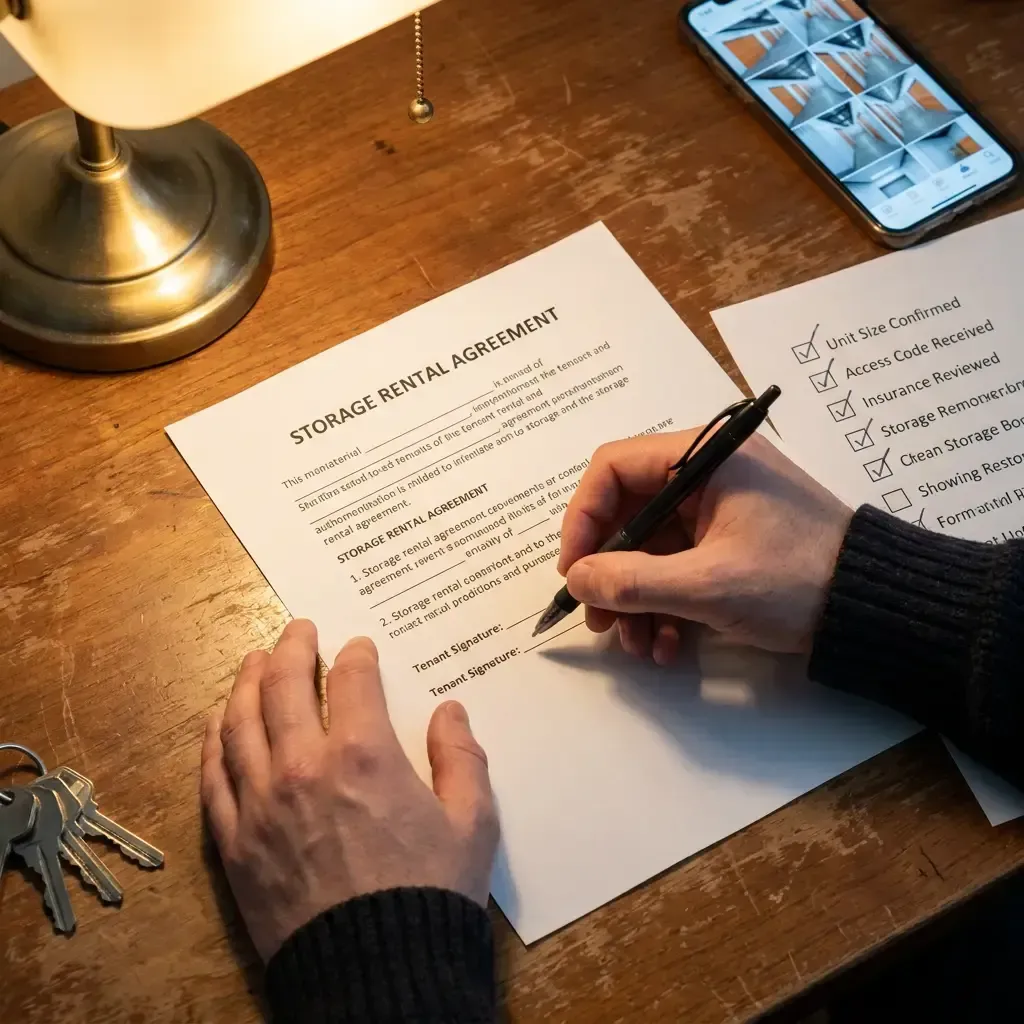
In mountain communities like Crested Butte, winter access is a legitimate concern. Ask whether the facility provides snow removal, whether driveways remain passable during storms, and whether access restrictions apply during severe weather. Facilities without dedicated snow removal may become inaccessible for days after major storms.
Security Features to Verify
Security varies dramatically between facilities. StorageStar recommends verifying specific security measures rather than accepting vague assurances about "state-of-the-art" systems.
What Security Measures Are in Place?
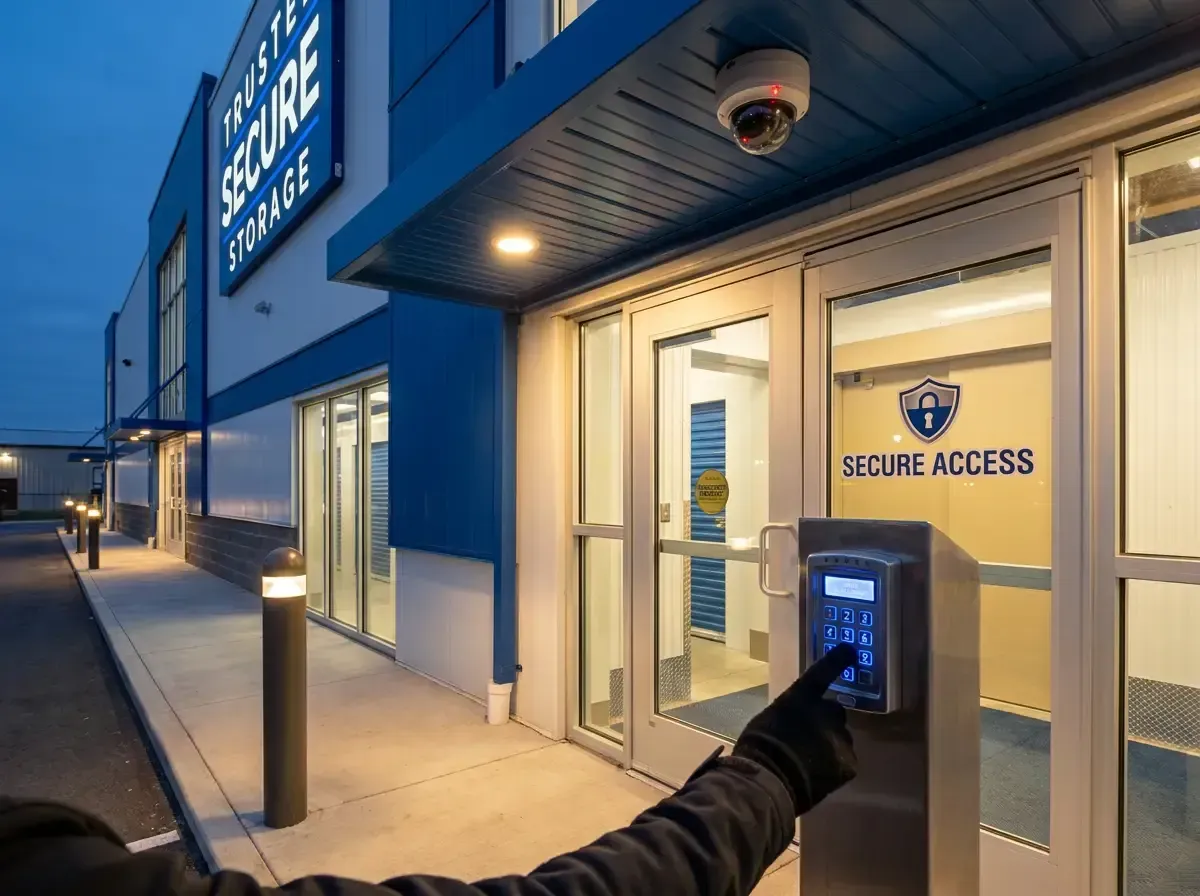
Ask about specific features: video surveillance (how many cameras, are they monitored or recorded only), perimeter fencing, electronic gate access with individual codes, and lighting. Facilities with individual unit alarms provide an additional layer of protection but are less common.
| Security Feature | Basic Facility | Full-Service Facility |
|---|---|---|
| Video Surveillance | Limited or none | Digital recording, multiple cameras |
| Perimeter Fencing | Chain link or none | Secure fencing with controlled entry |
| Gate Access | Shared code or key | Individual access codes |
| Lighting | Minimal | LED lighting throughout |
| Pest Control | As needed | Monthly scheduled service |
Can I Use My Own Lock?
Most facilities allow tenants to provide their own disc locks or cylinder locks, but some require specific lock types or sell locks on-site. Disc locks provide better security than standard padlocks because they are more resistant to bolt cutters. Budget $10 to $25 for a quality lock if purchasing one.
Who Has Access to My Unit Besides Me?
Understand the facility's policy on management access. Reputable facilities only enter units for emergencies, legal requirements, or lease violations. Ask whether you can authorize additional people to access your unit and what documentation is required.
Insurance and Protection Requirements
Storage facilities are not responsible for damage to your belongings unless caused by their negligence. Understanding insurance requirements prevents gaps in coverage.
Is Insurance Required?
Most facilities require proof of insurance covering stored items or purchase of their tenant protection plan. Your homeowners or renters insurance may already cover items in storage, but coverage limits and deductibles vary. Contact your insurance provider before assuming coverage exists.
Tenant protection plans offered by facilities typically cost $10 to $25 monthly and cover theft, fire, water damage, and other perils. Elk Mountain Storage offers tenant protection plans through SafeLease that provide coverage options for various value levels.
What Does the Protection Plan Actually Cover?
Read the coverage details carefully. Standard plans typically cover burglary, fire, and water damage but exclude floods, earthquakes, pest damage, and mold. Ask about coverage limits, deductibles, and the claims process. Our complete storage insurance guide explains what to look for in coverage.
Lease Terms and Contract Questions
The lease agreement governs your entire relationship with the facility. Innago's lease agreement guide recommends reviewing every clause before signing.
What Is the Lease Length and Renewal Process?
Month-to-month leases provide maximum flexibility for uncertain timelines. Some facilities offer discounts for longer commitments, such as 6 or 12 months, but these lock you into payments even if your needs change. Ask whether the lease auto-renews and what notice is required to prevent renewal.
What Notice Is Required to Move Out?
Most facilities require 10 to 30 days written notice before move-out. Without proper notice, you may owe an additional month's rent. Confirm whether notice must be submitted in writing, through an online portal, or verbally, and get confirmation of receipt.
What Are the Late Fees and Lien Policies?
Late fees typically range from $10 to $50 depending on the facility and state regulations. More importantly, understand the timeline for lien proceedings. Most states allow facilities to auction unit contents after 30 to 90 days of non-payment, though specific timelines vary by state law.
Ask these specific questions:
- How many days after the due date before late fees apply?
- How many days before access is restricted?
- How many days before lien proceedings begin?
- What notification methods are used before auction?
Unit Size and Condition Questions
Choosing the wrong size wastes money or leaves you without adequate space. Inspecting the unit before signing prevents disputes about pre-existing damage.
What Size Unit Do I Actually Need?
Storage units are measured in square feet, but ceiling height matters too. A 10x10 unit (100 square feet) with 8-foot ceilings holds significantly more than the same footprint with 6-foot ceilings. Use the storage unit size guide to estimate your needs based on specific items.
| Unit Size | Square Feet | Typical Contents | Monthly Cost Range |
|---|---|---|---|
| 5x5 | 25 sq ft | Boxes, seasonal items, small furniture | $50 to $100 |
| 5x10 | 50 sq ft | Studio apartment, mattress set, dresser | $75 to $150 |
| 10x10 | 100 sq ft | One-bedroom apartment contents | $100 to $225 |
| 10x20 | 200 sq ft | Two to three bedroom home, vehicle | $175 to $400 |
| 10x30 | 300 sq ft | Large home, RV, boat, multiple vehicles | $250 to $500 |
Can I Inspect the Unit Before Signing?
Always inspect the specific unit you will rent, not just a sample unit. Check for water stains on walls or ceiling, pest evidence, musty odors, and cleanliness. Document any pre-existing damage with photos and ensure it is noted on your lease agreement.
Do I Need Climate Control?
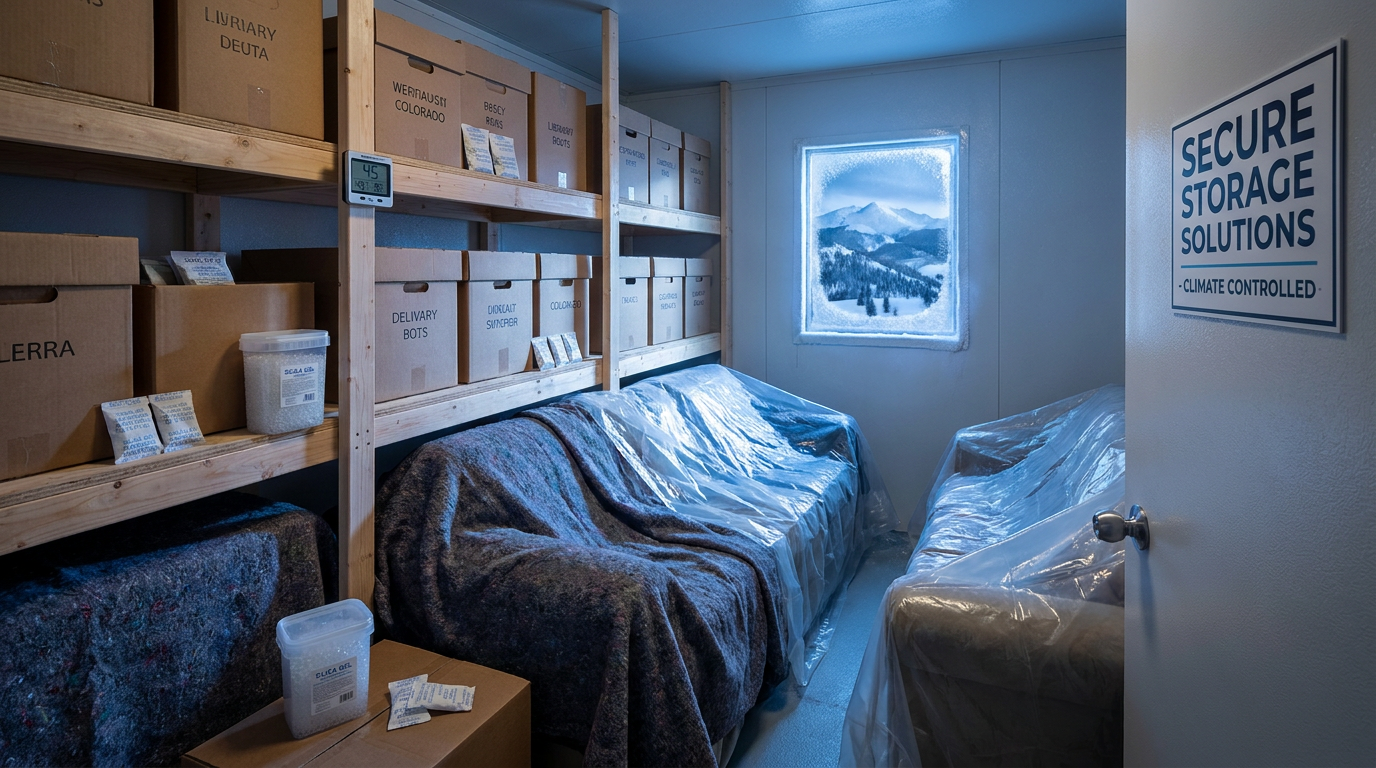
Climate-controlled units maintain temperatures between 55 and 80 degrees Fahrenheit and regulate humidity. They cost 20% to 50% more than standard units but protect temperature-sensitive items from damage.
Climate control is recommended for:
- Electronics and appliances
- Wood furniture and musical instruments
- Documents, photographs, and artwork
- Leather goods and clothing
- Wine and collectibles
In mountain climates where temperatures regularly drop below freezing or exceed 90 degrees, climate control prevents cracking, warping, and moisture damage that occurs with extreme temperature swings.
Prohibited Items and Restrictions
Every facility prohibits certain items for safety and legal reasons. Violating these rules can result in immediate lease termination and potential liability.
What Items Are Prohibited?
Standard prohibited items include:
- Flammable materials (gasoline, propane, fireworks)
- Perishable food items
- Hazardous chemicals and batteries
- Living things (plants, animals)
- Firearms and ammunition (varies by facility)
- Stolen or illegal goods
Some facilities have additional restrictions on tires, mattresses, or items with motors containing fuel. Ask specifically about items you plan to store if they might fall into gray areas.
Can I Store a Vehicle, RV, or Boat?
Vehicle storage requires specific unit types or outdoor parking spaces. Ask about size requirements, whether vehicles must be registered and insured, and whether fuel must be drained. Some facilities prohibit vehicle maintenance on-site.
Elk Mountain Storage offers RV and boat storage with units up to 19x35 feet, accommodating large recreational vehicles in downtown Crested Butte. This eliminates the need to drive 28 miles to Gunnison for vehicle storage.
Business Storage Considerations
Business customers have additional requirements beyond personal storage. Affordable Mini Storage notes that commercial users should verify specific policies before signing.
Can I Receive Deliveries at My Unit?
Some facilities accept deliveries on behalf of tenants while others prohibit this entirely. If you plan to use storage for business inventory, confirm delivery policies and any associated fees.
Are There Restrictions on Business Use?
Most facilities prohibit operating a business from a storage unit, meaning you cannot meet clients there or conduct sales. However, using storage for inventory, equipment, and supplies is typically permitted. Elk Mountain Storage offers business storage solutions designed for contractors, retailers, and property managers who need accessible inventory storage.
Red Flags to Watch For
Certain warning signs suggest a facility may not meet your needs or could cause problems later.
Warning Signs During Your Visit
Be cautious if you observe:
- Broken locks or damaged units
- Overgrown landscaping or debris in driveways
- Non-functional lighting or security cameras
- Pest evidence such as droppings or nests
- Water damage or standing water
- Unwillingness to show the specific unit you will rent
Contract Red Flags
Review the lease carefully for:
- Automatic rate increases without notice
- Excessive late fees or short grace periods
- Waiver of liability for all damage including negligence
- Unreasonable restrictions on access
- Mandatory arbitration clauses that limit legal recourse
The Four Ds of Self-Storage
Industry professionals use the "Four Ds" framework to understand why people need storage: Death, Divorce, Dislocation, and Downsizing. Understanding which category applies to your situation helps determine the right unit type and lease length.
Death: Estate settlement often requires temporary storage while belongings are sorted and distributed. Month-to-month leases provide flexibility during uncertain timelines.
Divorce: Household division frequently requires storage for one or both parties. Consider security and access restrictions if both parties may need access.
Dislocation: Job transfers, military deployments, or temporary relocations create storage needs. Climate control protects belongings during extended absence.
Downsizing: Moving to smaller spaces often means keeping items that do not fit. Evaluate whether long-term storage costs justify keeping items versus selling or donating them.
Questions Specific to Mountain Communities
Storage needs in resort and mountain communities differ from urban areas. Seasonal residents, outdoor enthusiasts, and vacation property owners face unique challenges.
Seasonal Storage Considerations
Second-home owners in Crested Butte often need storage for items between visits: patio furniture, recreational gear, and seasonal decorations. Ask whether the facility offers prorated billing for partial months if your schedule does not align with billing cycles.
Gunnison Valley residents benefit from storage located in Crested Butte rather than making the 28-mile drive to Gunnison, particularly during winter months when road conditions deteriorate.
Recreational Gear Storage
Skis, snowboards, bikes, and paddleboards require specific storage conditions. Ask whether units are suitable for gear with bindings, whether vertical storage is permitted, and whether the facility has experienced issues with rodents damaging fabric or foam components.
Frequently Asked Questions
What questions should I ask before signing a lease?
Ask about total monthly cost including all fees, access hours and restrictions, security features, insurance requirements, lease length and cancellation policy, late fees and lien procedures, and prohibited items. Request a tour of the specific unit you will rent and document any pre-existing damage.
What questions to ask when renting a storage unit?
Essential questions include: What is the all-in monthly cost? What are your access hours? What security measures are in place? Is insurance required? What notice is needed to move out? What items are prohibited? Can I inspect my specific unit before signing? These questions prevent surprises and ensure the facility meets your needs.
What are the 4 Ds of self-storage?
The Four Ds refer to Death, Divorce, Dislocation, and Downsizing. These life events account for the majority of storage demand. Understanding which situation applies helps determine appropriate unit size, lease length, and features needed.
What are red flags to watch out for when renting?
Red flags include broken security features, pest evidence, water damage, refusal to show your specific unit, excessive fees, automatic rate increases, unreasonable access restrictions, and pressure to sign immediately. A reputable facility welcomes questions and provides transparent information about all policies.
Your Pre-Signing Checklist Summary
Before signing any storage lease, confirm these items:
- Total monthly cost including all fees (admin, insurance, lock)
- Promotional rate duration and regular pricing
- Access hours and any restrictions
- Security features (cameras, lighting, fencing, locks)
- Insurance requirements and coverage options
- Lease length and auto-renewal terms
- Move-out notice requirements
- Late fee amounts and grace period
- Lien and auction timeline
- Prohibited items list
- Unit inspection completed and damage documented
- Climate control necessity evaluated
- Payment methods and autopay options
- Contact information for questions or emergencies
- Written confirmation of all verbal promises
Taking time to ask these questions protects your belongings and prevents costly surprises. A reputable storage facility welcomes thorough questions because transparency builds trust.
Find answers to additional questions in our storage FAQ or contact our team at (970) 316-4811 for personalized assistance.
|